
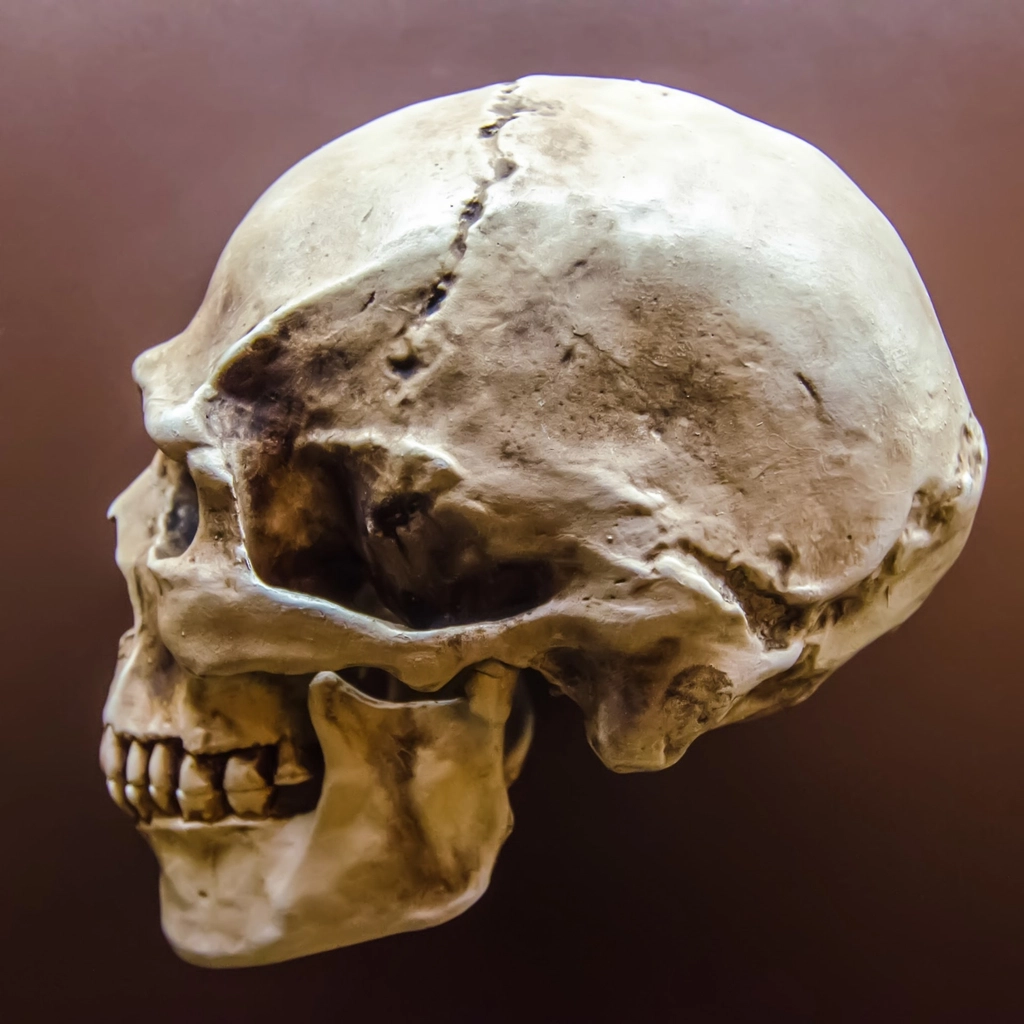
Every few years, a new fossil or DNA result forces scientists to erase and redraw huge parts of our family tree. But one particular wave of discoveries in the last couple of decades did something more dramatic: it shattered the comforting story that modern humans marched out of Africa, replaced everyone else, and neatly took over the world. Instead, it revealed a tangled saga of interbreeding, overlapping species, and ancient relatives hiding in plain sight inside our own genes.
This revelation did not come from a single skull in a cave. It came from something far stranger and more intimate: the DNA of long-dead humans, preserved in bones and teeth for tens of thousands of years. When scientists finally learned how to read that ancient genetic code, the surprise was almost uncomfortable. The clear-cut story of who we are blurred overnight, and suddenly, humanity looked less like a straight ladder and more like a wildly branching, interwoven forest.
The Shocking Moment: When DNA Said We Were Not Alone
Imagine thinking you know your family story, only to find out that your supposed ancestors were living side by side with at least two, maybe more, closely related human groups – and in some cases, having children with them. For much of the twentieth century, the dominant idea was that modern humans evolved in Africa, spread out, and replaced earlier humans like Neanderthals with little or no mixing. It was clean, simple, and reassuringly linear.
Then ancient DNA technology matured, and that story cracked. When researchers first sequenced the Neanderthal genome from bones found in Europe and Western Asia, they compared it to the DNA of people alive today. The result stunned the field: people with ancestry outside sub-Saharan Africa carried small but clear traces of Neanderthal DNA. That meant our species and theirs had met, interacted, and had children who were fully part of our lineage. Overnight, Neanderthals transformed from evolutionary dead-ends into surprising co-authors of our genetic script.
Neanderthals: From Caveman Stereotypes to Genetic Co‑Parents
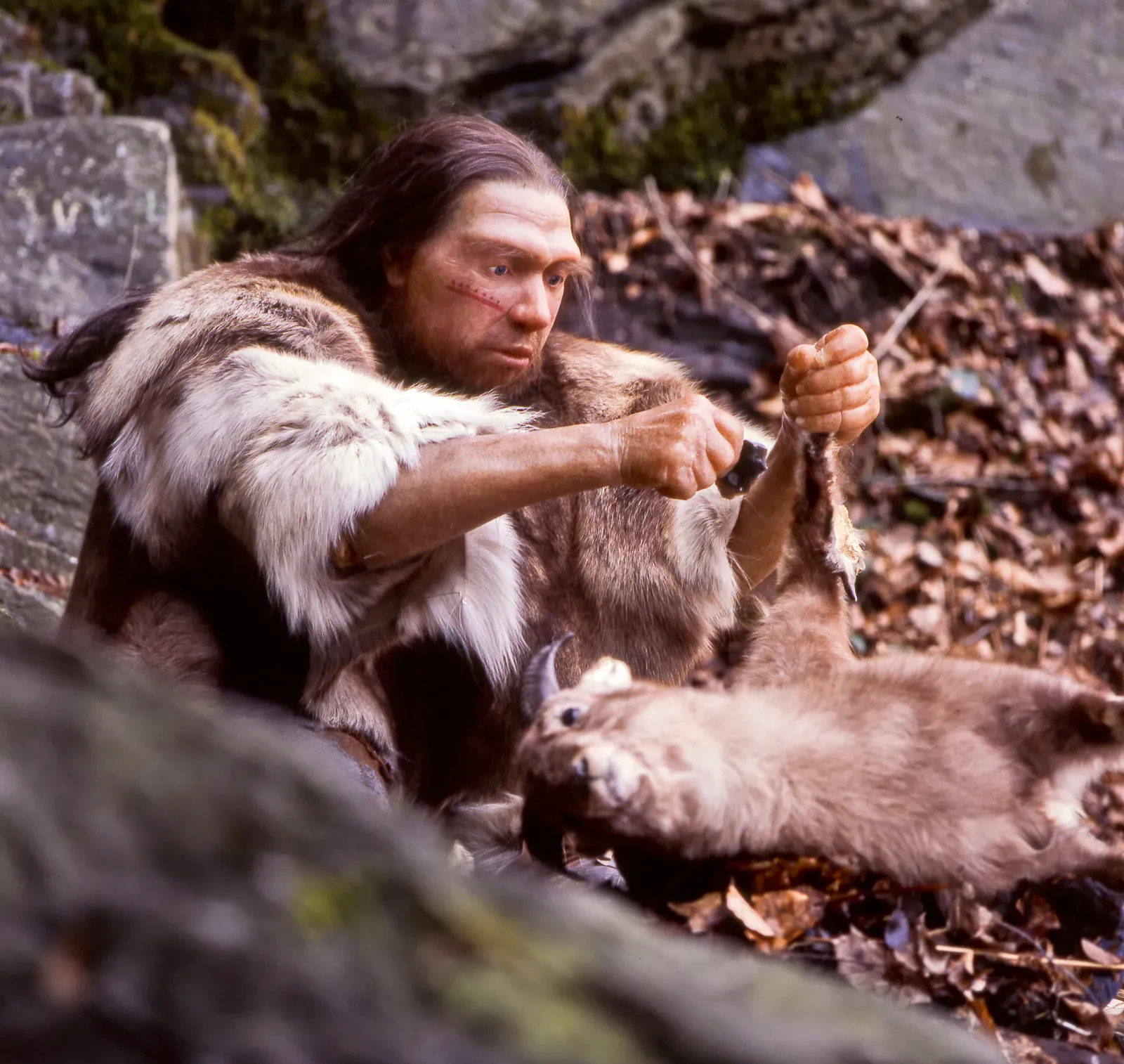
For a long time, Neanderthals were treated almost like a punchline – portrayed as brutish, slow, and doomed to fail once modern humans arrived. Schoolbooks and museum exhibits often showed them as a rough draft of humanity that evolution wisely abandoned. That image went unchallenged in the public imagination, even as more sophisticated research suggested they were skilled hunters, toolmakers, and likely capable of complex social lives.
The revelation that many people today carry a small proportion of Neanderthal DNA turned that old narrative upside down. It meant that Neanderthals were not simply replaced; they were absorbed, at least in part, into our gene pool. Some of the genes they passed on are tied to our immune system, metabolism, and even how our skin reacts to sunlight or cold. Instead of being a failed side branch, Neanderthals became part of us, literally. The idea that we are the one pure, continuous line suddenly looked naïve, and honestly, a bit arrogant.
Denisovans: The Ghost Cousins Found in a Finger Bone
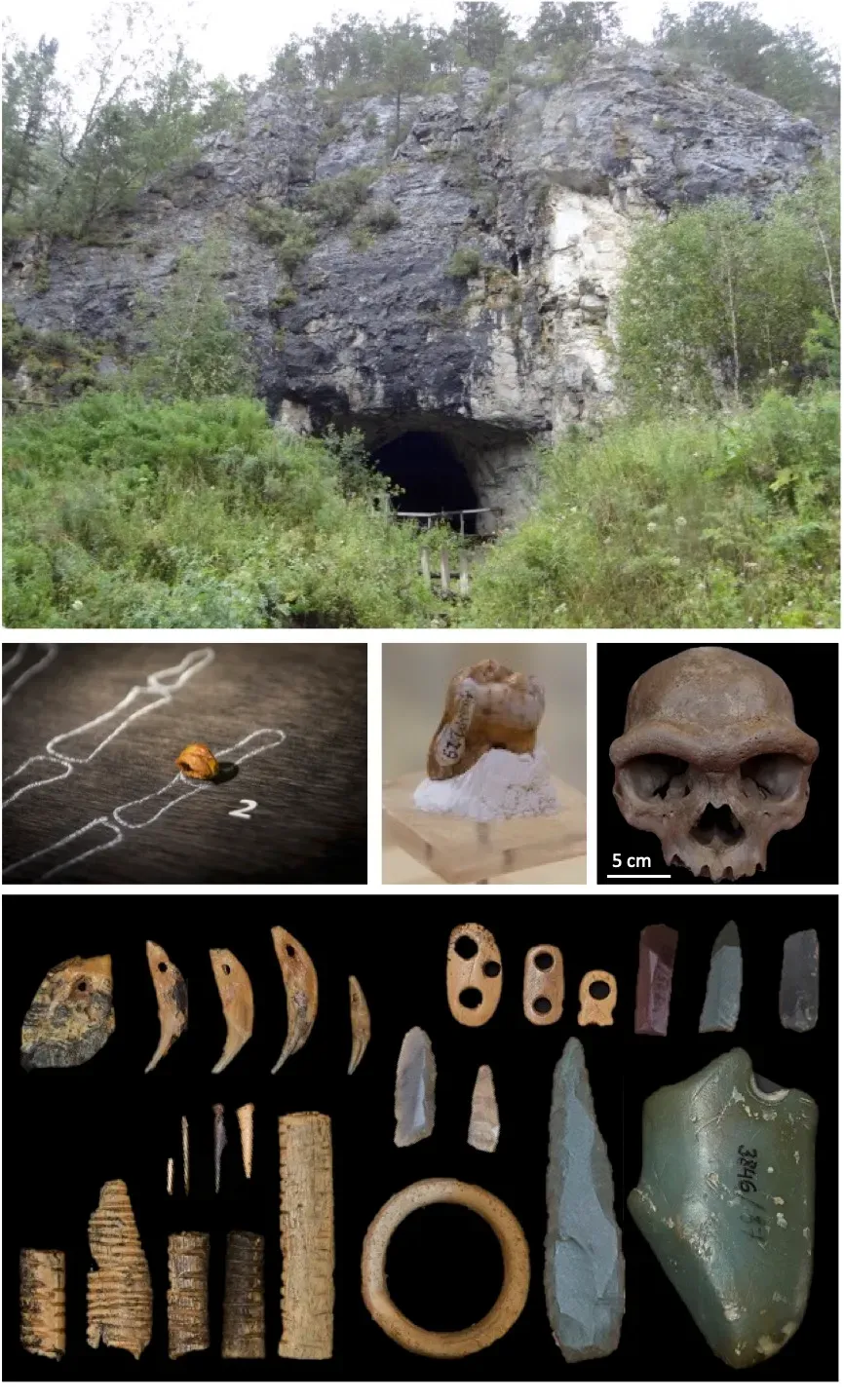
If Neanderthals complicated the story, Denisovans blew it wide open. Discovered not from a full skeleton, but from a tiny finger bone and a few teeth in a Siberian cave, Denisovans were first recognized almost entirely through their DNA. Under a microscope, those bones looked unremarkable. Genetically, they revealed a whole new group of ancient humans that no one had clearly identified before.
What made Denisovans even more surprising was who carried their genetic legacy. People from parts of Asia, Oceania, and the Pacific show traces of Denisovan ancestry, sometimes more than they carry Neanderthal DNA. This suggests that Denisovans lived widely across Asia and interbred with the ancestors of some modern populations. A fragment of a bone in a chilly cave ended up telling a sweeping story about migration, mixing, and lost relatives who left a deeper imprint than many of us ever realized.
A Family Tree That Looks More Like a Web Than a Ladder
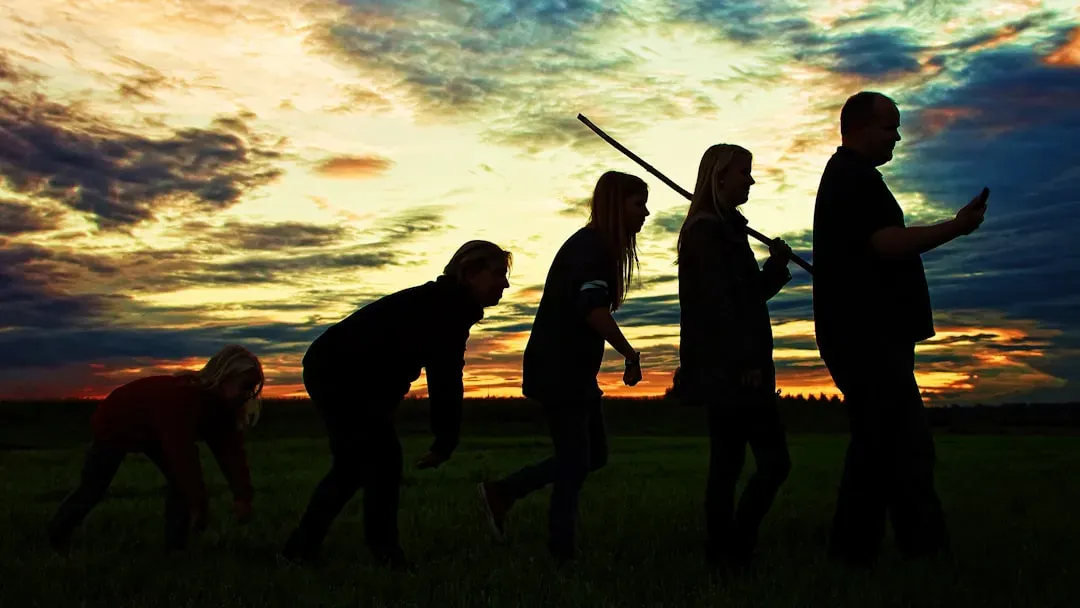
Once Neanderthals and Denisovans joined the cast, the old picture of human evolution as a simple line – ape, early human, modern human – stopped making sense. Instead, the evidence points to overlapping populations spreading out of Africa at different times, meeting, mixing, and sometimes vanishing. In genetic terms, it looks less like a tidy branching tree and more like a web with crossings, loops, and faint ghost lines that are only partially visible.
Ancient DNA hints at even more tantalizing possibilities, like “ghost populations” that left genetic traces but have not yet been tied to specific fossils. When you zoom out, humanity’s evolutionary story resembles a crowded crossroads, where different human groups met under changing climates and shifting landscapes. To me, that picture feels more honest and more human than the old ladder version. Real families are messy, and so, it turns out, is our species’ deep past.
How Ancient DNA Turned Bones Into Time Machines
The real hero of this rewritten story is not a single fossil but a toolkit: the ability to extract and sequence DNA from very old remains. Bones and teeth, especially in cold, dry, or stable environments, can preserve fragments of genetic material for tens of thousands of years. With delicate lab techniques and powerful sequencing machines, scientists can now read those fragments and piece together genomes that once seemed permanently lost.
This genetic time travel does something fossils alone can’t. Bones show shape, size, and sometimes signs of injury or disease, but DNA reveals relationships, migrations, interbreeding, and even hints of traits like skin color or how bodies adapted to altitude or climate. Suddenly, we can ask: Did these two groups have children together? Did genes flow from one region to another? It is like moving from a silent black‑and‑white film to a movie with color, sound, and subtitles explaining the hidden drama.
Of course, ancient DNA has limits. It degrades over time, so older remains, especially in hot or humid places, are harder to study. That means our view is still biased toward certain regions and time periods. But even with those gaps, the signal is strong enough to challenge the comfortable myths we used to repeat.
What This Means for Identity, Purity, and Being “Fully Human”
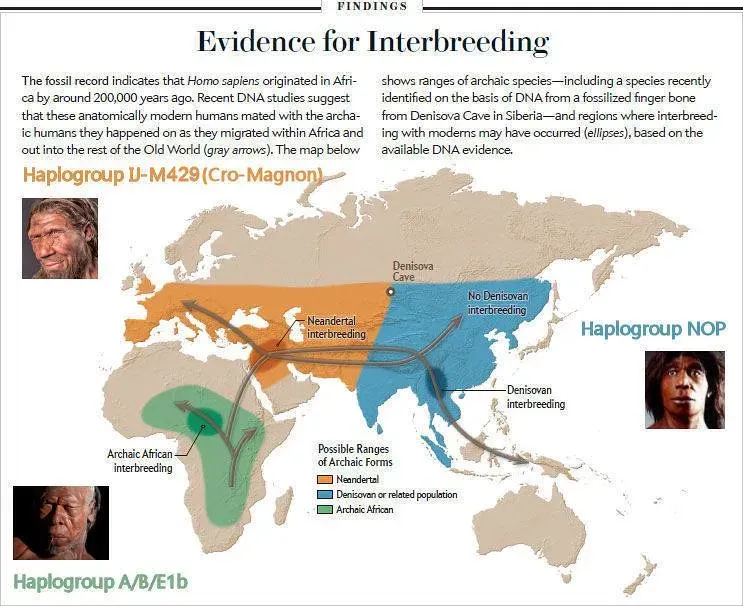
The discovery that many of us carry DNA from Neanderthals, Denisovans, and perhaps other unknown groups is not just a scientific twist; it hits something emotional. For anyone raised on the idea that modern humans replaced all others because we were simply superior, the new picture can be unsettling. It says that we are not pure, that our genetic story is shared, borrowed, and blended across different kinds of humans.
Personally, I find that strangely freeing. The notion of some pristine, untouched human lineage surviving while all others vanished always felt more like a comforting myth than a realistic history. Now we know that being human has always meant being part of a mixed, migrating, adapting network of relatives. The idea of “pure” anything – pure ancestry, pure culture, pure identity – starts to look less like strength and more like a misunderstanding of how life really works.
The Ongoing Plot Twist: Our Story Is Still Being Rewritten
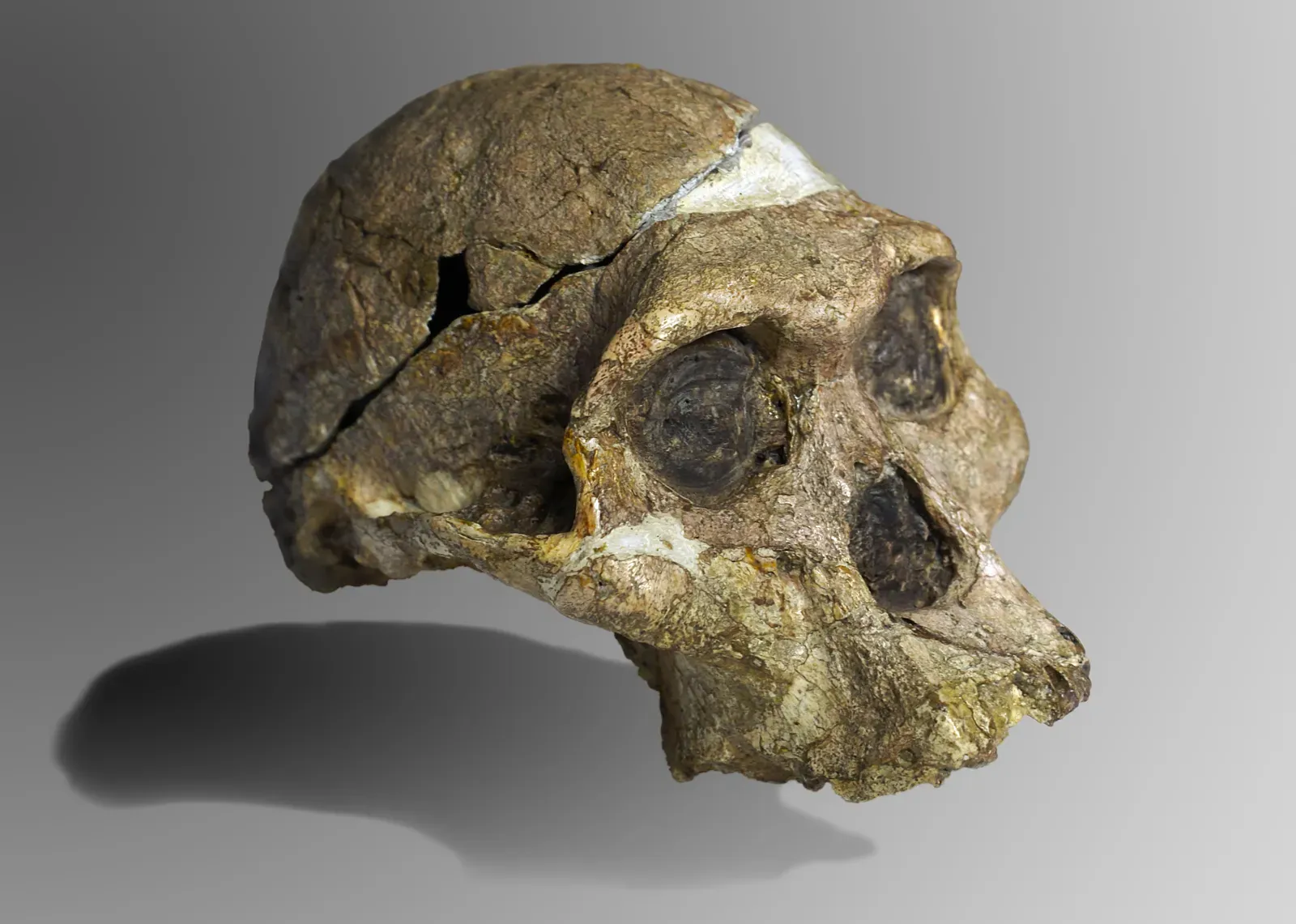
It is tempting to think the big surprise already happened, that the discovery of ancient DNA from Neanderthals and Denisovans was the twist ending and the credits are about to roll. But science almost never works that way. New fossils keep turning up in places once ignored, and genetic methods keep getting more sensitive, able to pull signals out of smaller and older fragments. With every new find, that tangled web of our ancestry gets a little more detailed – and sometimes, a little stranger.
There is also a deeper shift happening in how we talk about our past. Instead of hunting for a single missing link or a final, perfect ancestor, researchers are more open to complex stories: multiple migrations, regional diversity, and long periods of coexistence between different human groups. That mindset, in my view, is healthier. It leaves room for surprise instead of demanding that every new discovery fit a neat hierarchy. If there is one lesson from ancient DNA, it is that the past is rarely as simple as we hoped, and that is exactly what makes it worth exploring.
Conclusion: A Messier, Truer Story of Us
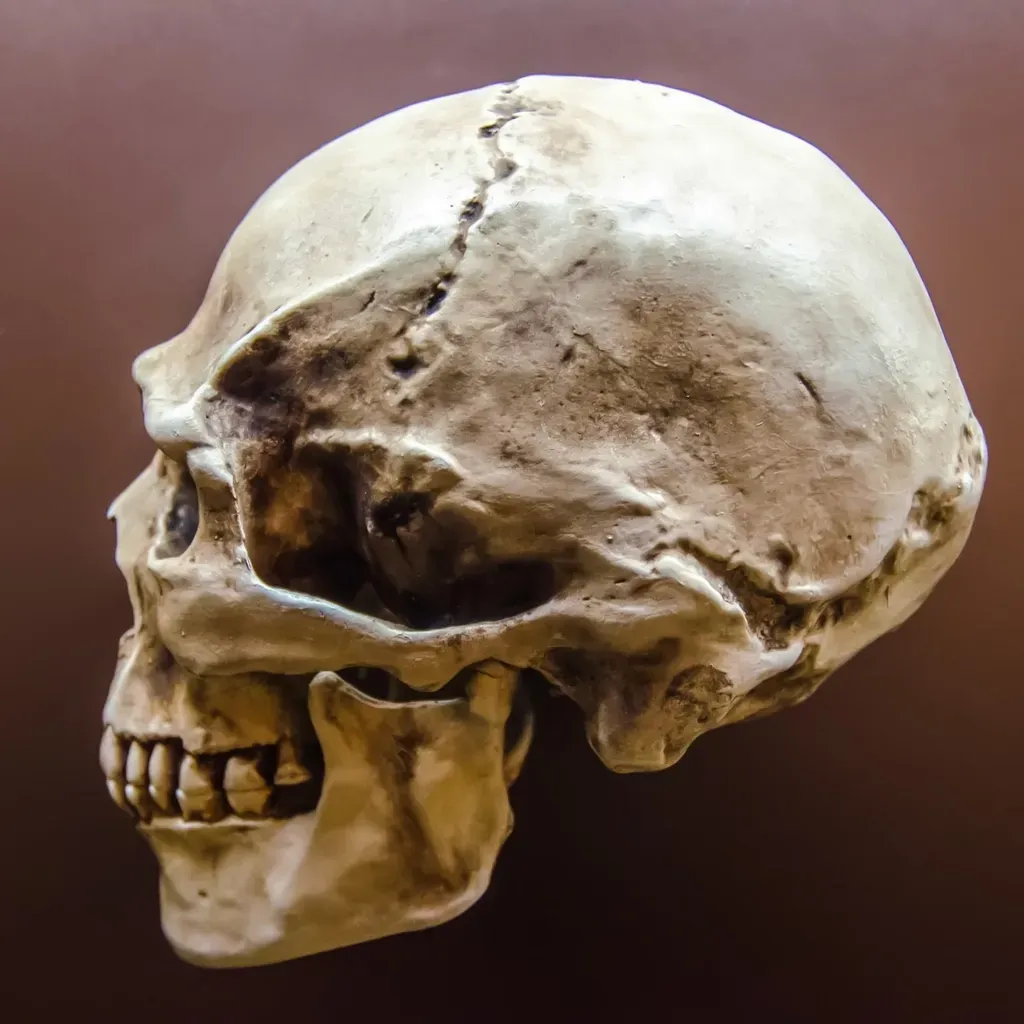
The ancient human discoveries that rewrote our family tree did more than add a few new branches. They exposed the old, straight‑line narrative as wishful thinking. Instead of a lone, triumphant species emerging and replacing all others, we see a world where different kinds of humans met, mingled, and sometimes merged. Our genes carry quiet echoes of those encounters, whether from Neanderthals in Ice Age Europe or Denisovans in the mountains and islands of Asia and Oceania.
I think we should lean into this messier story, not resist it. It undercuts myths of superiority and purity, and replaces them with something more grounded: a picture of humanity as a patchwork, stitched together over hundreds of thousands of years by curiosity, movement, adaptation, and yes, interbreeding. In the end, the biggest twist is not that we have ancient cousins in our DNA; it is that we ever believed we stood completely apart. When you look at our family tree now – crisscrossed, crowded, and beautifully tangled – doesn’t it make you wonder what other surprises are still hiding in our bones?