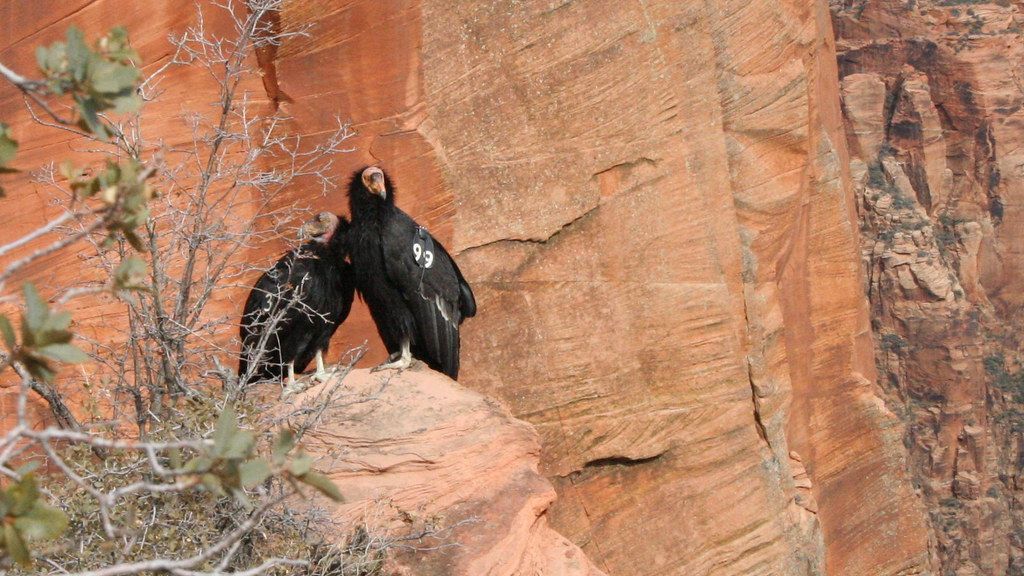
The California condor has one of those storylines that would be rejected in a movie script for being too dramatic. Once soaring over most of western North America, it crashed so hard that by the late twentieth century, every last wild bird had to be captured just to keep the species from vanishing. Now, decades later, they are back in the skies of California, Arizona, Utah, and Baja California, and people are rightly celebrating every glimpse of those massive, black‑winged silhouettes. But behind the inspiring photos and feel‑good headlines, the science paints a much harsher picture: this comeback is real, but it is also fragile, expensive, and still on life support.
That tension between triumph and vulnerability is what really defines the condor story today. Biologists are doing things that would have sounded like science fiction a generation ago: tracking individual birds with GPS tags, checking blood for toxins, managing genetics like a complex family tree. At the same time, the very forces that nearly wiped condors out – especially lead poisoning – remain stubborn and pervasive. The uncomfortable truth is that, as of 2026, this species still cannot survive without deep, ongoing human intervention. If you think the condor’s comeback means we can just step back and let nature handle the rest, the data strongly disagrees.
A Species Pulled Back From the Edge, But Not Yet on Its Own
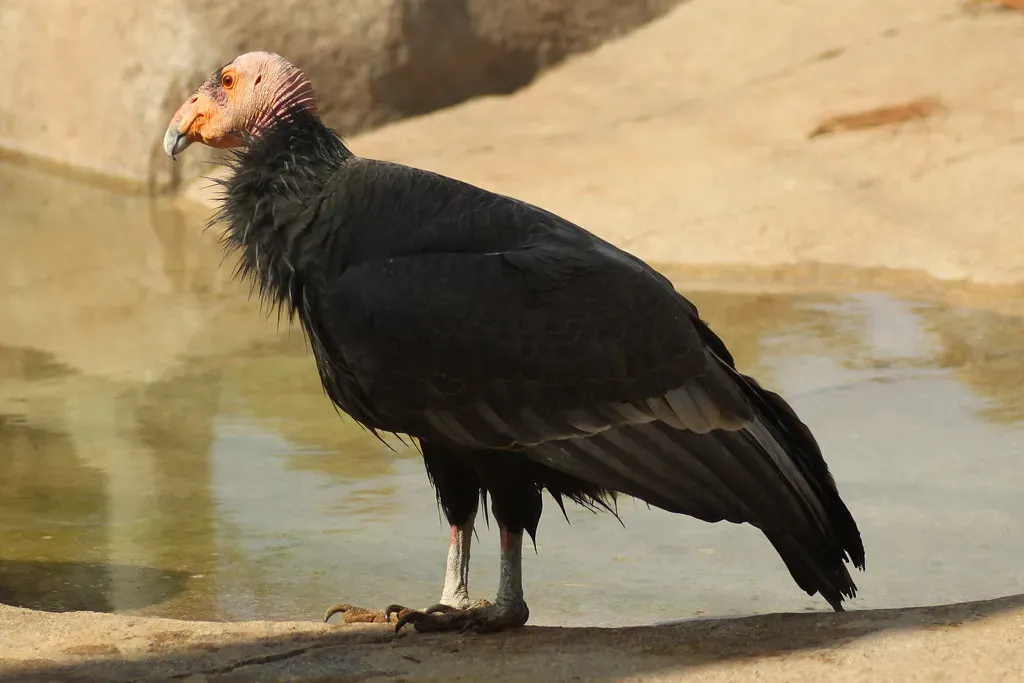
It is hard to overstate how close California condors came to disappearing altogether. In the 1980s, the wild population had dropped to just a couple of dozen birds, and scientists made the controversial decision to capture every last one and rely entirely on captive breeding. It worked in the most literal sense: the species did not go extinct, and condors raised in zoos were gradually released back into the wild in California, then in Arizona and Utah, and later in Baja California. Today, there are several hundred birds, with a growing number soaring free, pairing up, and raising chicks in remote cliffs and giant redwoods.
But there is an important catch: the population is still only viable because people are constantly propping it up. Biologists track birds, rescue sick or poisoned individuals, treat them in specialized facilities, and then re‑release them. Captive breeding still supplies new condors to make up for high mortality in the wild. On paper, that looks like a success story; in reality, it is more like a patient out of the ICU but still attached to machines. The species is back in the wild, yes, but it is not yet managing its fate without a human safety net.
Lead Poisoning: The Hidden Killer That Will Not Go Away
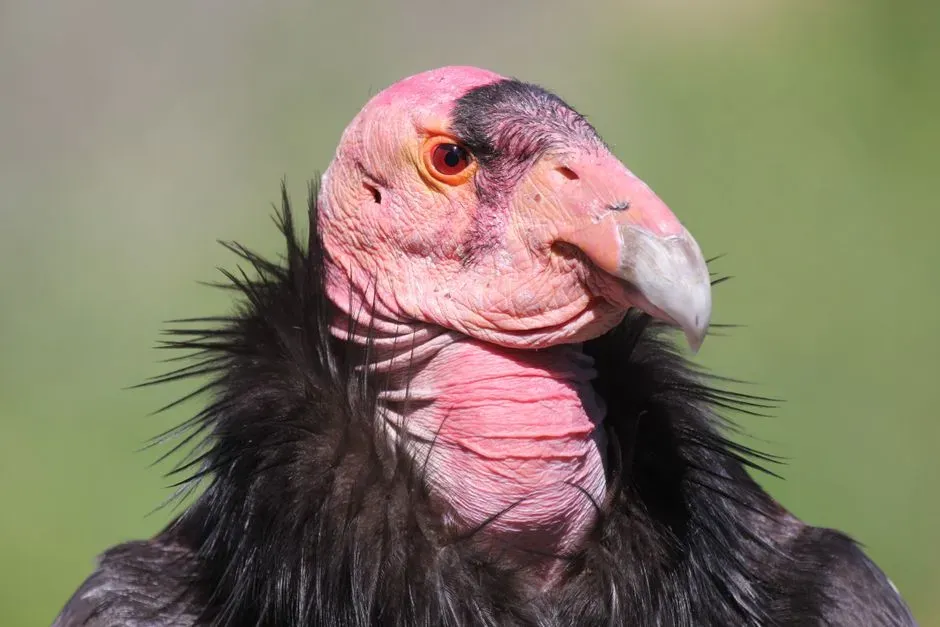
If there is one villain in the condor saga that science keeps circling back to, it is lead. Condors are scavengers, and in much of their range they feed on carcasses of deer, pigs, coyotes, and other animals that have been shot with lead ammunition. Tiny fragments of lead can scatter through the tissue around a wound channel, and when condors swallow those bits along with the meat, the metal slowly poisons them. Biologists routinely find that a large share of wild condors show elevated lead levels in their blood, and many birds require repeated emergency treatments called chelation to pull lead out of their systems.
From a purely scientific perspective, the problem is painfully clear: without substantially reducing lead exposure, condors will continue to die at rates that are too high to sustain a fully self‑reliant wild population. Even in regions with regulations limiting or banning lead ammunition for hunting, enforcement gaps, legacy lead in the landscape, and ongoing use in some areas mean birds are still getting exposed. The result is a grim cycle: condors get poisoned, are captured, treated at great cost, and re‑released, only to risk encountering the same invisible threat again. It is hard not to feel frustrated, because we actually know how to fix this, but social and political will often lag far behind the science.
Genetic Bottlenecks and the Long Shadow of Near‑Extinction
When your entire surviving species fits into one room, the genetic consequences linger for generations. California condors went through an extreme bottleneck, and that means the current population started from a very small pool of founders. Scientists carefully track which birds breed with which, trying to minimize inbreeding and preserve as much remaining genetic diversity as possible. They rely on detailed pedigrees and, increasingly, on genomic tools to decide which individuals should be paired in captivity or released into certain regions, almost like a long‑term strategy game with real lives at stake.
The worry is not that condors will suddenly collapse genetically tomorrow, but that low variation can make them less resilient to disease, environmental change, and new threats over time. If a novel pathogen shows up, a species with limited genetic diversity has fewer cards to play. There are also subtle effects: inbred chicks may be less robust, or certain harmful traits may become more common. So even while we celebrate every new chick, scientists are constantly asking quieter questions in the background: are we keeping enough genetic options open for this species to cope with the next century, not just the next decade?
Slow Life Histories, High Risks: Biology Working Against a Quick Recovery
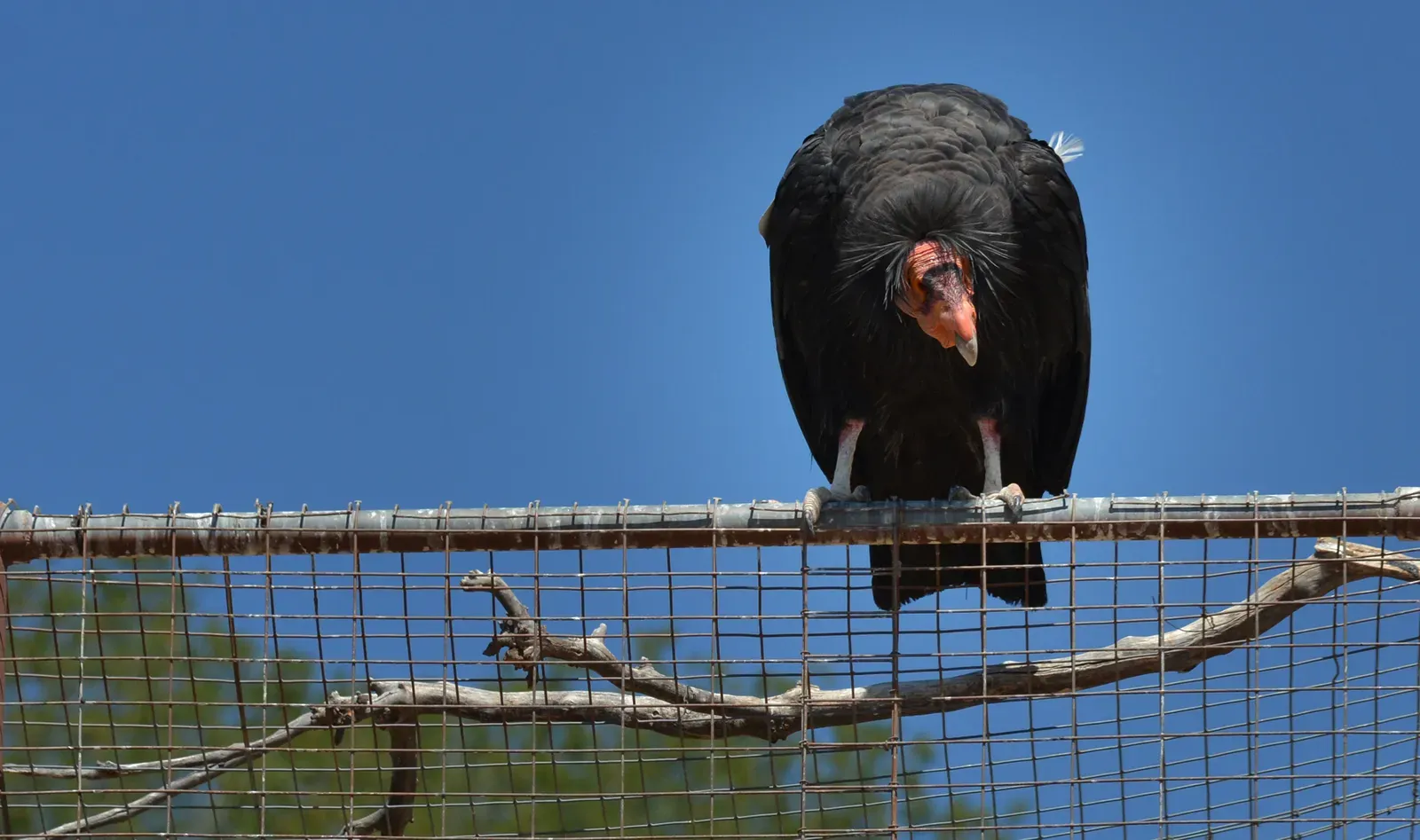
California condors live on a timescale that does not match our appetite for quick conservation wins. They are huge birds that take many years to mature, and when they finally do breed, they typically lay just a single egg every other year. That means even in ideal conditions, population growth is slow and vulnerable. If adult survival drops because of lead, power‑line collisions, or other hazards, the math quickly turns ugly. You cannot simply “replace” a lost condor the way some faster‑breeding species can rebound.
This slow, careful life strategy made perfect sense when condors ranged over vast, lightly populated landscapes and had few human‑made threats to worry about. In a modern world full of bullets, power lines, wind farms, and toxic residues, that same strategy becomes a liability. Every adult is precious, every death a major blow. From an emotional standpoint, it is heartbreaking to see a bird that took a decade to reach breeding age die from a hazard we know how to reduce. From a scientific standpoint, this slow life history is a constant reminder that even small improvements in adult survival rates can make or break the entire recovery effort.
Power Lines, Wind Turbines, and Our Expanding Footprint
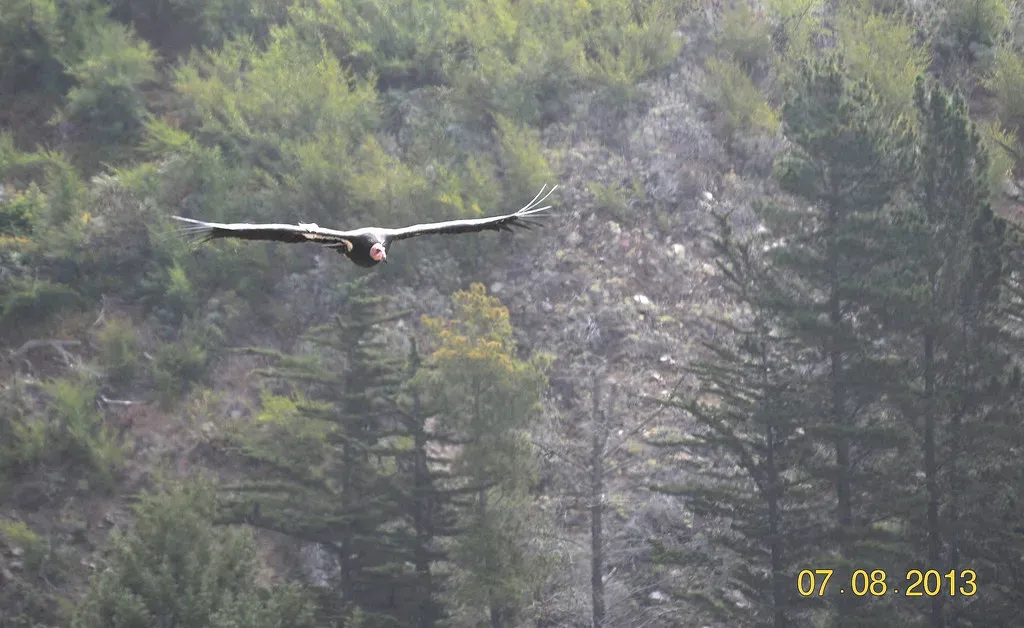
Condors evolved to ride rising air currents along cliffs and mountains, not to navigate a maze of wires and towers. As their range expands, they inevitably encounter dense networks of power lines and, in some areas, large wind farms. Collisions and electrocutions have already killed birds, and the risk grows as we build more infrastructure to meet growing energy demands. Managers have tried creative solutions, from aversion training in captivity to targeted line‑marking and line‑burial in key areas, but these fixes are partial and often expensive.
There is also a broader tension here that is hard to ignore. Society urgently needs more renewable energy and resilient grids to address climate change, yet large raptors and scavengers often pay the price for poorly planned expansion. The condor becomes a symbol of that trade‑off: a species we are trying desperately to save while simultaneously reshaping the landscape in ways that introduce new dangers. In my view, the honest path forward is not to pretend there is no conflict, but to force ourselves to design energy and infrastructure projects that explicitly account for collision risk and habitat quality from the very start, rather than bolting on solutions after the damage is done.
Money, Politics, and the Question No One Likes: How Long Do We Pay?
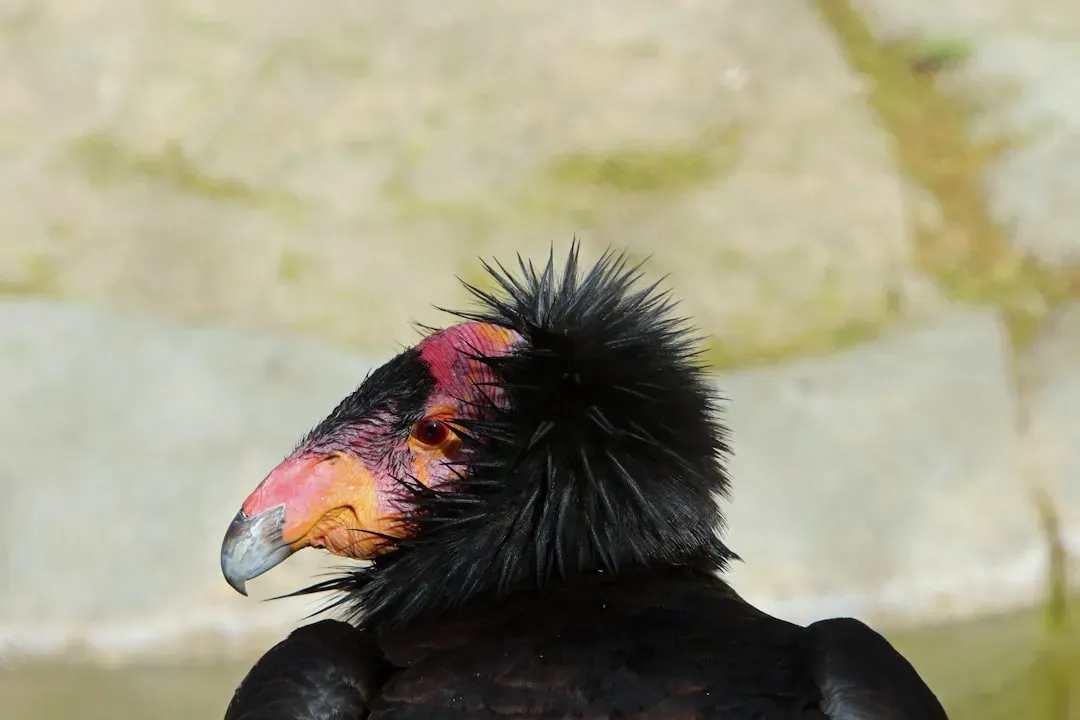
None of this work is cheap. Captive breeding, intensive field monitoring, lead testing and treatment, GPS tracking, habitat management, and public outreach together form a massive, long‑term conservation enterprise. For decades, condors have benefited from a rare level of attention and funding compared to many other vulnerable species that quietly slip through the cracks. That raises an uncomfortable but necessary question: how long are we willing to pour substantial resources into a single species that still cannot sustain itself without our help?
On one hand, there is a powerful ethical argument that having pushed condors to the brink, we have a responsibility to see the recovery through, even if it takes multiple human generations. On the other hand, conservation budgets are not infinite, and every dollar spent on condors is a dollar not spent on other ecosystems and species. Personally, I think the real problem is framing it as a zero‑sum game instead of a test of our priorities. The condor story forces us to be honest about what recovery actually means: not just a few birds flying again, but a functional, mostly self‑sustaining population. Until science shows that condors can maintain stable or growing numbers without constant emergency interventions, walking away would not be a neutral decision; it would be a slow motion choice to let them fade out.
Conclusion: A Comeback Worth Celebrating, But Not Yet a Victory
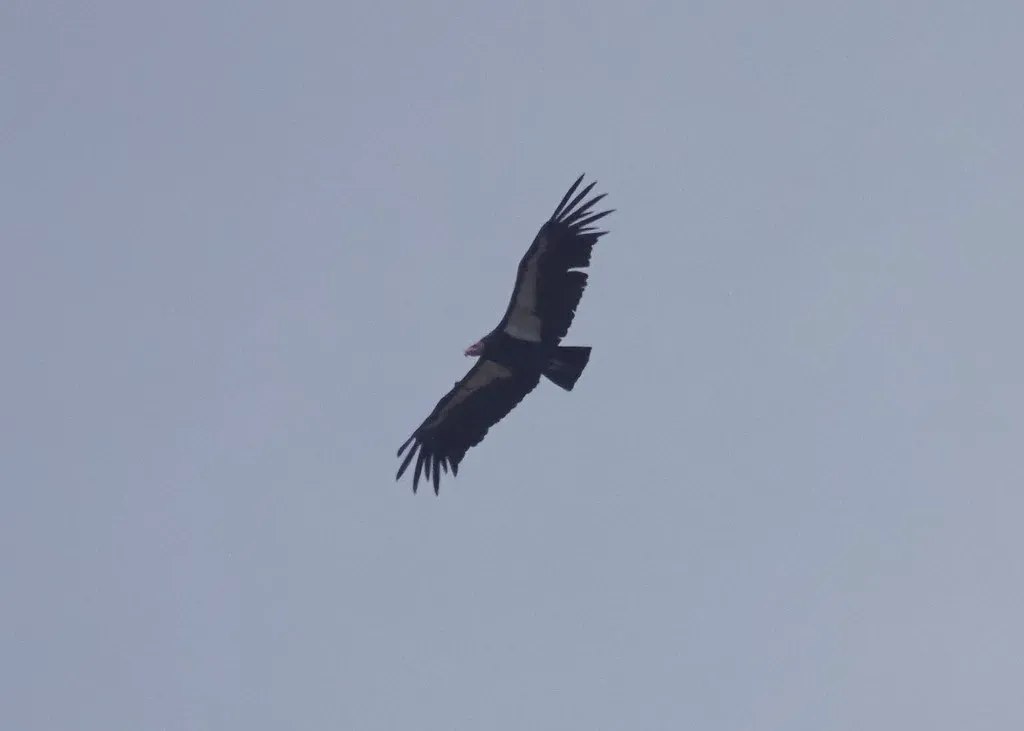
The California condor’s return to western skies is one of the most dramatic conservation achievements of our time, and it deserves to be celebrated. At the same time, the science is clear that this is not a simple comeback story with a neat, happy ending. Lead poisoning still chips away at adult survival, genetic limitations quietly shape the species’ future, slow reproduction puts brutal weight on every individual, and our growing infrastructure overlays new risks onto old landscapes. This is not a wild population thriving on its own; it is a wild population held up by a complex web of human decisions, money, and technology.
My own view is that this is exactly why the condor matters so much right now. It forces us to confront the reality that saving a species in the twenty‑first century is rarely about stepping back and letting nature heal; it is about long‑term stewardship, uncomfortable trade‑offs, and the humility to admit that some harms cannot be reversed quickly, if ever. Whether the California condor’s story ultimately becomes a rare example of full recovery or a cautionary tale about stopping halfway will depend on choices we are making today about lead, land use, energy, and funding. When you look up and see those enormous wings catching the light, it is worth asking yourself: are we willing to do what it actually takes to keep them there, or are we just content with the illusion of a comeback?