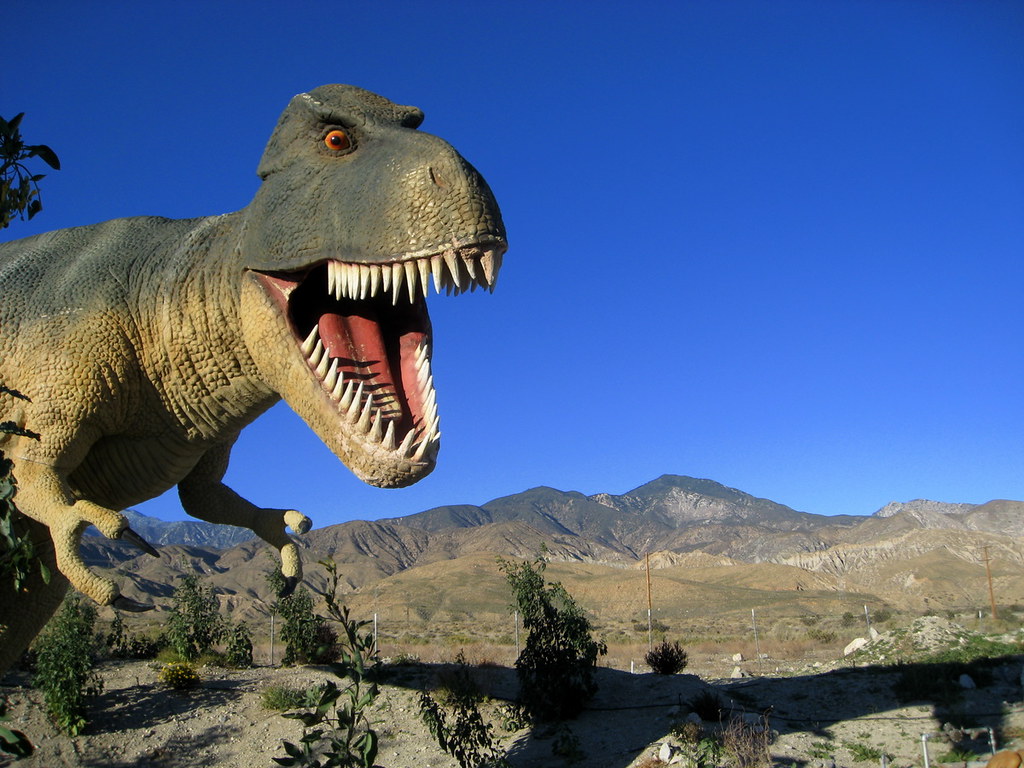
If your mental image of “ancient Earth” starts with a T. rex roaring at the sky, you’re skipping more than three billion years of drama. Dinosaurs were incredible, but they were a very late chapter in a story that began in a world with no plants, no oxygen to breathe, and no continents that looked anything like today. The real origins of life are buried so deep in time that our brains almost refuse to picture it.
Once you zoom out far enough, the Age of Dinosaurs stops looking like the grand opening and starts to feel more like season three of a long-running show. Before them, Earth hosted alien-looking microbes, bizarre soft-bodied creatures, giant sea scorpions, and forests of towering ferns and dragonfly-like insects with wingspans wider than your arm span. Let’s walk the timeline from the very beginning, and you’ll see why saying “life started with dinosaurs” is like saying movies began with Marvel.
From Hellish Earth to the First Life: The Hadean and Early Archean
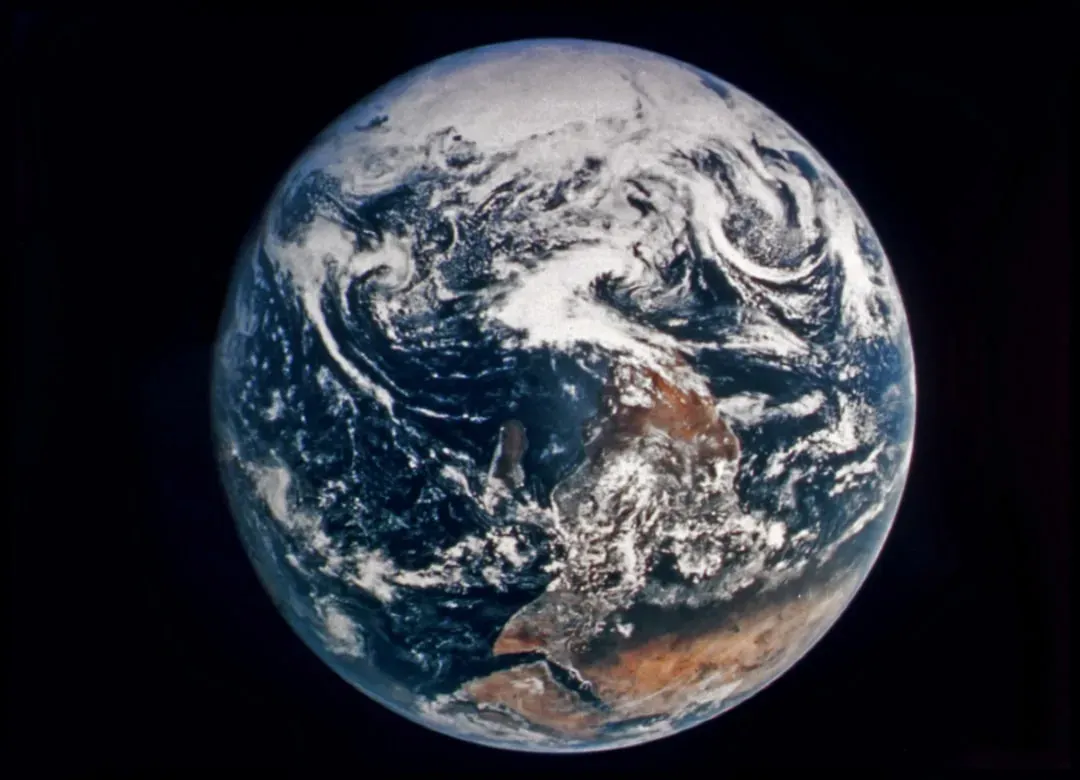
Try to imagine standing on Earth four and a half billion years ago – you would not survive more than a heartbeat. The surface was mostly molten rock, hammered by constant asteroid impacts, wrapped in a toxic atmosphere with no oxygen and probably thick with volcanic gases. Oceans were just starting to condense from steam as the planet slowly cooled, and the Moon was much closer in the sky, making tides wild and extreme.
Somewhere between roughly four and three and a half billion years ago, in this brutal setting, chemistry crossed the line into biology. The first life was almost certainly microscopic, probably simple single-celled organisms that made a living using chemical reactions around hot vents or mineral-rich pools. There were no animals, no plants, not even proper cells with nuclei – just tiny, stubborn bubbles of chemistry that could copy themselves a bit better than the competition. When I first learned that life may have begun while asteroid impacts were still common, it felt almost rude; life did not wait for perfect conditions, it pushed in as soon as “barely possible” existed.
The Reign of Microbes: A Billion Years Before Anything with a Face
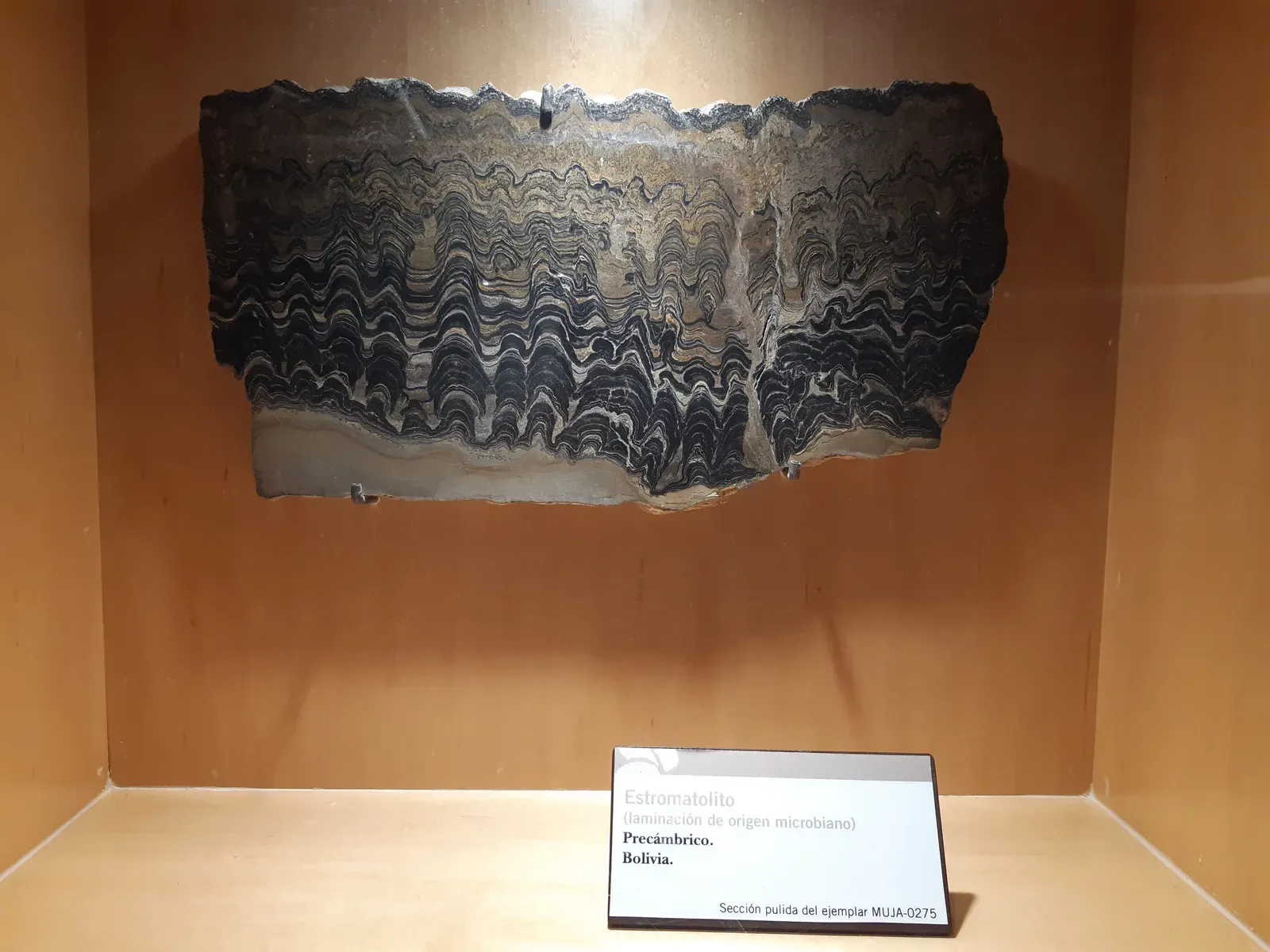
For an astonishingly long time, Earth was a microbial planet. For at least a billion years, maybe two, the only life around was bacteria- and archaea-like cells carpeting the seafloor, forming layered structures called stromatolites, and thriving in environments that would kill us in seconds. If you time-traveled there, you might see slimy mats clinging to rocks in shallow seas, but nothing moving around that you could point at and call an animal.
During this “boring” time, something completely un-boring happened: tiny cells figured out how to harness sunlight. Early photosynthetic microbes started splitting water and releasing oxygen as a waste product. Over hundreds of millions of years, that waste gas built up in the atmosphere and oceans, completely flipping the script for life on Earth. Oxygen was poison to many earlier microbes, but it also opened the door to higher-energy metabolisms and more complex organisms. The world’s slowest, longest-running revolution was underway, and it was microbes that pulled it off.
Snowball Earth and the Rise of Complex Cells
About two to three billion years into Earth’s history, life leveled up again with the arrival of complex cells, the kind that have a nucleus and internal structures – what we now see in plants, animals, and fungi. One of the wildest ideas in biology, which is strongly supported by evidence, is that these complex cells were built through ancient mergers: one microbe engulfed another, and instead of digesting it, they formed a partnership. The descendants of those ancient captured microbes are still inside your cells today as mitochondria, the tiny powerhouses that help you stay alive.
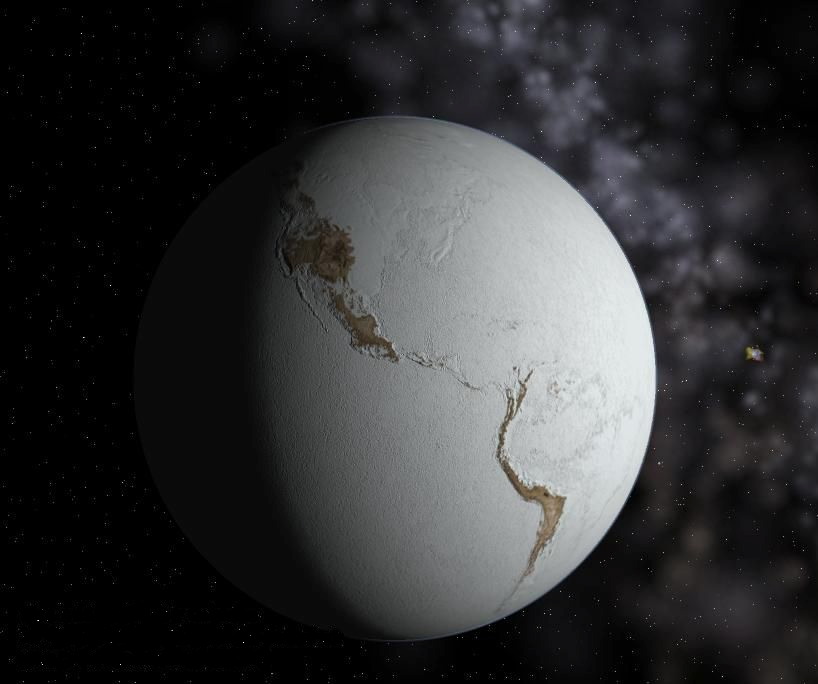
Meanwhile, Earth’s climate lurched between extremes, including episodes where ice may have covered nearly the entire planet, often called “Snowball Earth” events. It sounds like a death sentence, but many scientists think these deep freezes actually set the stage for innovation; severe stress tends to favor new solutions and new body plans. When the planet eventually thawed, oceans were rich in nutrients, oxygen levels were rising, and complex cells had had time to evolve and experiment. It was like giving evolution a cold, hard boot camp, then suddenly handing it a fully stocked gym.
The Cambrian Explosion and Early Animal Worlds
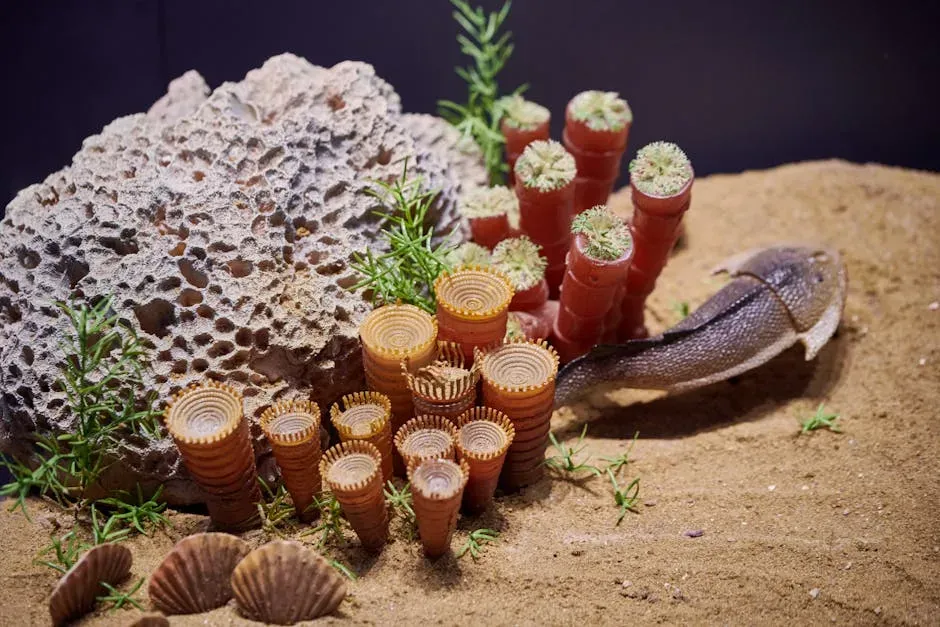
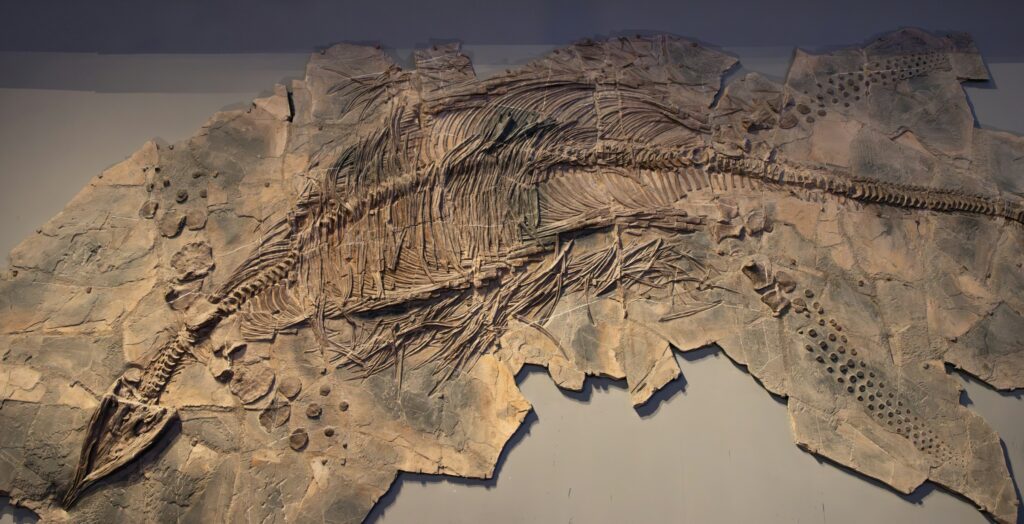
Fast-forward to roughly a little more than half a billion years ago, and the fossil record suddenly becomes loud. In what we call the Cambrian Explosion, many major animal groups appear over a geologically short window of time. Shells, exoskeletons, spines, and complex eyes show up in the rocks, along with predators and prey in a dynamic underwater arms race. The seas teemed with trilobites, odd spiky creatures, and soft-bodied animals that look like someone mashed together ideas for aliens and sea slugs.
It is tempting to think life “suddenly” appeared here, but the Cambrian was more like the moment the lights came on in a room that had been slowly filling with furniture. Earlier, soft-bodied organisms had already existed, but once hard parts evolved, they fossilized better, giving us a clearer window. Even then, all life was still in the oceans – no dinosaurs, no trees, not even insects yet. The planet was buzzing with innovation, but the land surface was still mostly barren rock and microbial crusts, waiting for its big invasion.
Conquering the Land: Plants, Insects, and Early Vertebrates
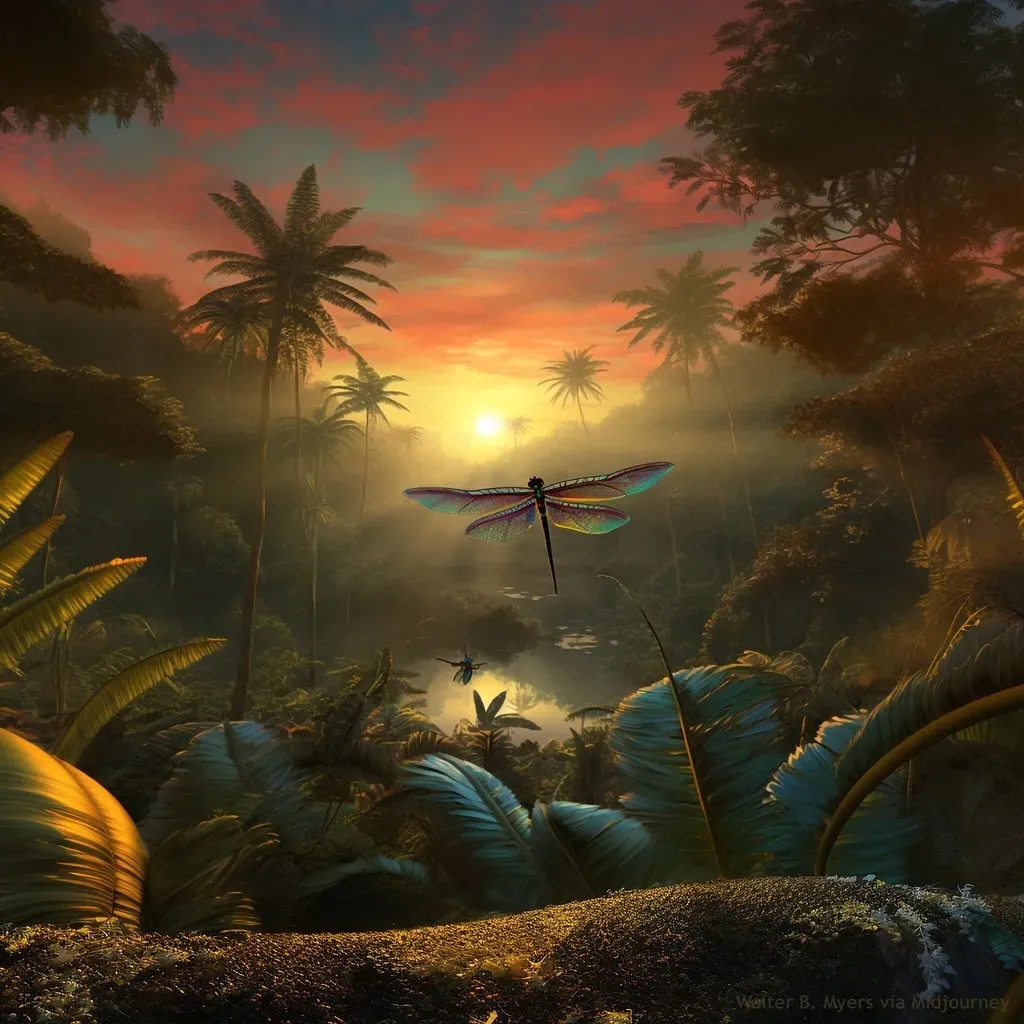
The move from water to land was one of the most radical lifestyle changes life ever pulled off. First came simple plants and algae-like organisms colonizing damp shorelines and river margins, stabilizing soils and slowly greening the continents. Over tens of millions of years, these pioneers evolved into larger, more complex plants, eventually forming the first forests with towering tree-like forms. The air began to change again as plants pumped out more oxygen and drew down carbon dioxide, altering climate and ecosystems.
Hot on their heels came arthropods – insects, spiders, millipedes – turning land into a new frontier for crawling, burrowing, and flying. Later, some fish-like vertebrates with sturdy fins ventured out of shallow water, evolving into the first tetrapods, the distant ancestors of amphibians, reptiles, birds, and mammals. By the time early forests were in full swing, Earth already had massive dragonfly-like insects, chunky early amphibians, and complex food webs on land. All of this unfolded long before the first dinosaur ever left a footprint in the mud.
The Age of Dinosaurs in Context: A Spectacular Middle Chapter
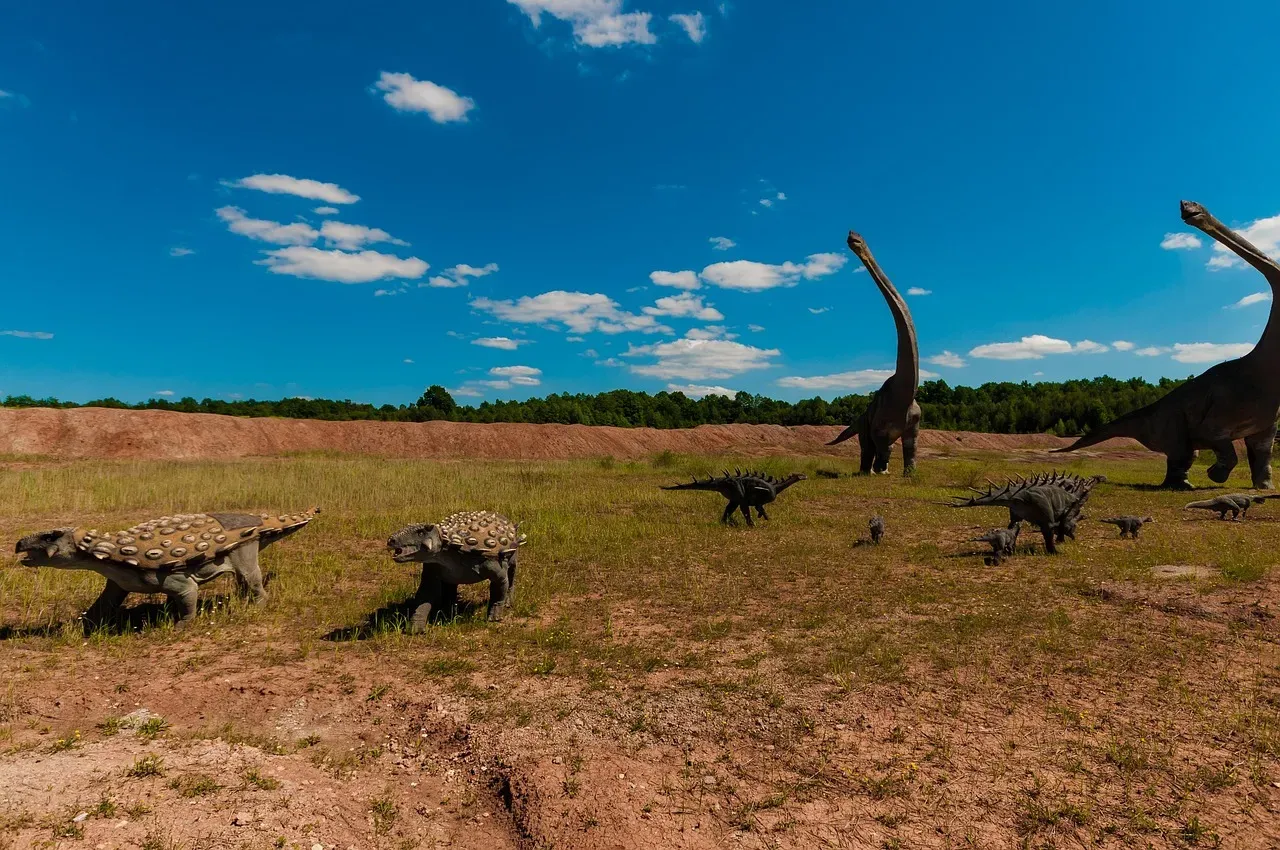
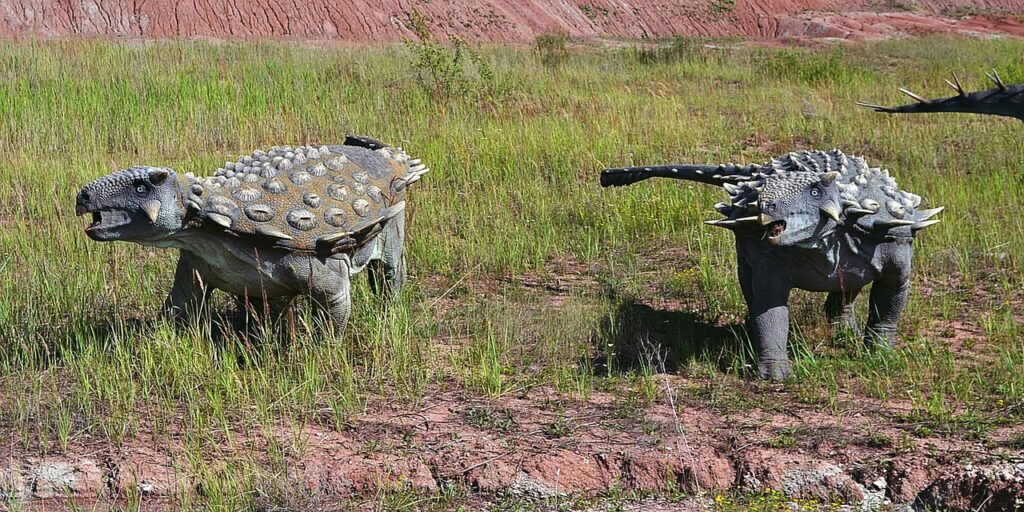
Now we finally reach the part everyone pictures first: the Mesozoic Era, the classic Age of Dinosaurs. From roughly a little more than two hundred million to about sixty-six million years ago, dinosaurs diversified into an astonishing range of forms, from chicken-sized, feathered hunters to giant long-necked sauropods heavier than several elephants. They dominated large land ecosystems, while flying reptiles ruled the skies and marine reptiles patrolled the oceans. It was spectacular, no doubt – if there were ever a time that looked like a fantasy movie, this was it.
But the critical point is this: by the time dinosaurs rose to prominence, life on Earth was already ancient. Complex animals had been around for hundreds of millions of years, plants had colonized land, forests had come and gone, and several mass extinctions had already reshaped the planet. Dinosaurs did not represent the dawn of life; they were beneficiaries of a long evolutionary story that produced the ecosystems they stepped into. In a twenty-four-hour clock analogy for Earth’s history, dinosaurs show up late in the evening, and humans stroll in during the last seconds before midnight. Calling dinosaurs “the beginning” is a bit like joining a movie trilogy in part two and assuming you caught the opening scene.
After the Dinosaurs: Mammals, Humans, and Our Tiny Slice of Time
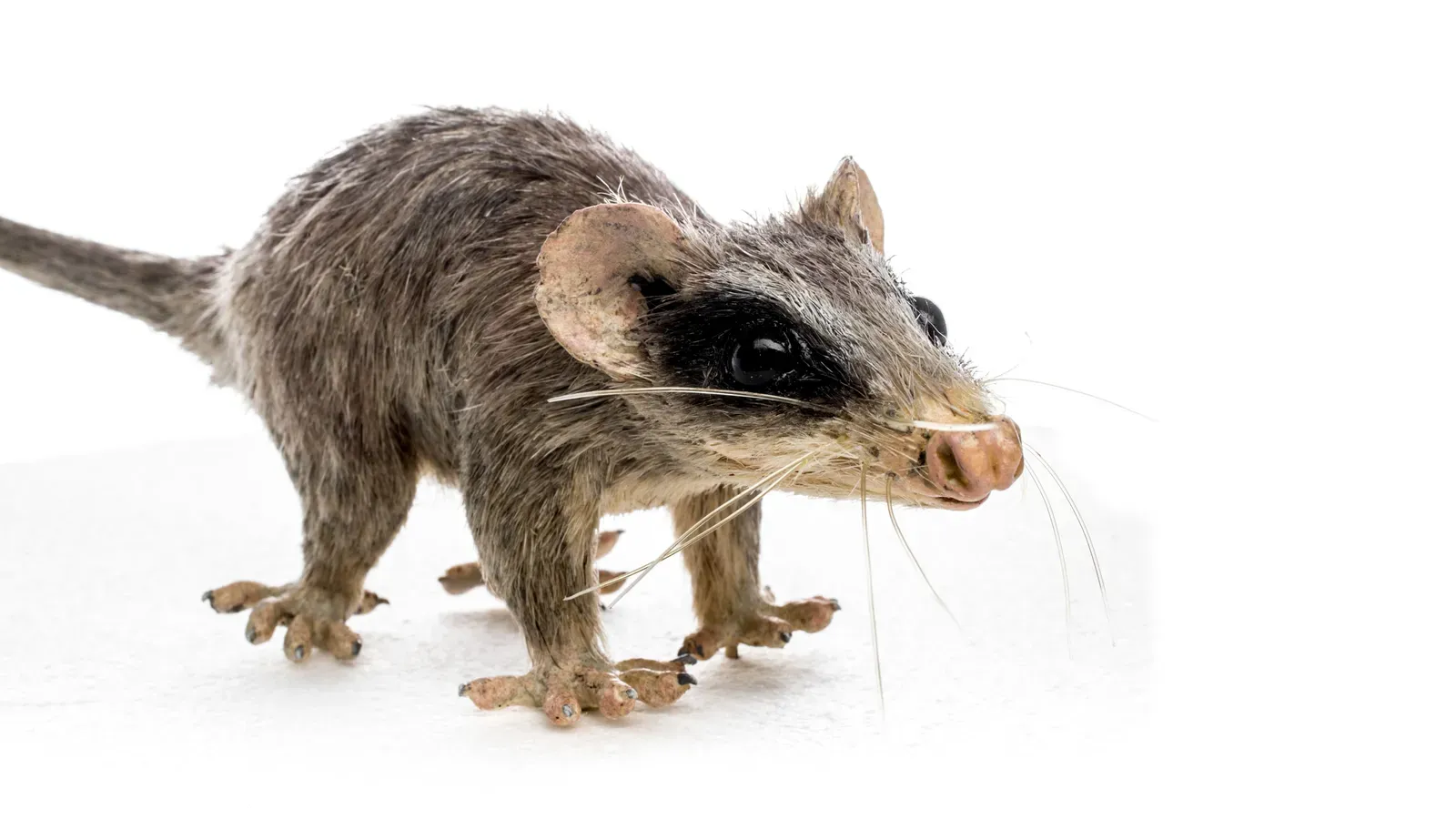
The asteroid impact about sixty-six million years ago famously wiped out non-bird dinosaurs, along with many other species, but it did not end life’s story – it shuffled the cast. Mammals, which had spent the dinosaur era mostly small and often living in the ecological shadows, expanded into the empty niches. Over tens of millions of years, they radiated into whales, bats, big carnivores, grazing herds, and yes, eventually primates. Life did what it always does after catastrophe: it diversified, improvised, and rebuilt.
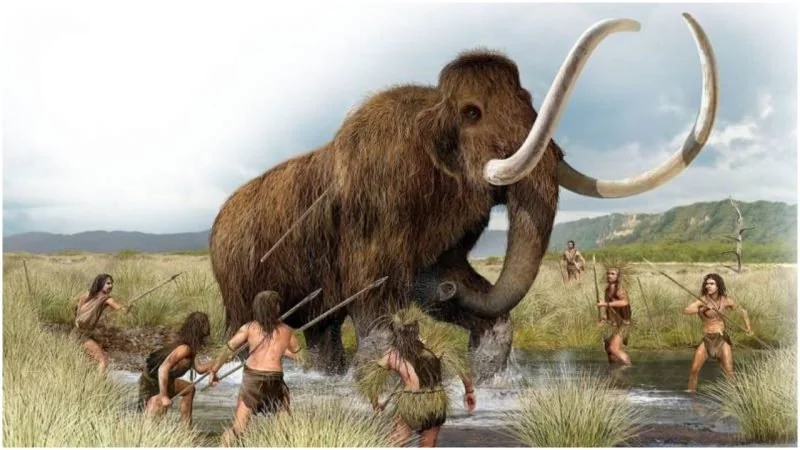
Modern humans are so recent in this story that our entire recorded history barely registers on a geologic timeline. Our species, Homo sapiens, appears only in the last tiny sliver of Earth’s history, and our cities, agriculture, and industry occupy a blink within that blink. Yet in that instant, we have altered climate, driven extinctions, and spread our influence across the globe. When I think about it, there is something humbling and slightly absurd about the idea that creatures who showed up in the last seconds now argue about “owning” the planet. We are late arrivals at a very old party, standing on the graves of dinosaurs, trilobites, and microbes that paved the way long before we existed.
Why Dinosaurs Were Not the Beginning – and Why That Matters
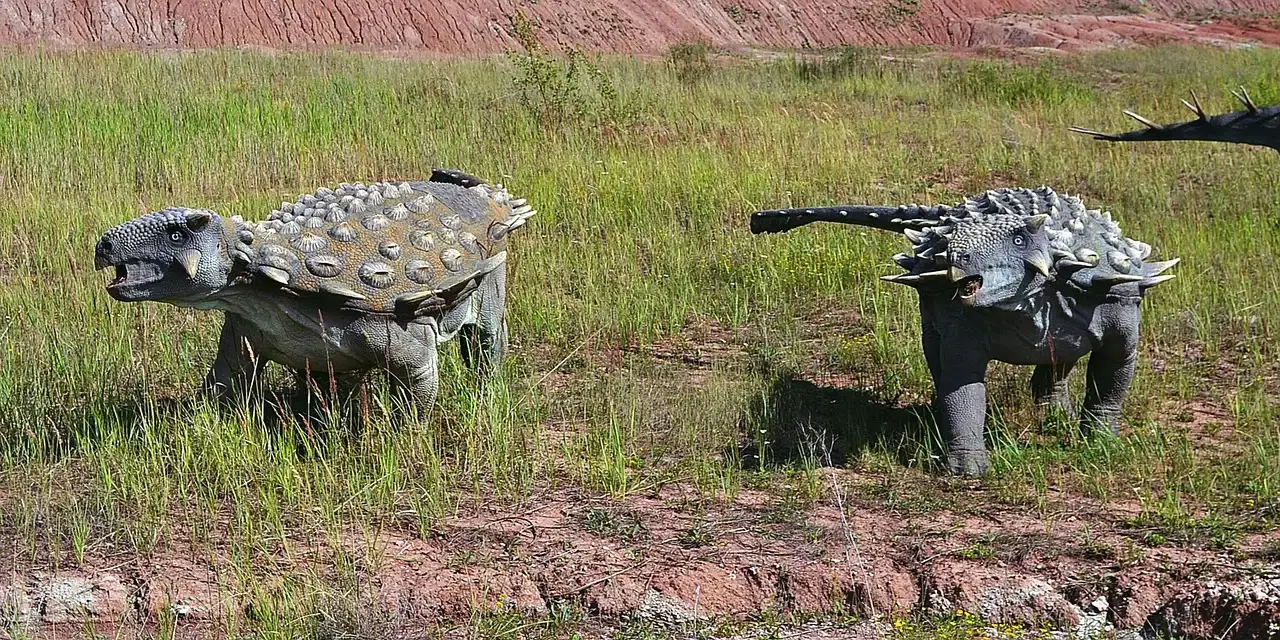
Framing dinosaurs as the beginning of life flattens one of the most awe-inspiring truths about our planet: life is incredibly old, stubborn, and inventive. Before any dinosaur roared, microbes had already transformed the atmosphere, complex cells had formed through symbiotic mergers, and entire ecosystems had risen and fallen multiple times. Dinosaurs were a stunning chapter, but they were standing on a foundation laid by billions of years of unnoticed, microscopic work. Ignoring that deep past is like skipping everything before your grandparents and pretending history starts with your own family stories.
Understanding how long and varied life’s journey has been also shifts how we see ourselves. We are not the inevitable climax of evolution; we are one more strange branch in a vast, tangled tree that has survived supervolcanoes, asteroid strikes, global ice ages, and runaway greenhouse episodes. In my view, that makes our moment both less special and more sacred: less special because life will go on in some form without us, more sacred because we are one of the few species capable of knowing this story at all. When you look at Earth through this full timeline, do you still see dinosaurs – and humans – as the stars of the show, or as brief, bright cameos in a saga far bigger than any of us imagined?