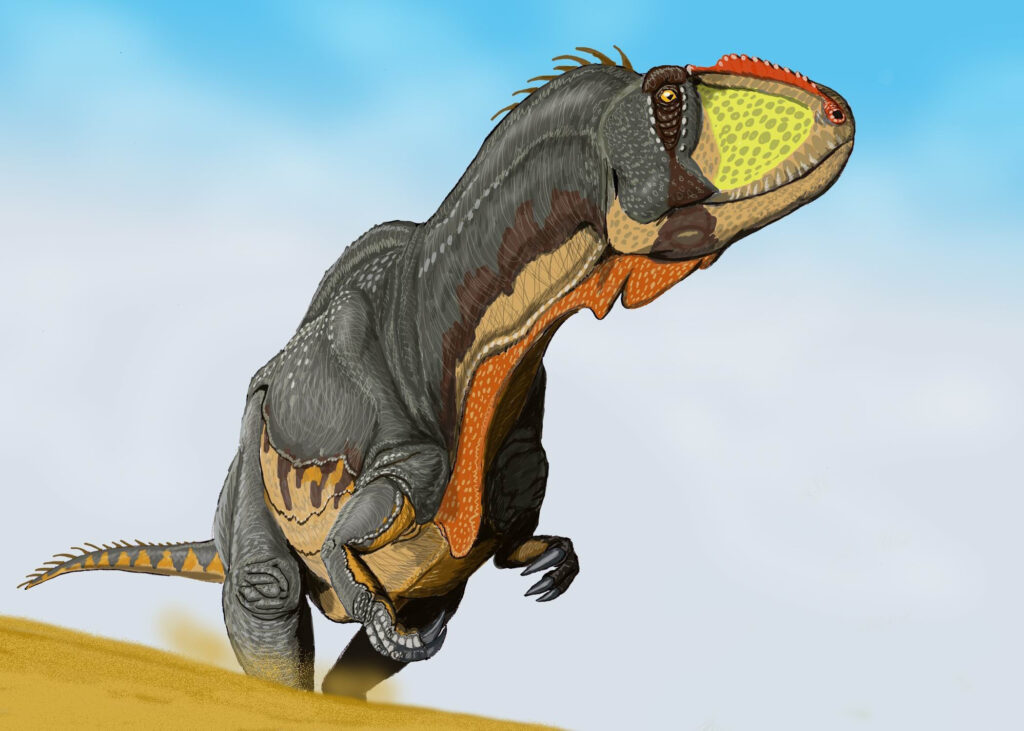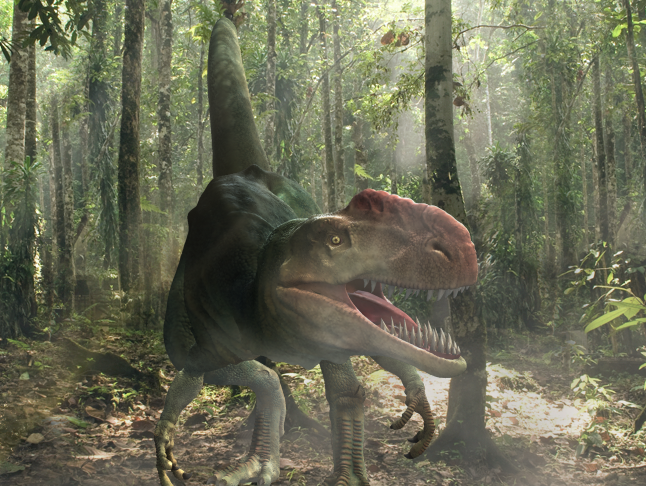
If you could step into Jurassic China about one hundred and sixty million years ago, Monolophosaurus would be one of those animals that makes you stop in your tracks. It was not the biggest predator of its time, but that bold, single crest running down the top of its skull turned it into something you would never forget. There is something strangely modern about it too, like a Jurassic mash‑up of a crocodile, a cassowary, and a street racer with an oversized spoiler.
What fascinates me most is how this dinosaur sits right on the edge of what we know and what we can only carefully guess. Paleontologists have a surprisingly good skull and partial skeleton, yet huge parts of its life story are still a mystery. That tension between fossil evidence and open questions makes Monolophosaurus feel less like a dusty museum piece and more like an ongoing detective story we are only halfway through solving.
A Jurassic Predator Hiding in the Shadows of Giants
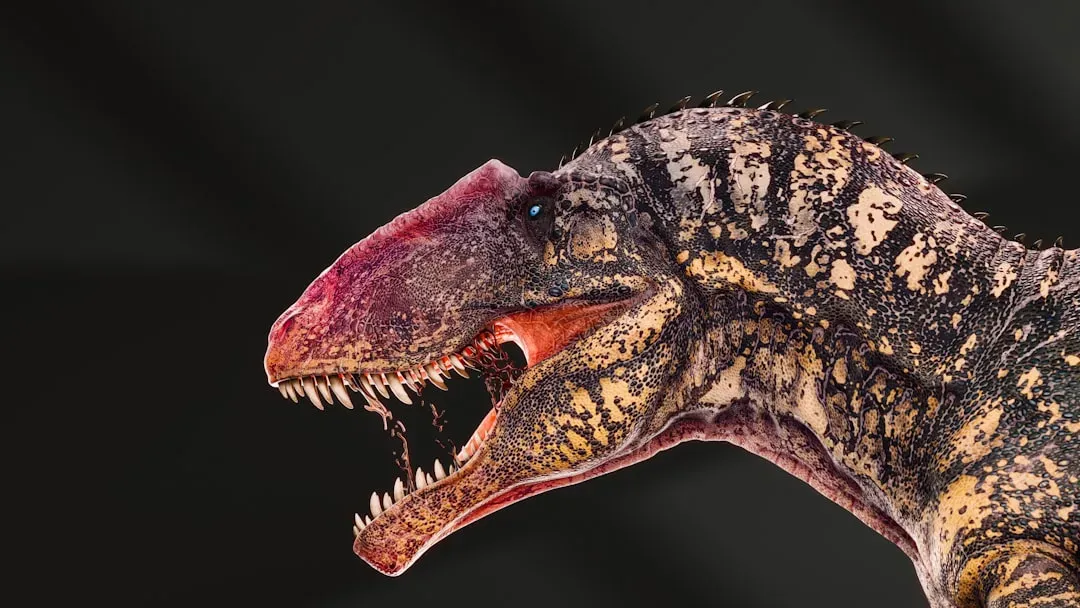
Monolophosaurus lived during the Middle Jurassic, a time period that often gets overshadowed by the celebrity Late Jurassic and Cretaceous dinosaurs. While creatures like Allosaurus and Tyrannosaurus hog the spotlight, Monolophosaurus prowled the ecosystems of what is now northwestern China long before those giants ever showed up. Its fossils were discovered in rocks of the Shishugou Formation in Xinjiang, an area that would have been a mix of river channels, floodplains, and wetlands rather than the dry landscapes we see there today.
This makes Monolophosaurus part of a crucial but relatively under‑explored chapter in dinosaur evolution, when many familiar lineages were just beginning to branch out. It was a medium‑sized theropod, not a towering super‑predator, but still dangerous enough to be near the top of its local food chain. To me, it feels a bit like the talented opening act that never became the headliner, yet quietly shaped the sound of everything that came after.
The Famous Single Crest: Display, Signal, or Something Else?
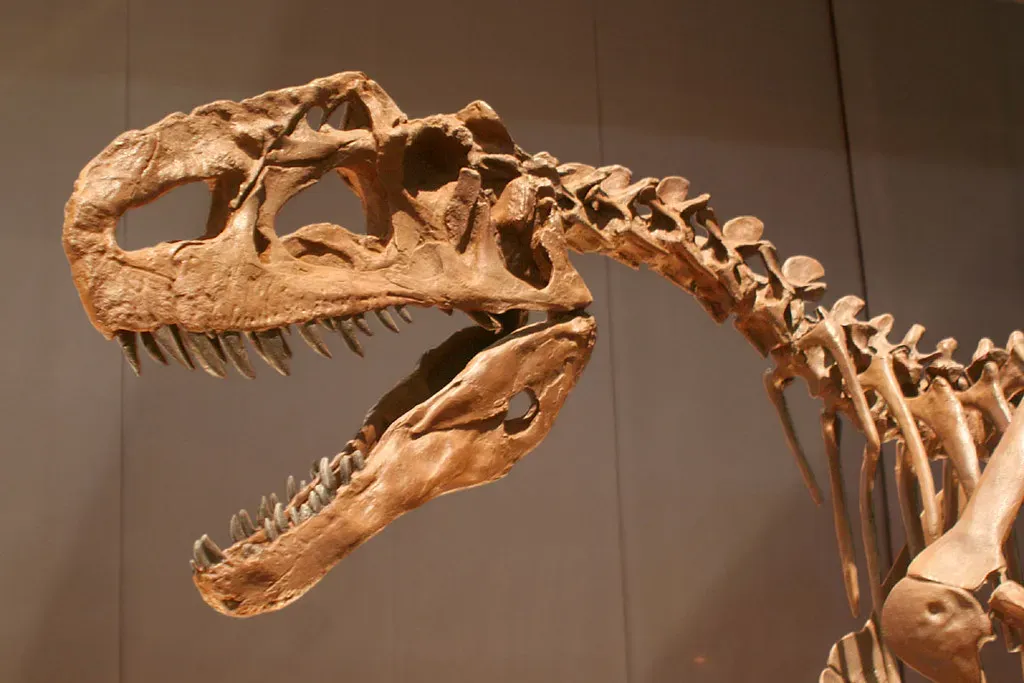
The most striking feature of Monolophosaurus is baked into its name: a single, prominent crest on its skull. This ridge ran along the midline of the snout and top of the head, formed by thickened nasal and possibly lacrimal bones. It was not just a cute bump; in life, it would have given the animal a dramatic profile, especially if covered in vivid skin or keratin, as many researchers suspect. You can almost picture it catching the light as the animal raised its head above the riverbank reeds.
We still do not know its exact function, but the evidence leans strongly toward visual display rather than anything like head‑butting or ramming. The crest bones look relatively delicate and hollow in places, more like a billboard than a battering ram. That suggests roles in species recognition, sexual display, or status signaling, much like the flamboyant headgear of modern birds. Personally, I think it is hard not to see it as pure prehistoric showmanship: an “I am here, look at me” ornament in a world where survival and style were often tightly intertwined.
Anatomy of a Mid‑Sized Killer
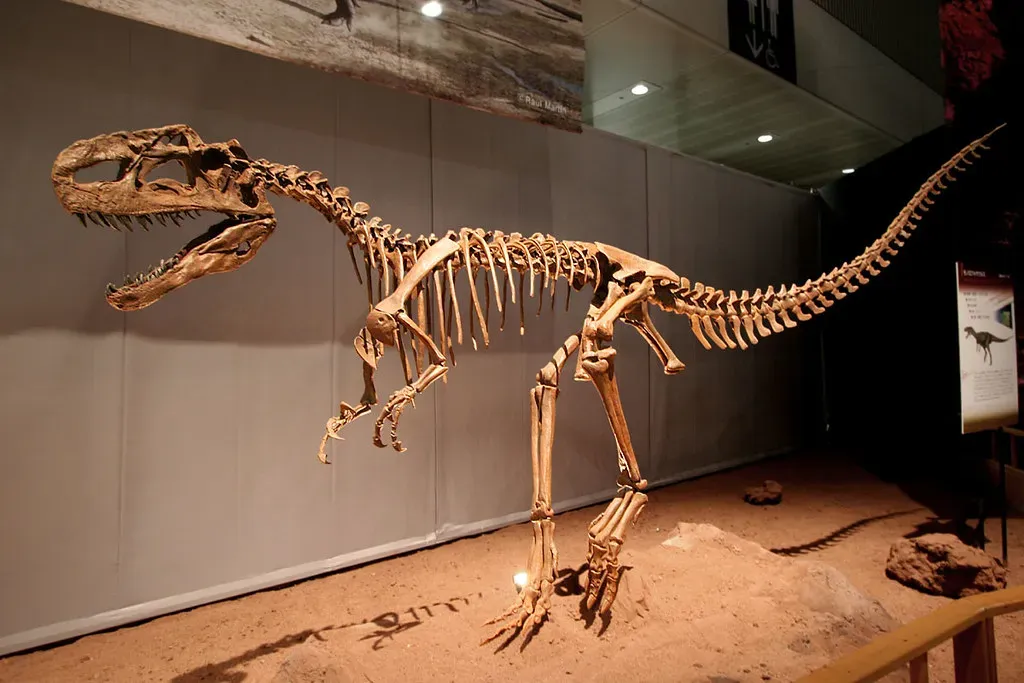
Beneath the flashy crest, Monolophosaurus was all business. It had a long, narrow skull lined with sharp, serrated teeth built for slicing through flesh rather than crushing bone. Estimates put it at roughly a few meters long from snout to tail, big enough to take down substantial prey but compact compared with later Jurassic and Cretaceous heavyweights. Its vertebrae, limb bones, and pelvis all mark it clearly as a classic bipedal theropod built for active hunting.
The forelimbs, while not as short as those of a tyrannosaur, were still comparatively modest, probably used for grasping or stabilizing prey rather than doing the main killing. Most of the real power came from the jaws, neck, and hindlimbs. You can imagine it stalking along river edges and floodplains, using quick bursts of speed rather than extended chases, more like an ambush cat than a marathon wolf. It is one of those animals where the more you look at the bones, the more you appreciate how sleek and efficient the design really was.
Life in a Lush Jurassic Landscape
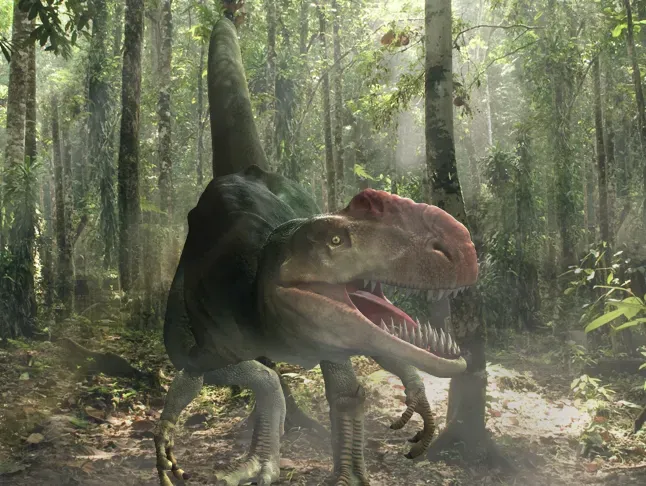
Monolophosaurus did not live in an empty world; it shared its environment with a whole cast of other dinosaurs, early mammals, crocodile relatives, and pterosaurs. The Shishugou Formation records river systems, lakes, and periodically flooded plains, suggesting a landscape that could swing between lush and harsh depending on the season and climate shifts. This kind of setting would have offered plenty of opportunities for a mid‑sized predator: herds of herbivorous dinosaurs at the water’s edge, smaller vertebrates in the undergrowth, and carcasses washed up by flooding.
Trying to imagine its daily life is a bit like filling in a scene from a movie when you only have a few camera angles. Maybe Monolophosaurus stalked juvenile sauropods along the shallows, or picked off smaller ornithischians trying to cross muddy channels. It probably had to navigate competition from other predators and avoid getting into lethal conflicts it could not win. I like thinking of it as a versatile hunter, switching strategies as conditions shifted, blending into the ecological puzzle rather than dominating it outright.
A Puzzling Place on the Dinosaur Family Tree
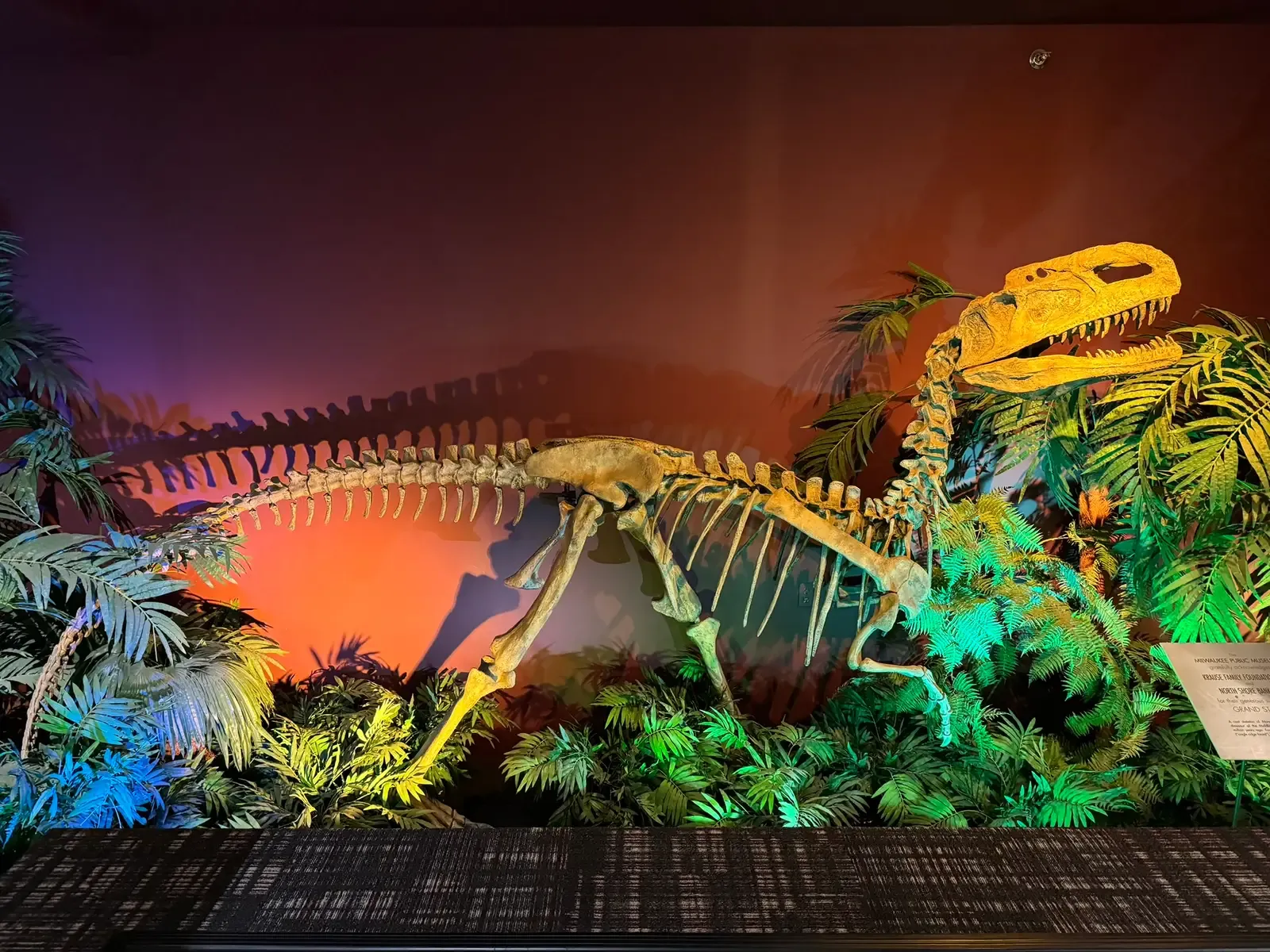
One of the most interesting things about Monolophosaurus is how much debate it has stirred up about where it fits on the theropod family tree. Different analyses have nudged it toward various positions among early tetanurans, the larger group that later gave rise to famous lineages like allosauroids and coelurosaurs. Its combination of primitive and more advanced features has turned it into a kind of anatomical crossroads, making it especially valuable for understanding how early big‑bodied predators diversified.
This ambiguity is not a sign that paleontologists are clueless; it is a sign that evolution is messy and branches do not always fit our neat labels. The crest, skull proportions, and details in its vertebrae and pelvis all pull in slightly different directions when scientists run their comparisons. In a way, that limbo makes Monolophosaurus even more compelling. It is a reminder that the dinosaur world was full of experiments, some of which left only a few tantalizing bones to tell their stories.
Why Monolophosaurus Deserves More Spotlight
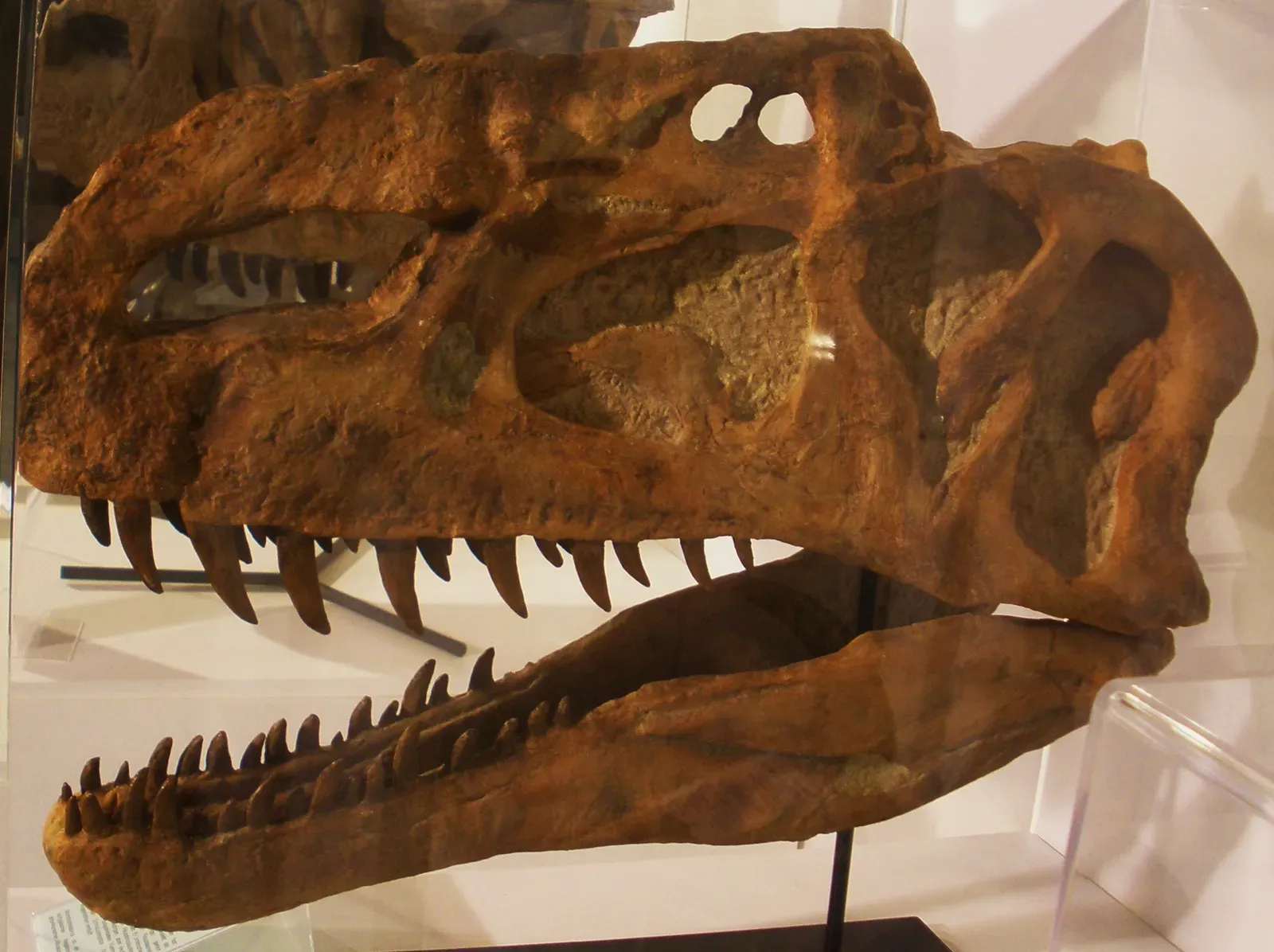
Despite its striking look and scientific importance, Monolophosaurus still sits firmly in the second tier of dinosaur fame, buried under a mountain of tyrannosaurs and raptors in pop culture. That honestly feels like a missed opportunity. This is an animal with a distinctive skull, a well‑preserved fossil, and a great backstory in a dynamic Jurassic environment. If there were any justice in dinosaur fandom, it would already have starring roles in documentaries, games, and toys.
In my view, Monolophosaurus embodies exactly what makes paleontology so addictive: we have enough bones to see a real animal with unique features, but not so many that the mystery is gone. Its single giant crest is like a visual exclamation mark in the fossil record, daring us to figure out why it evolved in the first place. As new discoveries and analyses come in, I suspect this dinosaur’s reputation will quietly grow. And really, in a world dominated by the usual prehistoric celebrities, does it not feel refreshing to root for the sharp‑toothed underdog with the outrageous headgear?