Millions of years before humans ever walked the Earth, ancient forests stretched to the poles, ferns blanketed entire continents, and the air was thick with carbon dioxide levels that would astonish any modern climate scientist. The world of the dinosaurs was, in many ways, a planet operating under a completely different set of rules – and the plants that survived and thrived in that world quietly recorded every detail of those rules in their leaves, their wood, and their very pores.
Here’s the thing: prehistoric vegetation isn’t just an interesting footnote in natural history. It’s one of the most powerful archives scientists have for understanding how Earth’s climate actually behaves under extreme conditions. And given where our atmosphere is heading, that archive has never been more relevant. Let’s dive in.
The Greenhouse World Dinosaurs Called Home
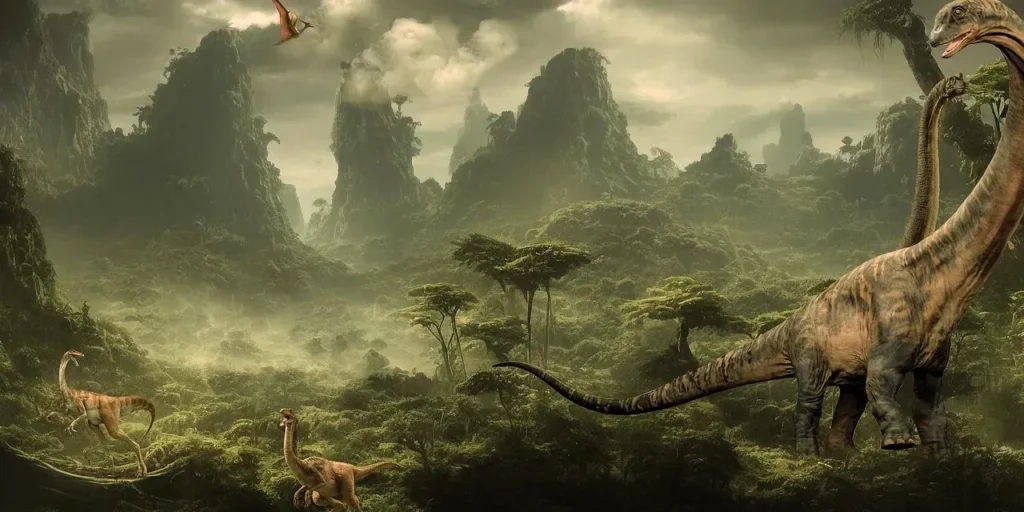
The Cretaceous period is an archetypal example of a greenhouse climate. Atmospheric CO2 levels reached as high as roughly 2,000 parts per million, average temperatures were around 5 to 10 degrees Celsius higher than today, and sea levels were up to 100 meters higher. That’s not a minor fluctuation. That’s an entirely different planet. Think of it less like turning up a thermostat and more like moving Earth itself to a closer orbit around the sun.
In general, the climate of the Cretaceous Period was much warmer than at present, perhaps the warmest on a worldwide basis than at any other time during the Phanerozoic Eon. The climate was also more equable, meaning the temperature difference between the poles and the equator was about half that of today. For the plants living then, this meant opportunity. Lush vegetation found a foothold in places that would seem utterly impossible today.
Forests at the Poles – A World Without Ice
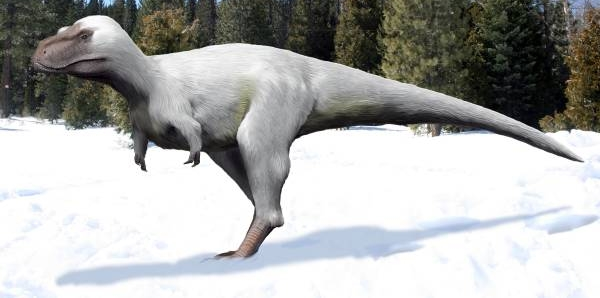
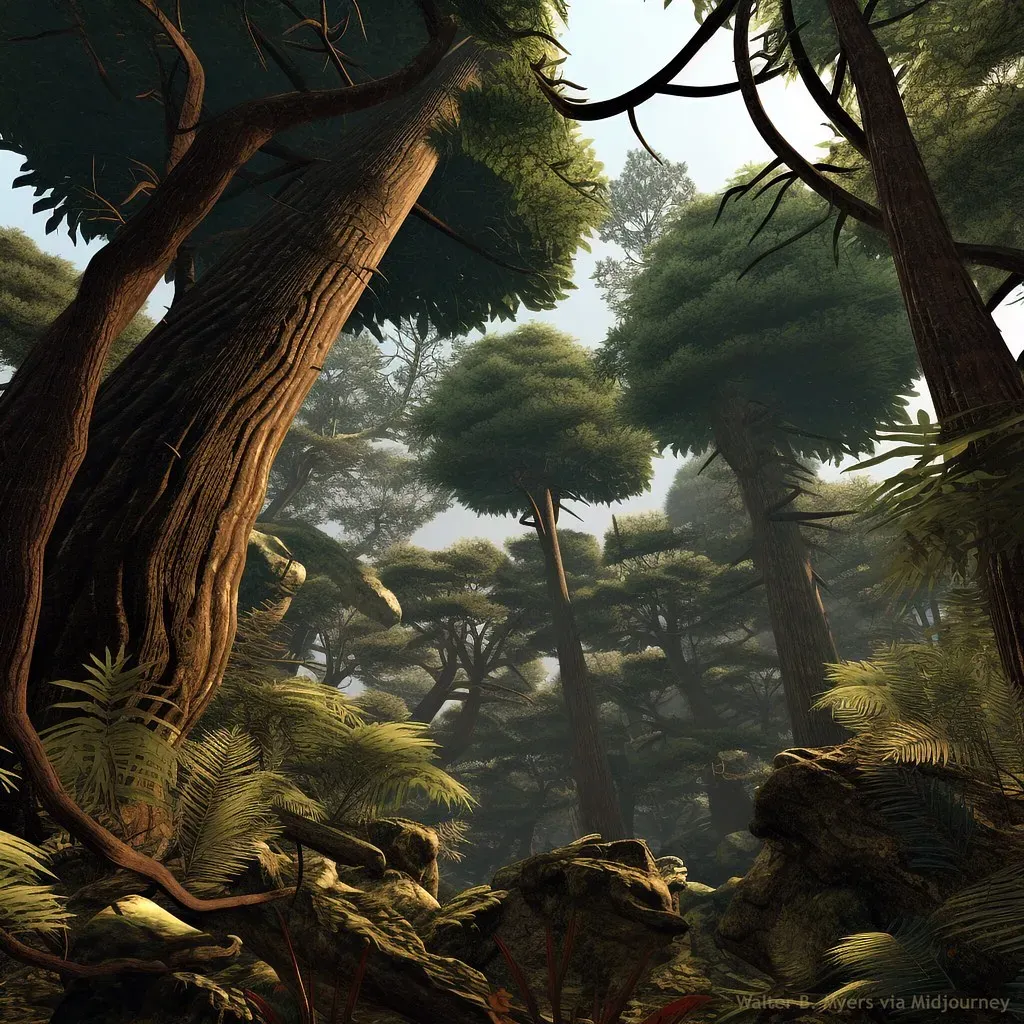
The Cretaceous was one of the warmest periods in the last 140 million years. The planet’s climate allowed temperate rainforests to grow at the poles. Honestly, that image alone should give you pause. Rainforests. At the poles. Not a few scraggly shrubs, but actual forests of ginkgos, conifers, and cycads thriving in what is now one of the harshest environments on Earth.
There is evidence from West Antarctica of polar forests dominated mainly by conifers, including podocarps, araucarias, and probably ginkgo trees as well, with understories of ferns and cycads. Unlike the temperate rainforests that exist today in North America’s Pacific Northwest, each winter these Cretaceous polar forests had to survive four months of total polar night darkness. The fact that plants endured four months without sunlight at all and still thrived tells you something important about just how different – and how warm – that world truly was.
Reading Carbon Dioxide From Ancient Leaves
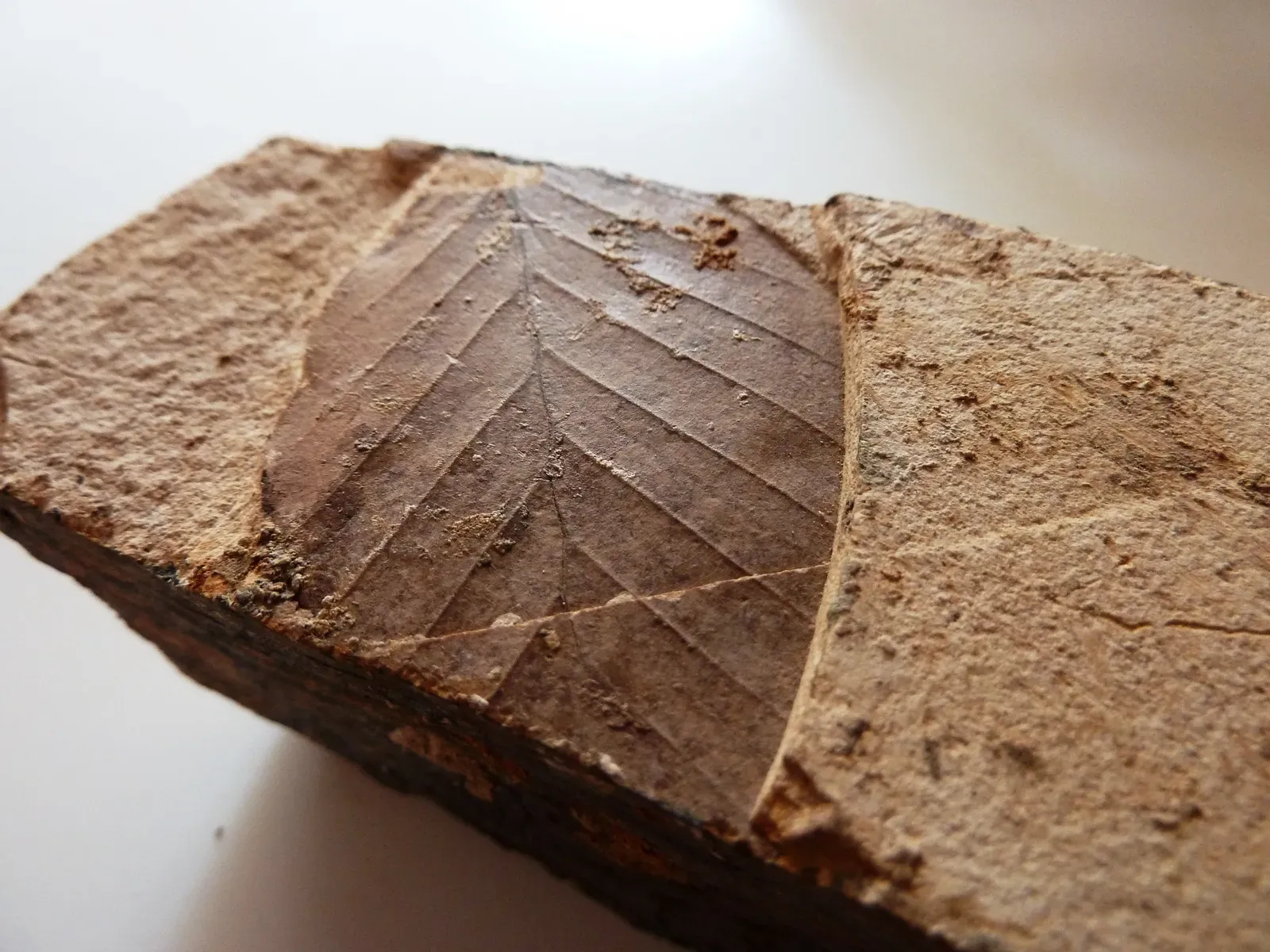
Fossil stomata have been used extensively to reconstruct atmospheric composition through Earth history, in particular atmospheric CO2 concentration. You might wonder: how on Earth do scientists figure out what the air was like tens of millions of years ago? The answer is surprisingly elegant, and it lives in the tiny pores of fossilized leaves.
Stomata control a tradeoff for the plant: they allow carbon dioxide in, but they also let precious water escape. A plant that could get enough carbon dioxide with fewer stomata would have an advantage since it would be better able to conserve its water. Levels of carbon dioxide in Earth’s atmosphere change over time, so at times when the atmosphere is carbon-dioxide-rich, plants can get away with having fewer stomata since each stoma will bring in more CO2. During those high-carbon-dioxide times, plants that produce fewer stomata thrive. It’s like nature’s own gas gauge, built right into the leaf. Fewer holes means more carbon in the air – a beautifully simple signal hiding in the fossil record.
What Fossil Plant Chemistry Reveals About Ancient Atmospheres
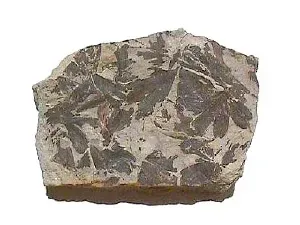
Scientists have compiled a continuous 300-million-year record of stomatal abundance from fossil leaves of four genera of plants closely related to the present-day Ginkgo tree. Using the known relationship between leaf stomatal abundance and growing season CO2 concentrations, they can reconstruct past atmospheric CO2 concentrations. That’s an almost incomprehensible window into the past – and it’s all thanks to leaves that happened to fossilize under the right conditions.
High-resolution records of Mesozoic and early Cenozoic atmospheric CO2 concentrations from carbon-isotope analyses of non-vascular plant fossils indicate that atmospheric CO2 rose from roughly 420 parts per million in the Triassic period, about 200 million years ago, to a peak of approximately 1,130 parts per million in the Middle Cretaceous, around 100 million years ago. To put that in perspective, today’s CO2 sits at over 420 parts per million – a level we’re already alarmed about. The Cretaceous peak was nearly triple that, and the world it produced was radically warmer.
The Rise of Flowering Plants and Their Climate Legacy
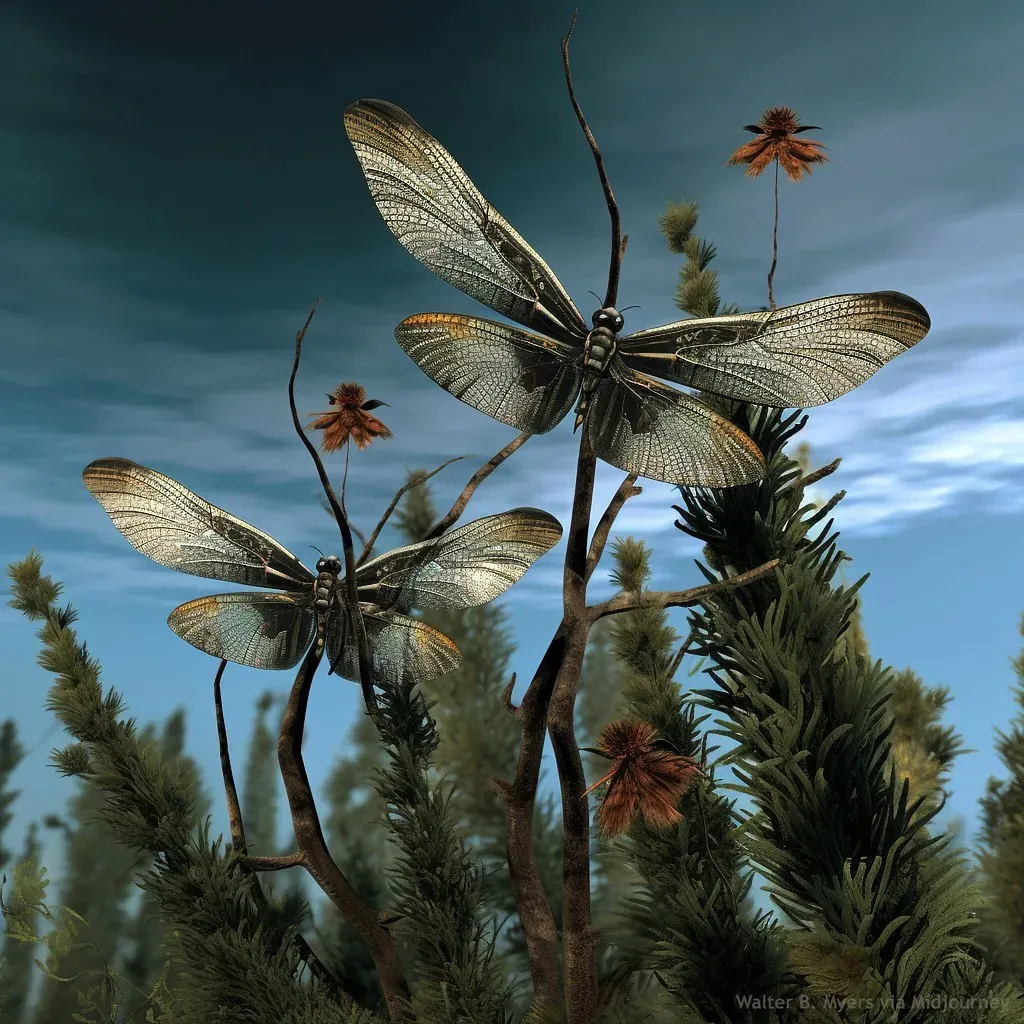
During the Early Cretaceous, flowering plants appeared and began to rapidly diversify, becoming the dominant group of plants across the Earth by the end of the Cretaceous, coincident with the decline and extinction of previously widespread gymnosperm groups. This wasn’t just a botanical reshuffling. It was one of the most consequential ecological revolutions in planetary history – and climate change had a central role in triggering it.
The decrease of desertic belts between the Triassic and the Cretaceous and the subsequent onset of long-lasting humid conditions during the Late Cretaceous were driven by the breakup of Pangea and were contemporaneous with the first rise of angiosperm diversification. In other words, as continents drifted apart and climates shifted from arid to temperate and humid, flowering plants seized their moment. As the flowering plants increased in abundance, they also started influencing their local climate. Higher rates of transpiration mean these plants draw more water from the soil and pass it into the atmosphere, altering the climate and water cycles.
Climate Change Shaped Dinosaur Success – And Plants Were the Key
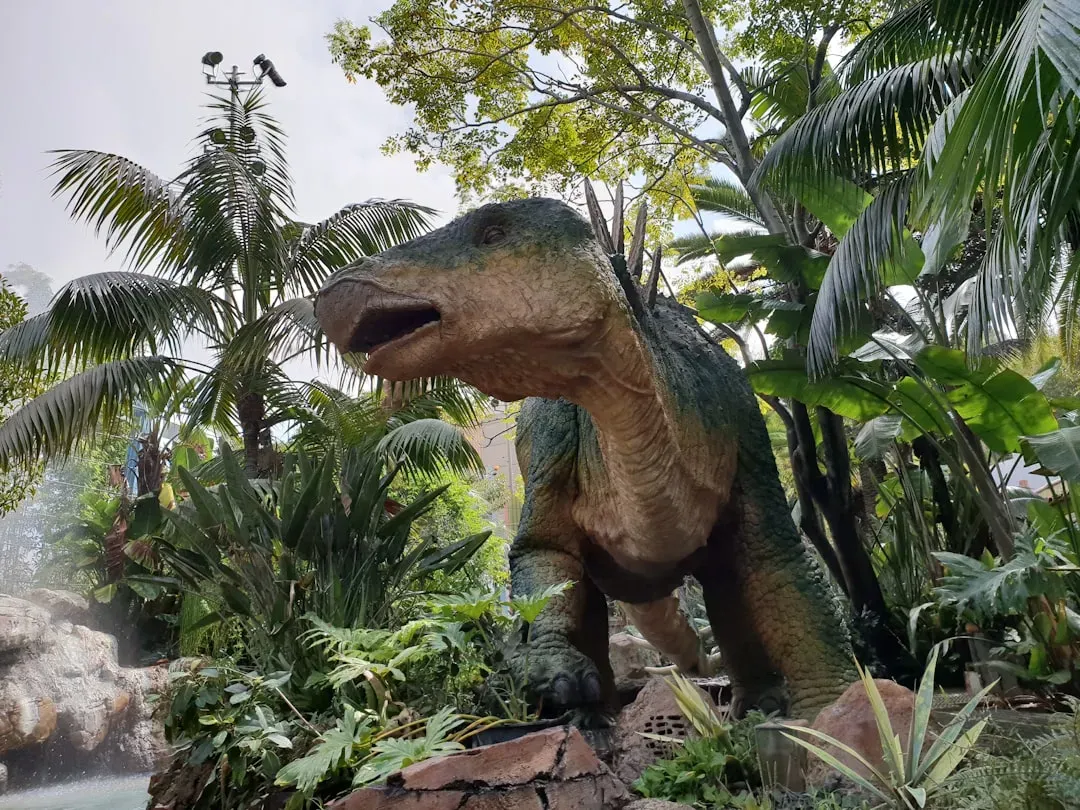
According to research, changes in global climate associated with the Triassic-Jurassic mass extinction actually benefitted the earliest dinosaurs. Sauropod-like dinosaurs, which became the giant herbivore species of the later Jurassic like Diplodocus and Brachiosaurus, were able to thrive and expand across new territories as the planet warmed up after the extinction event, 201 million years ago. It’s a remarkable feedback loop: climate changed the vegetation, changed vegetation fed and moved the dinosaurs, and dinosaurs in turn shaped their ecosystems.
Higher levels of photosynthesis were likely related to the elevated atmospheric carbon dioxide and higher average annual temperatures. Since research suggests that more photosynthesis means more plant growth, understanding prehistoric photosynthesis levels can shed light on Mesozoic vegetation as well as the broader ecological web. Prehistoric plants weren’t passive bystanders. They were active participants in shaping the very climate systems they depended on – a truth that resonates powerfully with what we understand about vegetation and the modern carbon cycle today.
The Mirror Between Then and Now: Lessons for the Modern Climate Crisis
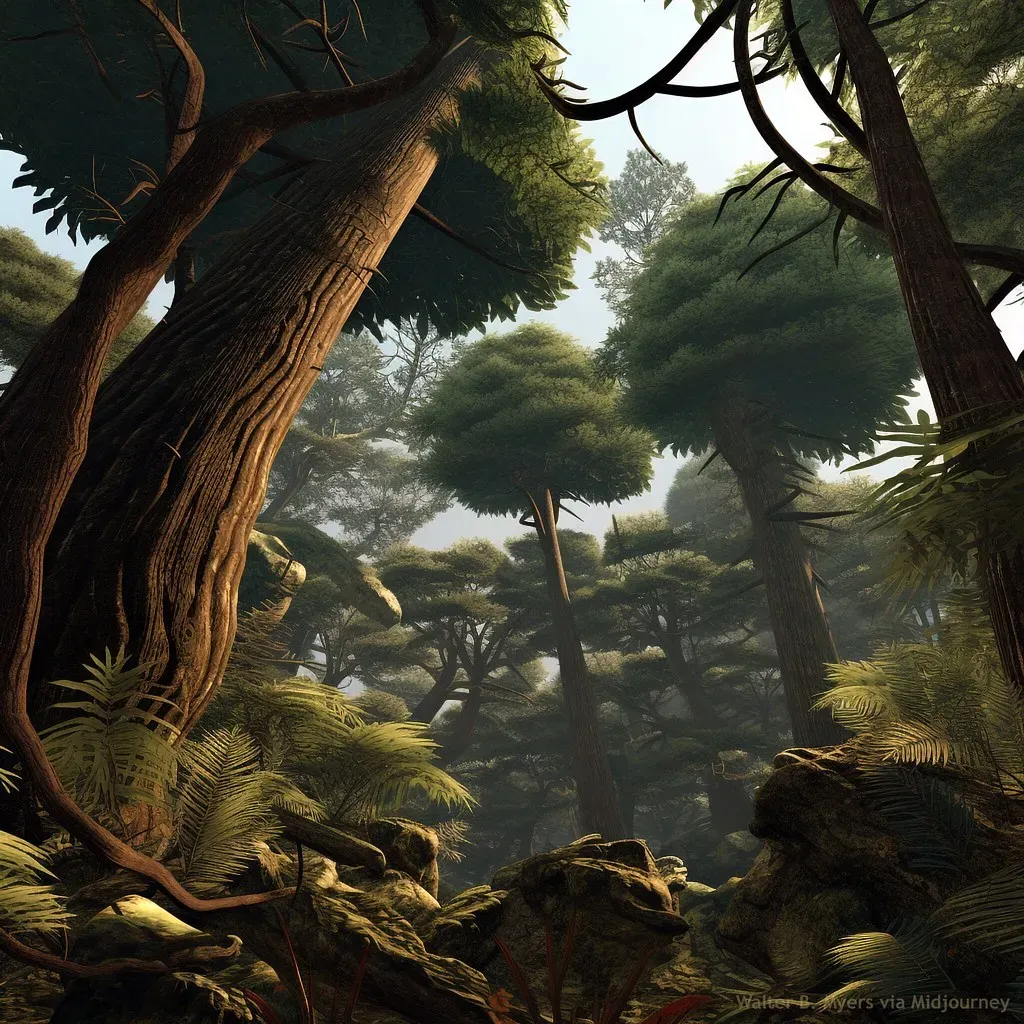
Cretaceous conditions resemble the most extreme scenario that the IPCC has predicted could occur by the end of this century, with CO2 levels greater than 1,200 parts per million and global temperatures roughly 4 degrees Celsius higher. Let that sink in. Scientists studying deep-time plant fossils aren’t just doing historical archaeology. They’re looking at a potential preview of our own future, playing out on geological timescales rather than human ones.
Quantifying atmospheric CO2 concentrations during Earth’s ancient greenhouse episodes is essential for accurately predicting the response of future climate to elevated CO2 levels. The ancient world of ferns, cycads, and ginkgos growing at the poles isn’t just a curiosity. It’s a data set. A warning. And, I think, one of the most urgently underrated tools we have for understanding where a warming world might lead us next.
Conclusion: The Leaves That Still Have Something to Say
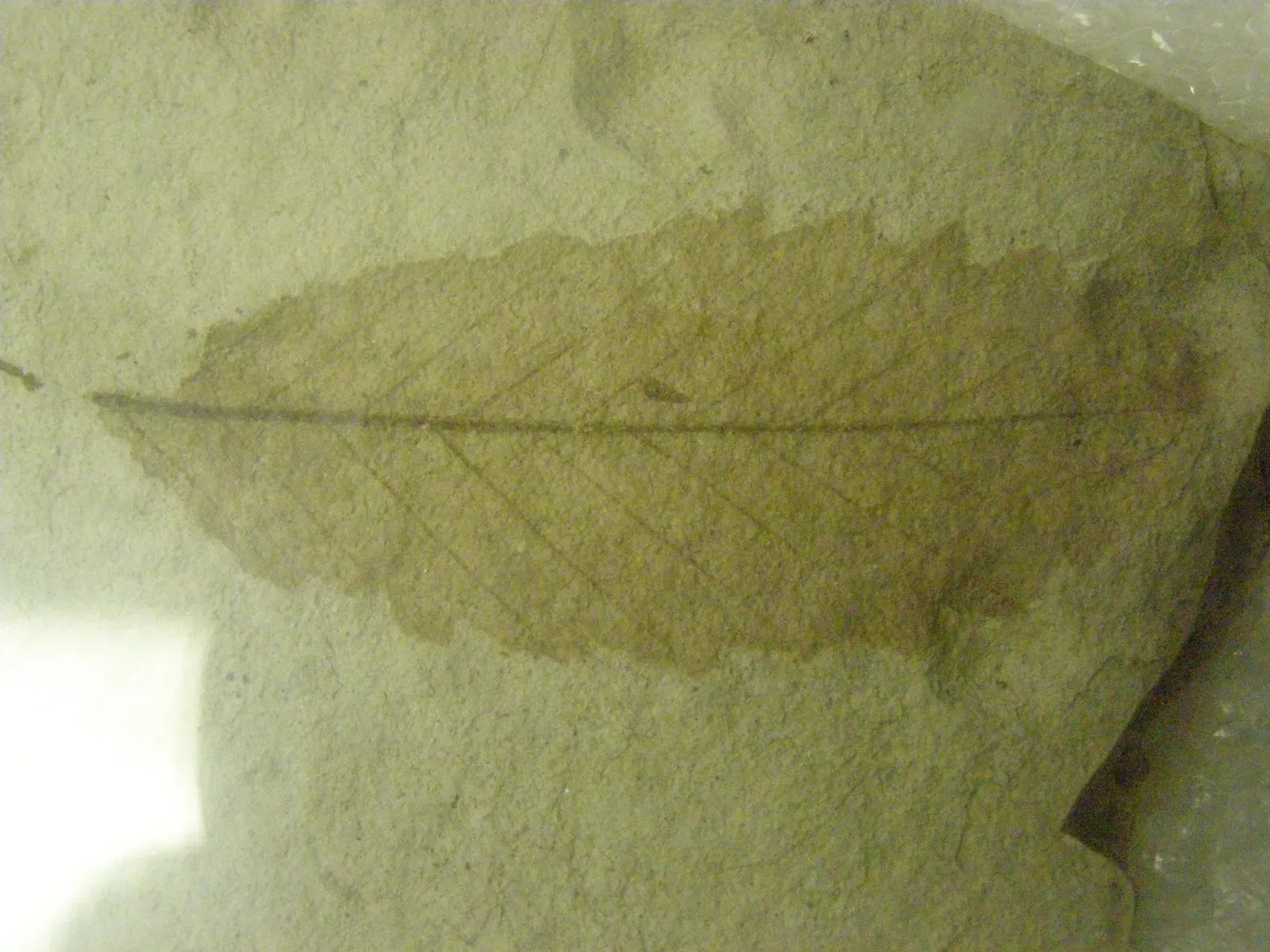
There is something genuinely humbling about the idea that a fossilized leaf – pressed into stone for a hundred million years – can tell us more about the future of our planet than many modern instruments. Prehistoric plants were not passive decorations in the age of dinosaurs. They were climate recorders, carbon processors, ecosystem architects, and agents of change all at once.
The greenhouse world they inhabited, with polar forests, skyrocketing CO2, and temperatures that defied modern imagination, is not as distant from our own trajectory as we might like to believe. Every tiny stoma counted on a fossil leaf is, in essence, a message from the deep past to the present – one that science is still working hard to fully decode. The question worth sitting with is this: will we choose to listen to what those ancient leaves are telling us before we recreate the conditions that produced them? What do you think? Share your thoughts in the comments below.