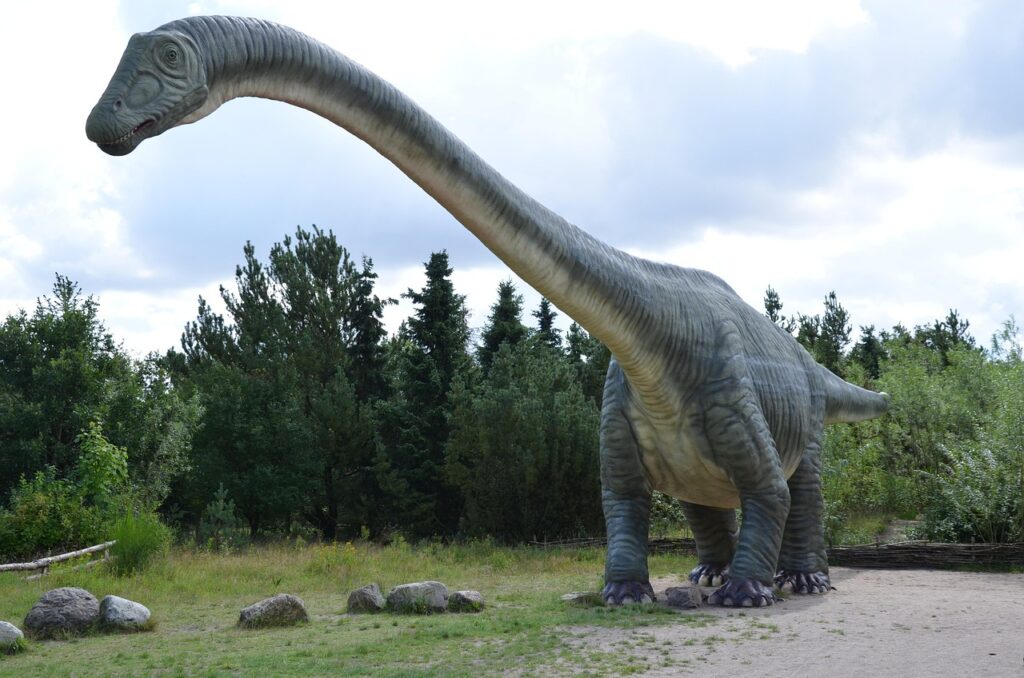
Picture the largest living animal on land today. An adult bull elephant, perhaps weighing six tons, towers over nearly every other creature on Earth. Now imagine an animal that made this giant look like a small dog. Welcome to the world of sauropod dinosaurs, creatures so massive they redefined what we thought was possible for life on land.
These incredible beasts didn’t just happen to be big. They were the product of one of evolution’s most fascinating experiments: a growth strategy that pushed the very limits of biology.
The Tiny Giant’s Beginning
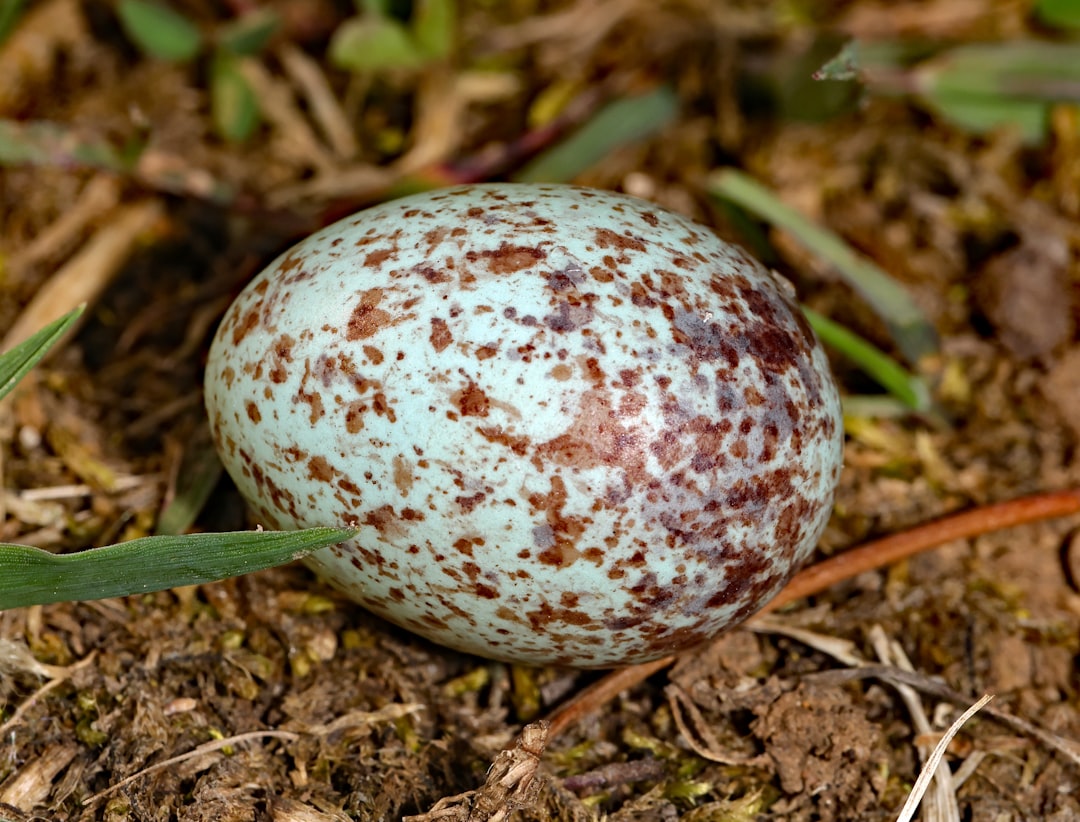
Even a 100-foot-long sauropod started out life just a foot or two long. This fact alone is staggering when you consider the math. No other terrestrial vertebrate passes through five orders of magnitude during its ontogeny, from a juvenile of a BM of a few kg to a fully grown adult of >10,000 kg.
Like other dinosaurs, including modern birds, sauropods hatched from eggs. The larger an egg is, the sturdier the shell needs to be. But evolution can thicken and strengthen eggshell only so much because the shell must allow for gas exchange and the eventual exit of the hatchling. These demands greatly restrict egg size. Sauropod eggs were cantaloupe-sized, smaller than those of the biggest birds.
Racing Against Death
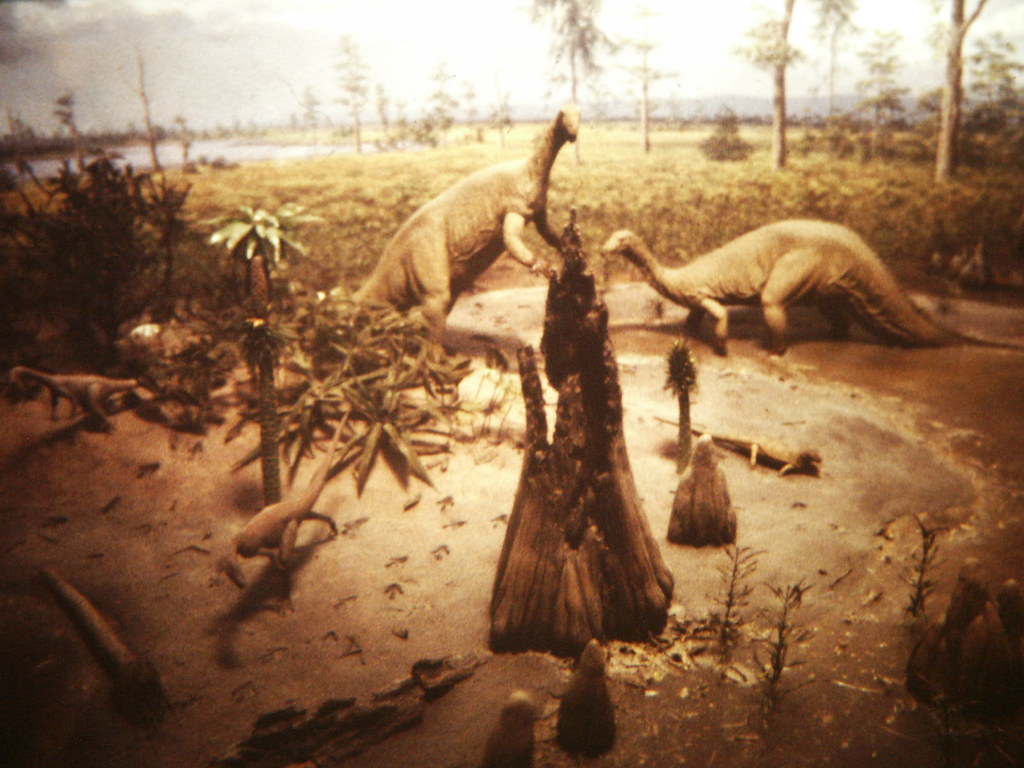
Small hatchlings faced a terrifying reality in the Jurassic and Cretaceous worlds. With sauropod hatchlings being so small, there must have been strong selection pressure for high juvenile growth rates because they would have shortened the time during which the young sauropods were endangered by predators. Predators lurked everywhere, from pack-hunting theropods to other dinosaur species competing for the same resources.
The longer it takes you to grow to sexual maturity, the more the odds (predation, disease) are stacked up against you surviving to reproduce. This created evolutionary pressure for something extraordinary: the fastest growth rates in the history of terrestrial life. A high growth rate fueled by a high BMR is a prerequisite for giant body size because tetrapods with a low BMR grow too slowly to benefit from the selective advantages of large body size.
The Metabolic Revolution
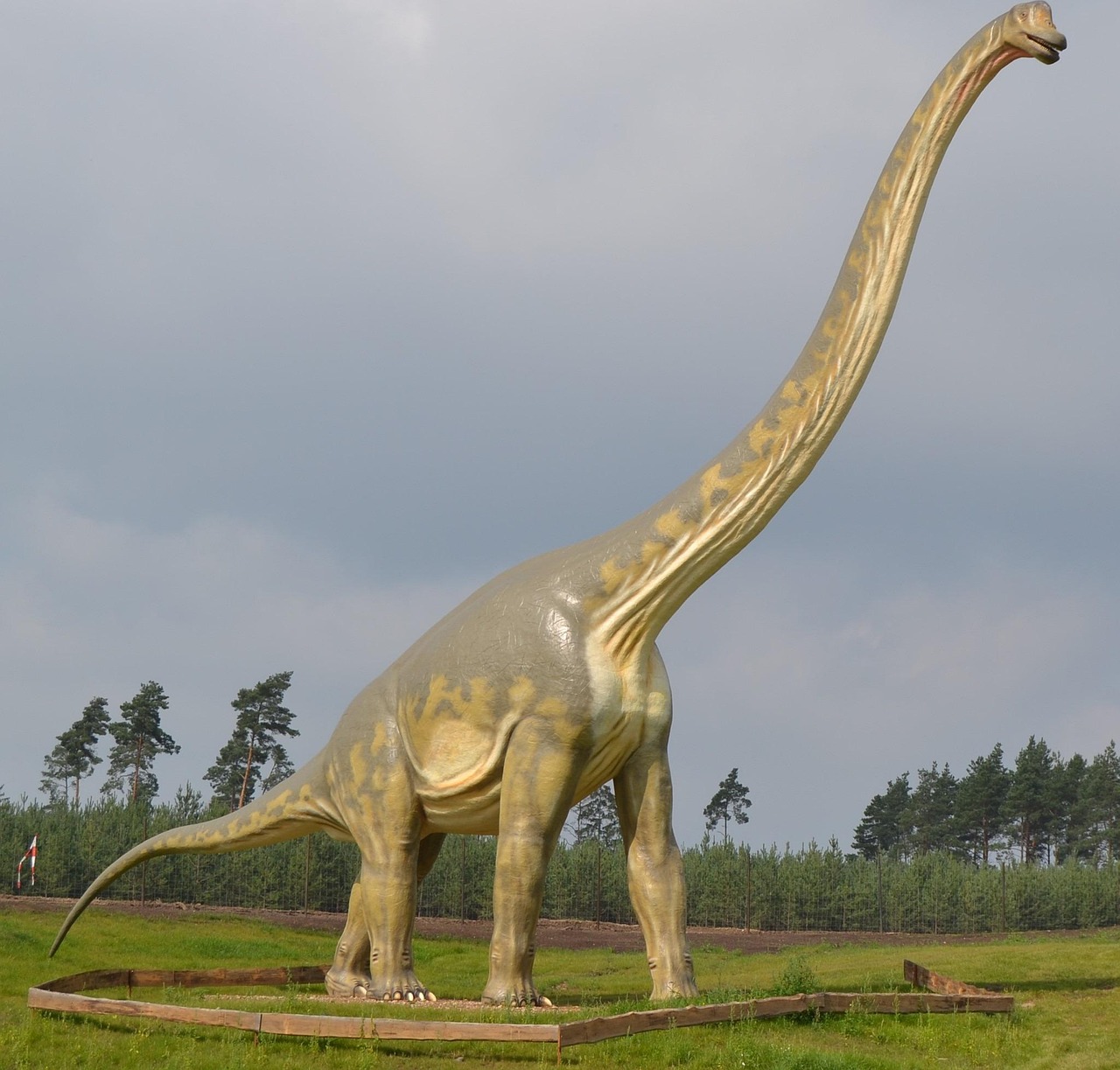
Land reptiles cannot grow rapidly. It takes many years for a alligator to reach 100 pounds, whereas an ostrich does so in less than a year. Sauropods solved this problem through what scientists call endothermic metabolism – essentially running hot like modern birds and mammals rather than cold like reptiles.
Another crucial innovation inherited from basal dinosaurs was a high BMR. This is required for fueling the high growth rate necessary for a multi-tonne animal to survive to reproductive maturity. This metabolic fire came with special challenges, though. sauropod dinosaurs must have been tachymetabolic endotherms, but BMR may have decreased rapidly as maximum size was approached, when the heat loss problem became most severe, and a high BMR was no longer needed to sustain growth.
The Incredible Machine
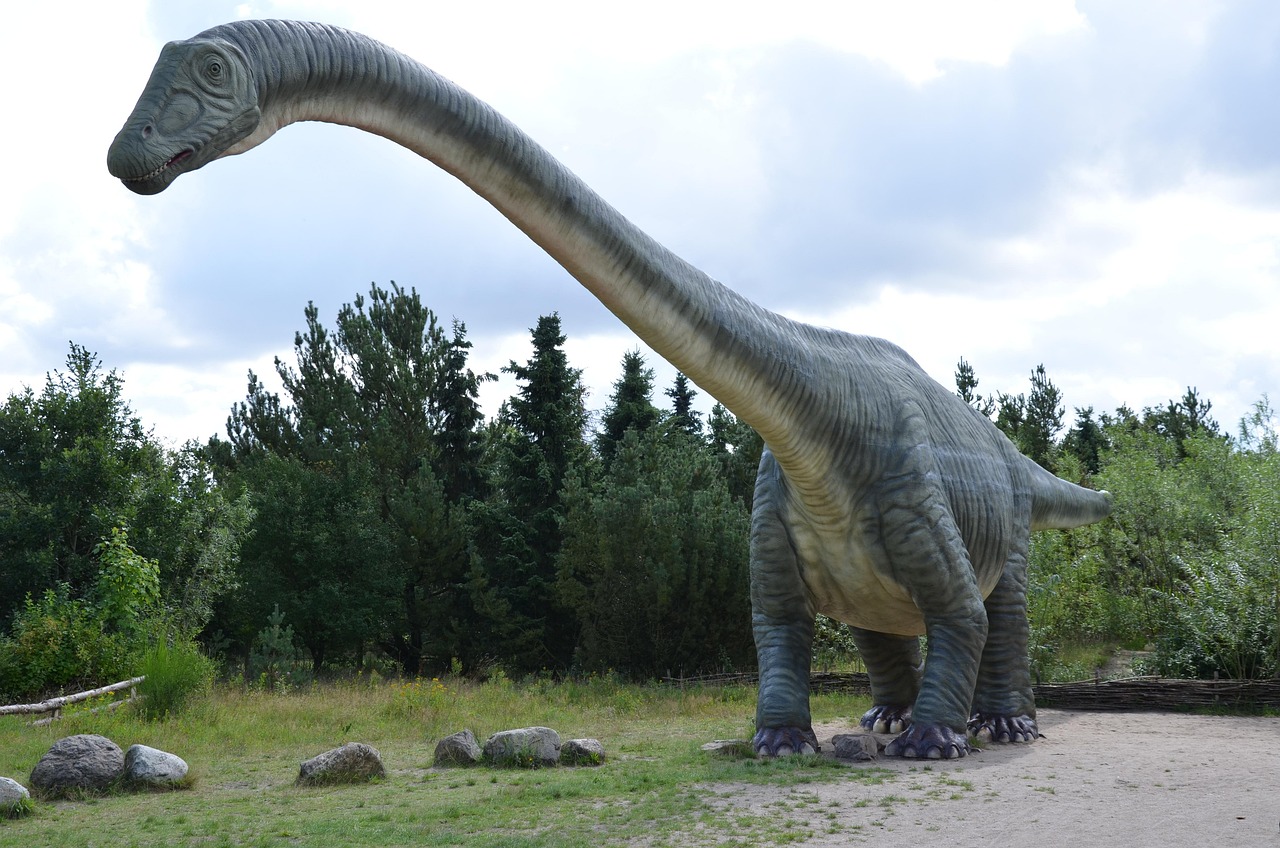
As the growth rings reveal, they grew impressively quickly – on par with the growth rates seen in many large mammals today – attaining adult size in 20 to 50 years. Yet these weren’t just fast growers – they were continuous growers. Later sauropods seem to have further adapted by eliminating or minimizing seasonal pauses and quickly throughout the year, according to research carried out by Cecilia Alpadetti of the National University of San Juan in Argentina and her colleagues. Migrating to areas where food was available year-round could have facilitated this sustained growth.
The numbers are mind-boggling. One study found that some specimens showed a maximum annual gain of about 5.5 tonnes for a ~26-tonne Brontosaurus – a full adult elephant’s worth of mass in a single year! Imagine gaining the weight of an entire elephant every single year of your life.
The Great Growth Debate
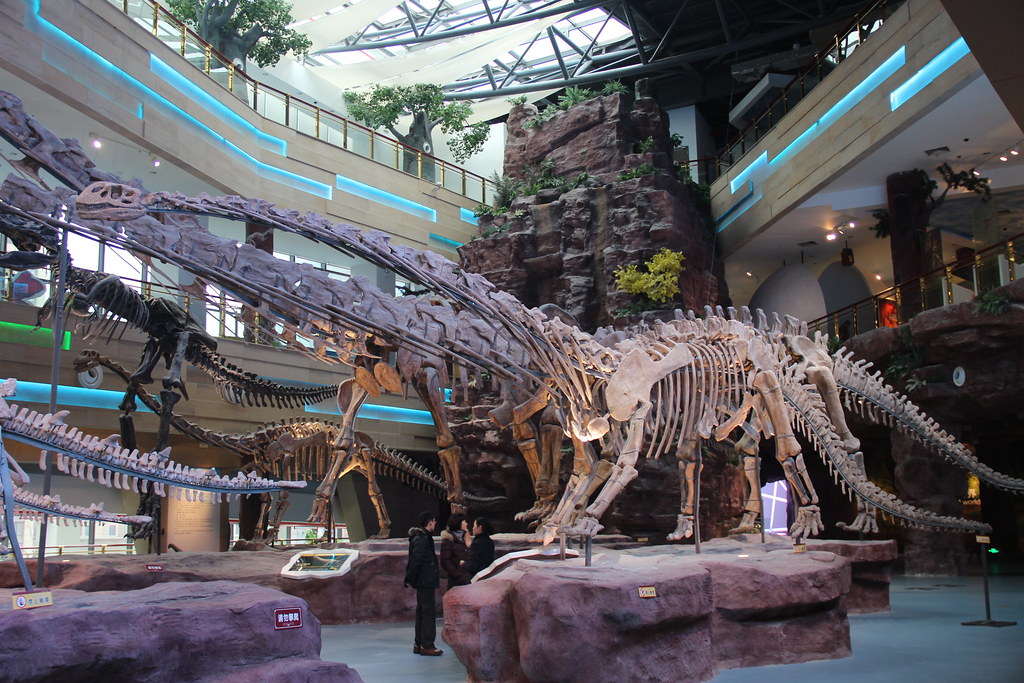
Here’s where things get truly fascinating: There are a few sauropods out there that show an External Fundamental System, representing the cessation of growth. So at least some of them did not grow forever. This discovery shattered the romantic notion that these giants were like massive trees, until the day they died.
Age at sexual maturity thus is revealed by a sudden decrease in growth mark spacing observed in rib thin sections. This annual growth mark record also reveals that skeletal maturity and full (asymptotic) size occurred in the third or fourth decade of life. Yet even after reaching full size, sauropods continued to live for an extended period of time as fully grown animals, but their life-span is difficult to estimate.
The Price of Being Giant
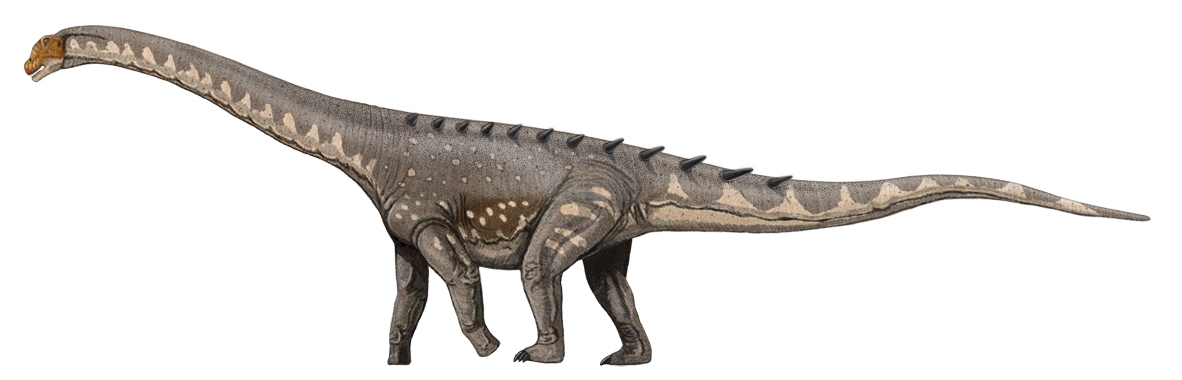
Being the largest animals ever to walk the Earth came with serious physical challenges. Arguments against a high metabolic rate have mainly come from heat loss problems at very large body size because of negative scaling of body surface to body mass. Picture trying to cool down a building-sized body with only the surface area of its skin.
As maximum size was approached, when the heat loss problem became most severe, and a high BMR was no longer needed to sustain growth. These giants evolved elaborate air sac systems like modern birds, which helped them breathe efficiently and likely helped with temperature regulation. The extensive pneumatization of the axial skeleton resulted from the evolution of an avian-style respiratory system, presumably at the base of Saurischia. An avian-style respiratory system would also have lowered the cost of breathing, reduced specific gravity, and may have been important in removing excess body heat.
Conclusion
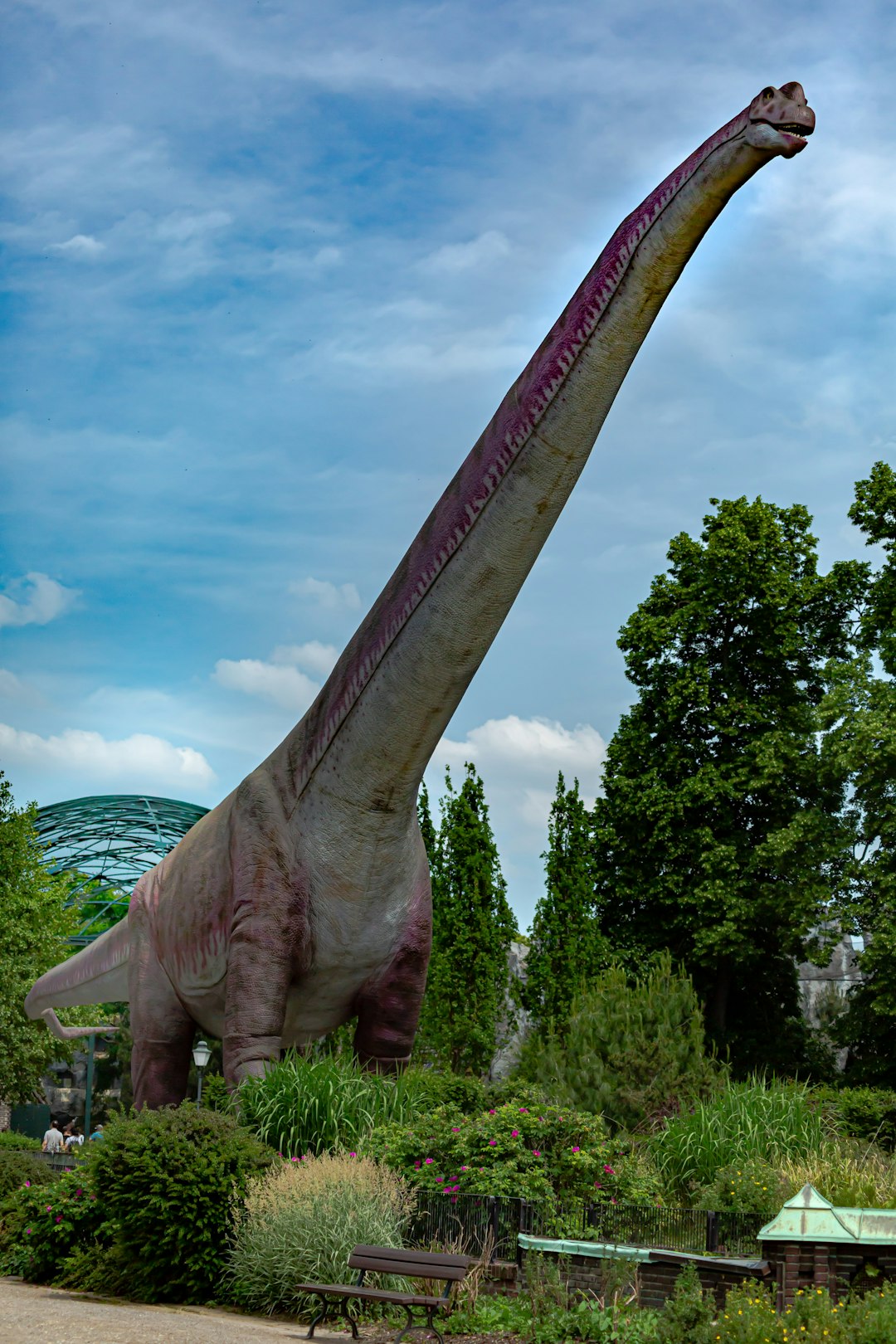
The story of sauropod growth is ultimately about pushing boundaries. These weren’t just big dinosaurs – they were evolutionary pioneers who solved the puzzle of how to be enormous in a world that seemed designed for smaller creatures. Their growth strategy combined the best of both worlds: the rapid development needed to survive as vulnerable juveniles and the sustained growth that allowed them to reach sizes never before or since achieved by land animals.
Sauropod life history thus combined the early sexual maturity and continued growth of living reptiles with the fast growth of large herbivorous mammals. This unique combination created some of the most successful giants in Earth’s history, dominating terrestrial ecosystems for over 150 million years.
Perhaps most remarkably, they achieved all this while starting from an egg no bigger than a basketball. What do you think was the most surprising aspect of their incredible growth story?