Imagine giant reptiles stomping across ancient landscapes, their massive bodies generating enough heat to cook themselves alive under the Mesozoic sun. Picture creatures so enormous they needed specialized cooling systems just to keep their brains from frying. This isn’t science fiction. It’s the incredible story of how dinosaurs evolved nature’s first biological air conditioning systems.
These prehistoric giants faced challenges that would make modern engineers scratch their heads. How do you cool a ten-ton body without sweating? How do you prevent your brain from overheating when you’re the size of a school bus?
The answer lies in one of evolution’s most brilliant innovations: hollow bones that worked like natural ventilation systems. From massive sauropods to fierce predators, dinosaurs developed intricate networks of air-filled chambers that regulated their internal temperatures with remarkable efficiency. Let’s dive into this fascinating world of prehistoric climate control.
The Discovery That Changed Everything
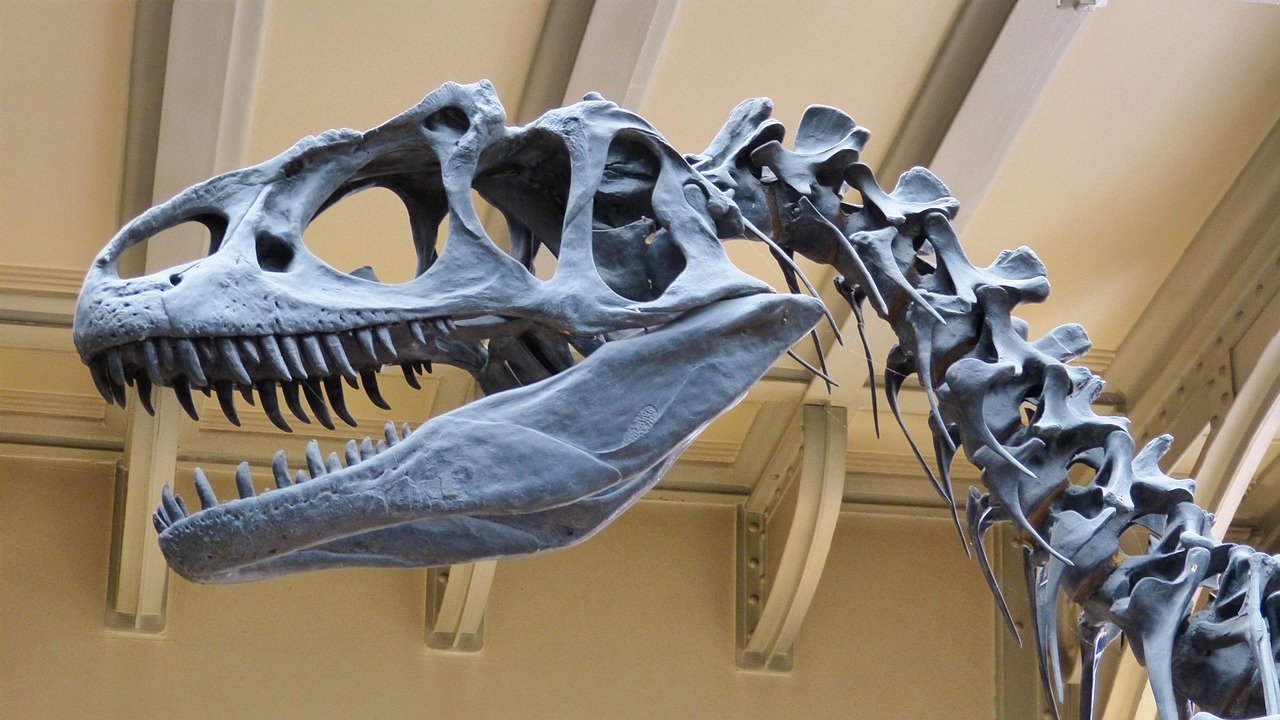
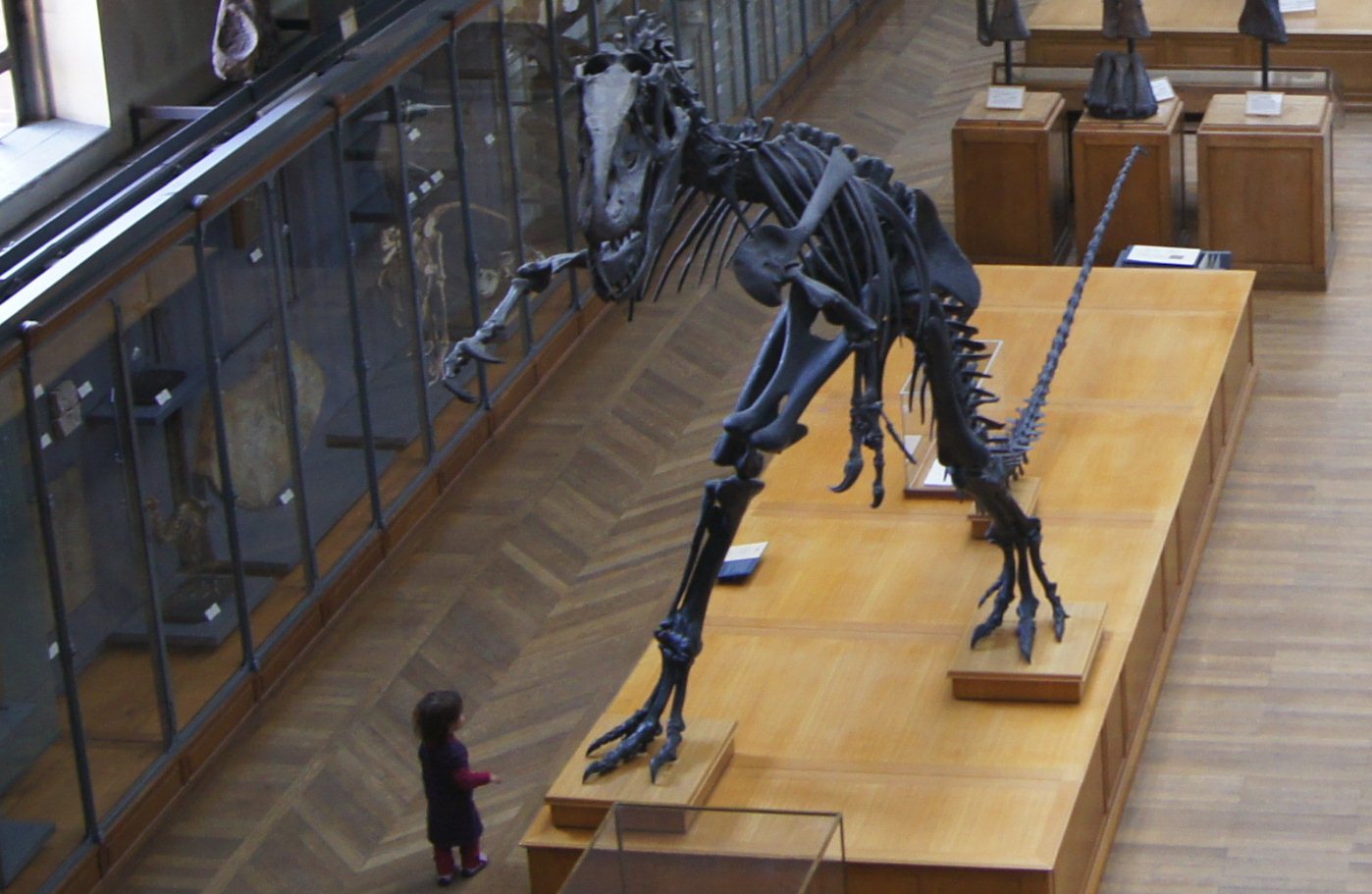
A team of archaeologists and paleontologists from Argentina, the U.S. and China has unearthed the first known example of a fossilized Alvarezsauridae skeleton with evidence of air pockets in its bones. This groundbreaking discovery in 2024 opened our eyes to something we never realized existed in these small, long-legged dinosaurs.
Over many years, scientists have found evidence of pneumaticity (air pockets in bones) in archosaurs, including pterosaurs and saurischian dinosaurs – but never in Alvarezsauridae, which were a family of long-legged dinosaurs. The finding completely rewrote our understanding of how these creatures managed their body temperature.
Nature’s Engineering Marvel
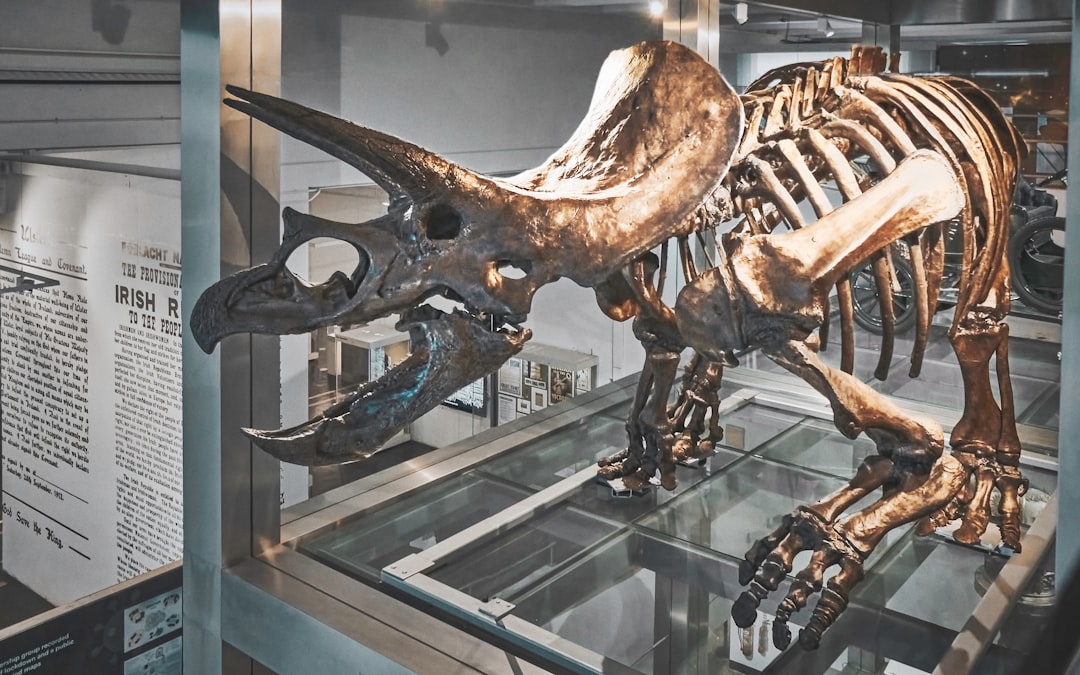
Think of a modern building’s ventilation system. Now imagine nature designing something even more sophisticated seventy million years ago. CT scans revealed air pockets throughout the axial skeleton, suggesting potential roles in weight reduction, temperature regulation, and respiratory efficiency, similar to modern birds.
These weren’t just random hollow spaces. Each air pocket served multiple purposes, creating an integrated system that would make today’s HVAC engineers envious. Many have air sacs that extend into bones, helping to manage body temperature, improve respiratory functions, and reduce overall mass.
The Physics of Dinosaur Air Conditioning
“One of the best ways to cool things down is with evaporation,” Porter said. “The air-conditioning units in buildings and cars use evaporation, and it’s the evaporative cooling of sweat that keeps us comfortable in summer. Dinosaurs discovered this principle millions of years before humans invented refrigeration.
The system worked through blood vessel networks running alongside these hollow spaces. “The handy thing about blood vessels is that they basically write their presence into the bones,” Porter said. “The bony canals and grooves that we see in modern-day birds and reptiles are our link to the dinosaur fossils.
Different Solutions for the Same Problem
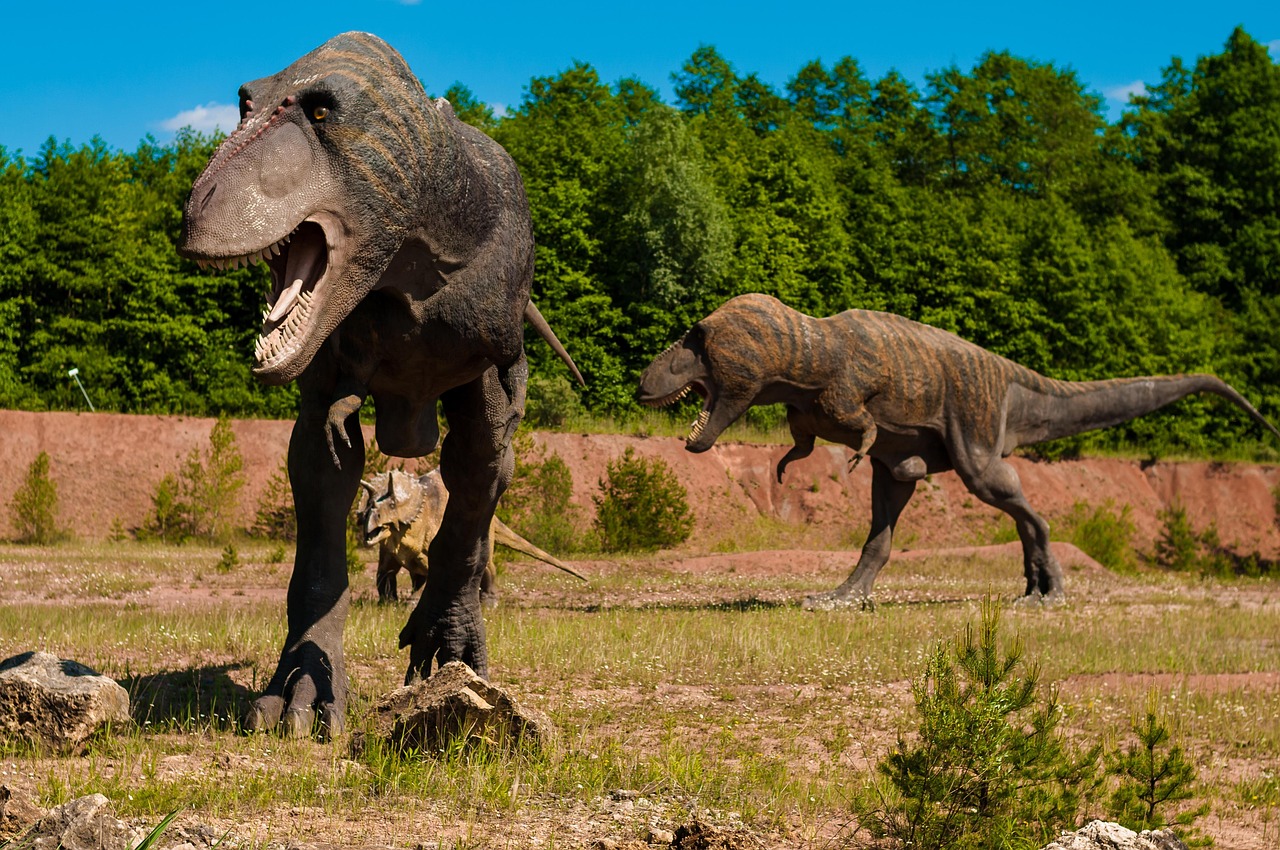
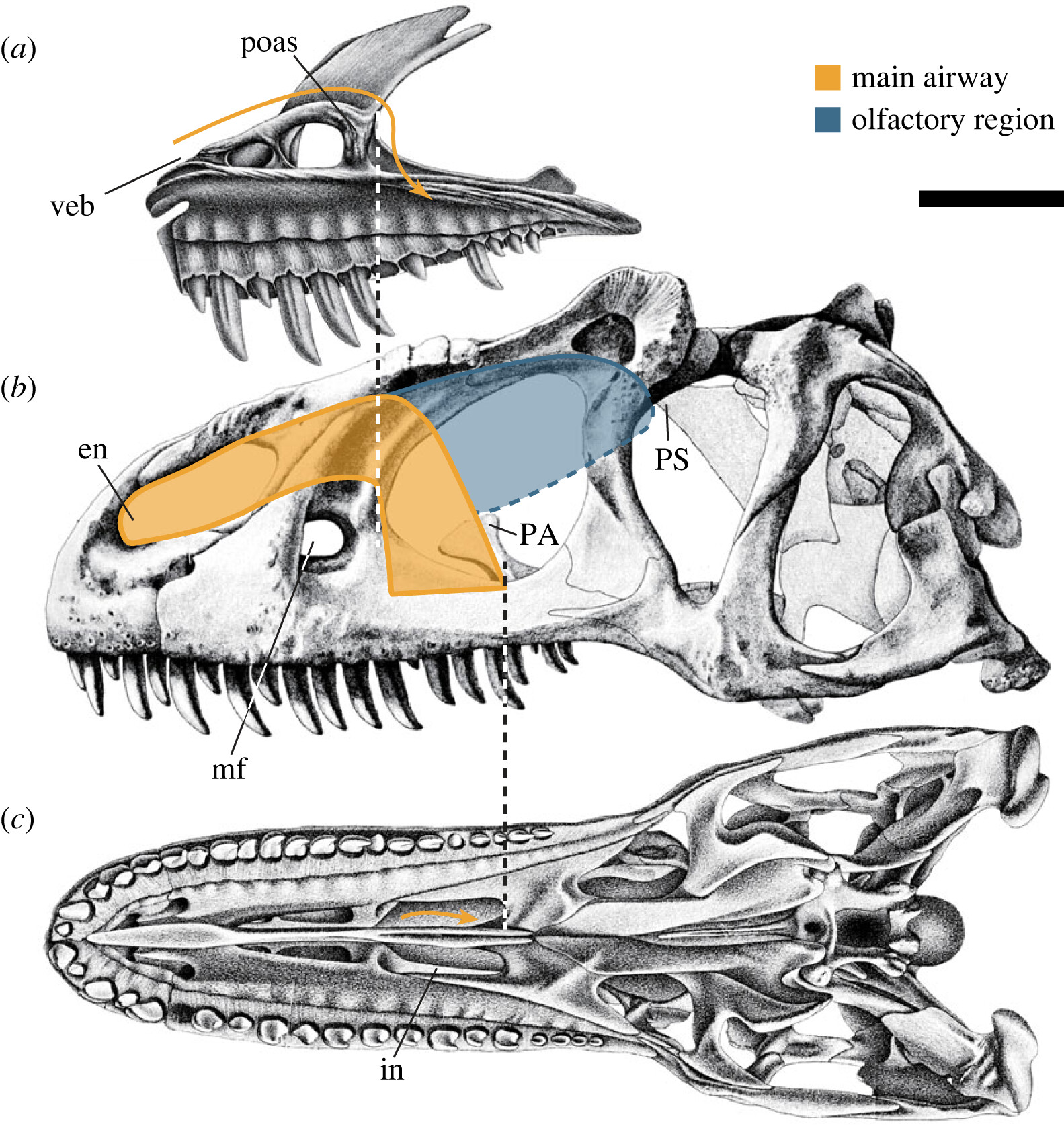
Not all dinosaurs used identical cooling strategies. One problem that the researchers encountered was that many of the theropod dinosaurs — such as the massive T. rex — were also gigantic, but the quantitative analysis showed that they had a balanced vascular pattern, like the small-bodied dinosaurs. “This finding had us scratching our heads until we noticed the obvious difference — theropods like Majungasaurus and T. rex had a huge air sinus in their snouts,” Witmer said.
These massive predators essentially carried portable s in their heads. Witmer had previously shown that air circulated through the antorbital air sinus like a bellows pump every time the animal opened and closed its mouth. “Boom! An actively ventilated, highly vascular sinus meant that we had another potential cooling region.
The Long and Winding Road to Cool
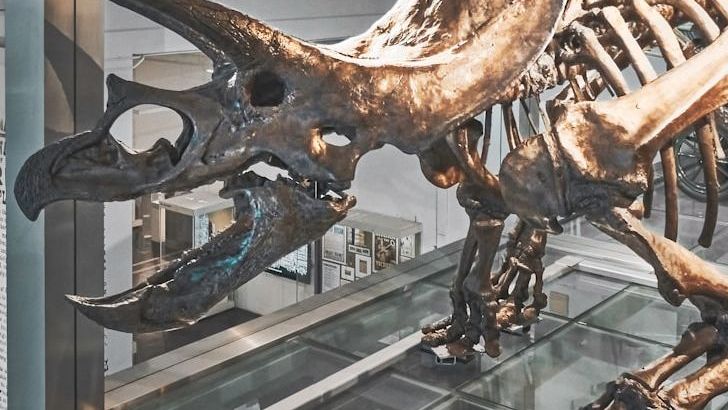
Now a new study shows that armor-plated dinosaurs (ankylosaurs) had the capacity to modify the temperature of the air they breathed in an exceptional way: by using their long, winding nasal passages as heat transfer devices. These heavily armored giants developed perhaps the most sophisticated nasal air conditioning system in natural history.
“Ankylosaurs didn’t have turbinates, but instead made their noses very long and twisty,” said Bourke. When the researchers compared their findings to data from living animals, they discovered that the dinosaurs’ noses were just as efficient at warming and cooling respired air.
The Ultimate Cooling Challenge
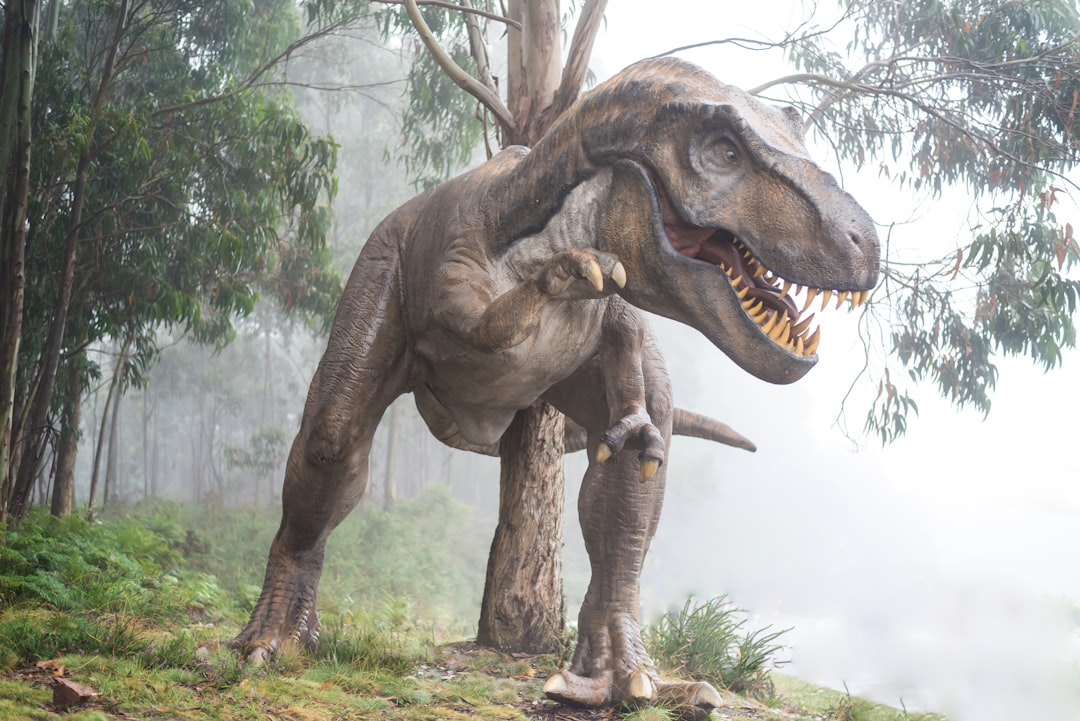
Different dinosaur groups independently evolved gigantic body sizes, but they all faced the same problems of overheating and damaging their brains. “Small dinosaurs could have just run into the shade to cool off,” said study co-author Professor Lawrence Witmer, “but for those giant dinosaurs, the potential for overheating was literally inescapable.
Size became both their greatest advantage and their biggest liability. The larger they grew, the more creative their cooling solutions needed to become. These weren’t just minor adaptations; they were matters of life and death in the scorching Mesozoic climate.
Modern Connections to Ancient Innovations
Among modern animals, birds possess the most air sacs (7–9), with their extinct dinosaurian relatives showing a great increase in the pneumatization (presence of air) in their bones. Today’s birds inherited this remarkable system from their dinosaur ancestors.
Your typical bird’s hollow bones aren’t just for flight – they’re connected to its respiratory system, allowing for twice the oxygen extraction compared to mammals and better temperature regulation. You’ll be amazed to learn that hollow bones help birds regulate their body temperature faster than mammals due to their extensive air sac network.
The Weight of Innovation
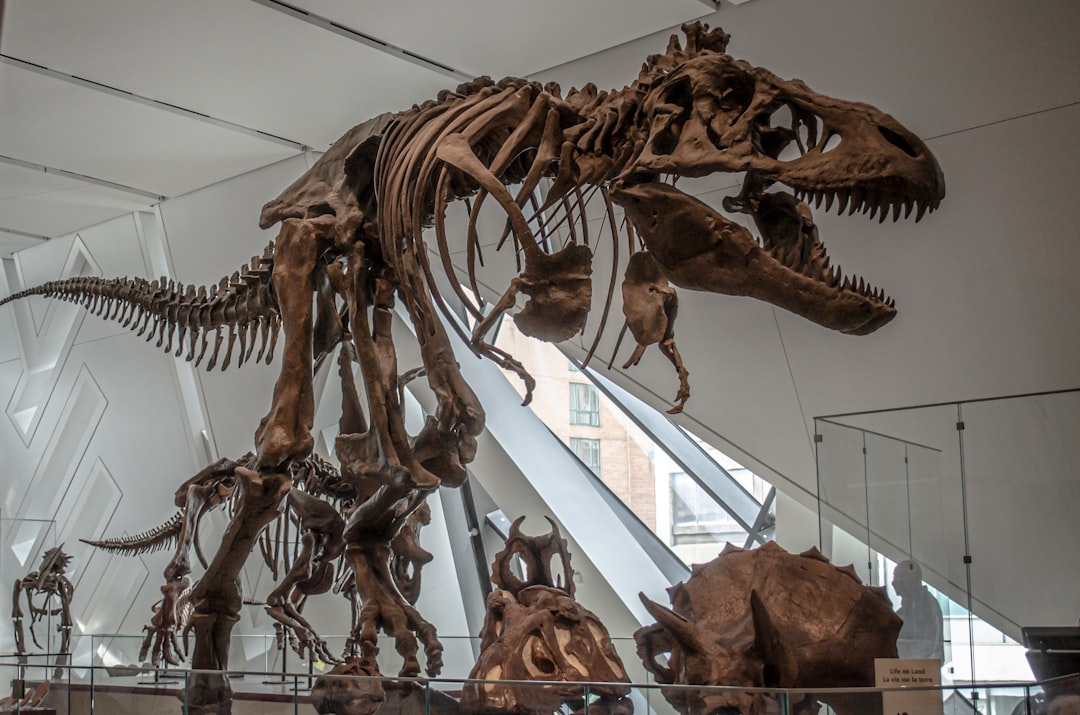
These air-filled bones solved multiple problems simultaneously. Prior research has shown that, in addition to reducing weight, air pockets in the bones of birds help with maintaining body temperature and assisting with respiratory activities. Scientists have therefore hypothesized that dinosaurs developed air pockets in their bones for similar reasons. Reducing weight in some of the larger dinosaurs, they note, could have reduced energy requirements and allowed the creatures to move more quickly.
It’s remarkable how evolution found ways to make these giants both lighter and cooler. The engineering was so effective that some sauropod neck bones were up to 60 percent air by volume, creating structures lighter than cork yet stronger than steel.
Conclusion: Lessons From Prehistoric Engineers
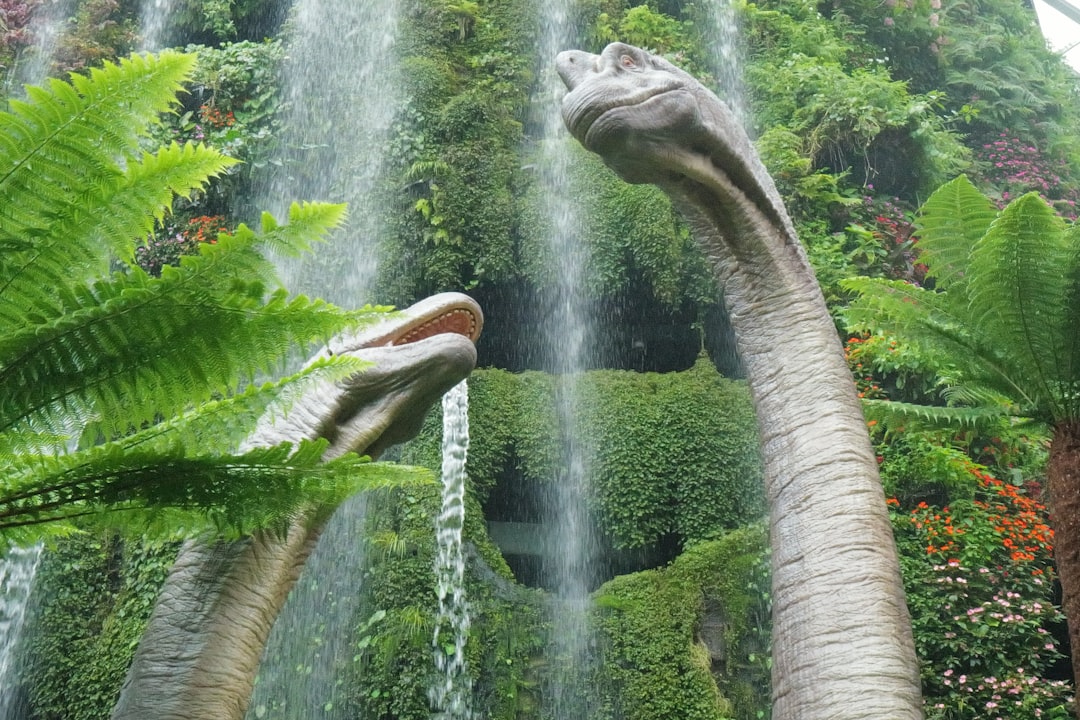
The story of dinosaur air conditioning reveals nature’s incredible ability to solve complex engineering problems. These ancient giants developed cooling systems that were both elegant and effective, using principles that modern technology still relies upon today.
From the bellows-like air sacs of tyrannosaurs to the labyrinthine nasal passages of armored ankylosaurs, each species found its own solution to the fundamental challenge of staying cool. Their innovations allowed them to dominate Earth for approximately 164 million years, proving that sometimes the best designs come from the most unexpected places. What other prehistoric secrets might be waiting for us to discover?