
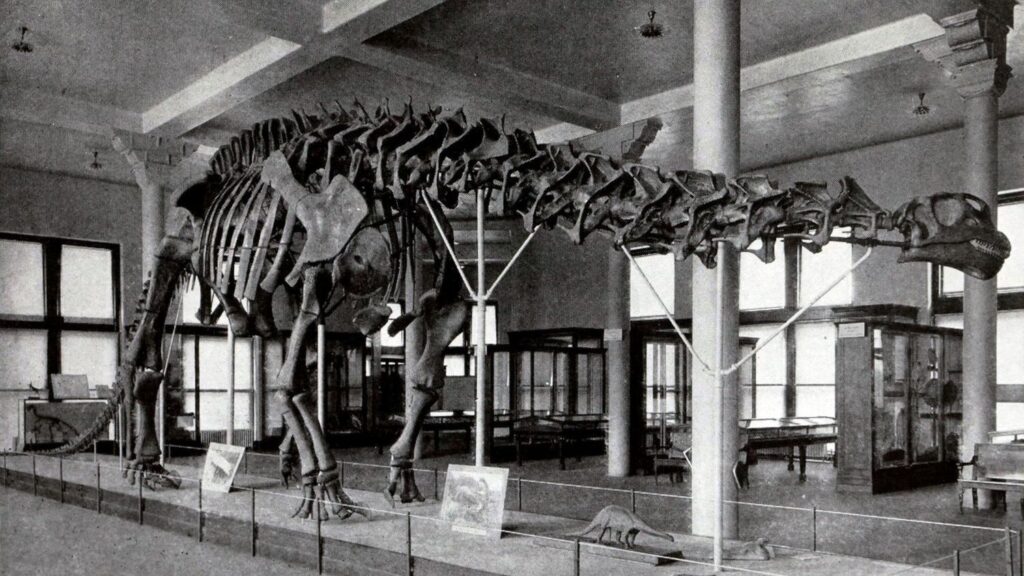
For more than a century, millions of kids pointed at a famous dinosaur skeleton in museums and proudly shouted its name… only for scientists to later admit that, technically, it had the wrong label. Behind the scenes, curators had to scramble, signs had to be rewritten, and one of the most beloved dinosaurs on the planet quietly lost its status as a “real” species. It sounds like a punchline, but it is also one of the most revealing stories about how science actually works.
This is the tale of a celebrity dinosaur that turned out to be a case of mistaken identity, the paleontologists who finally owned up to the mix‑up, and the slightly mortified museums that had to fix decades of confusion. It is a bit awkward, a bit nerdy, and surprisingly human. And once you know what happened, you may never look at a dinosaur nameplate in a museum the same way again.
The Dinosaur Everyone Thought They Knew
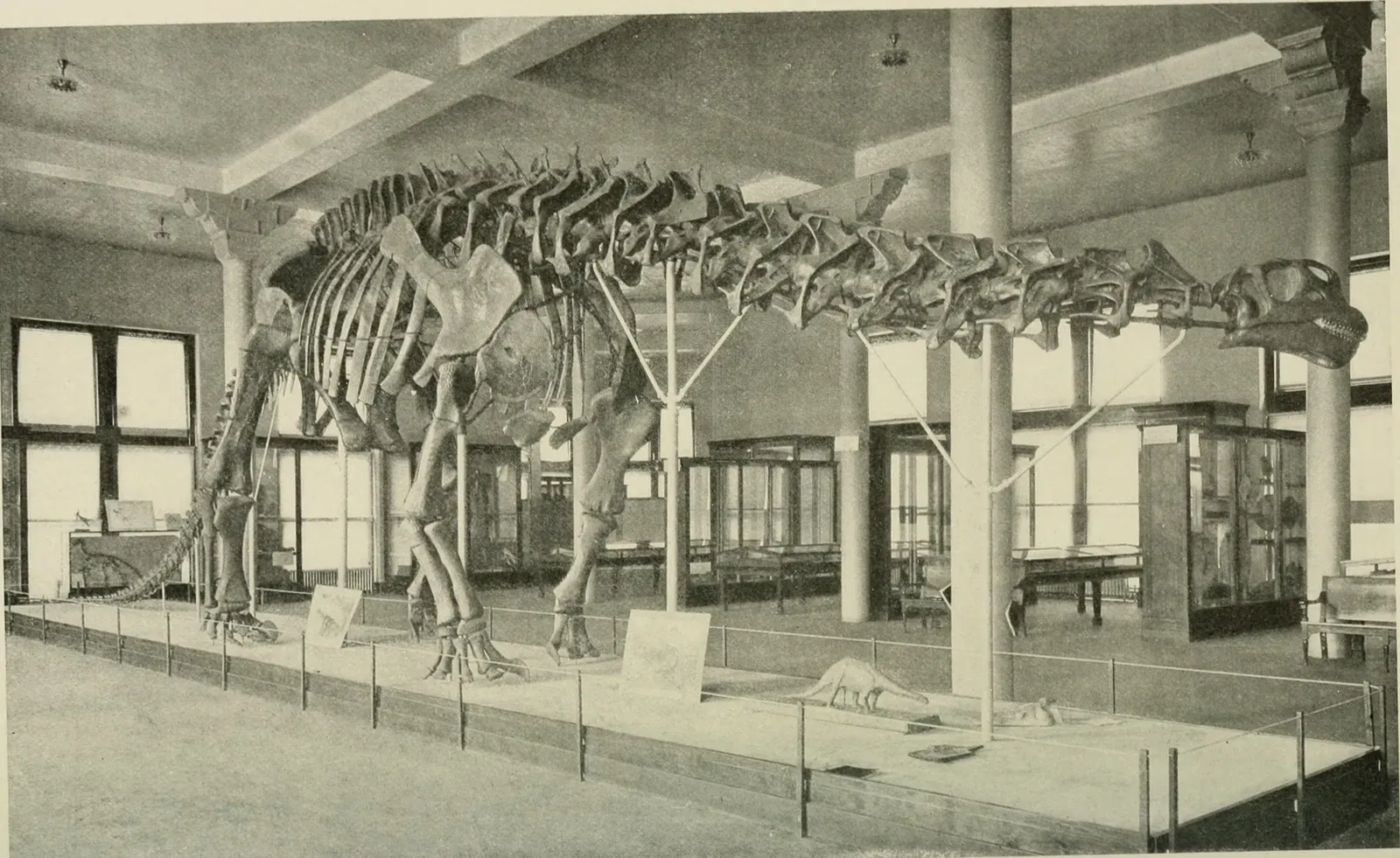
For generations, museum visitors around the world fell in love with a gentle, long‑necked giant called Brontosaurus. The name sounded powerful and majestic, and it became a staple of children’s books, toys, and posters. Kids learned to spell “Brontosaurus” before they could spell “Wednesday,” and parents trusted that if the museum said it existed, then it existed.
But the awkward twist is that by the middle of the twentieth century, many scientists were quietly agreeing that Brontosaurus, this fan‑favorite dinosaur, was not actually a valid name at all. The skeleton that everyone called Brontosaurus was, by the rules of scientific naming, really just a species of another dinosaur, Apatosaurus. It is like finding out that a celebrity you have followed for years has been using a stage name that the legal system never recognized in the first place.
A Messy Rivalry at the Heart of the Mix‑Up
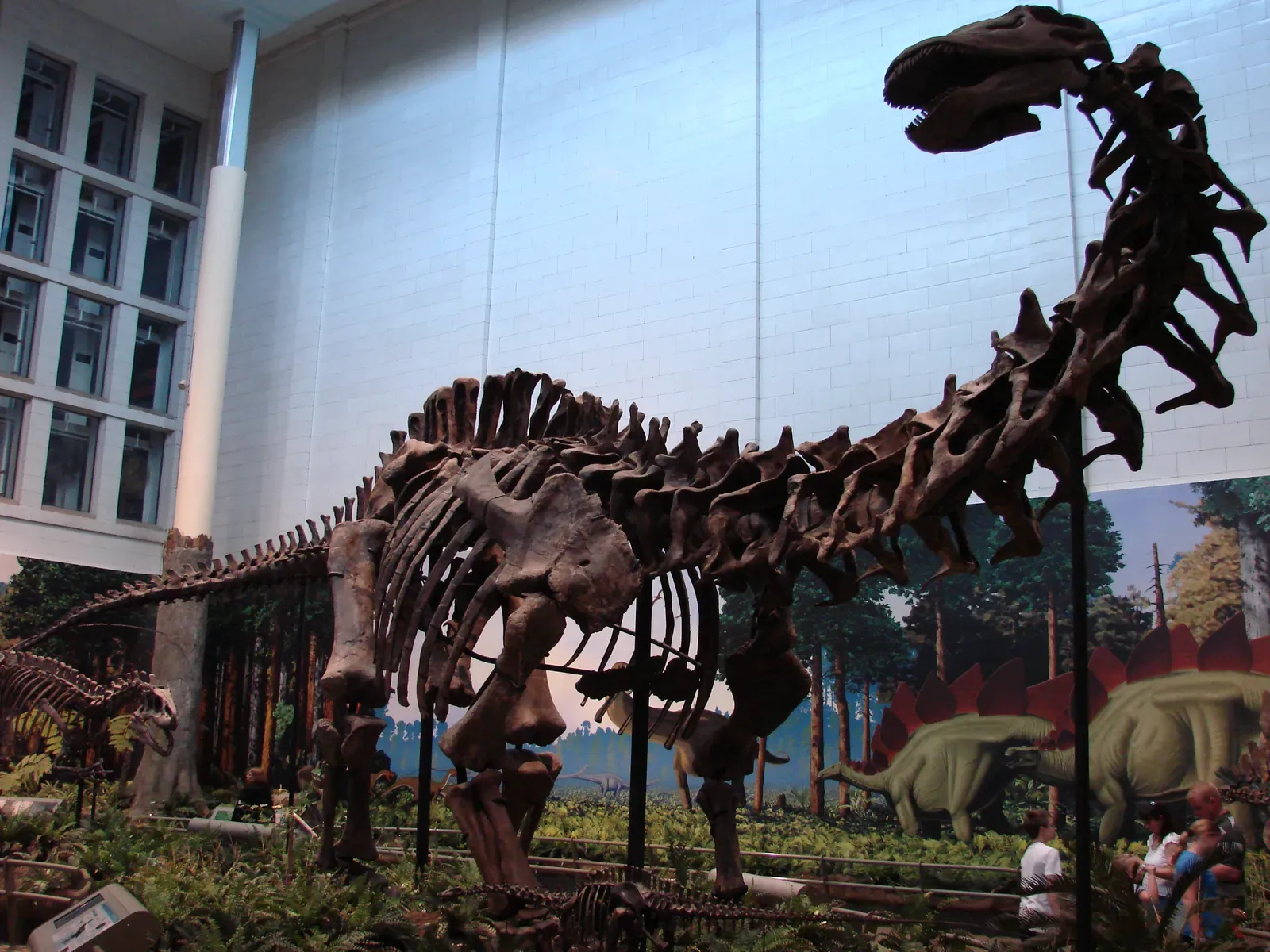
The roots of the embarrassment go back to the so‑called Bone Wars of the late eighteen hundreds, a fierce rivalry between paleontologists Othniel Charles Marsh and Edward Drinker Cope. Both men raced to name as many new dinosaurs as possible, pushing their teams to dig up, describe, and publish at breakneck speed. In that competitive chaos, careful comparison of skeletons sometimes took a back seat to bragging rights about who had named what first.
Marsh named Apatosaurus based on one set of fossils, then later named Brontosaurus based on another, not fully realizing how similar they really were. When later scientists looked more calmly at the bones, they recognized that the two “different” dinosaurs were actually so alike that they belonged to the same genus. By then, though, Brontosaurus had already captured the public imagination, and walking that name back was always going to be painful and, frankly, embarrassing for the field.
The Rule That Made Brontosaurus Vanish
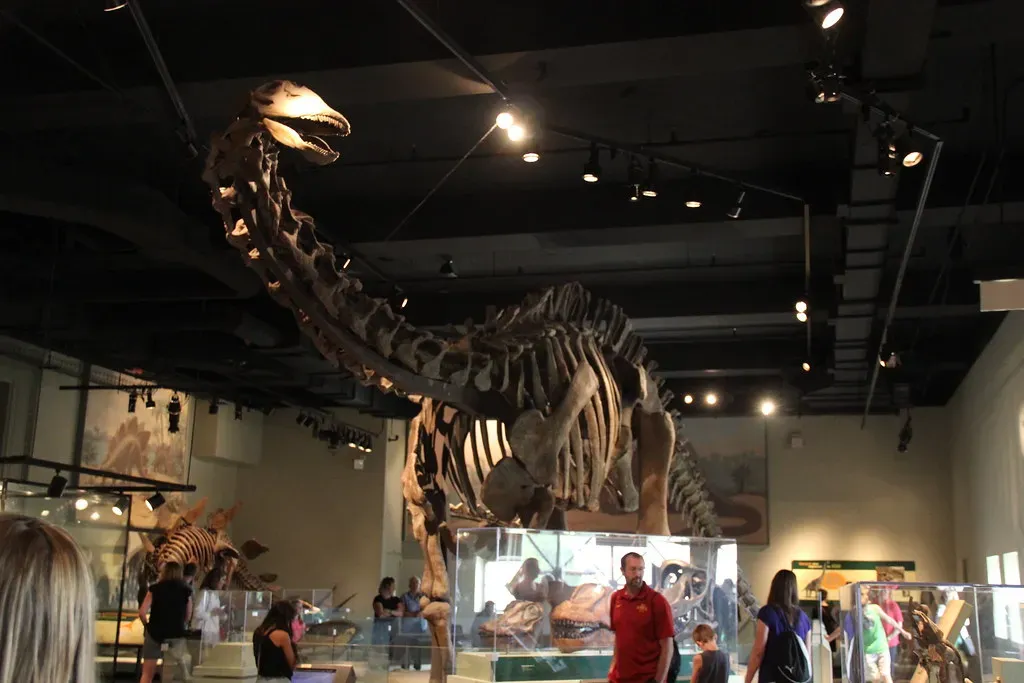
The scientific community has a strict naming rule that often surprises people: if two names are given to the same animal, the oldest valid name wins. In this case, Apatosaurus was named first, so under the International Code of Zoological Nomenclature, it had priority. That meant that, even if Brontosaurus sounded cooler and appeared on lunch boxes around the world, it lost the naming battle on a technicality.
When researchers concluded that Brontosaurus and Apatosaurus were not really distinct enough to be separate genera, they merged them under the earlier name Apatosaurus. Overnight in scientific terms, Brontosaurus was demoted to historical footnote status. It is like discovering your favorite band’s iconic name is legally off limits, and they suddenly have to tour under a more awkward, less catchy title that makes the lawyers happy but the fans confused.
The Moment Museums Had to Own the Mistake
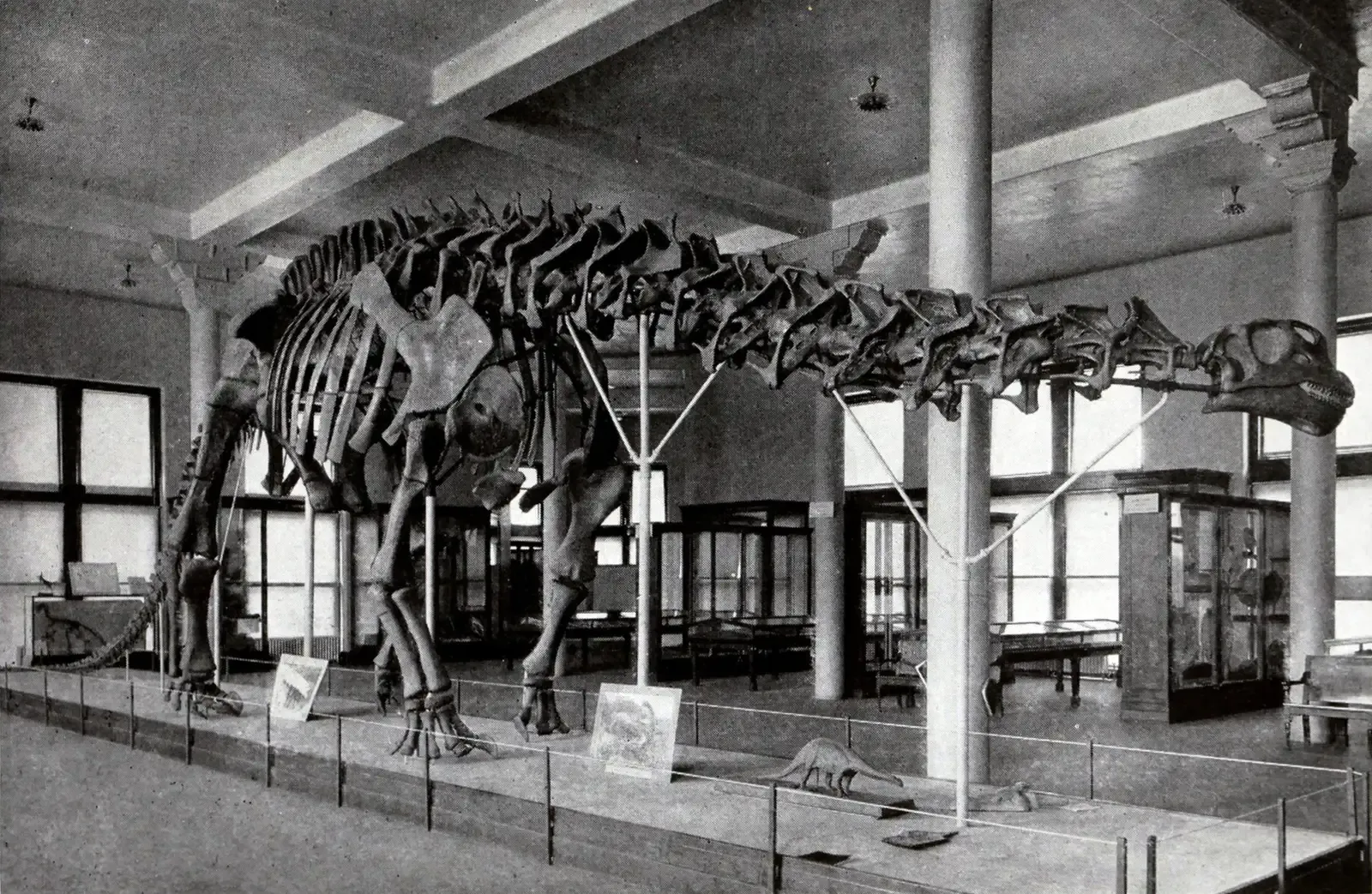
Museum staffs are used to updating exhibits as new discoveries roll in, but having to rewrite the name of a dinosaur that millions of people adore hits differently. Curators and educators had to decide whether to keep using Brontosaurus on signs for the sake of familiarity or switch fully to Apatosaurus to stay scientifically correct. This tension created a strange in‑between era where some displays quietly changed the main name while still mentioning Brontosaurus in smaller text as a sort of nostalgic nickname.
Behind the scenes, there was a bit of collective embarrassment. Institutions that pride themselves on accuracy had to admit that their star dinosaur had been labeled with what amounted to an outdated brand name. Some museums handled it with humor and clear explanations, others just swapped plates and hoped most visitors would not ask too many questions. Either way, the physical act of unscrewing old nameplates and printing new ones symbolized science reluctantly correcting a very public, very visible mistake.
How a Headless Body Made Things Even Weirder
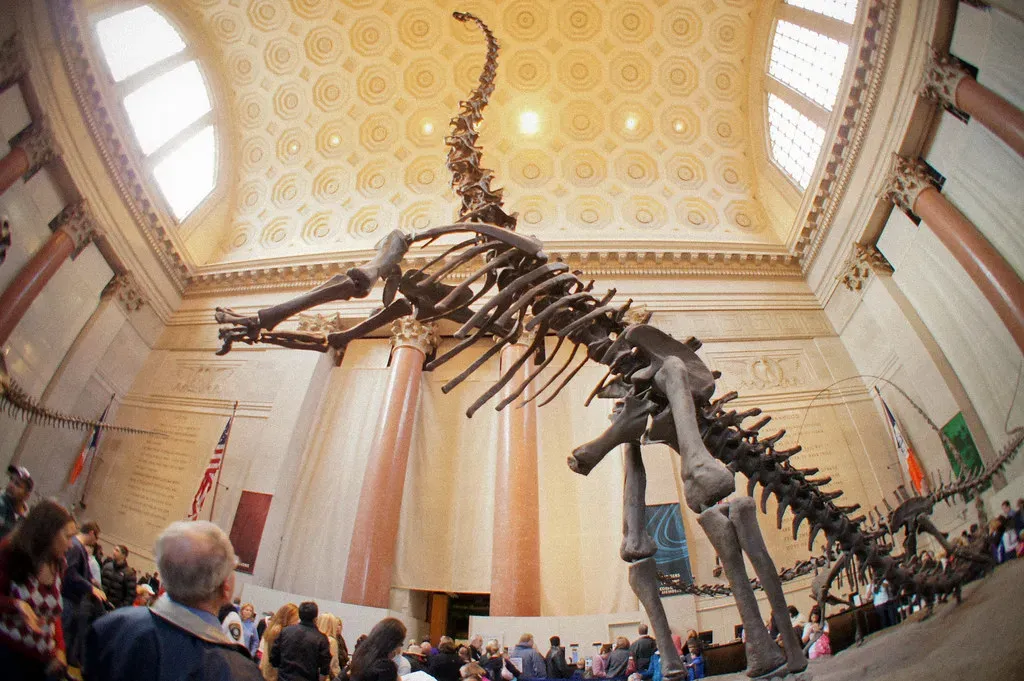
As if the naming fiasco were not awkward enough, many of the classic “Brontosaurus” mounts spent decades with the wrong head. The original skeleton was missing a skull, so Marsh and his team placed a head that looked right to them, resembling another dinosaur called Camarasaurus. For years, that mismatch sat under museum skylights, becoming the mental image of Brontosaurus for countless visitors.
Later research suggested that these animals likely had a skull more like Diplodocus, much more slender and different in shape. So not only was the name Brontosaurus scientifically questionable, but the iconic profile everyone knew was based on a head that did not belong there. Imagine discovering that a beloved portrait of your great‑grandparent is actually a composite of someone else’s face on your relative’s body; it is both funny and deeply unsettling at the same time.
The Surprise Comeback: When Brontosaurus Returned
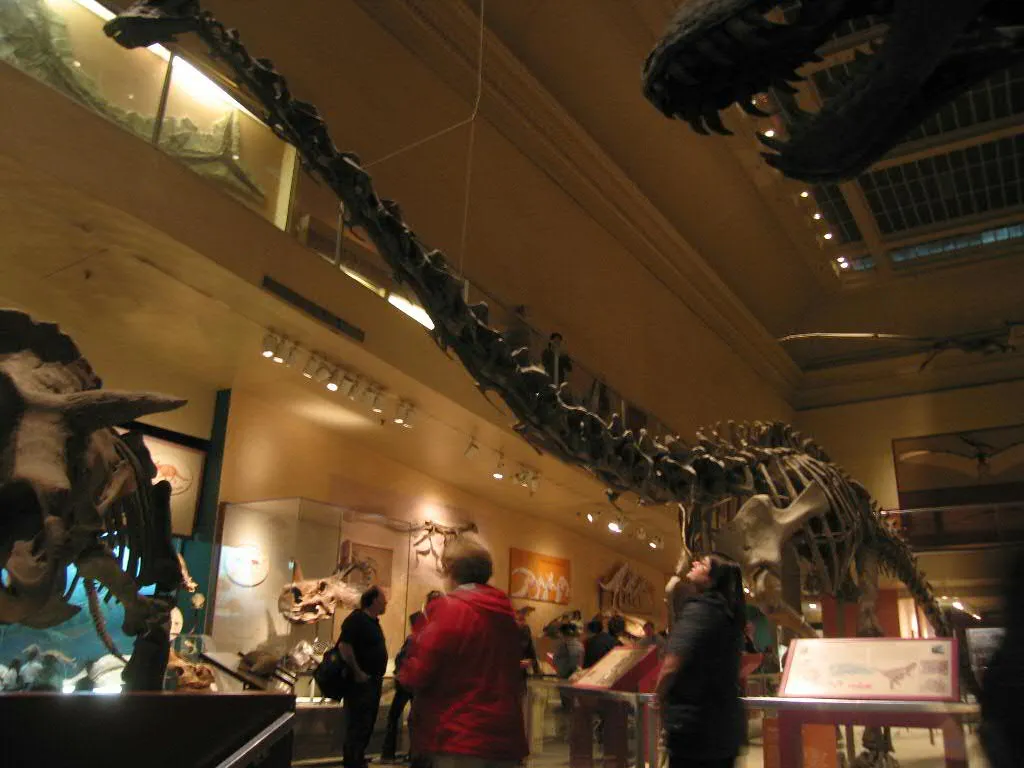
Just as the scientific world had largely settled into calling everything Apatosaurus, a massive study in the twenty‑tens re‑examined a broad set of long‑necked dinosaur fossils in painstaking detail. The researchers compared dozens of anatomical features and concluded that some classic “Brontosaurus” specimens might actually be different enough to deserve their own genus after all. In other words, the dinosaur that had been declared “not real” as a separate name might, in fact, be valid again.
This did not instantly restore Brontosaurus to every museum label on Earth, but it opened the door for a cautious comeback. Some paleontologists embraced the revival, while others urged restraint, pointing out that classifications can shift as new fossils appear. For the public, though, it felt like a vindication: the dinosaur that had been yanked away on a technicality was being tentatively welcomed back into the official club, even if the details were still being debated in conferences and journal articles.
What This Embarrassing Episode Reveals About Science
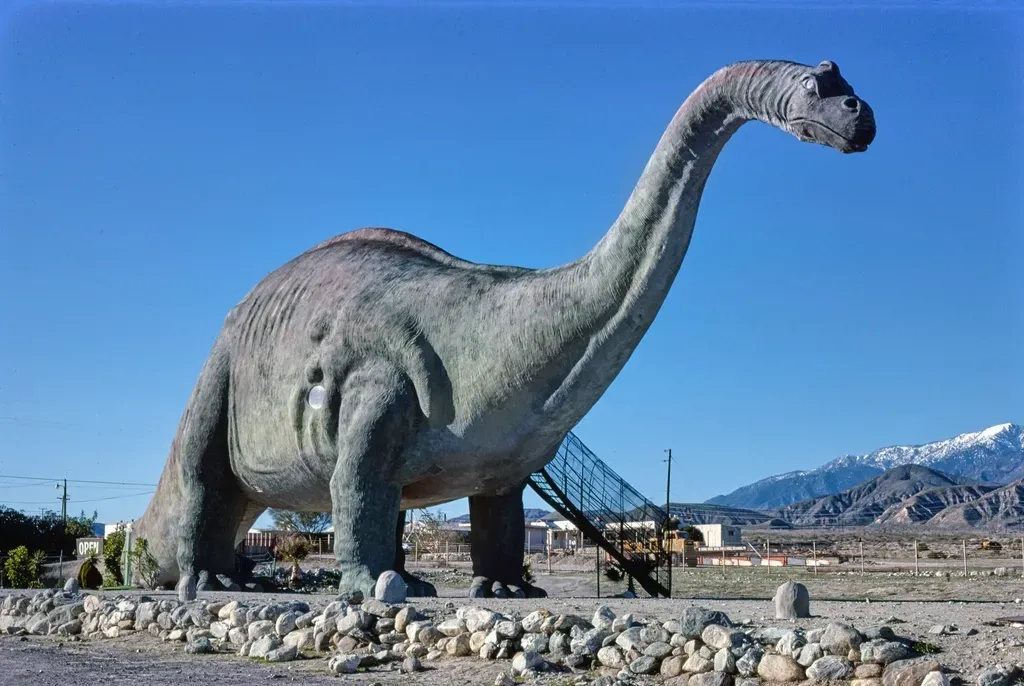
When I first learned the full story, from the rivalry that sparked the confusion to the slow, awkward reclassification, it completely changed how I think about scientific certainty. We like to imagine science as a neat stack of facts, but the Brontosaurus saga shows it is more like an ongoing group project, constantly being edited and occasionally forced to admit an older draft was wrong. It is humbling that even something as seemingly solid as a mounted skeleton can have its identity questioned and revised.
At the same time, I actually find the whole thing comforting. If experts can misname a dinosaur, stick the wrong skull on it, correct themselves, then partially reverse course decades later, it proves that science is willing to grow instead of clinging stubbornly to its pride. Museums having to swap out signage is a visible reminder that knowledge is alive, not frozen in glass. Maybe the real question is not whether Brontosaurus is “officially” back, but whether we are willing to accept that even our most beloved truths can, and sometimes should, change. Did you expect a dinosaur story to say so much about how we handle being wrong?