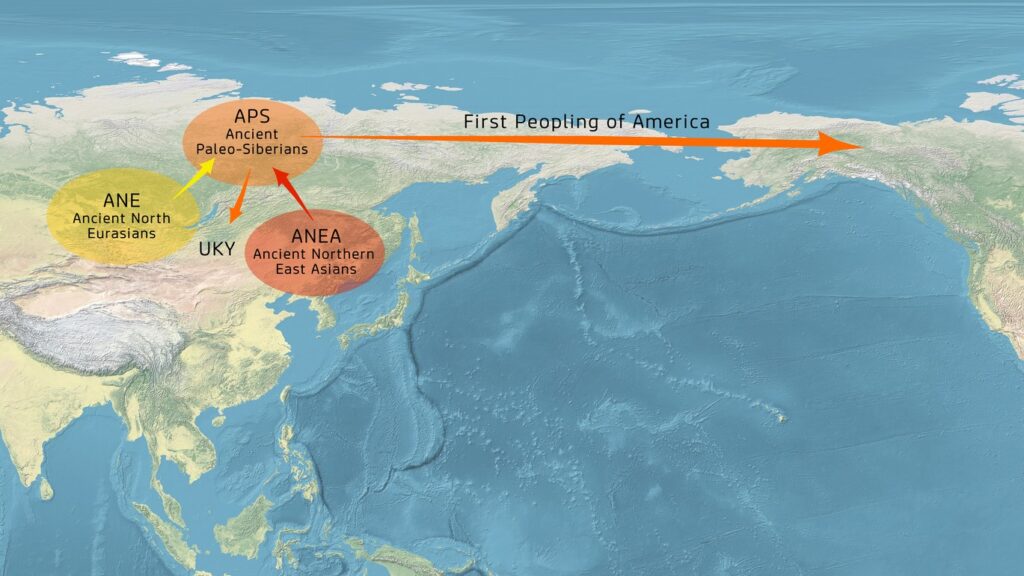
You stand on a continent today, but imagine if the ground beneath your feet was once just a small part of a vast, exposed highway of frozen earth stretching between Asia and North America. That ancient route, known as the Bering Land Bridge, is at the heart of one of the biggest questions in human history: how did people first arrive in the Americas? You hear confident claims all the time, yet when you look closer, you find a story full of gaps, twists, and competing theories that still keep researchers arguing.
As you follow this mystery, you’re pulled into a world where climate swings reshape entire oceans, where mammoths and giant bison roam, and where small bands of people gamble everything on moving into unknown lands. You’re not just reading about dates and fossils; you’re watching a slow-motion drama of survival, curiosity, and migration that unfolds over thousands of years. And the deeper you go, the more you realize how much is still uncertain, and how much of the story you’re piecing together from scattered clues buried in ice, mud, and DNA.
The Lost World of Beringia: A Continent That Vanished
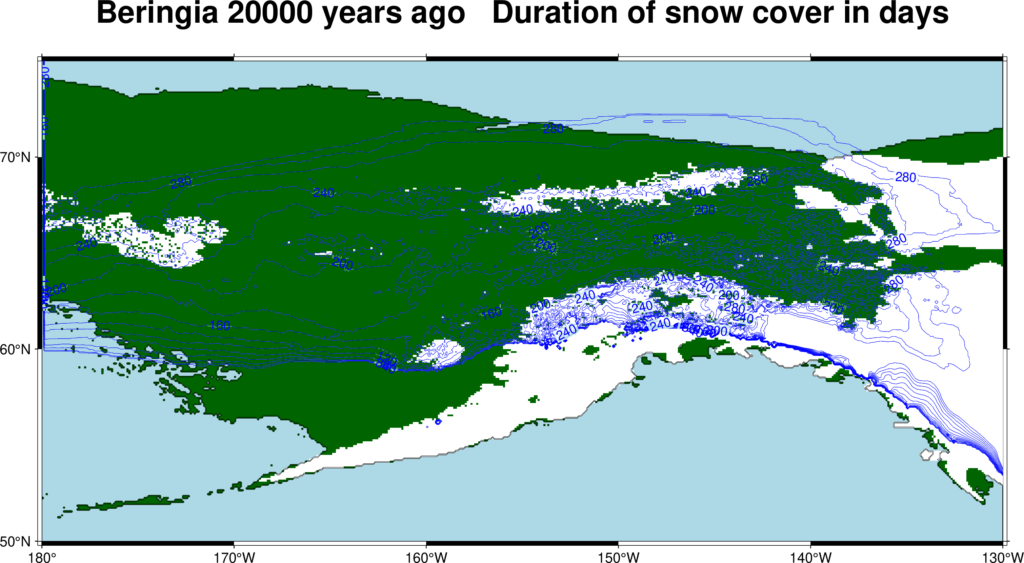
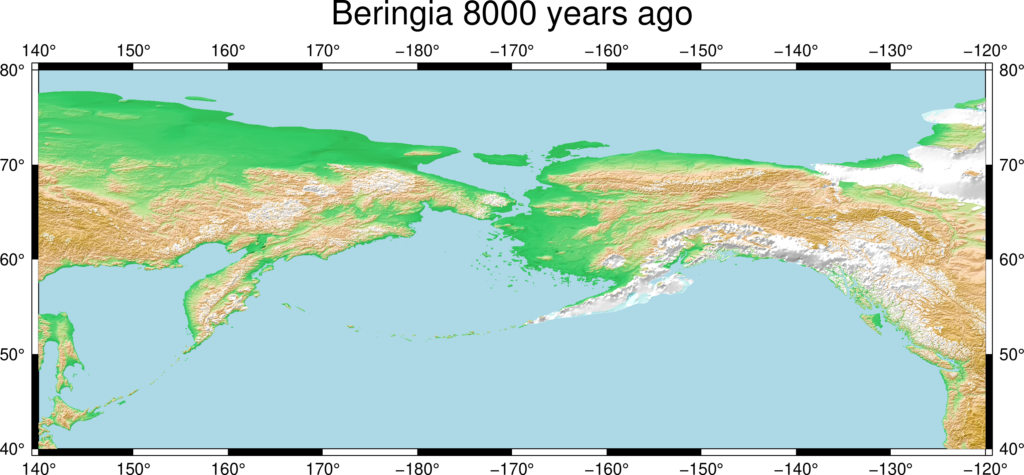
When you picture the Earth during the peak of the last Ice Age, you might imagine glaciers smothering the north, but you probably don’t imagine a whole extra landmass. Yet that’s exactly what Beringia was: a wide, cold, mostly treeless plain connecting Siberia and Alaska when sea levels were dramatically lower than today. You would not have seen a narrow, fragile land strip but a vast region hundreds of miles wide, big enough to be considered a subcontinent in its own right.
If you had walked across Beringia back then, you wouldn’t have been crunching through endless deep snow every day. Instead, you’d move through a dry, windy, grass-and-shrub landscape, more like a frigid steppe than an ice sheet. Herds of mammoths, horses, and bison would have dotted the horizon, along with predators like wolves and big cats. In other words, if you were a hunter with stone tools, this strange, cold landscape would still have looked like opportunity, not just hardship.
How Climate and Falling Seas Opened a Hidden Highway
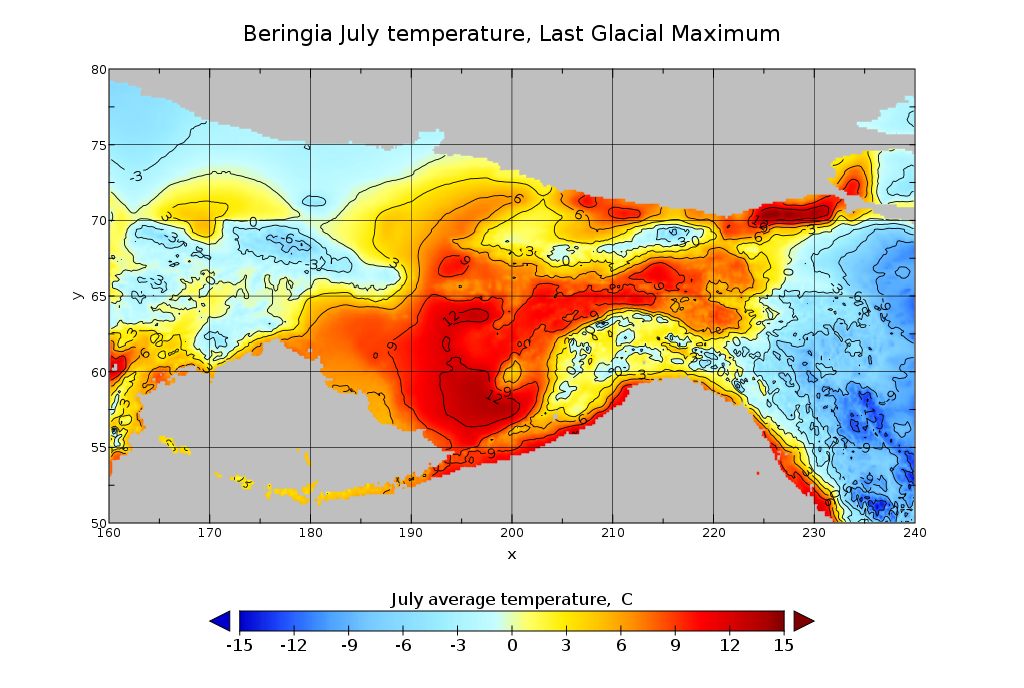
You often hear that people walked into the Americas “over ice,” but the reality is more about water than frozen ground. During the last Ice Age, so much water was locked into massive glaciers that global sea levels dropped dramatically, exposing the shallow seafloor between Asia and North America. That newly exposed land is what you know as the Bering Land Bridge, and it stayed open not for a moment, but for thousands of years across several time windows.
As the climate shifted, this land did not simply appear and vanish overnight; it breathed in and out with the ice ages. During colder periods, the land bridge widened and solidified as a stable route. During warmer stretches, glaciers melted, seas rose, and the connection shrank or disappeared. If you were living anywhere near this region, your world would literally expand and contract across generations, and the decision to move east, west, or stay put would depend heavily on shifting shorelines and changing herds.
Who the Ancient Travelers Were: Hunters, Families, and Risk-Takers
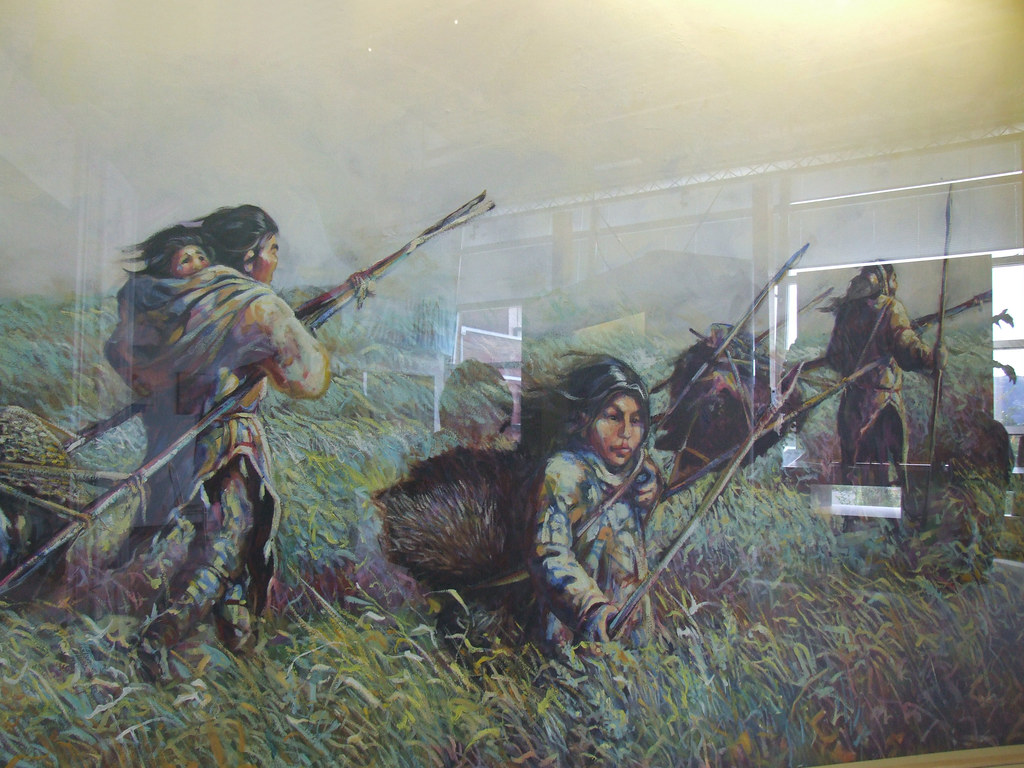
When you think of the first people crossing Beringia, you might imagine rugged explorers on a single heroic journey, but you’re really looking at generations of families. These were small bands of hunter-gatherers, following migrating animals, gathering plants, and adjusting to brutal cold with clever tools, layered clothing, and deep local knowledge. You can picture them as people very much like you: protective of children, cautious, but also curious enough to push toward new horizons when survival required it.
Instead of one wave of travelers marching in a straight line, you probably had groups moving back and forth, pausing, splitting, rejoining, and sometimes vanishing. Over long stretches of time, some of these people may have lingered in Beringia itself, forming what researchers sometimes call a “Beringian standstill,” a long pause in their journey before they eventually moved deeper into the Americas. If you had been born in one of those groups, the edge of the known world would have been your daily reality, and every scouting trip beyond the familiar could change your community’s future.
Did People Arrive by Land, by Sea, or Both?
If you try to follow the trail of footprints into the Americas, you quickly run into a maze of competing ideas. For decades, you were told a simple story: people walked over the land bridge, then marched south through an ice-free corridor between giant glaciers and spread across the continents. Today, that story looks far too neat. As you look at the evidence, you see hints that the path south may have been blocked by ice for longer than expected, while archaeological sites farther south appear surprisingly early in the record.
Because of this, you now have to seriously consider a coastal migration route. In that version of events, your ancient travelers hug the shorelines of Beringia and the Pacific, using small boats or walking along exposed beaches and kelp-rich waters, hunting marine life and moving from cove to cove. The trouble for you is that much of this ancient coastline is now underwater, erased by rising seas, which makes direct proof incredibly hard to find. So you’re left with a mix of inland and coastal clues, trying to piece together a journey that may have used both land and sea in ways that do not fit any single, tidy path.
When you try to answer the blunt question of who got here first, you quickly run into the shifting nature of archaeology itself. For a long time, you were taught that a culture known for distinct stone tools, often called Clovis, represented the first widely spread people in the Americas. Then, as more sites with possibly older dates appeared, your mental timeline had to stretch backward, and the former starting point became just one chapter among many. You watch as the idea of a single “first culture” gives way to the possibility of multiple groups arriving at different times by different routes.
Genetic studies add to your puzzle rather than solving it in one stroke. When you look at DNA evidence from modern Indigenous populations and ancient remains, you see signs that ancestors from northeastern Asia contributed most of the ancestry of Indigenous peoples in the Americas, but you also see hints of complex branches and splits along the way. Instead of a clean, straight family tree, you get something more like a braided river, with channels that separate and rejoin over thousands of years. You’re left with a humbling realization: you can trace broad patterns, but you’re still far from naming exact groups or pinning down a single “first arrival” moment.
The Vanishing Evidence: Ice, Water, and the Limits of the Record
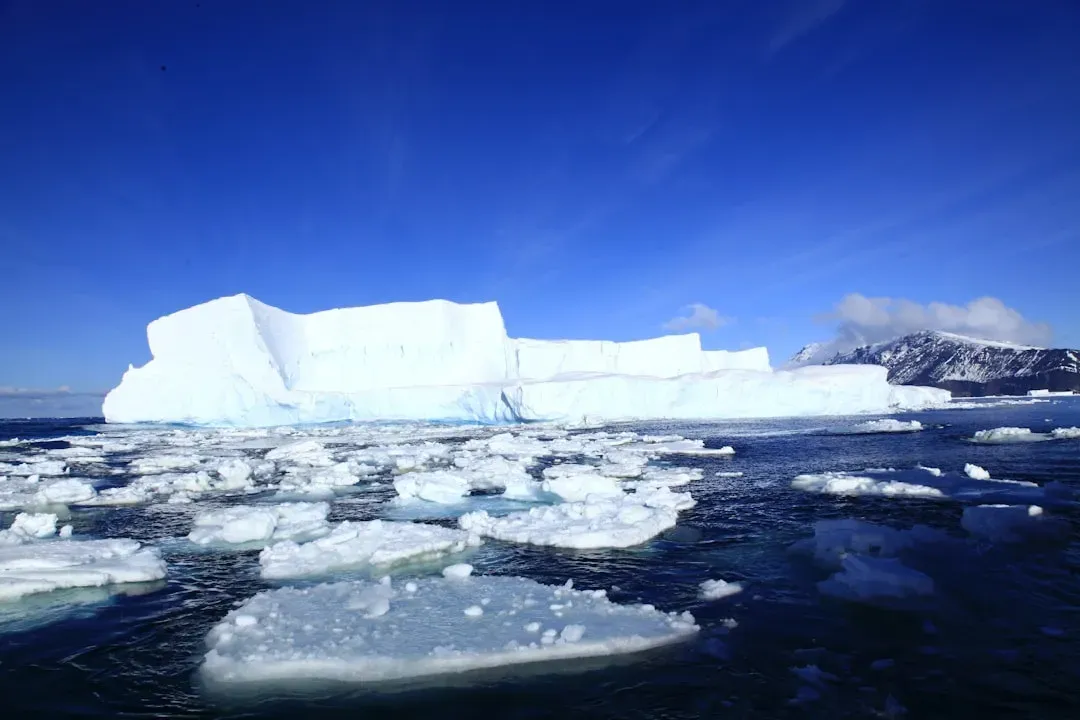
If you’re frustrated that we still do not have a perfectly clear answer, you need to remember how unforgiving nature is to fragile traces of human life. Many of the places where early travelers would have camped, butchered animals, or built shelters are now either buried under sediment, scraped away by glaciers, or submerged under cold coastal waters. You are trying to reconstruct a family story after the house has burned down, the photos have washed away, and only a few scattered objects remain in the ashes.
Even when archaeologists do find promising sites, you see how hard it is to interpret them. A stone that looks shaped by human hands might, on closer inspection, be the work of natural forces, while a date drawn from a scrap of organic material can be thrown off by contamination or complex soil processes. So when you hear cautious language and debates about whether a site is truly that old, you’re not listening to petty academic fighting; you’re watching people wrestle honestly with fragile, partial evidence. The mystery endures not because no one is trying to solve it, but because so much of the original record has been literally erased by time.
What This Ancient Journey Means for You Today
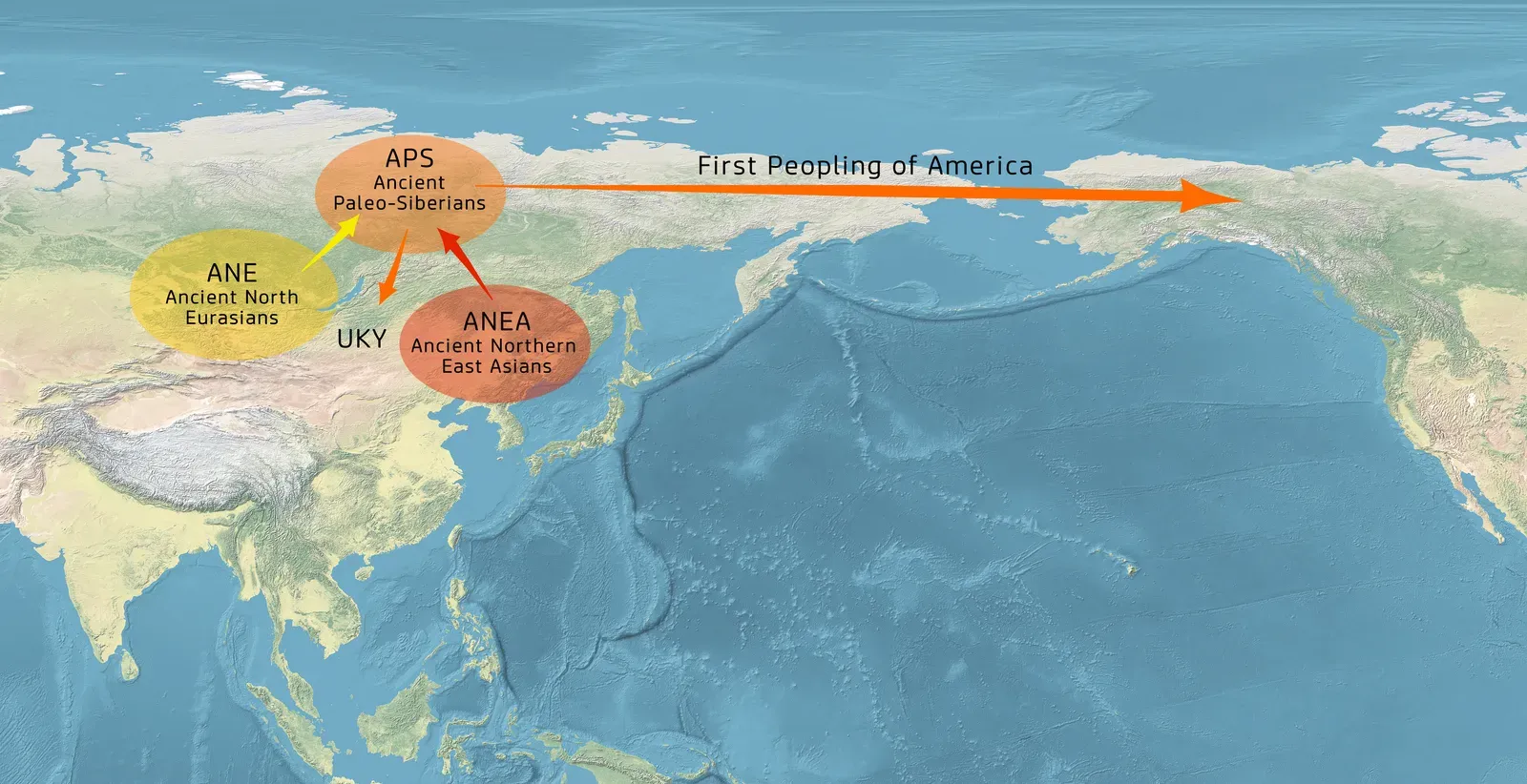
When you step back from the technical arguments, you start to see why this mystery matters so much to you personally. The story of the Bering Land Bridge is not just a dry question about dates; it is about how your species spreads, adapts, and reimagines its place in the world. The idea that small, determined groups of people could cross harsh, freezing landscapes or coastal waters, guided only by experience, memory, and maybe the stars, forces you to rethink what humans are capable of without modern tools.
At the same time, you have to remember that for many Indigenous peoples across the Americas, this is not just a scientific puzzle but a question that touches on identity, origin stories, and deep time connections to their homelands. When you listen to those perspectives alongside the archaeological and genetic evidence, you’re reminded that there are different ways to understand beginnings. You realize that any respectful exploration of the Bering Land Bridge story should recognize both the power of scientific methods and the significance of long-held cultural knowledge, instead of setting them up as enemies.
Conclusion: Living with an Unfinished Story
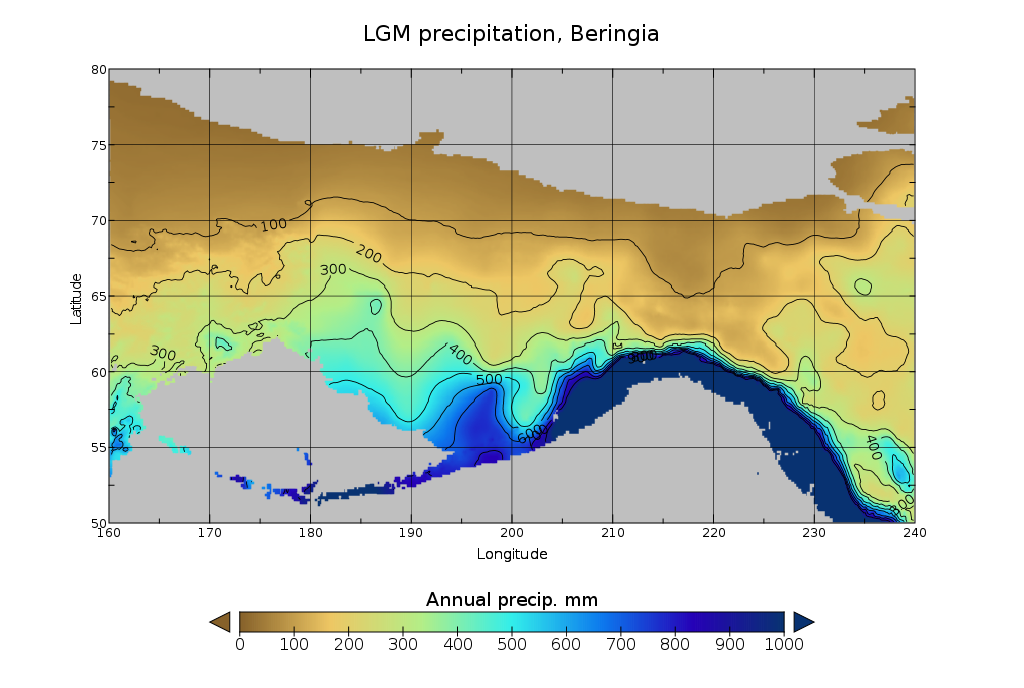
As you reach the end of this journey through Beringia and its travelers, you’re left with something more interesting than a simple answer: you’re left with an unfinished story that keeps inviting new chapters. You now know that a real land once connected Asia and North America, that real families walked, camped, hunted, and dreamed there, and that some of their descendants spread across two enormous continents. You also know that rising seas, shifting ice, and the sheer fragility of ancient evidence will probably prevent you from ever drawing a perfectly sharp, final diagram of how it all unfolded.
Instead of seeing that as disappointing, you can treat it as an invitation to stay curious. Every new discovery – whether it is a buried campsite, an ancient genome, or a reinterpreted tool – nudges your understanding a little closer to the truth without ever fully closing the book. In a way, that mirrors your own life: you move forward with incomplete maps, limited information, and a willingness to keep going anyway. So when you think about , you might ask yourself a quiet question: if they were brave enough to keep walking into the unknown, what unknowns are you still willing to explore?