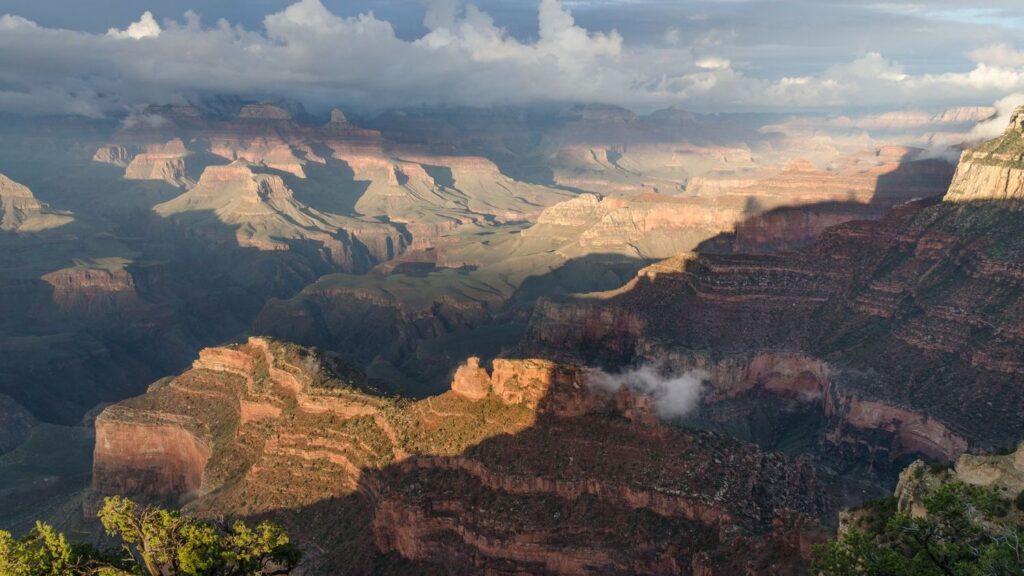
There are places on this planet that genuinely humble you. Not in a polite, Instagram-caption kind of way, but in a deeply unsettling, knee-buckling way that forces you to reconsider how small you truly are. The Grand Canyon is one of those places. You stand at the rim, peer into that vast, layered abyss, and suddenly realize you’re not just looking at rock. You’re looking at time itself, stacked in mile-deep columns of color and silence.
What makes this place so extraordinary isn’t merely its size, though the size is absolutely staggering. It’s the fact that nearly two billion years of Earth’s geological history have been exposed as the Colorado River and its tributaries cut their channels through layer after layer of rock while the Colorado Plateau was uplifted. That’s roughly a third of the entire age of our universe, written in stone. You won’t want to miss what comes next. Let’s dive in.
The Ancient Foundation: Vishnu Basement Rocks
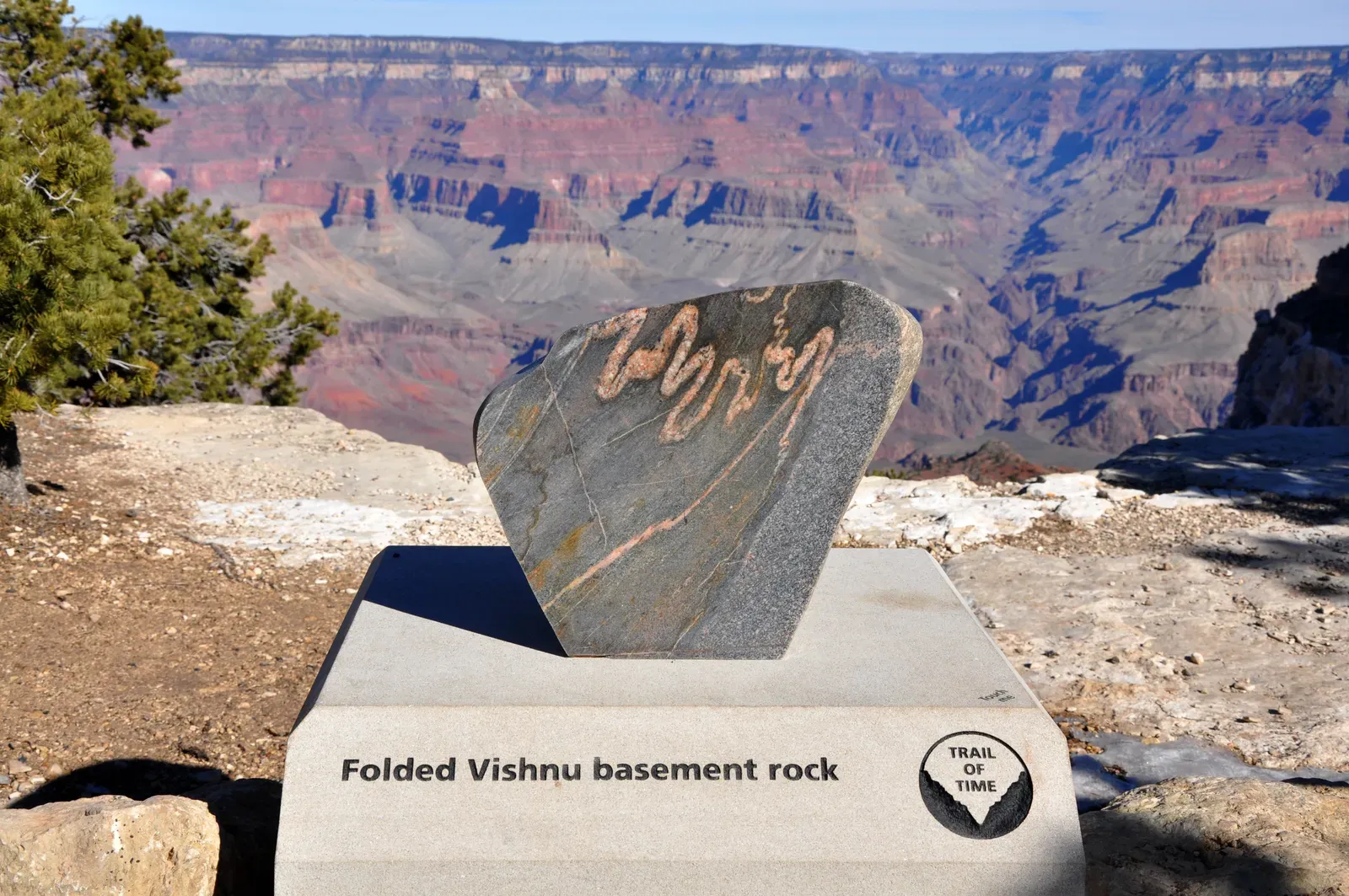
When you look down to the very bottom of the Grand Canyon, you’re seeing something that once existed roughly 25 kilometers beneath the surface of the ancient Earth. The dark, almost black rock you see at river level is the Vishnu Schist, and it is breathtakingly old. Its rock layers tell the story of ancient seas, deserts, and volcanic activity, and the oldest of these rocks, known as Vishnu Schist, date back about 1.8 billion years.
Honestly, it’s hard to even wrap your head around a number like 1.8 billion years. Vishnu basement rocks, exhumed from 25 km depths, formed via collisions of volcanic island chains between 1,840 and 1,375 million years ago. Think of it this way: when these rocks were forming, complex life had not yet appeared anywhere on Earth. You’re essentially staring at the skeleton of a continent still being assembled.
The Great Unconformity: A Billion Years of Missing History
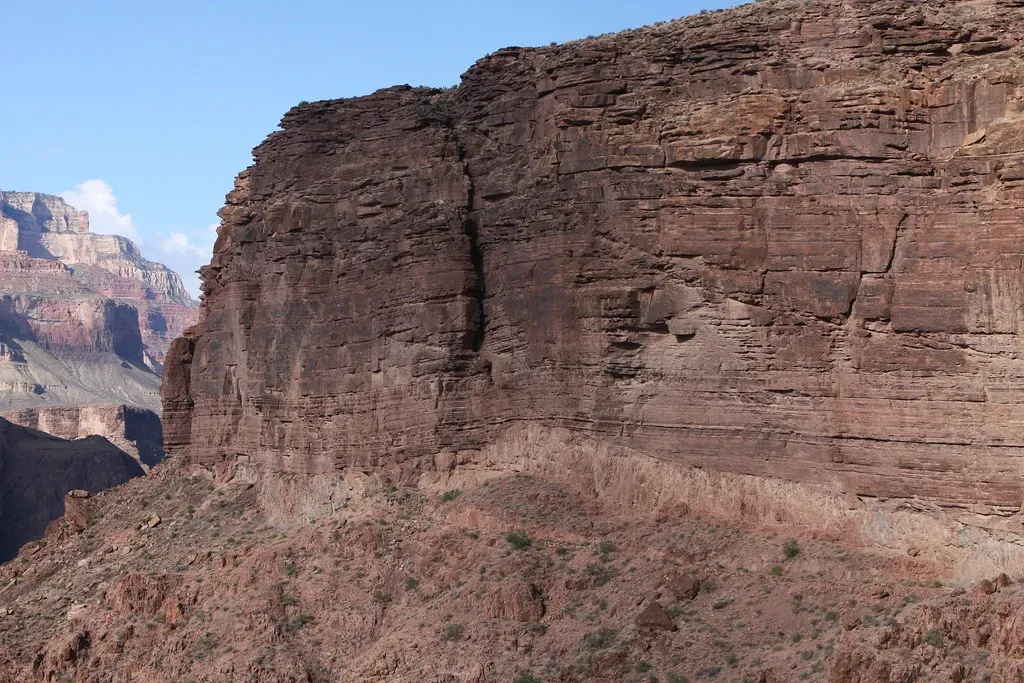
Here’s the thing about the Grand Canyon’s geological record that most people don’t realize: there’s a massive gap in it. Geologists call it the Great Unconformity, and it is one of the most mind-bending features in all of geology. Within that there is a gap, the Great Unconformity, between 1.75 billion and 1.25 billion years ago for which no deposits are present.
The Great Unconformity encompasses about 1 billion years of geological time unaccounted for, where erosion erased all evidence of the past. Imagine tearing roughly a billion pages out of a history book. That’s what happened here. Missing layers may seem like a problem, but the very fact that there is this gap in the record provides information to geologists, indicating changing ocean levels or changes in the Earth’s crust. Even absence, it turns out, tells a story.
The Grand Canyon Supergroup: When Life Was Just Getting Started
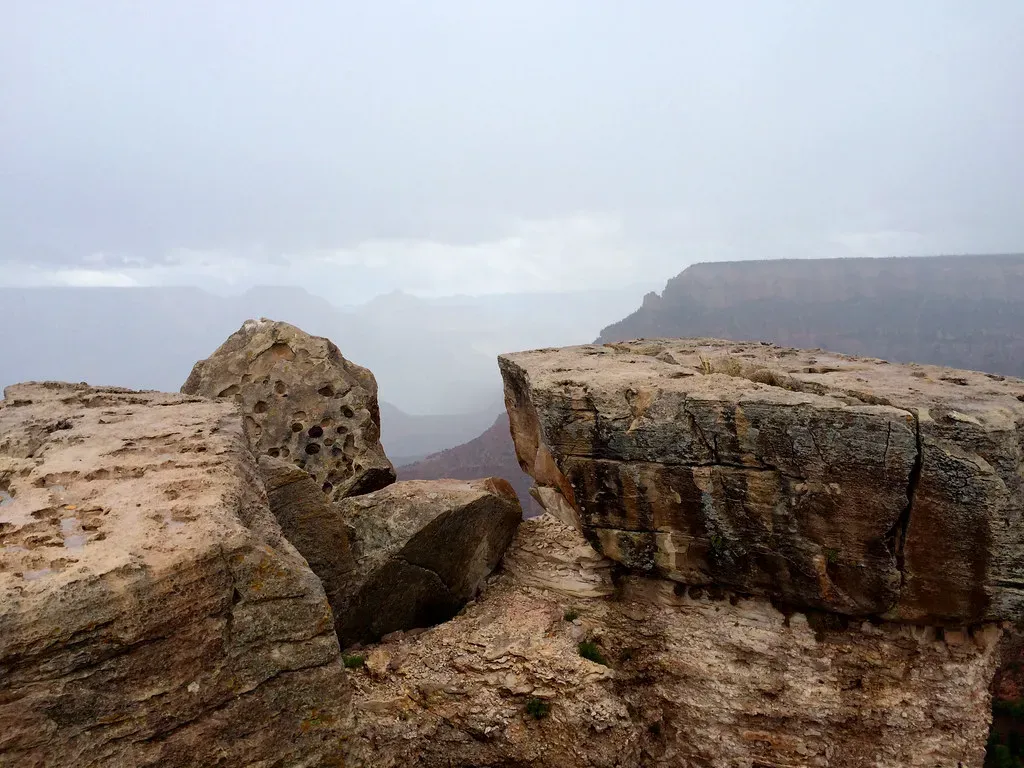
Between about 1.25 billion and 730 million years ago, something remarkable began to happen in this part of the world. Sediments started accumulating again, slowly building what geologists now call the Grand Canyon Supergroup. Grand Canyon Supergroup records basins within the continent that responded to assembly and breakup of an early supercontinent of Rodinia between 1,250 and 729 million years ago, a time dominated by single-celled life.
The Grand Canyon Supergroup provides one of the best records in North America of the Proterozoic Eon from 1.25 to 0.7 billion years. This is actually thrilling from a scientific perspective. Fossilized algae, the oldest remnants of life on Earth, can be found in these rock layers, however an abundance of life was not present in the fossil record, as multi-celled life had not yet evolved. You’re literally looking at fossils of some of the earliest living organisms to have ever existed on our planet.
The Paleozoic Layers: When Ancient Seas Covered Arizona
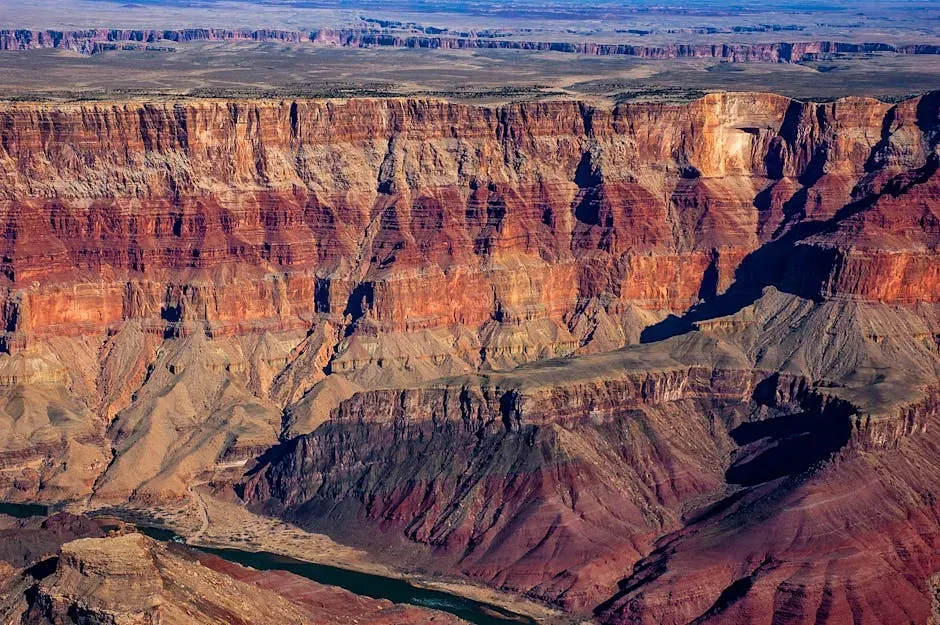
I know it sounds crazy, but Arizona was once underwater. Repeatedly. The nearly 40 major sedimentary rock layers exposed in the Grand Canyon and in the Grand Canyon National Park area range in age from about 200 million to nearly 2 billion years old, and most were deposited in warm, shallow seas and near ancient, long-gone sea shores in western North America. Each colorful stripe in the canyon wall represents a different episode in Earth’s changing ocean story.
The Paleozoic Strata contain many fossils that help scientists learn about the geologic history of North America, with most of the fossils being ocean-dwelling creatures, telling us that the area now in the middle of Arizona was once a sea. The Cambrian Explosion of life took place over about 15 million years in this part of the world, and climate was warm and invertebrates such as trilobites were abundant. The walls of the Grand Canyon are basically a sprawling natural museum, and admission is free.
The Colorado Plateau Uplift: Mountains That Changed Everything
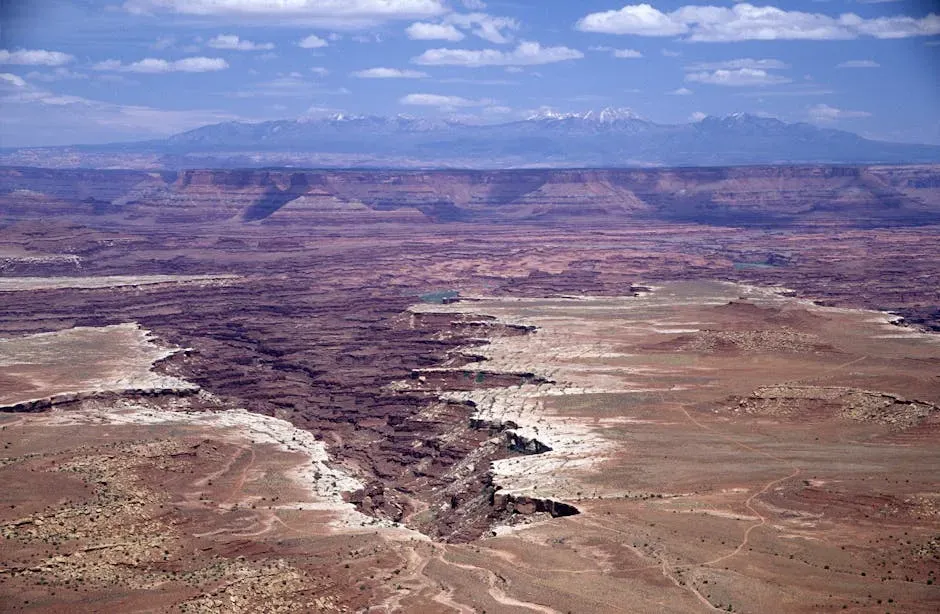
Before the Grand Canyon could be carved, the land had to be lifted high enough for a river to cut through it. That’s where the Laramide Orogeny comes in, one of the most dramatic mountain-building events in North American history. Uplift of the region started about 75 million years ago during the Laramide orogeny, a mountain-building event that is largely responsible for creating the Rocky Mountains to the east, and in total, the Colorado Plateau was uplifted an estimated 2 miles.
The great depth of the Grand Canyon and especially the height of its strata can be attributed to 5,000 to 10,000 feet of uplift of the Colorado Plateau, starting about 65 million years ago during the Laramide orogeny, and this uplift has steepened the stream gradient of the Colorado River and its tributaries, which in turn increased their speed and thus their ability to cut through rock. Imagine lifting a vast stone tabletop high enough for a river to start sawing through it like a blade. That, more or less, is what happened.
The Colorado River: The Sculptor of the Ages
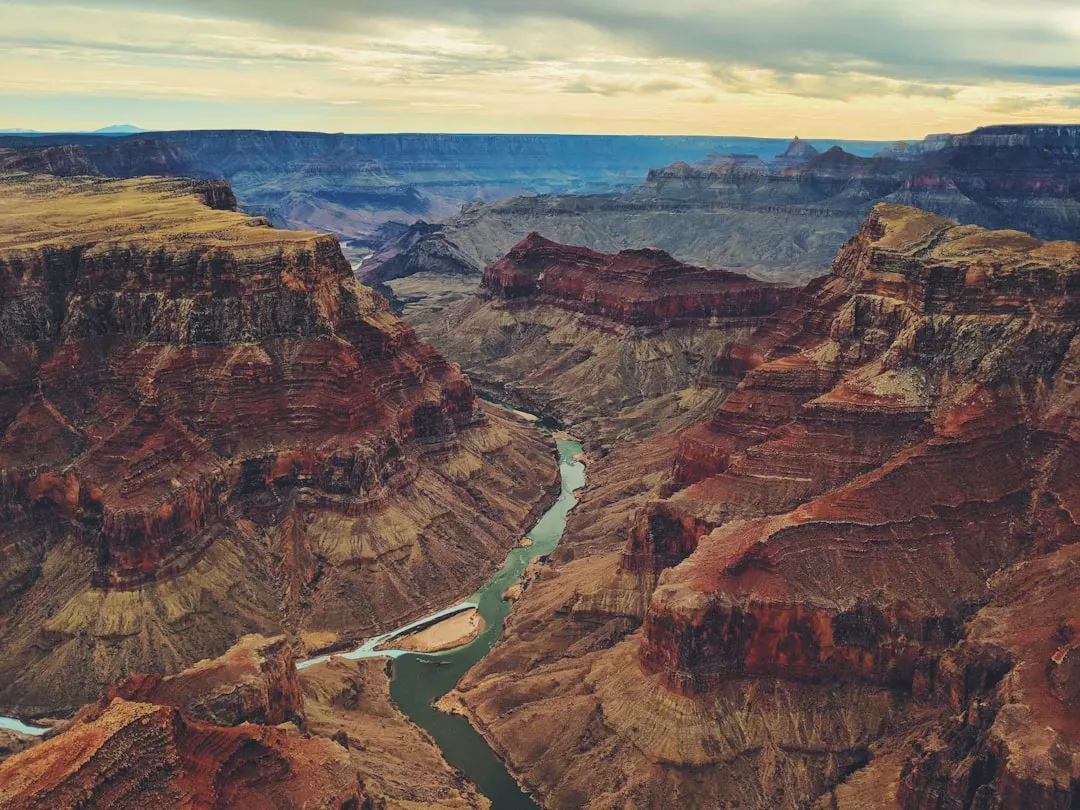
No river on Earth has accomplished anything quite like what the Colorado River has done here. It carved one of the most iconic landscapes in the world, one slice at a time, over millions of years. Several recent studies support the hypothesis that the Colorado River established its course through the area about 5 to 6 million years ago, and since that time the Colorado River has driven the down-cutting of the tributaries and retreat of the cliffs, simultaneously deepening and widening the canyon.
The base level and course of the Colorado River changed 5.3 million years ago when the Gulf of California opened and lowered the river’s base level, and this increased the rate of erosion and cut nearly all of the Grand Canyon’s current depth by 1.2 million years ago. Still, let’s be real, scientists continue to debate how old the canyon truly is. In the most recent round of controversy, researchers have challenged estimates that had placed the age of the canyon at 5 to 6 million years, and this research has aroused considerable controversy because it suggests a substantial departure from prior widely supported scientific consensus.
A Living Canyon: Wildlife and Ecosystems Across Elevation Zones
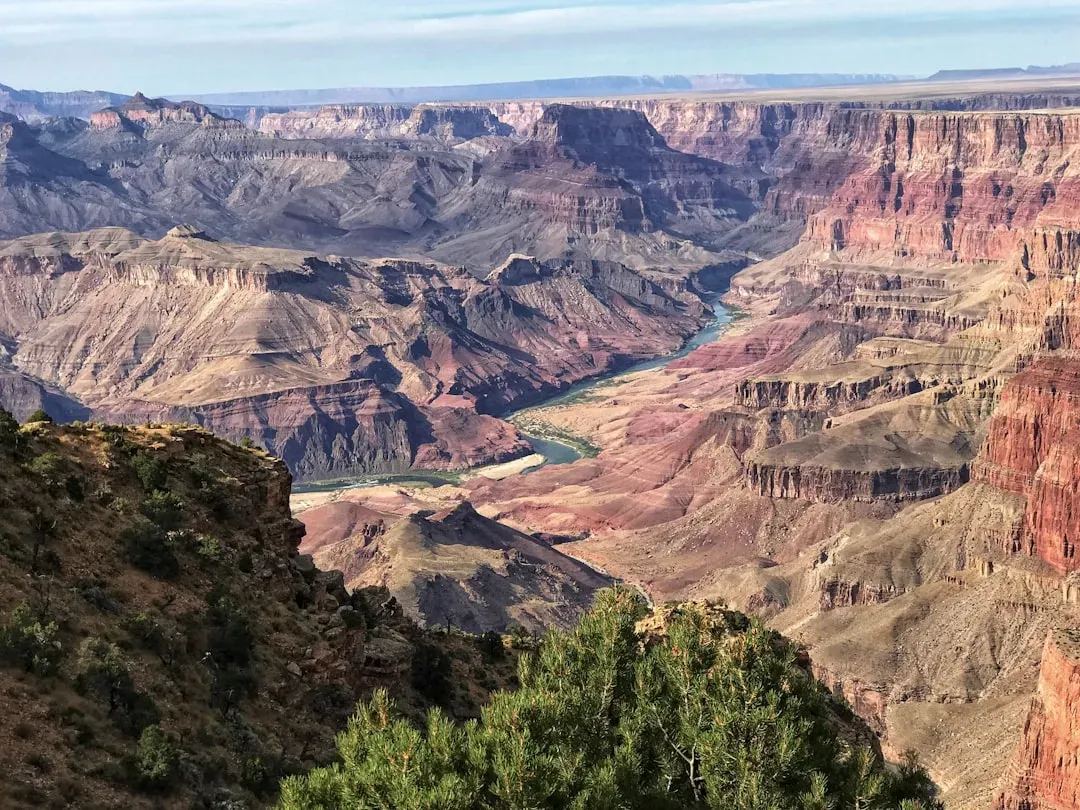
You might picture the Grand Canyon as a barren, dry place of rock and dust. You’d be very, very wrong. The extreme range of elevation in the Grand Canyon creates a variety of distinct ecosystems, and life here comes in many forms, from aquatic to desert to forest ecosystems, with the great variation in elevation fostering a diversity of organisms in five major ecosystems: the mixed conifer forest, the ponderosa pine forest, the pinyon juniper woodland, the desert scrub, and the riparian zone.
Within the 1.2 million acres of the park there are 1,500 plant species, 26 fish species, 6 species of amphibians, 35 types of reptiles, 76 mammals, 305 types of birds and a virtually uncountable number of bugs. On a one-day hike through the Grand Canyon, you can experience four different life zones, an undertaking possible in very few places. It’s basically like taking a road trip from Mexico to Canada, only on foot, in a single afternoon.
The First People: Thousands of Years of Human History
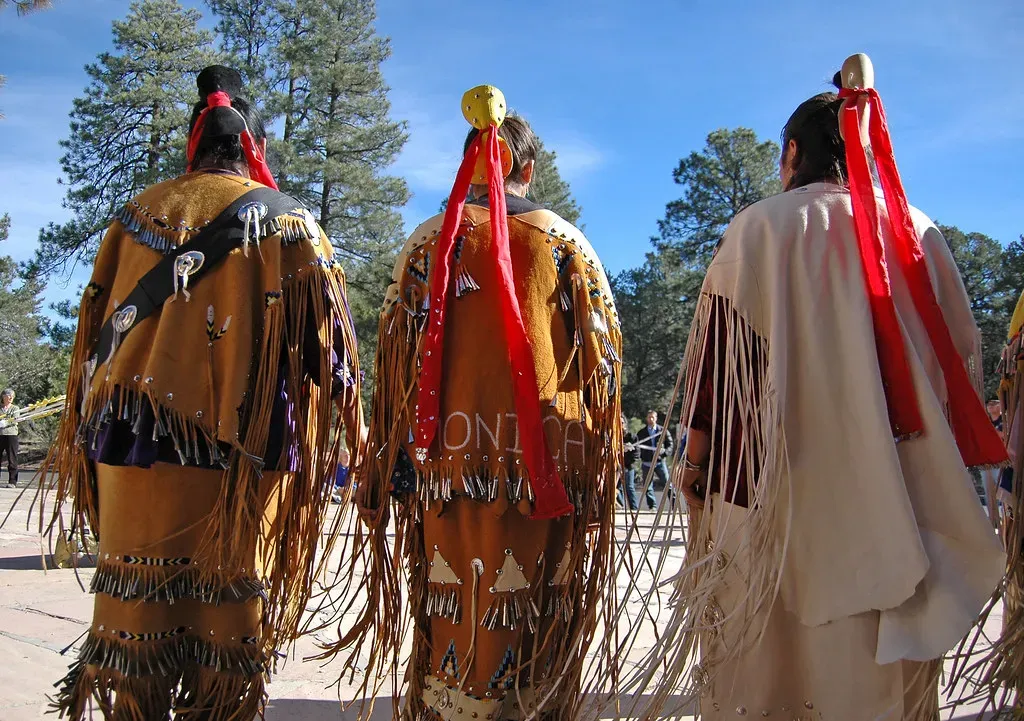
Long before any European explorer ever laid eyes on the canyon, Indigenous peoples called it home. Archaeological findings reveal that the Grand Canyon has been a home to Native Americans and Ancient Indigenous peoples for some 13,000 years. That timeline puts human habitation here at the tail end of the last Ice Age, a staggering thought.
Archaeologists have recorded more than 4,300 places in the Grand Canyon where they found evidence of prehistoric human use. Eleven present-day Native American groups have ties to the Grand Canyon, and many of their oral histories involve the creation of the canyon in some way. The Havasupai people are a Native American tribe who have lived in the Grand Canyon for at least the past 800 years, and they continue to reside there to this day, maintaining one of the deepest and most enduring human connections to any landscape on the continent.
National Park Status and Its Global Scientific Significance
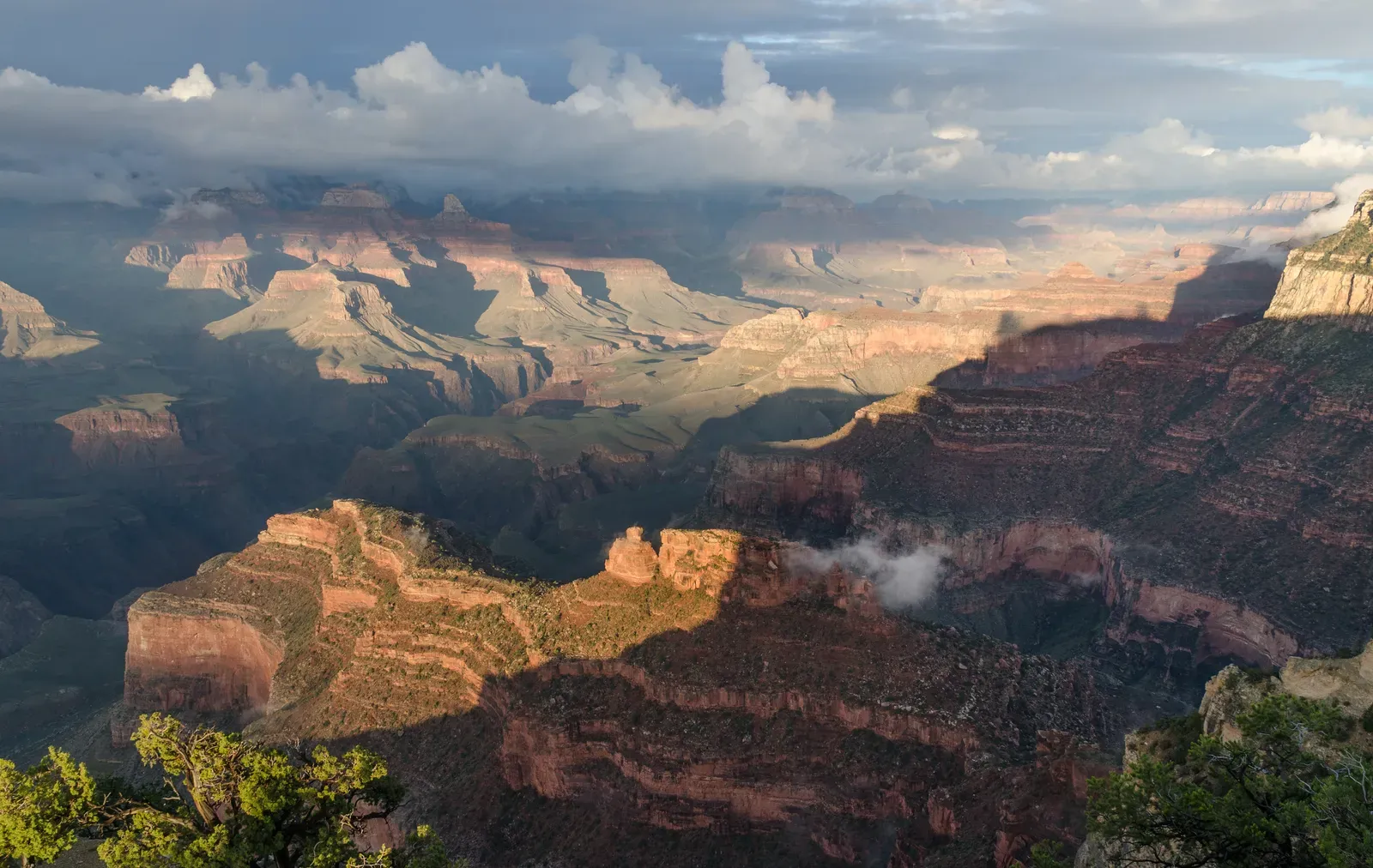
A portion of the canyon area was set aside as Grand Canyon Forest Reserve by President Benjamin Harrison in 1893, and it was redesignated a game preserve in 1903 and national monument in 1908 by President Theodore Roosevelt before the U.S. Congress officially established Grand Canyon National Park in 1919. In 1979, the park was designated a UNESCO World Heritage site.
Grand Canyon National Park’s rock record has global significance and provides important information about the geologic history of the southwestern portion of the North American continent. Units in the Layered Paleozoic Rocks are proving to be of global importance, especially for understanding the Cambrian Period, and together with the mostly younger rocks exposed in the rest of the Colorado Plateau, Grand Canyon provides one of the world’s best sedimentary rock records for studying the evolution of life. It’s not just a pretty place. It’s one of the most important scientific archives our planet has ever produced.
Conclusion
The Grand Canyon is not simply a hole in the ground, however spectacular a hole it may be. It is an open letter from Earth itself, written in two billion years of compressed time, sealed in layers of stone, and addressed to anyone willing to stand at its edge and truly look. You walk away from the rim changed in some quiet, permanent way.
Every layer you can see from the rim represents a chapter of life, catastrophe, sea-level change, or tectonic drama that unfolded long before the first human drew breath. It is a place where science and awe meet in perfect, overwhelming balance. If the Grand Canyon teaches you anything, it’s this: the Earth has been telling its story for an almost incomprehensible amount of time, and we humans have only just arrived in the final paragraph. What chapter are you standing in right now?