If you could drain the oceans like a giant bathtub, you’d see something that looks more alien than anything in a sci‑fi movie: vast pitch‑black gashes tearing across the seafloor, deeper than Mount Everest is tall. These are the deep ocean trenches, places so extreme that light never reaches them, pressure would crush a human in an instant, and yet life still clings on. When you imagine what might be hiding there, it suddenly feels less like Earth and more like another planet sharing our address.
Scientists have only explored a tiny fraction of these depths, and almost every serious expedition turns up new species. That alone tells you how unfinished the story is. Among the strangest possibilities is that some of the creatures living down there are what you’d call “living fossils” – lineages that have barely changed since long before humans, dinosaurs, or even most modern ecosystems appeared. You’re basically looking at survivors of ancient worlds that never got the memo that time moved on.
The Abyss Is Not Empty: Why Trenches Can Preserve Ancient Lineages
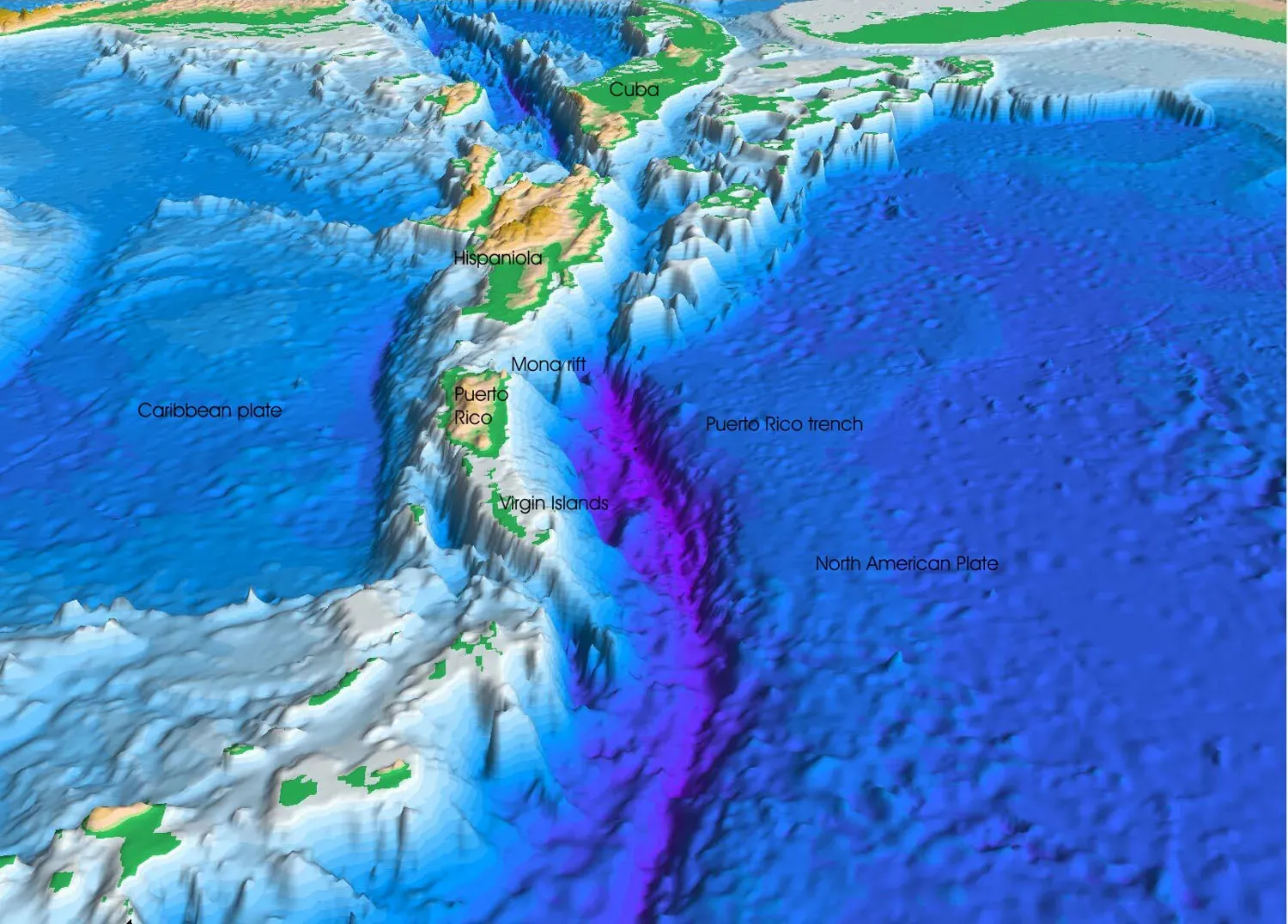
Originally from en.wikipedia; description page is/was here., Public domain)
You might imagine the bottom of an ocean trench as a dead, silent graveyard, but that picture is wildly off. In reality, you’re dealing with a harsh but stable environment that changes far more slowly than the surface world you live in. Sunlight, seasons, storms, even climate shifts take a long time to ripple down to those ultra‑deep layers, so species there are under less pressure to constantly adapt to new conditions. Over millions of years, that stability can act like a time capsule for certain lineages.
Because of this, deep trenches can protect organisms from many of the ecological upheavals that wiped out their relatives in shallower waters. When massive extinctions reshaped life closer to the sunlit zone, some groups may have quietly persisted in the darkness, evolving at a much slower pace. You end up with creatures that still work, biologically speaking, and never had much reason to redesign themselves. That’s exactly the scenario where living fossils are most likely to hang on while the rest of life sprints ahead.
What “Living Fossils” Really Are (And What They Are Not)
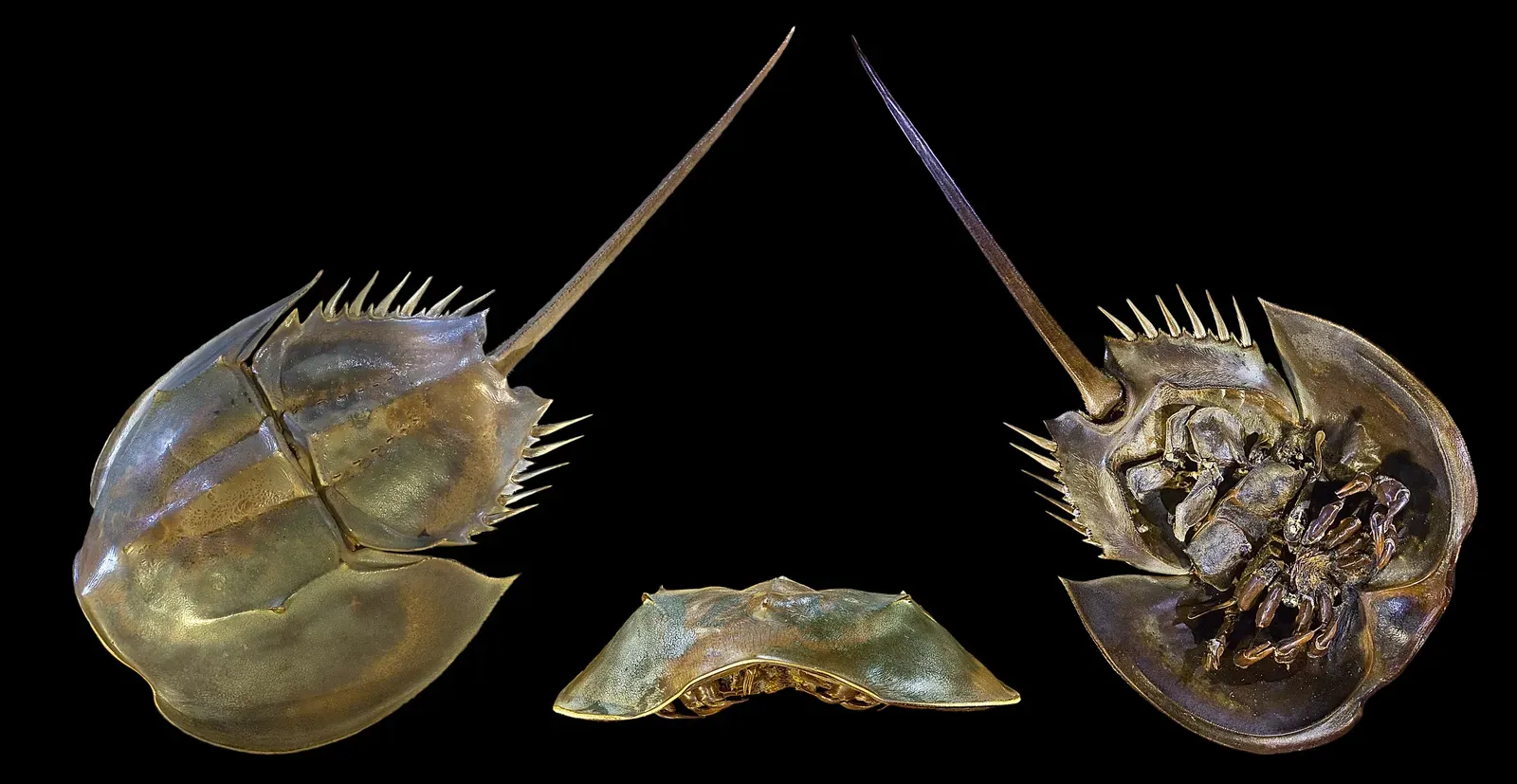
When you hear the phrase “living fossil,” it’s tempting to picture a creature frozen in time, like a dinosaur that somehow dodged extinction and is just lurking unnoticed. In reality, that’s not how evolution works. A living fossil is a species, or sometimes a small group of species, whose body plan and basic lifestyle have changed very little compared with its ancient relatives in the fossil record. It doesn’t mean it stopped evolving; it just means the changes have been relatively subtle over very long stretches of time.
You can think of it like an old tool in your house that still does its job perfectly, so you never felt the need to replace or redesign it. Horseshoe crabs, coelacanths, and ginkgo trees are classic examples at or near the surface that fit this idea. They have modern DNA, modern behaviors, and modern ecological roles, but when you compare their bodies to fossils that are tens or even hundreds of millions of years old, the resemblance is striking. Deep trenches are simply another place where you’d expect similar survivors to be hiding, especially among invertebrates and small, slow‑changing fish.
Known Deep-Sea Survivors: Clues From Today’s Deep Dwellers
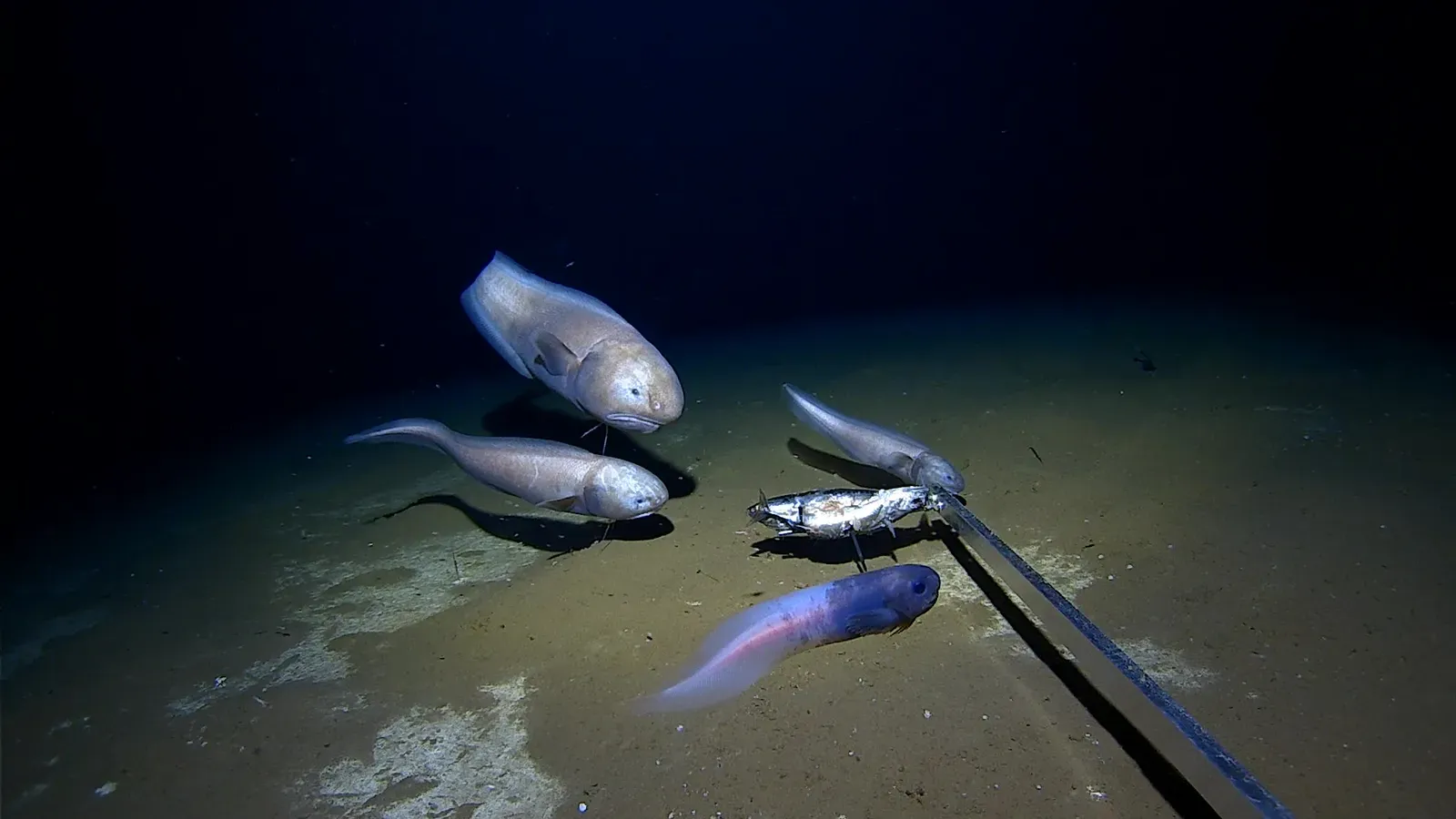
Even though you have not yet pulled an unmistakable “Jurassic monster” from a trench, you already know there are deep‑sea animals that feel ancient in design. Some snailfish, amphipods, and sea cucumbers living in the deepest trenches have simple, streamlined bodies and rely on very old, conservative strategies for survival: slow growth, low metabolism, and minimal waste. That kind of lifestyle leaves room for lineages to persist for geological timescales without dramatic external change. When scientists compare some of these groups to their fossil cousins, they often find long, continuous histories reaching back into deep time.
You also see that trenched animals often share body outlines and structures with groups known from very old sediments. For instance, stalked crinoids, or sea lilies, still exist in deeper waters and look remarkably similar to their Paleozoic relatives. While many of these do not live in the very deepest trenches, they illustrate how the deep ocean in general can act as a refuge for old lineages. The trenches, being even more isolated and extreme, are a logical extension of that pattern, giving you a hint that undiscovered relatives or similarly conservative lineages could be hiding there.
Extreme Pressure, Slow Change: Why Evolution Moves Differently in Trenches
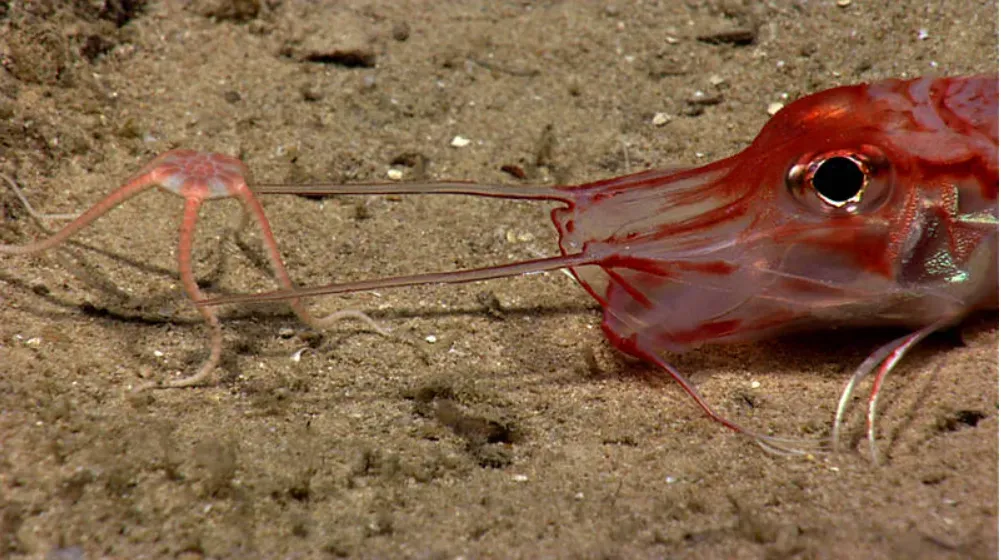
At trench depths, you are dealing with pressures that can exceed a thousand times what you experience at sea level. That kind of environment filters out complex or fragile designs very quickly, leaving only organisms built to cope with crushing force, near‑freezing temperatures, and almost total darkness. If a body plan works under those conditions, evolution has fewer “easy” directions in which to experiment. In other words, the cost of trying something radically new can be fatal, so conservative designs tend to dominate and endure.
Evolution still operates, of course, but it tends to fine‑tune rather than reinvent. Small tweaks to cell membranes, enzymes, and skeletal structures can make the difference between survival and collapse under such pressure. From your point of view, the animal may look almost unchanged when compared with an ancient fossil, even though at the microscopic and genetic level, it has adapted in many small ways. That combination – extreme selection on fundamentals, but slow turnover in visible form – is exactly the recipe that can produce living fossils hidden in the deep.
Hidden Highways: How Isolation and “Islands” Shape Ancient Survivors
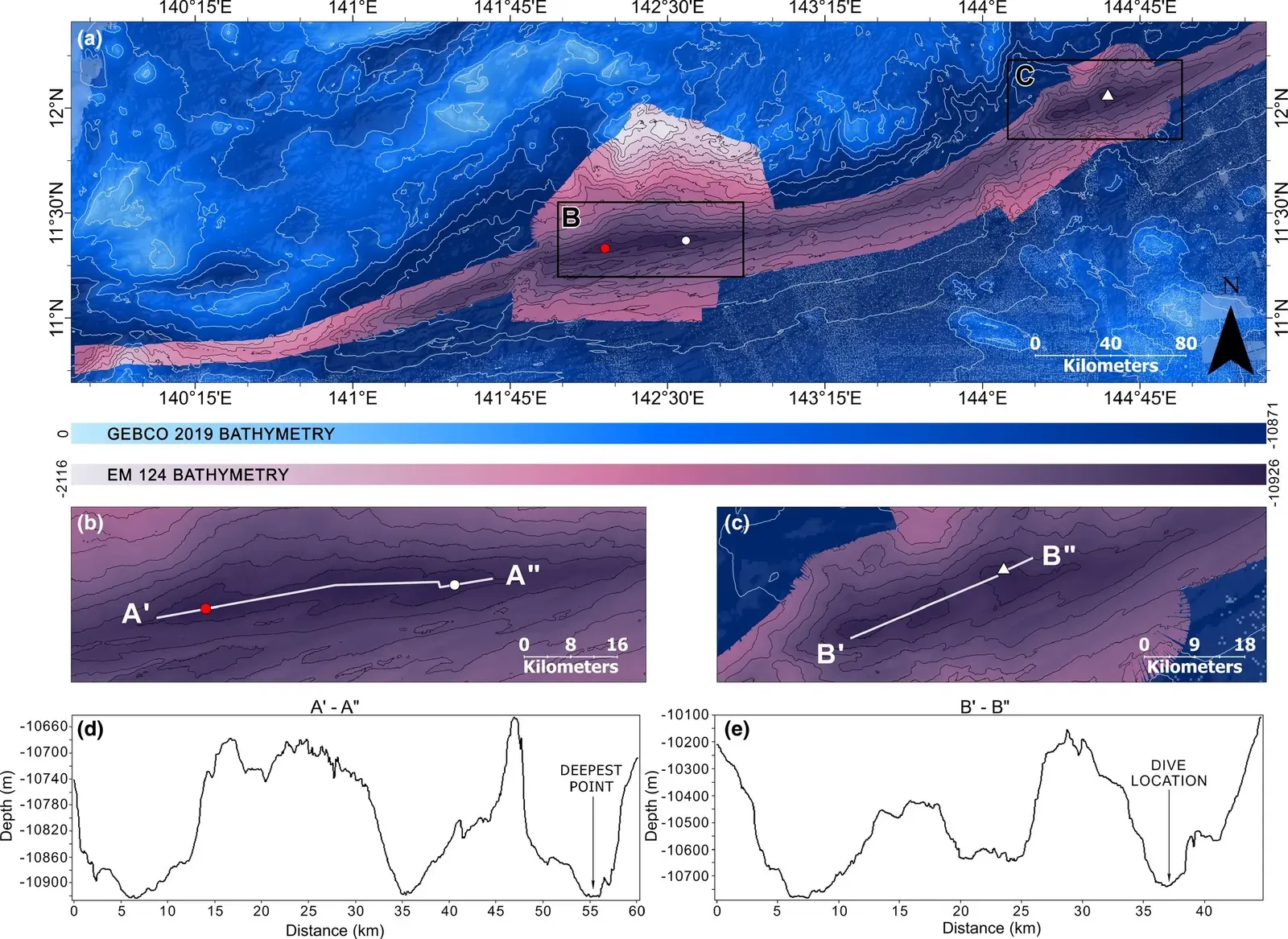
When you look at a map of deep trenches, you might think of them as disconnected scars, but biologically they act more like remote islands separated by vast abysses of slightly shallower depth. Species that specialize in one trench can become highly isolated from their relatives elsewhere, especially when they cannot easily cross physical or chemical barriers. This isolation slows gene flow and can preserve old traits that might otherwise be diluted or replaced. You get little evolutionary pockets where the clock seems to tick differently.
At the same time, there are deep currents and sediment flows that act like hidden highways, occasionally allowing larvae or hardy adults to move between distant trench systems. That sparse connectivity lets some ancient lineages spread or persist in multiple refuges without fully mixing with shallower populations. For you, this means the deep sea is likely to contain both ultra‑local oddities and widely scattered survivors from older eras. The combination of isolation and rare connection builds a patchwork that is perfect for preserving strange, old branches of the tree of life.
What Evidence You Actually Have (And Where Speculation Begins)
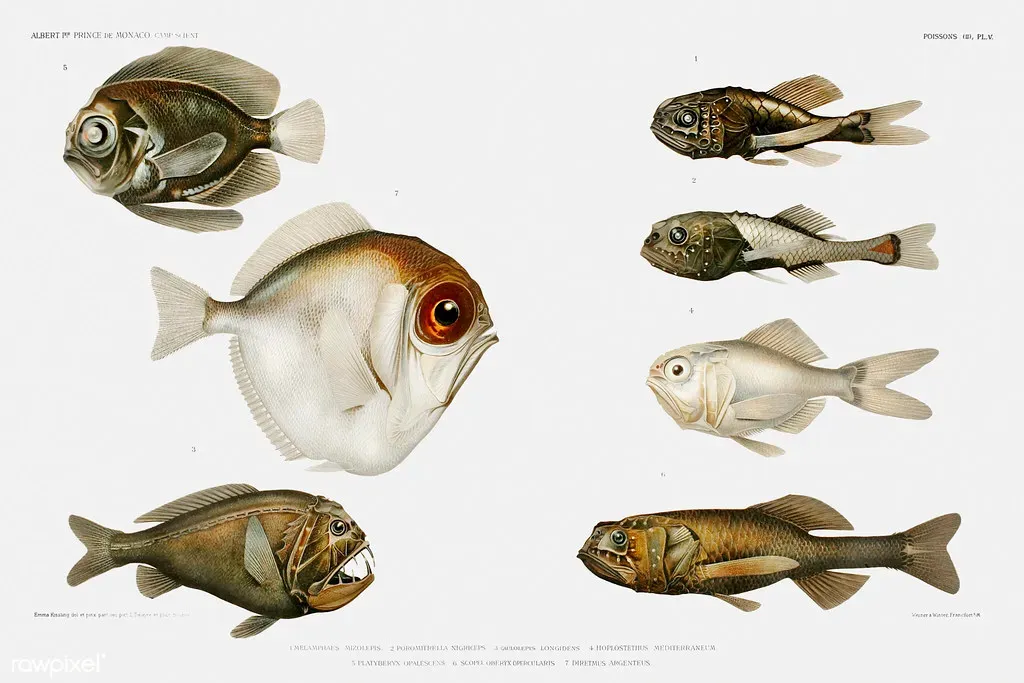
It’s important for you to separate what is firmly known from what is still an informed guess. Right now, scientists have strong evidence that deep ocean environments, including trenches, harbor many lineages with long evolutionary histories and relatively conservative body plans. You know that new species are routinely discovered in these regions and that some of them belong to groups that were once thought to be far less diverse or more restricted. This makes it very reasonable to expect additional “living fossil” candidates as more trenches are explored.
However, you should be careful about imagining fully intact, dramatic creatures from distant eras lurking unchanged in the dark. Fossils preserve bones and harder parts, while soft tissues and subtle details of behavior rarely fossilize well. That means when you compare a modern deep‑sea animal to a fossil, you’re matching a living, complex organism to a partial, stone record. The similarities you see can be real and meaningful, but you have to accept a degree of uncertainty and avoid overstating how identical they are. Living fossils are best understood as survivors with strong family resemblance to ancient forms, not as time travelers.
How Future Technology May Reveal the Deep’s Oldest Secrets
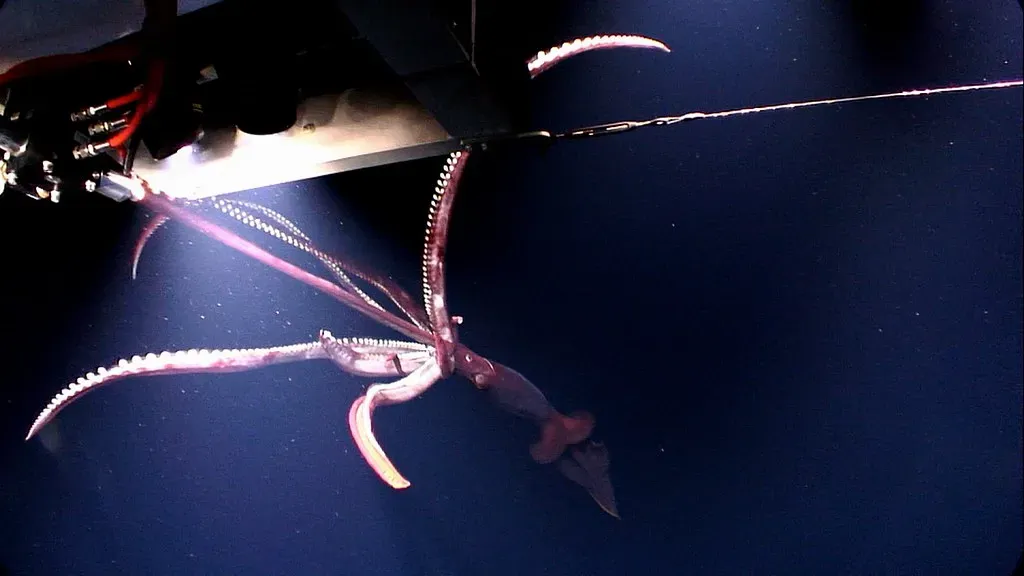
Until recently, if you wanted to explore a trench, you were basically limited to a few very expensive descents in specialized submersibles and a lot of blind sampling with nets and traps. Now you’re seeing a shift toward fleets of autonomous and remotely operated vehicles that can stay down longer, cover more ground, and send back high‑resolution footage. As these tools get cheaper and more reliable, the odds increase that you’ll stumble on animals with truly surprising connections to the ancient past. Every extra hour of high‑quality video and sampling at depth raises the chance of a remarkable find.
On top of that, modern genetic tools let you compare DNA from deep‑sea specimens with both modern relatives and, in some cases, signals inferred from ancient lineages. When you analyze these patterns, you can identify very old branches on the evolutionary tree and see whether they correspond to species that look conservative in their form. This kind of work is still in its early days for trench‑dwelling species, but it gives you a powerful way to test the idea that certain deep‑sea creatures are genuine living fossils. The more you integrate genetic, anatomical, and ecological data, the clearer the picture of who the true long‑term survivors are.
Why These Hidden Relics Matter For You and the Planet
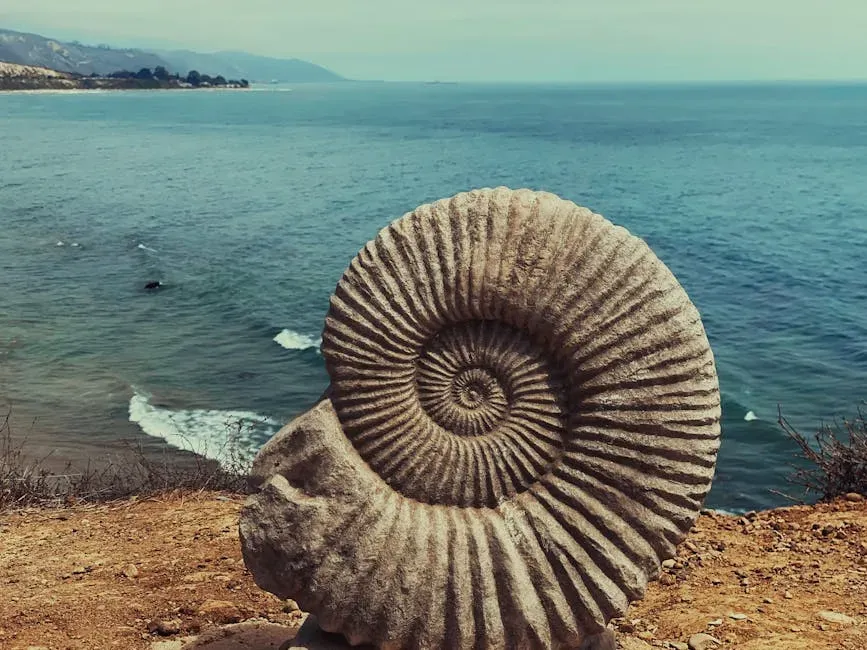
You might wonder why it even matters if a strange worm in a trench turns out to be a living fossil. The truth is, these organisms are living records of past worlds, giving you clues about how ecosystems responded to ancient climate shifts, mass extinctions, and long‑term changes in ocean chemistry. If you can understand how they survived events that wiped out so many other lineages, you gain insight into resilience and vulnerability in the face of change. That knowledge becomes incredibly valuable as you wrestle with modern environmental pressures.
There’s also a more personal, almost philosophical angle. Knowing that deep ocean trenches may harbor survivors from ancient eras reminds you that Earth is still full of mysteries you haven’t even glimpsed. It pushes back against the feeling that everything has already been discovered and mapped. When you realize that utterly alien yet deeply ancient life forms might still be drifting and crawling far below, it changes how you see your own world. You’re living on a planet that still keeps secrets from you, and that mystery is part of what makes it worth exploring and protecting.
In the end, deep ocean trenches are probably not hiding movie‑monster relics from the age of dinosaurs, but they are almost certainly home to lineages that carry echoes of much older Earths. You have good reason to believe that some of these creatures qualify as living fossils in the scientific sense: long‑lasting, conservative designs that have quietly endured while everything above them transformed. As exploration and genetics continue to improve, you’ll likely see some of these quiet survivors move from speculation to solid evidence.
So the next time you look out over the ocean, you might imagine not just waves and fish but vast hidden chasms full of ancient stories still being written in the dark. Somewhere down there, life from distant eras is going about its business, unbothered by your timelines and revolutions. The real question is not whether the deep holds living fossils, but which ones you’ll find first – and how their story will change the way you see your own. Did you expect the oldest secrets of Earth to be hiding right under your nose, in the deepest shadows of the sea?