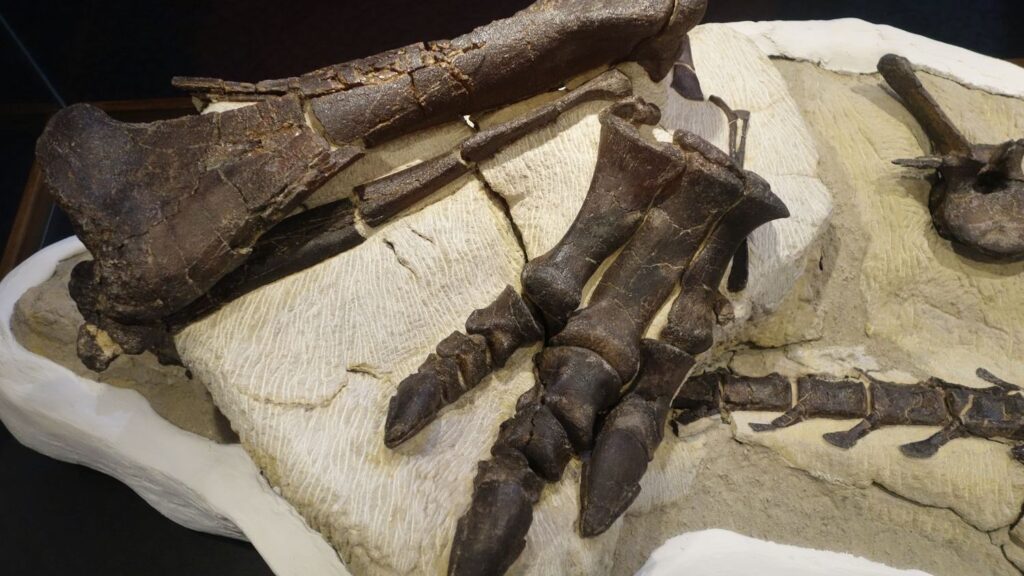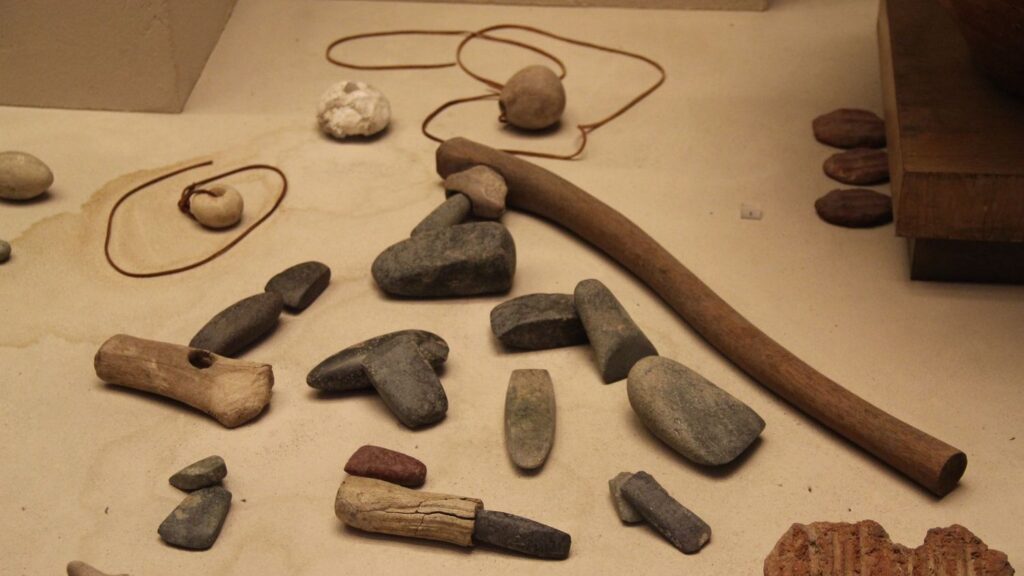
Imagine standing on an African plain two and a half million years ago, a stone in your hand and an animal carcass in front of you. In that moment, what you decide to do with that stone is not just survival; it is the beginning of technology, creativity, and eventually everything from smartphones to spacecraft. When you look at prehistoric tools, you are not just staring at rocks and bones; you are looking at the first sparks of the same problem‑solving mind you use every day.
As you walk through the deep past, you start to realize something unsettling and inspiring at the same time: people with brains very much like yours were already experimenting, innovating, and improvising long before writing, cities, or even modern humans existed. Prehistoric tools are like messages in a bottle from your ancestors, quietly proving that ingenuity does not depend on Wi‑Fi, electricity, or modern education. It depends on curiosity, persistence, and the courage to try something that has never been done before.
1. The Oldest Known Stone Tools Are Far Older Than You Probably Think
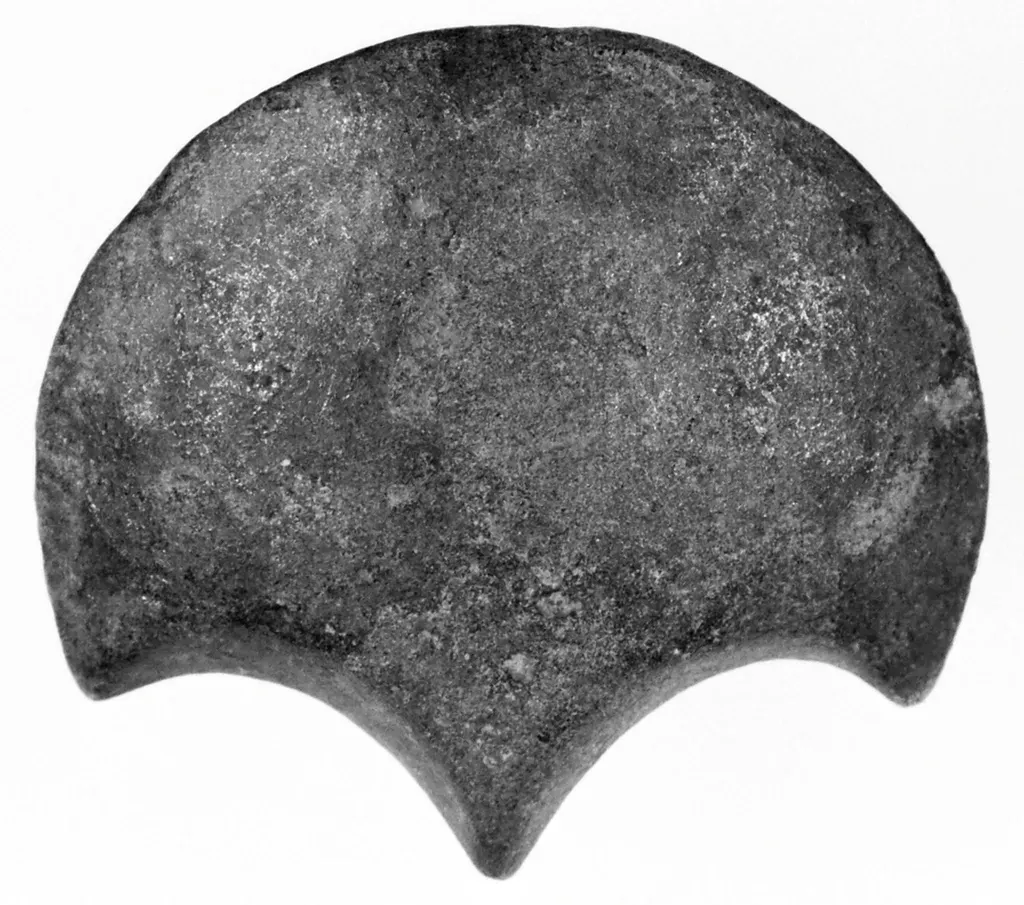
You might assume that stone tools appeared only when early humans like you did, but the earliest known tools go back roughly about two and a half million years, well before our own species shows up in the fossil record. These tools, often called Oldowan tools, are usually simple flakes knocked off a bigger stone to create a sharp edge you could use for cutting meat or plants. If you picked one up today, you might be surprised at how small and straightforward it looks, yet how effective its edge really is.
What really blows your mind is that some stone artifacts may be even older than that, nudging close to three million years in age, suggesting that tool use evolved gradually and experimentally. You can imagine an early hominin picking up a rock, striking it once by accident, and suddenly noticing a sharper side that works better for slicing or scraping. That moment of noticing is where ingenuity starts: you are not just reacting to the world, you are actively reshaping it. When you cut something today with a kitchen knife, you are reenacting a decision that goes back millions of years.
2. Some Animals Use Tools, But Early Humans Took It to a Completely New Level
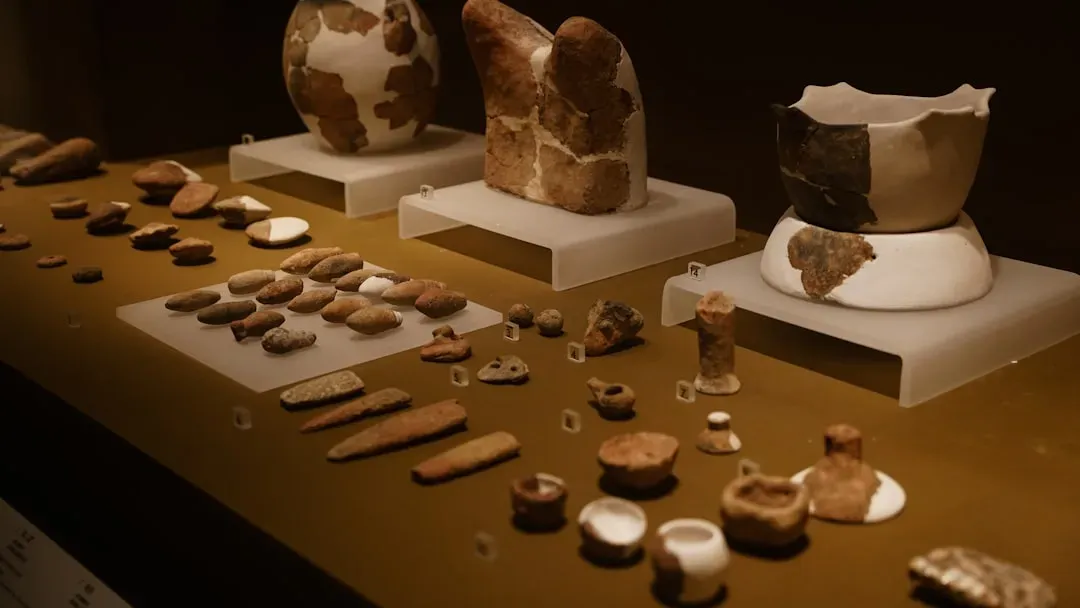
You already know that you are not the only species capable of using tools; you can watch crows bend twigs to fish out food or chimpanzees poke into termite mounds with sticks. The difference for you, and for your ancient relatives, is that tool use became central to life, not just an occasional trick. Instead of grabbing a handy stick and then tossing it aside, your ancestors began shaping things deliberately: picking the right stone, striking it at precise angles, and repeating the process again and again.
Once you commit to shaping tools instead of just grabbing them, a whole new world opens up. You start recognizing good stone sources, carrying raw materials with you, and teaching others how to strike the right blow. At that point, tool use turns into a culture, not just a habit. When you show a child today how to use a can opener or a smartphone, you are doing a more complex version of what early toolmakers did: passing down a way of interacting with the world that the next generation cannot just guess on their own.
3. Handaxes Were the “Swiss Army Knives” of the Stone Age
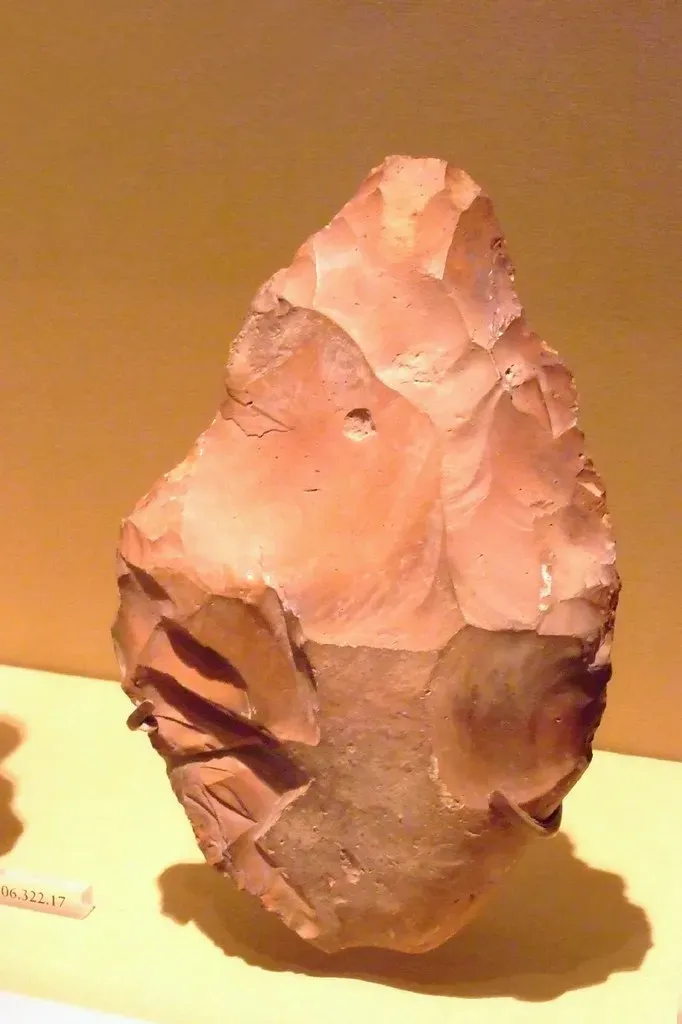
One of the most astonishing prehistoric tools you could hold is the handaxe, a teardrop‑shaped stone tool made by carefully chipping flakes off both sides to create a sharp, symmetrical edge. These tools show up across Africa, Europe, and parts of Asia for more than a million years, which tells you just how effective and versatile they were. If you carried one, you could butcher animals, chop wood, scrape hides, and possibly even dig for roots or tubers with the same tool.
What makes handaxes especially striking is how standardized and refined many of them are, suggesting that you would need planning, spatial awareness, and quite a bit of practice to make a good one. You are not just smashing stones; you are holding a final shape in your mind and working toward it step by step, like carving a sculpture. Some handaxes are so symmetrical and thin that they look almost like stone artwork, hinting that your ancestors cared not only about function but also about craftsmanship and maybe even aesthetics. When you admire a sleek design today, you are appreciating something humans have valued for an incredibly long time.
4. Prehistoric People Chose Their Materials with Real Strategy
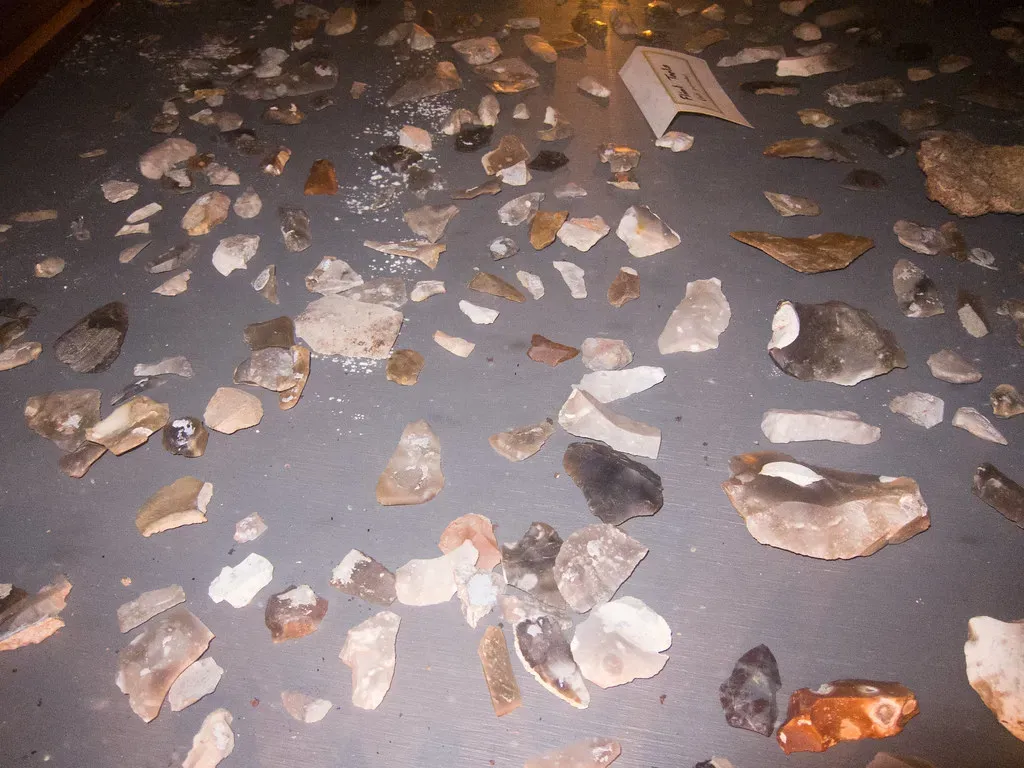
If you picture early humans just using whatever rocks they stumbled over, you are seriously underestimating their judgment. Evidence from archaeological sites shows that people deliberately selected certain kinds of stone, like fine‑grained flint or obsidian, because they break in predictable ways and give you razor‑sharp edges. In some regions, you even find that stone was carried for long distances from the original source, meaning your ancestors either walked to get it or traded for it.
When you imagine yourself planning a hunting trip or a long journey, you know you would think about supplies: food, water, maybe a power bank for your phone. In a similar way, prehistoric people planned for their material needs by stocking up on high‑quality stone. That means you are looking at minds that could anticipate future problems and solve them in advance. Every time you buy the right tool for the job instead of settling for a flimsy substitute, you are echoing that same prehistoric strategy of choosing the best material for the task ahead.
5. Fire and Tools Turned You into a Powerful “Energy Engineer”

Once your ancestors learned to control fire, tools took on a whole new meaning. With sharp stone tools and fire together, you could butcher animals more thoroughly, cook meat and plants, and unlock far more calories from the same landscape than a purely wild animal could. Cooking breaks down tough fibers and neutralizes some toxins, so you would spend less energy chewing and digesting and more energy fueling a growing brain.
In a way, you can think of fire and tools as an external digestive system and an extra pair of teeth. Instead of relying only on your body, you are outsourcing work to technology, turning logs into manageable fuel and raw meat into easily digestible meals. This change had enormous consequences: with more reliable energy intake, early humans could support bigger brains, longer childhoods, and more complex social lives. When you cook dinner today, you are continuing this ancient partnership between tools, fire, and human biology.
6. Hunting with Stone-Tipped Weapons Was a Carefully Planned Team Effort
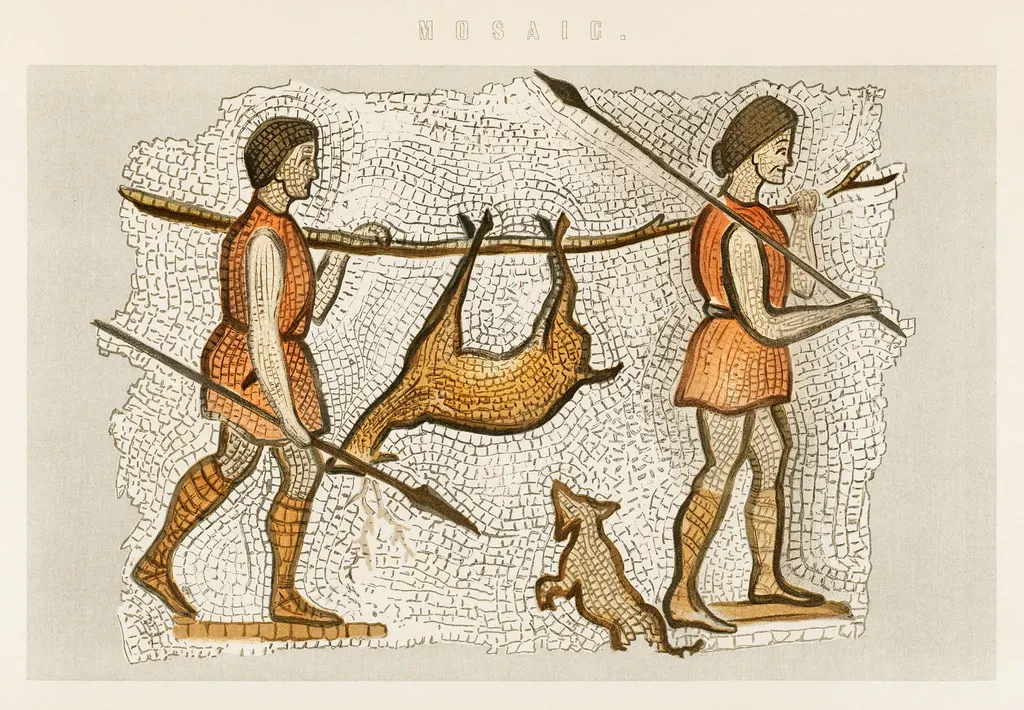
At some point, sharp tools moved from your hand to the end of a shaft, creating spears and later more advanced projectiles. Attaching a stone point securely to wood is not as simple as it sounds; it often required shaping the shaft, carving a notch, and using plant fibers or animal sinew as binding, sometimes with natural glues. That means you are dealing with multi‑step processes and combining materials in a way that resembles early engineering more than casual tinkering.
Once you have spears and similar weapons, hunting stops being a desperate chase and becomes a coordinated strategy. You can imagine groups planning where to drive animals, which direction to approach from, and who will throw first. The tools themselves enabled you to hunt larger and more dangerous prey at a safer distance, turning cooperation into a survival superpower. When you plan a project with friends or colleagues today, sharing tasks and timing your moves, you are building on the same collaborative mindset that once made stone‑tipped weapons so effective.
7. You Were Making Complex Tools Long Before Metal Existed
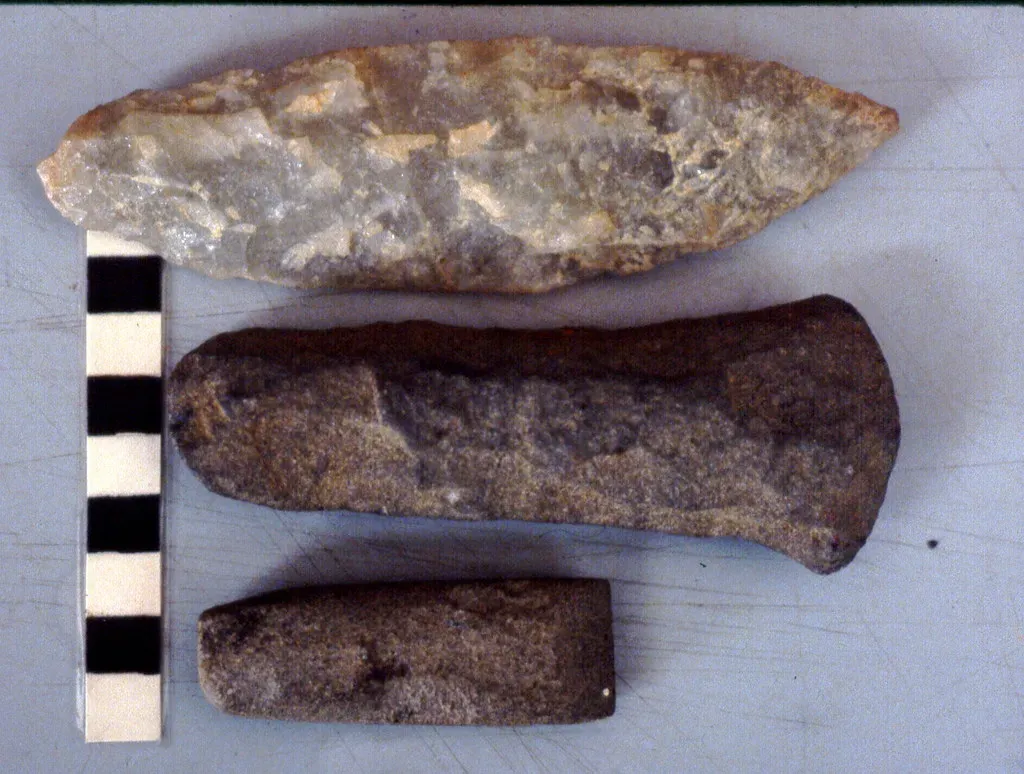
Even without metal, prehistoric people invented remarkably complex tools by combining stone, wood, bone, and plant materials. You can see this in artifacts like composite points, where small stone blades were set into grooves along a wooden or bone shaft, creating a serrated cutting edge. To pull this off, you would need a clear vision of the final design, a steady hand, and knowledge of which natural glues or bindings would hold everything together under real‑world stress.
These early composite tools are a reminder that technology is not just about what materials you have, but how cleverly you combine them. In your own life, you might not be knapping stone, but you do something similar every time you piece together different apps, tools, or gadgets to solve a problem. The basic pattern is the same: you recognize that no single piece is enough, so you create a system where each part adds something new. Your prehistoric ancestors were playing this game of combination and optimization long before the first metal blade was ever forged.
8. Toolmaking Skills Were Taught, Practiced, and Even “Apprenticed”
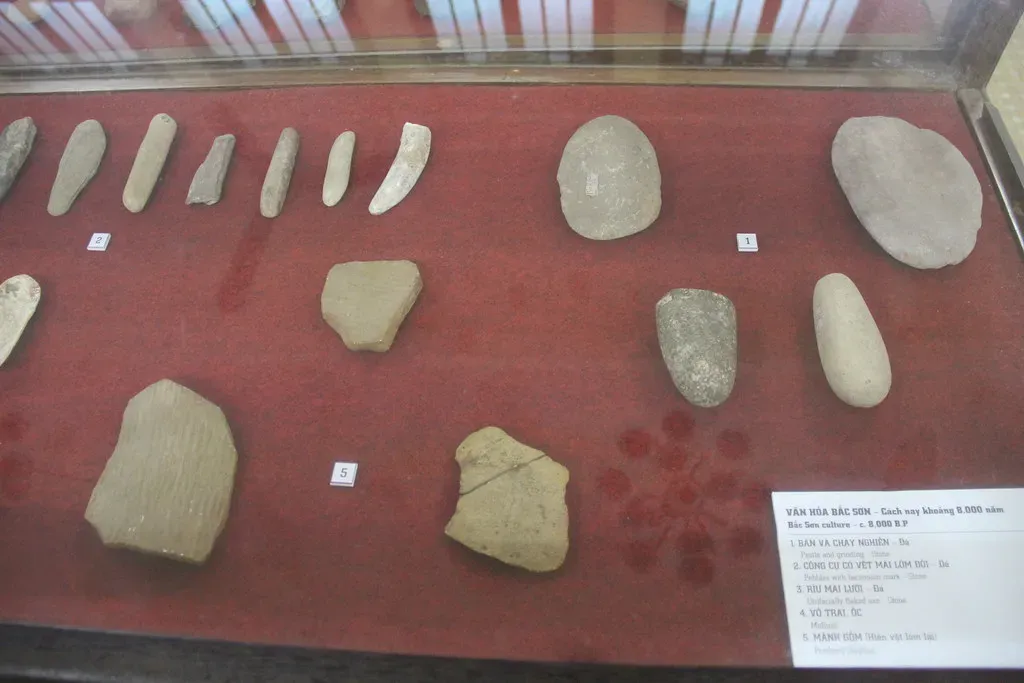
When you look closely at collections of stone tools from the same site, you often see a mix of very refined pieces and clumsy, half‑finished ones. That pattern strongly suggests that toolmaking was something you had to learn through practice, probably by watching more skilled individuals and trying to copy them. In other words, your ancestors did not just rely on instinct; they relied on teaching and learning, much like you do when you pick up any specialized skill today.
You can easily picture a scene where an older expert knapper works carefully while younger people watch, then take their turn and make mistakes. Over time, their flakes become more controlled, their edges sharper, and their designs more consistent. This kind of social learning indicates that knowledge was being stored not just in the tools themselves but in the community and its traditions. Whenever you attend a workshop, watch a tutorial, or mentor someone, you are continuing the same chain of skill transmission that once kept communities supplied with the tools they needed to survive.
9. Prehistoric Tools Shaped Human Brains and Hands – Literally
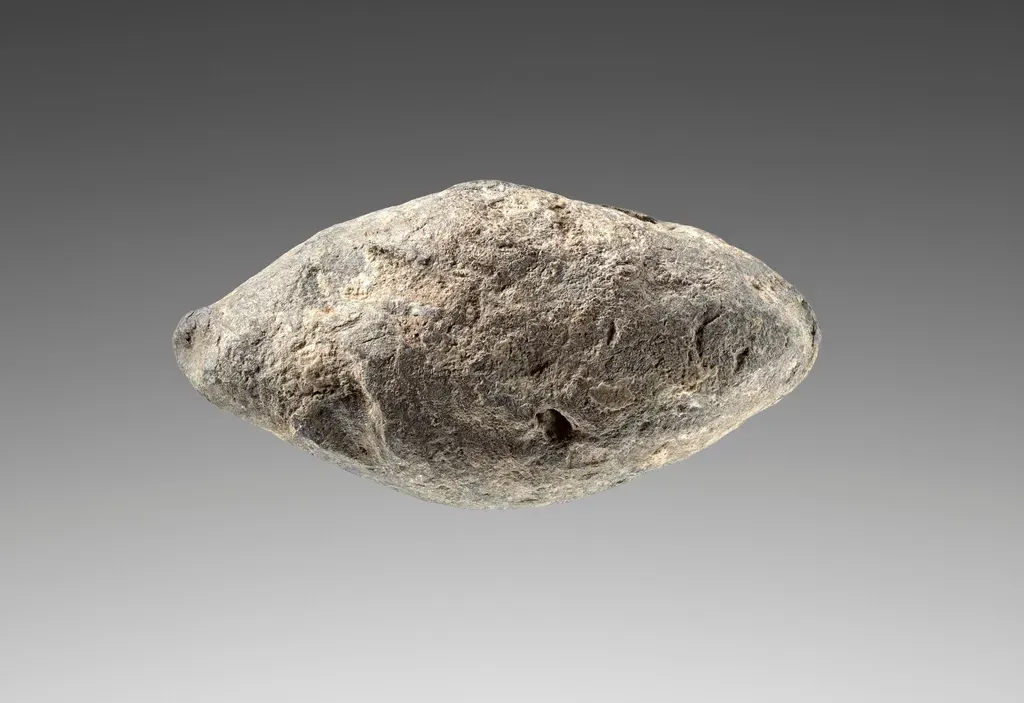
Using and making tools did not just change your lifestyle; it helped shape your body and brain over many generations. Some researchers have found that the fine motor skills and planning required for stone knapping engage brain regions that also support language and other complex behaviors. When you repeatedly use your hands in precise, patterned ways, your nervous system adapts, supporting better control and coordination, which then opens the door to even more refined tool use.
Your hands themselves also show traces of this long co‑evolution with tools. The structure of your thumb and fingers gives you a powerful precision grip that is ideal for holding small objects and applying controlled force, very different from the hands of many of your primate cousins. You can think of your skeleton as a record of countless generations of tool users, gradually fine‑tuned to hold, strike, twist, and carve. Every time you thread a needle, tighten a screw, or swipe on a phone screen, you are using hardware that was quietly upgraded during the Stone Age.
10. Prehistoric Tools Tell You About Migration, Trade, and Social Networks
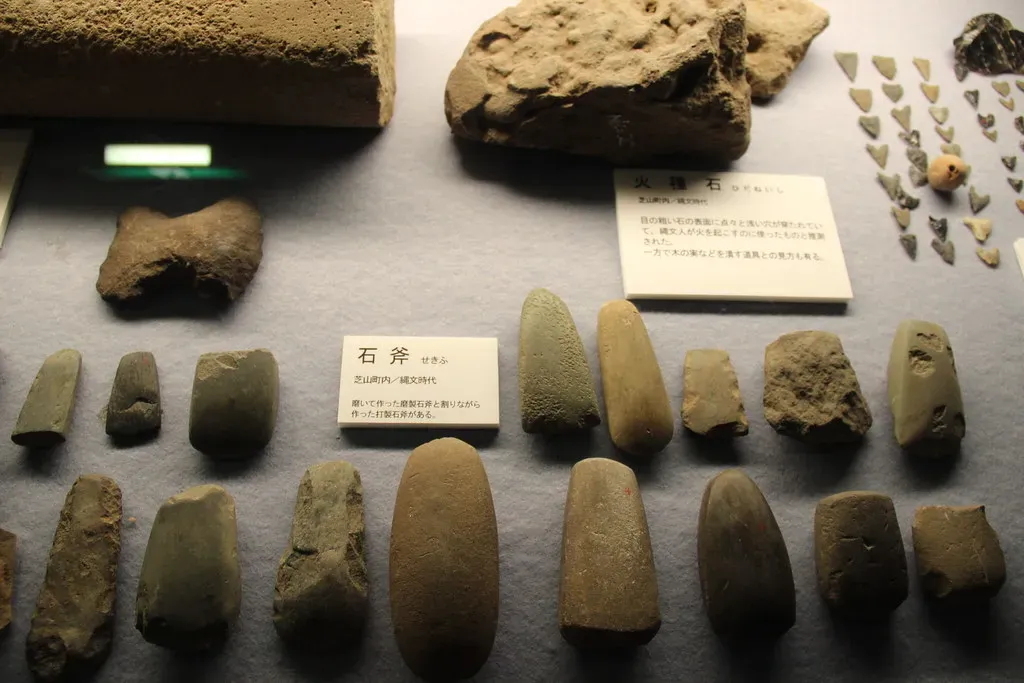
When archaeologists map where certain tool types and stone materials appear, they can often trace the movements and connections of ancient groups. You might find a particular style of tool or a rarer stone hundreds of kilometers from its original source, which suggests either long‑distance travel or some sort of exchange between communities. That means tools are not just about survival; they are also fingerprints of social contact and mobility.
If you imagine yourself living in a small prehistoric group, knowing that another band has access to especially good stone or specialized skills would give you a reason to interact with them. Maybe you travel to their territory, meet at shared hunting grounds, or take part in gatherings where information and materials are swapped along with stories and partners. In this way, tools become part of a larger social web, much like how phones, vehicles, and the internet connect you across distances today. Your technology does not float in isolation; it flows along the same routes as people, ideas, and relationships.
11. You Still Rely on the Same Problem-Solving Instincts as Your Prehistoric Ancestors
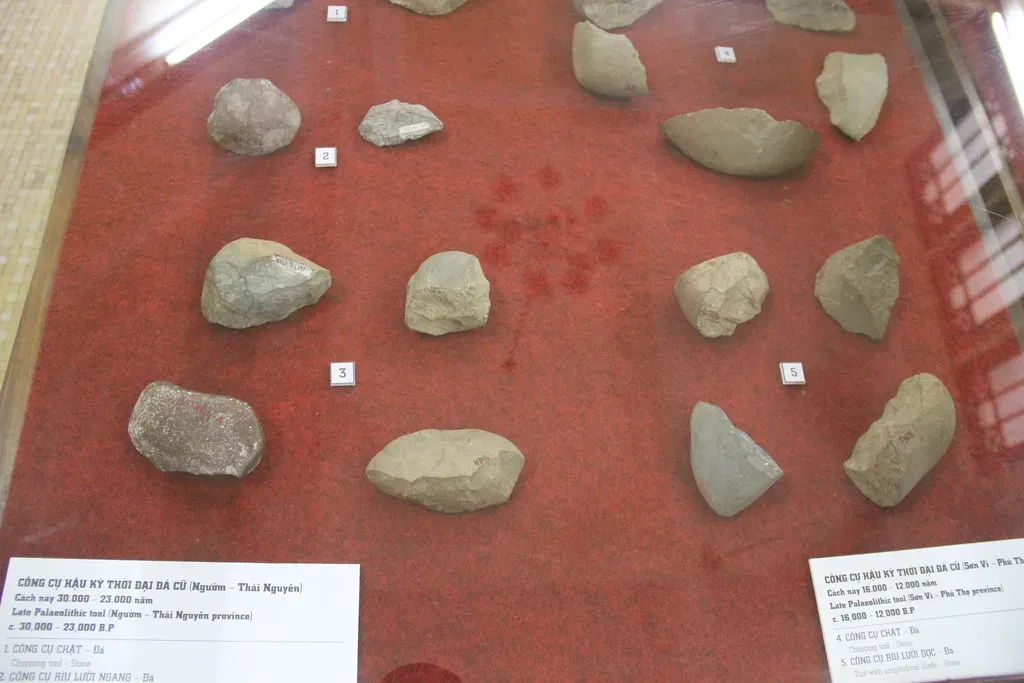
Looking at a chipped stone or a worn bone tool, you might be tempted to think you have nothing in common with the people who made it. But when you strip away the surface details of modern life, your basic problem‑solving instincts are strikingly similar. Faced with a tough task, you still ask the same questions: What do I have at hand? How can I transform it? What if I try this angle instead? That mindset is exactly what turned ordinary rocks into lifesaving tools in the distant past.
The main difference now is scale, not essence. Today you use advanced materials and digital systems, but the mental moves feel familiar: experiment, fail, adjust, repeat. When you jury‑rig a broken object with tape and a bit of wire, you are thinking like someone who once bound a stone blade to a wooden shaft. Your capacity for ingenuity is not a modern invention; it is an ancient inheritance. Seeing yourself as part of that long chain might make you look at even the simplest tool on your desk with a little more respect.
Conclusion: Your Everyday Tools Are Echoes of a Very Ancient Story
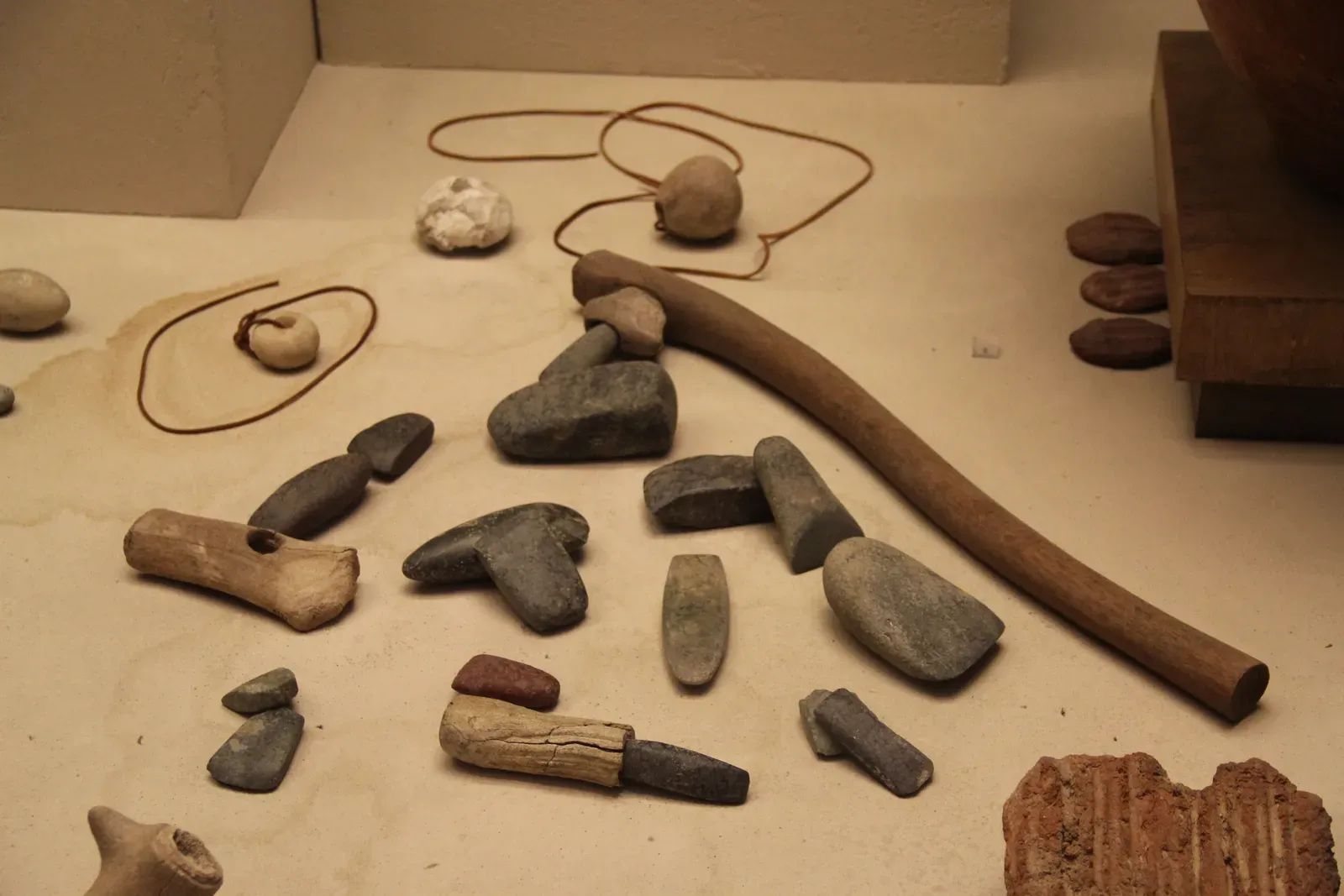
When you step back from all these details, a simple truth stands out: your world of apps, engines, and electronics rests on a foundation laid by people who only had stone, bone, wood, and fire. Those early tool users were not mindless brutes; they were careful observers, persistent experimenters, and creative problem solvers who faced real danger every time they got it wrong. In a very real sense, you are living inside the long‑term consequences of their willingness to pick up a rock and imagine something more.
The next time you open a toolbox, assemble furniture, or even just sharpen a pencil, you can quietly recognize that you are participating in a tradition millions of years old. Your ingenuity did not appear suddenly in the modern age; it was patiently forged across countless generations of trial and error, success and failure. If your ancestors could reinvent their world starting from bare hands and raw stone, what might you be underestimating about your own ability to shape the future around you today?