If you could step into a time machine and land on Earth about two hundred and fifty two million years ago, you would not recognize the place. Before the Permian extinction, your planet was packed with strange forests, bizarre reptiles, and sprawling swamps, all spread across a giant supercontinent called Pangaea. Then, in what was geologically the blink of an eye, almost everything collapsed.
The Permian extinction, often called the Great Dying, wiped out the vast majority of species on Earth. It was the closest this planet has ever come to becoming completely sterile. Yet out of that unimaginable crisis came the seeds of the world you know today. When you look at the story carefully, you do not just see catastrophe; you see how brutally tough life can be, and how, against all odds, it keeps finding ways to begin again.
The Day Earth Nearly Died
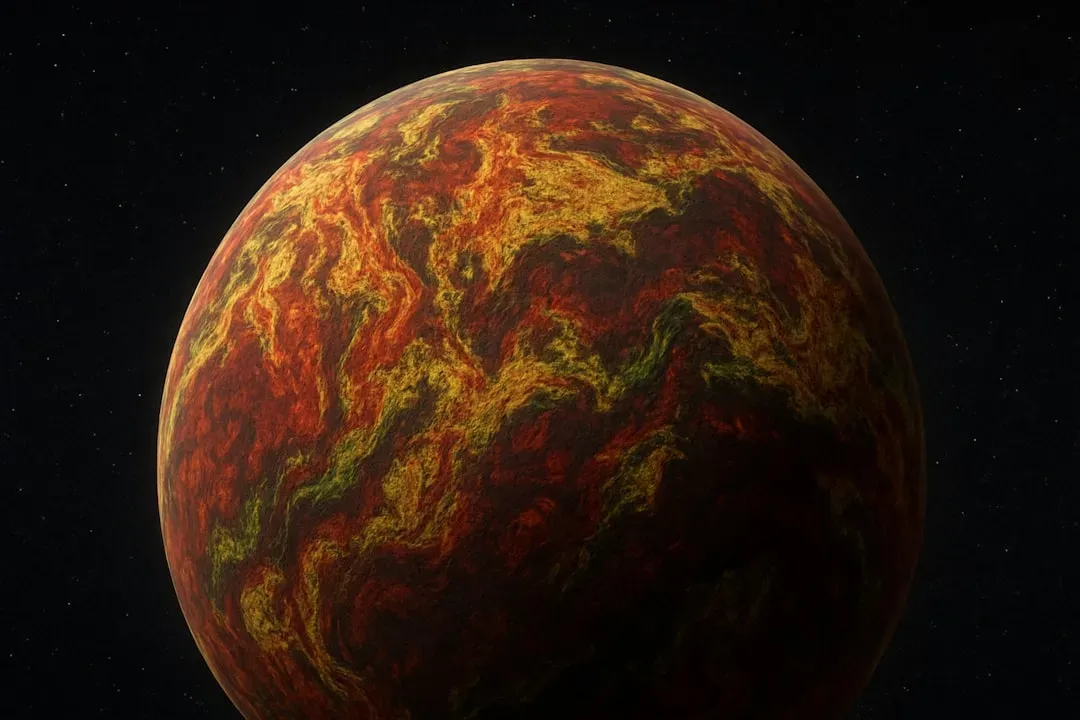
When you hear that roughly about nineteen out of every twenty marine species vanished, it sounds like an exaggeration, but that is the level of destruction you are dealing with in the Permian extinction. This event happened around two hundred and fifty two million years ago and marks the boundary between the Permian and Triassic periods. On land, nearly about three quarters of species disappeared; in the oceans, entire ecosystems simply stopped existing.
If you could watch this unfold from space, you would see forests turning into barren landscapes, coastlines reshaping, and oceans losing their vibrant life, leaving behind what were essentially biological graveyards. It was not a single explosive moment like a Hollywood disaster scene, but more like a relentless, drawn‑out beating. Over tens of thousands, maybe hundreds of thousands of years, your planet was pushed to its limit, and life was forced into a brutal survival test.
Pangaea: A Supercontinent Under Stress
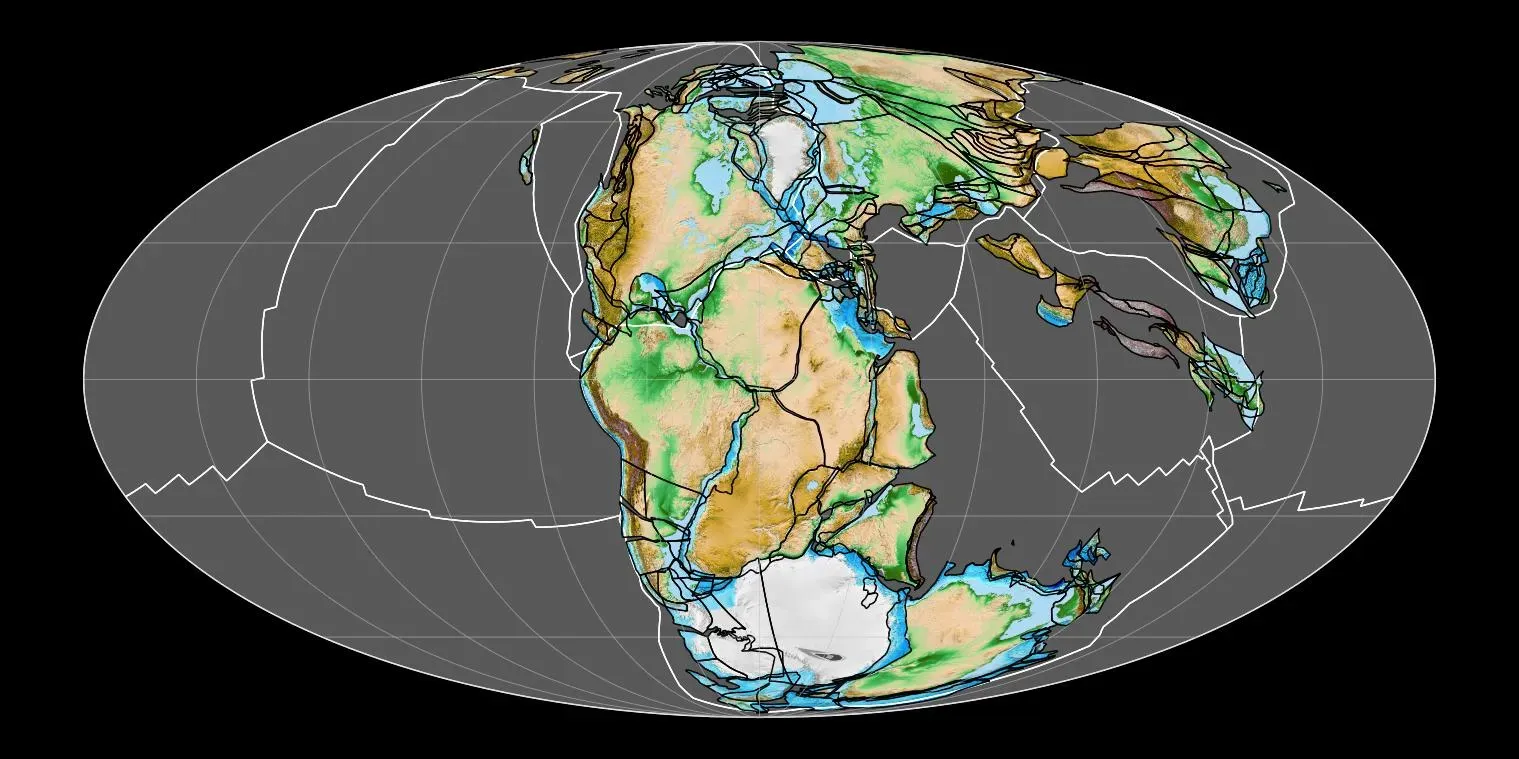
To really understand why things went so wrong, you need to picture Pangaea, the supercontinent that gathered most of Earth’s landmass into one giant lump. When you cram so much land together, you change climate patterns dramatically. The interiors of Pangaea were likely scorching hot and dry, with extreme seasons, while the coasts had very different conditions. You are dealing with long distances from the sea, fewer moderating effects from oceans, and more intense weather swings.
These harsh continental interiors stressed ecosystems long before the final crash. Many species were already living close to their limits, dealing with drought, temperature extremes, and shifting habitats. Think of it like a tightrope walker already wobbling when someone starts shaking the rope even harder. When the next series of blows arrived, your planet’s biosphere was less able to absorb them, and the fall was that much more devastating.
Apocalyptic Volcanism: The Siberian Traps Erupt
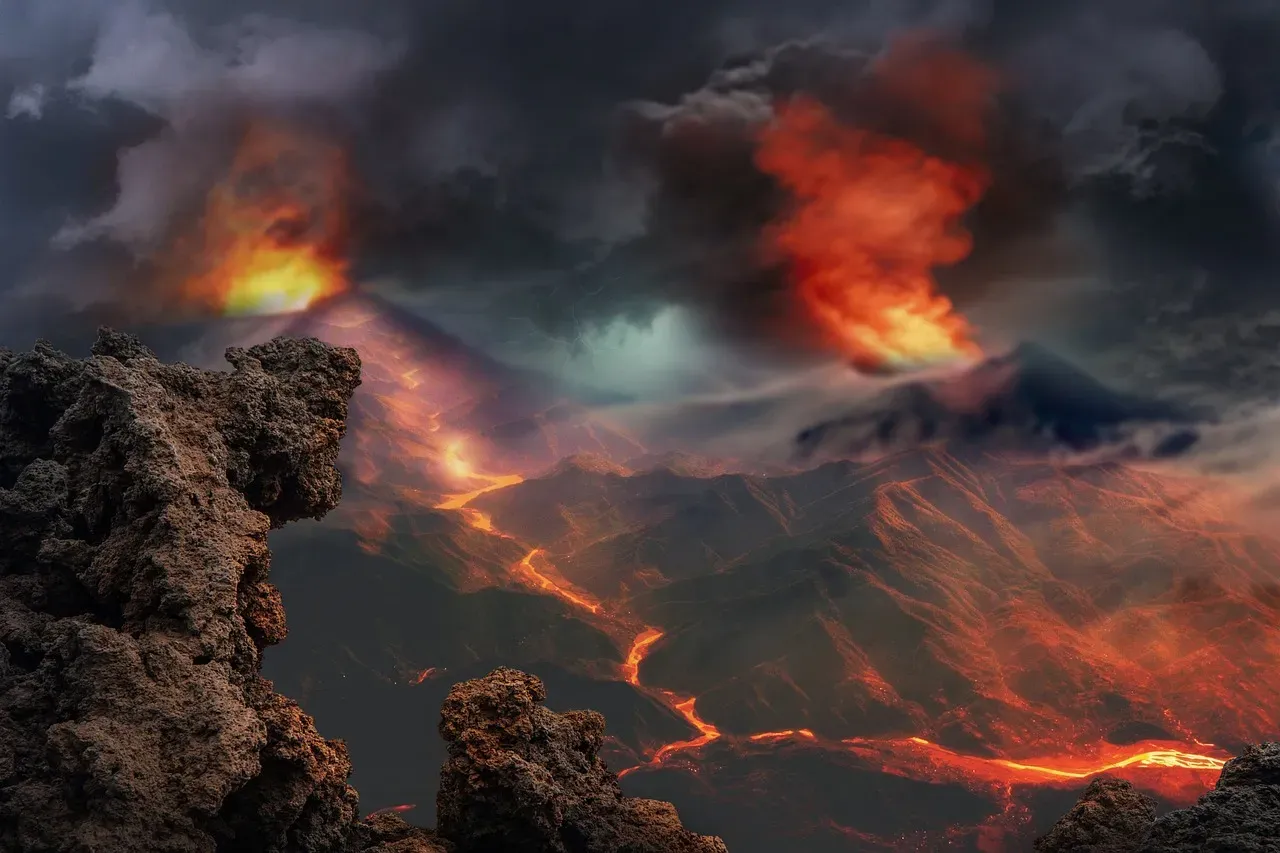
At the heart of the Permian catastrophe, you find one of the most extreme volcanic episodes in Earth’s history: the Siberian Traps eruptions. You can imagine lava flows so vast they covered an area comparable to whole continents, stacking layer upon layer of basalt over a huge region of what is now northern Asia. This was not a quick volcanic tantrum; it was drawn out, pulsing in waves over hundreds of thousands of years, constantly belching out gases into the atmosphere.
These eruptions released massive amounts of carbon dioxide, sulfur gases, and other compounds that disrupted climate and chemistry on a global scale. You are not just dealing with lava smothering local landscapes; you are watching the entire atmosphere and oceans gradually poisoned. It is like turning up both the heat and the toxins in a closed greenhouse where every living thing is trapped inside, forced to endure whatever changes happen next.
A Planet Overheats: Greenhouse Chaos and Ocean Death
With all that volcanic carbon dioxide flooding the air, global temperatures likely climbed dramatically. You can think of it as a runaway greenhouse experiment where the thermostat got stuck on high. As the planet warmed, weather patterns shifted, droughts intensified in some regions, and violent storms may have battered others. On land, plants and animals had to adapt quickly or vanish, and many simply could not keep up with the pace of change.
The oceans, though, may have suffered even more than the land. Warmer water holds less oxygen, and as temperatures rose, many parts of the oceans turned into suffocating low‑oxygen or even oxygen‑free zones. If you were a marine creature then, you might have faced hot, acidic, poorly oxygenated waters that attacked you from every angle. Coral‑like reef builders collapsed, shell‑forming animals struggled as ocean chemistry shifted, and large predators lost their prey as food webs came apart from the bottom up.
Poisoned Seas: Acidification, Methane, and Microbial Mayhem
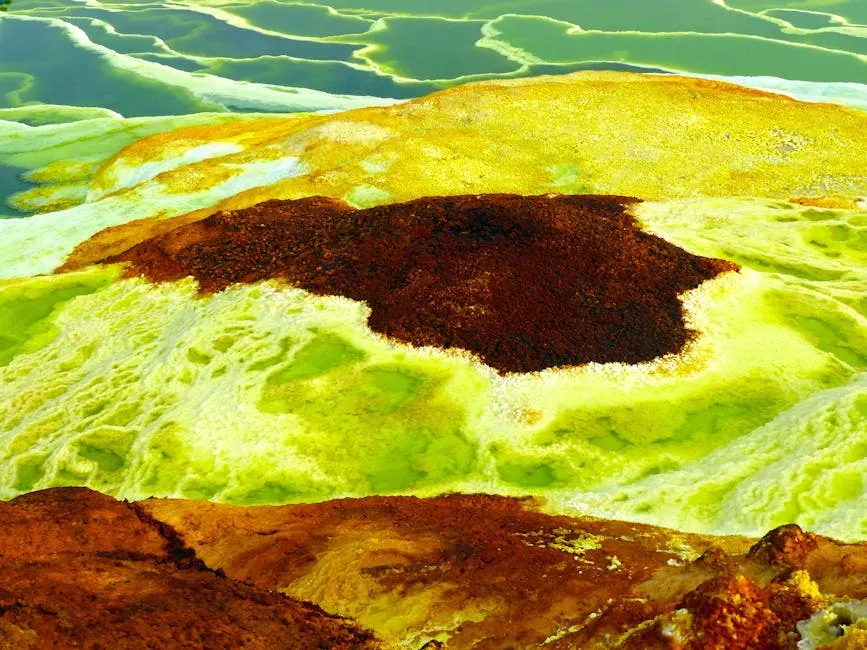
As carbon dioxide levels rose, the oceans absorbed huge amounts of it, becoming more acidic over time. If you have ever put an eggshell in vinegar and watched it weaken, you already have a rough sense of what acidification can do to shell‑building organisms. Many of the creatures that relied on calcium carbonate to form shells or skeletons found it harder and harder to survive and reproduce. When those foundational organisms faltered, entire ecosystems lost their stability.
There is also evidence that warming and oxygen loss could have unleashed more subtle killers, like toxic microbes and greenhouse gases such as methane released from seafloor deposits. In some scenarios, you are looking at oceans that did not just lack oxygen but were laced with gases like hydrogen sulfide that can be lethal to most complex life. Instead of blue, vibrant, oxygen‑rich seas, you might have seen murky, stagnant waters that smelled like rotten eggs and supported mostly bacteria thriving in conditions you would consider nightmarish.
Life on the Brink: Victims, Survivors, and Strange Holdouts
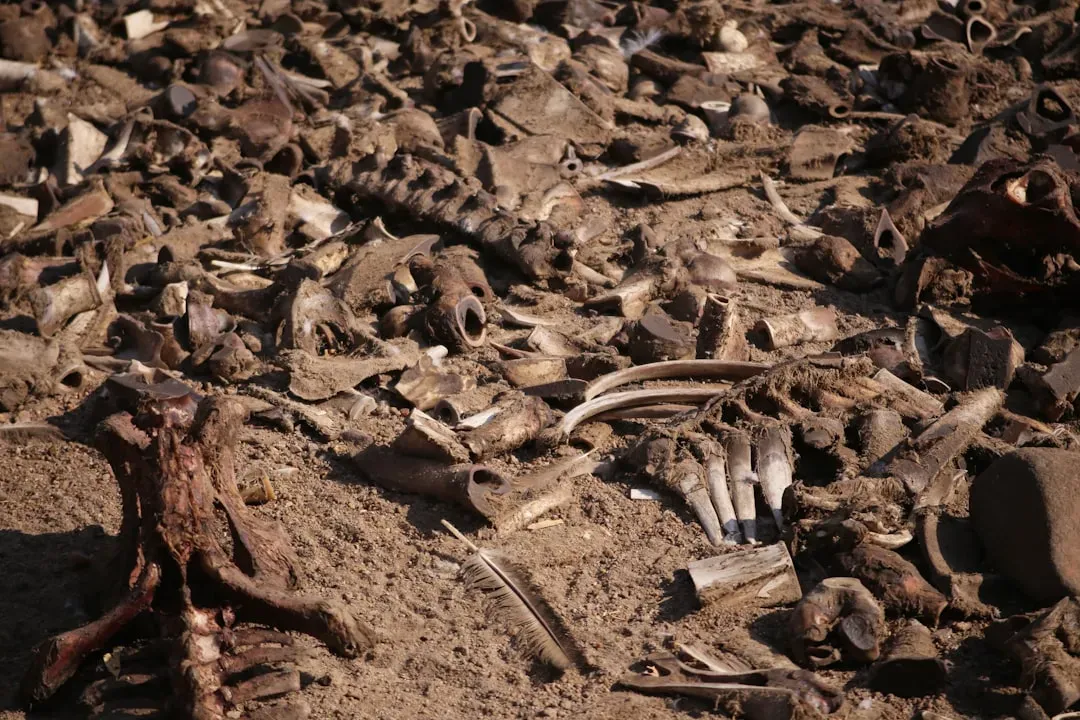
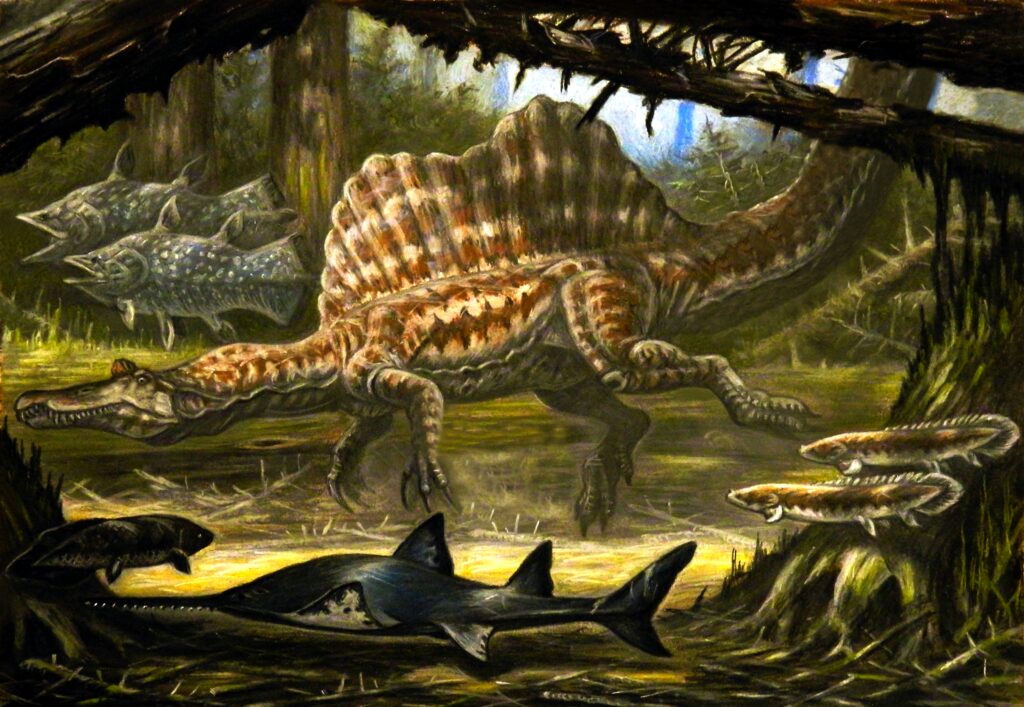
When you zoom in on individual groups of animals and plants, the tragedy becomes personal. Iconic Permian creatures like the sail‑backed Dimetrodon had already vanished before the end, but many of their ecological relatives were still around, only to be erased. Vast forests of ancient tree‑like plants disappeared in region after region, leaving behind sparse and degraded landscapes. If you walked across late Permian ground, you might have seen fewer towering forests and more open, stressed environments struggling to recover after repeated climate shocks.
Yet even in this chaos, some lineages managed to hang on. Certain hardy, generalist species that could tolerate a range of conditions seemed to have an edge. In the oceans, simple, opportunistic organisms often fared better than specialized ones. On land, small, burrowing, or fast‑reproducing animals appear to have had a better chance. The survivors were not necessarily the most impressive or dramatic forms of life, but they were adaptable, and in a world crashing down around them, flexibility was everything.
The Long Road Back: From Desolation to Dinosaur World
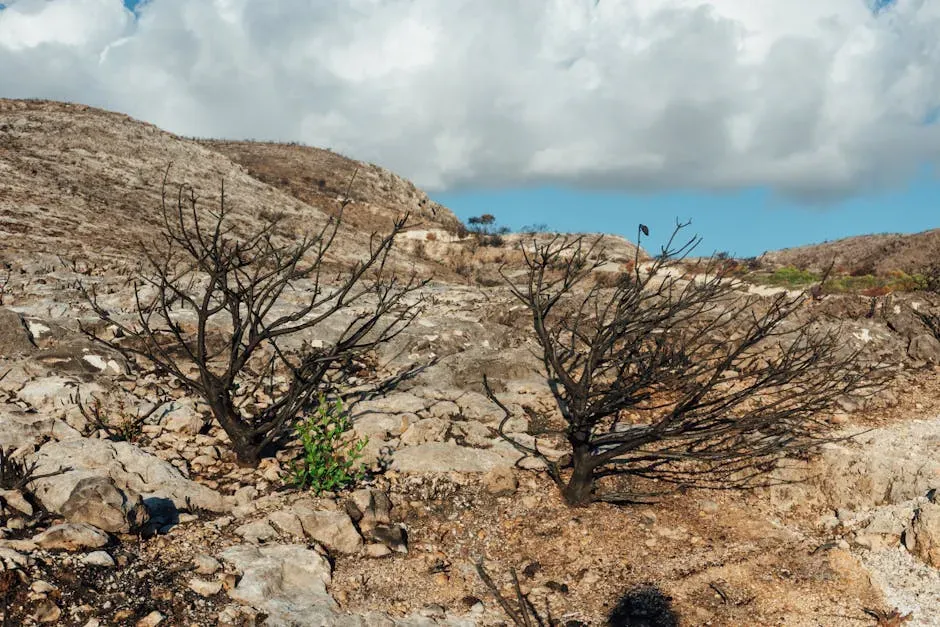
Recovery from the Permian extinction was painfully slow by human standards. You are not talking about a few centuries of rebuilding, but millions of years where ecosystems repeatedly tried to re‑establish themselves and then were knocked back again by aftershocks and lingering stresses. For a long time, biodiversity remained depressingly low, with simple communities replacing the complex webs that had existed before. It is as if Earth’s biosphere had to relearn how to build rich, layered ecosystems from a much smaller toolkit.
But over time, new groups began to rise. Early relatives of mammals and reptiles diversified into fresh ecological roles, filling the gaps left empty by the die‑off. In the oceans, new reef builders and open‑water predators slowly emerged, giving rise to the Triassic seas. This long, uneven recovery eventually set the stage for the age of dinosaurs, and, much later, for the rise of mammals and humans. The world you live in today is not a return to some pre‑Permian normal; it is a new chapter written on the ashes of the old one.
Why the Great Dying Still Matters to You Today
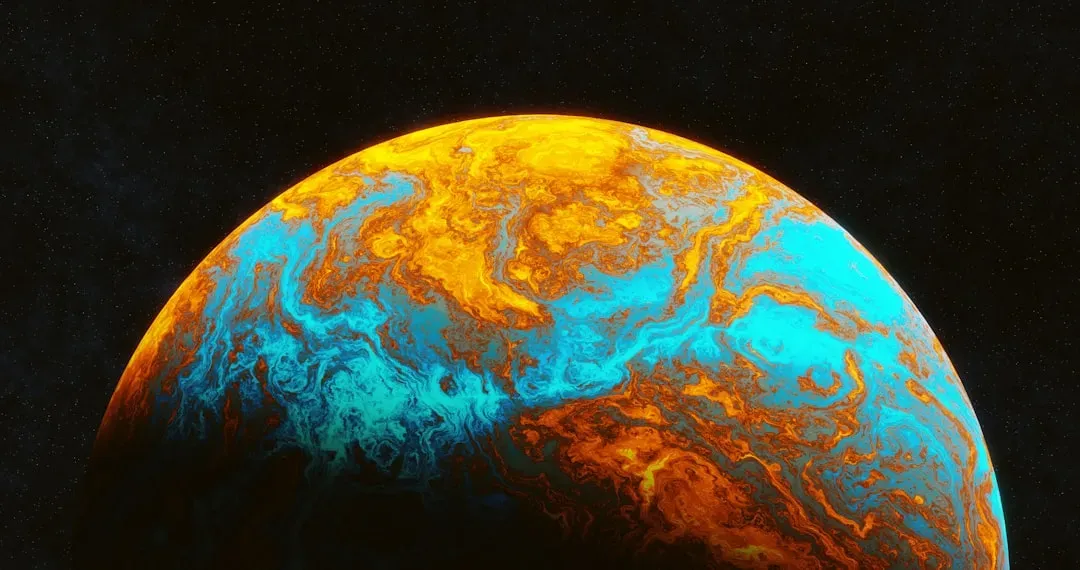
It might feel like the Permian extinction is so far in the past that it has nothing to do with your life, but the patterns it reveals are uncomfortably familiar. You see how massive carbon releases, rapid warming, ocean acidification, and oxygen loss can combine into a deadly cocktail for complex life. When you read that modern human activities are rapidly increasing greenhouse gases and warming the planet, it is hard not to think back to that ancient warning story carved into the rocks.
At the same time, the Permian extinction reminds you that life itself is incredibly resilient, even if individual species and ecosystems are fragile. Earth did not remain a dead planet; it eventually flourished again in new ways. The question for you is not whether life will survive in some form, but what kind of world you want to leave behind for future generations and for the species that share this planet with you. The rocks tell you that pushing Earth’s systems too far is a dangerous game, and unlike the Permian world, this time you are the one holding the controls.
Conclusion: A Warning Written in Stone
When you put the pieces together, the Permian extinction stops being just an abstract number about lost species and becomes a deeply human story about risk, resilience, and responsibility. You see a planet pushed to extremes by a combination of geological forces that unleashed carbon, heat, and toxins on a global scale. You also see that once complex life is knocked down that hard, the road back is long and uncertain, measured not in centuries but in ages.
Yet in that darkness, you also find a stubborn spark of hope: life’s ability to endure, adapt, and reinvent itself in ways you might never predict. The creatures, forests, and oceans around you today are all distant heirs of those that somehow survived the greatest catastrophe your world has ever known. As you face your own era of rapid change, the Great Dying is both a caution and a mirror, asking you a simple, unsettling question: knowing what you know now, how will you choose to shape the next chapter of Earth’s story?