
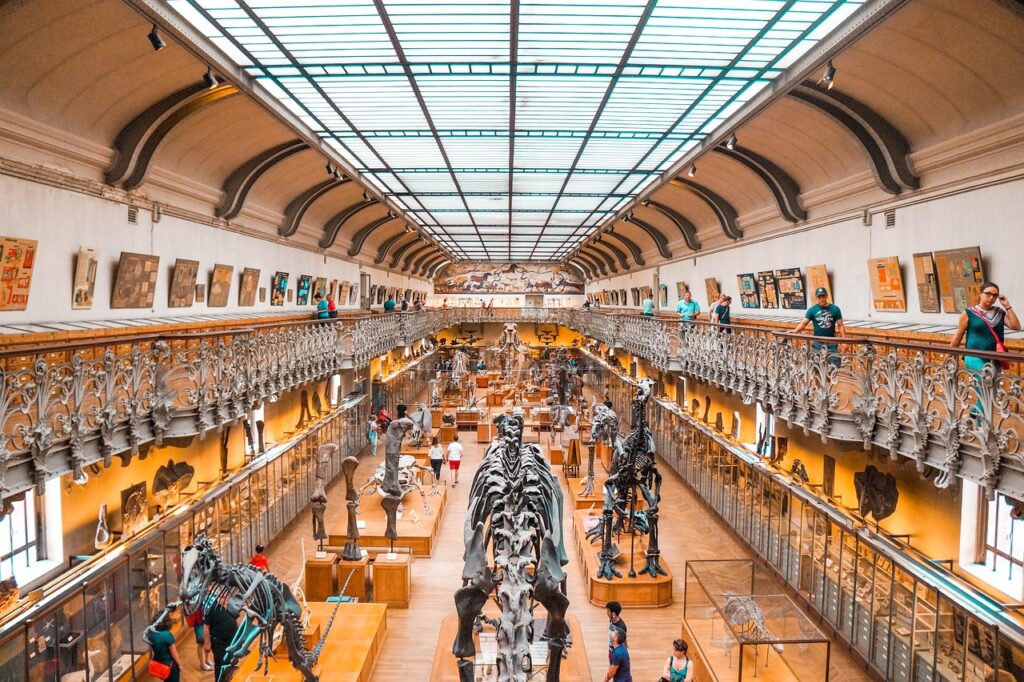
If you grew up staring wide‑eyed at towering dinosaur skeletons, you’re not alone. Those dramatic museum halls are often where our childhood obsession with prehistoric life begins. But as I’ve learned over the years talking with paleontologists and zoo‑science nerds, the way we display dinosaurs today sometimes says more about our fantasies than about the animals that actually walked the Earth.
That does not mean museums are doing a bad job; in fact, many are improving fast. It does mean, though, that some of the most iconic displays are frozen in an older way of thinking. Once you start seeing the gaps and distortions, it becomes impossible to unsee them – and strangely, the story of dinosaurs becomes even more exciting, not less.
The Cinematic Pose Problem: Dinosaurs as Movie Monsters
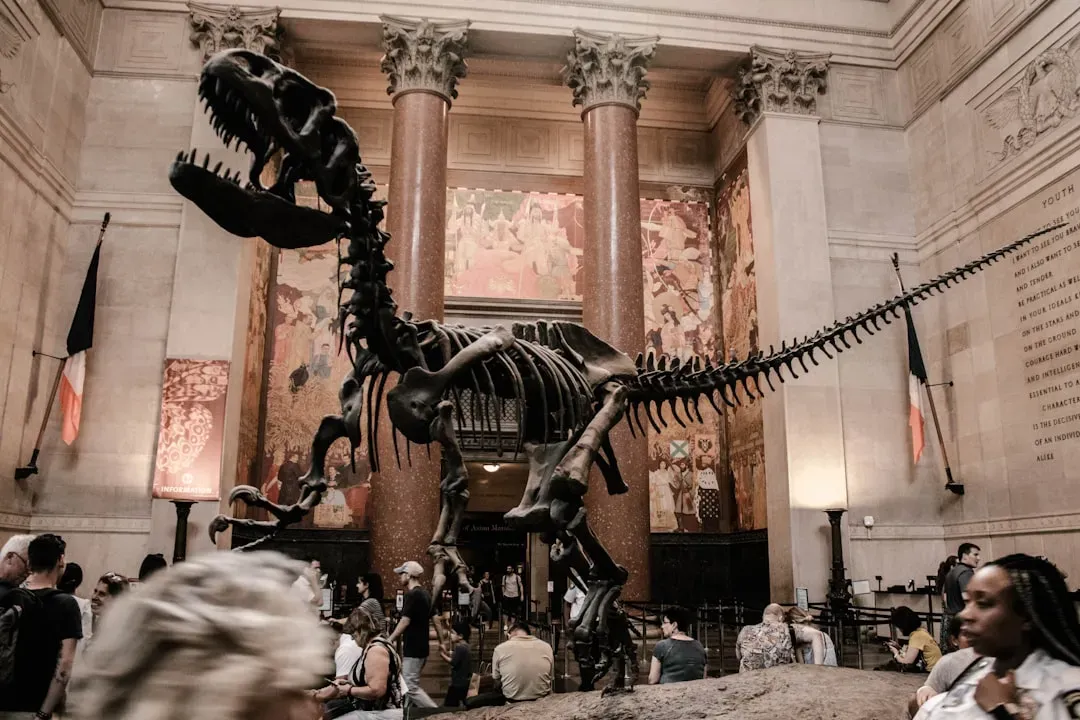
Walk into most dinosaur halls and you’ll be greeted by a giant predator lunging mid‑attack, jaws spread wide, claws extended, locked in eternal battle with some unfortunate herbivore. It looks incredible, but scientists point out that many of these frozen action poses are more Hollywood than habitat. Real animals, even apex predators, spend most of their lives walking, resting, feeding, or just existing, not leaping from one dramatic pounce to the next.
By turning every skeleton into a movie still, museums can unintentionally mislead visitors about dinosaur behavior. People walk away thinking of these animals as nonstop fighting machines instead of complex creatures with daily routines, social lives, and quiet moments. A more balanced approach – mixing a few spectacular combat scenes with calmer, lifelike poses – would help visitors imagine dinosaurs as real animals moving through real ecosystems, not just props in an action film.
The Missing Soft Tissues: What Bones Alone Can’t Tell You
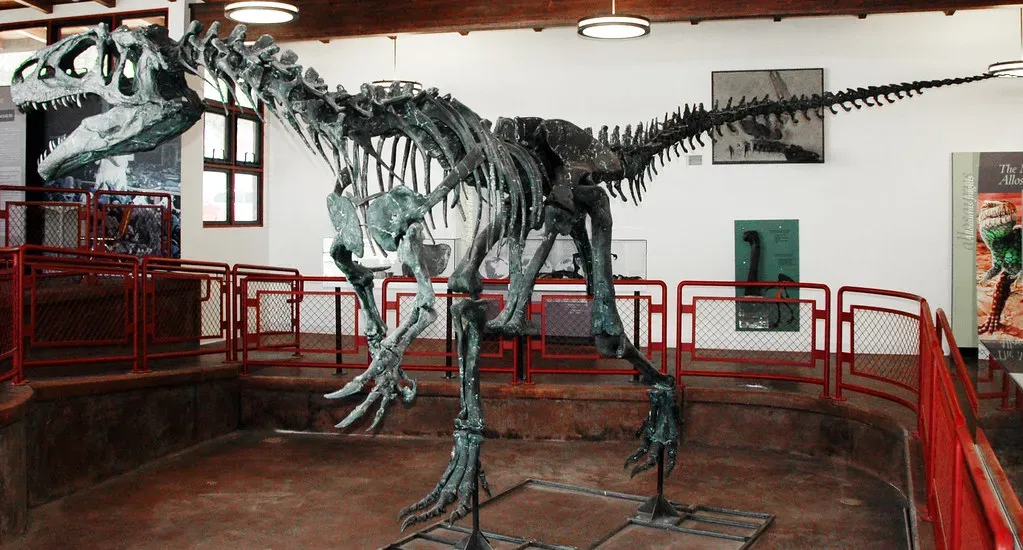
Museum skeletons look clean, elegant, and slightly alien, all bare bone and empty spaces. The problem is that living animals are mostly soft tissue – muscles, fat, organs, skin, feathers – none of which show up in those sleek mounts. Paleontologists often stress that a living dinosaur would look much bulkier and more three‑dimensional than the stripped‑down frame we see on display.
Without clear visual cues, visitors can easily underestimate things like muscle power, body shape, and even how some species moved. For example, fleshed‑out reconstructions sometimes show that what looked like a sleek, lean predator might actually have been deep‑chested and heavily muscled, more like a heavyweight athlete than a runway model. When skeletons stand alone with minimal explanation or artwork showing the “full animal,” we lose a crucial part of the story that scientists work hard to reconstruct.
The Feather Fiasco: Outdated Views That Refuse to Die
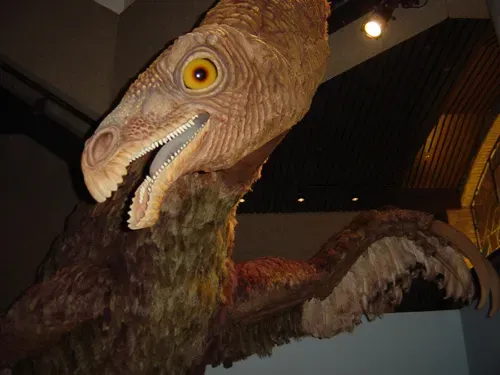
One of the biggest shifts in dinosaur science over the last few decades has been the recognition that many theropod dinosaurs – especially those related to birds – likely carried feathers or feather‑like coverings. Yet in some museums, you can still find scaly, lizard‑skin reconstructions next to skeletons of species we now think were at least partially feathered. That mismatch quietly reinforces an outdated picture that scientists have largely moved past.
When displays do not keep up with current evidence, visitors may walk away decades behind the actual science. This is especially frustrating for researchers who have spent their careers untangling the dinosaur‑bird connection and refining how these animals looked. Updating every sculpture and mural is expensive and slow, but failing to mark older art as outdated or speculative can leave people with the wrong mental image of what these creatures were like in life.
The Franken‑Skeleton Issue: Composite Mounts and Incomplete Fossils
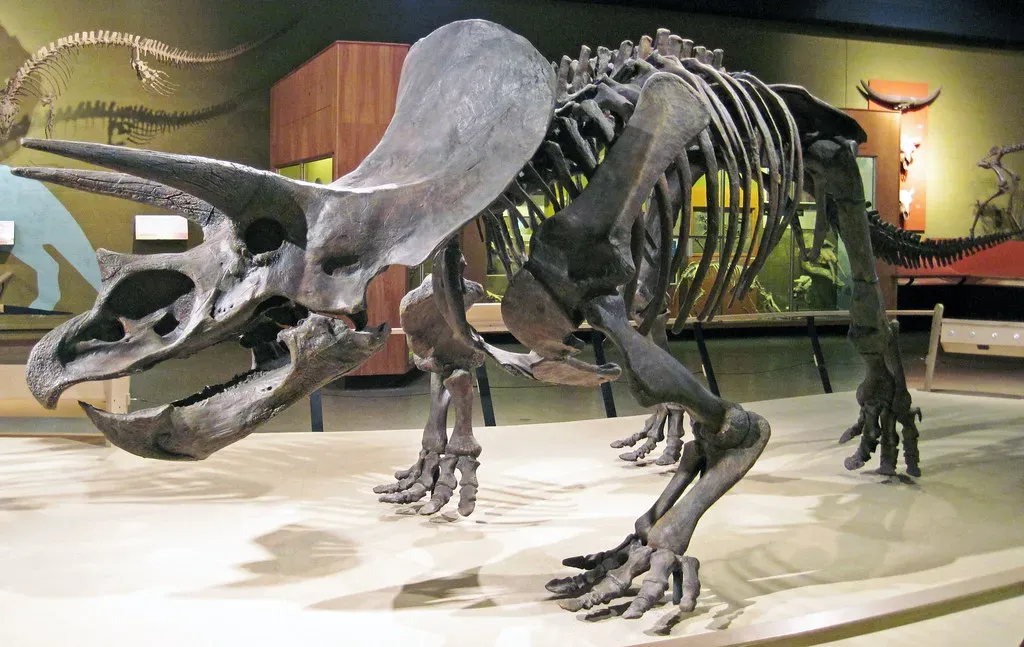
Many famous dinosaur skeletons are not a single, perfectly preserved individual. They are composites made from multiple specimens, casts, or mirrored bones used to fill in missing parts. This is not dishonest – paleontology almost always deals with incomplete material – but it can be confusing if the labels do not spell it out. To a casual viewer, that towering skeleton looks like a fully known, fully certain animal.
Scientists worry that this can give a false sense of precision. Visitors may not realize that some parts of the mount are based on close relatives, educated guesses, or sculpted reconstructions where no bones exist at all. When museums clearly explain which parts are real fossil, which are replica, and which are inferred, people get a deeper appreciation of how science actually works: not as a pile of perfect specimens, but as a puzzle slowly filled in with careful reasoning and debate.
The Scale Illusion: Lone Giants Without Their World
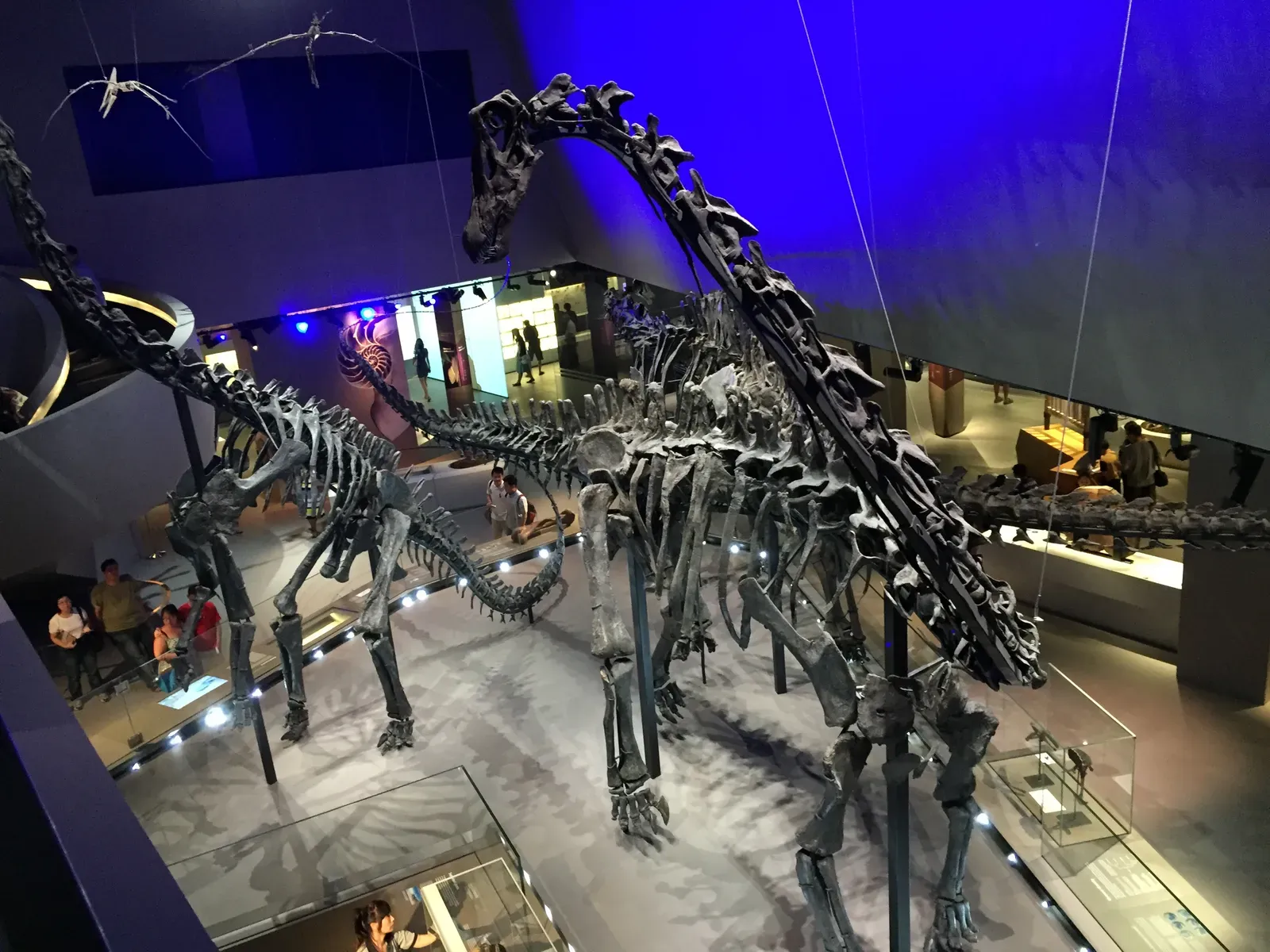
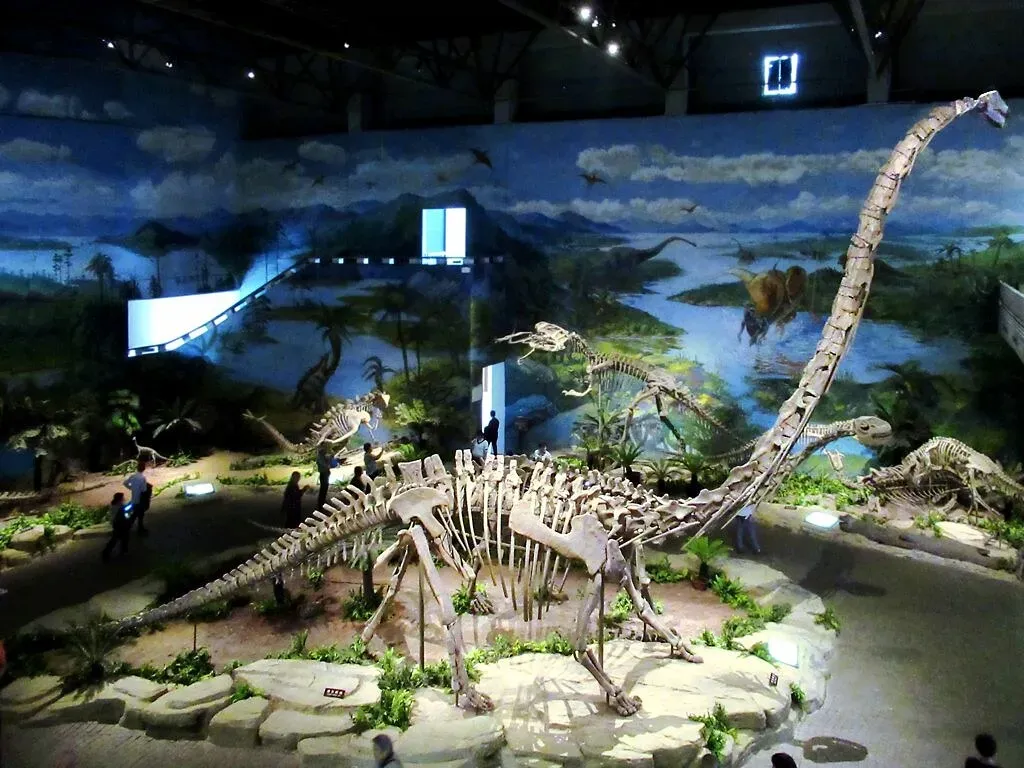
A single sauropod skeleton in an empty hall feels impossibly huge, like a stone cathedral with ribs. But scale is a slippery thing when there is nothing to compare it to. Without plants, smaller animals, or environmental context around them, dinosaurs often end up looking either absurdly enormous or strangely abstract, like pieces of modern art instead of parts of a living community.
Paleontologists often argue for more ecosystem‑style displays – mixing different species, vegetation, and even climate cues to show what a Jurassic forest or Cretaceous floodplain might have been like. When a massive herbivore is shown alongside tiny mammals, insects, and plants from the same time, visitors suddenly grasp not just the size of the dinosaur, but the richness of the world it inhabited. Right now, too many halls feel like trophy rooms of isolated giants rather than windows into entire lost landscapes.
The Timeline Tangle: Millions of Years, One Big Room
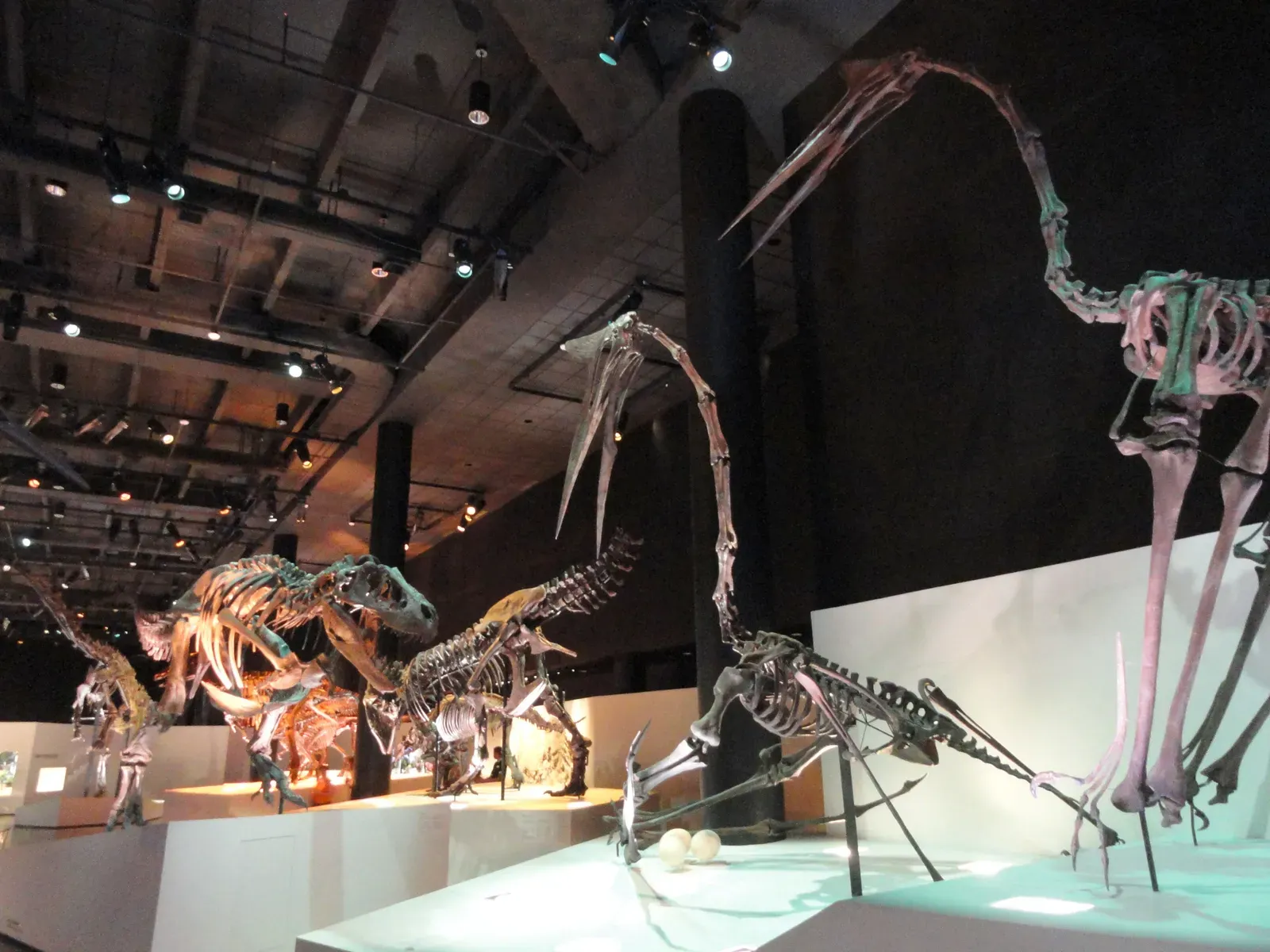
Another problem is that dinosaur halls often jumble creatures from very different times into one seemingly unified scene. A visitor might see species separated by tens of millions of years standing only a few meters apart, with only a small sign mentioning the age difference. To a scientist, that is like putting a medieval knight and a modern astronaut on the same street corner and implying they might have had coffee together.
When the deep time element gets blurred, people underestimate just how long dinosaurs dominated the planet and how much change happened within that span. Clear chronological layouts, color‑coded eras, or even floor graphics showing the passage of millions of years can help. Without those cues, the public may think of “the time of the dinosaurs” as one vague period instead of an unfathomably long and dynamic stretch of Earth’s history.
The Storytelling Gap: Little Labels for Big Discoveries
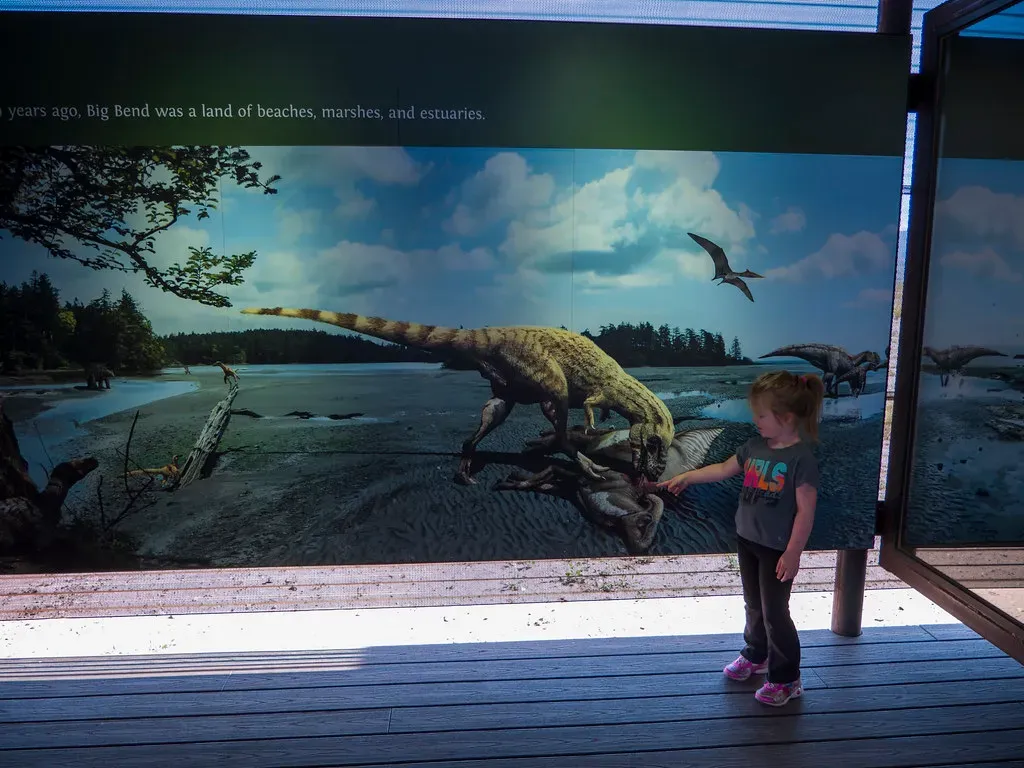
For many visitors, the only narrative they get about a fossil is whatever fits on a small card: species name, where it was found, maybe a quick line about diet. That is like reading the title of a novel and never opening the book. Paleontologists know that every specimen carries stories about climate, geology, extinction, and evolution, but much of that rarely makes it onto the gallery floor in ways that feel vivid and personal.
Some newer exhibits experiment with immersive media, interactive stations, and plain‑language explanations of how scientists know what they know. These approaches can turn a static skeleton into the lead character of an unfolding detective story: how it was discovered, who dug it up, which questions it answered, and which mysteries remain unsolved. When museums skip that narrative depth, the bones become beautiful but emotionally distant, like strangers you never get to meet properly.
The Human Problem: Nostalgia, Expectations, and Limited Budgets
There is an unspoken truth behind many outdated or misleading dinosaur displays: people love them exactly as they are. Those dramatic poses and classic scaly reconstructions are wrapped up in childhood memories and museum branding. Curators sometimes face an uncomfortable choice between scientific accuracy and public expectation, especially when donors or visitors are attached to a beloved but outdated exhibit.
On top of that, updating mounts, signage, and gallery design costs serious money and time. Many institutions are doing their best to catch up with modern science while juggling tight budgets, conservation work, and competing priorities. From the scientists’ perspective, clinging too hard to nostalgia risks turning dinosaur halls into time capsules of old ideas. Yet when museums do find the courage and resources to reinvent their displays, they can transform familiar fossils into something more powerful: honest, evolving conversations between research and the public.
Conclusion: Dinosaurs Deserve Better Than Just Looking Cool
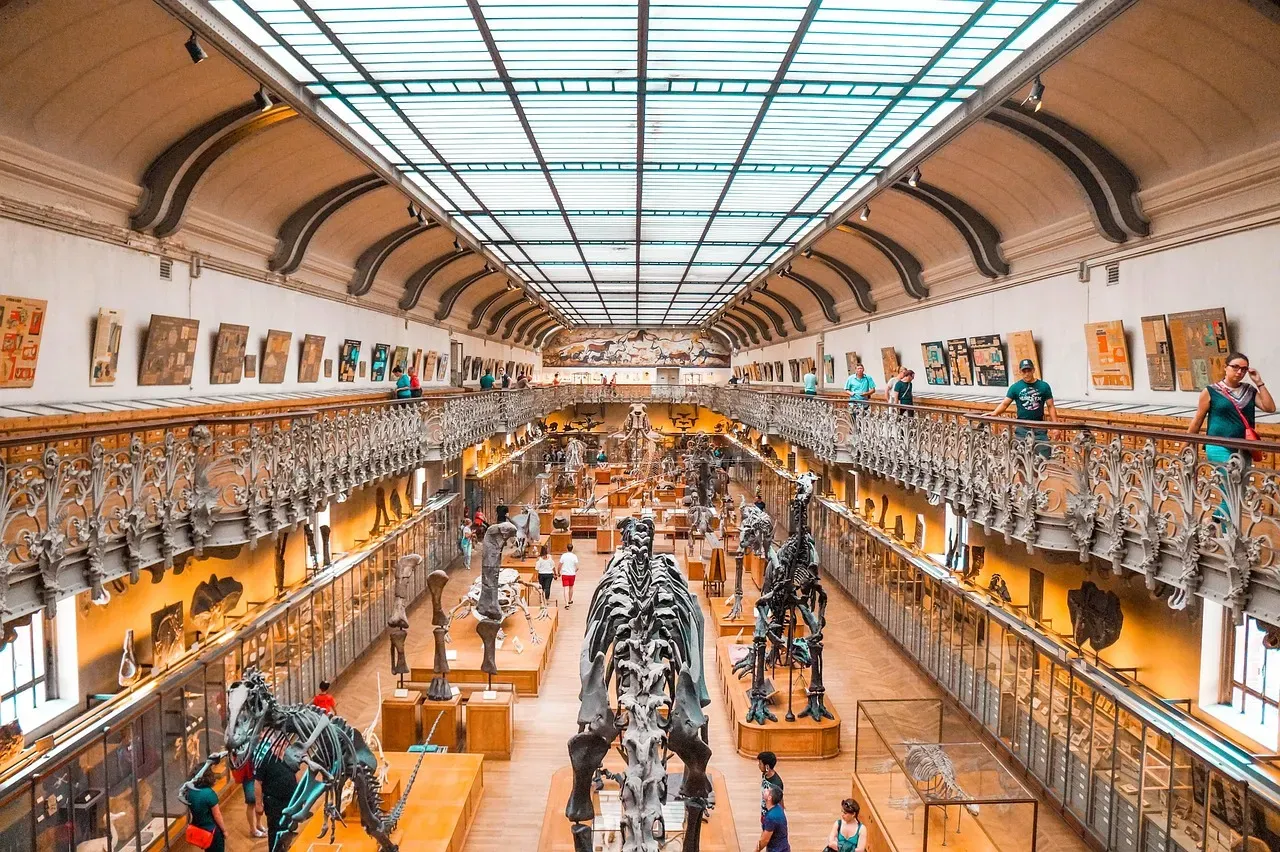
I still get a thrill standing under a towering skeleton, and I do not think museums should kill that sense of awe. But awe alone is not enough anymore. When we know that some displays are out of date, misleading, or missing crucial context, keeping them frozen that way starts to feel less like tradition and more like neglect. Dinosaurs were real animals in real worlds, and they deserve to be presented as more than oversized movie villains and bare, anonymous bones.
If anything, being more honest and up‑to‑date about these fossils would only make them more fascinating. Showing uncertainty, explaining reconstructions, and embracing new discoveries – feathers, soft tissue, ecosystem context, all of it – invites visitors into the scientific process instead of leaving them outside the glass. In my view, the biggest problem with how dinosaur fossils are displayed is not that we get some details wrong, but that we settle for spectacle when we could be telling a richer, truer story. Next time you walk into a dinosaur hall, will you just look up in awe, or will you also start asking what might be missing?