
Have you ever caught yourself staring at a blank page, trying desperately to summon an original thought, only to come up empty? You’re not alone in this struggle. Let’s be real, most people think creativity is some mystical gift bestowed upon a lucky few while the rest of us muddle through life with uninspired minds.
Here’s the thing, though. Science has revealed something remarkable about your brain. Creativity is not a fixed trait. It’s a skill like any other, and it cannot be improved without continued practice and refinement. That blank page might feel like evidence of your lack of talent, but in reality, it’s an invitation to understand the actual mechanisms behind innovative thinking. The psychology of creativity is far less about waiting for lightning to strike and far more about understanding how your mind actually generates breakthrough ideas. So let’s dive in.
Your Brain’s Hidden Creative Networks
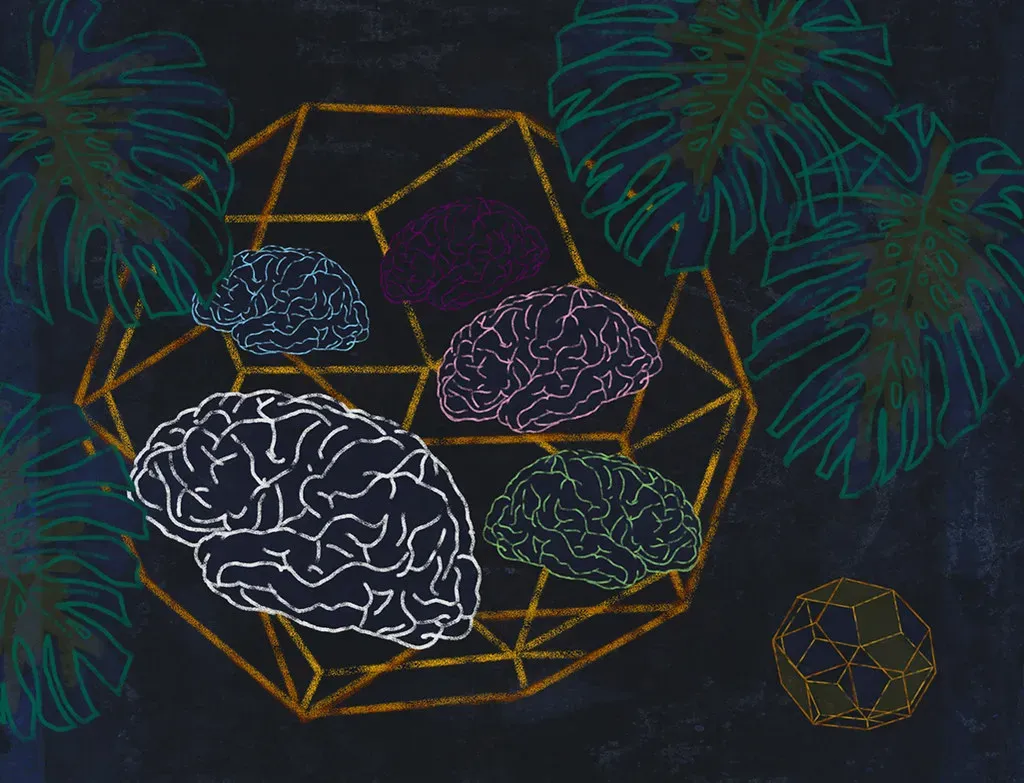
Your creative potential lies dormant in the intricate wiring of your brain. Areas associated with creative thinking include the temporal lobe (best known for processing memories and emotions) and the parietal lobe (which is crucial for sensory processing). These regions don’t work alone, though.
The default mode network (DMN) includes several interconnected regions that kick into gear during passive pursuits, like daydreaming while taking a stroll. When you let your mind wander freely without forcing concentration, this network lights up with activity. During a creative thinking task, the DMN lit up with activity first, then its activity synchronized with other regions in the brain, including ones involved in complex problem-solving and decision-making.
Meanwhile, the executive control network (ECN), although usually associated with analytical thinking, also influences creativity. This network helps us direct our focus toward specific tasks and determines how we apply the creative thoughts brought to life by the DMN. It’s the collaboration between these networks that unlocks your true creative capacity.
The Dance Between Daydreaming and Discipline

Creativity requires something paradoxical. You need both spontaneous wandering thoughts and rigorous evaluation. Relaxing the filter on our brains by letting our minds wander can allow new ideas to come to mind that might not have otherwise, but serendipity and spontaneity alone do not guarantee either novelty or usefulness.
Think about the last time a solution appeared seemingly out of nowhere while you were in the shower. That’s your default network doing its thing. Yet without the executive control network stepping in to assess, refine, and implement that idea, it remains nothing more than a fleeting thought.
Highly creative people show stronger functional connections between the default, control, and salience networks. This brain connectivity pattern reliably predicted the creativity score. The salience network acts like a referee, determining which spontaneous ideas deserve focused attention. When these three systems cooperate smoothly, creative breakthroughs become far more accessible.
Divergent Thinking Versus Convergent Thinking
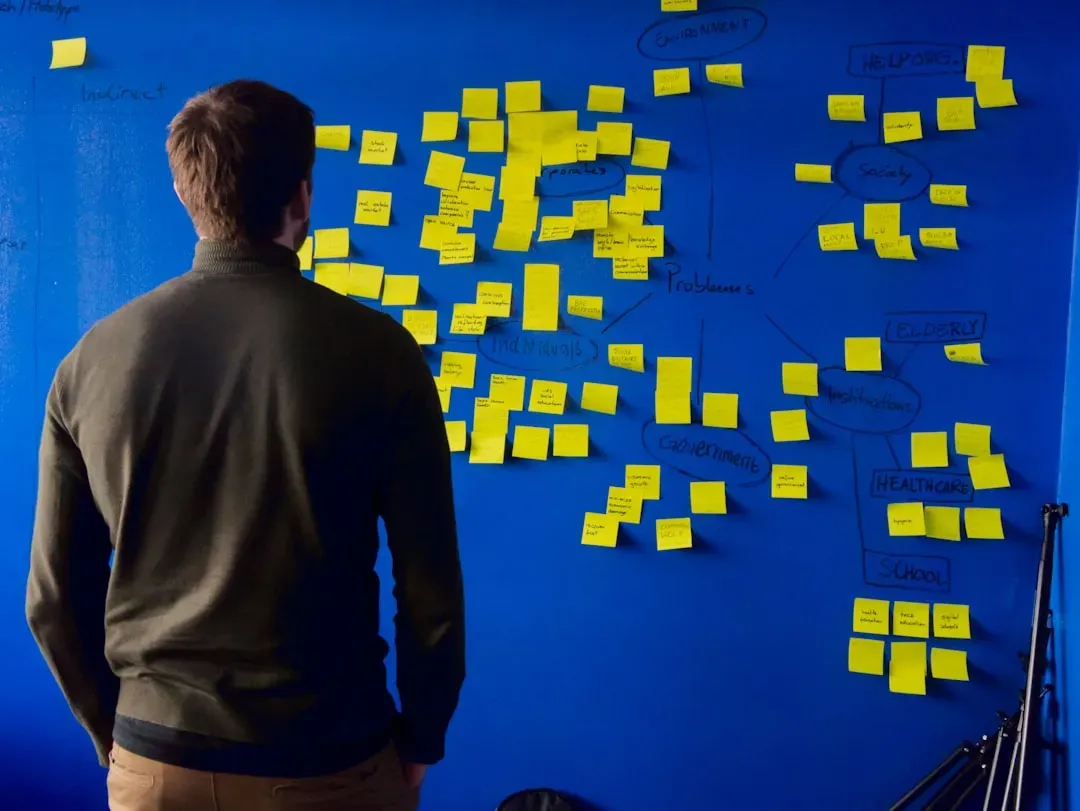
Divergent thinking is a thought process used to generate creative ideas by exploring many possible solutions. It typically occurs in a spontaneous, free-flowing manner, such that many ideas are generated in an emergent cognitive fashion and unexpected connections are drawn. Imagine being asked to list unusual uses for a brick. A divergent thinker would effortlessly generate dozens of possibilities.
Convergent thinking works differently. Convergent thinking is the process of finding one solution. It involves more logical thinking with the aim of finding the most efficient solution. When you narrow down ten wild ideas to select the single best approach, you’re engaging convergent thinking.
The creative process consists of the generation of several ideas, which is achieved by activating numerous mental representations. Beyond that, the creative process also consists of a phase of idea evaluation and selection. Convergent thinking contributes to the creation of inventive end products by critically evaluating loose new ideas generated by divergent thinking. You need both modes working in harmony to produce genuinely innovative outcomes.
Breaking Through Creative Blocks

Many creative blocks are actually fear in disguise: fear of not being good enough, of wasting time, of being judged. Fear shuts down curiosity because it narrows attention toward perceived threats. When you’re terrified of producing something mediocre, your brain essentially goes into protective mode.
Sometimes our creative energy fades because we’re working on something that no longer resonates. The block isn’t about ability; it’s about alignment. Our brains naturally invest energy in what feels meaningful and authentic. Reconnecting to why you create often reignites momentum.
Other times, burnout is the culprit. When a person constantly feels overwhelmed and swamped, it can lead to the form of exhaustion known as burnout. If you’ve been dealing with physical, mental, or emotional stress in an excessive and prolonged way, it can result in feeling completely drained. It’s possible that the creative block you’re facing is due to being burned out. Your brain simply doesn’t have the bandwidth for innovative thinking when it’s running on fumes.
The Role of Psychological Resilience

A study showed that when employees perceive higher support, the indirect effect of success goal orientation on creativity, mediated by psychological resilience, is significantly enhanced. Resilience isn’t just about bouncing back from setbacks. It’s about maintaining the mental and emotional stamina required for sustained creative work.
Creative individuals who develop strong psychological resilience can weather criticism, rejection, and failure without completely abandoning their innovative pursuits. They view obstacles as temporary challenges rather than permanent limitations. This mindset shift fundamentally changes how your brain approaches creative problems.
Consider two people facing the same creative setback. One interprets it as evidence they lack talent. The other sees it as valuable feedback for improvement. The difference lies in resilience, which directly impacts whether you’ll persist long enough to achieve creative breakthroughs.
Cultivating Curiosity and Openness

Certain personality traits like openness may come into play. People high in openness to experience show greater willingness to explore unconventional ideas, embrace ambiguity, and venture into unfamiliar territory. This trait strongly correlates with creative achievement across various domains.
Curiosity acts as the engine driving creative exploration. When you approach problems with genuine curiosity rather than obligation, your brain naturally generates more diverse associations and possibilities. Curiosity drives us to ask questions, seek out new information and experiences, and find new solutions to old problems.
You can actively strengthen these traits through deliberate practice. Regularly expose yourself to new experiences. Read books outside your comfort zone. Strike up conversations with people whose perspectives differ from yours. Each novel experience creates new neural pathways your brain can later connect in unexpected ways during creative work.
The Power of Constraints and Structure

Here’s something that might surprise you. Constraints can actually boost creativity rather than stifle it. When you have unlimited options, decision paralysis often sets in. Environmental influences significantly impact creativity. Your workspace, social interactions, and even your daily routine can either foster or hinder your creative output. A chaotic environment can lead to chaotic thinking, while a well-organized, inspiring space can stimulate creativity.
Time limits work similarly. Some professionals love deadlines and thrive within those structured environments, while for others, a deadline seems restrictive. However, a self-induced deadline is often the kick-in-the-pants a blocked creative mind needs. A deadline gets creative juices flowing and activates the brain with new thoughts and ideas.
Paradoxically, complete freedom can feel paralyzing while smart constraints provide just enough structure to channel creative energy productively. The key is finding the right balance between structure and flexibility for your particular style of thinking.
Movement, Environment, and Creative Flow

A Stanford-led study found that the vast majority of students came up with more creative ideas when they were allowed to fidget at their desks than when they were instructed to sit still. Granting them permission to move freely in their seats did not diminish their ability to focus or remember information. Physical movement increases blood flow to your brain, enhancing cognitive flexibility.
People with more creative engagement had younger brains across every domain. The deeper the expertise, the greater the delay in brain aging. Creative activities literally reshape your brain’s structure over time, strengthening neural connections that support innovative thinking.
Your physical environment matters enormously. Changing your surroundings disrupts habitual thought patterns and exposes your mind to fresh stimuli. Even simple adjustments like rearranging your workspace or working from a different location can spark new ideas by breaking you out of mental ruts.
Mindfulness and Present-Moment Awareness

Mindfulness and meditation can lower stress and anxiety levels, which are often barriers to creativity. A relaxed mind is more open to new ideas and creative thinking than a stressed or anxious one is. When you’re constantly worrying about the past or future, your brain lacks the mental bandwidth for creative exploration.
Regular mindfulness practice improves focus and concentration, permitting deeper and more sustained engagement with creative tasks. Meditation can enhance cognitive flexibility, which is the ability to see things from different perspectives, a key aspect of creative problem-solving.
You don’t need to become a meditation expert. Spending just five minutes each day meditating can cultivate a calm mindset that promotes creativity. Short, consistent practices yield better results than sporadic marathon sessions. The goal is training your brain to access a state of relaxed alertness where creative insights emerge more naturally.
Building Your Creative Practice

Research suggests that both creativity and non-creativity are learned. Approximately twenty-two percent of the variance in creativity is due to the influence of genes. Claiming that you’re just not the creative type is a weak excuse for avoiding creative thinking. Nearly every person is born with some level of creative skill and the majority of our creative thinking abilities are trainable.
Start with small, manageable exercises. Try taking a random object and brainstorming all the possible uses for it. Or try writing a story or creating a visual representation of a concept. These exercises can help stimulate your imagination and spark new ideas. Consistency matters far more than intensity when developing creative capacity.
Collaboration amplifies individual creativity. Working with others can bring new perspectives, fresh ideas, and alternative solutions to a problem. Creative breakthroughs often emerge from the collision of diverse viewpoints and expertise. Seek out people who think differently than you do and actively engage with their perspectives.
Embracing the Messy Creative Process
Creative blocks are not barriers; they’re mirrors. They reflect what’s happening inside us, the fatigue, fear, or misalignment we’ve been ignoring. When we call them blocks, we give them power. When we call them signals, we gain insight. Your struggles with creativity often contain valuable information about unmet needs or unresolved internal conflicts.
Fear of failure is one of the greatest barriers to creativity. Failure is an essential part of the creative process. Many successful individuals attribute their creativity to their willingness to fail and learn from their mistakes. The problem arises when this fear prevents you from taking the risks that lead to breakthroughs.
Creative work is inherently messy and nonlinear. Ideas rarely arrive fully formed and polished. They require iteration, refinement, and sometimes complete reinvention. Creativity thrives when we allow ourselves the freedom to take risks and experiment. Overcoming the fear of failure requires a mindset shift, where failure is seen as an essential part of the creative process. When we allow ourselves the freedom to fail and learn from our mistakes, we create a space where creativity can flourish. Give yourself permission to produce terrible first drafts and rough prototypes. The magic happens in the revisions.
Conclusion: Your Creative Mind Awaits

Creativity is our natural state. It doesn’t vanish; it just waits for us to feel safe, connected, and alive again. When we’re regulated and hopeful, ideas don’t need to be forced; they arrive effortlessly, as if they were always there. You already possess the neural architecture for creative thinking. The challenge isn’t acquiring creativity from scratch but rather removing the obstacles that block your innate innovative capacity.
Your brain contains roughly eighty-six billion neurons forming trillions of connections. Those connections constantly reorganize themselves based on your experiences, thoughts, and actions. Every time you practice divergent thinking, embrace curiosity, or push through creative resistance, you strengthen the neural pathways supporting innovation.
Stop waiting for inspiration to strike like lightning from the heavens. Instead, cultivate the conditions that allow creativity to flourish naturally. Understand your brain’s networks, balance spontaneity with discipline, build resilience against setbacks, and most importantly, trust that your creative mind is already there, ready to surprise you with its brilliance.
What will you create once you unlock that potential? Your innovative mind is waiting for you to discover just how powerful it truly is.