
There’s something almost painfully charming about how confidently The Flintstones pretends the Stone Age was basically the 1960s with worse dental care and more dinosaurs. Many of us grew up thinking cavemen had pet saber-toothed tigers, middle-class suburbs, and traffic jams made of brontosaurus cranes. Then you learn what the real Paleolithic looked like and suddenly Bedrock feels like a fever dream drawn by someone who skipped literally every archaeology class.
This comparison is funny because the show is so wildly wrong, but it is also a little embarrassing once you realize how deeply those cartoon images shaped how we picture “cavemen.” Let’s walk through what we actually know about Stone Age life and hold it up next to the world of Fred and Wilma. Think of it as a tour of human prehistory where your guide keeps saying, “Yeah, that part? Completely made up.”
Where and when: Bedrock suburbia vs. a moving target across continents

The Flintstones makes the Stone Age feel like a fixed, cozy little town called Bedrock, with a stable neighborhood, bowling alley, and a clear sense of place. In reality, the Stone Age is not one moment or one location; it spans hundreds of thousands of years and multiple human species scattered across Africa, Eurasia, and beyond. You could fit the entire timeline of recorded history into the tail end of the Stone Age and still have a massive amount of prehistory left over.
Bedrock looks like a prehistoric version of a mid‑century American suburb, where everyone has an address and a routine, and traffic lights somehow exist next to stone tires. Actual Stone Age groups were mostly small, mobile bands following seasonal resources, often shifting camps rather than “living in town.” If anything, imagining the real Stone Age as one static place is like trying to describe every ocean on Earth by looking at one backyard swimming pool; it shrinks a huge, complex story into a single cartoon backdrop.
Daily life: fossil-fuel slapstick vs. calories, danger, and hard math
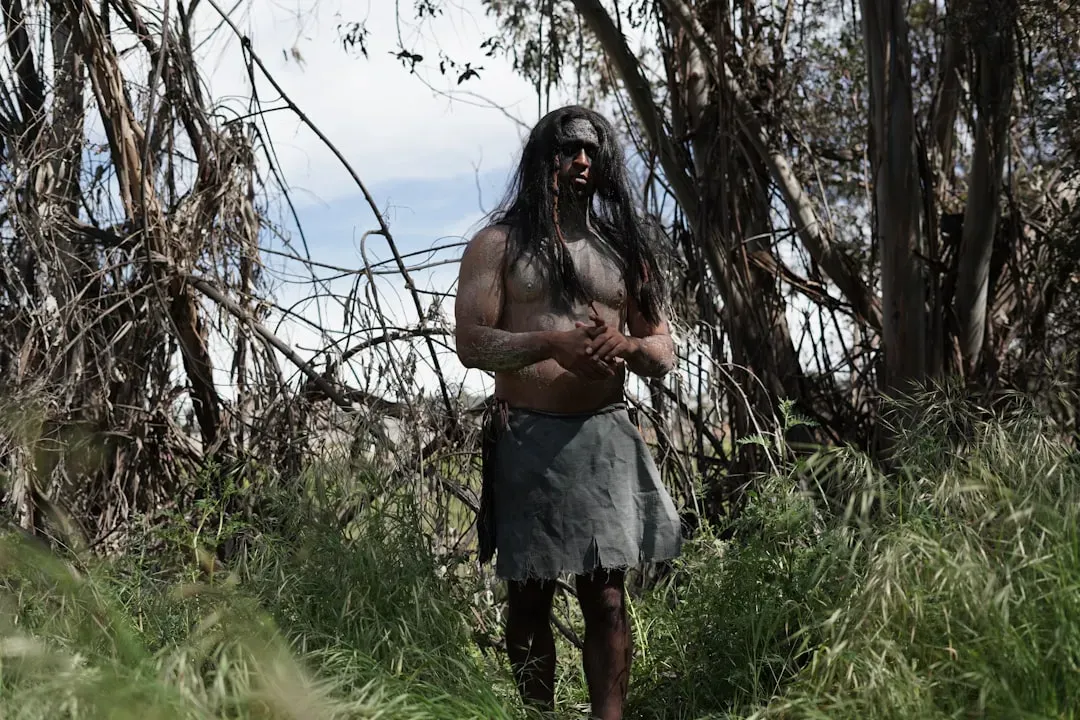
In Bedrock, the hardest part of Fred’s day is clocking out at the quarry and yelling a catchphrase on his way to bowling night. Work is portrayed like sitcom drudgery with a stone twist, but actual Stone Age daily life was a relentless problem set: find food, avoid predators, keep kids alive, and do it all without supermarkets or antibiotics. Hunting, gathering, processing plants, making tools, and managing fire took serious time, planning, and cooperation.
The show treats labor as a parody of modern blue‑collar jobs, complete with bosses, punch clocks, and union‑style grumbling. Real hunter‑gatherer life, as far as we can tell from archaeology and studies of recent foraging societies, was demanding but also often flexible, with shared work, social obligations, and a constant balancing act between effort and energy return. If Fred actually lived in a genuine Paleolithic band, he wouldn’t be complaining about his stone timecard; he’d be obsessing over whether today’s hunt will keep the group fed long enough for the berries to ripen.
Technology: stone tools vs. stone washing machines and “prehistoric gadgets”
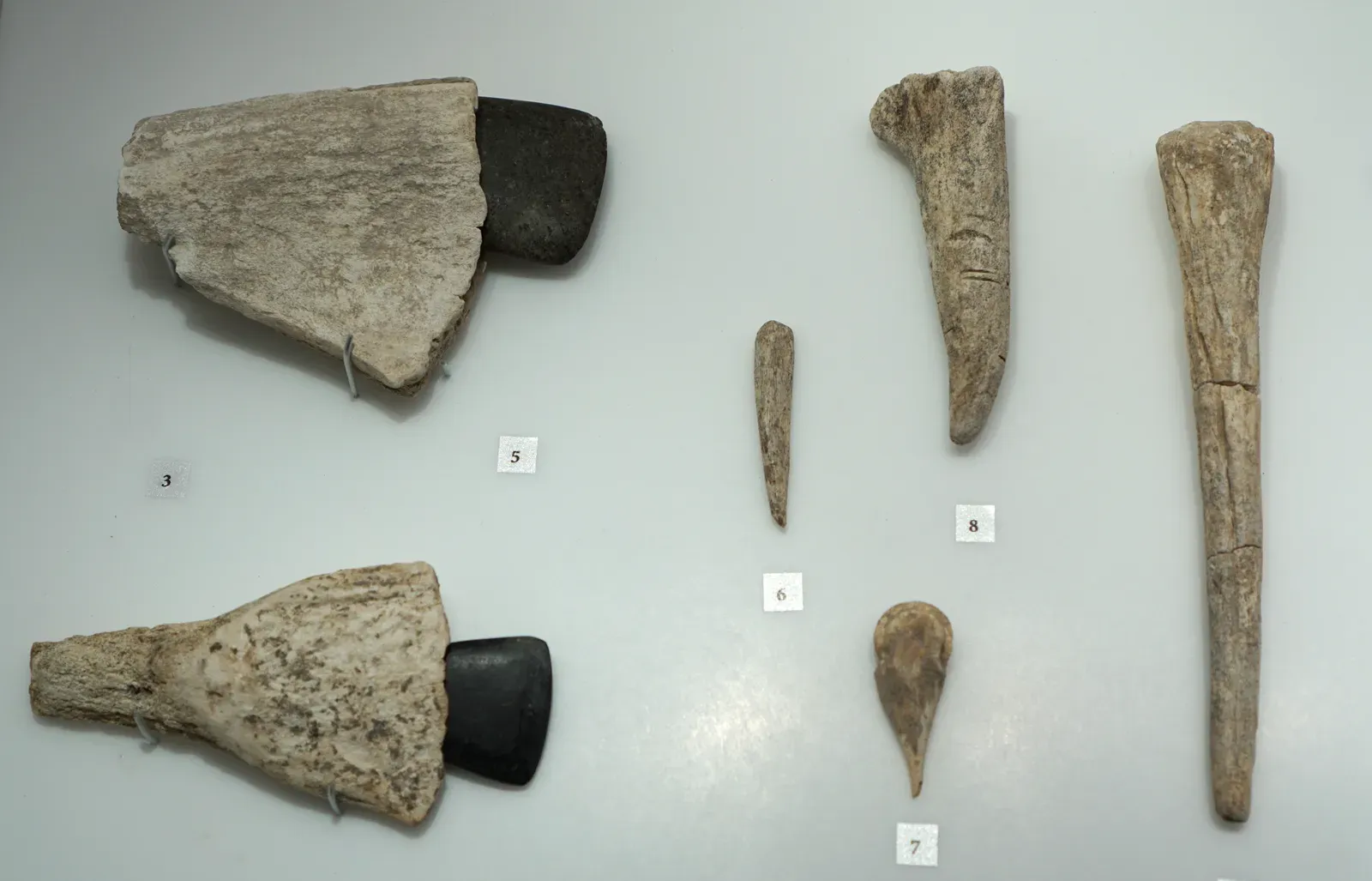
One of the funniest and most ridiculous parts of The Flintstones is its gadget obsession: stone record players with birds for needles, mammoths repurposed as vacuum cleaners, and cameras powered by tiny animals. The writers basically took mid‑century appliances and asked, “What if this, but rock and a slightly abused animal?” Real Stone Age technology was far less slapstick and far more impressive: carefully knapped stone tools, bone needles, carved points, adhesives, fire control, and later on, complex composite weapons.
It’s not that Stone Age people lacked ingenuity; it’s that they focused on tools that meant the difference between eating and starving or freezing and surviving. Instead of pointless stone dishwashers, there were carefully designed scrapers to clean hides, blades to butcher efficiently, and grinding stones to process seeds. In a perverse way, the cartoon underestimates ancient humans: it turns them into gag inventors when in reality they were methodical engineers of survival. A real Paleolithic camp would look less like a prehistoric department store and more like a workshop where every tool earns its keep.
Animals and environment: dinosaur roommates vs. what actually lived when

This is the part that makes every paleontologist sigh: The Flintstones throws humans, dinosaurs, and giant Ice Age mammals into one big mash‑up like history is a buffet. In Bedrock, people ride dinosaurs to work, keep saber‑toothed cats as pets, and casually abuse poor prehistoric creatures as living household appliances. In reality, non‑avian dinosaurs had been gone for tens of millions of years before any Homo sapiens showed up, and even a lot of iconic megafauna were already fading out by the time farming appeared.
Now, it is true that humans did overlap with some very dramatic Ice Age animals, like mammoths, woolly rhinos, giant ground sloths in some regions, and big cats. But you still would not see a brontosaurus used as a crane at a quarry, because that kind of dinosaur was already ancient history long before even our earliest stone tools. The real Stone Age environment varied hugely by region and period: dense forests, open grasslands, coasts, riversides, ice‑edge landscapes, each demanding different skills. Bedrock flattens all of that diversity into a single vague “prehistoric” vibe with palm trees and rocks, which is about as accurate as saying medieval Europe and modern Tokyo look basically the same because both have buildings.
Social life, gender, and family: sitcom nuclear family vs. flexible bands
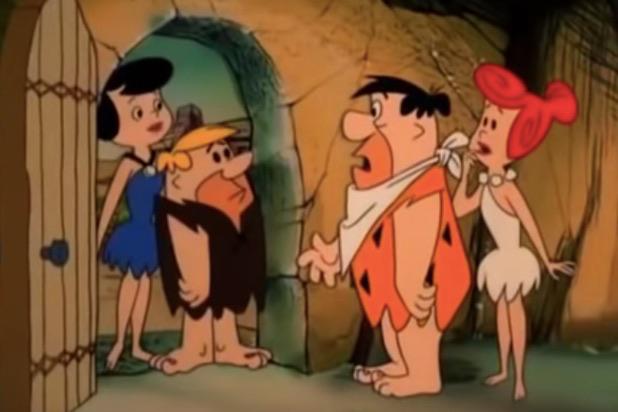
The Flintstones is aggressively, almost painfully, modeled on a mid‑twentieth‑century suburban family: husband at work, wife at home, baby in a crib, neighbor couple next door with similar setup. That template says much more about the era when the show was written than about any actual Paleolithic social structure. Archaeology and comparative anthropology suggest Stone Age groups were typically made up of small, related bands with complex sharing networks, less rigid nuclear family isolation, and far more social fluidity than a neat row of stone houses on one Bedrock street.
Gender roles in the show are just 1960s stereotypes in animal skins, with men as breadwinners and women as domestic managers. Evidence from burial sites, skeletal remains, and tool wear patterns suggests a much more complicated reality, where women also hunted in some contexts and men participated in gathering and childcare, depending on environment and culture. If anything, the real Stone Age probably featured more cooperation across genders and ages than the cartoon allows. The sitcom version freezes human life into a narrow domestic script, while the archaeological record keeps hinting that our ancestors were better at adapting their social roles than we usually give them credit for.
Brains, art, and culture: bumbling caveman jokes vs. genuinely sophisticated minds
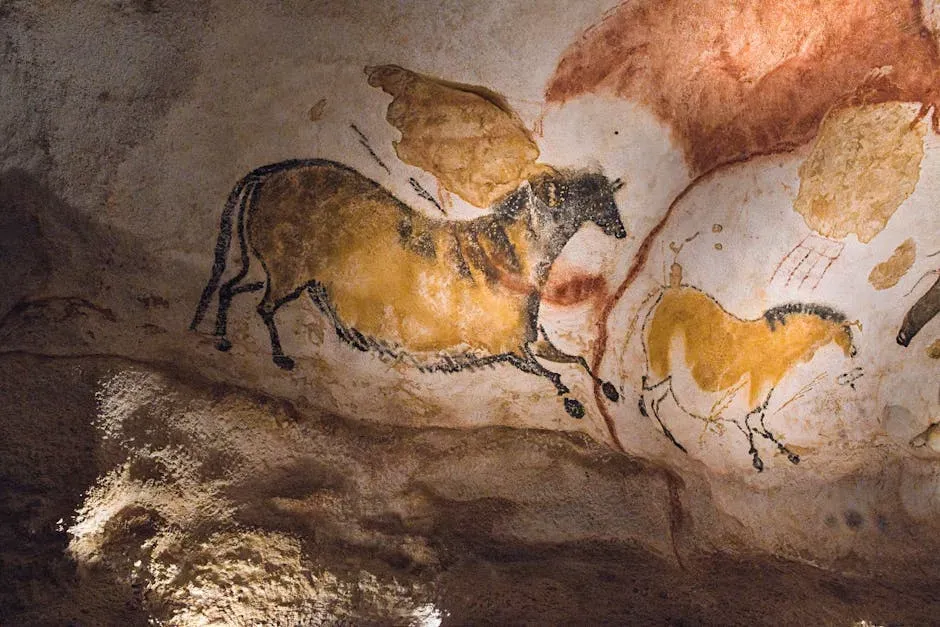
Cartoon cavemen are usually portrayed as loud, impulsive, and frankly a bit dim, just smart enough to shout and swing a club. That image crashes pretty hard when you look at real Stone Age evidence: intricate cave paintings, carved figurines, elaborate burials, musical instruments, and long‑distance trade of materials like obsidian or shells. Those things require planning, symbolism, memory, and shared meaning – exactly the kind of cognitive depth you see in modern humans.
We also know that by the later Stone Age, people were shaping landscapes with fire, managing resources, and passing down knowledge across generations. That is not the behavior of clueless brutes; that is the behavior of people who can imagine futures, tell stories, and cooperate at scale. The embarrassing part is not that The Flintstones is silly – of course it is – it is that many of us still half‑inherit that shallow picture of our ancestors as barely more than animals. The reality is that Stone Age brains were our brains, just operating in a radically different world and solving problems with stone instead of smartphones.
Conclusion: why this goofy mismatch actually matters
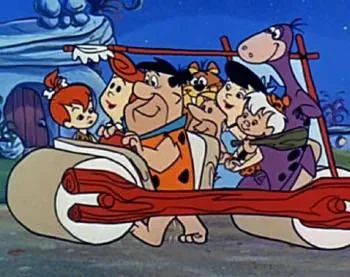
It is easy to laugh off The Flintstones as harmless fun, and to be fair, it was never trying to be a documentary. But the show leaves a weird aftertaste in how we think about the deep past, shrinking an enormous, wild, and ingenious part of human history into a stone‑clad version of mid‑century suburbia. That is not just inaccurate; it quietly sells our ancestors short, turning them into caricatures instead of the tough, adaptable, creative people they had to be just to make it to the next season’s migration.
Personally, I think we should lean into the embarrassment a bit: admit that our pop‑culture Stone Age is basically fan fiction, then use that as a springboard to learn what really happened. The real story – migrating across continents, surviving climate swings, inventing art and complex tools out of almost nothing – is far more dramatic than anything in Bedrock, even without dinosaur forklifts. Next time you picture a “caveman,” maybe trade the bowling shirt and cartoon quarry for a skilled toolmaker watching the firelight flicker on a cave wall painting. Which version feels more impressive to you now?