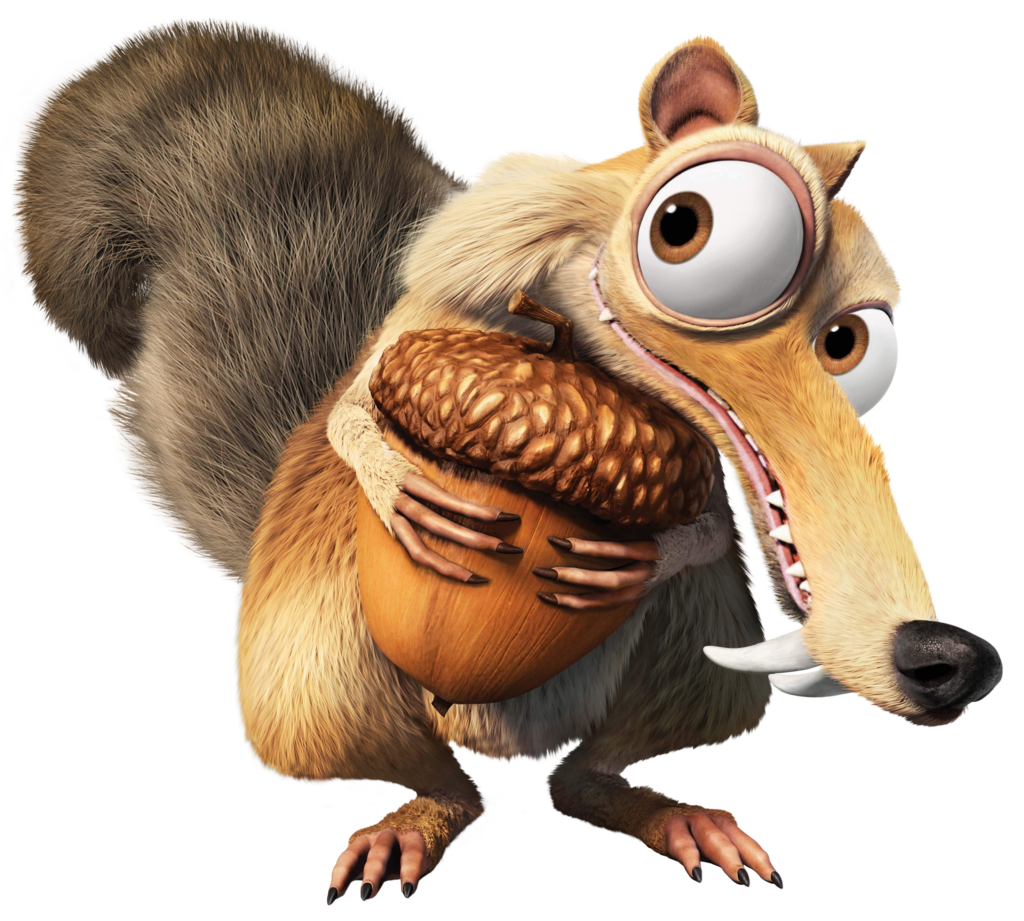
There’s a good chance that if someone mentions the Ice Age movies, the very first image that pops into your mind isn’t a mammoth, a sloth, or a sabretoothed tiger. It’s a bug-eyed, jittery, sabretoothed squirrel hanging off the edge of a cliff, clutching an acorn like it’s the last treasure in the universe. Scrat appears for just a few minutes at a time, says absolutely nothing, and yet he’s the character people talk about years later. That alone is a bit of a mystery worth unpacking.
Why does a side character, built on a single running gag, stick in our memories more than the actual heroes of the story? There’s something almost embarrassingly human about watching him fail over and over again while we laugh, wince, and secretly root for him to finally get that nut. Underneath the slapstick and the screaming, Scrat’s little saga touches on psychology, animation craft, and the weird way our brains bond with tiny stories. Once you start pulling on that thread, his acorn chase suddenly looks a lot bigger than it seems.
The Silent Scream: Why We Instantly Understand Scrat Without a Word
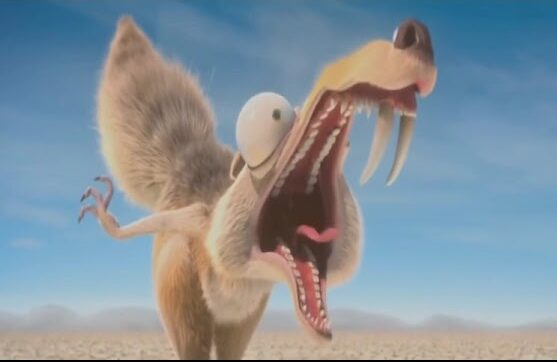
Have you ever noticed that you know exactly what Scrat is thinking even though he never says a single line? His entire performance is carried by body language, timing, and sound design, echoing the golden age of silent comedy. The extreme facial expressions, trembling paws, and wild eye movements tap into something basic in how humans read emotion: we’re wired to decode exaggerated gestures and expressions, especially in faces with big eyes and clear silhouettes. That design choice makes Scrat’s panic and obsession feel obvious, even to kids too young to follow complex plots.
This kind of pantomime acting is straight out of the toolkit that made early screen comedians unforgettable. Scrat climbs, dangles, slips, and crashes with the same clarity of intent you see in classic silent shorts: you always know what he wants, what just went wrong, and what will probably go wrong next. Because nothing is explained with dialogue, your brain fills in the emotional gaps and almost collaborates with the scene. You’re not just watching a gag; you’re constantly predicting it, flinching with it, and finishing the joke in your own head.
The Physics of Pain: How Slapstick Turns Disaster Into Laughter
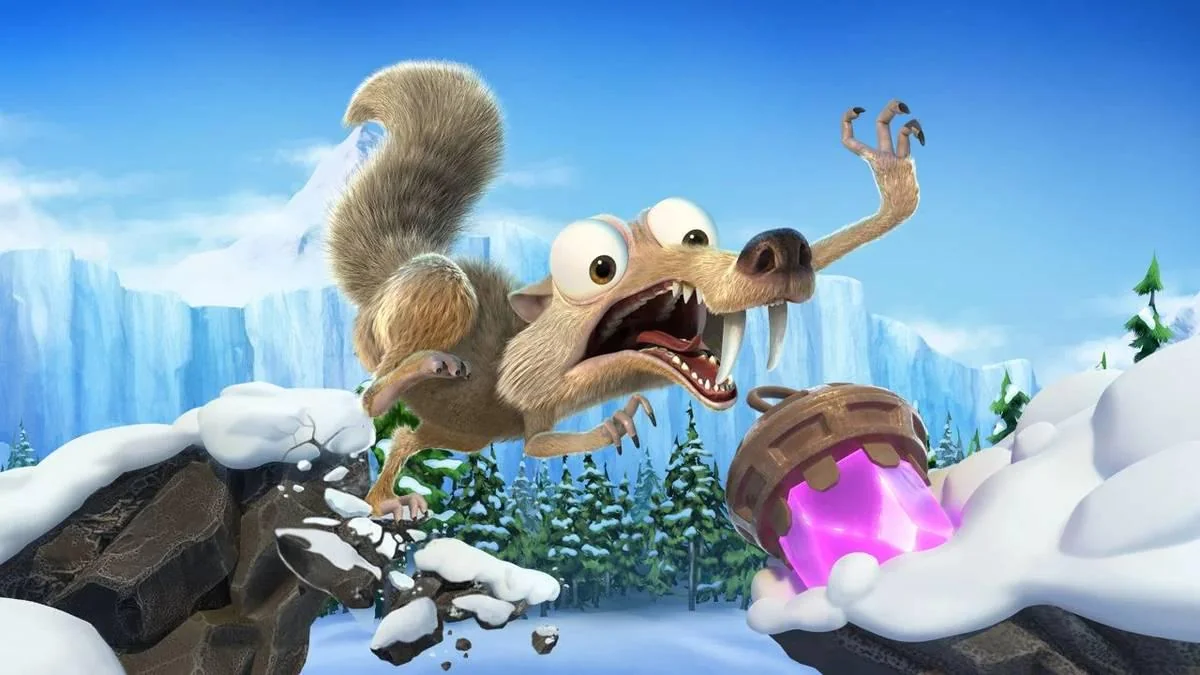
On paper, Scrat’s existence is brutally simple: try to save the acorn, get hurt. Repeat. Yet we laugh instead of cringing in horror because the animation leans into a very particular kind of cartoon physics. His body bends, stretches, and survives the impossible, so the pain registers as impact rather than injury. That visual exaggeration creates a safety net for the audience; we feel the shock but not the trauma. It’s the same logic that makes an anvil falling on a cartoon character feel funny instead of horrifying.
Timing is the secret engine here. Just before every fall, crack, or explosion, there’s a tiny pause, a breath where you see the realization dawn in his eyes. That hesitation triggers anticipation and ramps up the emotional payoff when everything inevitably collapses. The harder he tries, the worse it gets, and the sharper the comedic rhythm feels. It’s a feedback loop: tension builds, catastrophe hits, and the reset is fast enough that you’re ready for another round before guilt can catch up with your laughter.
The Obsession Loop: Why We Relate To A Squirrel Chasing A Nut
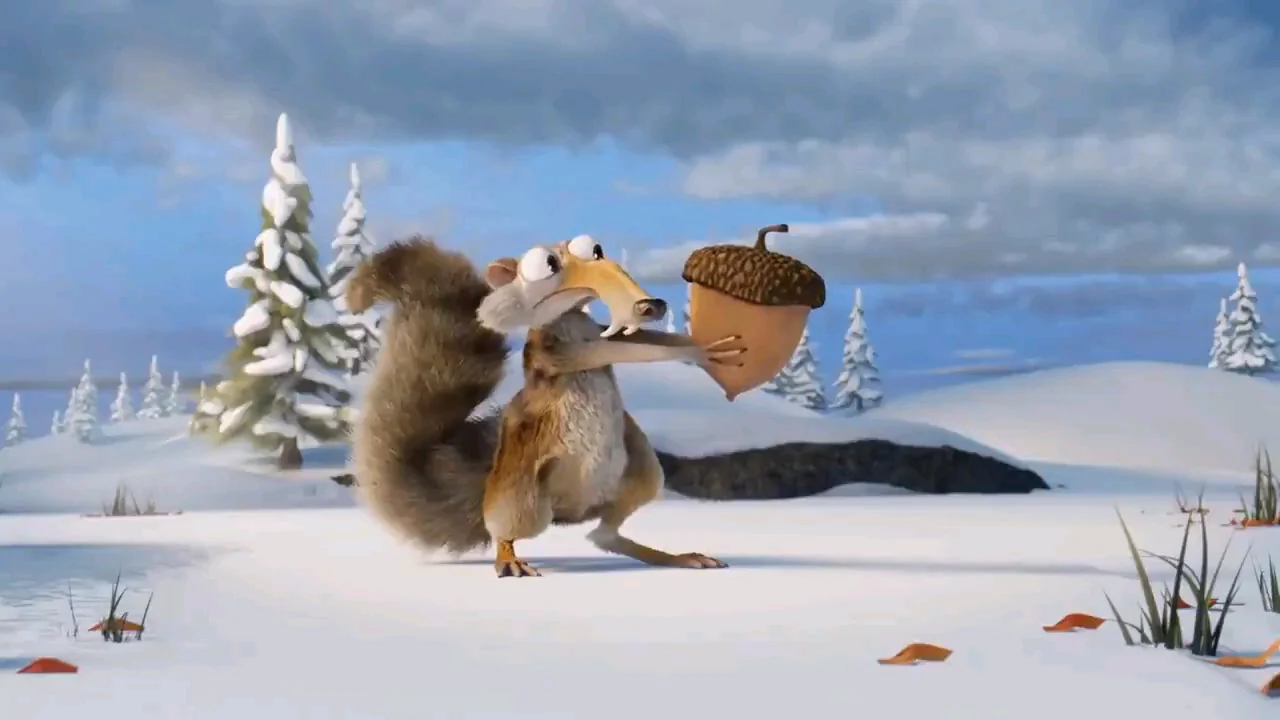
Strip away the fur and prehistoric setting, and Scrat is basically a walking diagram of human obsession. He has one goal, it never really changes, and he never truly learns from past disasters. That stubbornness is absurd, but it’s also uncomfortably familiar. Most people have had some version of that acorn: a project, a dream, a relationship, or a status symbol they chase long after it stops making sense. Watching Scrat cling to his nut as glaciers crack and worlds fall apart around him is like seeing our own tunnel vision in fast-forward.
Psychologically, his arc runs on a simple but powerful loop: hope, effort, setback, renewed hope. Because the stakes are crystal clear and always personal for him, we instinctively slot ourselves into his perspective, even while we laugh at him. We know he’s making terrible decisions, but his perseverance taps into something we admire despite ourselves. There’s a guilty recognition in that mix of empathy and amusement, as if we’re watching the funniest version of our own most stubborn mistakes play out in miniature.
The Side-Story That Steals The Show: Micro-Narratives In A Macro World
One of the strangest things about Scrat is how effectively he hijacks attention despite being mostly disconnected from the main plot. His scenes function like tightly crafted short films dropped inside a larger narrative. Each mini-story has its own setup, escalation, and punchline, usually wrapped within a couple of minutes. That compact structure makes his moments feel satisfying all by themselves, which is why audiences often remember his segments more vividly than major story beats from the actual heroes.
There’s also a rhythm to how his scenes are placed. They act as pressure valves during heavier or slower stretches of the film, snapping the audience back into focus with quick, precise chaos. This alternating pattern of emotional tones keeps the overall experience from feeling monotonous. In a way, Scrat is like the percussion track under a song: you might not describe the story in terms of him, but he’s the beat that keeps your attention hooked and your memory primed.
The Design Of A Classic: Shapes, Sounds, And Anxious Energy
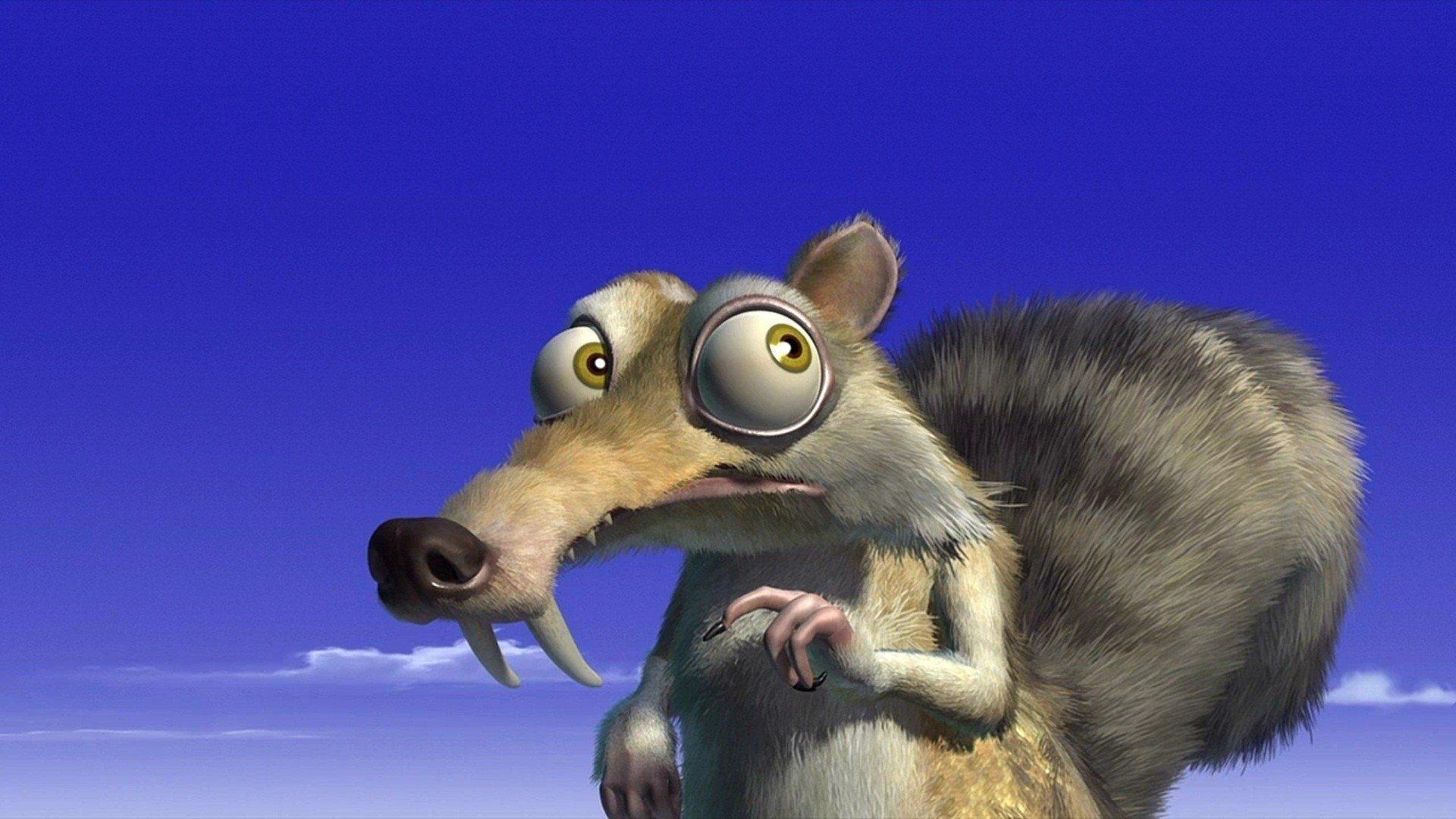
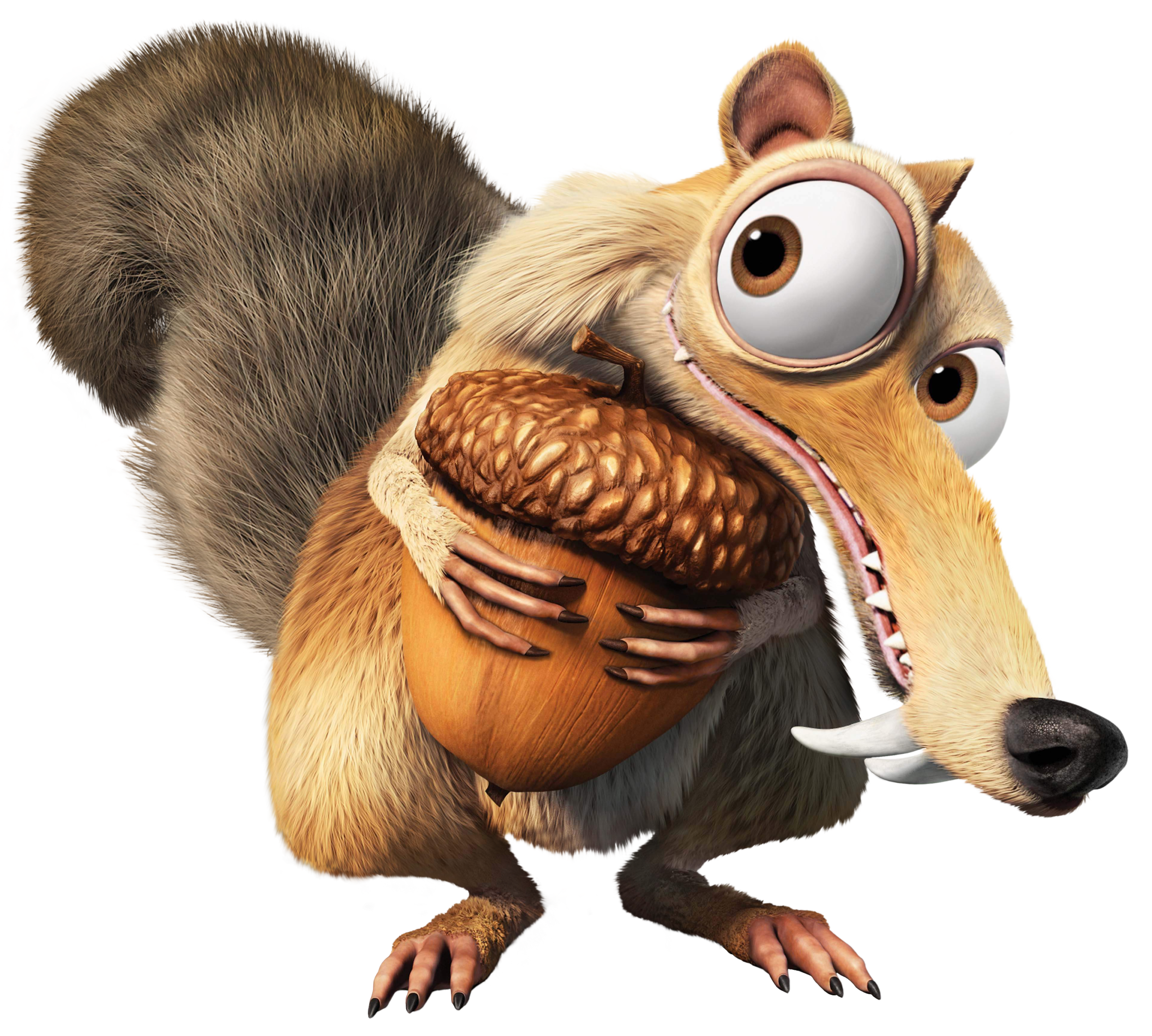
Scrat’s visual design is not an accident; it’s a distilled set of choices meant to scream desperation and frazzled energy at a glance. His long snout, oversized eyes, and wiry limbs combine familiarity with oddness, making him both endearing and slightly unhinged. The acorn itself is deliberately simple and visually distinct, a clean, round shape against rough, icy environments. That contrast makes it easy for the eye to track the nut in the middle of chaotic action, so you always know exactly what is at stake in every frame.
Sound design multiplies the effect. The frantic chittering, sharp gasps, and squeals are pitched to cut through any background noise and direct your attention like a spotlight. Even the tiny scrapes, crunches, and thuds are carefully exaggerated, so every slip and collision lands with a satisfying sensory punch. Put together, these choices create a character who feels like concentrated anxiety made adorable. The moment he appears on screen, your brain wakes up a little, because his very presence promises something off-balance is about to happen.
The Global Gag: How Scrat Crossed Languages, Ages, And Cultures
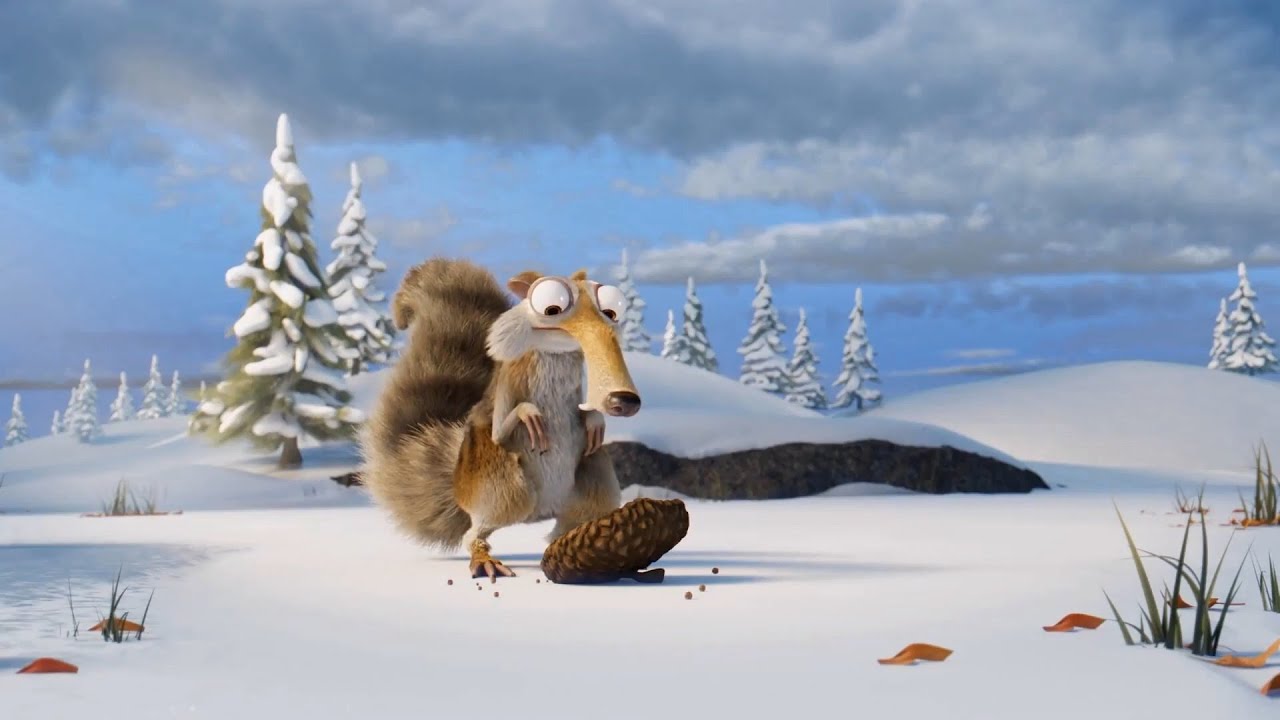
One of the most remarkable things about Scrat is how effortlessly his comedy travels. Because his stories are nonverbal and rooted in universal emotions like fear, frustration, and joy, they bypass language barriers entirely. A child in one country and an adult in another can watch the same scene and laugh for essentially the same reasons. In an industry where humor often depends on cultural references or wordplay, a character like Scrat is gold: he works everywhere, for almost everyone, without requiring adaptation.
This universality also explains his massive merchandising and meme presence over the years. Short, self-contained moments of exaggerated struggle are easy to clip, share, and repurpose, especially in an internet culture built around reaction images and looping videos. Scrat’s expressions of shock, desperation, or tiny triumph fit neatly into almost any joke format. He turned into a kind of shorthand for hilarious failure, a character people might reference even if they barely remember the main storyline that originally contained him.
Beyond The Laughs: Why Scrat Deserves His Spot In Animation History
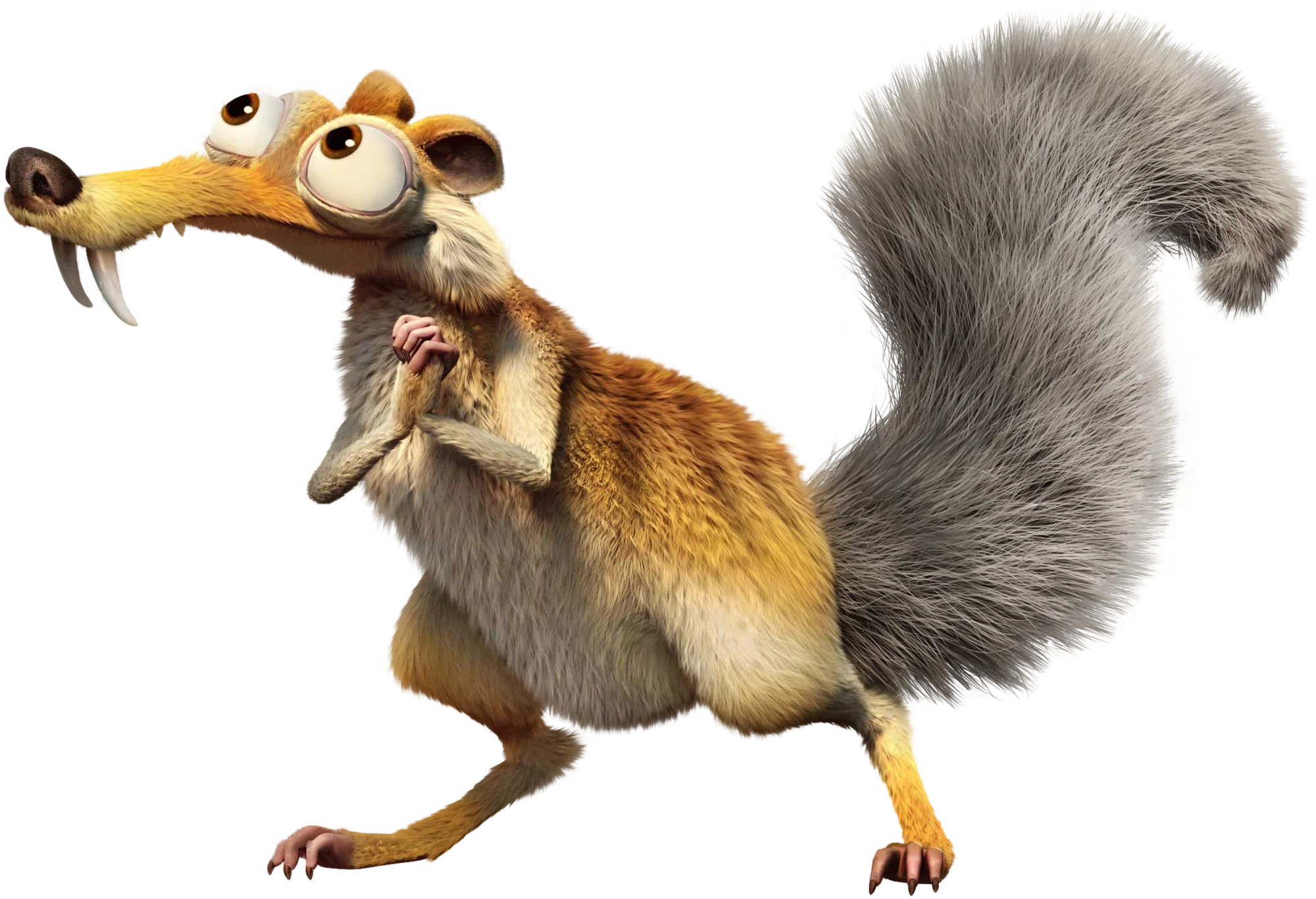
It’s tempting to treat Scrat as just a running joke that happened to catch on, but that undersells what he represents in animation history. He’s a modern demonstration that the fundamentals of visual comedy discovered in early cinema still work brilliantly when handled with care. In an era packed with complex plots and dense dialogue, a silent, obsessive squirrel reminded everyone that timing, clarity, and strong character motivation can carry an audience without a single spoken word. That is not just cute; it is craft.
Personally, I think Scrat’s real legacy is that he proved how a tiny, tightly focused idea can overshadow entire epic narratives when executed perfectly. He’s living proof that you do not need prophecy, destiny, or world-ending stakes to burn a character into the public imagination. You just need a goal, a personality, and a relentless commitment to the bit. In that sense, calling his acorn chase one of the most memorable comedies in animation history is not an exaggeration. It’s an uncomfortable reminder that sometimes the smallest, weirdest side quest ends up stealing the whole show. Did you expect a panicked prehistoric squirrel to carry that kind of weight?