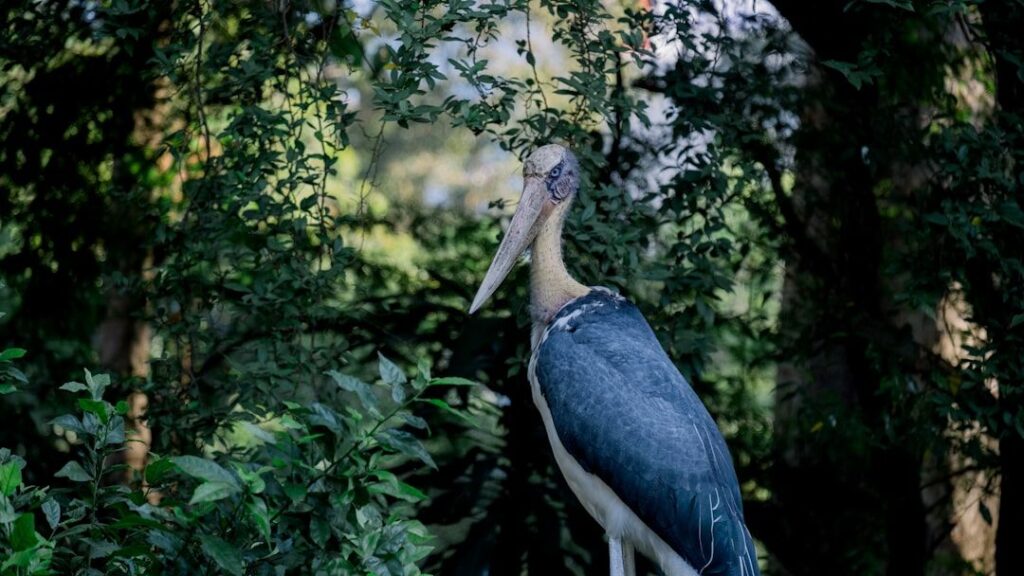
The next time you watch a sparrow perch on a branch or a hawk circle overhead, you’re looking at something far older than you might realize. What you’re seeing isn’t just a bird – it’s a living dinosaur, carrying forward a biological story that began well over 160 million years ago. That’s not metaphor or poetic license. It’s what the fossil record, molecular biology, and decades of careful scientific analysis all converge on.
Most of us grew up picturing dinosaurs as enormous, scaly, slow-moving lizards that vanished in a fiery instant. The reality is far more nuanced, and honestly more fascinating. Birds that fill the world’s skies today are living dinosaurs, reminders of a distant and strange past, and decades of major discoveries have convinced researchers that there’s a direct link between modern bird species and theropod dinosaurs. The story of how we got from Velociraptor to a robin is one of the most extraordinary in all of natural history.
The Theropod Family Tree: Where You Fit Into the Picture
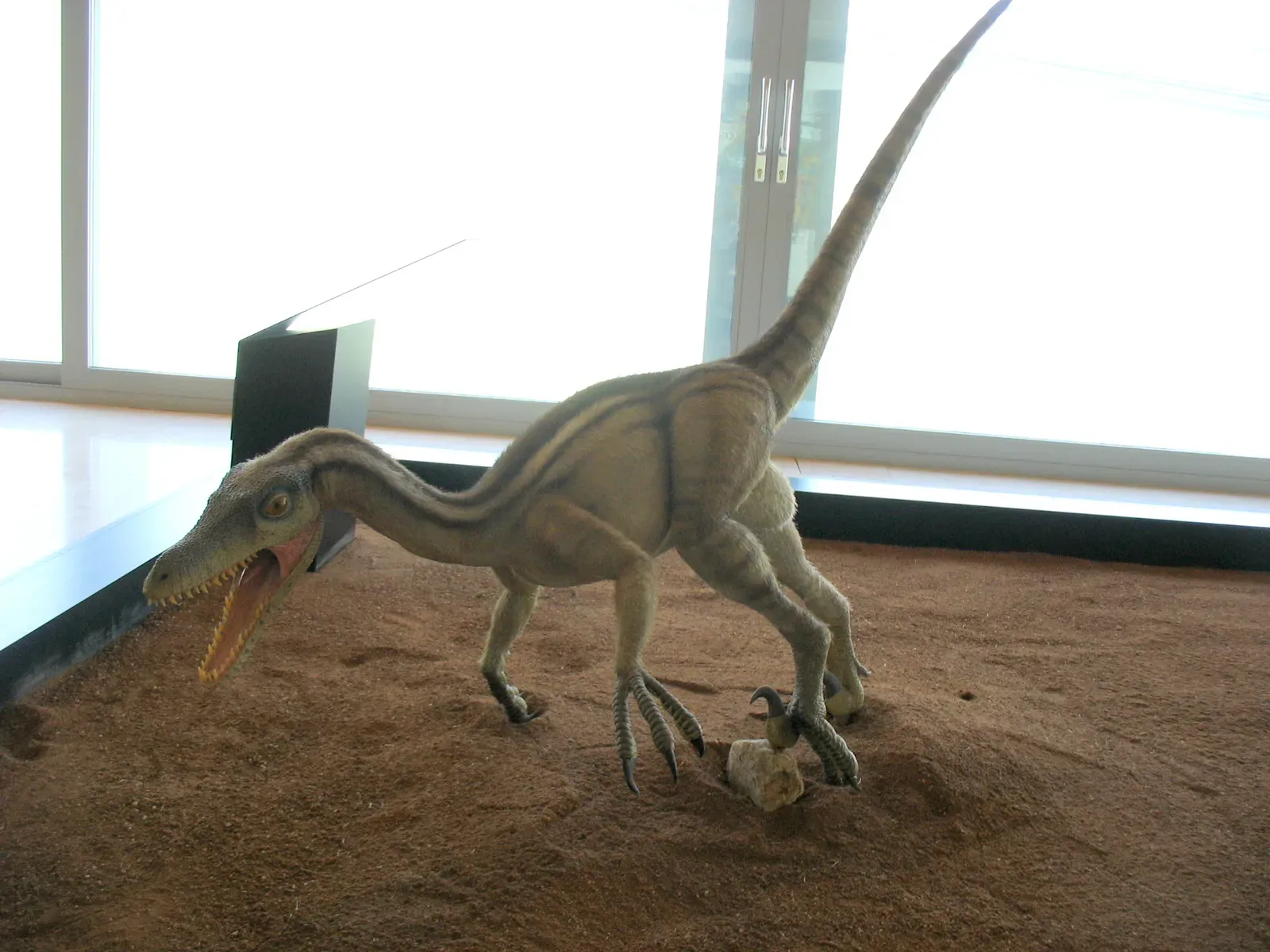
You might be surprised to learn that the branch of the dinosaur family tree that gave rise to modern birds wasn’t the biggest or most imposing. Modern birds descended from a group of two-legged dinosaurs known as theropods, whose members include the towering Tyrannosaurus rex and the smaller velociraptors, though the theropods most closely related to birds generally weighed between 100 and 500 pounds – giants compared to most modern birds. That means if you’re looking for our feathered ancestors, you’d be looking at creatures considerably smaller and more agile than the blockbusters would have you believe.
The present scientific consensus is that birds are a group of maniraptoran theropod dinosaurs that originated during the Mesozoic era. Within that broader theropod group, a substantial amount of evidence demonstrates that birds evolved during the Jurassic from small, feathered maniraptoran theropods closely related to dromaeosaurids and troodontids, known collectively as deinonychosaurs. It’s a lineage that connects the pigeon on your windowsill to some of the most remarkable creatures that ever walked the Earth.
Archaeopteryx: The Fossil That Changed Everything
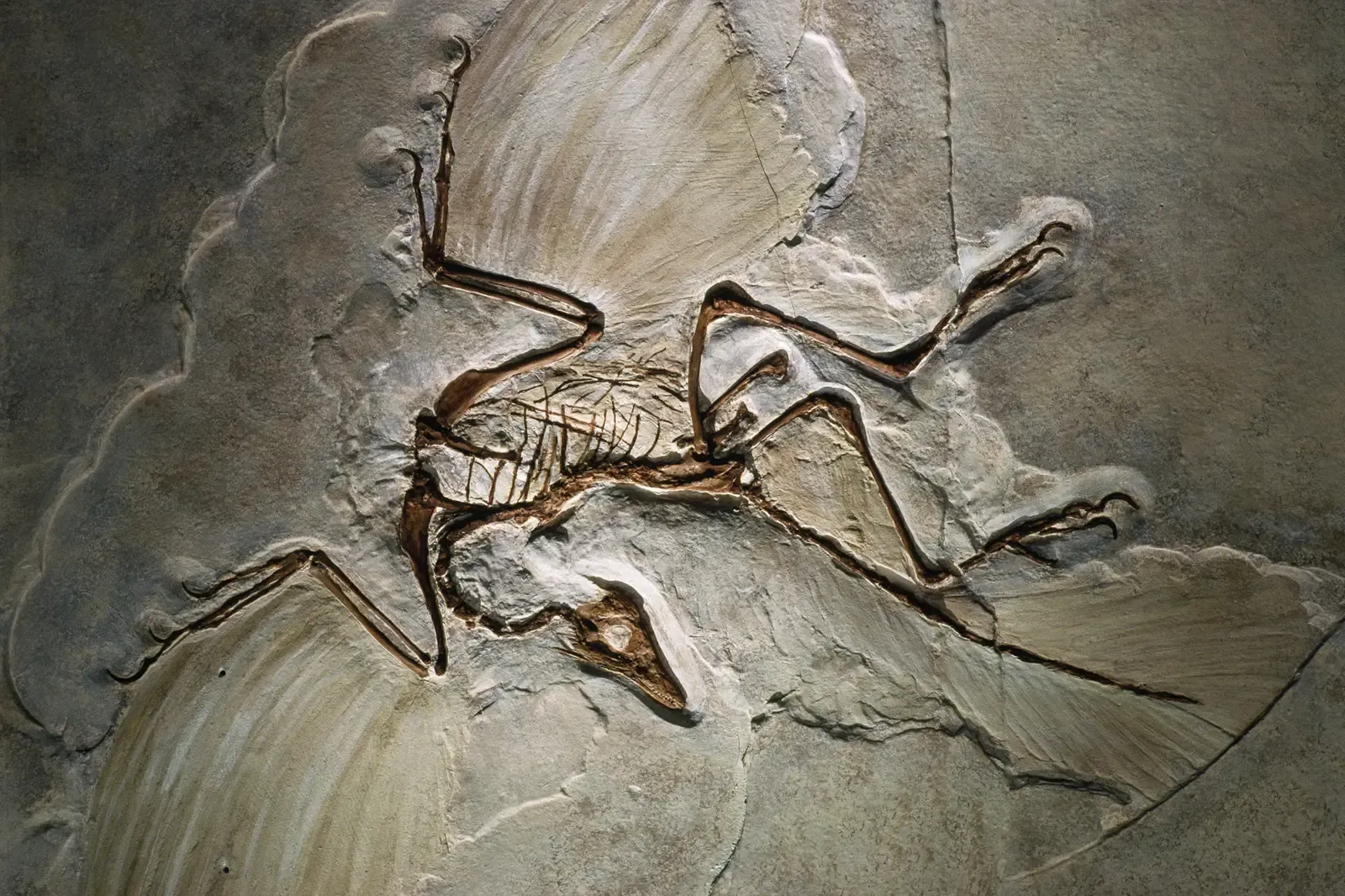
Archaeopteryx, the first good example of a feathered dinosaur, was discovered in 1861, with the first specimen found in the Solnhofen limestone in southern Germany – a rare and remarkable geological formation known for its superbly detailed fossils. Its timing was almost poetically perfect. Discovered just two years after Darwin’s seminal Origin of Species, its discovery spurred the nascent debate between proponents of evolutionary biology and creationism.
Archaeopteryx had feathers, hollow bones, and wings, was roughly the size of a raven, and had a wishbone, or furcula – a hallmark feature of birds today. Yet it also had a mouth full of sharp teeth and a long, bony tail. This early bird is so dinosaur-like that, without a clear impression of feathers in the surrounding rock, at least one specimen was mistaken for Compsognathus. That tells you something remarkable about just how blurred the line between dinosaur and bird really was.
Feathers Before Flight: A Discovery That Rewrote Textbooks
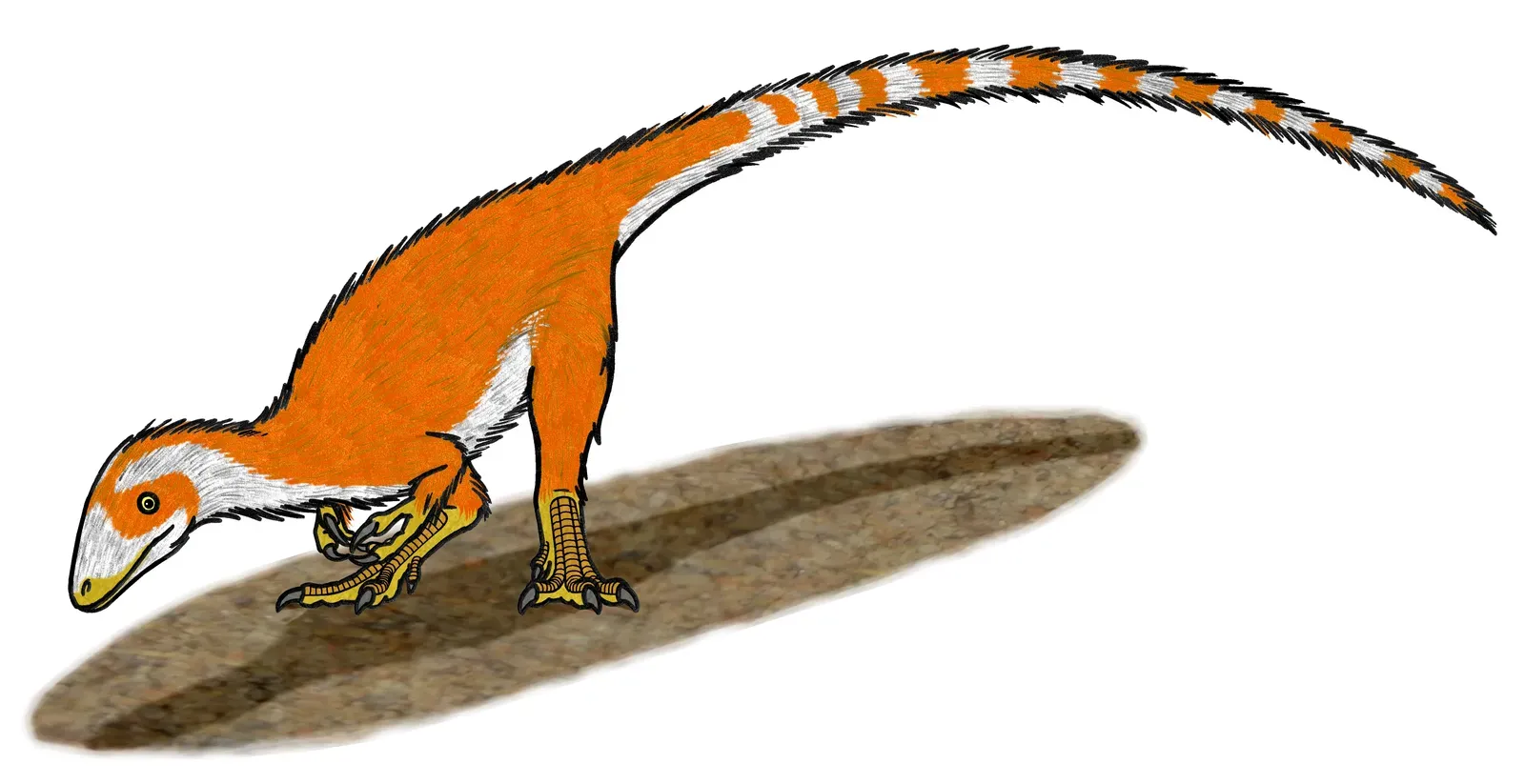
Until recently, feathers were regarded as uniquely avian – the defining feature of what it meant to be a bird. This idea was so strongly held that the mere presence of feather impressions around the skeleton of Archaeopteryx was enough to cement its status as the earliest-known bird, and the origins of birds, feathers, and flight were considered closely correlated in most early narratives on bird evolution. Then China changed everything.
Sinosauropteryx fulfilled what paleontologists had been looking for – fossilized feathers along the neck, back, and tail of the dinosaur left no doubt that birds had evolved from feathery dinosaur ancestors. Sinosauropteryx was not a bird. The 124-million-year-old dinosaur belonged to a group of small carnivores called compsognathids, and its feathers were more of a wispy fuzz. Fossil feathers from Sinosauropteryx contain traces of beta-proteins, confirming that early feathers had a composition similar to that of feathers in modern birds. The connection was no longer circumstantial.
Shared Bones, Shared Blueprint
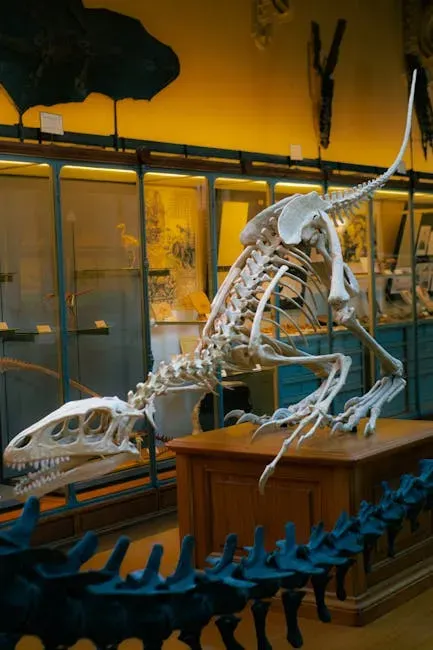
Birds have retained the bipedalism, hollowed bones, and the three fully developed toes of their theropod predecessors, and these animals also share a series of air spaces connected to the ear region, unique structures of their vertebral column and rib cage, elongate forelimbs with wrist bones allowing swivel-like movements of the hand, and similar structures in the pelvis and hindlimbs. That’s not a short list. These are deeply embedded architectural features, not surface similarities.
Many skeletal features previously thought to be exclusively avian – such as wishbones, laterally facing wingpits, and large breastbones – have now been discovered among nonavian maniraptorans. Over one hundred distinct anatomical features are shared by birds and theropod dinosaurs. When you hold that number in mind, the connection stops feeling surprising and starts feeling inevitable.
Warm Blood, Active Lives, and a Metabolism You’d Recognize
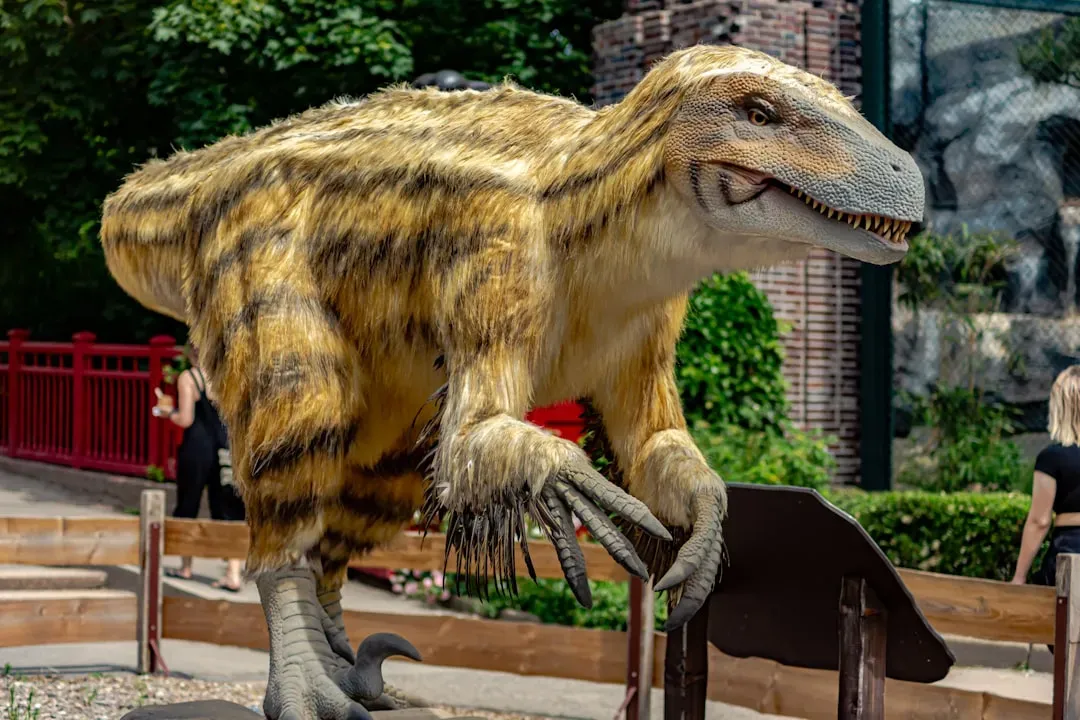
For dinosaurs closest to birds, there is so much evidence suggesting they were warm-blooded. Growth rates and insulation are the smoking gun. They grew fast – faster than reptiles from the same period, though not quite as fast as modern birds or mammals. This matters more than it might seem. Warm-bloodedness shapes everything from behavior to habitat range to the ability to raise young.
A filamentous covering on early theropods indicates that these dinosaurs were warm-blooded, since it would have automatically provided warmth, raising and stabilizing the animal’s normal body temperature. Walking on two legs, having feathers, laying eggs, and warm-bloodedness are all just inherited features from dinosaurs. In other words, you’re not looking at traits that birds invented – you’re looking at traits that dinosaurs already possessed, slowly refined over tens of millions of years.
Nesting, Brooding, and Parental Care Written in Stone
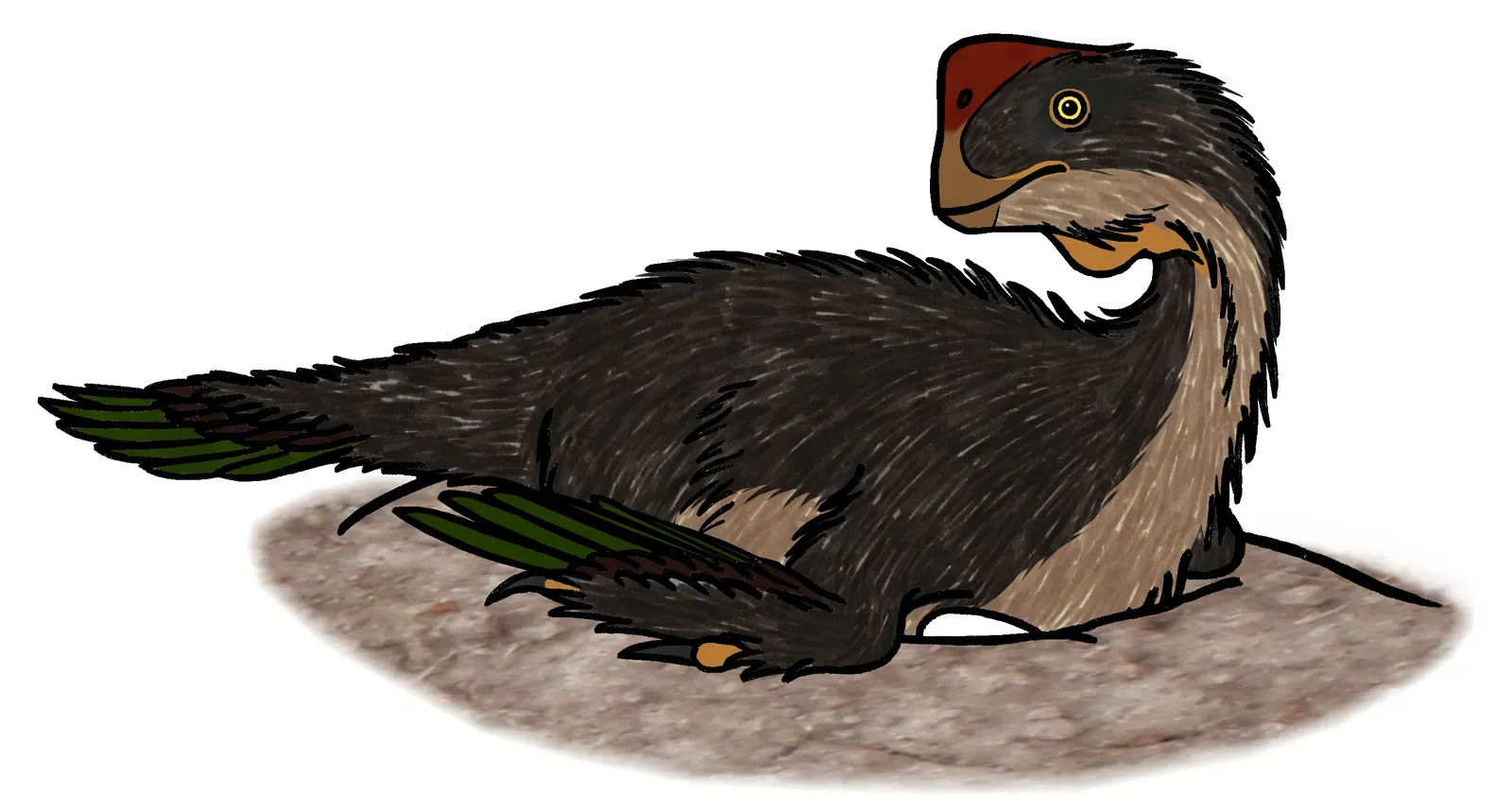
Fossil evidence demonstrates that birds and dinosaurs shared features such as hollow, pneumatized bones, gastroliths in the digestive system, nest-building, and brooding behaviors. These aren’t trivial overlaps. Parental investment is one of the most energetically costly strategies in nature, and the fact that it appears in both groups is telling. A specimen of the oviraptorid Citipati osmolskae was discovered in a chicken-like brooding position in 1993, which may indicate that they had begun using an insulating layer of feathers to keep the eggs warm.
Rare fossils also give us glimpses of the behavior of bird-like dinosaurs, such as Mei long, a small, duck-sized bipedal dinosaur from the Cretaceous era. It was found preserved in volcanic ash falls – captured curled up in a sleeping position very similar to how a lot of birds roost today. The presence of endosteally derived bone tissues lining the interior marrow cavities of a Tyrannosaurus rex specimen’s hind limb suggested that T. rex used similar reproductive strategies to modern birds, and also revealed that the specimen was female. The behavioral parallels run surprisingly deep.
The Evolution of Flight: More Complex Than You’d Think
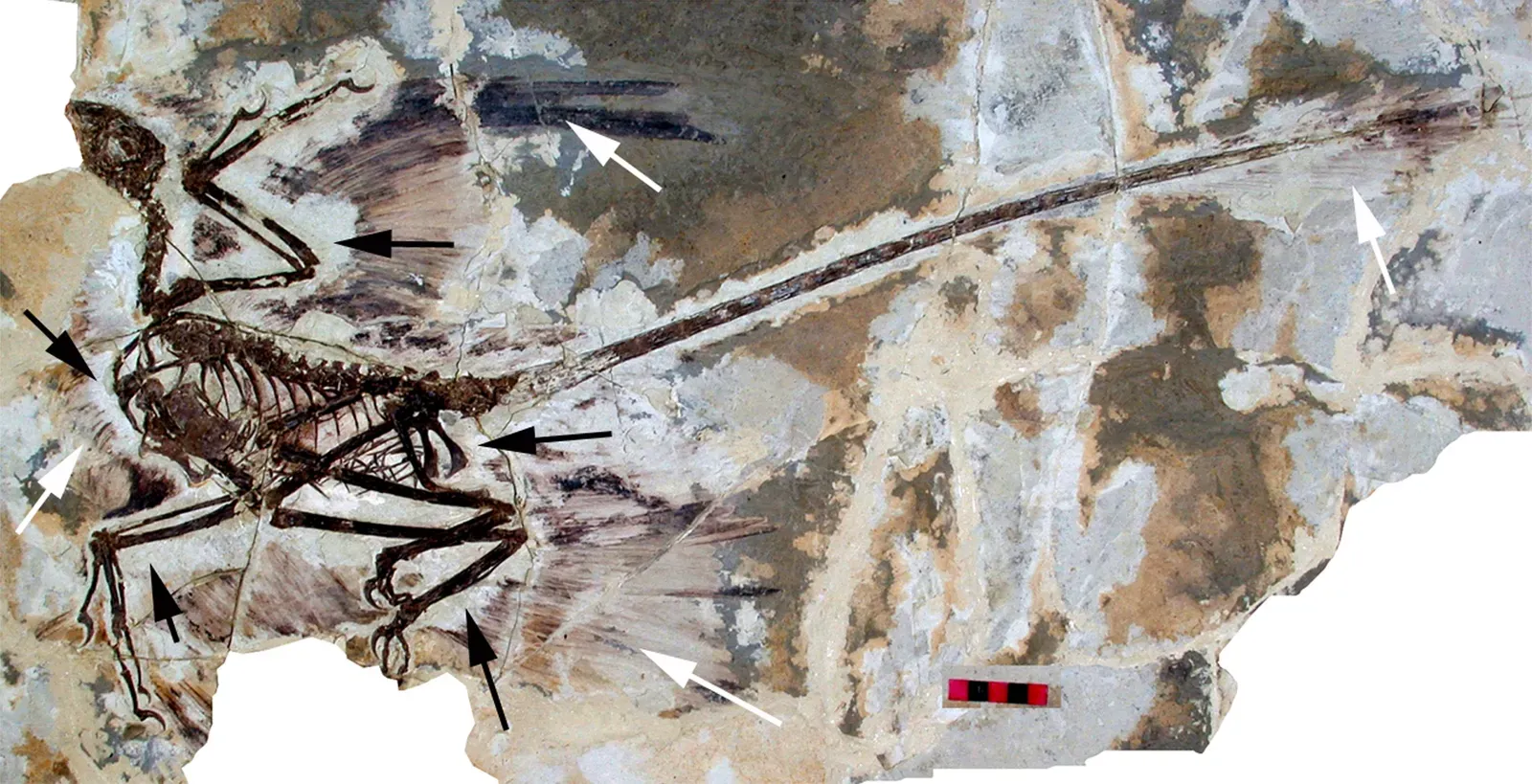
The gradual evolutionary change – from fast-running, ground-dwelling, bipedal theropods to small, winged, flying birds – probably started about 160 million years ago. The path from there to here wasn’t a single leap. Birds after Archaeopteryx continued evolving in some of the same directions as their theropod ancestors. Many of their bones were reduced and fused, which may have helped increase the efficiency of flight, and the bone walls became even thinner while feathers became longer and their vanes asymmetrical, probably also improving flight.
A stunning fossil of Microraptor described in 2003 revealed that it had long, specialized feathers growing from its hind legs as well as its arms. The reptile quickly became known as the “four-winged dinosaur,” and experts wondered what the arrangement might mean for the evolution of flight. Exactly how Microraptor flew isn’t entirely clear, but the non-avian dinosaur represents a different pathway for getting into the air and indicates that more than one feathery dinosaur lineage evolved to become airborne. Evolution, it turns out, was running several experiments simultaneously.
Shrinking Over Time: How Giants Became Sparrows
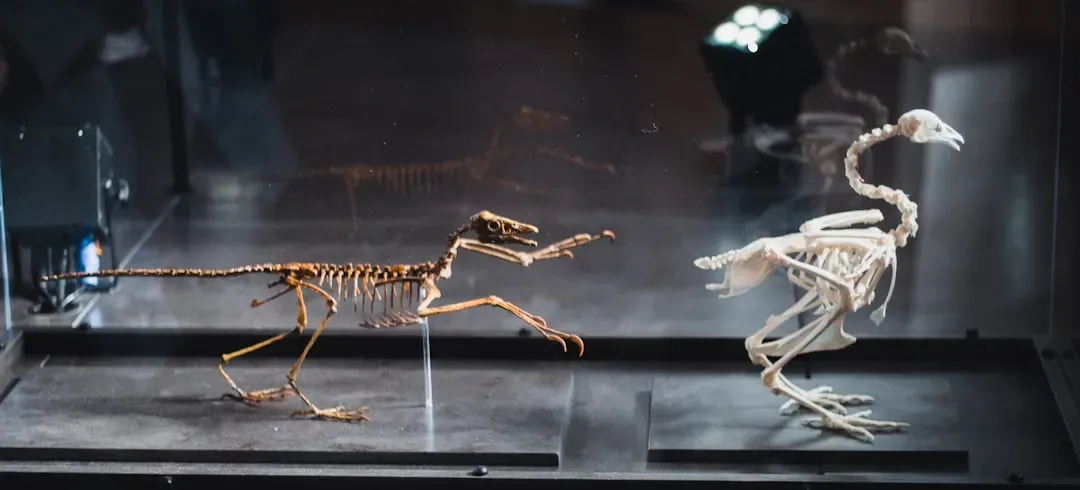
During the course of their evolutionary history, the body size of some theropod groups gradually decreased. This trend, together with many other changes to the skeleton, ultimately led to the appearance of birds. Size reduction is a recurring theme in this story, and it’s worth pausing on. Not only are birds much smaller than their dinosaur ancestors, but they closely resemble dinosaur embryos. Adaptations such as these may have paved the way for modern birds’ distinguishing features, namely their ability to fly and their remarkably agile beaks.
Modern birds became even more babylike and change even less from their embryonic form. This process, known as paedomorphosis, is an efficient evolutionary route. It’s a subtle but profound concept: rather than building something entirely new, evolution extended the juvenile form into adulthood and found that it worked remarkably well. The arms evolved to be longer than the legs as the main form of locomotion switched from running to flight, and teeth were lost repeatedly in various lineages of early birds.
Surviving the Apocalypse: Why Birds Made It Through
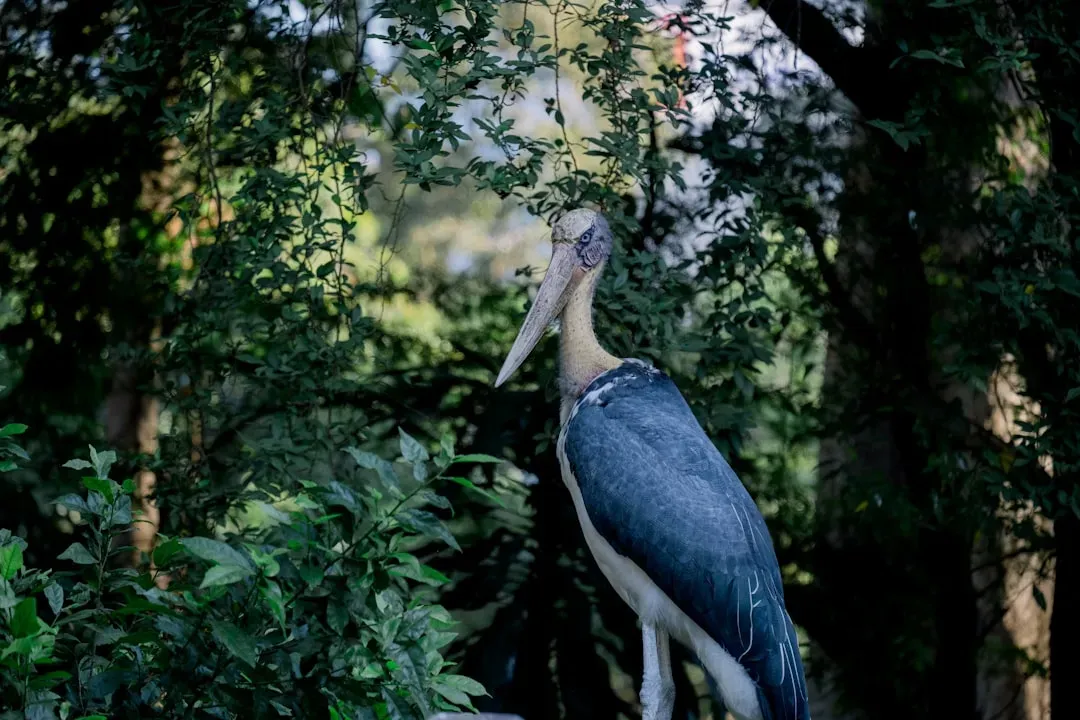
The Cretaceous–Paleogene extinction event was a major mass extinction of roughly three-quarters of the plant and animal species on Earth, which occurred approximately 66 million years ago. The event caused the extinction of all of the non-avian dinosaurs and most other tetrapods weighing more than 25 kilograms. What made the difference for birds wasn’t luck alone. The only birds that survived were ground-dwellers, including ancient relatives of ducks, chickens, and ostriches, and following the cataclysm, these survivors rapidly evolved into most of the lineages of modern birds we are familiar with today.
By the end of the Cretaceous, beaked birds were already eating a much more varied diet than their toothed relatives. These birds weren’t specialized on insects or other animal food, and so they were able to pluck up hard food items like seeds and nuts. In the aftermath of the extinction, when animal life was severely cut back, those hard, persistent little morsels got beaked birds through the hard times. Beaked birds were able to feed on the seeds of the destroyed forests and wait out the decades until vegetation began to return. Dietary flexibility, it turns out, was one of the most powerful survival tools in history.
What Modern Science Keeps Uncovering
Uploaded by FunkMonk, CC BY-SA 2.0)
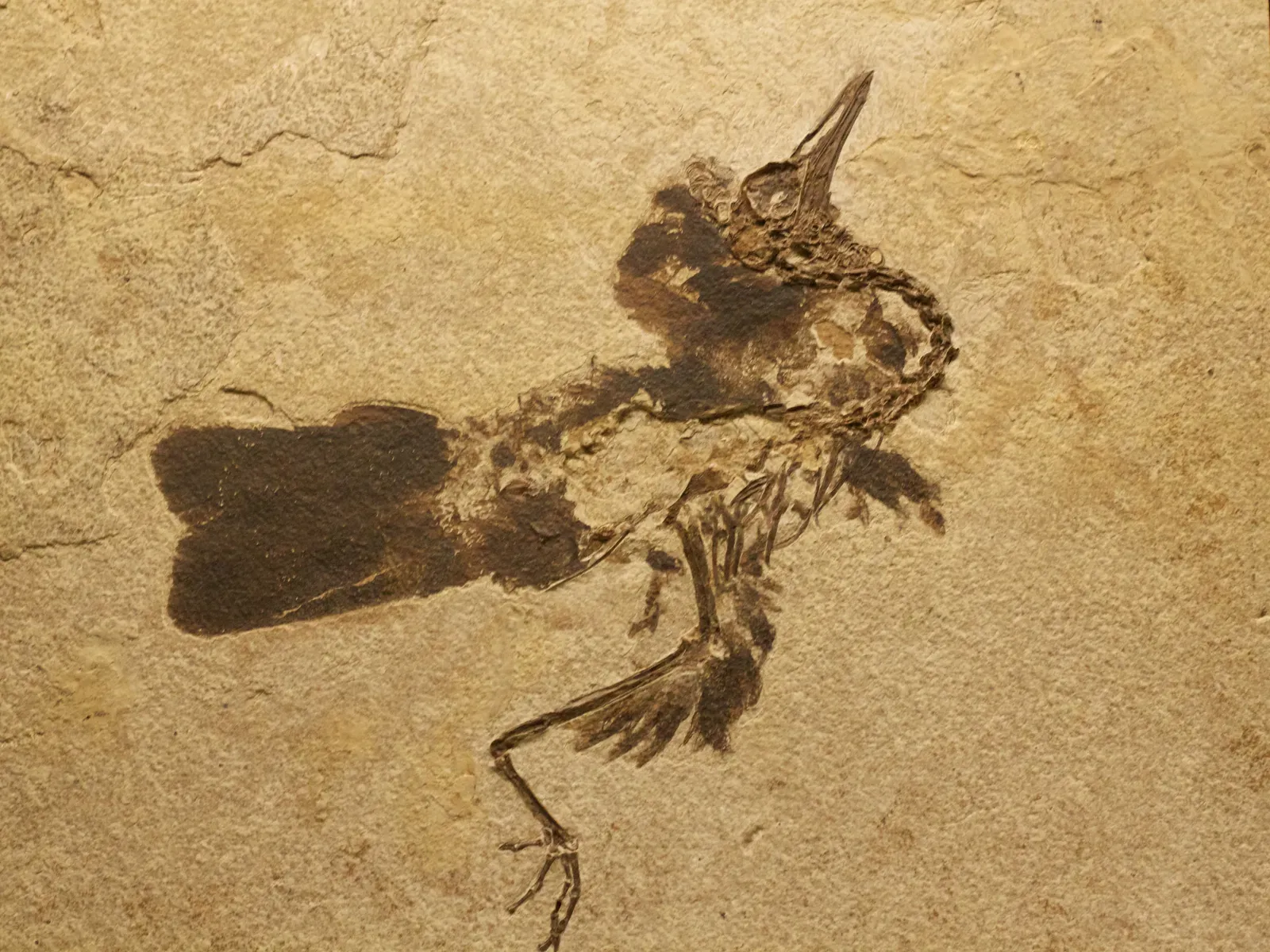
The fossil record tells us that the early ancestors of living birds began their evolutionary journey just after the mass extinction event caused by the asteroid, and a University of Michigan study has identified important changes in birds’ genomes sparked by the mass extinction, ultimately contributing to the incredible diversity of living birds. The study examined the evolutionary trajectory of all major bird groups and found evidence of “genomic fossils” in birds’ DNA that mark critical evolutionary steps as birds evolved into more than 10,000 living species. The story isn’t frozen in stone – it’s also written into the DNA of every bird alive today.
Recent years have witnessed tremendous progress in our understanding of the deep evolutionary origins of numerous distinctive avian anatomical systems, advances enabled by exciting new fossil discoveries, leading to an ever-expanding framework with which to pinpoint the origins of characteristic avian features. A wealth of recently discovered fossils has finally settled the century-old controversy about the origin of birds and has made the evolutionary saga toward modern birds one of the best documented transitions in the history of life. Science keeps refining the picture, and the picture keeps getting richer.
Conclusion
![Conclusion (Own work / [1], CC BY 2.0)](https://nvmwebsites-budwg5g9avh3epea.z03.azurefd.net/dinoworld/e84cd2a5314ef595f0877dcb4458d3de.webp)
The connection between dinosaurs and modern birds isn’t a loose analogy or a rough resemblance. It’s a direct ancestral line, documented in bones, feathers, behaviors, and now in genomic data stretching back across tens of millions of years. Every time a crow solves a puzzle, every time a heron stands motionless at a riverbank, every time a robin tilts its head to listen for earthworms – you’re watching the continuation of something ancient.
What makes this story especially worth sitting with is what it says about survival and change. Dinosaurs didn’t simply vanish. Some of them quietly transformed, shrank, took to the air, and outlasted everything else. The birds you see every day aren’t reminders of what was lost when the asteroid struck – they are what survived. And that’s a far more interesting ending than extinction.