
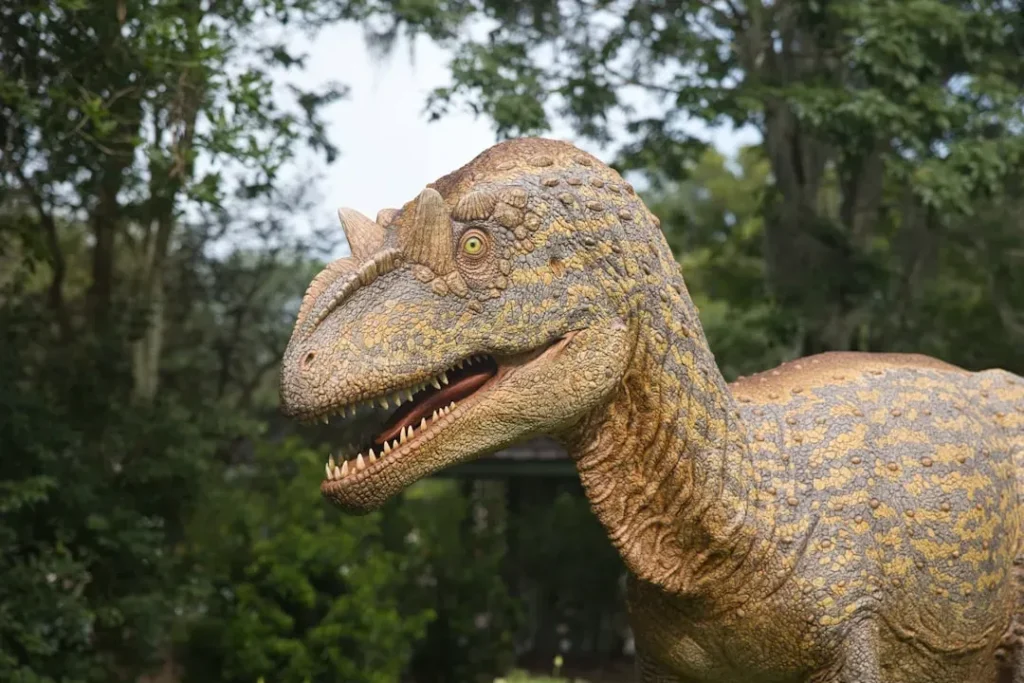
If you could peel back the surface of North America like pages in a history book, you’d step into a world that feels both alien and strangely familiar. Long before highways, cornfields, and skyscrapers, this continent was a patchwork of steaming swamps, inland seas, red deserts, and lush coastal plains where dinosaurs ruled for well over a hundred million years.
When you picture that world, it helps to remember that you are literally walking on their stage. The rocks beneath your feet, the cliffs you drive past on road trips, and the lonely badlands that look empty today are actually crowded with the silent evidence of their lives. Once you know what you are looking at, North America turns into a kind of time machine, and you can start to see how dinosaurs really lived, moved, hunted, and died here.
Steamy Coasts and Swampy Forests: Your Mental Time Machine to the Triassic
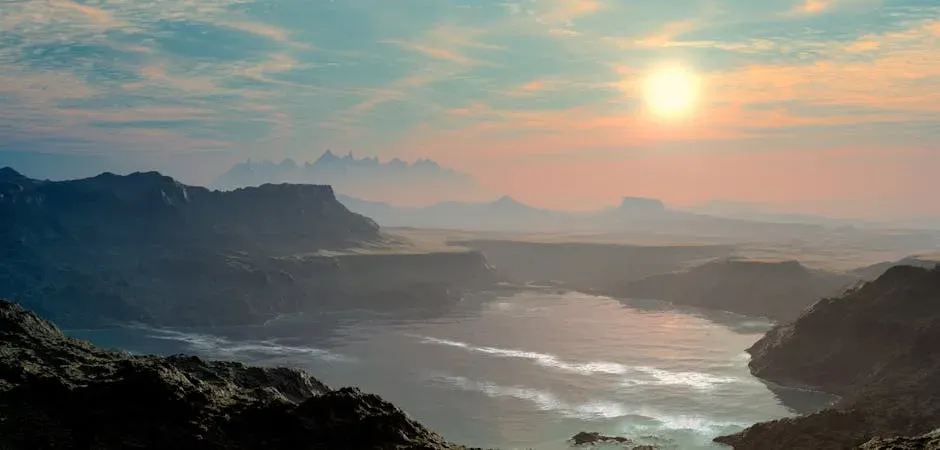
To understand how dinosaurs first appeared in North America, you have to rewind more than two hundred million years to the late Triassic period. If you stood in what is now the eastern United States back then, you wouldn’t see the familiar Atlantic Ocean; instead, you’d be looking at gigantic rift valleys, steamy lowlands, and forests of strange, primitive trees and ferns. The climate would feel hot and seasonal, with intense wet and dry periods, more like parts of modern-day India or East Africa than anything you know from North America today.
In this world, early dinosaurs were not yet the dominant giants you picture from movies. You’d see relatively small, lightly built creatures weaving among much more common reptilian rivals like large crocodile relatives and armored plant-eaters. If you were wandering along a muddy riverbank, you might spot delicate three-toed dinosaur tracks alongside big, crocodile-like footprints that crisscrossed the shoreline. Dinosaurs at this stage were fast and opportunistic, but they were still just one group in a crowded cast of weird Triassic animals.
Catastrophe and Opportunity: How Dinosaurs Took Over the Continent
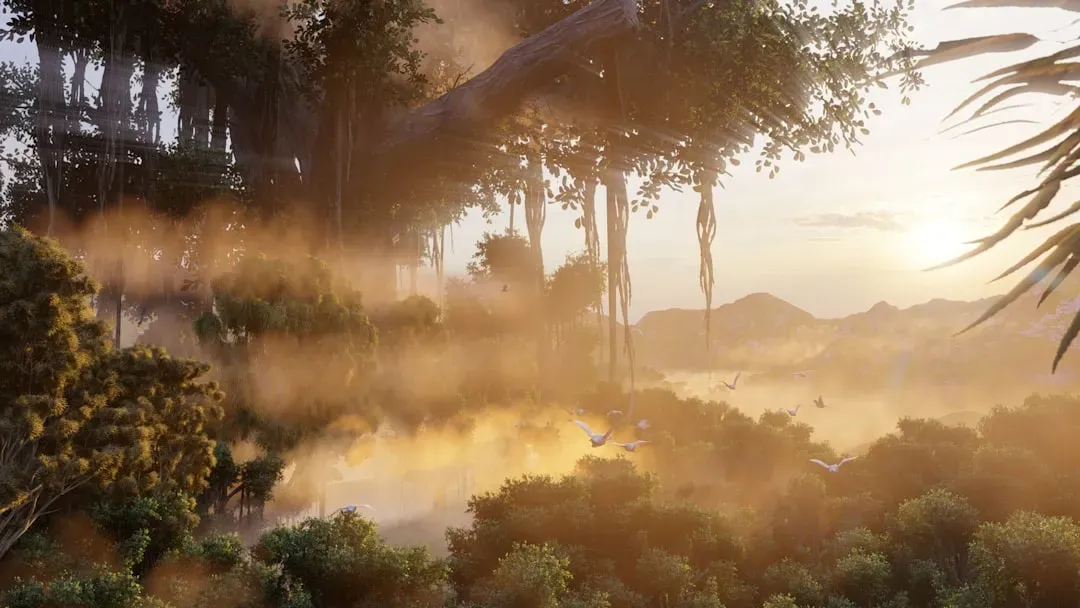
The reason you later see dinosaurs everywhere in North American rocks comes down to one stark reality: a global crisis opened the door for them. At the end of the Triassic, massive volcanic eruptions tore open parts of the supercontinent Pangaea, pumping huge amounts of gas into the atmosphere. Over time, climates swung hard, ecosystems collapsed, and many of those once-dominant rival reptiles in North America vanished from the record.
If you think of life as a kind of long-running competition for space and food, this extinction event cleared the playing field. Dinosaurs, with their efficient posture, active lifestyles, and flexible diets, happened to be in the right place with the right tools. In the early Jurassic that followed, you would finally see dinosaurs becoming the main large land animals across North America. Herds of long-necked plant-eaters and agile predators started to shape entire landscapes, grazing and hunting in ways that transformed vegetation and food chains for millions of years.
Jurassic West: When Giant Dinosaurs Ruled the Floodplains
If you could teleport into what’s now the western United States about one hundred and fifty million years ago, the first thing you’d probably notice is how alive the floodplains felt. Wide, slow-moving rivers braided across broad valleys, and forests of conifers, ferns, and horsetails lined the waterways. On these plains, enormous sauropods with long necks would tower three stories high, sweeping their heads through the trees the way you might reach into a pantry, selecting different heights and plant types without moving their bodies much.
Nearby, you’d find big, meat-eating dinosaurs stalking through the same floodplains, using their size and sharp senses to track prey. Footprints pressed deep into the mud show you that these animals moved along river channels, sandbars, and lakeshores, using the landscape as natural pathways. If you walked behind them, you would see how their weight molded the environment: trampled vegetation, churned-up mud, and scattered branches. In a real sense, Jurassic dinosaurs in North America were ecosystem engineers, rewriting the structure of their home every time they moved or fed.
A Continent Split in Two: The Great Cretaceous Interior Seaway
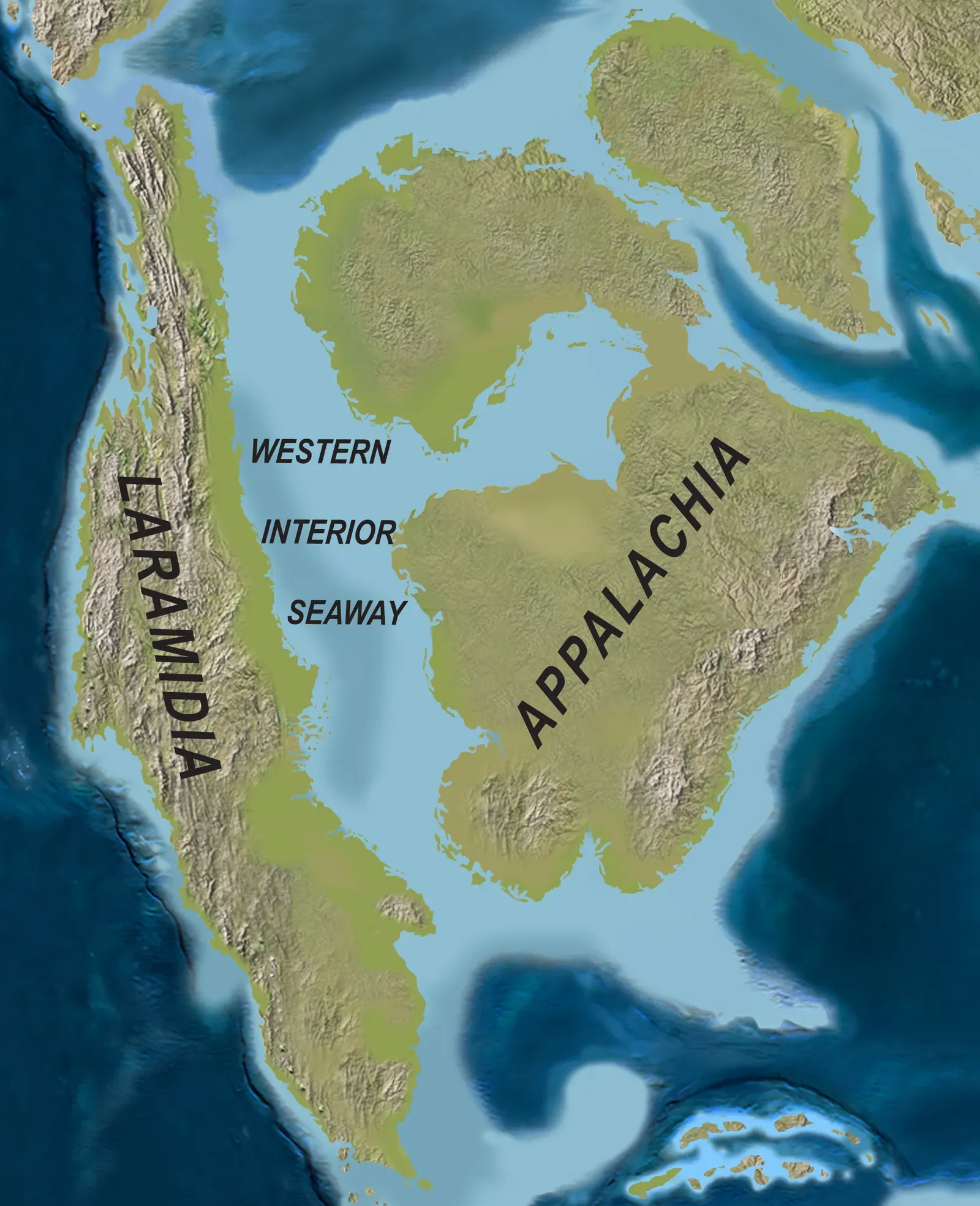
One of the most surprising chapters in North America’s dinosaur story is that for much of the Late Cretaceous, the continent you know was sliced in half by a massive inland sea. Stretching from the Arctic down toward what is now the Gulf of Mexico, this shallow, warm seaway covered the central part of the continent. If you stood in the middle of what is today Kansas or South Dakota, you might have been underwater, surrounded by marine reptiles, sharks, and fish, while dinosaurs roamed the distant shorelines on either side.
This seaway split North America into a western landmass and an eastern one, and that geographic divide shaped dinosaur life dramatically. On the western side, in areas that are now places like Montana, Utah, and Alberta, you’d see rich dinosaur communities living on coastal plains and river deltas along the sea’s edge. On the eastern side, which is much less well known from fossils, different dinosaur groups probably followed their own evolutionary paths. The presence of this inland sea turned North America into a world of regional neighborhoods, where dinosaur species could evolve independently depending on local climates, plants, and terrain.
Mountain Building, Climate Shifts, and Dinosaur Diversity in the West
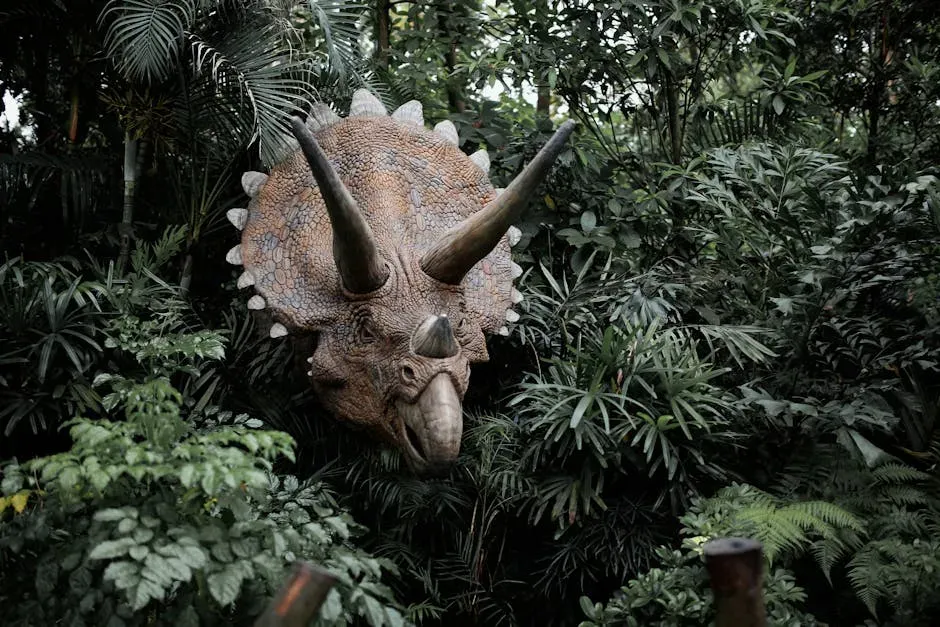
As you move into the later Cretaceous, the western edge of North America became a restless place. Mountain ranges similar to the early versions of the Rockies were rising, pushing up land, diverting rivers, and creating a patchwork of habitats. Imagine traveling from a coastal swamp near the seaway into inland floodplains and then up toward forested highlands, all within a relatively short distance. Dinosaurs in the West were not roaming one uniform landscape; they were living in a mosaic of different environments that could change over geological time.
This geographic complexity probably helped drive the incredible dinosaur diversity you see in Late Cretaceous western North America. You would notice that certain horned dinosaurs, duck-billed plant-eaters, and armored forms were clustered in particular regions, tied to specific plant communities and elevations. Even predators, including large tyrannosaur relatives, seem to have varied from place to place rather than looking identical across the entire continent. When you look at the fossil record with that in mind, you are really seeing a constantly shifting patchwork of habitats, each nurturing its own distinct dinosaur cast.
How You Can Still Read Dinosaur Landscapes in the Rocks Today
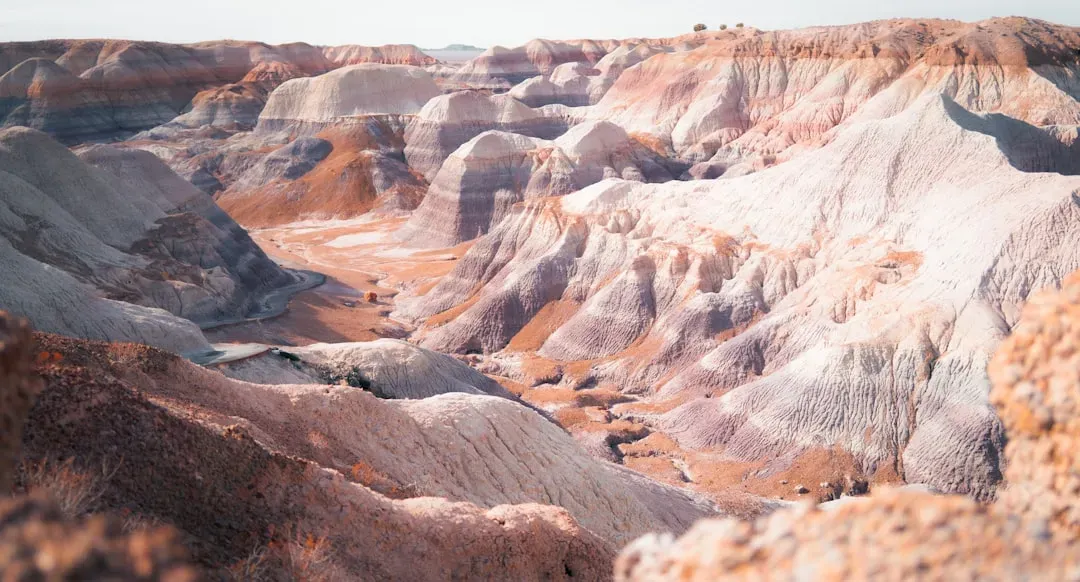
You do not need to be a professional paleontologist to start reading North America’s ancient landscapes; you only need to know what to look for. When you hike through badlands or stand at the base of a canyon wall, you are actually seeing stacked layers of ancient environments. A band of red or tan sandstone might be the remains of an old river channel, while a gray, crumbly shale layer above it could represent a calm lake or a quiet floodplain where bones, leaves, and footprints settled and were slowly buried.
If you imagine each layer as an old snapshot, you can place dinosaurs back into their settings. A cluster of bones in a river deposit suggests an animal that died nearby and was washed into the channel, while broad, flat areas with root traces and plant fossils tell you about the vegetation it once fed on. Trackways preserved in muddy layers can show you how many individuals were moving together and in which direction they were going relative to rivers or shoreline. Once you learn to see those clues, roadside cuts, quarries, and desert cliffs start to feel less like empty stone and more like pages of a long, detailed story that you can follow with your own eyes.
Life, Death, and Extinction: The Final Act of North America’s Dinosaurs
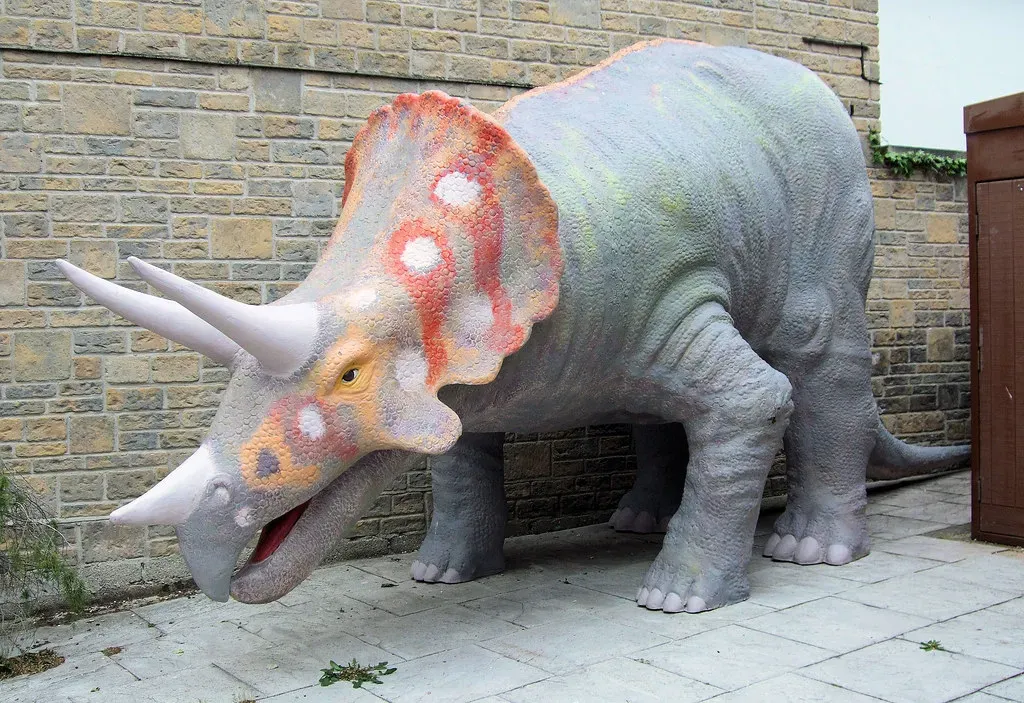
By the very end of the Cretaceous, just before the famous asteroid impact, North America hosted some of the most iconic dinosaurs you can name, especially in the western regions. You would see large horned dinosaurs roaming floodplains that were dotted with rivers, ponds, and forests of flowering plants as well as older conifers. Alongside them, predators like tyrannosaurs would move through the same environments, using cover from vegetation and irregular ground to stalk herds much the way large carnivores use broken terrain today.
When the asteroid struck roughly sixty-six million years ago, it did not just remove dinosaurs from an otherwise stable picture; it shattered the entire ecological backdrop they depended on. The resulting climate shocks, wildfires, and food web collapses hit large land animals especially hard across North America. If you stood in those landscapes in the following thousands of years, you would notice that the biggest bodies and slowest-reproducing creatures were the ones that disappeared first. The dinosaurs you associate with this continent did not vanish all at once in a single instant you could watch; instead, they faded in the wake of cascading changes that their once-powerful bodies simply could not outrun.
Why This Deep Past Still Matters to the World You Walk Through
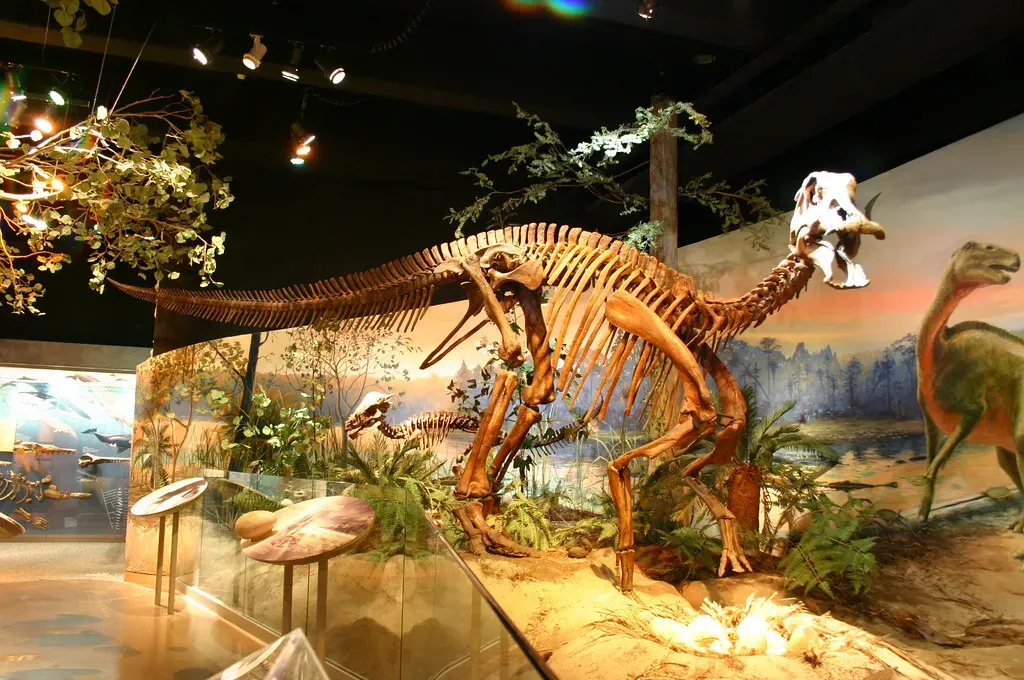
When you think about dinosaurs in North America, it is tempting to treat them as a distant curiosity, as if they belong only in museums and documentaries. But every time you drive across a flat Midwestern plain, hike near the foothills of the Rockies, or stand at the rim of a canyon, you are standing in the afterimage of their world. Ancient rivers influenced where sediment piled up, which in turn shaped the way later landscapes eroded, guiding where today’s valleys, plateaus, and cliffs appear. In many places, the rock layers that hold dinosaur fossils also guide where groundwater flows or where certain natural resources are found.
On a more personal level, understanding how dinosaurs used and reshaped North America’s landscapes gives you perspective on your own place in time. You are part of a species that has only just arrived relative to their long tenure, yet you are already altering climates and ecosystems at continental scales, just as they once did, but in very different ways and over much shorter timescales. When you stand in a fossil-rich badland or a quiet desert wash and picture herds of dinosaurs moving through that same spot, you can feel both how fragile and how durable life on this continent really is. It raises a quiet but powerful question: if future beings read the rocks beneath their feet one day, what kind of story will they tell about how you lived on this ancient land?
In the end, the true story of how dinosaurs roamed North America is not just about monsters in a vanished age; it is about living creatures navigating real climates, real rivers, real forests, and real crises over unimaginably long spans of time. When you look at the landscape around you with that in mind, hills become buried shorelines, flatlands become former seafloors, and every rocky outcrop becomes evidence that the continent has worn many faces. The next time you pass a wind-sculpted bluff or a layered canyon wall, take a second to imagine the herds, predators, and forests that once filled that space. Does it change how you see the ground you stand on today?