
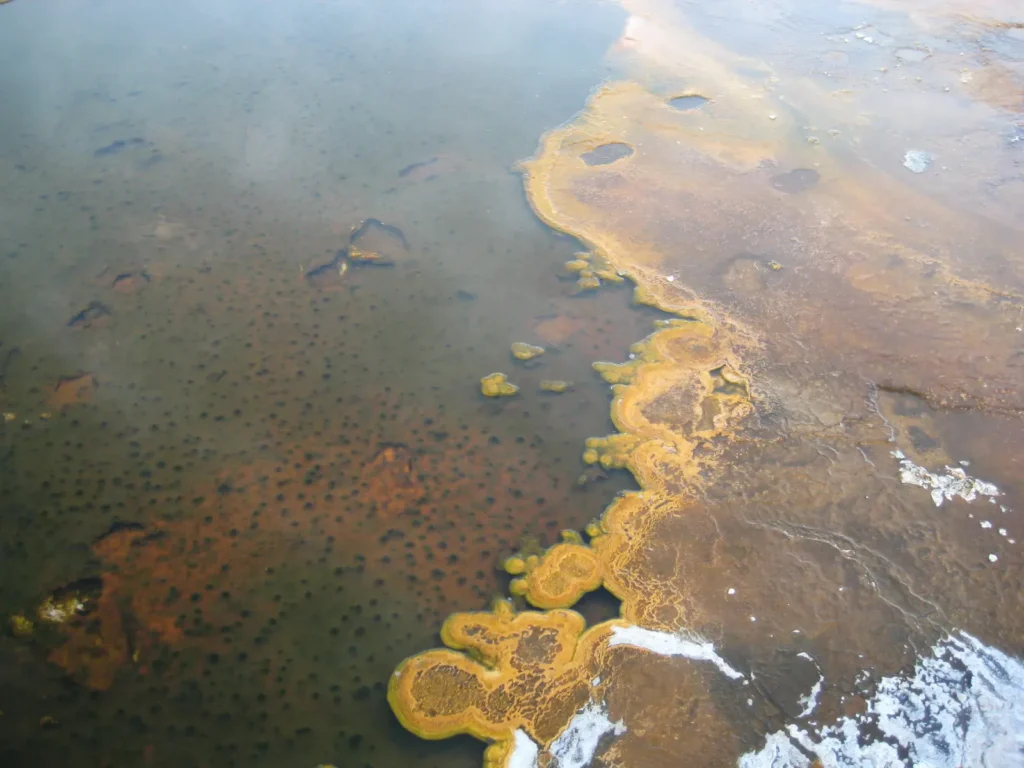
If you zoomed back billions of years, you would not see forests, oceans full of fish, or even soil as you know it today. You would mostly see microbes – tiny, invisible architects quietly reshaping the planet. What might surprise you is that many of the rules those ancient microbes wrote into Earth’s operating system are still guiding your modern world right now.
As you look at today’s climate debates, soil health, and even the oxygen you breathe, you are really looking at the long shadow of microbial evolution. By understanding how those early microscopic pioneers learned to eat, breathe, and cooperate, you start to see modern ecosystems less as separate systems and more as chapters in a very long microbial story. Once you notice that, it becomes hard to think about nature in the same way again.
How Ancient Microbes Turned a Toxic Planet Into One You Can Breathe
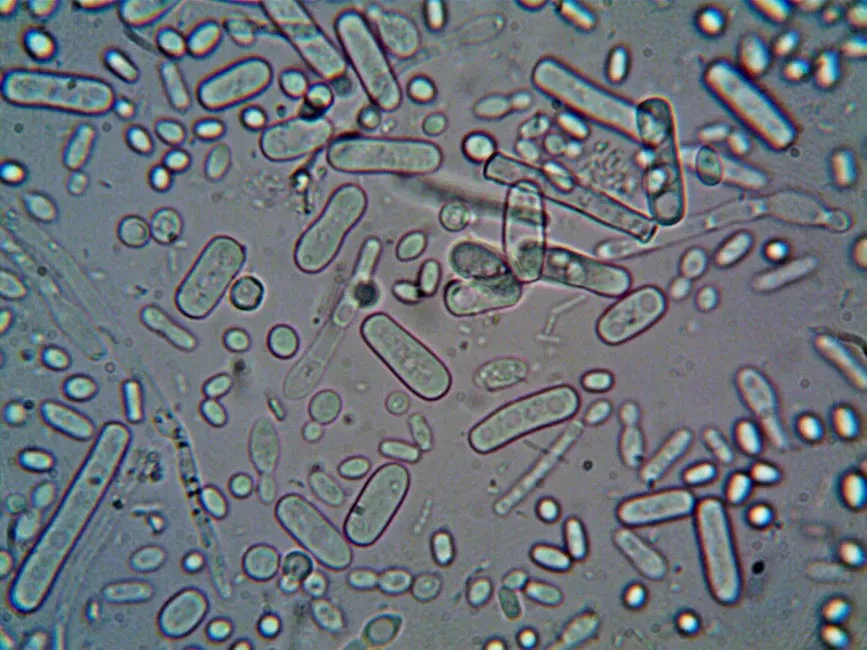
Imagine standing on early Earth: the sky tinted orange, volcanoes raging, almost no oxygen in the air, and ultraviolet radiation blasting the surface. If you were somehow there, you could not survive for even a second. Yet ancient microbes did more than survive in that harsh world; they slowly transformed it into a place where you, plants, and animals could exist.
One of the biggest turning points came when some microbes evolved the ability to use sunlight to split water and release oxygen as a waste product. Over mind‑boggling spans of time, that waste oxygen built up in the oceans and then in the atmosphere. You now call this the Great Oxidation Event, and it turned a suffocating planet into an oxygen-rich world that could support complex life. Every breath you take is basically you borrowing the atmospheric legacy of those ancient microbial experiments.
Why Your Food Chain Still Runs on Microbial Rules
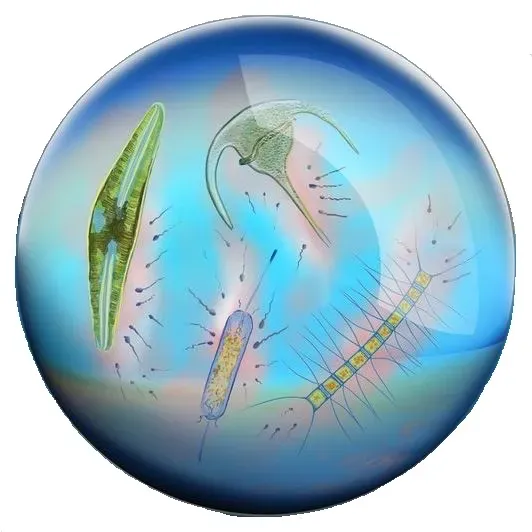
When you think about a food chain, you probably picture plants, herbivores, and predators. But underneath that visible pyramid sits a microbial foundation that looks a lot like Earth did billions of years ago. Microbes are still the ones turning raw chemical ingredients – like nitrogen from the air or minerals from rock – into forms that plants and, eventually, you can actually use.
Early microbes figured out how to grab energy and nutrients from weird places: iron, sulfur, methane, even rock itself. Those same tricks live on in modern microbes in soils, oceans, wetlands, and your own gut. The rules of who eats what, who recycles what, and how energy flows through an ecosystem all sit on top of microbial processes that have been field‑tested since long before the first animal ever moved.
The Invisible Microbial Cities Under Your Feet
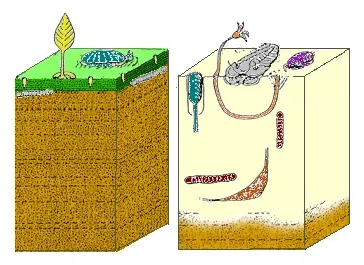
Every time you walk across a patch of soil, you are stepping on an ancient-style metropolis of microbes carrying out jobs they have done since early Earth. They form films, networks, and layers, very similar in spirit to ancient microbial mats that once carpeted shorelines and shallow seas. Those mats were some of the earliest ecosystems on the planet, with different microbial groups stacking themselves by light, chemistry, and food sources.
Modern soil works almost the same way. You have bacteria and fungi specializing in different tasks: breaking down dead leaves, releasing nutrients, stabilizing soil structure, and trading resources with plant roots. If you could shrink yourself down and wander through a handful of soil, you would see an echo of those ancient mats – layered communities dividing up work, sharing resources, and collectively shaping their environment in ways that keep entire forests and grasslands alive.
How Ancient Microbial Innovations Still Drive Global Climate Cycles
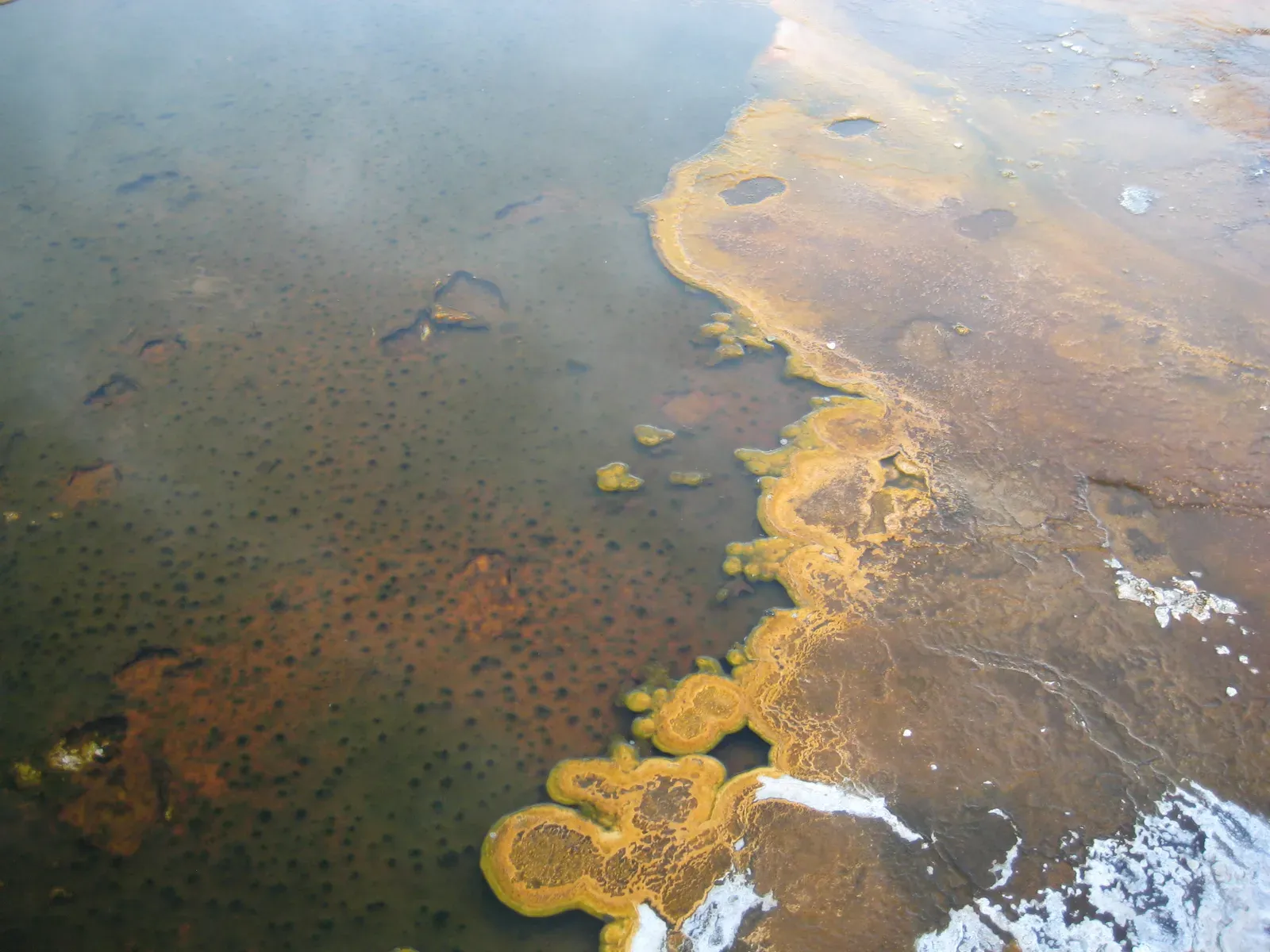
The climate system you worry about today – carbon in the air, warming oceans, shifting weather – has deep microbial fingerprints all over it. Long before humans burned fossil fuels, microbes were already moving carbon, nitrogen, and sulfur around the planet on a massive scale. They learned how to bury carbon in sediments, convert nitrogen into plant-friendly forms, and produce or consume powerful greenhouse gases like methane.
Many of the major biogeochemical cycles you see in climate models are basically scaled-up versions of ancient microbial metabolisms. For example, microbes in wetlands, rice paddies, and the guts of animals still generate methane through ancestral pathways that probably evolved on an oxygen-poor early Earth. Meanwhile, other microbes in soils and oceans gobble up greenhouse gases or lock carbon away. When you talk about “natural climate solutions,” you are really talking about partnering with microbial processes that have been fine‑tuning Earth’s thermostat for billions of years.
What Ancient Symbiosis Can Teach You About Modern Partnerships
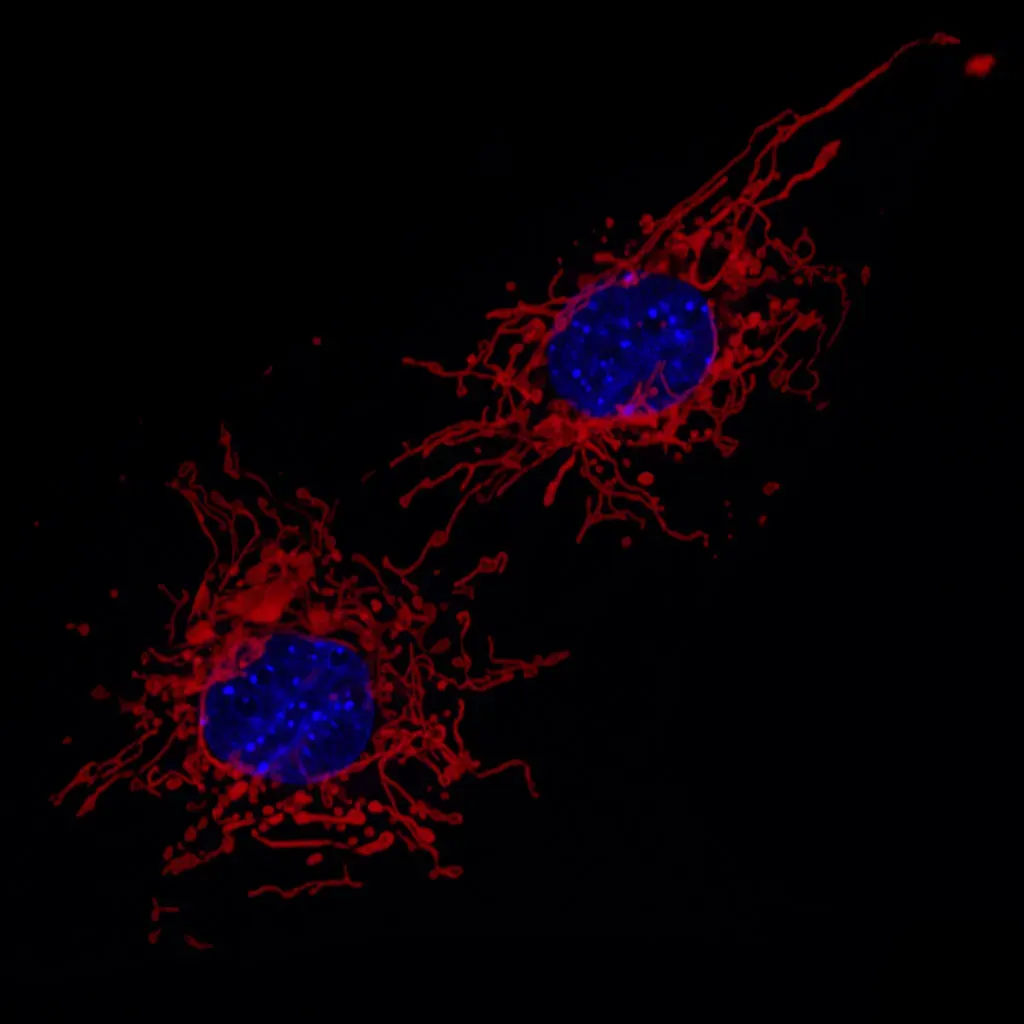
One of the wildest ideas in biology is that some of your own cells are really ancient microbes that decided to cooperate instead of compete. The tiny power stations inside your cells, called mitochondria, likely began as free‑living bacteria that formed a tight partnership with another cell. Over time, they merged so thoroughly that you now think of them as a single being. That is not science fiction; it is microbial history.
The same logic of deep partnership still shapes modern ecosystems. When plants team up with fungi on their roots, or corals partner with microscopic algae, they are replaying very old patterns of microbial cooperation. You can see this in agriculture when crops perform better with helpful microbial communities, or in restored ecosystems where reintroducing the right microbes can jump-start recovery. Ancient symbiosis teaches you that thriving ecosystems often depend on long-term, intimate alliances – sometimes so close that the partners eventually become inseparable.
When you look at yourself through this lens, you stop seeing a single organism and start seeing a walking ecosystem. Your skin, mouth, and gut are home to microbial partners that help digest food, train your immune system, and even influence your mood. In a way, you are living proof that the microbial habit of forming alliances did not stop billions of years ago; it just moved into new territory – your own body.
Reading Today’s Ecosystems Like a Fossil Record of Microbial Ideas
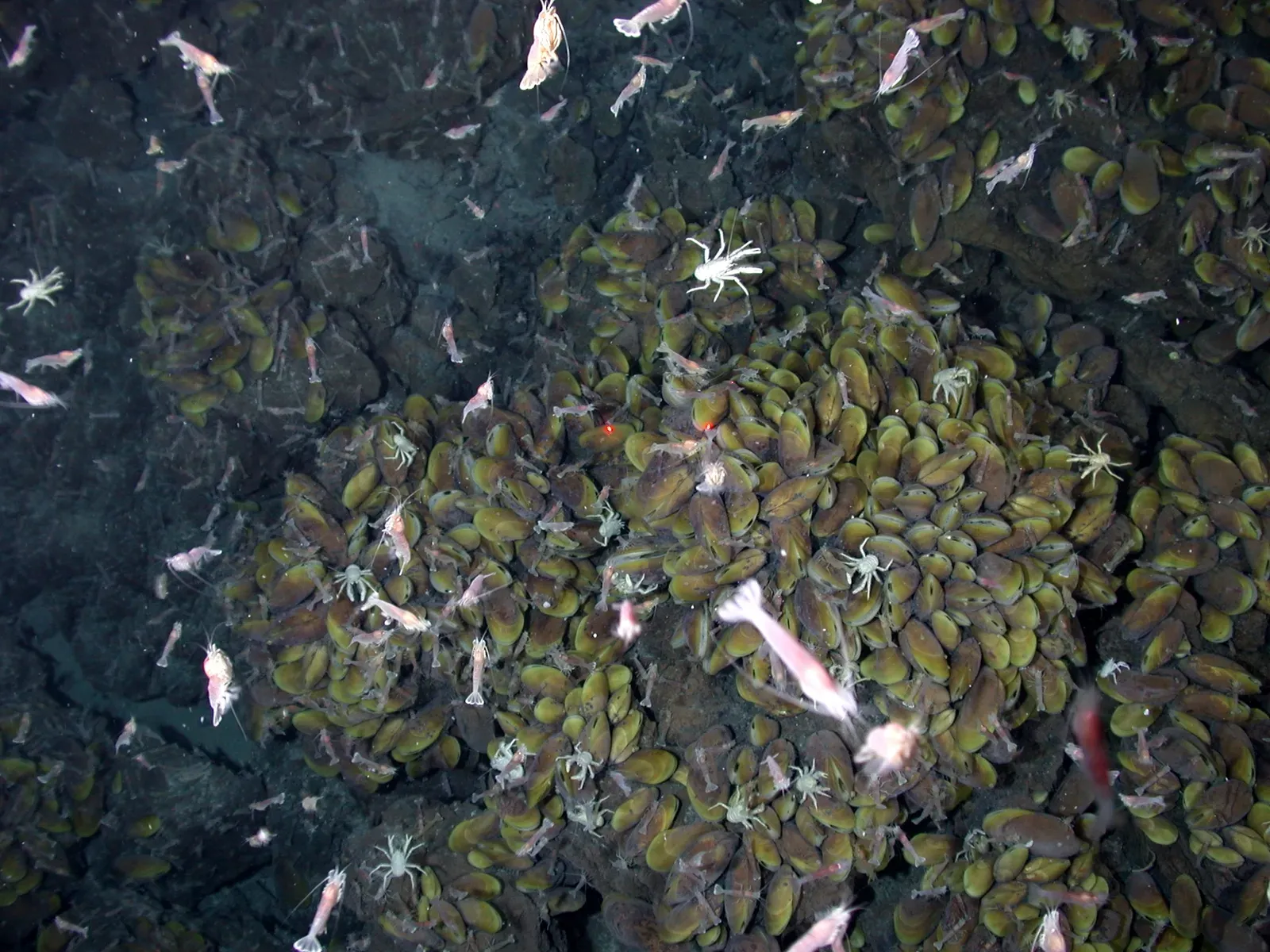
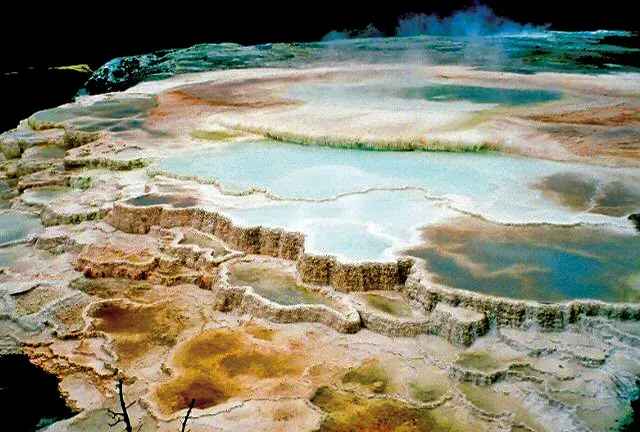
If you learn to read modern ecosystems carefully, they start to look like a living museum of ancient microbial innovations. Hydrothermal vents on the ocean floor, where microbes harvest energy from chemicals instead of sunlight, may resemble the conditions where life first took hold. Acidic hot springs, salty lakes, and oxygen-poor mudflats all harbor microbes whose lifestyles echo early Earth environments that no longer dominate the surface.
Even in more ordinary places – a forest stream, a coastal wetland, a desert crust – you can see hints of very old strategies still at work. Microbes are stacking in layers by light and oxygen, swapping genes, forming biofilms, and carving out niches just as they did eons ago. When you notice these patterns, ecosystems stop being random collections of species and start to feel like a series of refinements on a few big microbial ideas that nature has never stopped revising.
Why Protecting Microbes Might Be One of Your Smartest Conservation Moves
Conservation usually focuses on the big, charismatic species: whales, eagles, forests, coral reefs. But if ancient microbes built the underlying systems that keep those organisms alive, then protecting microbial diversity becomes far more than a niche interest. By losing key microbial players, you risk breaking feedback loops that control nutrients, water flows, and resilience to stress.
You can see this when intensive farming depletes soil microbial communities, leaving fields more dependent on fertilizers and more vulnerable to drought. Similarly, when pollution or warming damages microbial partners in coral reefs, entire ecosystems can collapse. By treating microbial diversity as a core part of conservation planning, you are really safeguarding the deep, ancient machinery that lets modern ecosystems adapt and recover when things change.
How Ancient Microbial Insights Could Shape Your Future Technologies
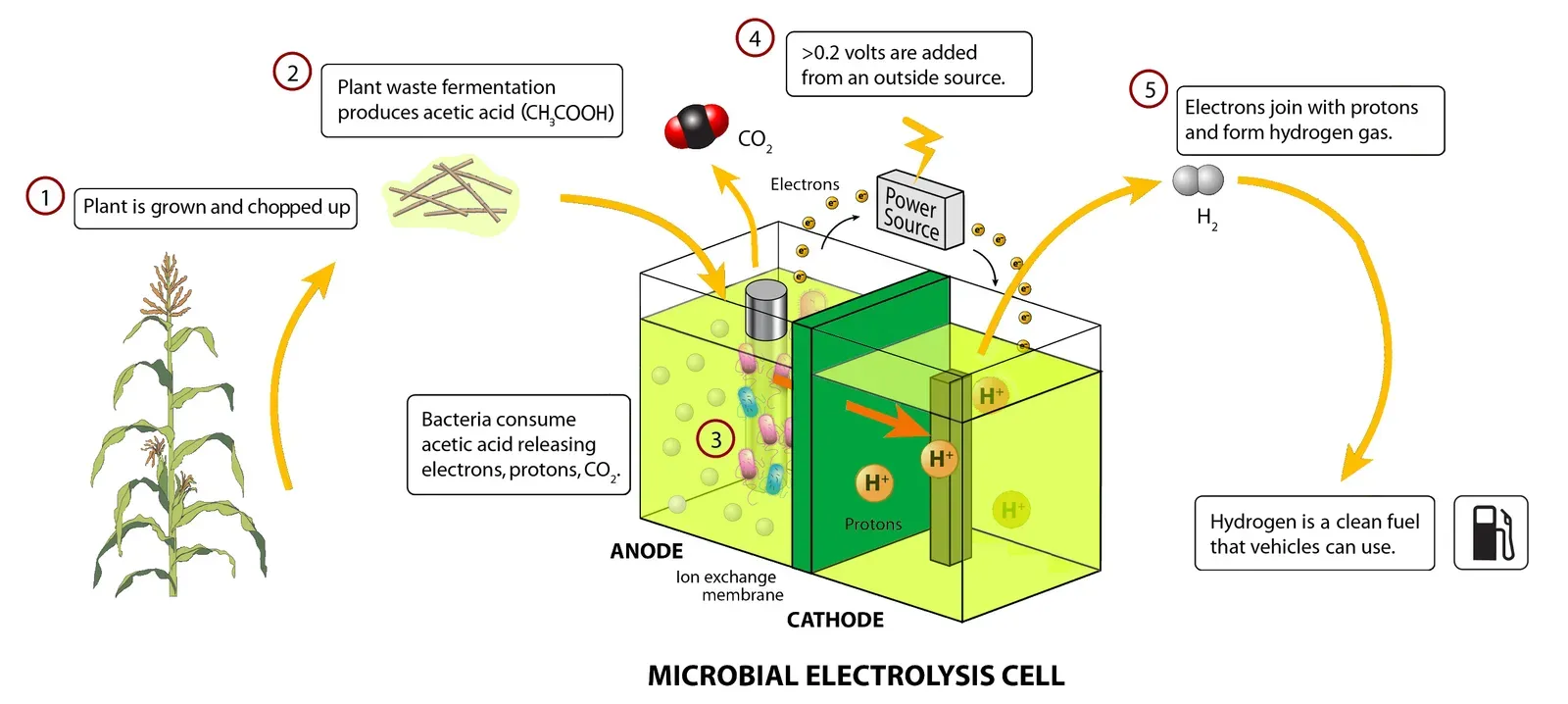
Once you accept that microbes have been running complex chemical and ecological tricks for billions of years, it makes sense to look to them for inspiration. Many emerging technologies in fields like bioenergy, waste treatment, and even climate repair are essentially attempts to harness, tweak, or mimic microbial processes that evolved under wildly different conditions than today’s surface world.
You might see this in efforts to use microbes to capture carbon and store it safely, to clean up toxic spills, or to produce fuels and materials from agricultural waste. In each case, you are not inventing from scratch; you are borrowing a page from an ancient microbial playbook. The better you understand how those microbes shaped early Earth, the better you can design systems that work with their strengths instead of fighting against them.
Conclusion: You Live in a Microbial World, Whether You Notice It or Not
When you pull all these threads together, a clear picture emerges: you are living on a planet that microbes built, maintain, and continually remodel. Ancient microbes did not just set the stage and leave; their descendants are still everywhere, quietly enforcing the same basic rules of chemistry, cooperation, and energy flow that made complex life possible in the first place.
If you start looking at forests, oceans, farms, and even your own body as extensions of a deep microbial history, your relationship with nature shifts. You stop seeing microbes only as germs to kill and start seeing them as the oldest engineers and partners you have. The real question is not whether ancient microbes still matter, but how you will choose to work with their legacy from here on – now that you know it is all around you, did you expect them to be running the show this whole time?