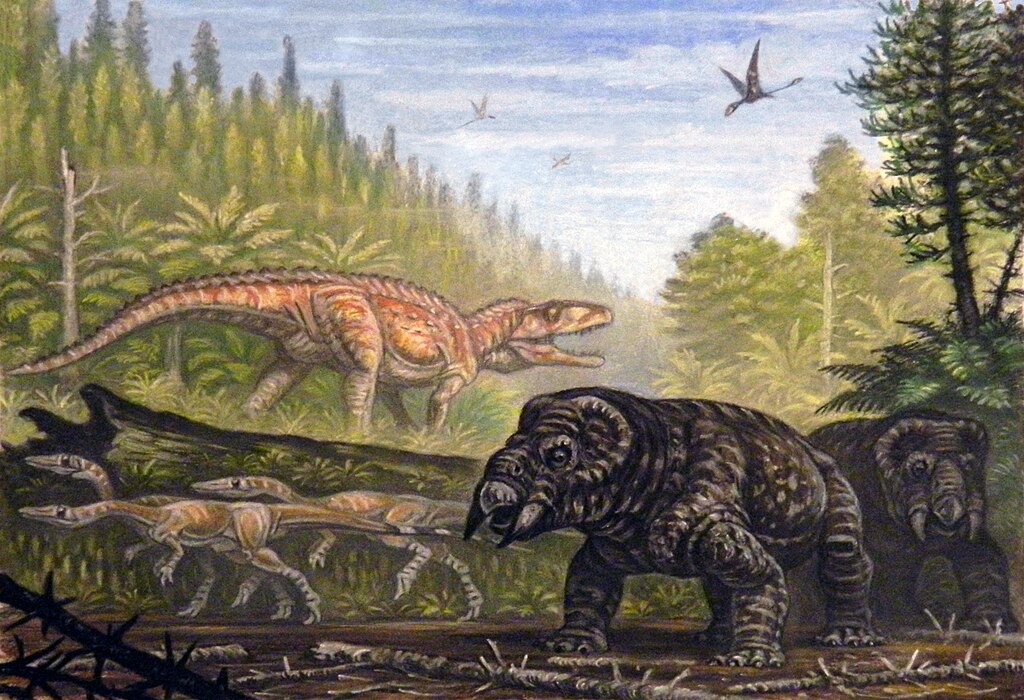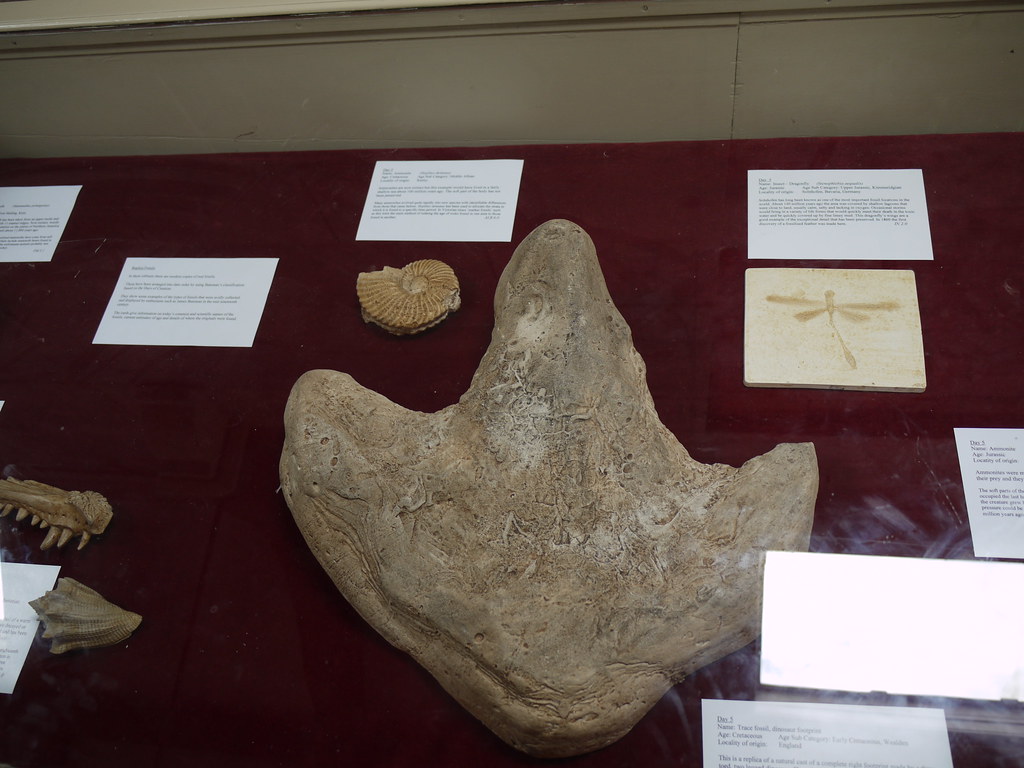
Deep in remote quarries, ancient beaches, and forgotten school hallways, some of the strangest evidence of dinosaur existence lies hidden. These aren’t the massive skeletons we typically imagine when thinking about prehistoric creatures. Instead, these peculiar impressions in stone tell bizarre stories that would make any paleontologist’s jaw drop.
Picture walking through your local high school and discovering that the decorative boulder by the entrance contains evidence from creatures that roamed Earth millions of years ago. Or imagine finding a footprint so purple it looks like something from a fantasy novel. These discoveries aren’t science fiction, they’re the remarkable reality of dinosaur footprint paleontology. So let’s get started and explore these incredible mysteries frozen in time.
The Hidden School Treasure Sitting in Plain Sight
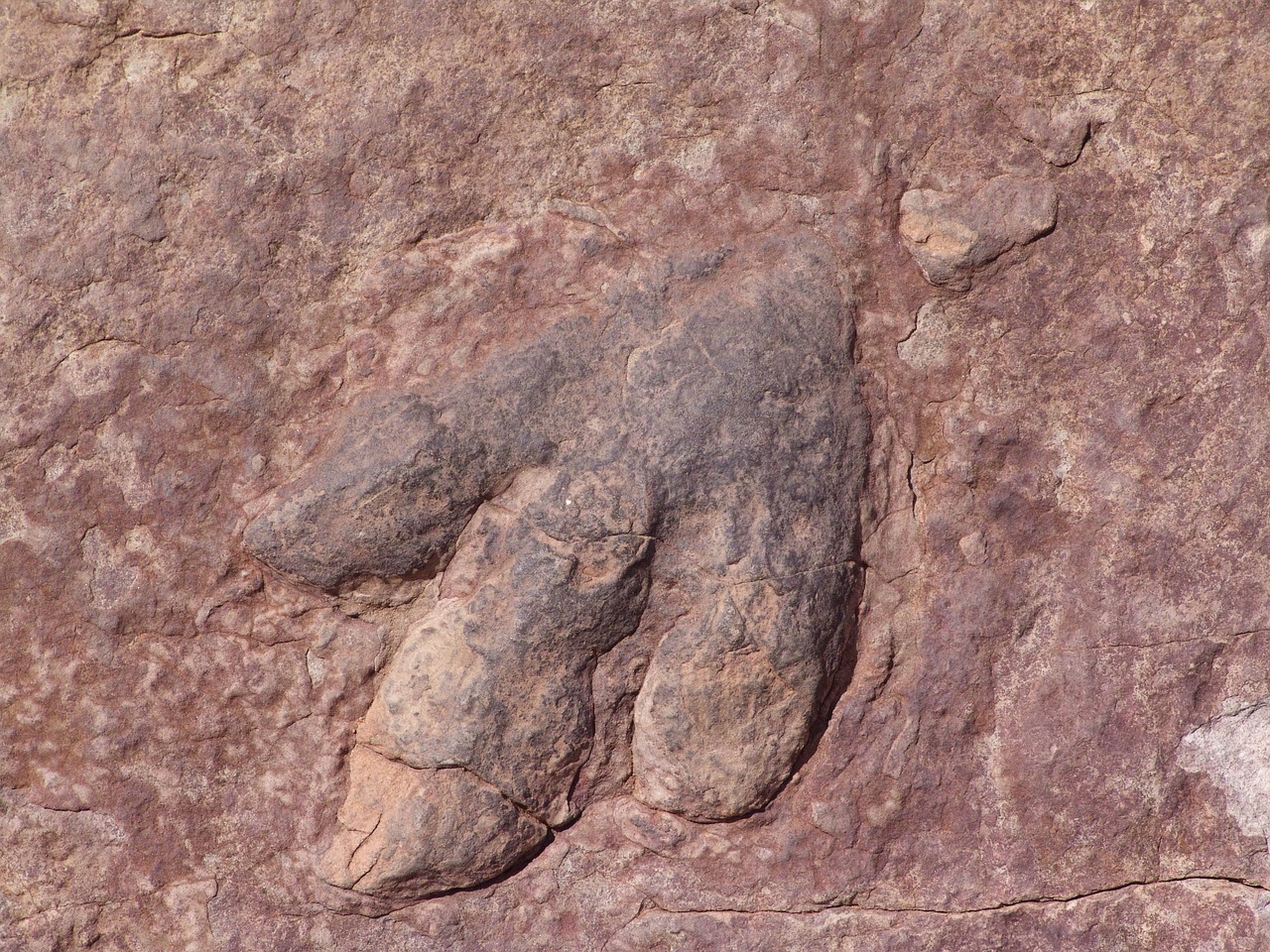
For two decades, students and teachers walked past a large rock slab in the foyer of Biloela State High School in Queensland, Australia, completely unaware they were passing one of the most significant dinosaur footprint discoveries in the country’s history. Coal miners had gifted this unusual slab to the school back in 2002 after noticing strange markings on its surface.
Many teachers assumed the rock was just a replica, not realizing the incredible scientific treasure sitting right under their noses. It wasn’t until 2021 that local media attention about dinosaur fossils in the area prompted the school to seek expert analysis. What paleontologist Anthony Romilio discovered left him speechless.
The seemingly ordinary rock contained an astonishing 66 separate dinosaur track impressions from 47 different dinosaurs, all crammed into less than one square meter of surface area. These footprints belonged to Anomoepus scambus, a small, chunky plant-eating dinosaur that walked on two legs during the early Jurassic period about 200 million years ago.
Australia’s Most Concentrated Dinosaur Dance Floor
This Australian school rock represents one of the highest concentrations of dinosaur footprints ever documented in Australia, providing an unprecedented snapshot of dinosaur abundance, movement, and behavior from a time when no fossilized dinosaur bones have been found in the region.
The concentration of tracks suggests something remarkable happened at this ancient location. Perhaps it was a popular watering hole or a gathering place where these small dinosaurs congregated regularly. Despite being the most abundant type of dinosaur fossil, footprints often get overlooked by researchers who prefer the glamour of fossilized bones.
What makes this discovery even more fascinating is that most dinosaur fossils aren’t found by professional paleontologists at all. The vast majority are actually discovered by ordinary people going about their daily lives, just like the coal miners who noticed these unusual chicken-like prints in the rock face.
The Giant Purple Footprint That Shouldn’t Exist
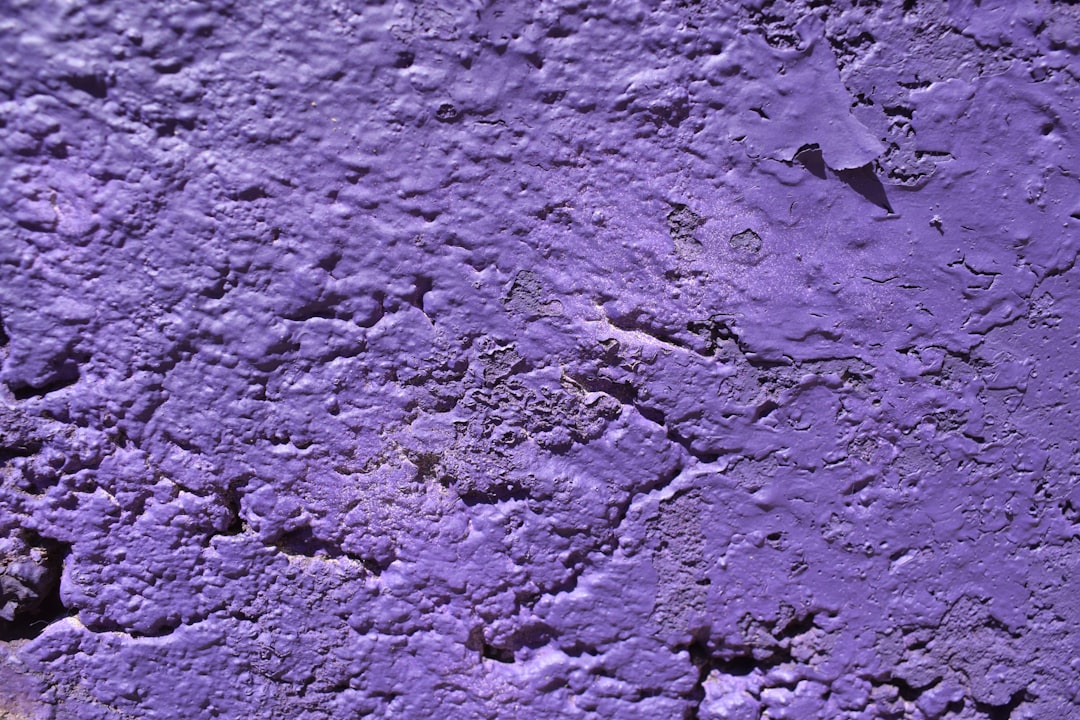
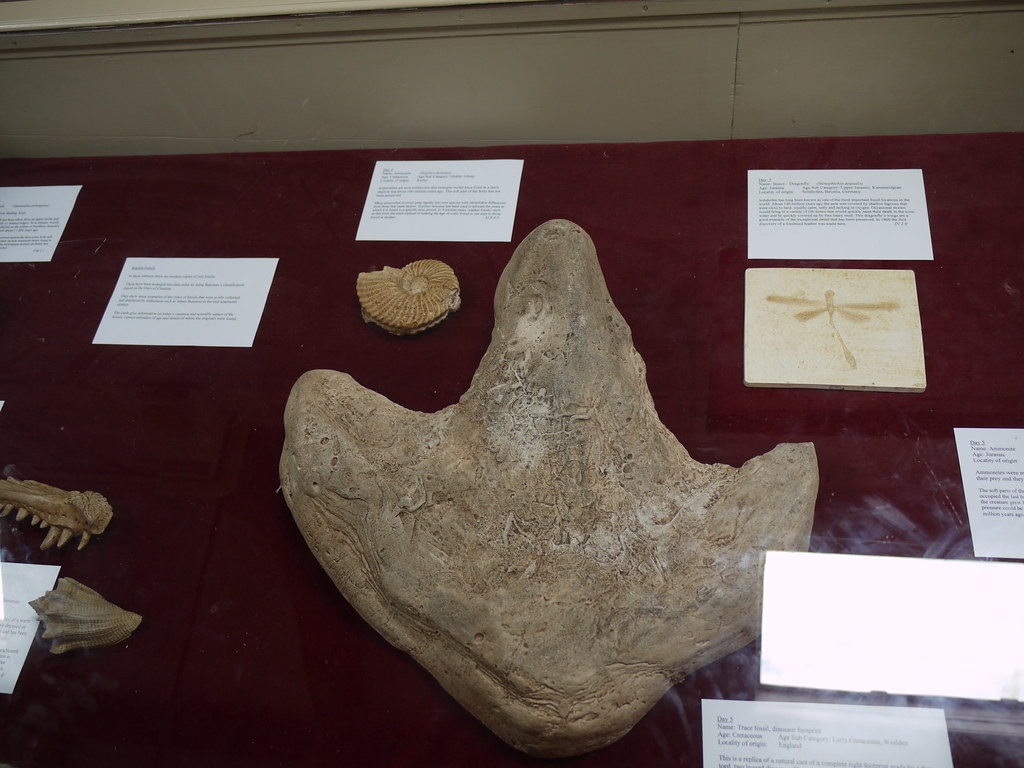
On England’s Isle of Wight, fossil tour guide Joe Thompson was having a frustrating day searching for dinosaur remains along the beach when he spotted something extraordinary – an odd purple imprint that looked like a prehistoric toe. After careful excavation, he revealed a massive three-toed footprint, roughly three feet long, tinted purple against the red clay.
The footprint’s striking purple color comes from the oxidation of minerals in the clay, creating one of the most visually stunning dinosaur tracks ever discovered. This enormous print was likely left by a large Iguanodon or related species – massive ornithopod dinosaurs that could grow to 32.8 feet long and weigh more than 8,000 pounds.
Unlike fossilized footprints that can last millions of years, clay impressions like this purple giant are ephemeral and erode quickly once exposed to natural elements. Thompson’s purple footprint will likely disappear within just a few months. This makes the discovery both incredibly rare and heartbreakingly temporary.
The Cliff That Defies Gravity
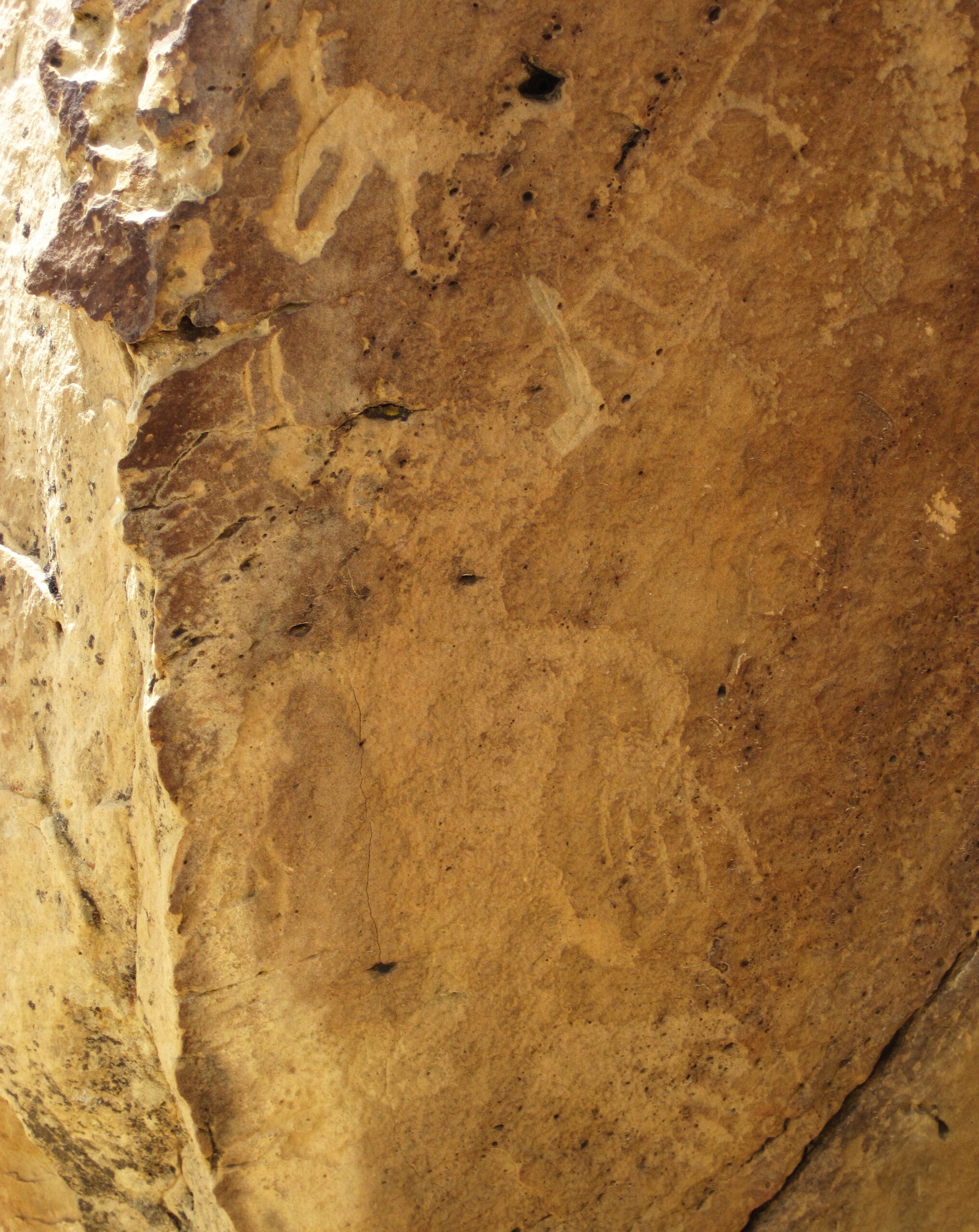
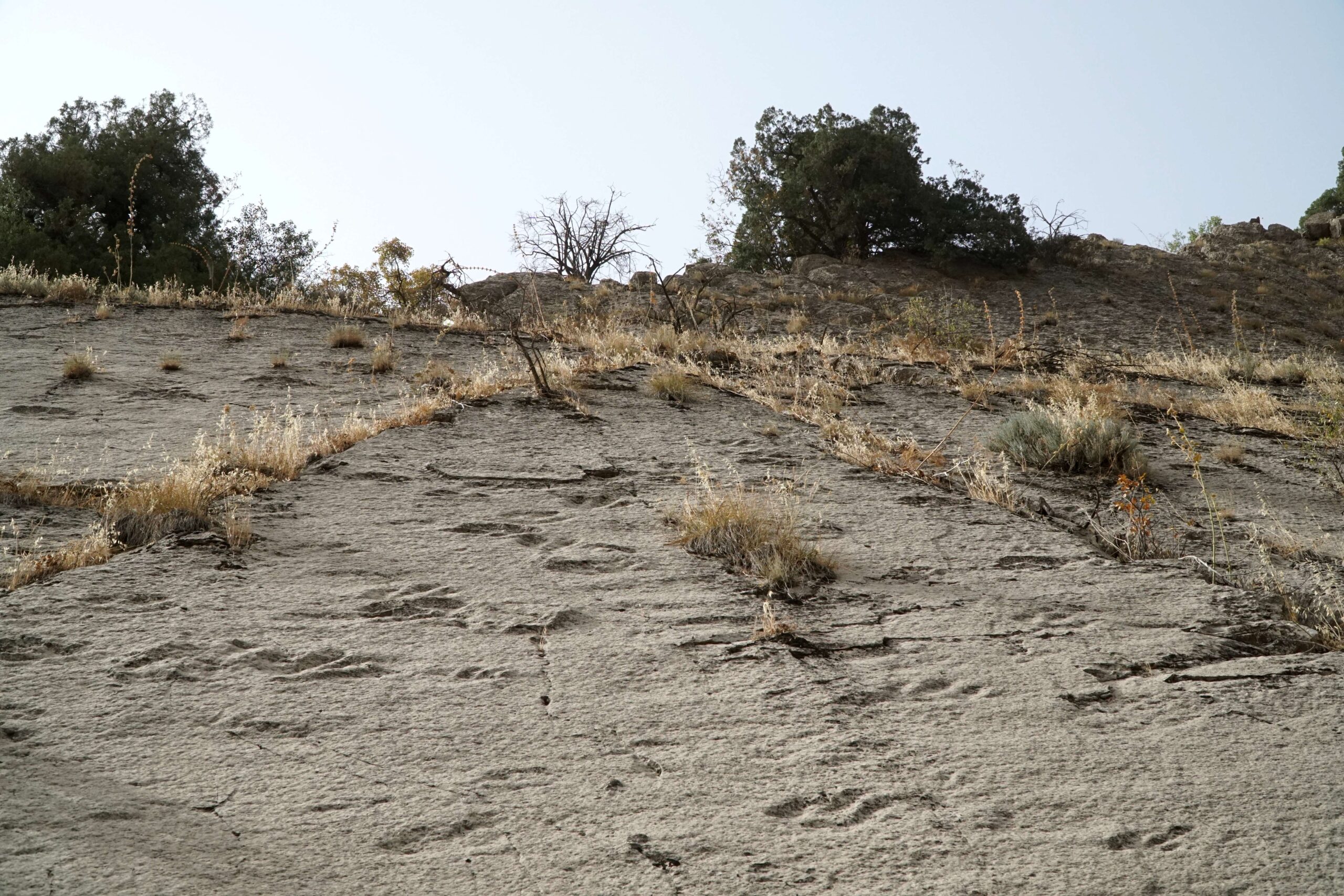
In Alaska’s Denali National Park, researchers discovered something that seemed impossible – a 20-story cliff face covered in fossilized dinosaur footprints that appear to show creatures walking vertically up the rock wall. This 218-foot rock face, nicknamed “The Coliseum,” was once muddy sediment surrounding a watering hole 70 million years ago during the late Cretaceous period.
Upon closer inspection, scientists found the footprints were incredibly detailed, showing not just the shape of toes but even the texture of dinosaur skin. The site contains multiple layers of tracks, creating a sequence through time that shows different dinosaur communities visiting this ancient watering hole.
Researchers nicknamed the site “The Coliseum” because of the variety of dinosaurs that likely gathered and mingled at this ancient water’s edge, including tyrannosaurs alongside other species. The cliff also preserves fossilized plants, pollen, shellfish, and bird footprints.
The Megalosaurus Footprint That Captures a Moment in Time
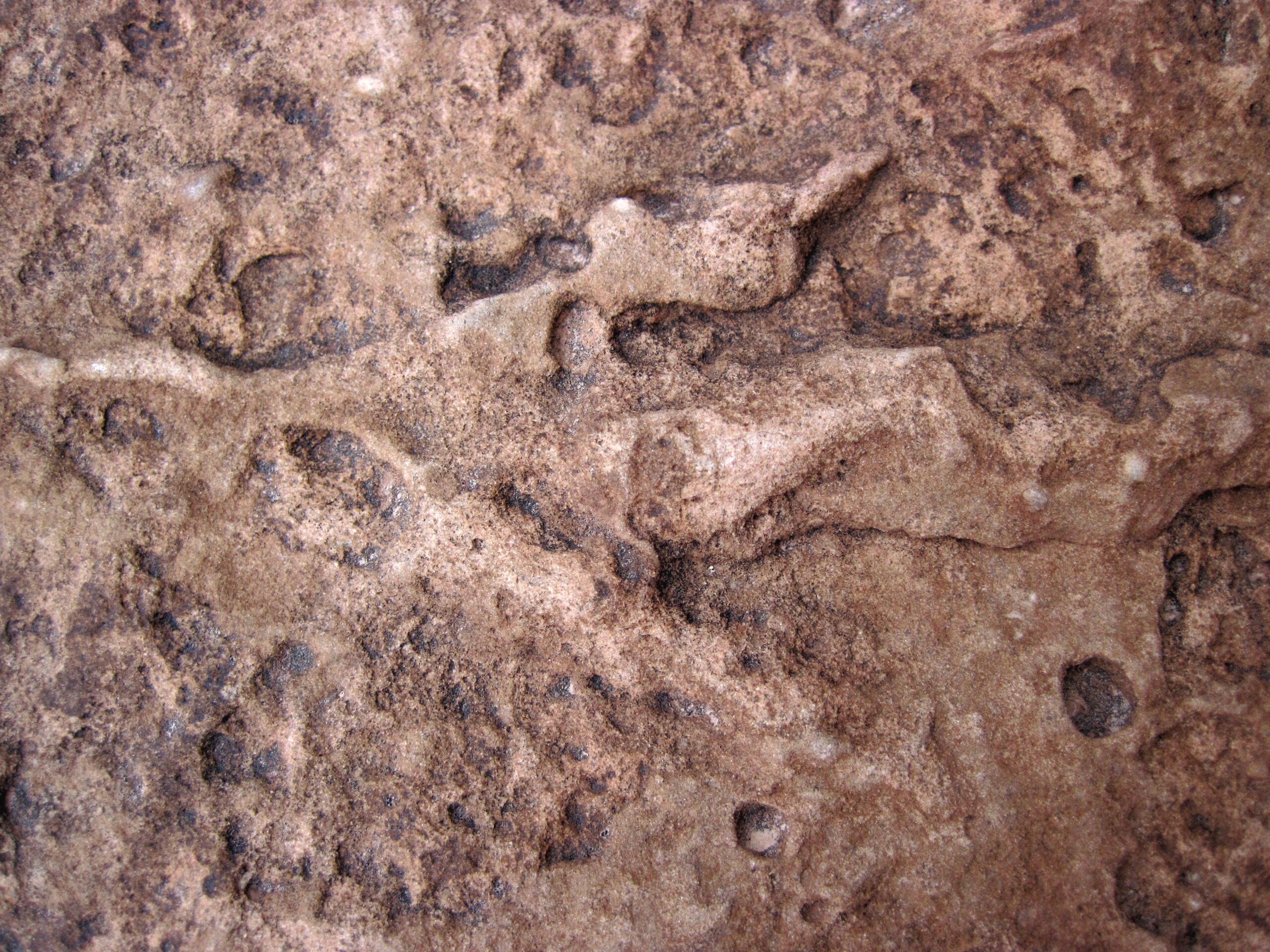
In Yorkshire, England, local archaeologist Marie Woods made a discovery that would rewrite records – an almost meter-long footprint made by a giant, meat-eating theropod dinosaur from the Jurassic Period, representing the largest of its kind in Yorkshire. Marie found this incredible fossil completely by chance while exploring the coast in April 2021.
What makes this footprint truly extraordinary is what it appears to capture – the angle, shape, and claw impressions suggest this large predator might have been caught in the act of squatting down before standing up. Scientists playfully imagine this massive dinosaur taking a rest on a lazy Sunday afternoon along a muddy Jurassic coastal plain.
The footprint likely belonged to a Megalosaurus-like dinosaur with a possible hip height between 2.5 and 3 meters, making it a truly fearsome predator. Megalosaurus holds the distinction of being the first dinosaur ever formally described, way back in 1824.
The Dinosaur Highway That Spans Continents
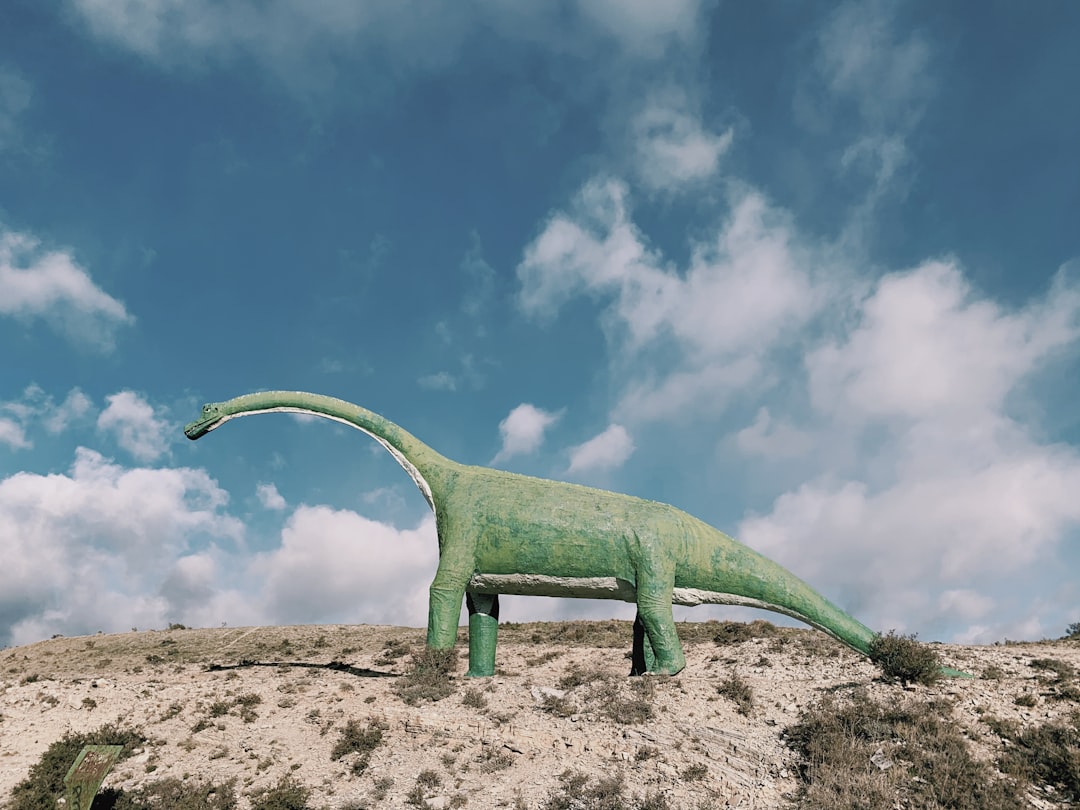
At a quarry site in Oxfordshire, England, researchers have uncovered multiple trackways buried in mud, with some extending several hundred feet in length. Four trackways were created by long-necked herbivorous sauropods, suspected to be the giant 60-foot Cetiosaurus, while a fifth was made by the carnivorous Megalosaurus.
One of the most intriguing aspects of this discovery is evidence that the Megalosaurus and sauropod tracks actually cross over each other, raising fascinating questions about whether and how these predator and prey species might have interacted in this ancient environment.
The environment during this time was probably lagoonal, similar to what the Florida Keys look like today, with carbonate mud banks and shallow water sources creating perfect conditions for preserving these remarkable footprints. Based on estimates of stride and speed, all the dinosaurs were probably walking rather than running when they left these tracks.
Conclusion
These extraordinary dinosaur footprint discoveries remind us that the most incredible scientific treasures can be hiding in the most unexpected places. From school hallways to remote cliffsides, from purple-tinted beaches to ancient highways, these fossilized impressions offer us glimpses into moments frozen in time millions of years ago.
Each footprint tells a story that bones simply cannot – whether it’s a giant predator taking a rest, dozens of small herbivores gathering at a watering hole, or the dramatic intersection of predator and prey pathways. These traces capture behavior, movement, and interactions in ways that skeletal remains never could.
Perhaps most remarkably, many of these discoveries were made by ordinary people going about their daily lives, proving that extraordinary scientific discoveries can happen anywhere, anytime. What incredible footprint might be waiting to be discovered in your own backyard? Have you ever stopped to wonder what stories the ground beneath your feet might be hiding?