When we hear the word “dinosaur,” most of us immediately picture massive, scaly creatures that roamed the Earth millions of years ago. From the towering Brachiosaurus to the fearsome Tyrannosaurus rex, these prehistoric beasts have captured our collective imagination through museum exhibitions, Hollywood blockbusters, and countless children’s books. But what if I told you that the actual meaning of the word “dinosaur” might not align with your understanding? The etymology, history, and scientific application of this term reveal fascinating insights that challenge common assumptions about these ancient creatures. The word has a specific scientific definition that differs from its popular usage, and understanding this distinction can transform our perspective on these remarkable animals that once dominated our planet.
The Etymology Behind “Dinosaur”
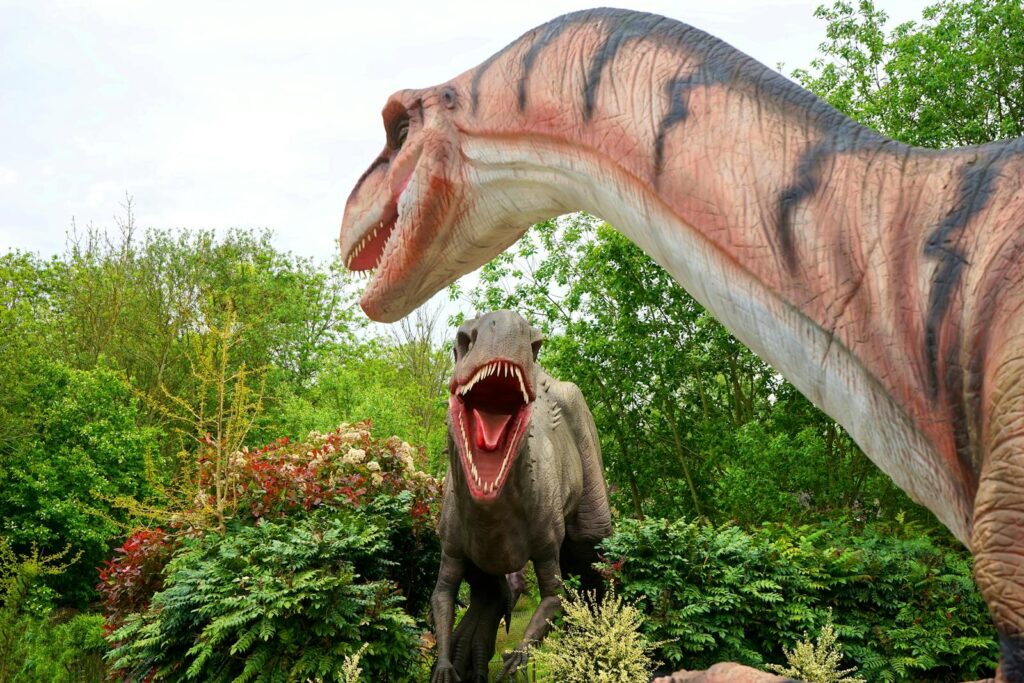
The term “dinosaur” was coined in 1842 by the British paleontologist Sir Richard Owen. He created it by combining two Ancient Greek words: “deinos” (δεινός) meaning “terrible,” “fearsome,” or “formidable,” and “sauros” (σαῦρος) meaning “lizard” or “reptile.” Owen introduced this term during a meeting of the British Association for the Advancement of Science after examining fossils of Megalosaurus, Iguanodon, and Hylaeosaurus. Contrary to popular belief, the word doesn’t mean “thunder lizard” (that’s specifically “brontosaurus”) or “ancient lizard.” The original meaning—”fearsome lizard”—reflected Owen’s impression of these creatures as something more terrifying and impressive than ordinary reptiles. This etymology reveals an important insight: from the very beginning, dinosaurs were distinguished from other reptiles by their formidable nature.
Dinosaurs Aren’t Lizards

Despite the “lizard” component in their name, dinosaurs are not lizards in the scientific sense. Modern lizards belong to the order Squamata, while dinosaurs form their distinct group (traditionally classified as the order Dinosauria). The primary physical difference lies in their posture—dinosaurs had an upright stance with legs positioned directly beneath their bodies, unlike the sprawling limb position seen in lizards and crocodilians. This fundamental skeletal arrangement allowed dinosaurs to support their weight more efficiently and move with greater speed and agility than typical reptiles. Furthermore, dinosaur hips and ankles have distinct anatomical differences from those of lizards. This mistaken association between dinosaurs and lizards has persisted in popular culture, but paleontologists have long recognized that dinosaurs represent a separate evolutionary branch of the reptile family tree.
The Scientific Definition
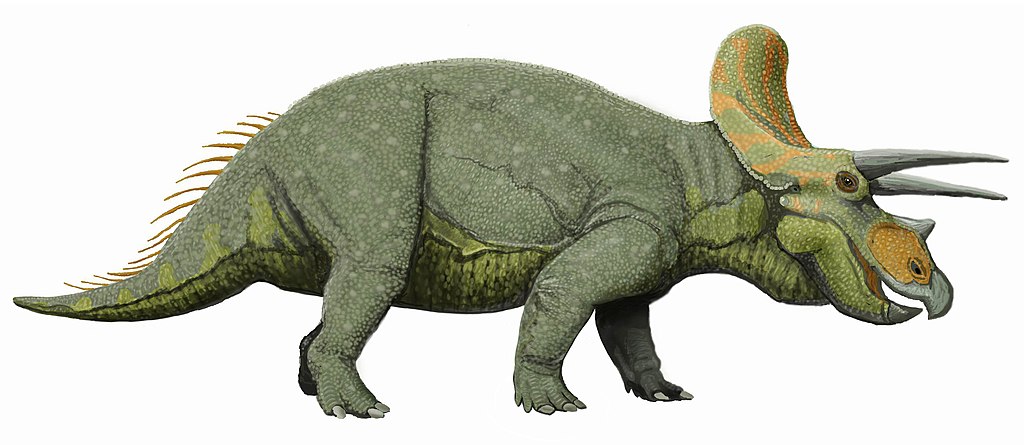
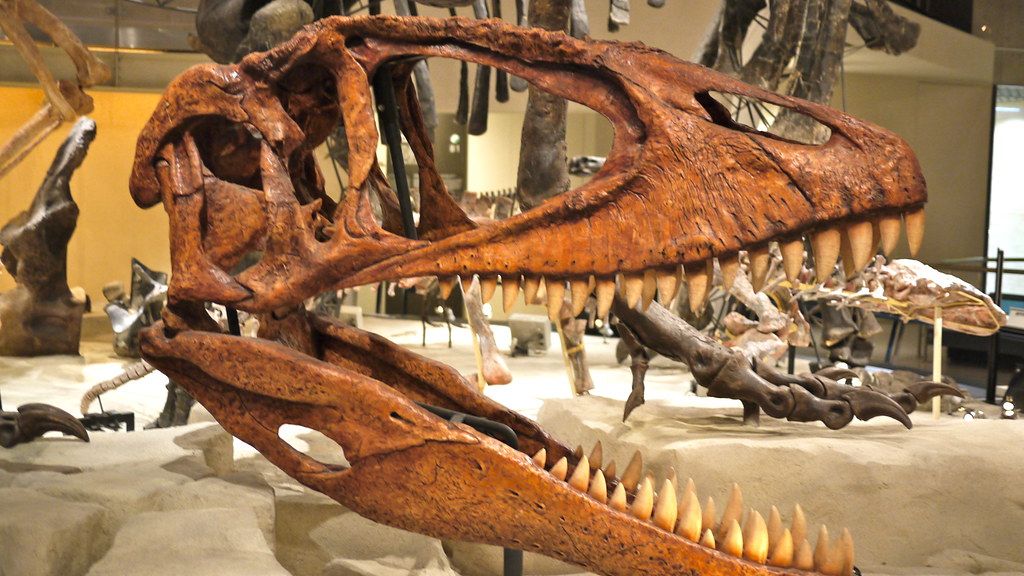
In modern scientific terminology, “dinosaur” has a precise definition that differs significantly from its colloquial usage. Paleontologists define dinosaurs as members of the clade Dinosauria, which includes all descendants of the most recent common ancestor of Triceratops and modern birds. This classification is based on several shared anatomical features, including a perforate acetabulum (a hole in the hip socket), an upright posture, and at least partially erect limbs. Not all prehistoric reptiles qualify as dinosaurs under this definition. Notable exclusions include pterosaurs (flying reptiles), plesiosaurs and ichthyosaurs (marine reptiles), and synapsids like Dimetrodon (more closely related to mammals than to dinosaurs). This strict scientific definition means that many creatures popularly labeled as “dinosaurs” in movies and children’s books are technically not dinosaurs at all, representing a significant gap between scientific terminology and public understanding.
Birds: The Living Dinosaurs
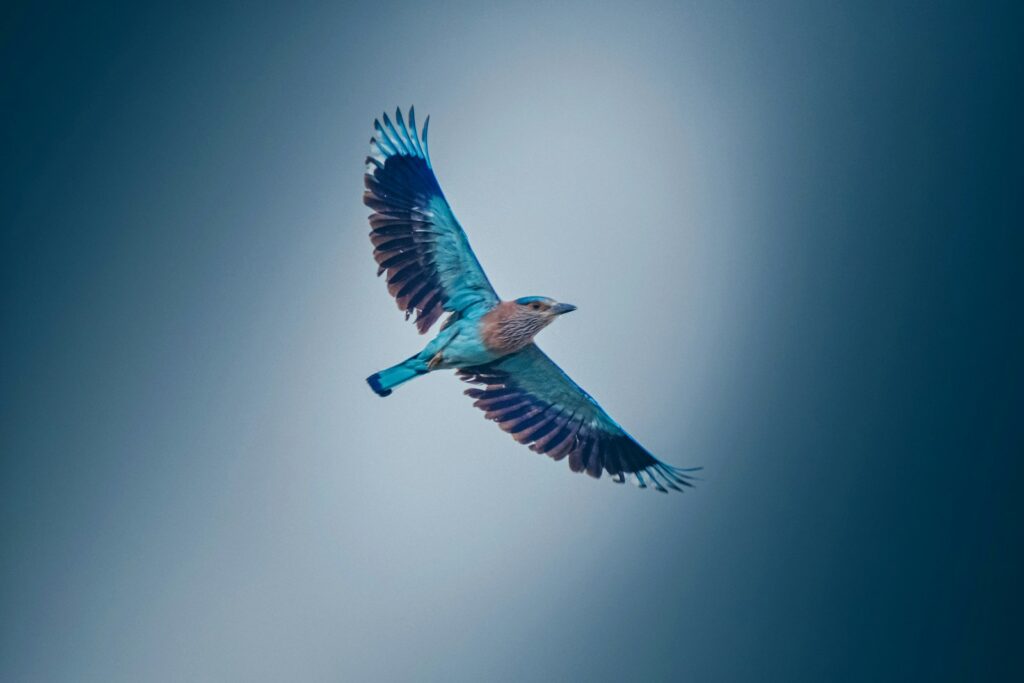
Perhaps the most surprising aspect of dinosaur classification is that they never truly went extinct. Modern birds (class Aves) are technically dinosaurs—specifically, they belong to the theropod group of dinosaurs, which also includes Velociraptor and Tyrannosaurus rex. This means that dinosaurs continue to thrive all around us, with over 10,000 species of birds representing the surviving lineage of the dinosaur family tree. The evolutionary relationship between birds and dinosaurs was first proposed by Thomas Henry Huxley in the 1860s, but gained widespread scientific acceptance only in the 1970s with John Ostrom’s work on Deinonychus. Subsequent discoveries of feathered dinosaurs in China during the 1990s and 2000s provided conclusive evidence for this relationship. When scientists use the term “non-avian dinosaurs,” they’re specifically referring to all dinosaurs except birds—the ones that went extinct approximately 66 million years ago during the Cretaceous-Paleogene extinction event.
Warm-Blooded, Not Cold-Blooded
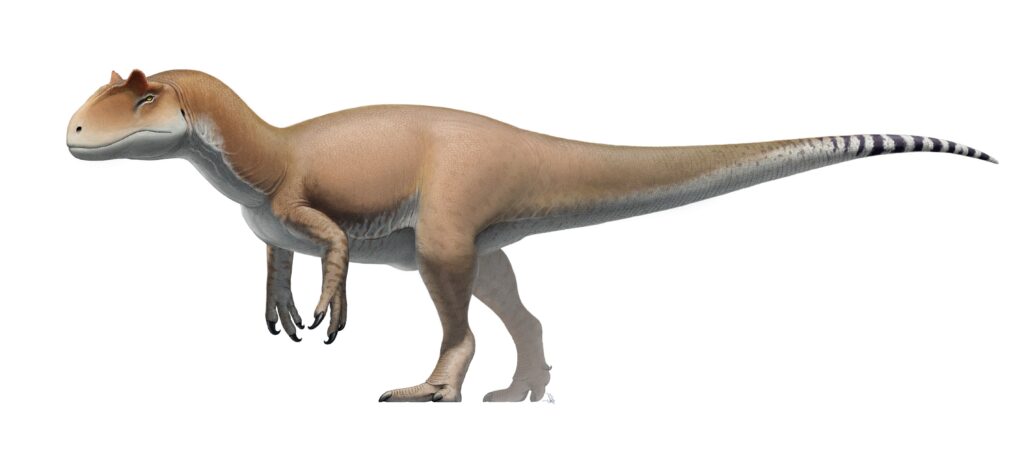
The traditional image of dinosaurs as cold-blooded reptiles has been increasingly challenged by scientific evidence. Current research strongly suggests that many, if not most, dinosaurs were warm-blooded (endothermic) creatures more similar to modern birds and mammals than to reptiles in their metabolism. Evidence for warm-bloodedness includes the discovery of dinosaur fossils in polar regions where cold-blooded animals would struggle to survive, growth rates that match those of endothermic animals, and the presence of respiratory systems similar to those of birds. The discovery of feathers on numerous dinosaur species further supports this view, as feathers serve as excellent insulation for maintaining body heat. Additionally, studies of bone microstructure reveal patterns consistent with rapid growth and high metabolic rates. This shift in scientific understanding fundamentally changes how we should visualize dinosaurs—not as sluggish, reptilian creatures, but as active, energetic animals more akin to modern birds in their physiology and behavior.
Feathered, Not Just Scaly

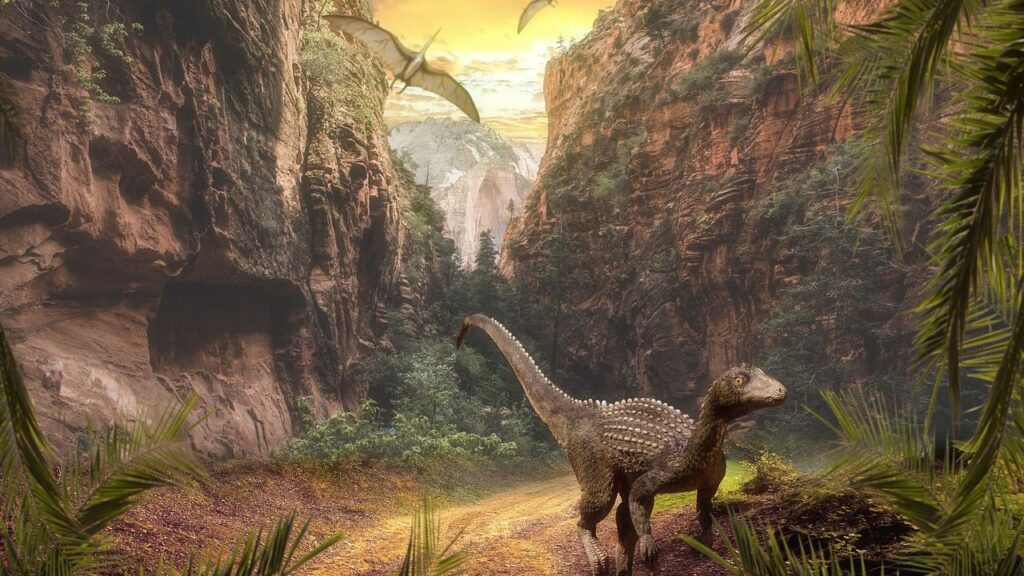
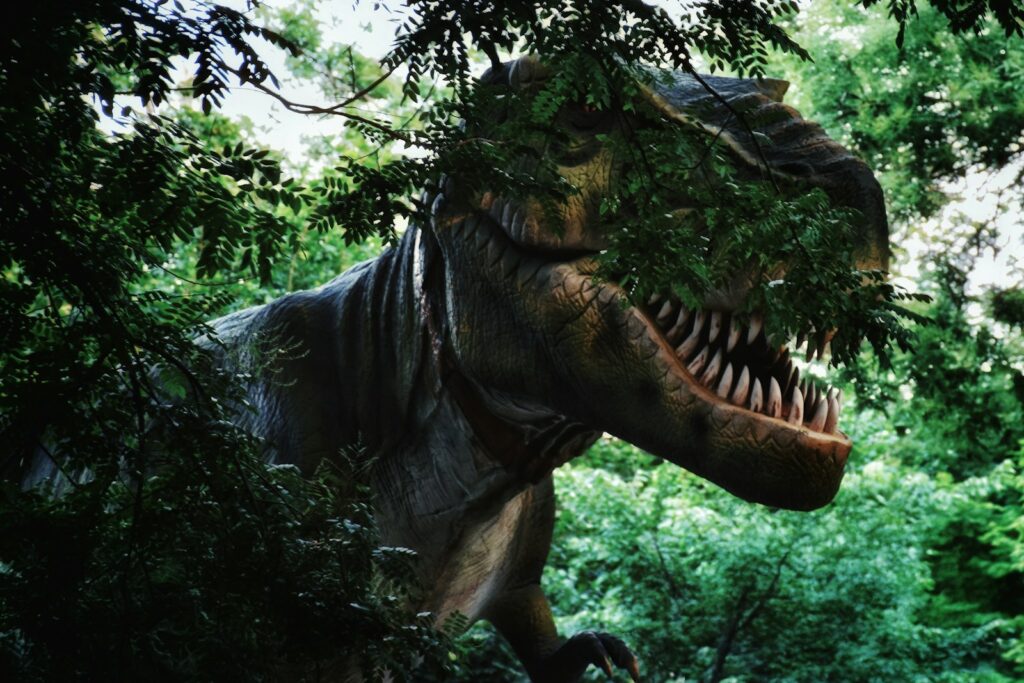
The popular image of dinosaurs covered exclusively in scales is outdated, according to current scientific evidence. Remarkable fossil discoveries, particularly from the Liaoning Province in China, have revealed that many dinosaurs possessed feathers or feather-like structures. These findings have revolutionized our understanding of dinosaur appearance, particularly among theropods (the group that includes Velociraptor and T. rex). Even some ornithischian dinosaurs, a separate branch of the dinosaur family tree that includes Triceratops and Stegosaurus, show evidence of bristle-like structures that may have been primitive feathers. The presence of feathers was not limited to small, bird-like species either—evidence suggests that even some large tyrannosaurs may have had feathery covering, at least during part of their life cycle. These feathers likely served multiple functions beyond flight, including insulation, display, camouflage, and parental care. The colorful, feathered dinosaurs of modern scientific understanding bear little resemblance to the uniformly scaly monsters popularized in films like Jurassic Park.
Not All Prehistoric Reptiles Were Dinosaurs
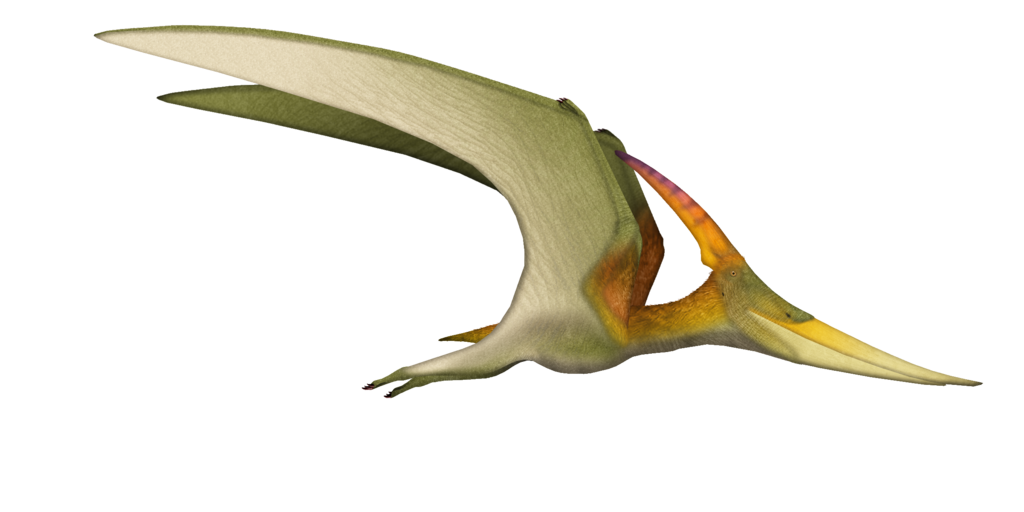
One of the most common misconceptions about dinosaurs is that the term encompasses all prehistoric reptiles. In reality, many iconic prehistoric creatures were not dinosaurs at all. Pterosaurs, the flying reptiles that included Pteranodon and Quetzalcoatlus, were close relatives of dinosaurs but belonged to a separate reptile group. Similarly, marine reptiles like plesiosaurs (like the long-necked Elasmosaurus), mosasaurs (massive marine predators), and ichthyosaurs (dolphin-like reptiles) were distinct from dinosaurs, having evolved from different reptilian ancestors. Even earlier reptiles like Dimetrodon, with its distinctive sail-back appearance, lived millions of years before the first dinosaurs and are more closely related to mammals than to dinosaurs. The dinosaur lineage represents just one branch of the diverse reptilian evolutionary tree that flourished during the Mesozoic Era, albeit an extraordinarily successful one. This distinction matters for scientific accuracy and demonstrates the remarkable diversity of reptilian life throughout Earth’s history.
Dinosaur Sizes: Bigger and Smaller Than You Think

The size range of dinosaurs was far more diverse than typically portrayed in popular media. While some species like Argentinosaurus and Patagotitan reached astonishing sizes with estimated lengths of over 30 meters (100 feet) and weights exceeding 70 tons, many dinosaurs were surprisingly small. Microraptor, a four-winged feathered dinosaur, was roughly the size of a crow, while Compsognathus was approximately the size of a chicken. The smallest known dinosaur, Oculudentavis (though its classification remains debated), was discovered in amber and may have been no larger than a modern hummingbird. This vast size range—from creatures smaller than a house cat to animals larger than blue whales—represents an extraordinary evolutionary radiation. The popular focus on gigantic dinosaurs often overshadows this remarkable diversity and distorts our understanding of dinosaur ecosystems, which included complex food webs with animals of all sizes. Modern birds continue this tradition of size diversity, from tiny hummingbirds to larger species like ostriches and emus.
The Dinosaur Period

The temporal range of dinosaurs far exceeds what many people realize, spanning approximately 165 million years from the Late Triassic Period (about 231 million years ago) to the end of the Cretaceous Period (about 66 million years ago). This immense timeframe dwarfs the entire existence of human beings, as our species has only existed for about 300,000 years. To put this in perspective, Tyrannosaurus rex lived closer in time to humans than to Stegosaurus—T. Rex lived around 68-66 million years ago, while Stegosaurus lived around 155-145 million years ago. The dinosaur era encompasses three distinct geological periods: the Triassic, Jurassic, and Cretaceous, collectively known as the Mesozoic Era. Throughout this vast period, dinosaurs evolved, diversified, and adapted to changing environmental conditions across multiple continents. Different species dominated different eras, with complete turnover of dinosaur fauna occurring multiple times across their evolutionary history.
The Extinction Event Misconception

The common belief that all dinosaurs went extinct simultaneously is not entirely accurate. While the Cretaceous-Paleogene (K-Pg) extinction event approximately 66 million years ago did wipe out all non-avian dinosaurs, one lineage of dinosaurs—the avian dinosaurs, or birds—survived and continued to evolve. This extinction was caused primarily by the impact of a massive asteroid or comet in what is now the Yucatán Peninsula of Mexico, creating the Chicxulub crater. The impact triggered global climate disruption, including tsunamis, wildfires, and a prolonged “impact winter” that dramatically reduced photosynthesis worldwide. However, small, feathered dinosaurs with adaptations for flight had advantages that allowed them to survive this catastrophic event. Their smaller size required less food, their feathers provided insulation during the temperature drop, and their ability to fly gave them mobility to escape localized destruction. The birds we see today are the direct descendants of these surviving dinosaurs, making them the only dinosaur lineage to witness the rise of human civilization.
The Cultural Impact of Dinosaur Etymology
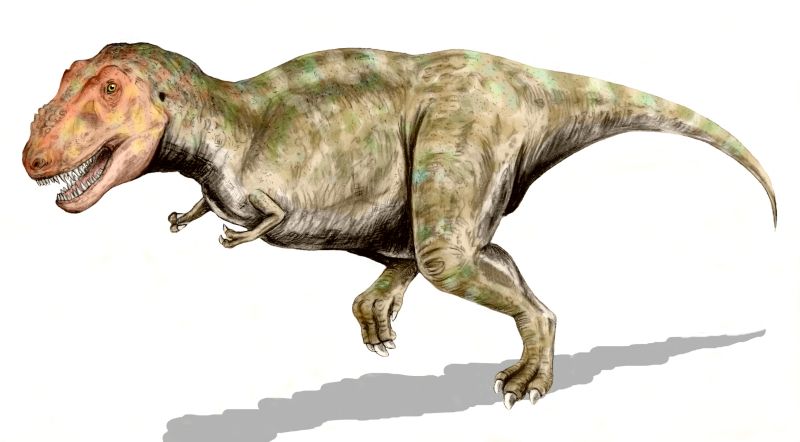
The term “dinosaur” has transcended its scientific origins to become deeply embedded in our cultural lexicon, often in ways that contradict its literal meaning. In modern English, calling something or someone a “dinosaur” typically implies obsolescence, resistance to change, or being hopelessly outdated—a usage that emerged in the mid-20th century. This figurative meaning directly contradicts the scientific reality that dinosaurs were among the most successful and adaptable groups of animals in Earth’s history, thriving for over 165 million years and continuing today as birds. The pejorative use of “dinosaur” reflects a fundamental misunderstanding of these creatures, portraying them as evolutionary failures rather than celebrating their remarkable success and resilience. This linguistic evolution demonstrates how scientific terminology can develop separate cultural meanings that sometimes undermine accurate understanding of the original concept. The disconnect between the scientific reality of dinosaurs and their cultural portrayal continues to shape public perception of these fascinating animals.
Modern Scientific Reclassifications
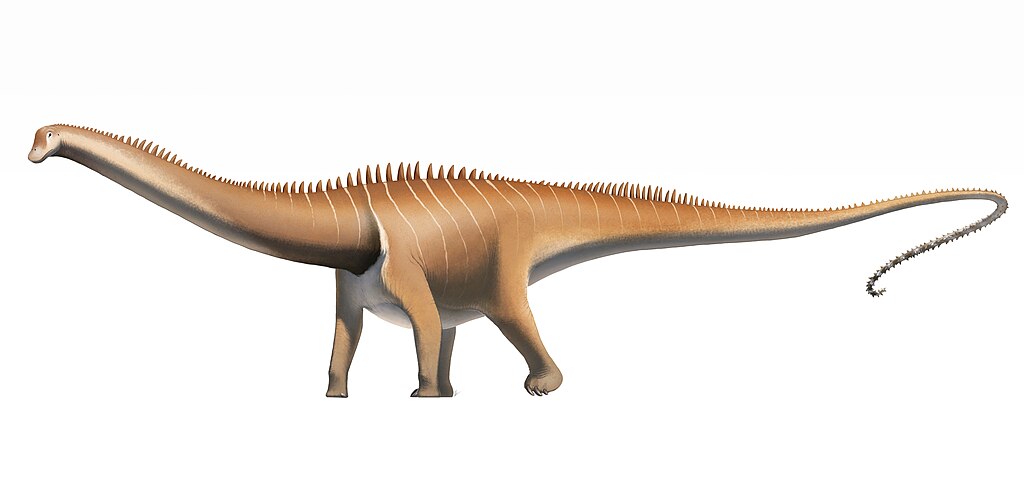
The taxonomy and classification of dinosaurs have undergone significant revisions in recent decades, reflecting discoveries and methodological approaches. Traditional dinosaur classification divided them into two major groups based on hip structure: Saurischia (“lizard-hipped”) and Ornithischia (“bird-hipped”). However, a controversial 2017 study suggested a radical reorganization, placing theropods and ornithischians together in a new group called Ornithoscelida, with sauropodomorphs (long-necked dinosaurs) as their sister group. While this proposal remains debated, it illustrates how dinosaur classification continues to evolve with new evidence. Another major shift has been the adoption of cladistics, a systematic approach that classifies organisms based strictly on common ancestry and shared derived characteristics. This methodology has led to the integration of birds within Dinosauria rather than treating them as a separate group. These ongoing refinements in classification remind us that scientific understanding is not static but progresses through continuous reassessment as new evidence emerges.
Why Accurate Terminology Matters

The precise definition and proper understanding of the term “dinosaur” have significant implications beyond mere academic pedantry. Accurate terminology provides the foundation for scientific communication, education, and public understanding of evolutionary history. When we misapply the term “dinosaur” to creatures like pterosaurs, plesiosaurs, or Dimetrodon, we inadvertently distort our understanding of Earth’s evolutionary past and the relationships between different animal groups. This precision becomes particularly important in educational contexts, where early misconceptions can persist into adulthood and affect scientific literacy. Furthermore, recognizing birds as living dinosaurs challenges us to reconsider our relationship with the natural world, highlighting the continuity of life rather than portraying dinosaurs as entirely separate from modern animals. Accurate terminology also matters for conservation efforts—understanding that birds represent the surviving dinosaur lineage adds another dimension to the importance of protecting avian biodiversity. By using scientifically accurate definitions, we honor the complexity of evolutionary history and foster a deeper appreciation for the remarkable story of life on Earth.
Conclusion: Reimagining Dinosaurs

The term “dinosaur” carries far more scientific and etymological depth than most people realize. From its original meaning as “fearsome lizard” to its precise scientific definition encompassing a specific branch of the reptilian family tree, including modern birds, understanding what “dinosaur” truly means transforms our perception of these remarkable creatures. Rather than seeing dinosaurs as extinct monsters from a distant past, we can recognize them as a highly successful group that dominated terrestrial ecosystems for over 165 million years and continues to thrive today in the form of birds. These animals were not evolutionary failures but represent one of the most successful and adaptive animal groups in Earth’s history. Their diversity in size, appearance, and ecological roles far exceeds the limited portrayals in popular culture. By understanding what “dinosaur” actually means, we gain a more accurate, nuanced appreciation for these fascinating animals and their extraordinary evolutionary journey—a journey that continues in the skies above us every day.