You stand today in a world quietly shaped by ancient violence you never saw. Beneath the forests, geysers, and bison of Yellowstone lies one of the most powerful volcanic systems on the planet, a hidden engine that has rewritten landscapes, steered climates, and even influenced where people and animals could live. When you look at a map of North America, you are not just seeing rivers and mountains; you are also seeing scars from eruptions so massive they make ordinary volcanoes look like birthday candles.
Once you realize that much of the western United States bears the imprint of this single restless hotspot, the continent starts to feel different under your feet. You are not just living on solid ground; you are living on the cooled remains of colossal firestorms that spread ash across half a continent. Understanding Yellowstone’s prehistoric force does not just satisfy curiosity. It helps you see how deeply geology and deep time still shape your daily life, from the soil that grows your food to the geothermal heat that powers a whole region’s identity.
The Hidden Giant Beneath Yellowstone
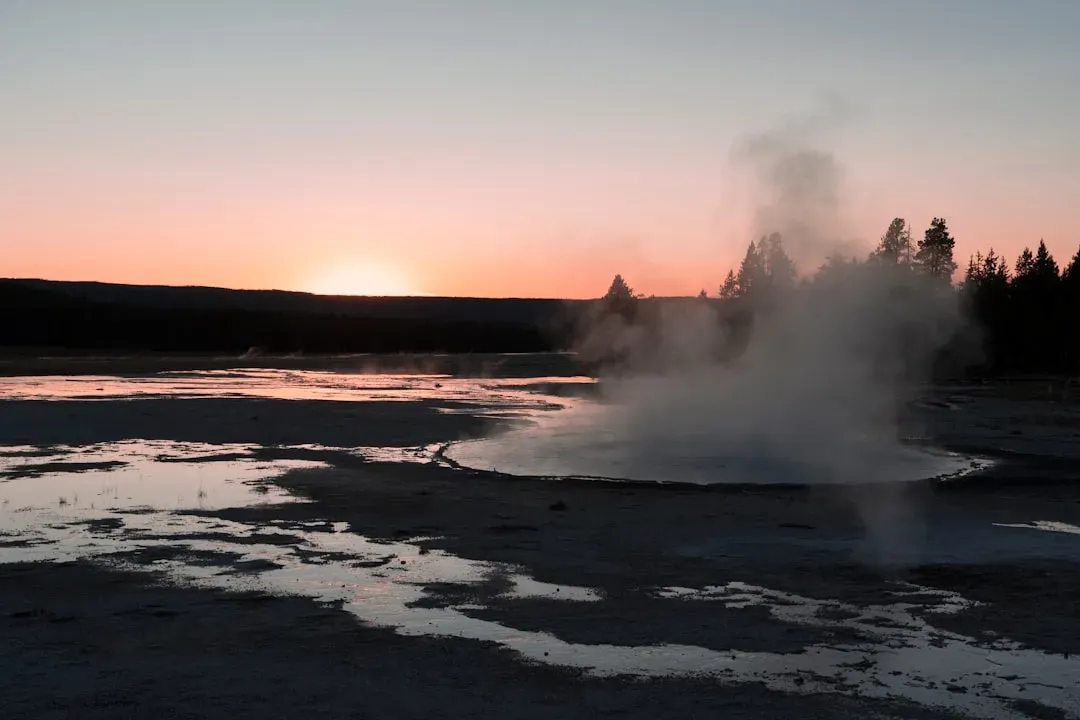
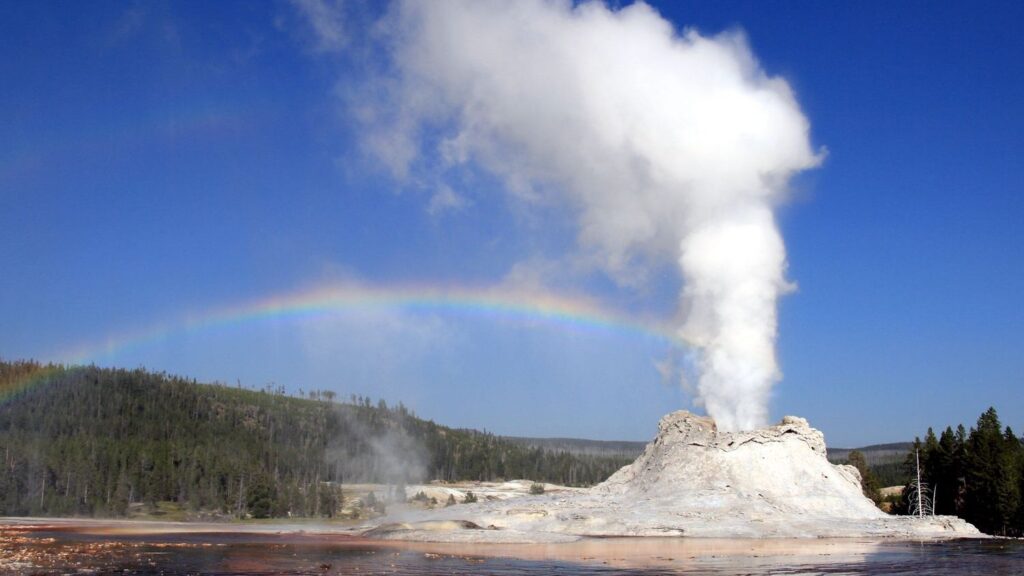
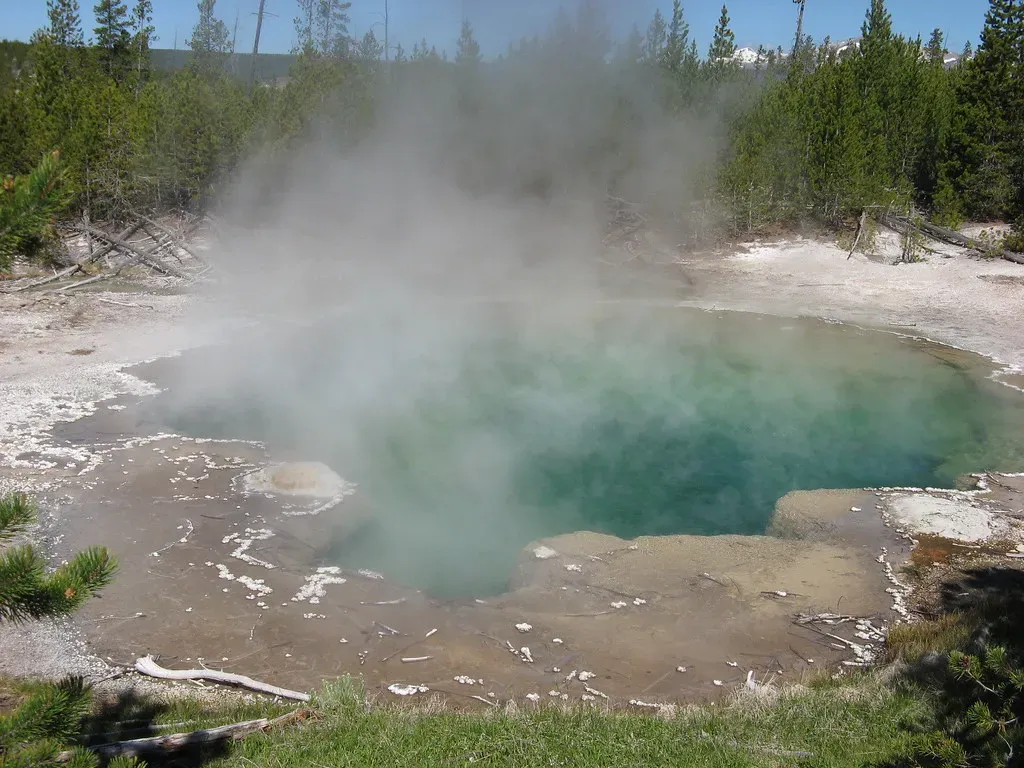
When you visit Yellowstone, you might think the show is on the surface: geysers blasting, hot springs bubbling, steam hissing out of the ground. But what you are really walking over is the roof of an enormous magma system, a vast partially molten region stretching several miles beneath your feet. You are not looking at a classic cone-shaped volcano like Mount St. Helens; instead, you are standing on a giant volcanic depression called a caldera, the collapsed remains of past mega-eruptions.
If you could peel away the crust under Yellowstone, you would see a hot mantle plume feeding this system from deep within the Earth, like a blowtorch slowly burning upward into the base of the continent. You feel none of this directly, yet every hot pool, every sulfur-rich fumarole, is a small leak from that giant underground engine. Once you grasp that the real volcano is a broad, simmering region the size of a small state, the word “supervolcano” stops sounding dramatic and starts sounding uncomfortably literal.
Three Monster Eruptions That Rewrote the Landscape
Over the last roughly two million years, Yellowstone has unleashed at least three truly enormous eruptions that make historic events look tame. You might have heard of famous eruptions like Krakatau or Mount Vesuvius, but those were tiny compared to what Yellowstone has done. Each of its major prehistoric blasts excavated deep volumes of crust, spreading ash over vast reaches of North America and leaving behind huge calderas that later filled with lava flows and hydrothermal systems.
When you stand on the broad plateaus and gently rolling basins around Yellowstone today, you are standing on thick layers of volcanic deposits from those eruptions. The modern park actually sits inside the youngest of these giant calderas, formed after an eruption that dwarfed any volcanic activity in recorded U.S. history. You might not see a towering peak, but the size of the crater you are inside tells you how much rock was torn out and hurled into the sky, changing landscapes far beyond the Rockies.
How Ash Clouds Reshaped North America’s Surface
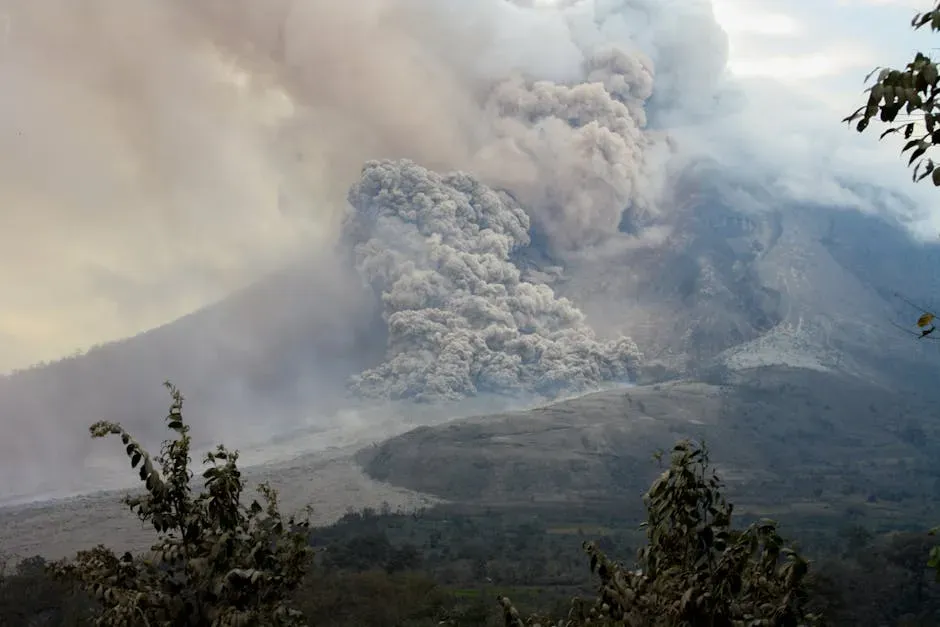
Imagine waking up to find your entire region buried under a suffocating blanket of ash, not just for miles, but for hundreds or even thousands of miles in every direction. That is what parts of North America experienced when Yellowstone’s largest eruptions sent ash high into the stratosphere and let it drift across the continent. If you dig into ancient sediments in places like the Great Plains, the Midwest, or even along the coasts, you can still find distinct layers of that ash like pages in a history book.
Those ash layers did more than just leave a geological signature; they altered the ground itself in ways you would feel if you were there. Thick, fresh ash can turn landscapes into near-deserts, clog rivers, and kill vegetation, but over time it weathers into fertile soils. You may be walking or farming today on land whose productivity was literally built by these far-traveled volcanic dustings. In a quiet, indirect way, Yellowstone helped write the recipe for many of the soils that now feed people and wildlife across the continent.
A Hotspot on the Move: Tracing the Trail Across the West
If you think of the Yellowstone hotspot as a stationary blowtorch, then you can picture the North American plate slowly sliding over it like a conveyor belt of rock. As the plate moved to the southwest over millions of years, you ended up with a chain of ancient calderas stretching from the Snake River Plain in Idaho all the way to modern Yellowstone. When you look at that chain on a map, you are seeing a time-lapse of the continent’s slow journey over a fixed deep-Earth heat source.
This moving-plate-over-fixed-hotspot story gives you a powerful way to visualize geological time. Each older caldera to the southwest marks where the hotspot used to punch through, while Yellowstone shows you where it is now. When you drive across southern Idaho and into Wyoming, you are literally crossing the track of this wandering fire. The shape of that corridor influenced where valleys formed, how rivers were routed, and where later human travel corridors and settlements could naturally develop.
Carving Valleys, Redirecting Rivers, and Building Plateaus
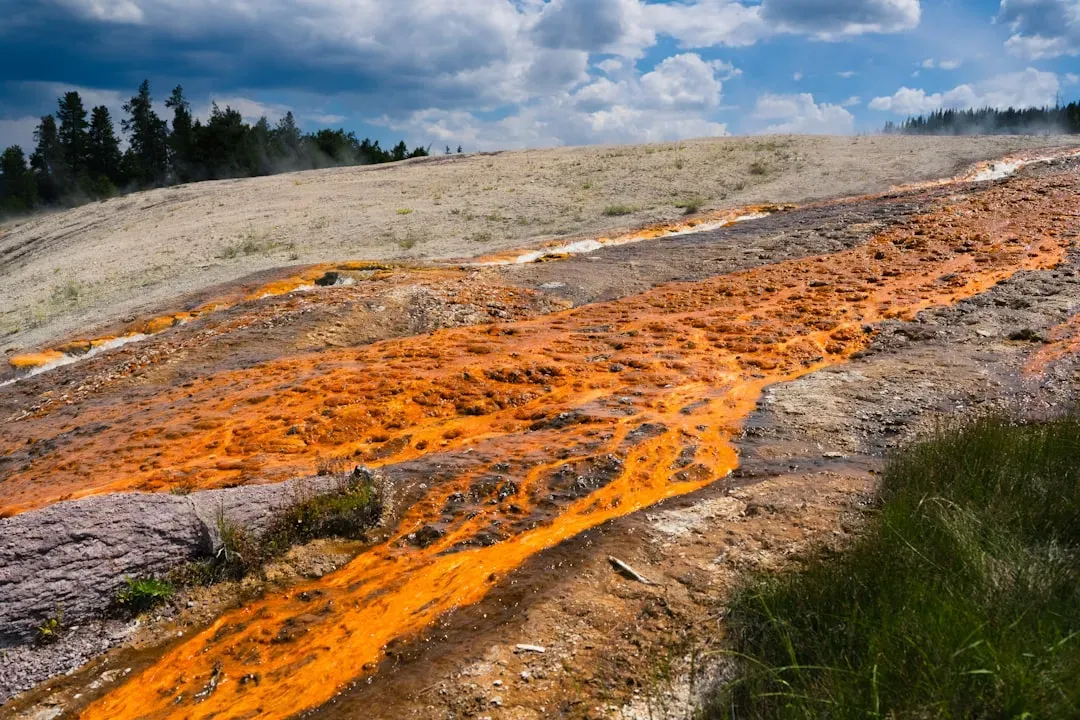
You might not connect the gentle open valleys and flat-topped plateaus of the interior West with violent eruptions, but the link is stronger than it first appears. Thick volcanic deposits from Yellowstone-related activity filled basins and smoothed relief, creating broad surfaces that later rivers carved into canyons and terraces. When you drive across the Snake River Plain, you are crossing a volcanic corridor that once was a fiery frontier and is now a relatively low, flat swath through rugged mountains.
Rivers had to adapt to this shifting terrain, and you can see that in the modern drainage patterns feeding into the Snake, the Missouri, and the Colorado systems. As volcanic deposits dammed old channels and raised new barriers, water rerouted itself, slicing through fresh rock or skirting new highlands. You drink, irrigate, and power cities today with water that flows along paths partly dictated by long-gone eruptions. Without that prehistoric reshaping, the entire network of western rivers you know would be drawn very differently.
Climate Ripples: From Darkened Skies to Long-Term Recovery
When you think about climate change, you probably picture greenhouse gases and human industry, but Yellowstone reminds you that nature has its own extreme levers. A truly massive explosive eruption can loft ash and sulfur-rich gases into the upper atmosphere, where they form reflective aerosols that dim sunlight for months or even years. If you were living downwind after one of Yellowstone’s ancient super-eruptions, you might have experienced colder seasons, failed crops, and darkened skies that felt almost apocalyptic.
At the same time, you have to be careful not to imagine a permanent volcanic winter from any single event. The climate system can be surprisingly resilient on long timescales, and even big eruptions eventually fade from its memory as ash settles and aerosols break down. Instead of thinking in terms of endless catastrophe, you can imagine pulses of stress layered onto the slow background rhythms of ice ages and warm periods. Yellowstone’s prehistoric blasts were dramatic interruptions, but they did not freeze North America in place forever.
Life on the Edge: Ecosystems Shaped by Fire and Hot Water
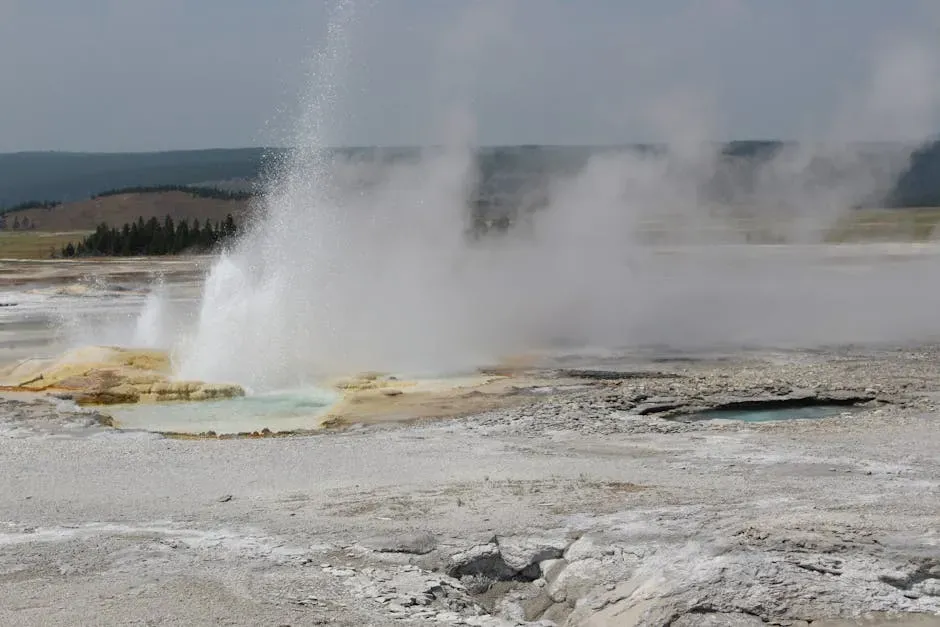
If you walk through Yellowstone today, you experience a strange mix of lush meadows, burnt forests, steaming vents, and brilliantly colored hot springs. That patchwork teaches you something about how life responds to extreme conditions over and over again. Ancient eruptions would have devastated local ecosystems, wiping out forests, burying grasslands, and forcing animals to flee or die. Yet in the centuries and millennia that followed, plants and animals returned, adapted, and sometimes even flourished in the newly created habitats.
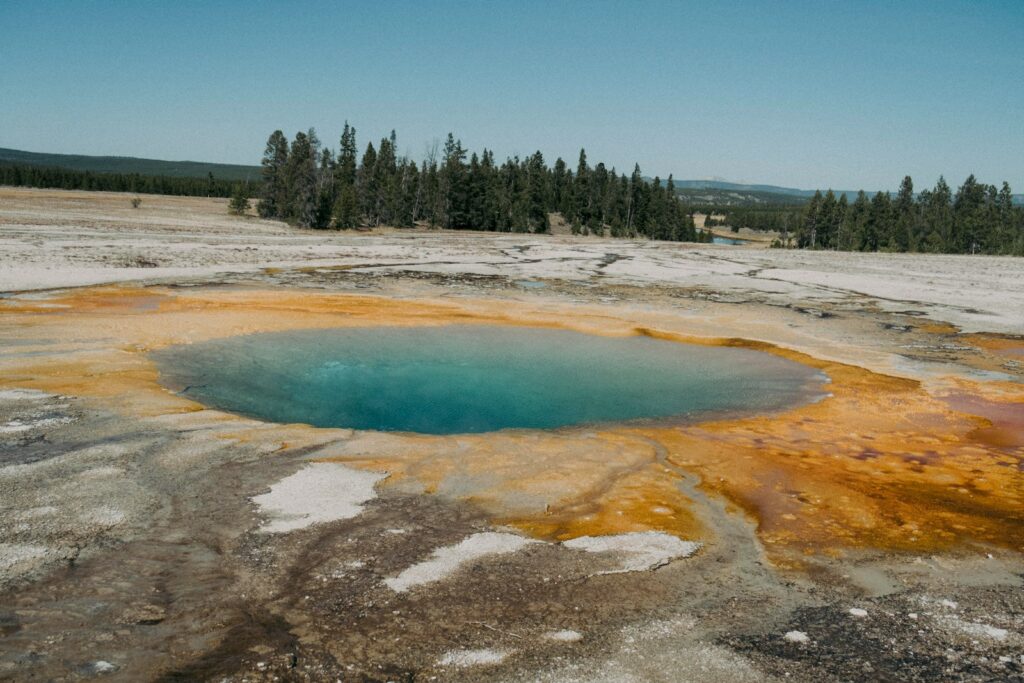
You can see echoes of that resilience in the modern park’s microbial mats, which thrive in boiling, acidic pools that would kill almost anything else. The same volcanic heat that once sterilized landscapes now sustains entire communities of microorganisms that tolerate extremes of temperature and chemistry. Those unique lifeforms have helped you and other researchers understand the limits of life on Earth and even imagine what might survive on other planets. In a real sense, Yellowstone’s fury carved out niches that broadened your definition of what life can endure.
Modern Yellowstone: Geysers, Ground Uplift, and Constant Monitoring
Today, you might think Yellowstone is mostly a tourist destination, but to geologists it is also one of the most closely watched volcanic systems on Earth. Instruments record ground movements, gas emissions, water chemistry, and earthquake swarms around the clock, giving you a detailed picture of a living, breathing magma system. The ground in parts of Yellowstone slowly rises and falls over years and decades, like a chest taking long, deep breaths, as magma and hot fluids shift below.
Those signs of restlessness do not mean you should expect a super-eruption in your lifetime, but they do remind you that this is not a dead volcano. Instead, you are looking at an active yet currently manageable system that vents its energy through hydrothermal activity and smaller earthquakes. As you walk along boardwalks over thin crust, you are never more than a few missteps away from scalding water or fragile ground. The very features that draw millions of visitors are also subtle warnings that this landscape is still powered from below.
Should You Worry About the Next Super-Eruption?
When you first hear the word “supervolcano,” your mind probably jumps straight to doomsday scenarios. It is easy to imagine a sudden, civilization-ending blast that you could never see coming. But when you look at the data, you see a more nuanced and less sensational picture. Yellowstone has not produced a super-eruption in many hundreds of thousands of years, and the intervals between its largest events are irregular rather than ticking like a predictable clock.
You also benefit from a level of scientific monitoring that has never existed before in human history. If the system began to prepare for a truly giant eruption, you would expect to see intense and persistent changes: major ground deformation, long-lasting and unusual earthquake patterns, and dramatic shifts in gas output and hydrothermal activity. Right now, you are not seeing that kind of sustained alarm. While the risk is not zero, it is far lower and more complex than fear-driven headlines suggest, and the more you learn, the better you can balance healthy respect with realistic concern.
How This Ancient Force Still Shapes Your Future

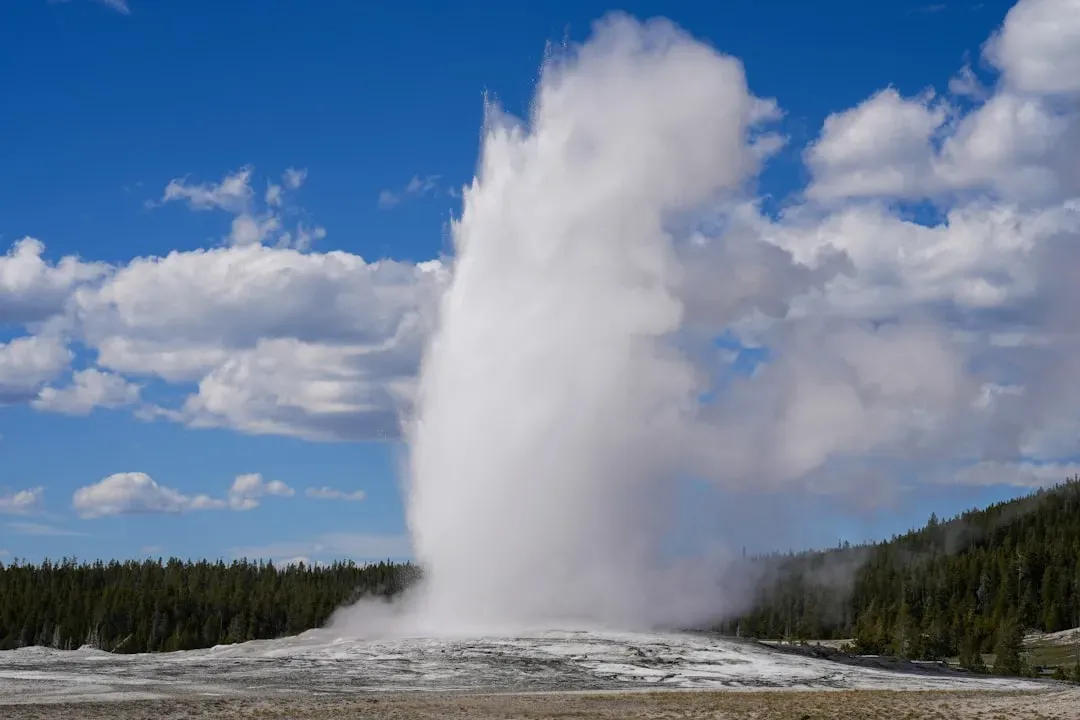
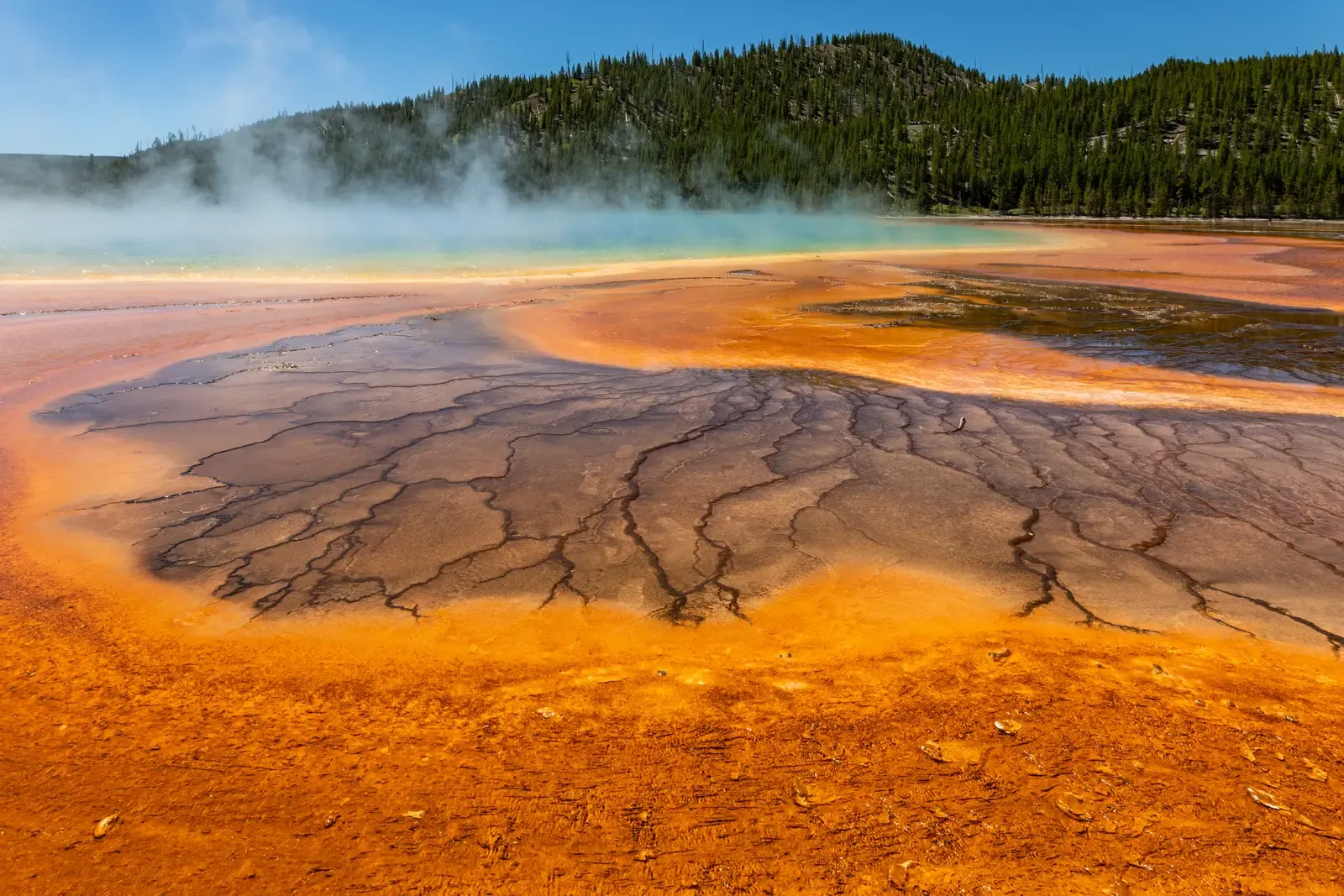
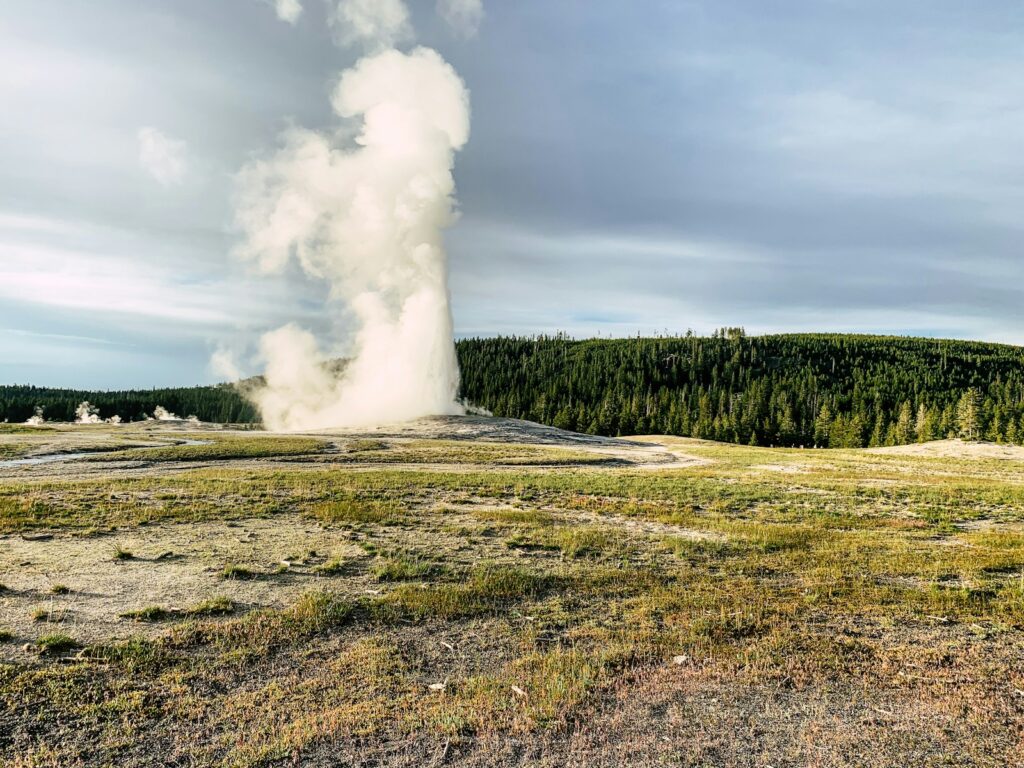
Even if you never witness a major eruption, Yellowstone’s supervolcano continues to shape your world in quieter ways. It drives a thriving tourism economy, fuels scientific discoveries about Earth’s interior, and pushes you to think in timeframes far beyond human lifespans. When you stand at the edge of the Grand Prismatic Spring or Old Faithful, you are not just watching pretty water shows; you are glimpsing the top of a deep Earth engine that has sculpted much of the western continent you know.
At the same time, Yellowstone challenges you to think differently about risk, resilience, and your place on a restless planet. You live with many natural hazards – storms, earthquakes, floods – and supervolcanoes are part of that broader tapestry rather than an isolated horror story. By learning how this prehistoric force shaped North America, you give yourself a better sense of what is possible, what is likely, and what is simply part of sharing a living planet with deep geologic time. Knowing that, you can ask yourself a more powerful question: not just whether Yellowstone might erupt again, but how you choose to live on a continent built by fire.
In the end, Yellowstone’s supervolcano is less a lurking monster and more a reminder that your seemingly stable world rides on a dynamic engine that never truly sleeps. You walk on cooled ash, drink water routed by ancient lava, and study life that thrives in boiling springs, all because of eruptions no human ever saw. Instead of only fearing that past, you can let it widen your sense of scale and deepen your respect for the ground beneath your feet. Knowing that this quiet giant helped shape the North America you call home, what surprises you most about the story written in the rocks under you?