Somewhere beneath the freezing ice of Antarctica, beneath the seafloor of the North Sea, and locked inside the molecular architecture of ancient fossils, entire worlds are hiding. Worlds that thrived millions of years before humanity arrived, teeming with life, colour, and complexity we are only now beginning to grasp. The idea that Earth still holds such secrets feels almost impossible. Yet it is exactly what the science of our time keeps confirming, again and again.
You might think paleontology is mostly about enormous bones and dramatic museum displays. Honestly, you would not be entirely wrong. But the real action right now is happening on a much quieter, stranger frontier. Sediment cores, satellite radar, ancient molecules locked in fossilized teeth. The tools have changed everything. So let’s dive in.
The China Discovery That Rewrote the Rulebook
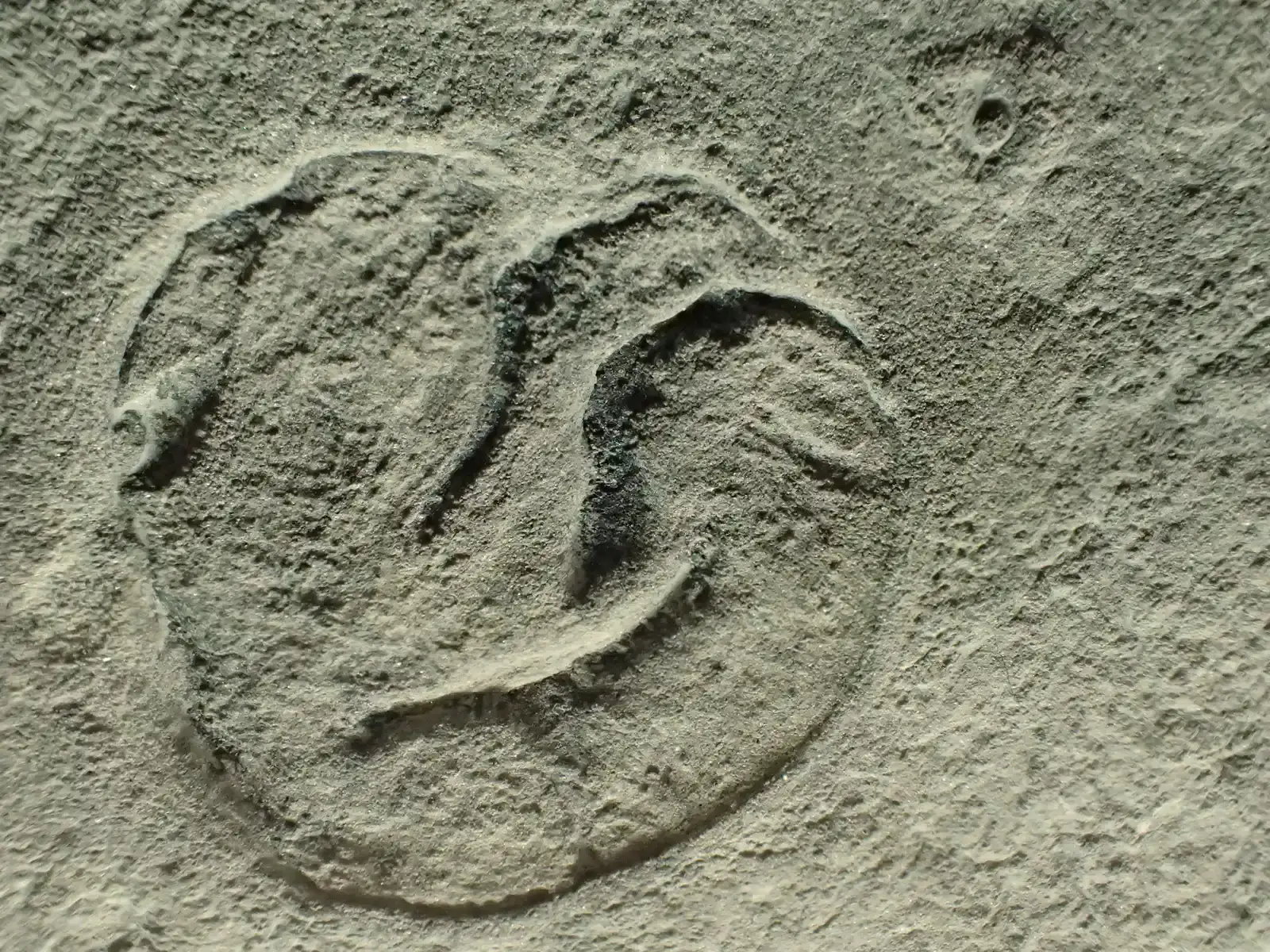
Imagine finding out that an entire chapter of life’s history on Earth was sitting in the wrong place in the textbook. That is essentially what happened with a fossil site in southwest China. A remarkable fossil discovery in southwest China is rewriting the story of how complex animal life began, showing that many key animal groups appeared millions of years earlier than scientists once believed. Dating back over 540 million years, the fossils reveal a surprisingly diverse and advanced ecosystem from the late Ediacaran period, before the famous Cambrian explosion.
The fossils were uncovered in the Jiangchuan Biota in Yunnan Province, where researchers collected more than 700 specimens dating from 554 to 539 million years ago. This site reveals a rich and varied Ediacaran ecosystem, including previously unknown species as well as animals once thought to appear only later in the Cambrian. Think of it like finding a Renaissance painting in what everyone assumed was a blank medieval canvas. The timeline of life was simply not what you thought it was.
Among the most important findings are fossils believed to be the oldest known relatives of deuterostomes, a major group that includes vertebrates such as humans and fish. These discoveries extend the fossil record of this group back into the Ediacaran Period for the first time. The implications are staggering. Your own lineage, it turns out, has roots even deeper and more ancient than science had previously demonstrated.
Unlike most Ediacaran fossil sites, which preserve organisms as simple impressions in sandstone, the Jiangchuan Biota fossils are preserved as carbonaceous films. This type of preservation is more commonly associated with famous Cambrian fossil sites such as the Burgess Shale in Canada. It allows scientists to see fine details, including feeding structures, digestive systems, and organs related to movement. Here’s the thing: extraordinary preservation like this is extraordinarily rare. You are incredibly lucky this site exists at all.
Antarctica’s Frozen World Buried Under Two Kilometres of Ice
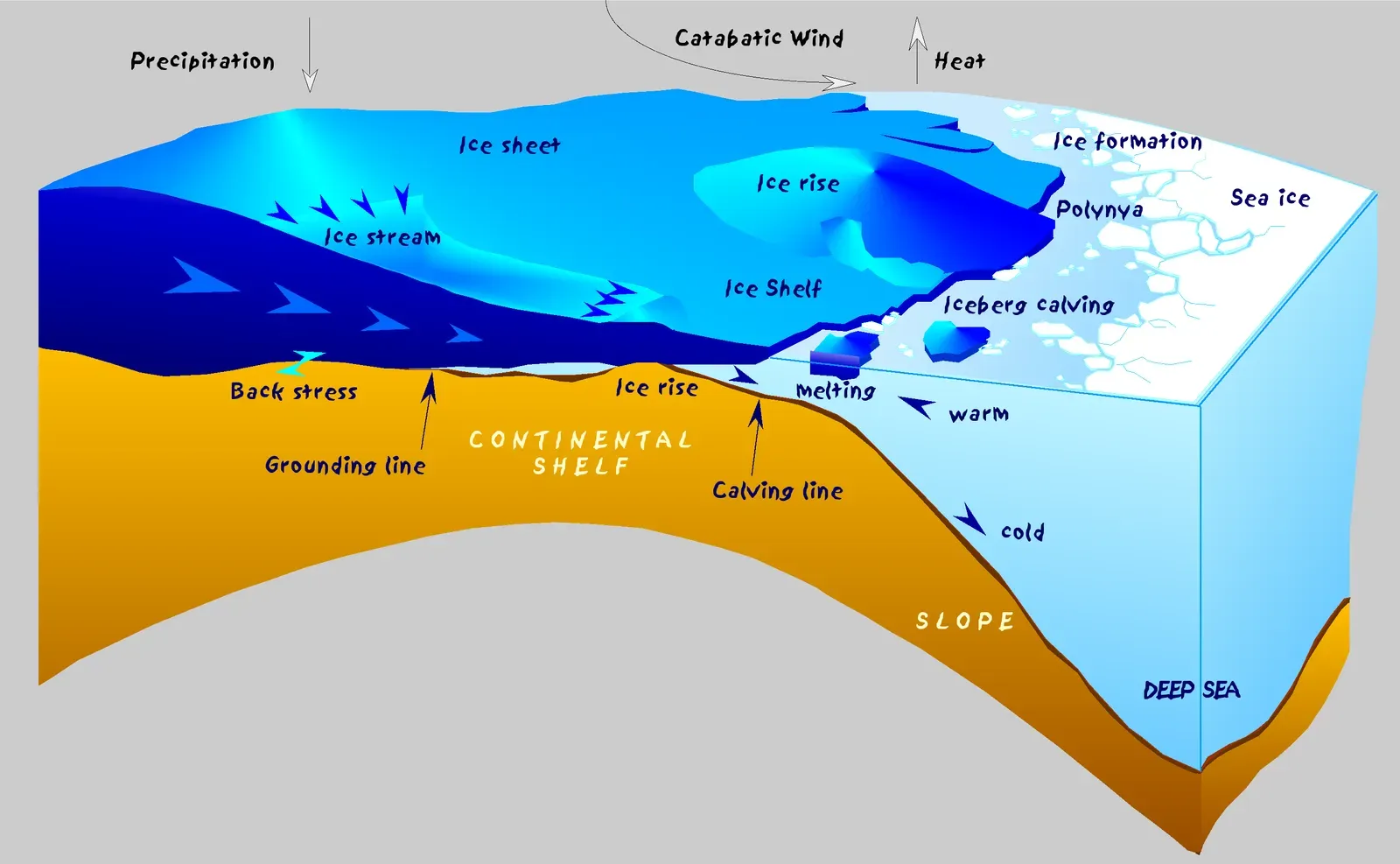
Two kilometers beneath the thick ice of East Antarctica lies a hidden world, untouched for over 34 million years. Let that number sink in for a moment. Thirty-four million years. Long before you, before your species, before most of the mammals you recognize today. An entire ancient landscape, sealed away like a letter no one had opened.
A team led by Stewart Jamieson at Durham University made the discovery with help from RADARSAT, a Canadian satellite system. The technology allowed them to detect small changes in the ice surface, revealing the shape of the land buried below. What they found was extraordinary: an ancient river-carved terrain about the size of Wales, locked under nearly two kilometers of ice. You could fit that into your mental map of the world and it would still feel surreal.
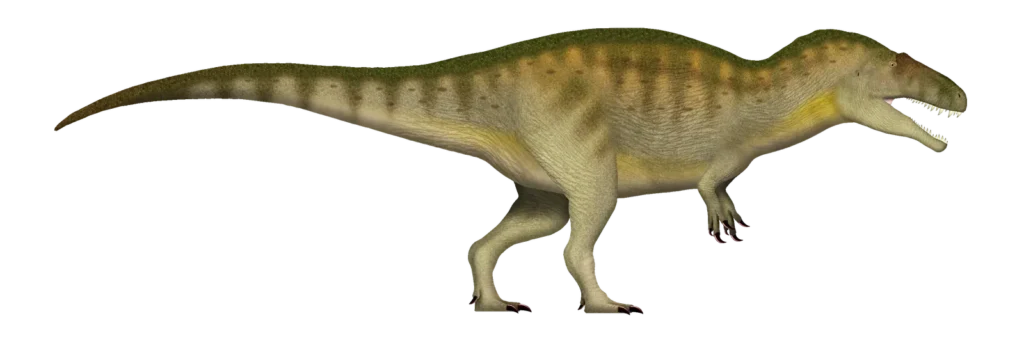
The landscape revealed has been sealed off for over 34 million years, dating back to a time when Antarctica was covered by forests and flowing rivers, home even to dinosaurs roaming the ancient supercontinent Gondwana. Scientists believe what you are looking at, when you examine the radar data, is a snapshot of a living, breathing, green world that simply ceased to exist as the planet cooled.
These findings could also shed light on how the ice sheet might respond to rising global temperatures in the future. The research also opens a new window into how rivers once shaped the bedrock before the climate shifted. It suggests that massive ice coverage can preserve entire ecosystems in place, offering a rare glimpse into ancient environments that no longer exist. Studying this frozen past is not just about curiosity, it is about understanding what kind of changes Earth can actually make, and how fast.
Doggerland: The Drowned Forest Beneath the North Sea
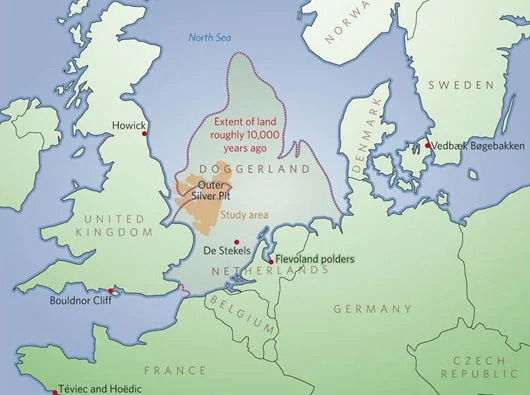
Doggerland, often referred to as the ‘Atlantis of Britain,’ was a vast area of land that once connected Great Britain to mainland Europe before rising seas swallowed it whole. This now-submerged world was a heartland for Mesolithic hunter-gatherers, a landscape of rivers, marshes, and woodlands that was gradually lost to rising sea levels after the last Ice Age ended. You are looking at what is now the bottom of the North Sea and imagining mammoths, wild horses, and campfire smoke.
By analysing genetic traces preserved in marine sediments, scientists were able to identify plant species that lived there from the end of the last Ice Age until rising seas eventually submerged the landscape. The findings reveal that temperate woodland species such as oak, elm, and hazel were already present in southern Doggerland more than 16,000 years ago, several thousand years earlier than indicated by pollen records from mainland Britain. You are reading a story written in genetic traces, not words, and every sentence surprises you.
Researchers also detected DNA from lime, a warmth-loving tree species, appearing around 2,000 years earlier than previously recorded in Britain. Perhaps most surprising was the discovery of genetic traces belonging to Pterocarya, a walnut-related tree thought to have vanished from north-western Europe roughly 400,000 years ago. The presence of this species suggests it may have survived in the region far longer than scientists had assumed.
DNA evidence also pointed to the presence of animals such as deer, wild boar, bears, and aurochs, an extinct type of wild cattle. Together, these findings indicate that Doggerland supported a thriving ecosystem. The picture is vivid. Forests buzzing with wildlife, rivers full of fish, and human communities who called this now-drowned land their home. It is hard not to feel something a little melancholy about that.
When Oceans Had Superpredators No Longer Found on Earth
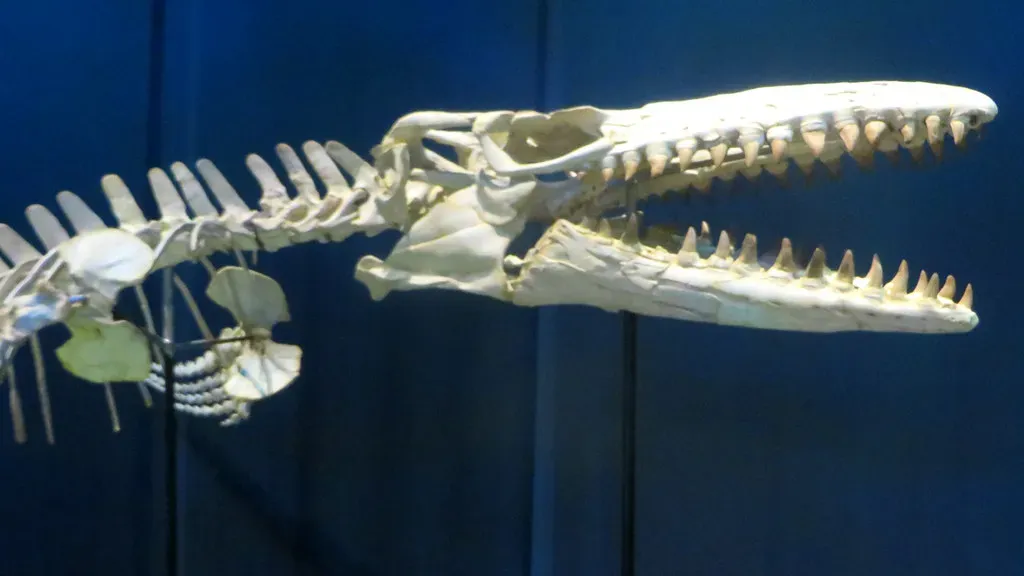
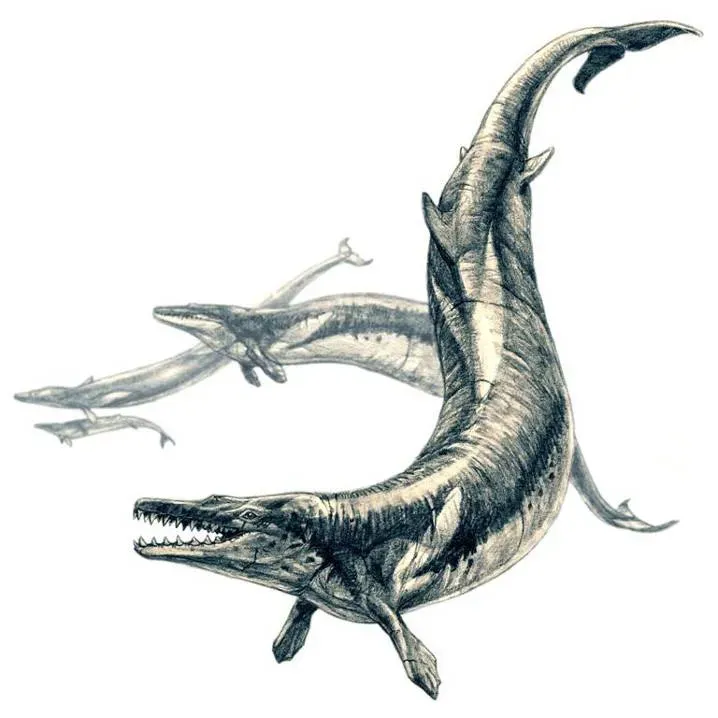
You probably think today’s great white shark or killer whale is about as apex as a predator gets. You would be wrong. Long before whales and sharks, enormous marine reptiles dominated the oceans with unmatched power. Scientists have reconstructed a 130-million-year-old marine ecosystem from Colombia and found predators operating at a food-chain level higher than any seen today. The ancient seas were bursting with life, from giant reptiles to rich invertebrate communities. This extreme complexity reveals how intense competition helped drive the evolution of modern marine ecosystems.
According to the research, this prehistoric sea was filled with enormous marine reptiles, some growing longer than 10 meters, that occupied a previously unseen seventh level of the food chain. For comparison, in today’s oceans, food chains typically reach only six levels, with animals such as killer whales and great white sharks sitting at the top. So when you thought the ocean was already terrifying, the prehistoric version apparently had an extra level above that. I think about this far too often.
The discovery of predators operating at a seventh trophic level highlights just how rich and complex the Paja ecosystem once was. It also offers rare insight into a deep evolutionary struggle, where predators and prey continuously adapted in response to one another. This is essentially an arms race written in fossil form, stretching across millions of years of ocean history.
The researchers note that this work marks only an early step in understanding ancient marine ecosystems. Very few fossil sites have been studied in enough detail to rebuild entire food webs. As more discoveries emerge, scientists will be able to compare ecosystems across different regions and time periods, deepening knowledge of how ancient oceans influenced the modern seas we depend on today. You are essentially just scratching the surface. The ocean keeps its secrets deep.
Metabolic Molecules and the Chemistry of Vanished Lives
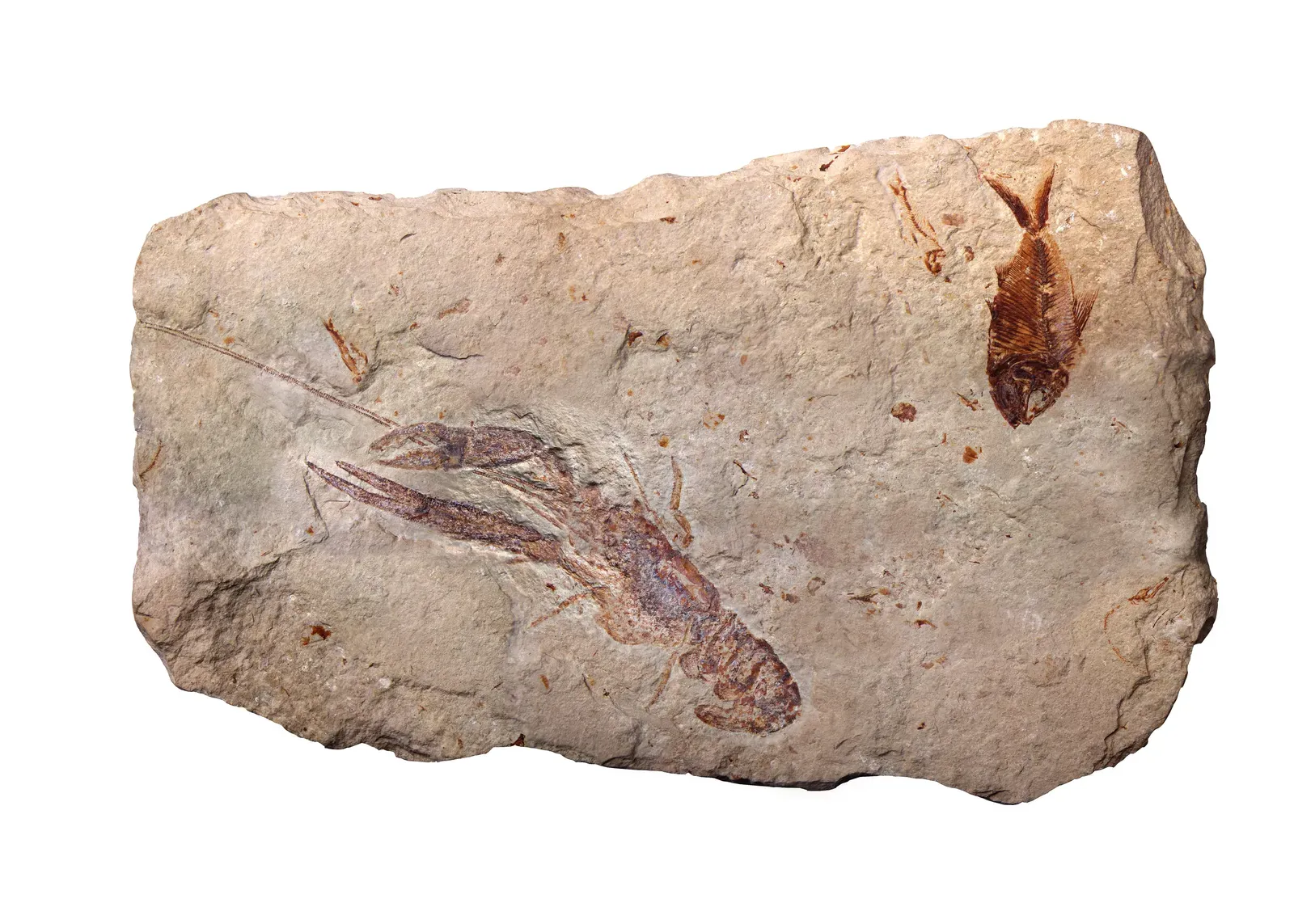
Here is something that genuinely blew my mind. It turns out that fossilized bones are not just hard, mineralized shapes. They can contain actual chemistry. Researchers have uncovered thousands of preserved metabolic molecules inside fossilized bones millions of years old, offering a surprising new window into prehistoric life. The findings reveal animals’ diets, diseases, and even their surrounding climate, including evidence of warmer, wetter environments. You are not just reading the shape of an animal anymore. You are reading its biography.
For the first time, researchers have successfully examined metabolism-related molecules preserved inside fossilized bones from animals that lived between 1.3 and 3 million years ago. These chemical traces offer rare insight into the animals themselves and the environments they once inhabited. It is a bit like finding a recipe card tucked inside an ancient jar. Suddenly you know not just what the jar was, but what it contained.
Other molecules revealed signs of illness. In one striking case, a ground squirrel bone from Olduvai Gorge in Tanzania, dated to about 1.8 million years ago, showed evidence of infection by the parasite that causes sleeping sickness in humans. The disease is caused by Trypanosoma brucei and spread by tsetse flies. The same parasites still exist today. You are looking at a disease connection across nearly two million years of time.
The chemical evidence also revealed what plants the animals consumed. Although plant metabolite databases are far less complete than those for animals, the researchers identified compounds linked to regional plants such as aloe and asparagus. Across all studied locations, the fossil evidence consistently points to climates that were wetter and warmer than today. You can now reconstruct ancient ecosystems not from bones alone, but from the very chemistry of life itself.
Forests of Greenland: The 2-Million-Year-Old Ecosystem Hidden in Sediment
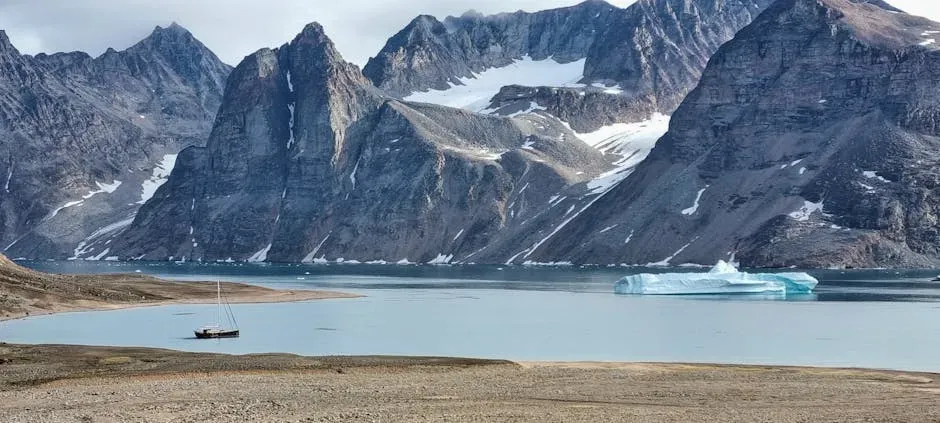
It’s hard to say for sure what the most jaw-dropping recent discovery is, but the ancient Greenland ecosystem ranks right near the top. Researchers have sequenced the oldest DNA ever analyzed and used it to identify the plants and animals that populated northern Greenland 2 million years ago. The now cold and barren landscape was once a warm, grassy forest rich with mastodons, hares, and the ancestors of reindeer. You are standing on what now looks like an empty tundra and you are being told it was once a forest with elephants.
DNA binds tightly to clay and silicate particles, which slows decomposition and makes sediment an excellent storage medium. The sediment and chilly temperatures preserved fragments of DNA for more than twice as long as researchers had thought possible, but the tight binding also made the DNA very difficult to recover. The science here is essentially a years-long detective story, told through microscopic fragments of biological material.
The researchers found that temperate-dwelling species, such as horseshoe crabs and cedar trees, once lived side by side with organisms whose descendants are still in Greenland. That is a collision of worlds that should not be possible, except it happened, and the DNA sitting in those sediment layers was waiting patiently for 2 million years for someone to notice.
Understanding how those populations adapted as Greenland’s climate cooled may someday help guide conservation efforts to mitigate modern global climate change. You may be surprised how directly the distant past speaks to the urgent present. Past ecosystems are not just history. They are warning systems and roadmaps rolled into one.
New Technology Is Unlocking What We Never Could Read Before
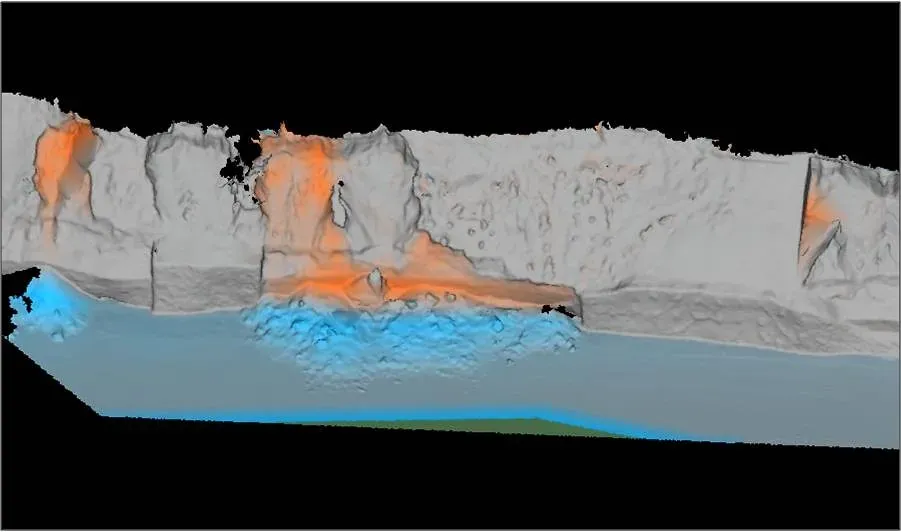
Let’s be real: none of these discoveries would be happening without a revolution in tools. From mysterious cities hidden by dense jungle to reading ancient scrolls with artificial intelligence, modern techniques are shaping the future of archaeology. The same is true for paleontology and prehistoric ecology. The instruments available now would have seemed like science fiction just a generation ago.
Using advanced radar and drilling technology, researchers detected a vast subterranean ecosystem sealed beneath miles of ice. Meanwhile, future expeditions aim to map out the underground landscape further, analyze microbial life, and possibly discover unknown species. Technological advancements in remote sensing, autonomous submarines, and cryogenic drilling will allow scientists to explore these extreme environments with minimal disruption.
Next-generation sequencing techniques have revolutionized the study of ancient DNA, providing new insights into population migration, admixture events, and language and technology spread. High-throughput approaches are ideal for ancient DNA, which is typically broken into short pieces due to its age and degradation. You could not have extracted this kind of information even 15 years ago. The science has leapt forward at an almost dizzying pace.
Despite challenges, tropical ancient environmental DNA is beginning to reveal past biodiversity trends, human impacts, and ecosystem resilience for up to a million years. Methodological refinements and inclusive collaborations in ancient DNA research open powerful opportunities to reconstruct deep-time ecological histories in the world’s most dynamic and threatened environments. Honestly, you are living in one of the most exciting moments in the history of discovery. The lost worlds are speaking, and for the first time, you have the ears to hear them.
Conclusion: The Past Is Not Done With You Yet
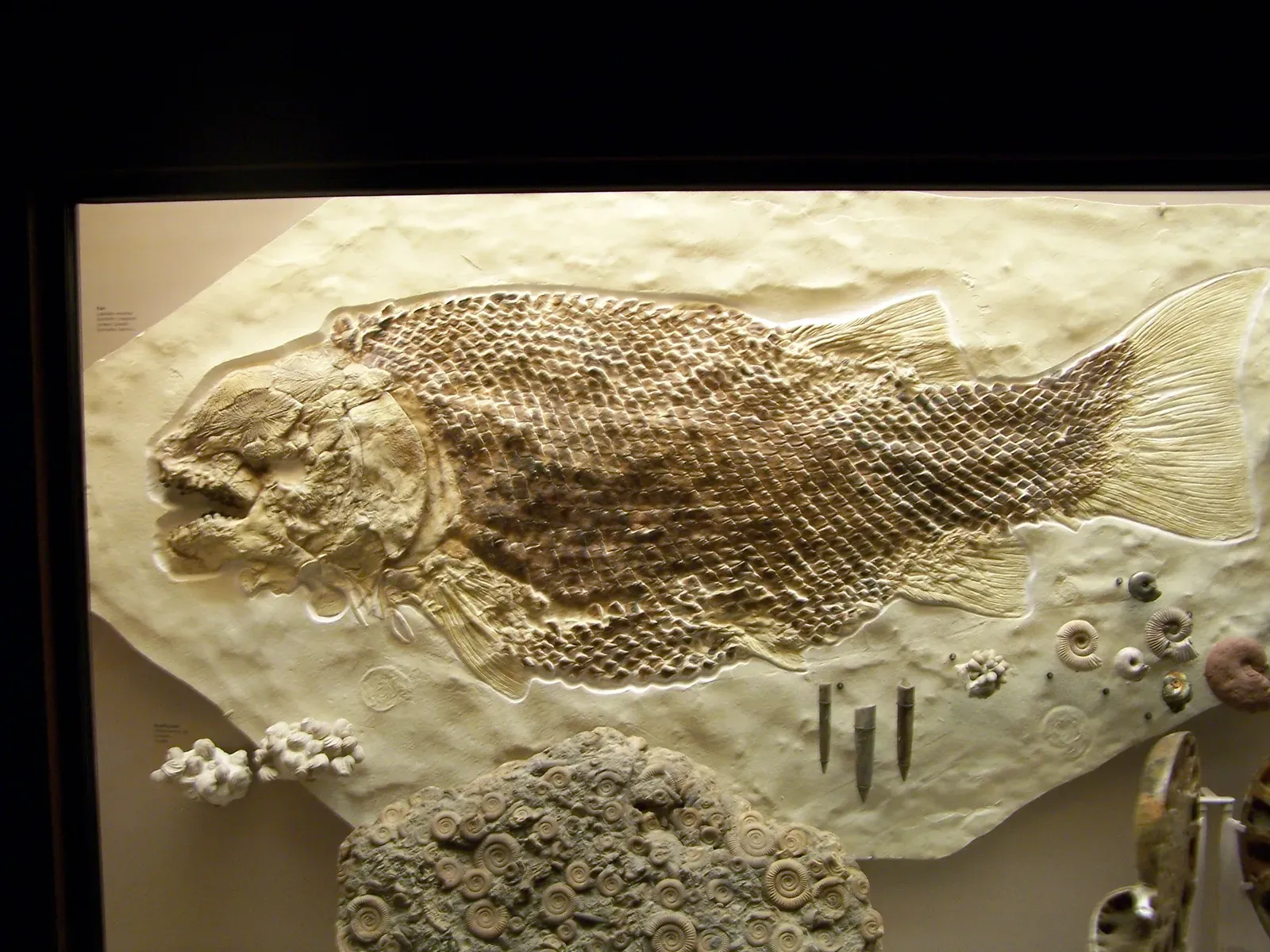
What is striking about all these discoveries, taken together, is not just the individual findings. It is what they collectively tell you about the planet you live on. Earth is not a fixed, stable backdrop to human history. It is a living archive, constantly shifting, full of buried chapters that change the story every time scientists open a new page.
From frozen Antarctic landscapes and drowned North Sea forests, to ancient ocean superpredators and molecular biographies locked inside fossils, the picture emerging is one of breathtaking richness. Life on Earth has been stranger, older, more complex, and more resilient than any previous generation of scientists could have imagined.
The tools are better. The questions are bolder. And the answers, when they come, tend to surprise everyone. You are watching science rewrite prehistory in real time, one extraordinary discovery at a time. The real question is: what do you think is still out there, waiting to be found?