Have you ever felt your heart race at the sight of a spider? Or maybe you’ve experienced that gut-wrenching sensation when standing near the edge of a tall building. These moments reveal something fascinating about the human experience. Fear is wired into the very fabric of who we are as people.
Your body doesn’t just react randomly to perceived threats. There’s an intricate dance happening beneath the surface, orchestrated by ancient brain structures that have kept humans alive for millennia. Let’s be real, understanding fear isn’t just about academic curiosity. It’s about unlocking why you freeze during a job interview, why certain situations make your palms sweat, or why some people thrive on horror movies while others can’t stand them. What follows might just change how you see your own reactions.
Your Brain’s Alarm System Never Sleeps
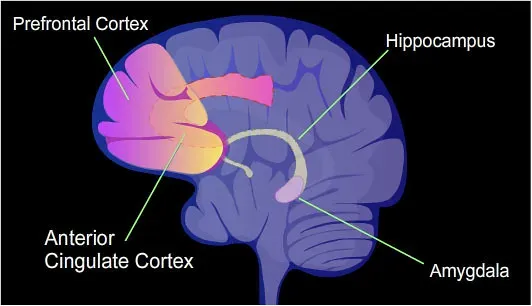
Deep inside your brain sits a tiny almond-shaped structure called the amygdala, and this little powerhouse is basically your personal threat detector. In less than one-tenth of a second, sensory information reaches the amygdala, which signals your brain to be aware. That’s faster than you can consciously register what’s happening. Think about that for a moment.
The amygdala processes things you see or hear and uses that input to learn what’s dangerous, then if you encounter something similar in the future, your amygdala will cause you to feel fear or similar emotions. The overwhelming majority of brain regions that predict fear only do so for certain situations, according to recent research from 2024. Your fear response isn’t one-size-fits-all. Different types of threats activate completely different areas of your brain, which explains why someone might be fearless on a rollercoaster but terrified of public speaking.
The Evolutionary Blueprint Behind Your Panic
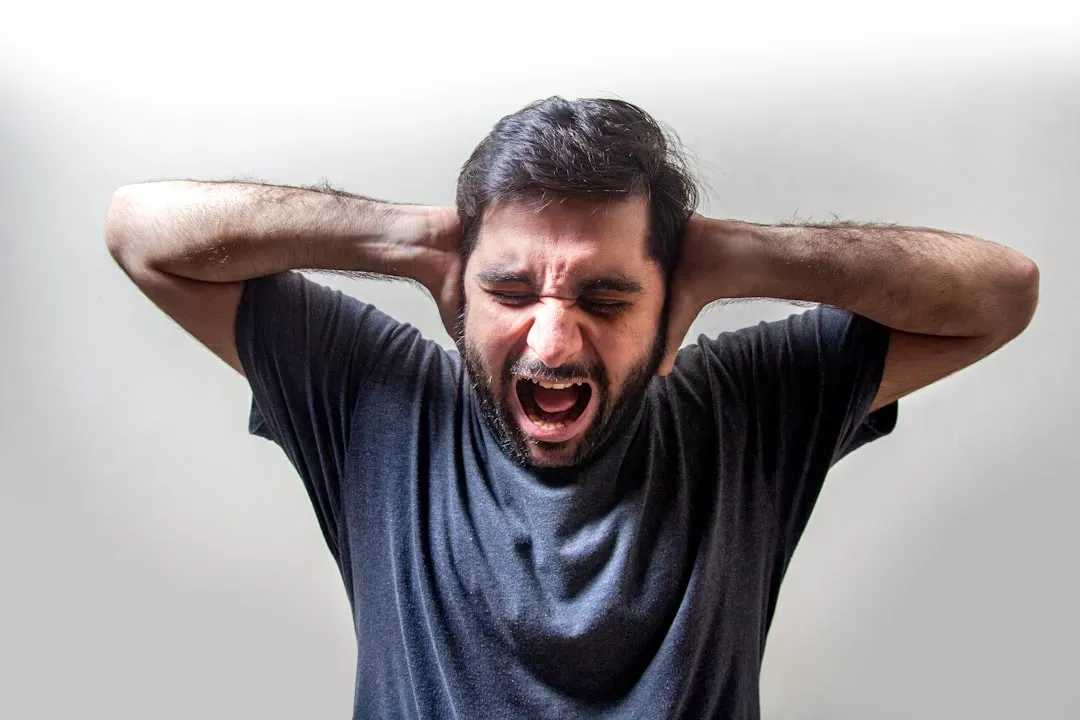
In humans and in all animals, the purpose of fear is to promote survival, and in the course of human evolution, the people who feared the right things survived to pass on their genes. It’s not complicated when you think about it. Your ancestors who heard a rustling in the bushes and ran lived long enough to have children. The ones who stopped to investigate? Well, they became dinner.
Our fear of the dark is an evolutionary trait that we picked up to survive real-life predators stalking the night, stemming from a point of human history when we were nowhere near the top predators we are today. This makes perfect sense when you consider that most predators that threatened early humans hunted at night, precisely when human eyesight becomes especially vulnerable. Evolution doesn’t care if your modern apartment is perfectly safe. Your brain still carries the memory of when darkness meant danger.
Fight, Flight, or Freeze – Your Body’s Emergency Protocols
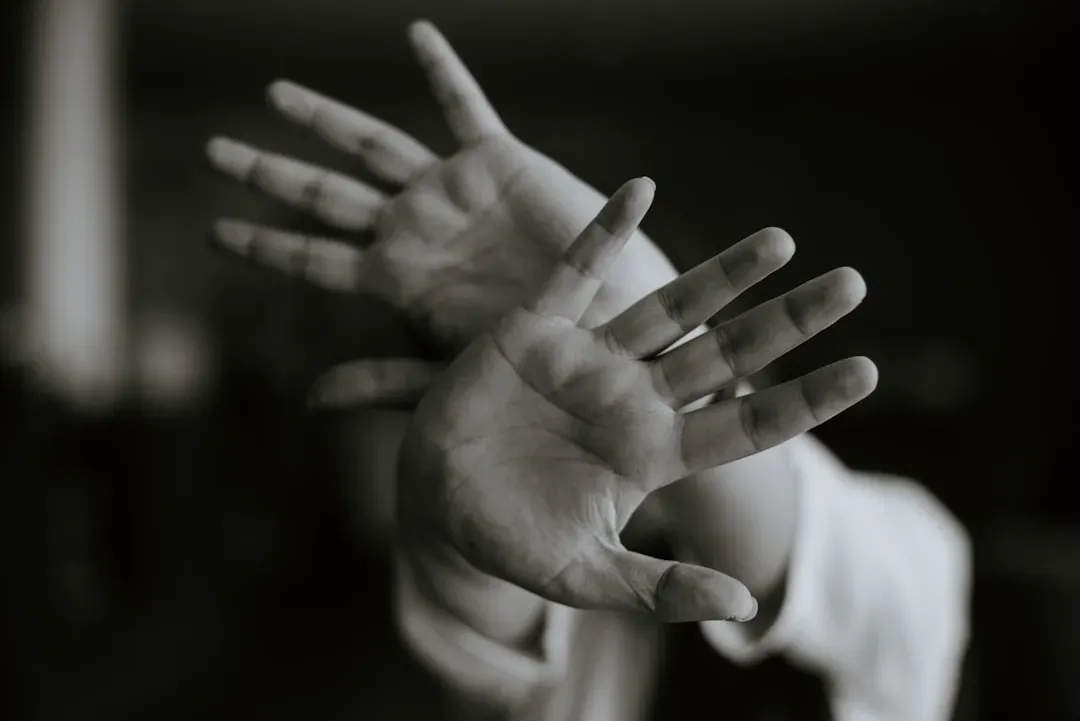
When we face a dangerous or stressful situation, our brains quickly launch a fight-flight-or-freeze response similar to what animals experience in the wild: when an animal is being chased by a predator, it will instinctively run away, fight back, or freeze. Your body doesn’t ask permission. During a fight-flight-or-freeze stress response, your adrenal glands pump out adrenaline, which makes your heart pound, breathing quicken, and muscles tense.
Here’s the thing: When the amygdala senses fear, the cerebral cortex (area of the brain that harnesses reasoning and judgment) becomes impaired, making it difficult to make good decisions or think clearly. This temporary shutdown of your rational mind explains why you might scream at a harmless Halloween decoration or throw your phone when startled. Your thinking brain gets overruled by your survival brain. Honestly, it’s both frustrating and remarkable how powerful this response can be.
Why Modern Life Confuses Your Ancient Brain

Typically, the threats that we face today, that trigger the physiological responses, are not life threatening, so the threats are different but our brains react just like they did when we were early humans dealing with life-threatening situations. Your brain can’t tell the difference between a charging bear and an angry email from your boss. Both trigger the same cascade of stress hormones and physical reactions.
Survival instincts served humans well when predatory animals or hostile neighbors were common threats, but in modern times the fight-flight-freeze response can have negative effects; modern threats are less life threatening, and may include traffic, difficult customers, or unexpected job loss. The system that once saved your ancestors from becoming lunch now makes you hyperventilate before giving a presentation. Evolution is slow, and your nervous system hasn’t caught up with the relative safety of contemporary existence.
Learning Fear – Nature and Nurture Working Together
Not all fears are hardwired from birth. We very often learn fear through personal experiences, such as being attacked by an aggressive dog, or observing other humans being attacked, however, an evolutionarily unique and fascinating way of learning in humans is through instruction – we learn from the spoken words or written notes, so if a sign says the dog is dangerous, proximity to the dog will trigger a fear response. You don’t need to experience every danger firsthand. Humans are exceptional at picking up fear from others.
Because our genes can’t know in what sort of climate and ecology we’ll grow up, those genes make us able and eager to learn about threats in our local environments; humans quickly absorb local culture, including norms, language, knowledge about dangers. This flexibility is actually brilliant. A child growing up near the ocean learns different fears than one growing up in the mountains. Your brain comes pre-wired with the capacity to learn, but not with every specific fear pre-loaded.
When Fear Goes Too Far – Understanding Phobias

Specific phobia is an anxiety disorder characterized by excessive and irrational fear of a particular object, situation, or activity, and the intensity of the fear is often disproportionate to the actual danger posed by the phobic stimulus. The person with arachnophobia knows, intellectually, that the tiny spider poses no real threat. Yet the fear remains overwhelming.
For fear to escalate to irrational levels, a combination of genetic and environmental factors is very likely at play, with estimates of genetic contributions to specific phobia ranging from roughly 25 to 65 percent. I find it fascinating that you can inherit a predisposition toward intense fear responses. Nonexperiential specific phobia is caused and activated by stimuli that arouse fear without previous direct or indirect associative learning, where genetic, familial, environmental, or developmental factors play an important role. Sometimes phobias just emerge without any traumatic event triggering them.
The Chemical Cocktail of Terror

A threat stimulus triggers a fear response in the amygdala, which activates areas involved in preparation for motor functions involved in fight or flight and also triggers release of stress hormones and sympathetic nervous system; this leads to bodily changes that prepare us to be more efficient in danger: the brain becomes hyperalert, pupils dilate, the bronchi dilate and breathing accelerates. Your body becomes a finely tuned machine optimized for survival.
Your body releases stress hormones like cortisol and adrenaline, your blood pressure and heart rate increase, you start breathing faster, and even your blood flow changes. Blood rushes away from your digestive system and toward your muscles. This is why you might feel butterflies in your stomach or nausea when frightened – your body is literally diverting resources from digestion to prepare for action. It’s weirdly efficient when you think about it.
Fear Can Actually Feel Good Sometimes
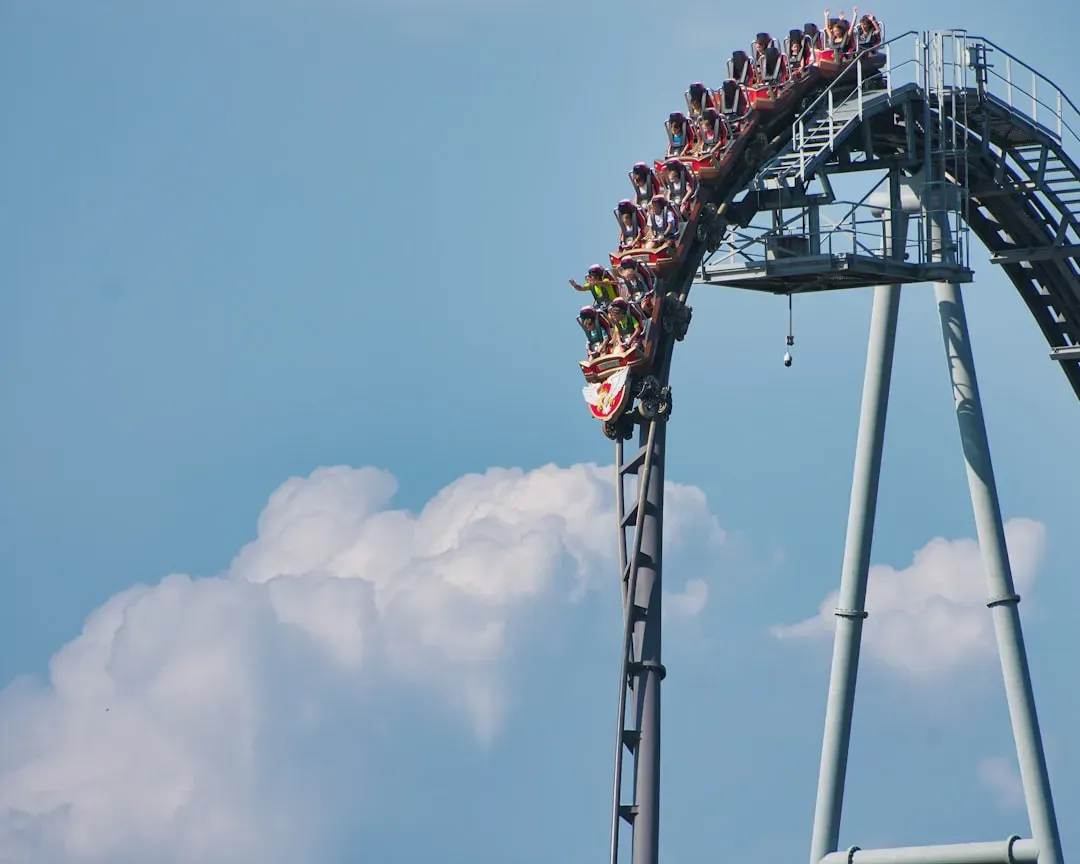
During a staged fear experience, your brain will produce more of a chemical called dopamine, which gives you feelings of pleasure. This explains the entire horror movie industry. When our thinking brain gives feedback to our emotional brain and we perceive ourselves as being in a safe space, we can then quickly shift the way we experience that high arousal state, going from one of fear to one of enjoyment or excitement.
Context matters enormously. The same physiological response that makes you panic during a real emergency can become exhilarating on a roller coaster. Your body doesn’t know the difference – but your conscious mind does, and that cognitive awareness transforms terror into thrill. Some people absolutely love this sensation. Others? Not so much. Let’s be honest, there’s no accounting for taste when it comes to voluntarily scaring yourself.
Breaking Free From Fear’s Grip

The good news? Neurobiologists at the University of California San Diego have identified the changes in brain biochemistry and mapped the neural circuitry that cause generalized fear experience, providing new insights into how fear responses could be prevented. Understanding the mechanisms opens doors for treatment. Research from 2024 shows that specific interventions can actually rewire how your brain processes threats.
Exposure therapy, a form of cognitive-behavior therapy, is widely accepted as the most effective treatment for anxieties and phobias, and the vast majority of patients complete treatment within ten sessions; during exposure therapy, a person engages with the particular fear to help diminish and ultimately overcome it over time. The treatment sounds simple but requires courage – you gradually face what scares you in controlled, safe environments until your brain recalibrates its threat assessment. It works because your amygdala can learn that the feared object or situation isn’t actually dangerous.
Your Fear Response Is Both Blessing and Burden
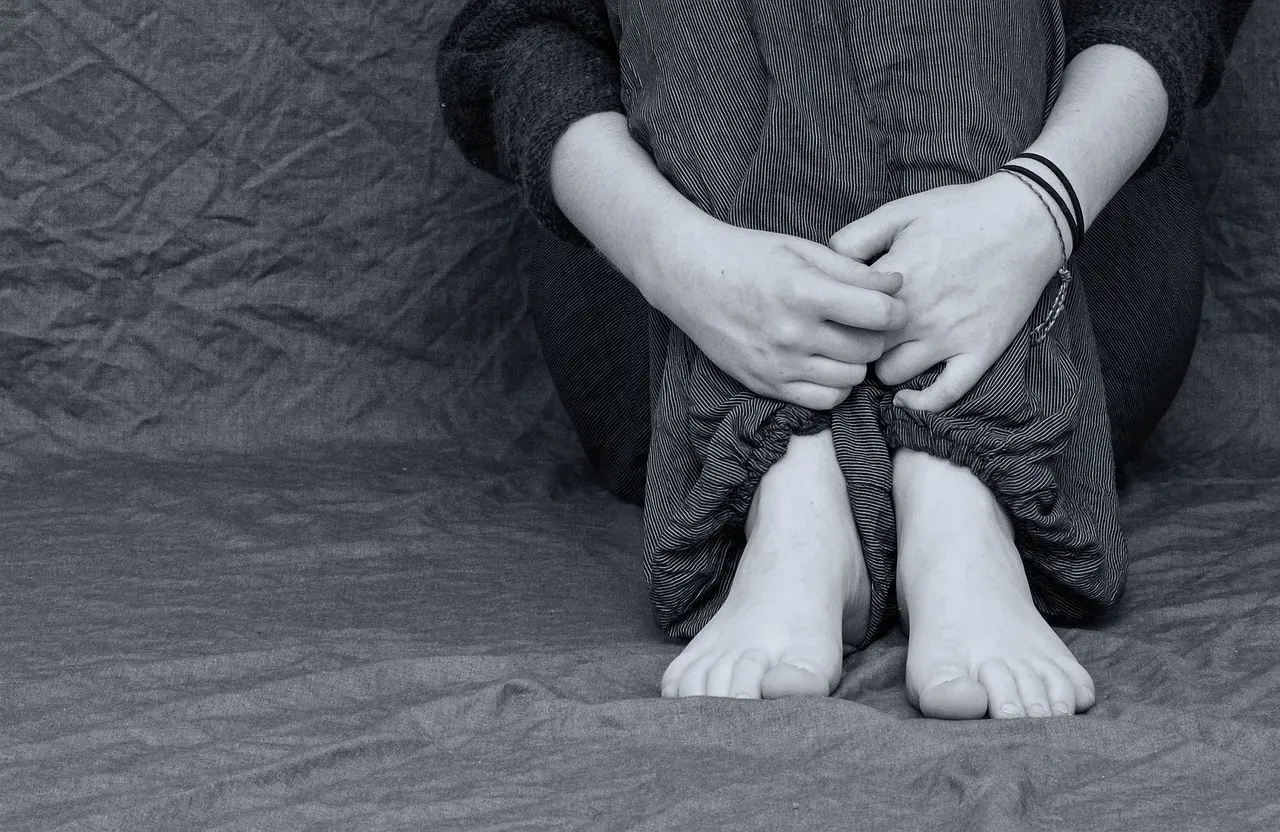
Fundamentally, though, our response to fear remains basic, a primitive emotion essential to our survival and a core response that unifies our species. Fear isn’t your enemy, even when it feels overwhelming. It’s an ancient guardian that sometimes gets a bit overzealous in the modern world. Your racing heart before a first date? That’s the same system that kept your ancestors alive in genuinely dangerous situations.
The key is recognizing when your fear response serves you and when it doesn’t. Fear can contribute to mental health conditions like PTSD, especially when it mistakenly interprets things happening around you as signs of danger. When fear becomes disconnected from actual threats, when it starts controlling your choices and limiting your life, that’s when understanding becomes crucial. You’re not broken. Your alarm system just needs some recalibration.
Understanding the psychology of fear changes everything. It transforms that mysterious, overwhelming sensation into something comprehensible, something you can work with rather than against. Your fears tell a story – about evolution, about learning, about the intricate machinery inside your skull working overtime to protect you. What will you do with that knowledge?