You probably hear “Bronze Age” and picture dusty ruins, crumbling temples, and nameless warriors with strange helmets. But if you zoom in a little closer, you realize you’re actually looking at one of the most explosive periods of innovation in human history. In just a few thousand years, people went from scattered farming communities with simple stone tools to complex cities, international trade networks, written laws, and specialized high‑tech crafts that would not look completely out of place in a modern workshop.
What makes this era so gripping is that you can still feel the uncertainty in every discovery. No one knew where these experiments with metal, writing, and long‑distance trade would lead. Yet you are living inside the consequences of those choices every day. As you walk through these eight facts, you’ll see how much of your “modern” world is really Bronze Age thinking with better gadgets.
You Live in a Metal World Because Someone Took a Risk on Bronze
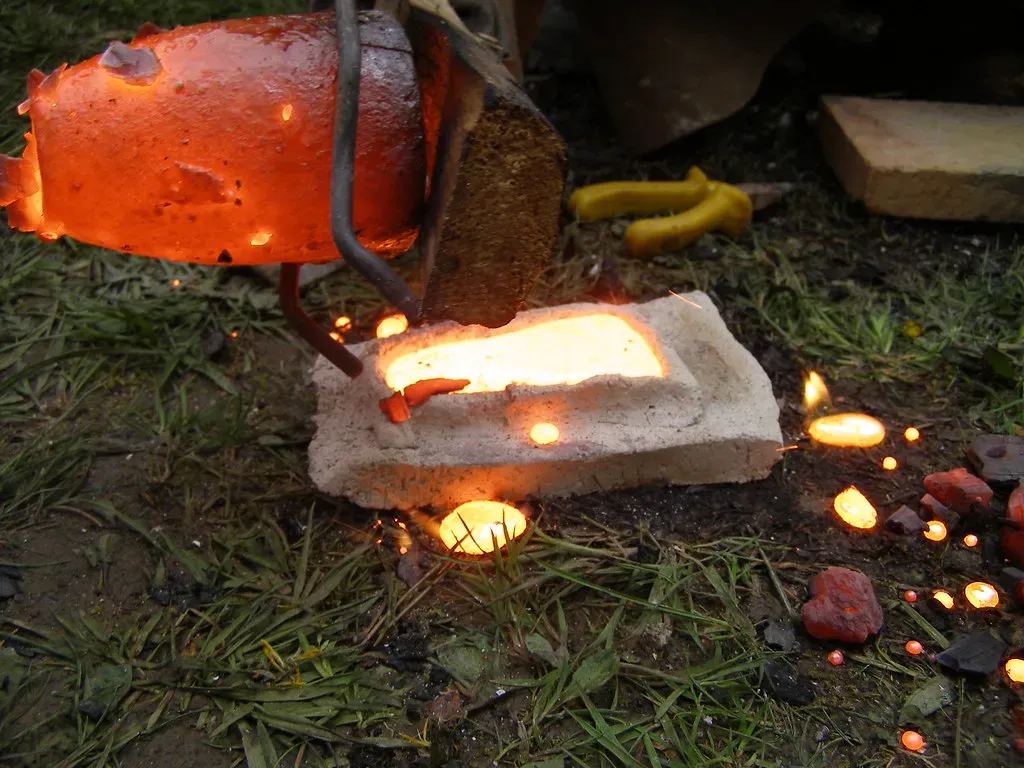
Imagine trying to convince your neighbors to burn rare wood and stone for hours just to melt rocks that might, maybe, turn into something useful. That is basically what early metalworkers did when they started experimenting with copper and then bronze. Bronze is an alloy, usually copper mixed with a bit of tin and sometimes other metals, and it was harder, tougher, and more durable than anything you could get from stone or pure copper. When you hold a modern tool, you’re touching the legacy of the first people who asked, “What happens if I heat this just a bit more?”
If you were living back then and you saw a well‑cast bronze blade for the first time, it would have felt almost magical. Suddenly, tools stayed sharp longer, weapons did more damage, and decorative objects could be cast in detailed shapes rather than chipped clumsily out of stone. You rely on metals for everything from phones to skyscrapers today, and that entire mindset of bending metal to your will begins in the Bronze Age, with fires so hot they pushed human imagination to its limits.
Your First “International Supply Chain” Started With Tin and Copper
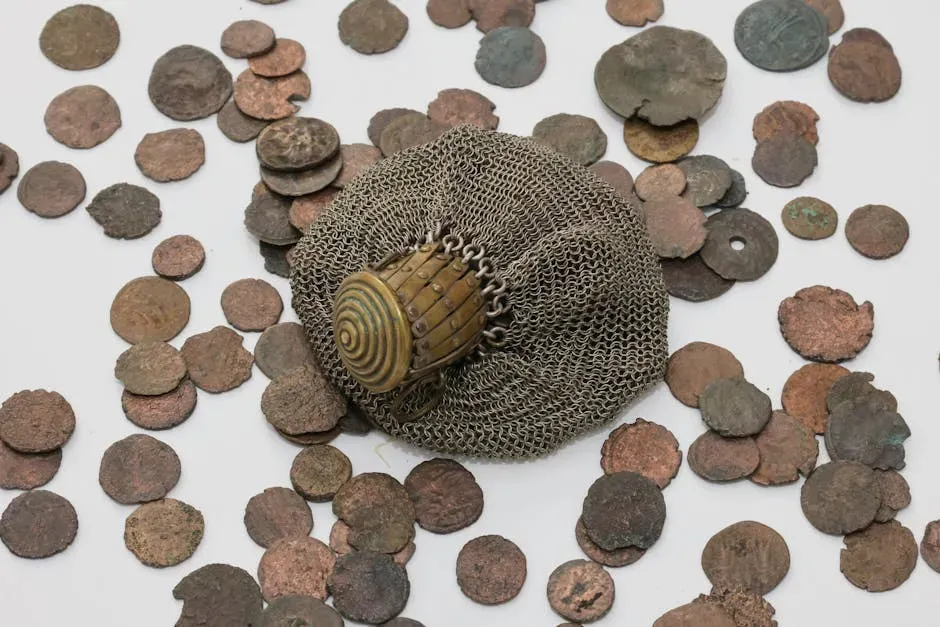
Bronze sounds simple on paper, but there’s a catch you would have noticed quickly if you lived back then: copper and tin rarely show up in the same place. To keep producing bronze, you needed steady access to both, which meant trade, negotiation, and sometimes conflict. If you were a merchant or a ruler, you had to think beyond your village or kingdom and look outward, building relationships that stretched across mountains, deserts, and seas.
In a way, you can think of Bronze Age trade routes as prehistoric trade highways, connecting places like the eastern Mediterranean, Mesopotamia, Central Asia, and beyond. If you were a craftsperson in one city, the metal in your tools might have traveled hundreds or even thousands of miles before reaching your hands. Today you scroll through online stores and your products arrive from halfway around the world; back then, caravans, ships, and pack animals played the same role, turning the need for tin and copper into the engine of early globalization.
You Would Recognize the First True Cities More Than You Expect
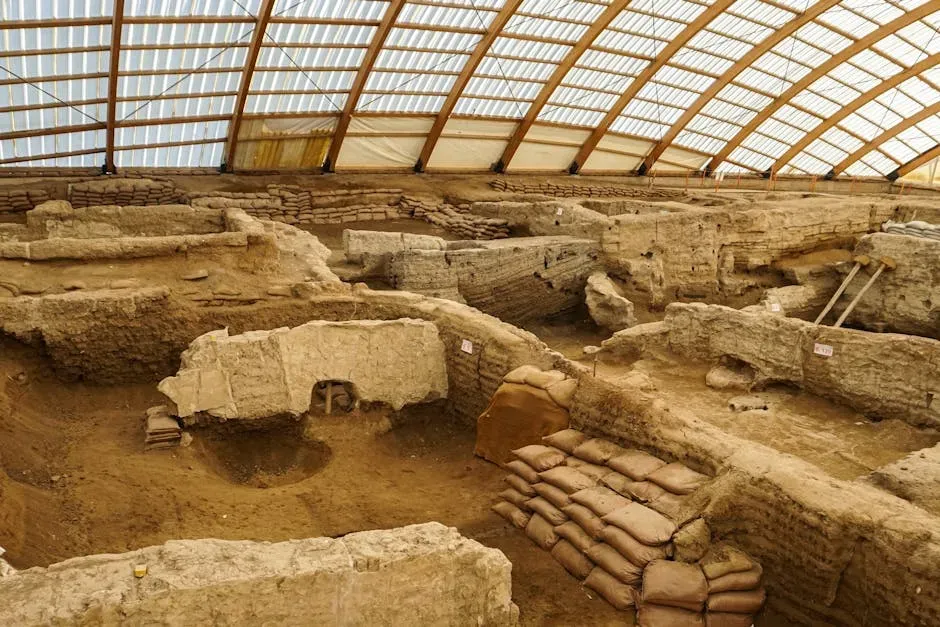
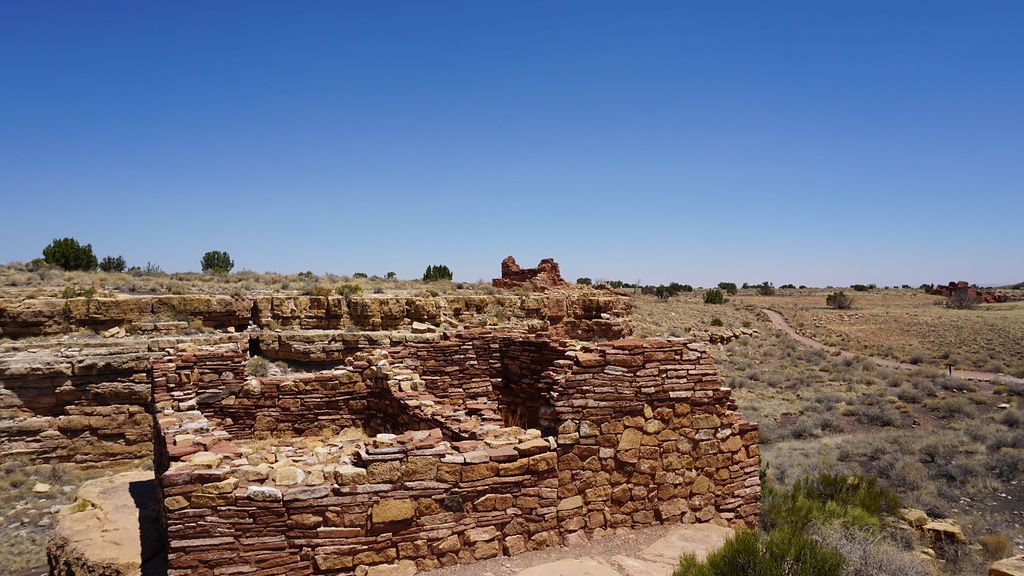
If you stepped into a major Bronze Age city, you might be surprised by how familiar it would feel. You’d see crowded streets, specialized workshops, marketplaces buzzing with trade, religious centers, administrative buildings, and clear neighborhoods where wealthy elites lived separately from ordinary workers. The city was no longer just a bigger village; it was a complex organism with different social classes, jobs, and power structures that you’d recognize in any modern metropolis.
Living there, you would not just be a farmer or a herder; you might be a metalworker, a scribe, a merchant, a soldier, or part of a religious staff. You’d pay some form of tax or tribute, answer to authorities, and feel the strains and benefits of dense population: disease, noise, competition, but also opportunity, innovation, and access to goods you could never make alone. The Bronze Age is when you first see cities become long‑lasting centers of culture and authority, and that urban blueprint is still stamped on the layout of your own towns and cities today.
The First Written Words Were Your Tools, Not Your Poems
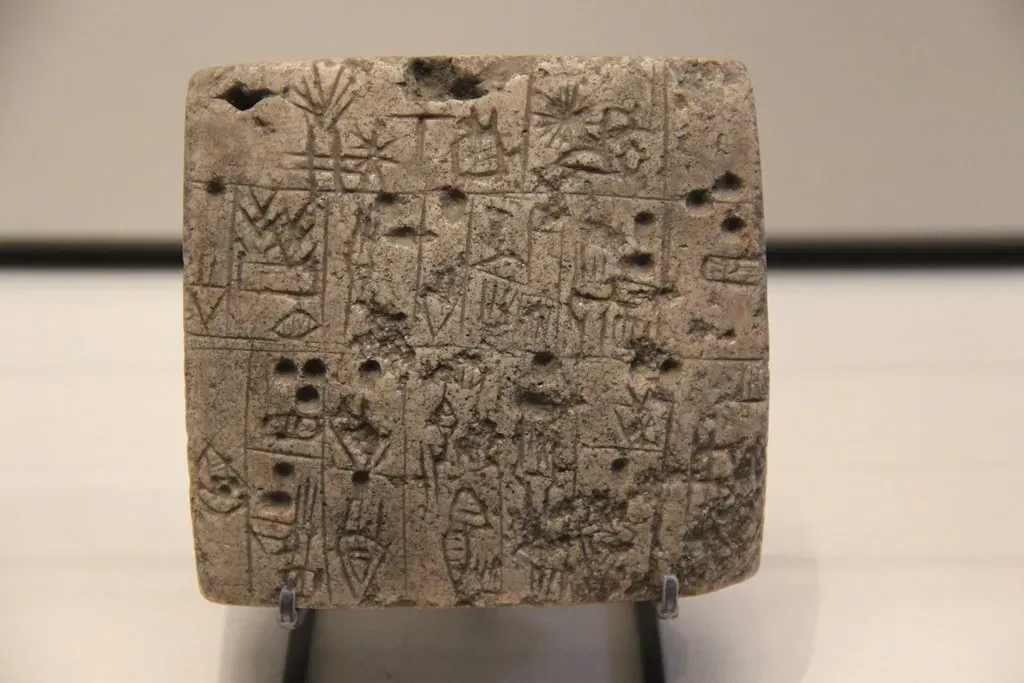
When you think of writing, you probably think of stories, literature, or philosophy. In the Bronze Age, if you could read and write, your day looked very different. Early writing systems like cuneiform and hieroglyphs grew out of the need to keep records: counting livestock, tracking grain, listing workers, and documenting trades or treaties. If you were trained as a scribe, you were essentially a human database, turning messy reality into neat lines of marks on clay or stone so that rulers and merchants could keep control.
From your point of view today, this might seem dry, but it was revolutionary. Once you can record information outside your own memory, you can manage larger projects, coordinate distant regions, and preserve decisions across generations. If you have ever checked a bank statement, signed a contract, or even sent an email that proves what was agreed, you are using the same basic power that Bronze Age writing unlocked. In a sense, your entire information economy descends from those first careful impressions pressed into wet clay.
You Already Live by Rules That Echo Bronze Age Law Codes
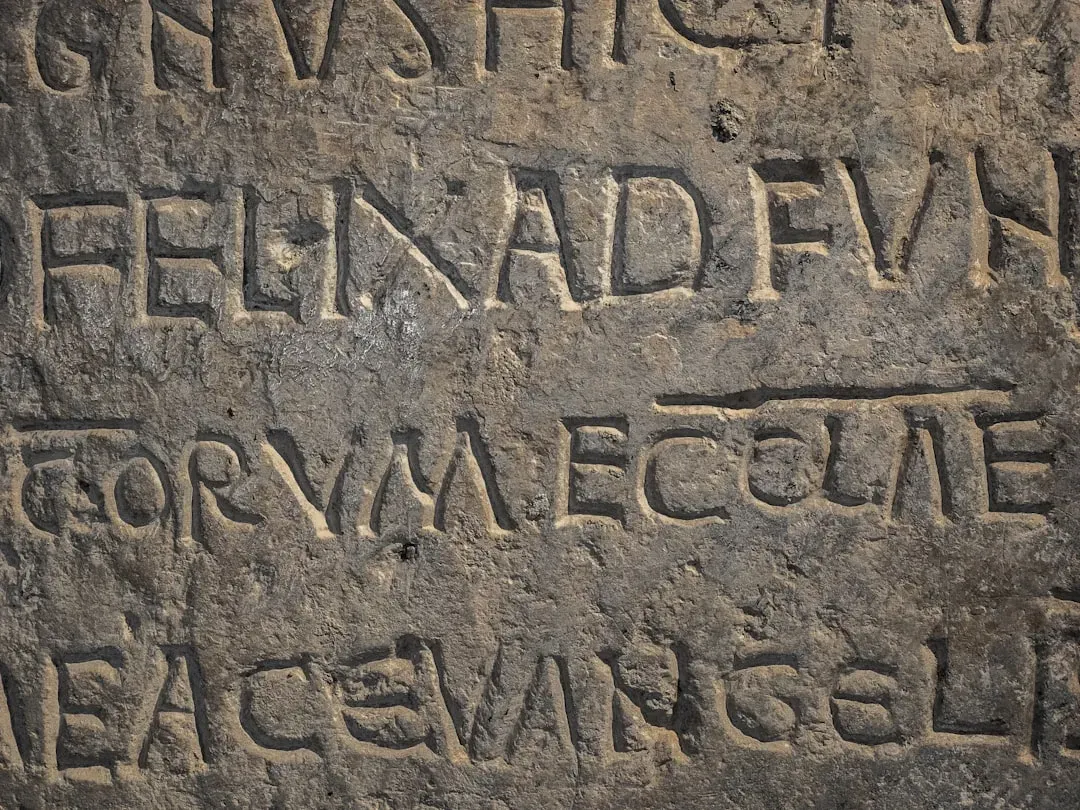
Think about the last time you worried about a contract, a fine, or a court case. That feeling of living under written rules would have been a shock to people before the Bronze Age, whose disputes were largely settled by custom, elders, or personal power. When rulers began carving law codes into stone, they were telling everyone, including you as a hypothetical subject, that justice was supposed to follow rules that could be read and discussed, not just the moods of the powerful.
These early law codes did not guarantee fairness by modern standards, and they often treated people differently based on status, gender, or class. Still, if you read them, you’d see familiar concerns: theft, debt, marriage, property, injury, and responsibility for damage. You live in a world where written law feels normal and even necessary, and that expectation started when Bronze Age societies decided that rules should be visible, permanent, and stable enough that people could adjust their behavior around them.
You Would Have Seen Warfare Turn Into a Coordinated Machine

If you picture ancient battles as chaotic mobs with simple weapons, the Bronze Age would change your mind. This is when you really start to see organized armies, specialized weapons, and coordinated tactics emerge on a large scale. As a soldier, you might carry a standardized bronze sword or spear, wear metal or composite armor, and fight in formations drilled by commanders who reported up a chain of command. Warfare became less of a spontaneous clash and more of a calculated tool of state policy.
Chariots, in particular, would have stunned you. Imagine fast, horse‑drawn vehicles racing across the battlefield, carrying archers or spear‑throwers who could strike quickly and then vanish. These were expensive, maintenance‑heavy machines, so only major powers could field them in large numbers. When you see modern tanks or aircraft used as symbols of national strength, you are watching the same logic play out that began in the Bronze Age: technology plus organization equals power, and power reshapes the map.
You Would Discover That Luxury Objects Drove Innovation as Much as Survival
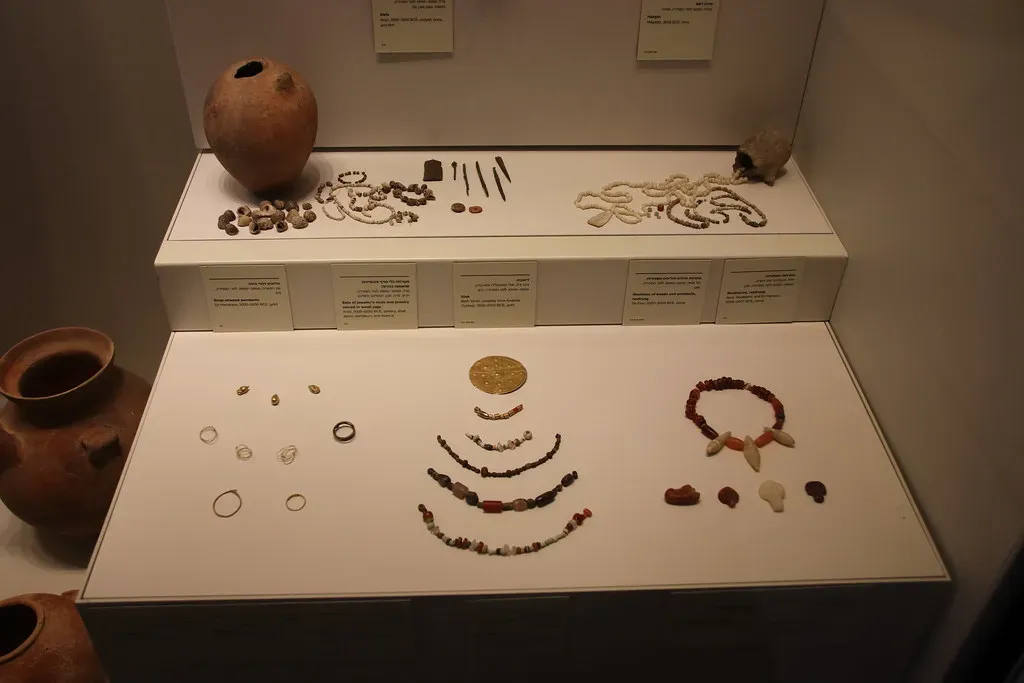
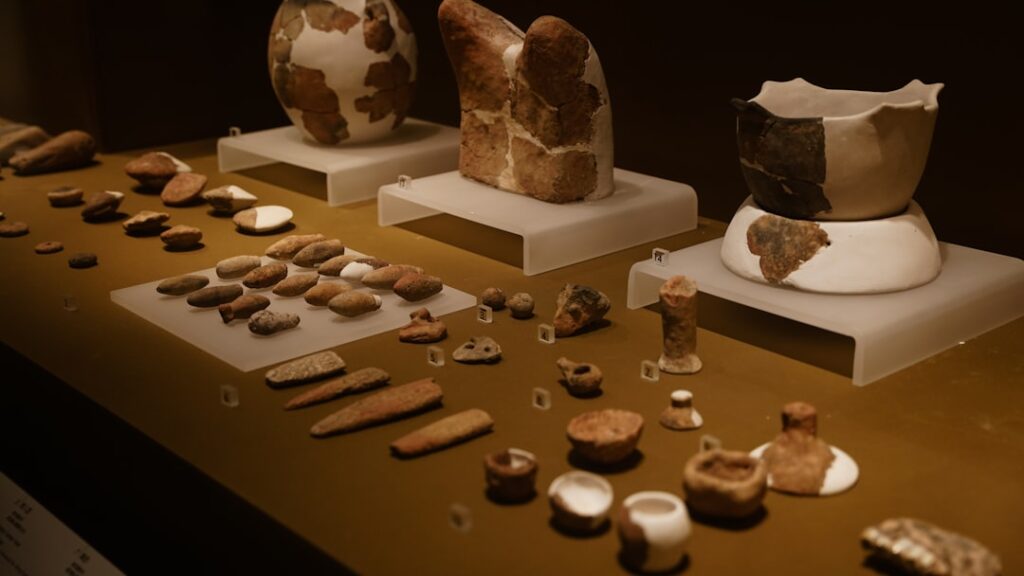
It is easy to assume early people only focused on survival, but if you walked through a Bronze Age palace or temple, you’d see something else: a deep hunger for beauty, status, and symbolism. Craftspeople used bronze, gold, silver, gemstones, and ivory to create stunning jewelry, ritual objects, and furnishings. If you were wealthy or powerful, you showed it off in metal and stone, just like people today flaunt designer brands or high‑end tech. That desire pushed artists and artisans to refine casting, engraving, inlay, and polishing techniques to astonishing levels.
From your perspective, this matters because many technical breakthroughs were not just about making better axes for farming; they were about producing finer, more impressive prestige goods. When you look at a finely machined watch or a luxury car dashboard, you are seeing the same fusion of craft, technology, and status that drove Bronze Age artisans. Innovation has never been purely practical; it has always been tied to how you want to be seen, and the Bronze Age makes that painfully clear.
You Are Still Haunted by the Bronze Age Collapse Without Realizing It
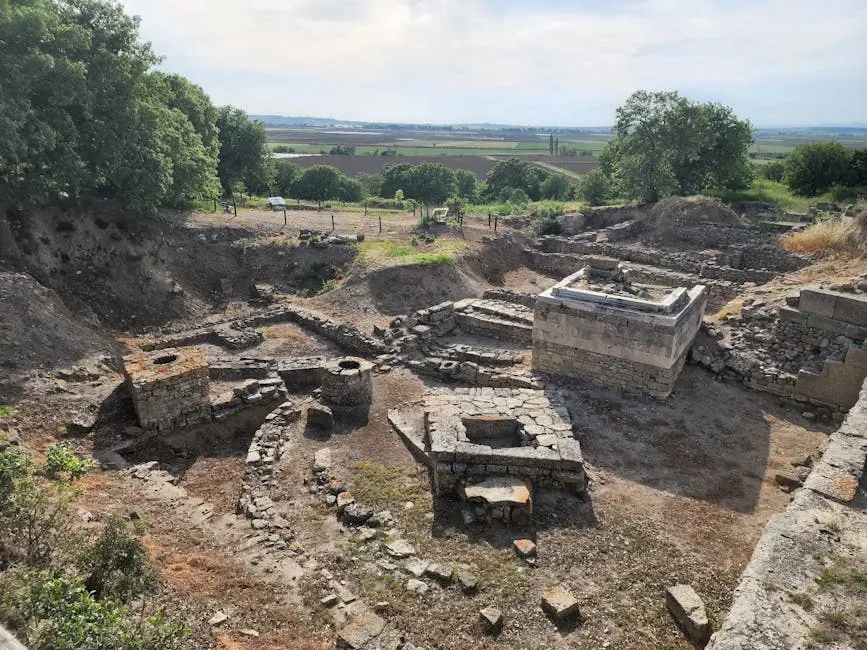
Just when these systems seemed unstoppable, many of them fell apart. Around the late Bronze Age, several major civilizations in the eastern Mediterranean and Near East experienced a dramatic wave of upheavals: cities burned, palaces abandoned, trade routes broken, and political systems shattered. If you had lived then, the collapse would have felt like the end of the world you knew, with familiar powers crumbling and old certainties vanishing in a generation or two. You would have seen how tightly everything had been woven together, and how fragile that web really was.
When you look at your own world – with its complex supply chains, digital networks, and interdependent economies – it is hard not to see the parallel. The Bronze Age collapse reminds you that complexity can be both a strength and a weakness. A shock in one part of the system can ripple outward until cities fall and knowledge is lost or scattered. Every time you worry about infrastructure failure, climate disruption, or political instability, you are, in a way, wrestling with the same questions that broke the Bronze Age order and forced people to rebuild in new ways.
You Carry Bronze Age Inventions in Your Daily Habits and Imagination
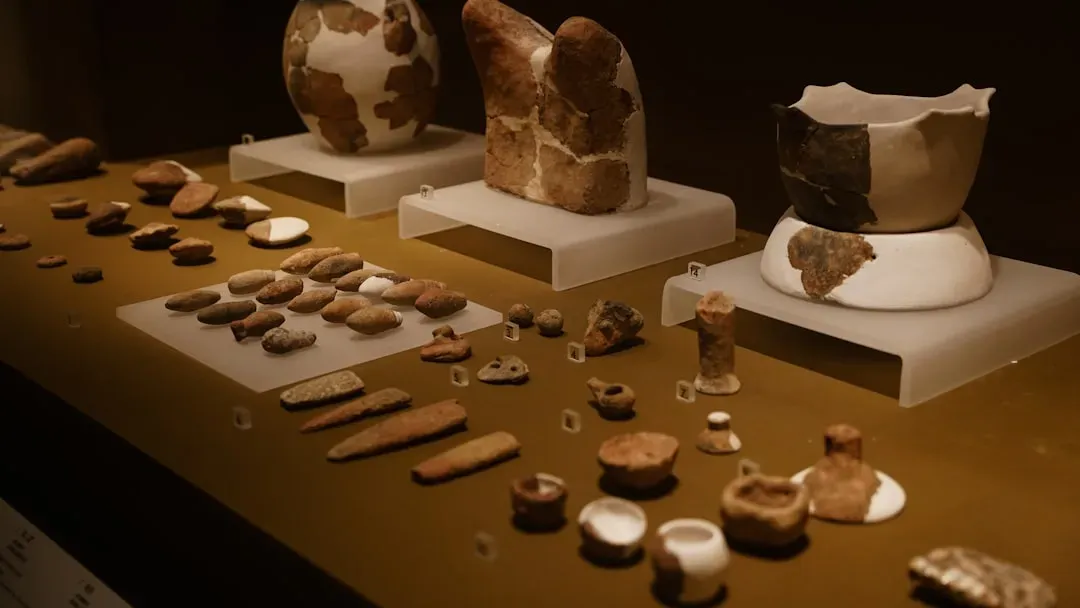
Once you put all these pieces together – metalworking, trade, cities, writing, law, organized warfare, luxury crafts, and even collapse – you start to see the Bronze Age not as a distant, dusty chapter, but as a mirror of your own world. If you cook in metal pots, live in a dense city, sign legal documents, use written records, or rely on global supply chains, you are walking paths first laid down in that era. You may never hold a bronze sword or read a clay tablet, but the logic behind those objects is baked into your daily routines.
Maybe the most unsettling realization is this: you are not as modern as you think. The Bronze Age shows you that once humans learn to reshape matter, coordinate on a large scale, and encode information in durable form, a certain kind of civilization becomes almost inevitable. The details change, the tools get sleeker, and the networks move faster, but the core ideas remain surprisingly similar. Knowing that, you can look at your own time with fresh eyes and ask yourself a simple but powerful question: if people three or four thousand years ago could change the world this much, what exactly are you doing with the technology and choices in your hands today?