Every few years, a fossil pulled from the ground tears up everything we thought we knew. A tooth in an unexpected riverbed. A crest rising from a skull in the Sahara. A tyrannosaur that, it turns out, was never just a teenager. The ancient world keeps rewriting itself, and honestly, I think that’s what makes paleontology one of the most exciting fields in all of science.
You don’t need to be a scientist to feel the thrill of these finds. Each new discovery is a message in a bottle sent from millions of years ago, reminding us that the world once belonged to creatures of breathtaking scale and ingenuity. From the river-prowling giants of the Cretaceous to the biomechanical secrets buried inside bone, the story of prehistoric predators is far from finished. Let’s dive in.
The “Hell Heron” That Rewrote Spinosaurid History
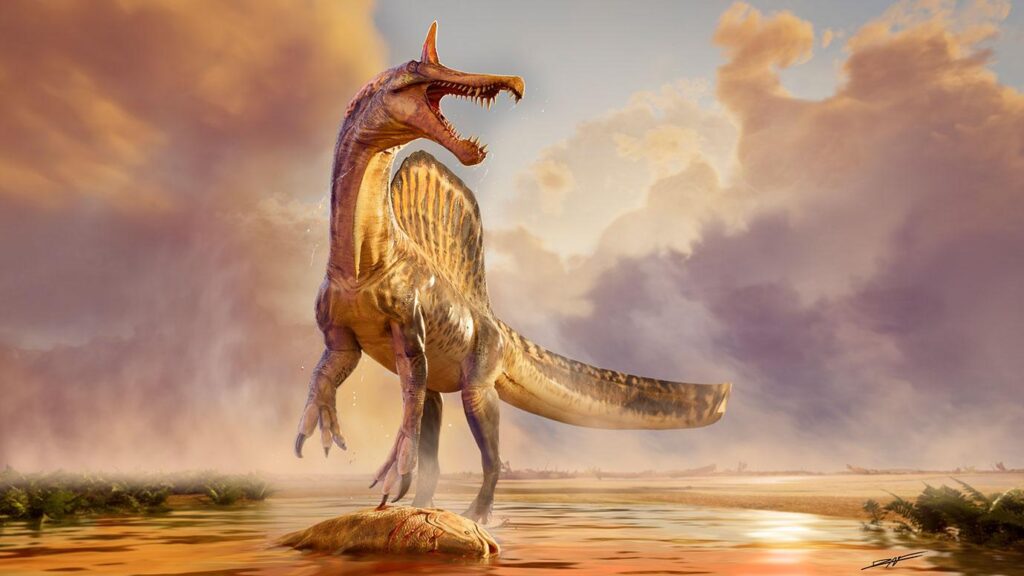
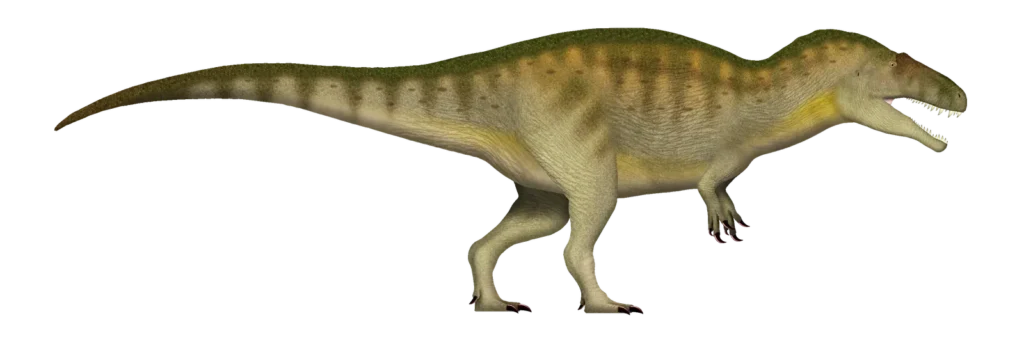
Deep inside the Sahara Desert, researchers made one of the most dramatic predator discoveries in recent memory. In the Sahara, scientists uncovered Spinosaurus mirabilis, a spectacular new predator crowned with a massive, scimitar-shaped crest, found in remote inland river deposits in Niger. The fossil rewrites what we thought we knew about spinosaur dinosaurs, suggesting they weren’t fully aquatic hunters but powerful waders stalking fish in forested waterways hundreds of miles from the sea.
Named Spinosaurus mirabilis, it is the first species of Spinosaurus to be identified in more than a century. The findings, published in the journal Science, suggest that the creature is a close relative of Spinosaurus aegyptiacus, a giant fish-eating dinosaur with a sail across its back first described in 1915. Think about that. Over a hundred years passed before scientists could add a new branch to this particular family tree. The Sahara, of all places, held the secret all along.
The dinosaur’s huge blade-shaped head crest may have been covered in keratin and possibly used for display or communication, while fossil evidence suggests it was a specialized wading hunter that preyed on fish in inland waterways. According to the newly identified fossils, the creature likely had a long, narrow snout for snaring fish, a neck that could drive the head down in a stabbing motion, and legs long enough to hunt in shallow water. When researchers compared head, neck, and hind-limb proportions to an adult blue heron, the similarities suggested that Spinosaurus was adapted for stalking and striking along open shorelines and river edges.
Mosasaurs: Ocean Monsters That Invaded the Rivers
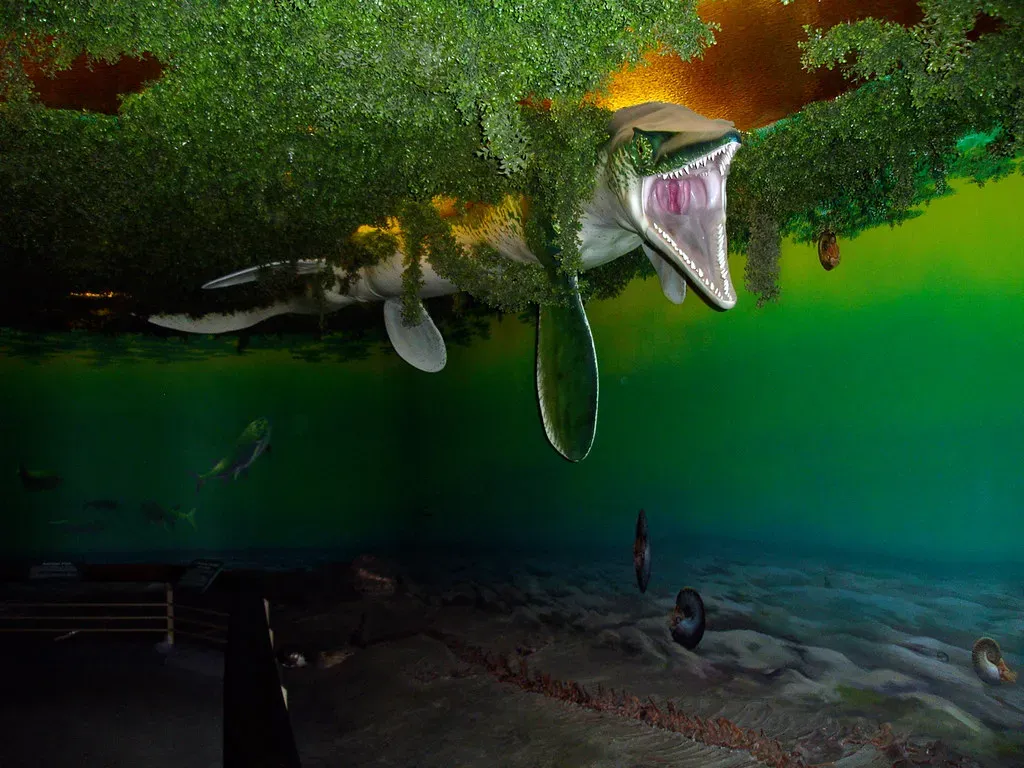
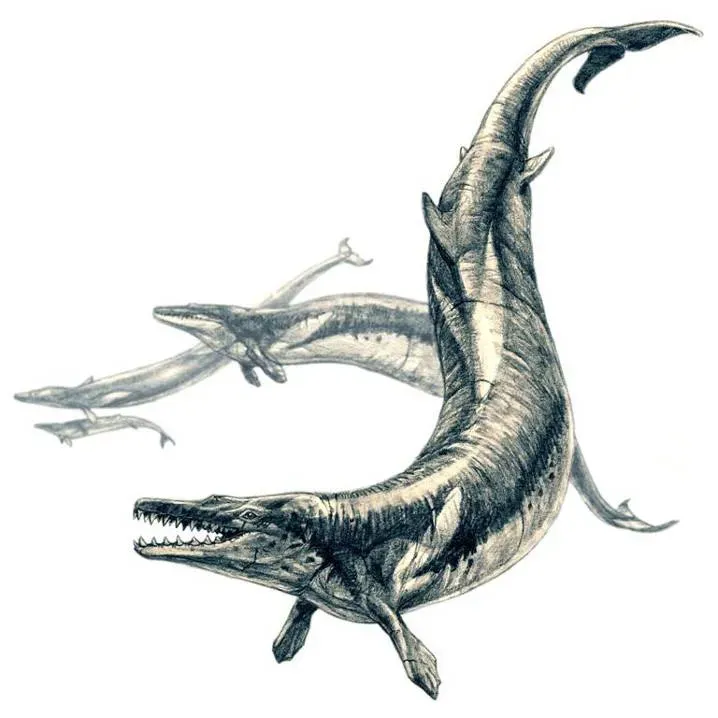
Let’s be real: you’d think that a bus-sized marine reptile with dagger teeth would be content patrolling the open ocean. But a 2025 discovery published in BMC Zoology shattered that assumption in spectacular fashion. Giant mosasaurs, once thought to be strictly ocean-dwelling predators, may have spent their final chapter prowling freshwater rivers alongside dinosaurs and crocodiles. A massive tooth found in North Dakota, analyzed using chemical isotope techniques, reveals that some mosasaurs adapted to river systems as seas gradually freshened near the end of the age of dinosaurs.
By analyzing the chemical makeup of a mosasaur tooth found in North Dakota, the researchers uncovered strong evidence that this enormous animal lived in a river environment rather than the open ocean. The tooth was discovered in 2022 in a river deposit alongside fossils from very different creatures: a tooth from Tyrannosaurus rex and a jawbone from a crocodile-like reptile. That mix of species in a single deposit reads almost like a scene from a prehistoric thriller. Imagine a river dense with predators at every turn.
The tooth itself is massive, suggesting an animal up to 11 meters long, roughly the size of a bus. This predator would have rivaled modern killer whales and would have been an astonishing presence in river environments not previously associated with such giants. The authors propose that members of this mosasaur group may have been opportunistic predators occupying a similar niche to modern saltwater crocodiles, adapting to a freshwater environment in response to falling salt levels in the Western Interior Seaway.
Nanotyrannus: The Predator That Finally Got Its Name Back
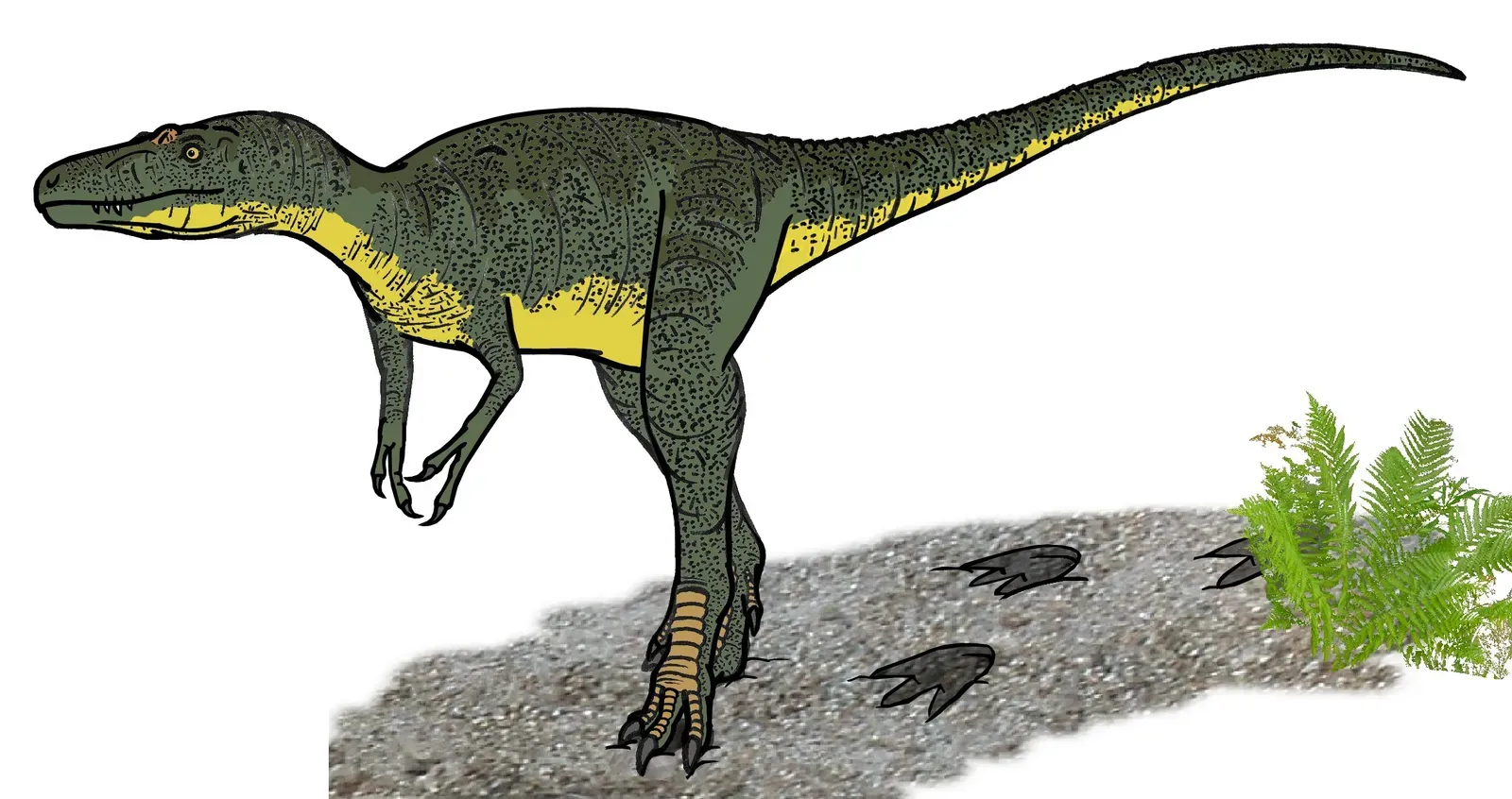
For decades, scientists argued over a small tyrannosaur that seemed too peculiar to fit neatly into the T. rex family tree. Was it just a teenage Tyrannosaurus rex? A fossil misidentified through wishful thinking? In 2025, two separate studies finally settled the score. For decades, Nanotyrannus lancensis occupied one of the most controversial footnotes in dinosaur science, frequently dismissed as a juvenile T. rex. In 2025, new histological sampling and skeletal comparisons from the famous “Dueling Dinosaurs” specimen demonstrated that Nanotyrannus was not an immature rex, but a separate, fully grown tyrannosaur.
The recent findings followed a 2024 paper that found more than 150 differences between disputed Nanotyrannus specimens and fossils of T. rex. Weeks later, a second study in Science, from different researchers, came to the same conclusion based on the fact that the first skull to be named Nanotyrannus appears to be a mature animal and not a juvenile. The find will cause paleontologists to reconsider how T. rex grew up and how both predatory species coexisted.
I think this is one of the most satisfying resolutions in recent paleontological history. Because tyrannosaurs are often known from incomplete skeletons and interpreted through growth models, this finding forces a major recalibration of how T. rex ontogeny is reconstructed, how many tyrannosaur species co-existed, and how they partitioned ecological niches. Establishing Nanotyrannus as a separate adult predator expands our understanding of dinosaur diversity at the end of the Mesozoic and underscores the power of bone microstructure to resolve debates that morphology alone could not settle.
Joaquinraptor and the Megaraptors of Patagonia
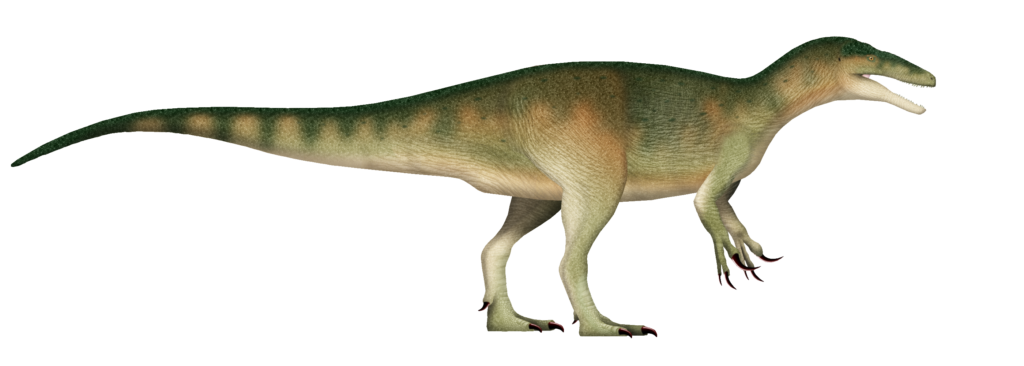
While T. rex ruled the northern hemisphere, an entirely different dynasty of apex predators was carving out territory in South America. You might not have heard of megaraptors, but trust me, you’ll want to. Joaquinraptor was an apex predator in prehistoric Argentina just before the mass extinction at the end of the age of dinosaurs. Announced in September in Nature Communications, the megaraptor is represented by a partial skeleton that includes significant portions of the skull, arms, and legs, in addition to other parts.
Experts even found the bone of a crocodilian against the dinosaur’s jaws, perhaps offering a clue to what the predator was eating just before death. In addition to expanding what paleontologists know of megaraptor anatomy, Joaquinraptor was found in rocks dating close to the end of the Cretaceous. Its placement in time, in prehistoric South America, indicates megaraptors were apex predators in Patagonia while tyrannosaurs filled the same role in North America.
It’s a fascinating parallel evolution story. Two completely different lineages developing near-identical apex predator roles on opposite sides of the planet, at roughly the same time. Think of it like two rival corporations independently inventing the same product, unaware of each other’s existence. Scientists are preparing to publish new tyrannosaur growth studies that may refine predator diversity even further, while major digs in South America and Southeast Asia continue to hint at oversized species still waiting for names.
Hyper-Apex Predators: When the Ocean Had Seven Trophic Levels
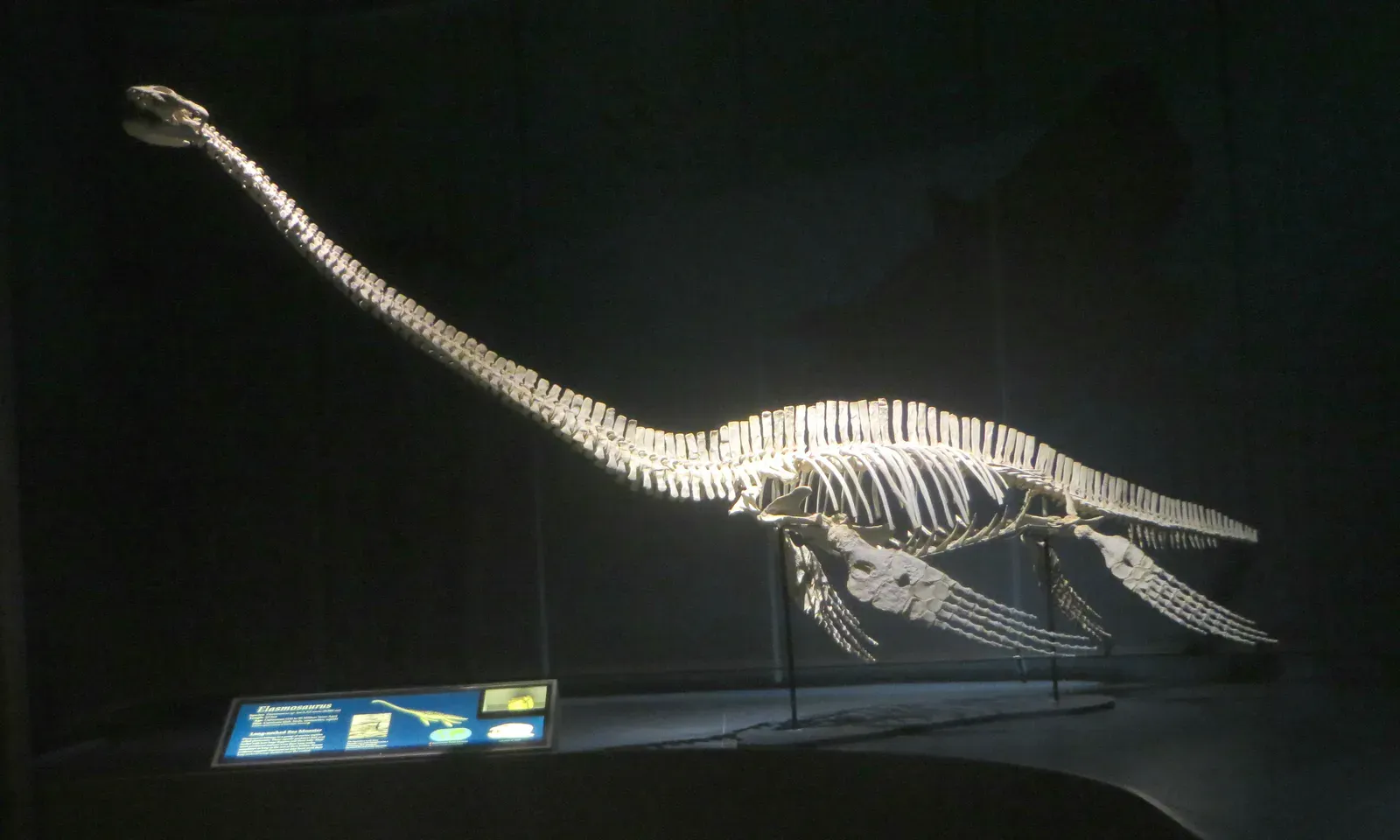
Here’s a mind-bending thought. You know how we think of sharks and orcas as the top of the food chain today? In today’s oceans, food chains typically reach six levels, with animals such as great white sharks and orcas at the top. However, researchers discovered that there was a previously unseen seventh level that was filled with enormous marine reptiles. A seventh level. That’s not something our modern oceans can match.
Researchers discovered this extraordinary additional trophic level filled with enormous marine reptiles. Some, such as Sachicasaurus and Monquirasaurus, could grow up to and beyond 10 metres long and are known as hyper-apex predators. Researchers discovered ancient marine predators were far more powerful than any seen today, dominating waters at the very top of an extraordinary food chain. A team from McGill University reconstructed a marine ecological network by analyzing all known animal fossils from an area in central Colombia known as the Paja Formation.
The implications are staggering. Our modern oceans, despite housing blue whales and great whites, are comparatively tame ecosystems. The Cretaceous seas were genuinely terrifying, stacked with predators of a scale and diversity we’ve barely begun to fully appreciate. One such creature, Khinjaria acuta, lived 66 million years ago, was 7 to 8 metres long roughly the size of an orca, and had extremely powerful jaws with teeth like daggers. The findings suggest that our oceans were once far more predator-rich than they are today.
New Species, New Frontiers: Asia’s Hidden Spinosaurid Legacy
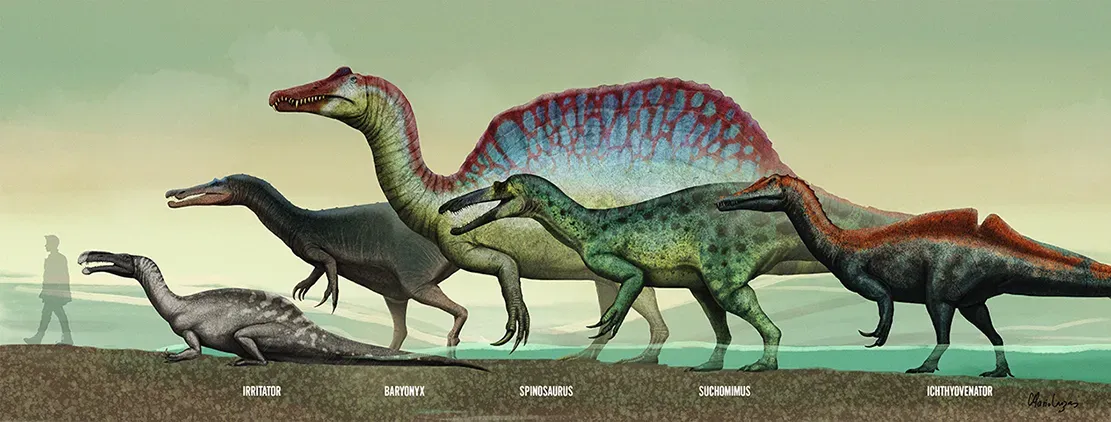
The story of prehistoric predators is not a story told by a handful of famous sites. It stretches across every continent, and some of the most exciting chapters are still being written in the most unexpected corners. Among the most dramatic vertebrate fossil announcements of 2025 was a massive Early Cretaceous spinosaurid recovered from Thailand’s ancient river deposits. Estimated at 25 feet long, the animal stalked tropical waterways 125 million years ago and shows enough skeletal differences from Spinosaurus and European spinosaurids to suggest a distinct Asian radiation of the family.
This is a genuinely exciting development. For years, the spinosaurid family tree felt like a Mediterranean and African affair, with most discoveries clustered around North Africa and Europe. An Asian branch changes the whole picture. It suggests spinosaurids spread far more widely across the ancient world than we previously imagined, adapting to river systems from the Sahara to Southeast Asia with remarkable ecological flexibility.
The mid-Cretaceous Kem Kem beds of Morocco contain an overabundance of giant theropod dinosaurs, including Spinosaurus and Carcharodontosaurus, both longer than Tyrannosaurus. The reason for this abundance is thought to be niche partitioning, with Spinosaurus being semi or perhaps even fully aquatic while other large theropods had a more traditional lifestyle. Each new spinosaurid discovery adds another data point to this already remarkable picture of ancient ecological coexistence.
T. rex’s Bite, Bones, and Cranial Secrets
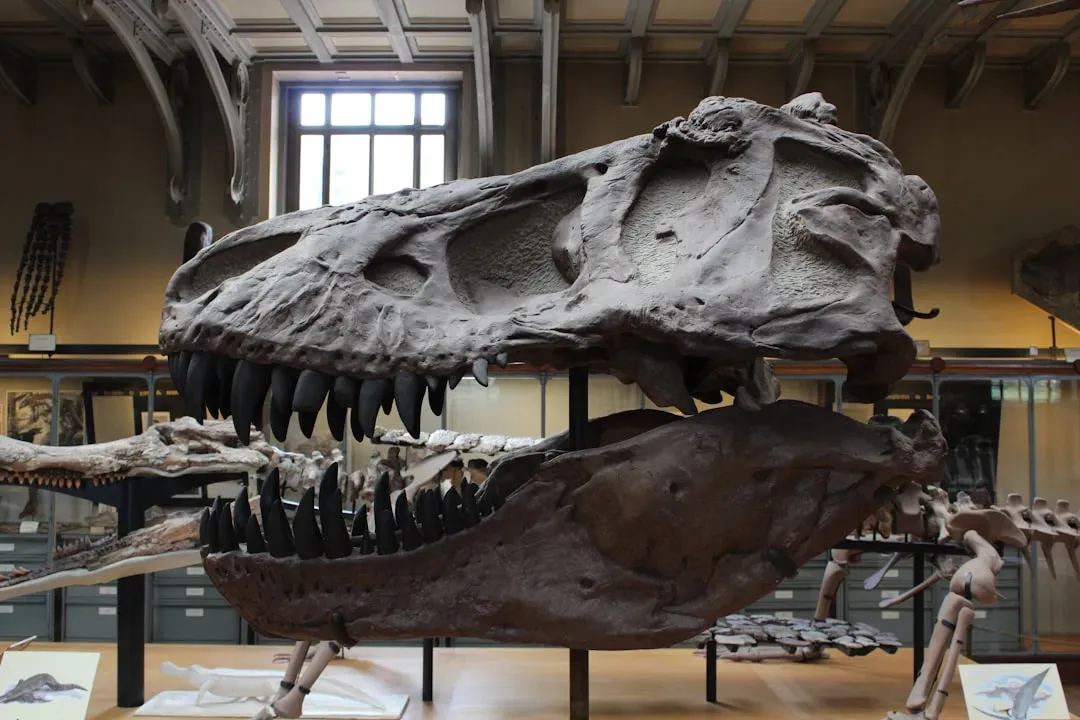
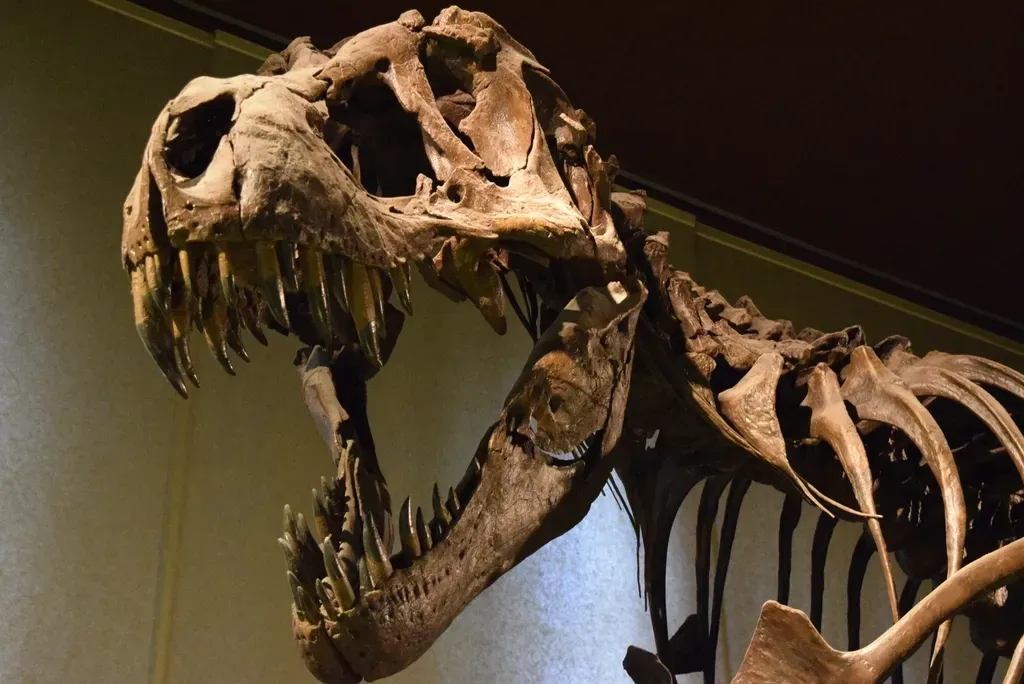
Even the most famous predator on Earth keeps giving up new secrets. You might think scientists have learned everything there is to know about Tyrannosaurus rex, given the sheer volume of research published over the decades. Honestly, that couldn’t be further from the truth. Rowe and Rayfield compared cranial biomechanics of members of different groups of large-bodied theropods, finding evidence of elevated cranial stress in tyrannosaurids related to increased head muscle volume and bite forces, unlike other theropods that experienced lower cranial stress. These differences appear likely related to different feeding strategies of tyrannosaurids and other large theropods.
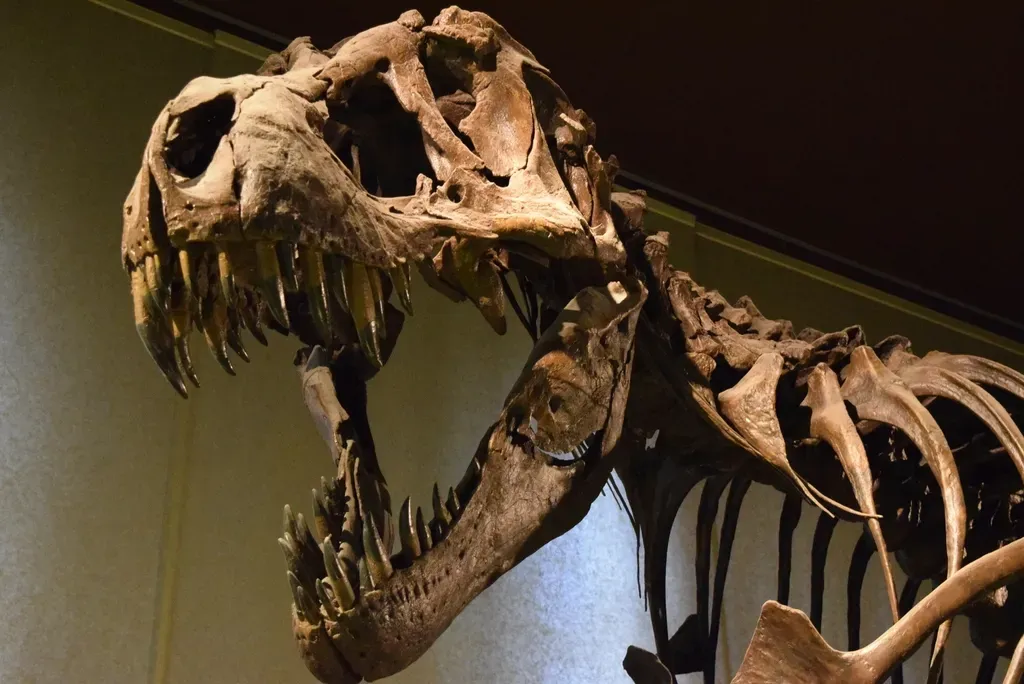
The largest theropod known from a nearly complete skeleton is the most complete Tyrannosaurus rex specimen, nicknamed “Sue,” discovered in South Dakota in 1990 and now mounted in the Field Museum of Chicago at a total length of 12 to 12.8 metres. Body mass estimates have reached over 9,500 kilograms, though other figures have been lower. Still, what makes the rex story increasingly fascinating isn’t size. It’s the mechanics, the social structure, and the evolutionary context that new research keeps illuminating.
A recent study examined the impact of the commercial trade on the sample size of specimens of Tyrannosaurus rex, finding that the rate of fossil discoveries made by commercial companies is higher than that of public trusts. However, commercially collected T. rex fossils mostly remain in private collections or stockrooms, with more fossils of T. rex in private hands than in public trusts. That’s a quiet crisis in paleontology that deserves far more attention than it gets. Science loses every time a fossil disappears into a private vault.
The Megalodon and the Age of Ocean Giants
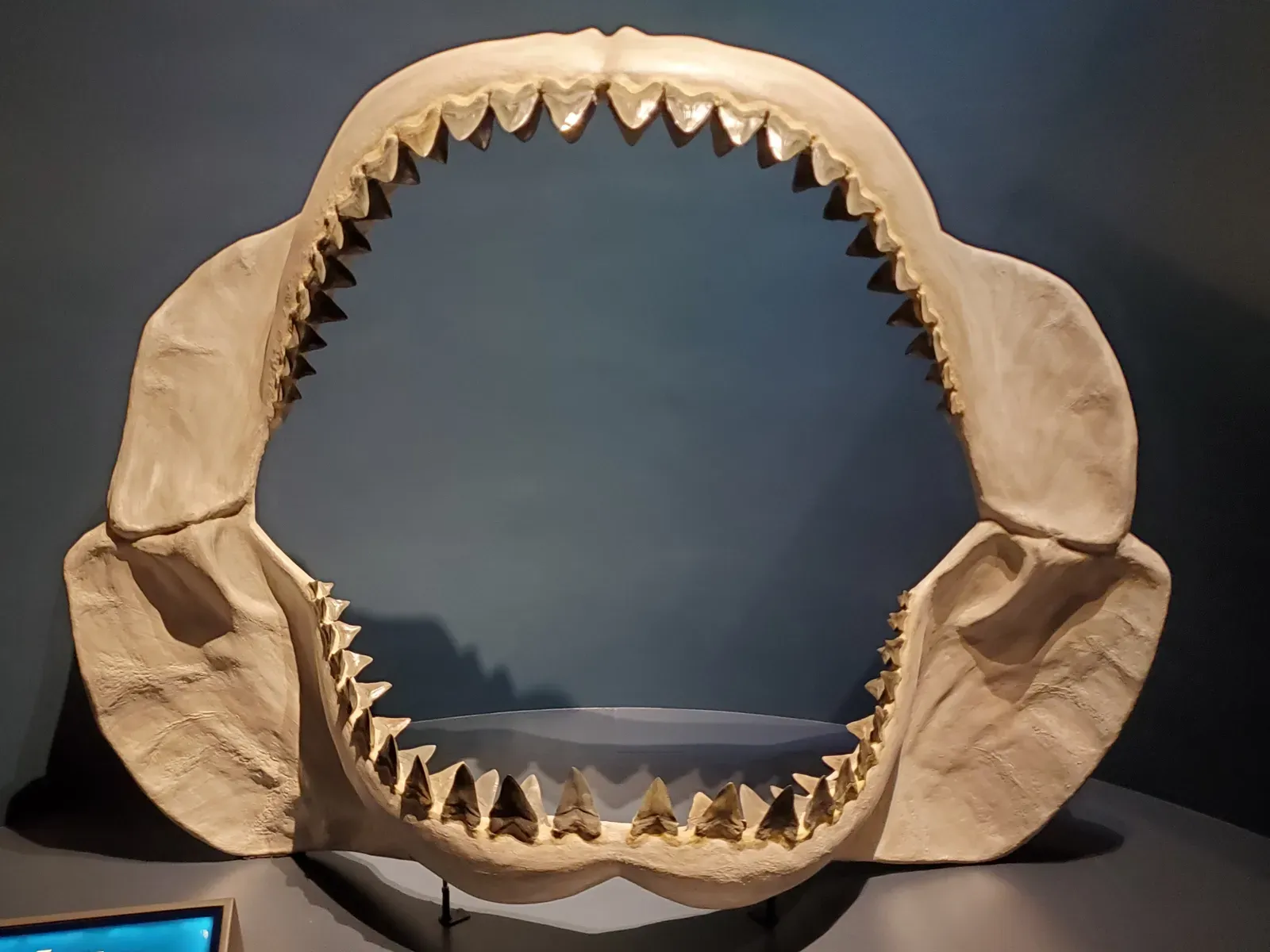
No conversation about prehistoric predators is complete without pausing on the shark that continues to dominate pop culture and scientific debate alike. The monstrous Otodus megalodon reached up to 60 feet long. Megalodons lived at some point during the Miocene and Pliocene epochs, which together spanned from 23 million to 2.6 million years ago, though Hollywood has recently brought them back from extinction. The movies are fiction. The science is way more interesting.
Livyatan melvillei, named after the author of Moby Dick, reached approximately 60 feet in length and about 62 tons, actually slightly shorter and lighter than its modern relative. It was a much more active predator, competing with Megalodon for smaller whales and other large prey animals during the Miocene, while modern sperm whales are more specialized for feeding on large soft-bodied prey animals. The idea of a giant predatory sperm whale and a Megalodon competing for the same prey is the kind of ancient drama that deserves its own documentary series.
In April 2024, Ichthyotitan severnensis was established as a valid shastasaurid taxon and is considered both the largest marine reptile ever discovered and the largest macropredator ever discovered. The Lilstock specimen was estimated to be around 26 metres whilst the Aust specimen was an even more impressive 30 to 35 metres in length. While no weight estimates have been made as of yet, Ichthyotitan would have easily rivalled or surpassed the blue whale. If that doesn’t stop you cold, I’m not sure what will. The largest predator that ever existed, and most people have never heard of it.
Conclusion: The Bones Are Still Speaking
What strikes me most, after absorbing all of this, is not the size or the ferocity of these ancient animals. It’s the humility these discoveries force upon us. Each new fossil reminds us that our picture of the prehistoric world is incomplete, probably more incomplete than we dare admit. Over recent years, fossil finds and scientific breakthroughs have captured global attention, reshaped evolutionary family trees, revealed ancient behavior, and even pushed the boundaries of molecular preservation. From predatory dinosaurs and injured sauropods to Cambrian larvae with internal organs intact, discoveries have delivered a sweeping reminder that fossils are not just relics of form, but time capsules of ecology, motion, and biology at every scale.
Mosasaurs in rivers. Spinosaurids in the Sahara. A second tyrannosaur species coexisting alongside T. rex. An ocean stacked seven predatory layers deep. The deeper we dig, the stranger and more magnificent the ancient world becomes. It’s like learning that the book you thought you’d finished has been hiding a hundred more chapters inside its spine.
Advances in fossil protein sequencing and bone micro-analysis are expected to unlock new biological details from iconic specimens, and renewed attention on ancient forests and early land plants may reveal how ecosystems rebounded after ancient climate shocks. If 2025 taught us anything, it’s that paleontology thrives on surprises, and 2026 looks ready to deliver them in abundance. The giants of the past are still out there, waiting in the rock. And with every expedition, every new technique, every hammer strike, we get a little closer to understanding who they really were. What discovery do you think is still hiding out there? Drop your thoughts in the comments.