You grow up seeing dinosaurs splashed across books, movies, and museum walls in every color you can imagine. Fiery red raptors, jungle-green sauropods, and stripy tyrannosaurs feel almost normal to you now. But at some point you probably wonder: how on Earth does anyone know what color a creature was if it turned to stone more than sixty million years ago?
The surprising twist is that paleontologists are no longer just guessing. Over the past couple of decades, you’ve moved from pure artistic imagination to testable, lab-based detective work. You can now peer into the microscopic structures in fossil feathers, compare them with living birds, and start to rebuild a picture of dinosaur colors that is grounded in real evidence. It is not perfect and it is not complete, but it is far from random. That mix of science, creativity, and uncertainty is exactly what makes this story so fascinating.
The First Big Shift: From Guesswork to Testable Color Clues
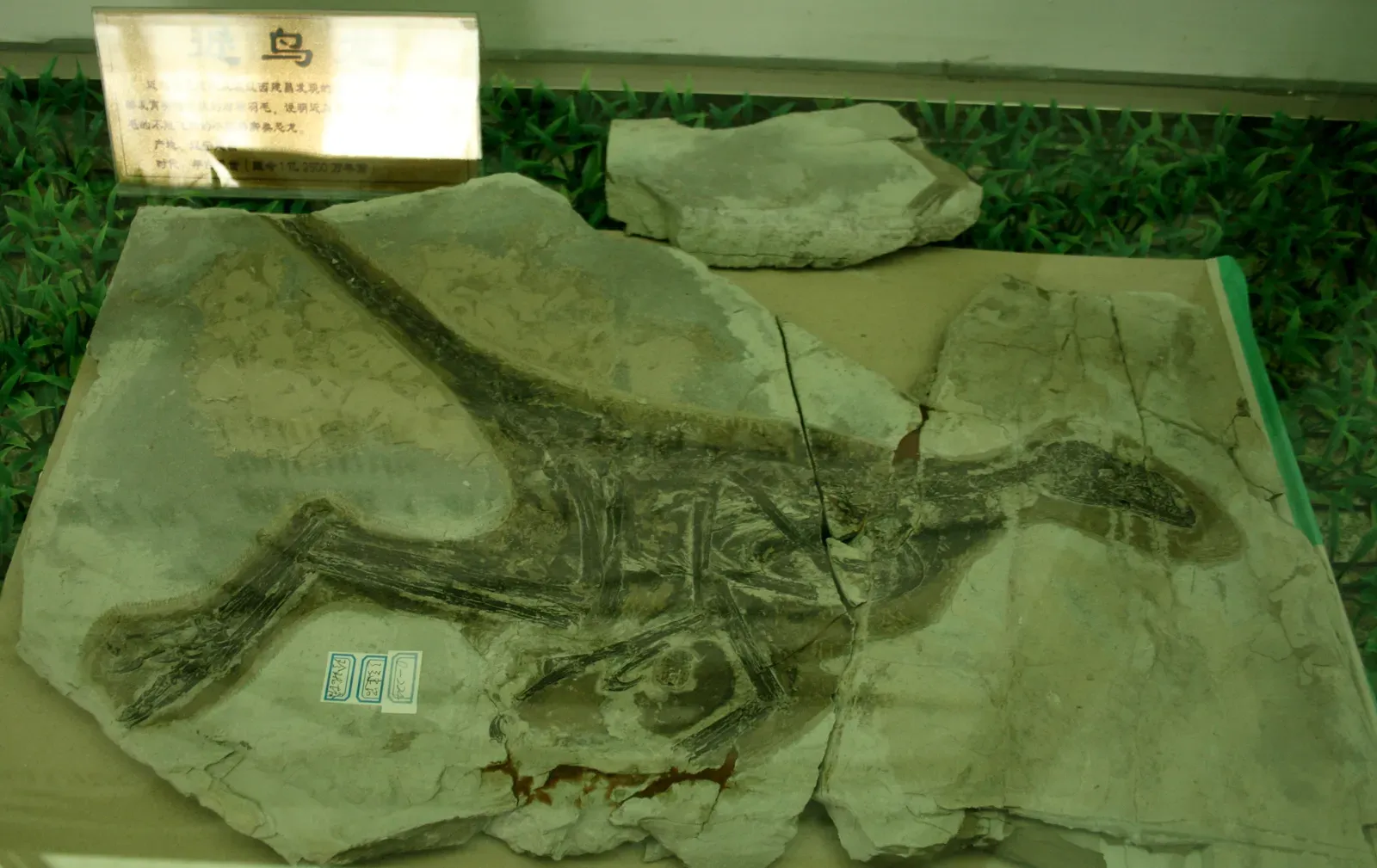
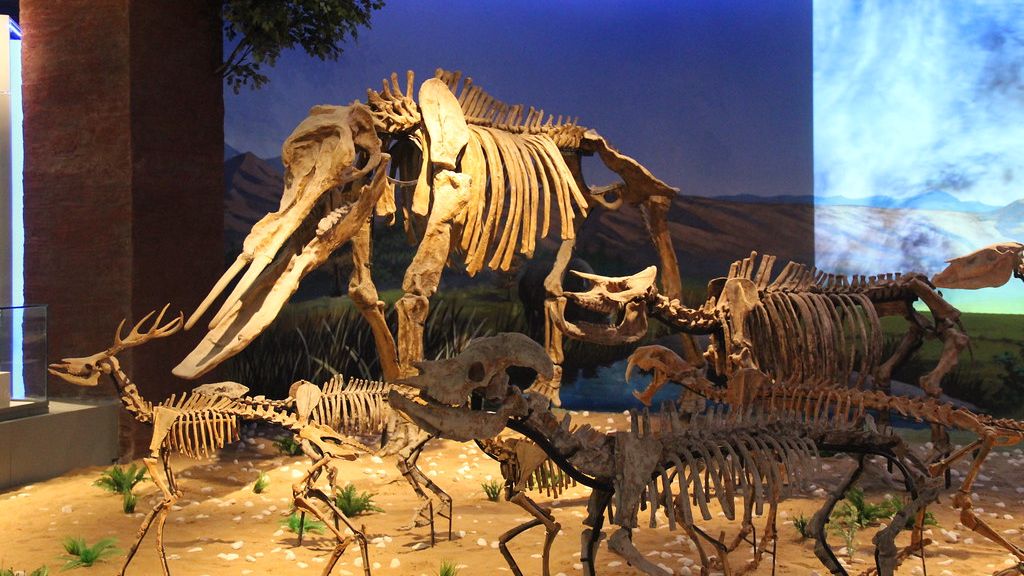
Uploaded by FunkMonk, CC BY-SA 2.0)
For most of the twentieth century, if you had asked what color dinosaurs were, any answer would have been mainly educated guesswork. Artists would copy the patterns of modern reptiles or big mammals, reasoning that a huge predator might be dull and camouflaged, while a flashy display animal might be brighter. You would have relied on logic about habitats and behavior, but you still could not point to a single fossil that actually preserved color information in a way you could measure.
That began to change when paleontologists realized that some exquisitely preserved fossils still held delicate traces of original soft tissues. In certain fine-grained rocks, especially from places like northeastern China, you get dinosaurs with feathers and even skin impressions preserved in remarkable detail. Once you see those tiny structures under a microscope, you’re no longer talking only about bones. You’re suddenly working with physical evidence that, in living animals, is intimately tied to color. That is the moment when dinosaur color shifted from pure speculation into something you can actually test.
Meet Melanosomes: The Tiny Pigment Packages That Changed Everything
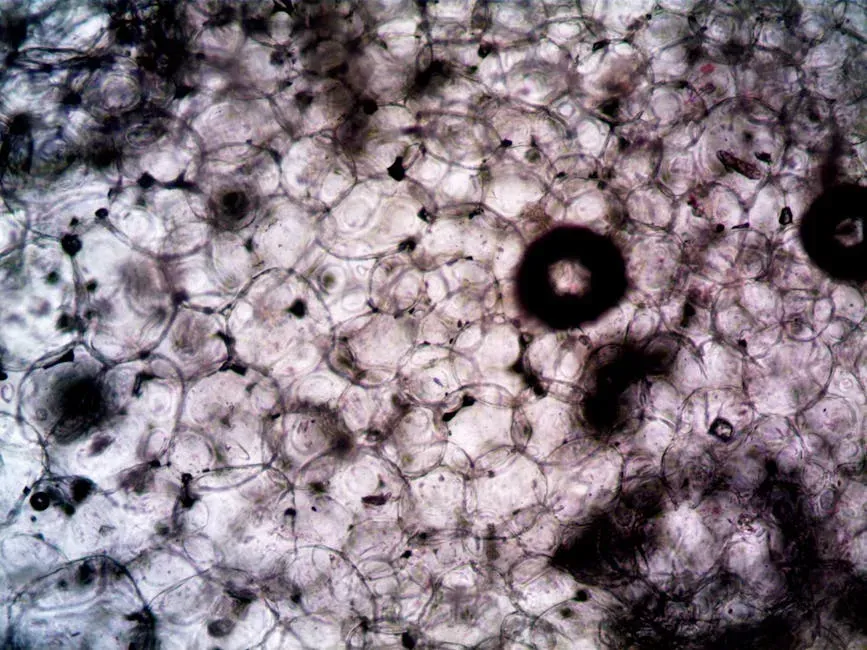
When you look at a crow’s glossy black feathers or a robin’s rusty red chest, the color you see often comes from melanin, a common pigment in animals. Melanin lives inside microscopic structures called melanosomes. In living birds, these melanosomes have different shapes depending on the type of color they produce: more elongated ones tend to give you black or gray, while rounder ones lean toward reddish or brownish tones. Once you know that, you have a sort of codebook between structure and color.
Here’s where it gets exciting for you as a dino-detective: under powerful microscopes, scientists have found fossilized structures in dinosaur feathers that match the size and shape of melanosomes in modern birds. By comparing fossil melanosomes to those in living species, you can predict whether a feathered dinosaur likely had dark, reddish, or even iridescent areas. You are not seeing the original color like a photograph, but you are reading a solid physical signal that connects microscopic fossil features directly to real pigmentation in life.
How You Read Colors from Fossils Without Seeing the Original Hues
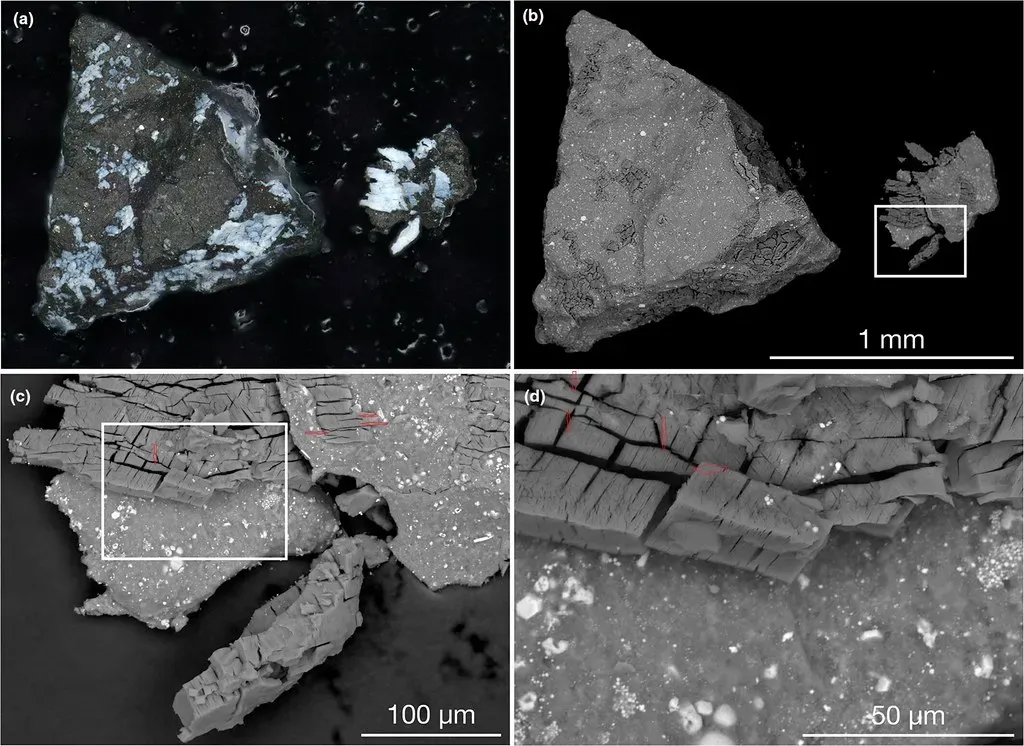
Even with melanosomes, you cannot just look at a fossil and say, “Ah, this spot was bright blue.” The original pigments are usually gone or altered, so you have to infer color indirectly. You do this by first mapping the types and arrangements of melanosomes in different parts of the fossilized feathers or skin. Then you compare those patterns to a database of modern birds where you know both melanosome structure and actual color. If a fossil’s wing feathers are packed with long, rod-like melanosomes similar to those found in black crows, you can infer a very dark or black region there.
Sometimes you go further and use advanced imaging techniques like scanning electron microscopy to get ultra-detailed views, or chemical analyses that look for traces of original pigment molecules. You might also consider how tightly packed melanosomes are, because densely layered structures can produce shimmering, iridescent effects, like the neck of a hummingbird. By combining all these clues, you reconstruct a color map that is probabilistic but grounded. You end up with a best-fit model of what the dinosaur probably looked like, rather than a random palette chosen for dramatic effect.
Patterns and Camouflage: Reading Behavior from Color
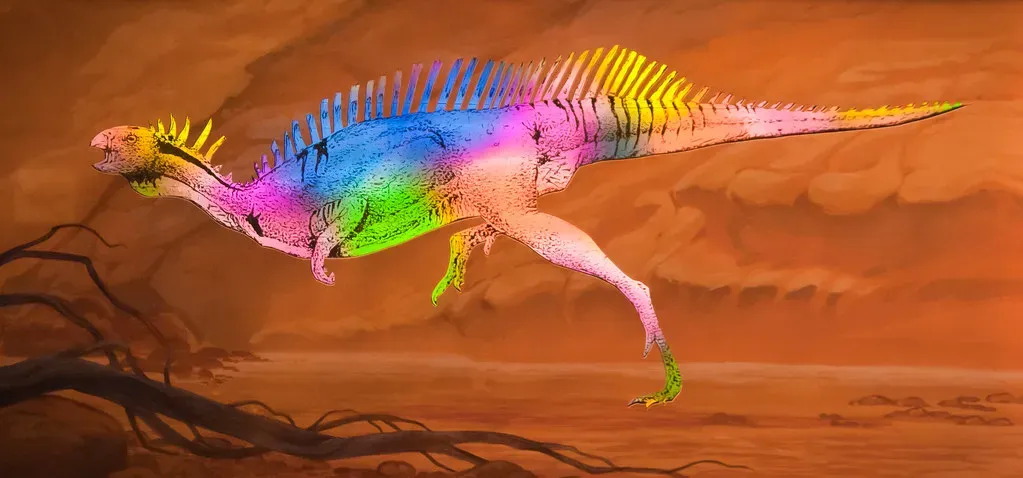
Once you can sketch out basic colors, you start noticing patterns that hint at how these animals might have lived. Some small feathered dinosaurs show evidence of darker backs and lighter bellies, a pattern you also see in many modern animals that rely on camouflage. This type of shading, often called countershading, helps break up the outline of a body and makes it harder to spot in dappled light. When you see similar gradations preserved in fossils, you are not just looking at style; you are getting a peek into survival strategies.
Other fossils suggest bold markings like stripes or bands on the tail or wings, inferred from how pigment structures are distributed along those feathers. In modern birds, such patterns are often used for signaling to mates, warning rivals, or confusing predators. When you notice those same arrangements in a dinosaur fossil, you can reasonably suspect that color in dinosaurs was not just about blending in. It probably played a role in communication, display, and social behavior, giving you one more way to connect these long-extinct creatures to the living animals you see today.
What You Still Do Not Know (And Why That Matters)
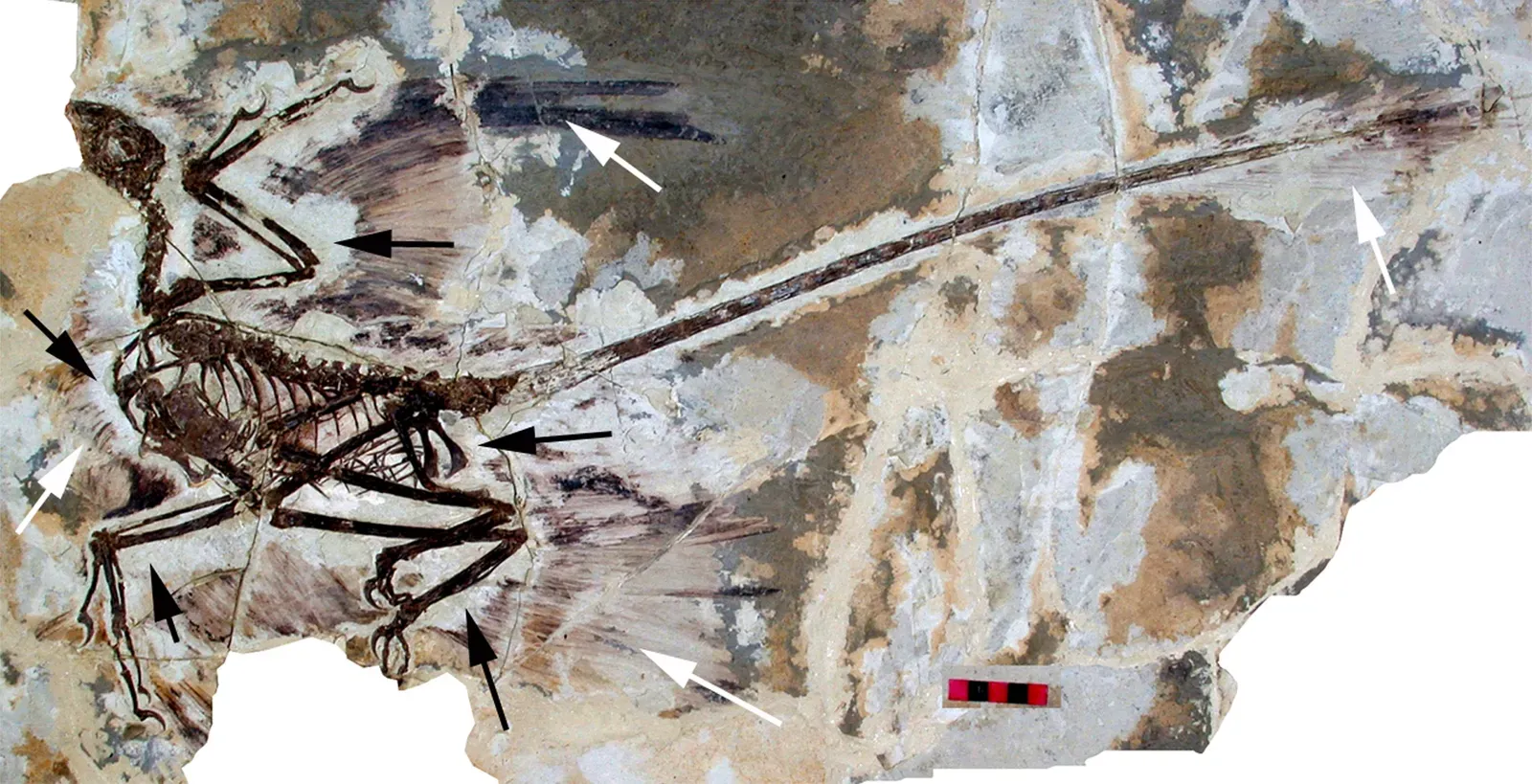
As powerful as these techniques are, you still have to live with big areas of uncertainty. Most fossils do not preserve soft tissues well enough to study melanosomes at all, so your detailed color reconstructions are limited to a relatively small set of exceptional specimens, mostly feathered dinosaurs and early birds. That means you know far more about the colors of small, bird-like species than you do about gigantic, scaly giants like sauropods. For many famous dinosaurs, like large horned species or most long-necked forms, you simply do not have the right kind of fossils to say much about their colors yet.
Even when melanosomes are preserved, they mostly tell you about melanin-based colors – blacks, browns, reddish tones, and some kinds of structural iridescence. Many bright hues in modern birds, such as intense blues, greens, or yellows, come from different pigment systems or complex feather structures that rarely leave a clear fossil signal. So you might know that a dinosaur had dark wings and a reddish crest, but you still cannot pin down whether there were subtle blue sheens or vivid greens. Accepting those limits keeps your reconstructions honest and reminds you that every colorful painting in a museum carries an invisible label in your mind: informed, but still incomplete.
How Artists and Scientists Work Together to Bring Dinosaurs to Life
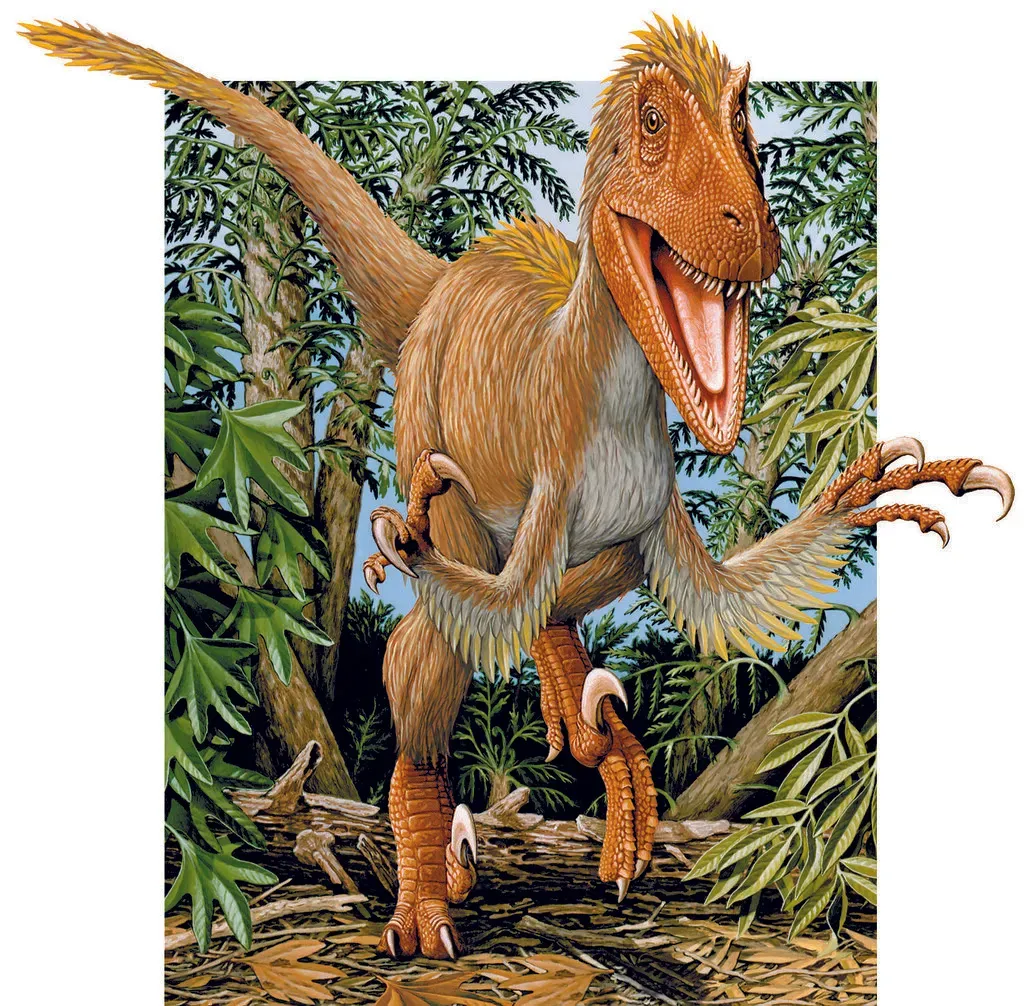
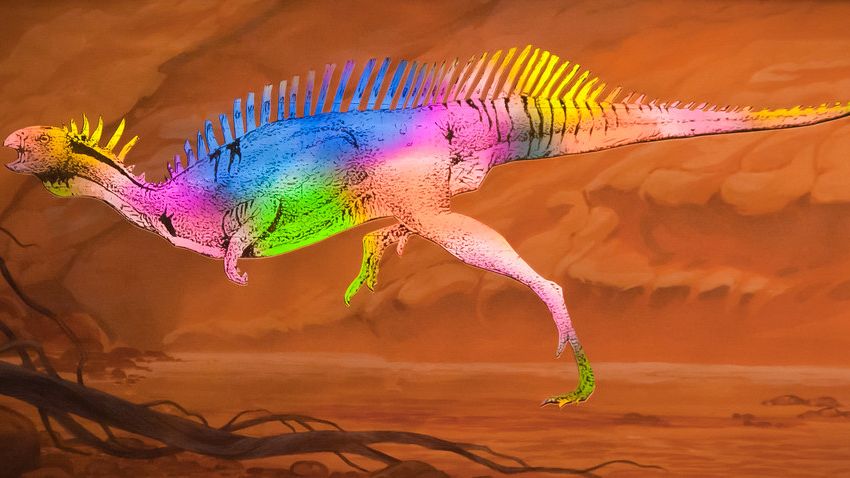
When you look at a striking painting of a dinosaur, what you are really seeing is a collaboration between hard data and creative interpretation. Scientists can tell you where melanosomes show a dark patch, where a lighter belly probably sat, and where feathers or scales were arranged. They can suggest that a tail tip likely had a contrasting band, or that certain display structures were probably more colorful than the rest of the body. But they rarely can specify the exact shade or brightness. That is where a paleoartist steps in, filling in gaps by drawing on modern ecosystems, animal behavior, and the available evidence.
If you were that artist, you might decide to base a small feathered dinosaur’s palette on a magpie or a pheasant, using the fossil data as a skeleton for your color choices. You would keep the scientifically constrained areas intact – dark back, lighter underside, maybe a reddish face – and then choose realistic but not provable hues for the rest. In this way, your final image is half measurement, half educated imagination. You are not lying about the science; you are building a visually coherent animal around the parts that science can currently anchor. That partnership is why dinosaur art looks so different, and so much more believable, than it did a generation ago.
What This Means for How You Picture Dinosaurs Now
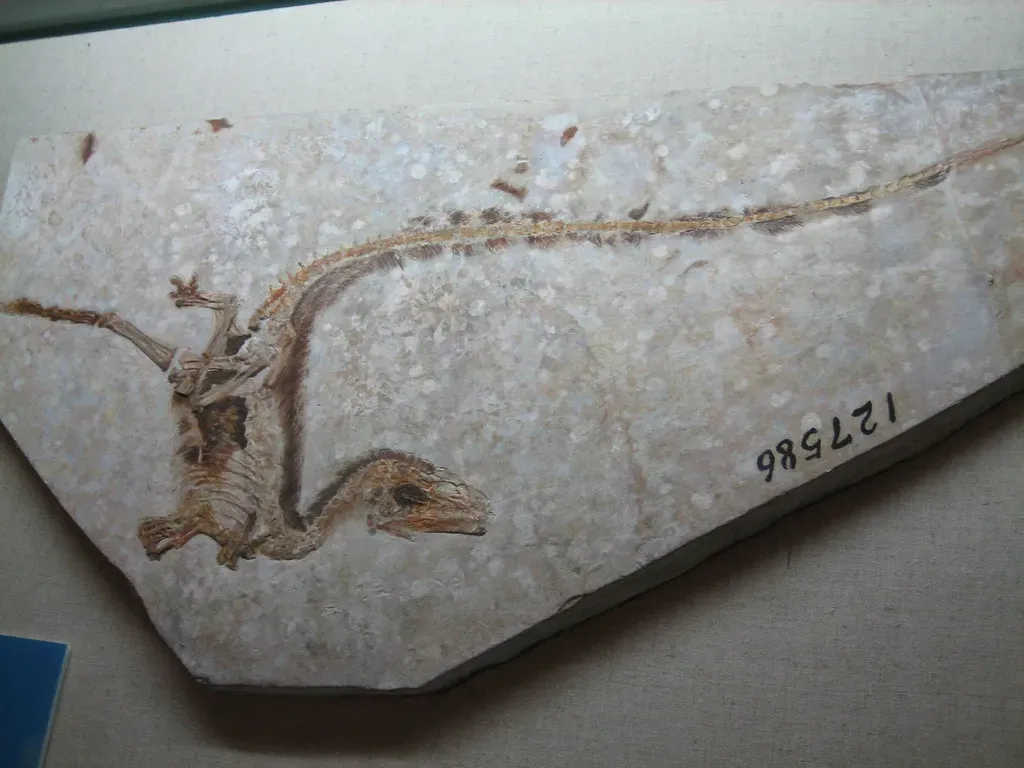
Once you know how much work goes into reconstructing dinosaur colors, you start to see familiar images differently. Instead of taking every bright stripe or vivid patch at face value, you catch yourself asking which parts are firmly supported by fossil evidence and which are more speculative. You begin to appreciate how incredible it is that you can say, with reasonable confidence, that certain feathered dinosaurs probably had black-and-white tails, dark wings, or rusty-colored crests. That level of detail would have sounded like fantasy not long ago, yet now it rests on microscopes and careful comparisons.
At the same time, you learn to enjoy the uncertainty instead of fighting it. Knowing that some colors are still wide open gives you room to imagine, to question, and to stay curious as new discoveries come in. Every time a new fossil site turns up with exceptionally preserved feathers or skin, your mental image of these animals gets a little sharper. You are watching a picture slowly come into focus, one melanosome at a time. And you get to hold two ideas at once: that dinosaurs were likely far more colorful and visually complex than old gray, lizard-like depictions suggested, and that the full spectrum of their world is still waiting to be uncovered.
In the end, reconstructing dinosaur colors is less like pulling a photograph out of a time machine and more like restoring an ancient painting from a scattered set of clues. You trace patterns in the dust, match them to living creatures, and carefully rebuild a scene you know will never be perfectly complete. Yet with each fossil feather and each tiny pigment grain, you get closer to seeing these animals not as stone monsters, but as living, breathing, vividly colored creatures that once walked the same planet you do now. Knowing that, how will you picture your favorite dinosaur the next time you close your eyes?