You probably think you know how life evolved on Earth. Simple organisms gradually became more complex over billions of years, right? That’s the story we’ve been told. Yet tucked away in rocks roughly half a billion years old lies evidence that challenges this neat narrative. Something extraordinary happened during a geological eyeblink, something that transformed barren oceans into bustling ecosystems packed with bizarre creatures unlike anything you’d recognize today.
The Cambrian Explosion began approximately 538.8 million years ago and lasted for about 13 to 25 million years, yet in that sliver of geological time, almost all present-day animal phyla appeared. Think about that for a moment. Before this period, life was mostly microscopic and simple. Then suddenly, the oceans teemed with animals sporting eyes, jaws, shells, and body plans that would define life for the next half billion years. Let’s dive into what made this event so revolutionary.
When Time Exploded: Understanding the Timeline
The name itself is a bit misleading. When you hear “explosion,” you imagine something instantaneous, like fireworks lighting up a night sky. Recent research reveals there was a very short burst of accelerated evolution at the start, then it flatlined for the rest of the Cambrian, meaning rather than a long and protracted evolutionary explosion throughout the period, it was more of a quick spurt. The fastest diversification happened during roughly the first 13 million years of the period.
The fastest growth in the number of major new animal groups took place during the Tommotian and Atdabanian stages of the early Cambrian, when the first undoubted fossil annelids, arthropods, brachiopods, echinoderms, molluscs, onychophorans, poriferans, and priapulids showed up in rocks all over the world. Honestly, even millions of years sounds like forever to us humans, but in geological terms? That’s astonishingly rapid. The rate of diversification seen in the Cambrian phase of the explosion is unparalleled among marine animals.
The Oxygen Puzzle: Fuel or Fantasy?
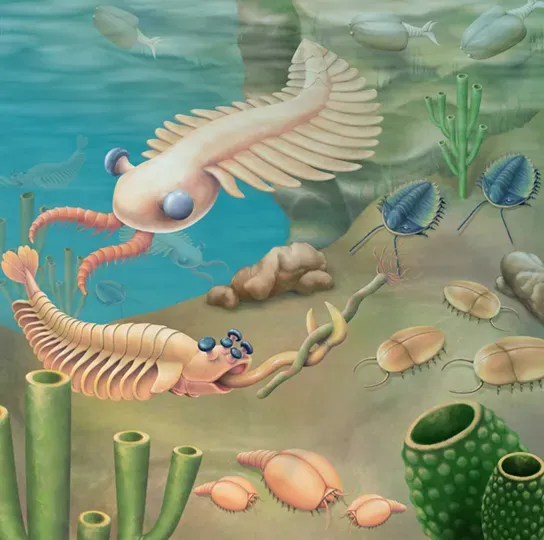
For decades, scientists pointed to oxygen as the obvious trigger. More oxygen in the atmosphere meant animals could grow bigger and more complex. Case closed, right? Not quite. New research provides evidence that a rapid burst of evolution 540 million years ago could have been caused by only a small increase in oxygen in Earth’s atmosphere and shallow ocean waters. Here’s the thing: it wasn’t the massive oxygen surge everyone expected.
Cambrian animals likely did not require as much oxygen as scientists used to believe, and the study reconciles conflicting data sets, providing the clearest evidence so far that only a small increase in oxygen occurred around the time of the Cambrian explosion. What’s more fascinating is that oxygen levels in the deep ocean did not approach those in modern seas until about 140 million years after the Cambrian explosion. So if oxygen wasn’t the dramatic catalyst scientists thought it was, what really sparked this revolution? The answer is probably messier and more interesting than any single explanation.
Continental Breakup and Oceanic Chemistry
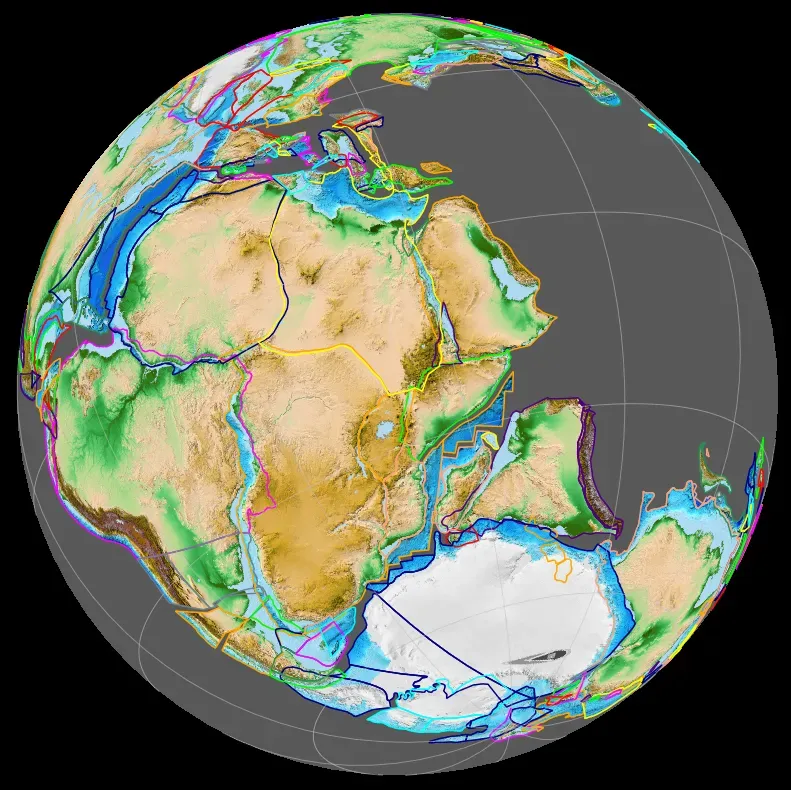
Research suggests a major tectonic event may have triggered the rise in sea level and other environmental changes that accompanied the apparent burst of life, with the development of a deep oceanic gateway between the Pacific and Iapetus oceans isolating Laurentia in the early Cambrian. Think of it like rearranging furniture in a house, except the furniture is entire continents and the house is the planet. These shifts flooded shallow seas across continents, creating vast new habitats.
Something big happened tectonically at the boundary between the Precambrian and Cambrian periods that triggered the spreading of shallow ocean water across the continents, which is clearly tied in time and space to the sudden explosion of multicellular, hard-shelled life, and these ancient geologic and geographic changes probably led to a buildup of oxygen in the atmosphere and a change in ocean chemistry. Meanwhile, researchers found that calcium levels were at least three times higher during the early Cambrian period than before, and they believe the calcium surge allowed early life to evolve shells and skeletons to cope with the potential toxicity of higher calcium levels in seawater. Suddenly animals had access to the raw materials they needed to build protective armor.
The Burgess Shale: A Window into an Alien World
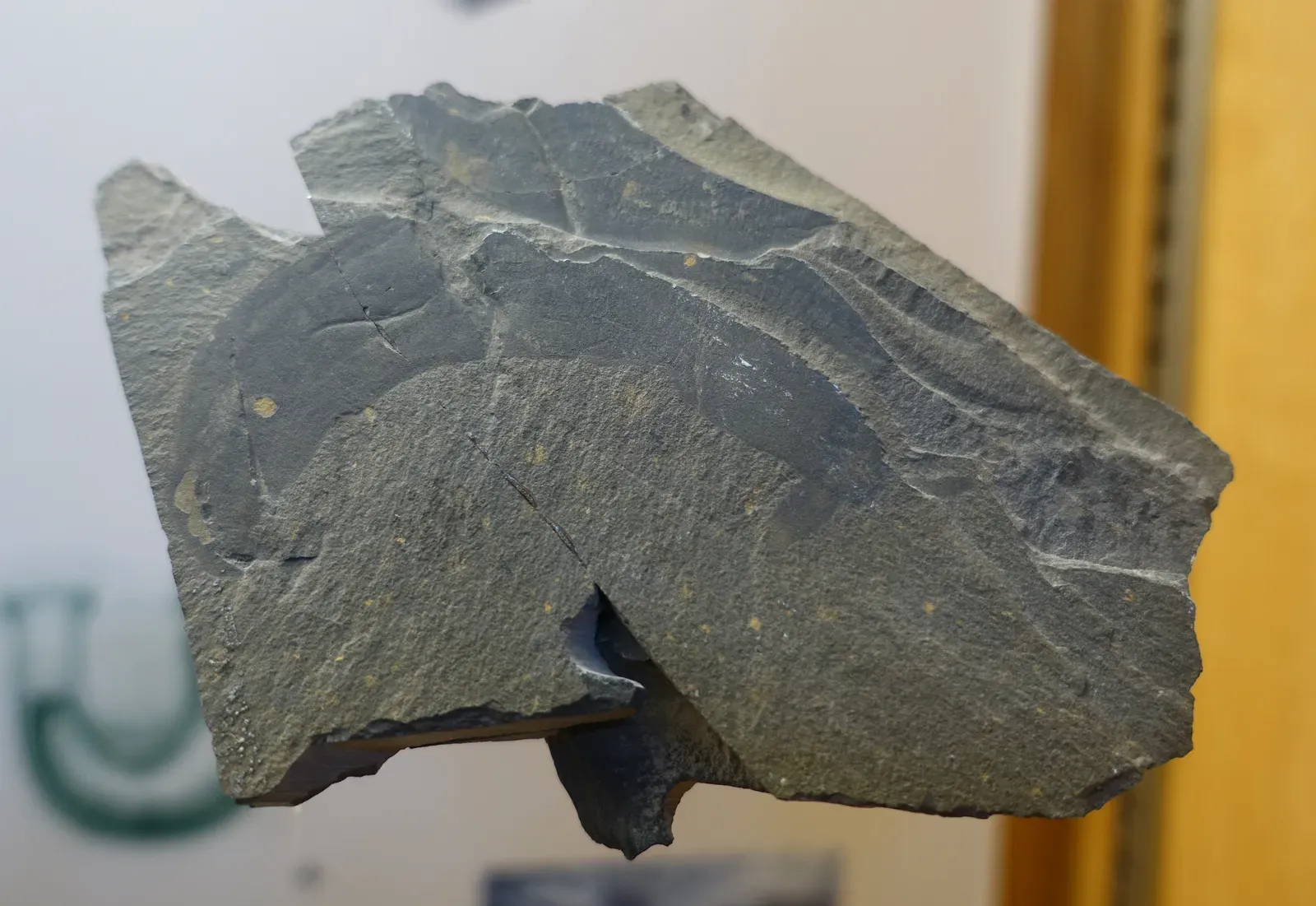
The Burgess Shale is a fossil-bearing deposit exposed in the Canadian Rockies of British Columbia, famous for the exceptional preservation of the soft parts of its fossils, and at 508 million years old, it is one of the earliest fossil beds containing soft-part imprints. Most fossils are just bones or shells. Soft tissues decay too quickly. Yet under exceptional circumstances, even jellyfish and worms can be preserved, giving you a complete snapshot of ancient life.
The Burgess Shale contains the best record we have of Cambrian animal fossils and reveals the presence of creatures originating from the Cambrian explosion, an evolutionary burst of animal origins dating 545 to 525 million years ago. Walking through that site would’ve been like visiting another planet. This fauna indicates the presence of complex communities composed of highly organized animals, with diversity in the range of feeding adaptations quite as varied as that found in modern animals, demonstrating the explosiveness of the early radiation.
Strange Creatures That Defied Classification
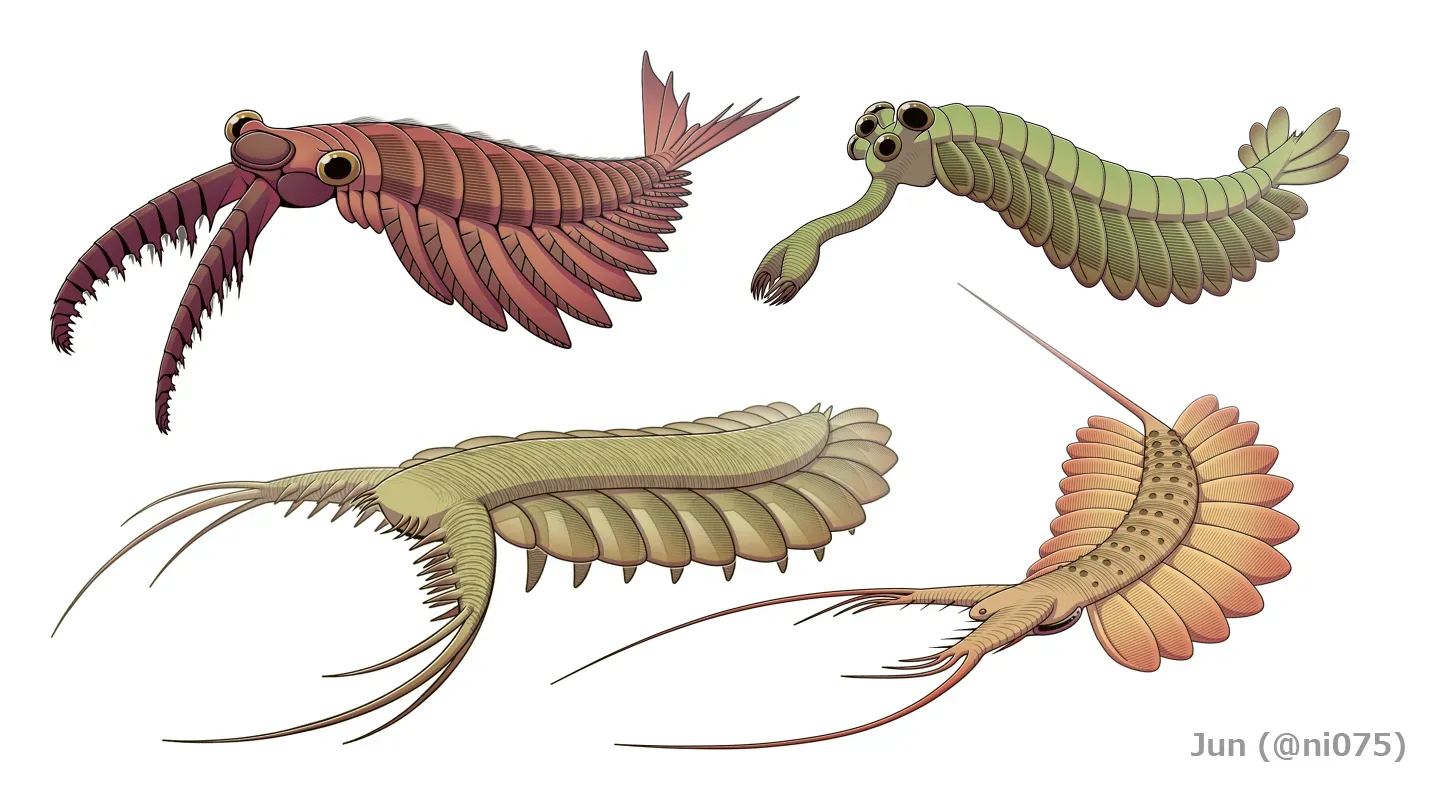
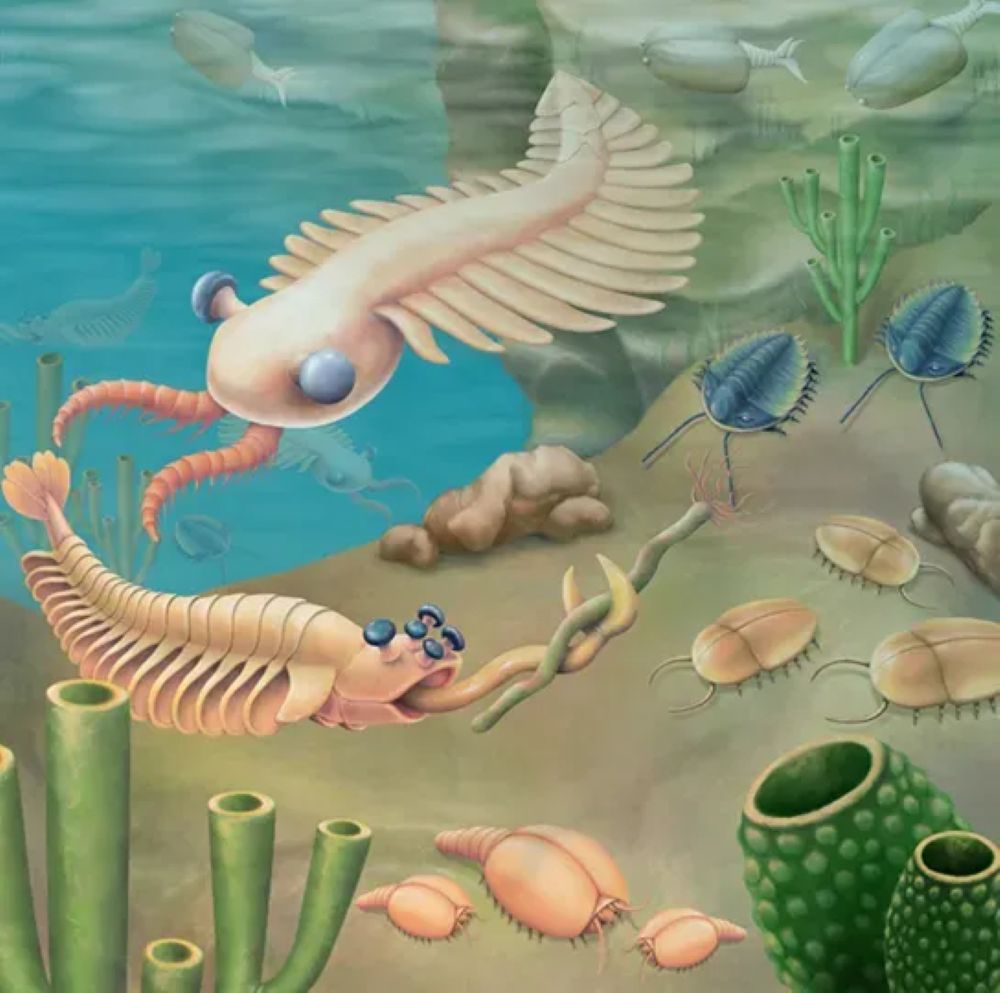
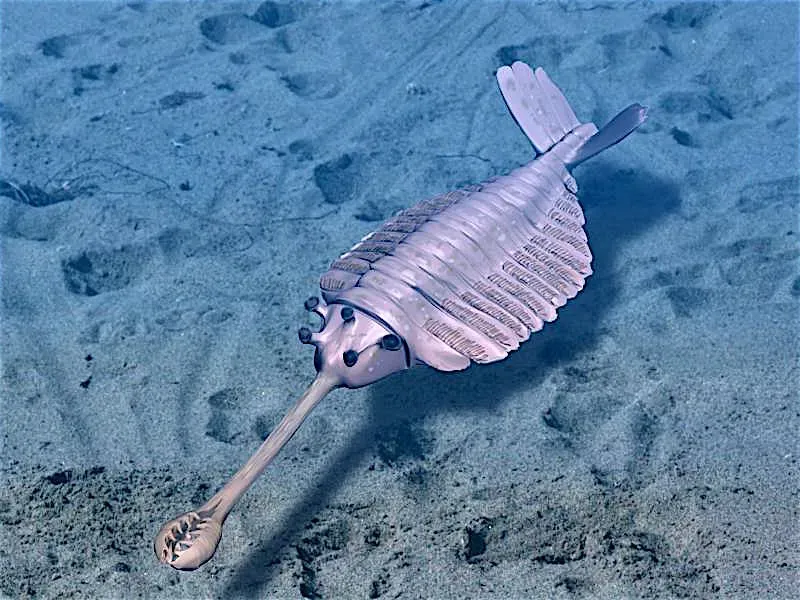
Imagine you’re a paleontologist staring at Opabinia for the first time. Opabinia was a soft-bodied animal measuring up to 7 cm in body length, with unusual features including five eyes, a mouth under the head facing backwards, and a clawed proboscis that most likely passed food to its mouth. Five eyes. When researchers first presented Opabinia to the scientific community, the audience reportedly burst into laughter. It seemed too bizarre to be real.
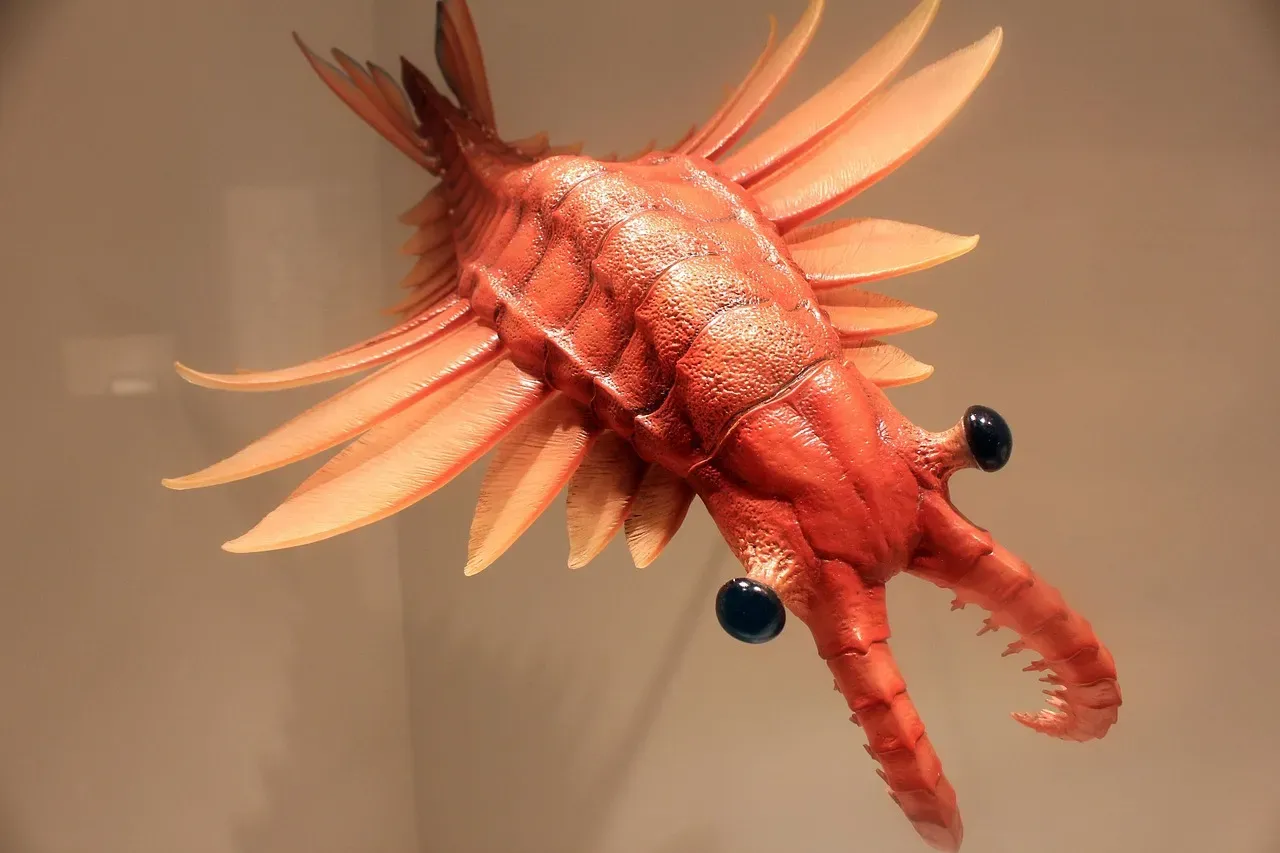
Then there’s Anomalocaris, the apex predator of its time. Each eye measures 7 to 9 millimeters across and consists of 13,000 lenses, optimally designed for detecting plankton in dimly lit waters. Anomalocaris was a giant, shrimplike predator which trapped its prey in fearsome mouthparts lined with hooks, while the even stranger five-eyed Opabinia caught its victims using a flexible clawed arm attached to its head. These weren’t evolutionary experiments that failed. They were sophisticated hunters perfectly adapted to their environment.
The Evolution of Vision: Seeing the Arms Race Begin
Researcher Andrew Parker has proposed that predator-prey relationships changed dramatically after eyesight evolved, since prior to that time, hunting and evading were both close-range affairs where smell, vibration and touch were the only senses used, but when predators could see their prey from a distance, new defensive strategies were needed. This makes intuitive sense. If you can see danger coming from afar, you need armor, speed, or camouflage.
Recent discoveries from China are rewriting what we thought we knew about early vision. An international team revealed that the earliest known vertebrates, living more than 518 million years ago, possessed four eyes, not two, as careful microscopic and chemical analyses of myllokunmingid fossils revealed that these animals had two large lateral eyes and two smaller, centrally positioned eyes. Four eyes. Complex, well-developed eyes already existed by the Early Cambrian around 517 million years ago, and in the 15 million years that followed the evolution of vision, most of the major animal groups we know today appeared.
Trilobites: The Success Story Nobody Expected

If there’s one Cambrian creature that dominated the fossil record, it’s the trilobite. Trilobites had flattened, segmented, plated bodies that helped protect them in seas increasingly filled with predators, with many varieties and sizes ranging from a millimeter to more than 2 feet in length, proving among the most successful and enduring of all prehistoric animals with more than 17,000 species surviving until the mega-extinction that ended the Permian period 251 million years ago.
These arthropods weren’t just survivors. They were innovators. Many trilobites from the Cambrian have been preserved as fossils, making them useful animals to study, and the trilobite fossils have shown that there was a spark of rapid evolution early on, rather than a prolonged period of innovation. At one point during the Cambrian Period, trilobites suddenly went from being soft-bodied animals to developing hard shells and were rapidly found in shallow seas all around the world. Their success story lasted nearly 300 million years.
The Real Trigger: A Symphony of Factors
Let’s be real. Scientists love simple answers. One cause, one effect. Yet the Cambrian Explosion resists that kind of tidy explanation. There is no one aspect that can be held up as the cause of this period of rapid evolution, but it is best viewed as a swirling together of factors, including massive amounts of nutrients that had eroded from continental rocks on land washing into the oceans, providing the calcium and phosphorus needed to build skeletons and hard shells.
Low and oscillating oxygen levels in the marine realm promoted diversification and evolutionary innovation but also drove several extinction events. Add to that mix the development of new genes that regulate body patterning, the rise of predation creating evolutionary arms races, and shifting continents creating new habitats. Research shows that during the peak of the Cambrian explosion, which occurred about 524 to 514 Ma in the early Cambrian period, the number and amplitude of changes in oxygen levels of the atmosphere and shallow ocean were highly coincident with the number and amplitude of changes in faunal fossil diversity. Everything happened at once, in a perfect storm of biological and environmental change.
The Cambrian Explosion remains one of the most fascinating chapters in Earth’s history. Forty million years is rapid in the larger scheme of Earth’s history, just about 1 percent of life’s history, and the Cambrian Explosion is a multifold event involving morphological innovations, skeletonization, and ecological revolution, with most body plans emerging within this time window. What happened during those few million years set the stage for everything that followed, including eventually us. The oceans transformed from bacterial soup to complex ecosystems with predators, prey, and intricate food webs.
Here’s what strikes me most: despite over a century of intensive research, new discoveries keep challenging what we thought we knew. From four-eyed fish to oxygen levels that don’t quite match the theory, the Cambrian keeps surprising us. Perhaps that’s fitting for an event so explosive it still reverberates through the fossil record half a billion years later. Did you expect that life’s greatest diversification would turn out to be so much stranger and more complex than any single explanation could capture?