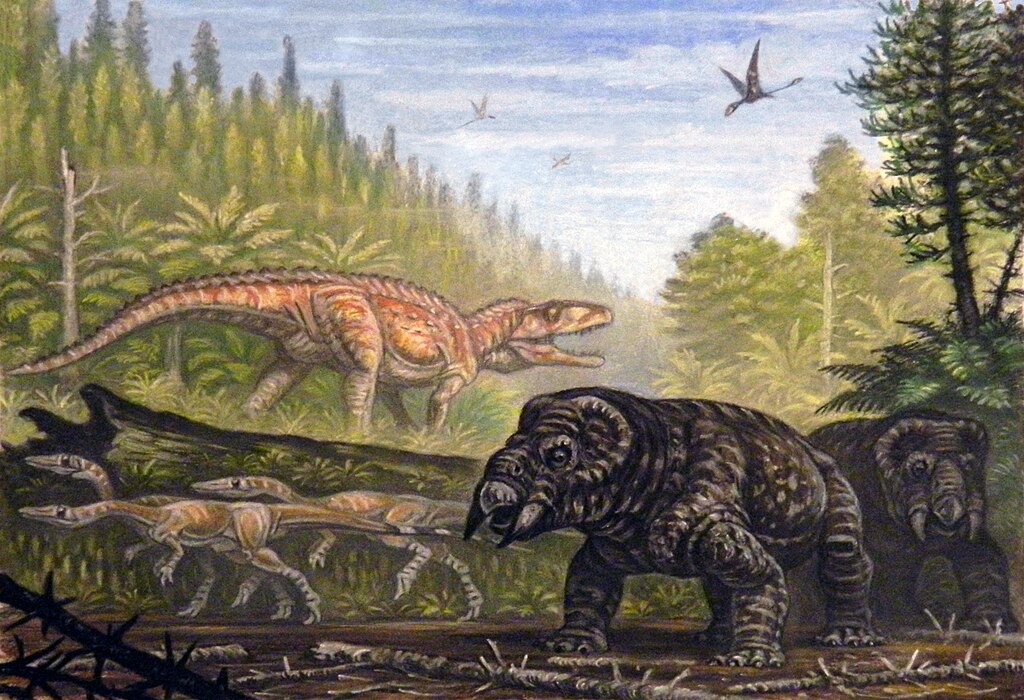
Think you know what dinosaurs were up to during their heyday? Think again. While classic movies like Jurassic Park painted dramatic images of Velociraptors prowling in darkness, most of us assumed these giant creatures were daytime dwellers, leaving the night shift to early mammals scurrying underfoot. Recent fossil discoveries, however, are rewriting this story completely.
Scientists have now uncovered “the most convincing evidence to date for nocturnal dinosaurs” through groundbreaking analysis of fossilized skulls. These aren’t just educated guesses either. By studying tiny but crucial eye structures preserved in stone for millions of years, researchers have opened an entirely new window into how dinosaurs actually lived, hunted, and survived in their ancient world.
The Secret Ring That Unlocks Dinosaur Vision
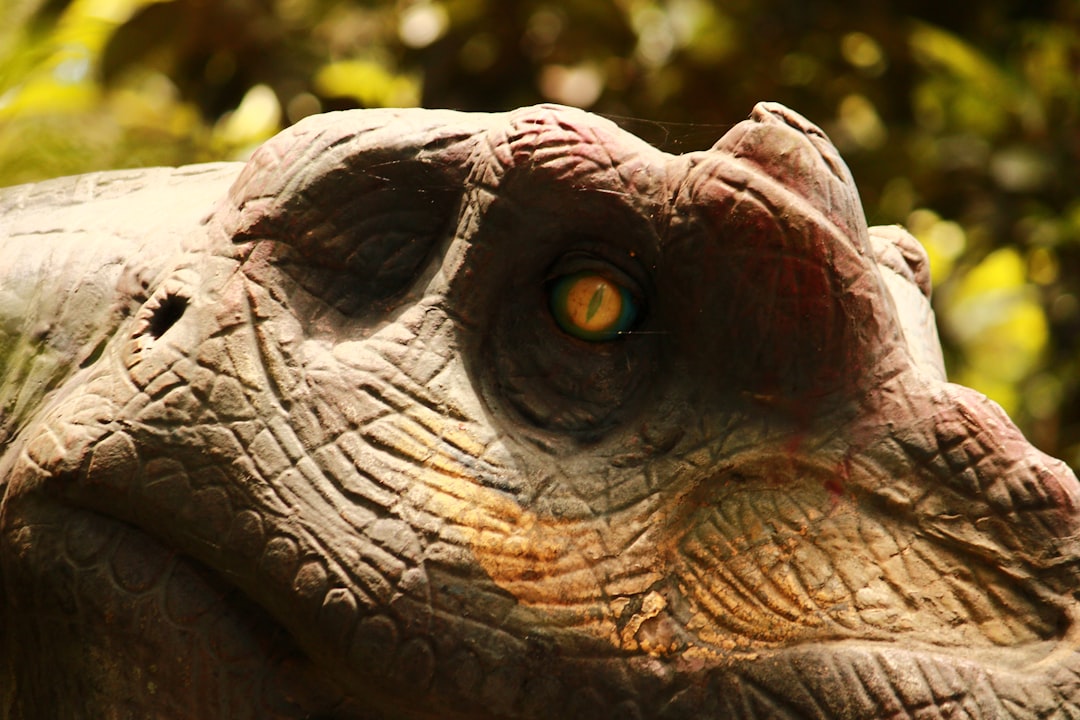
Scleral ossicles are thin, rectangular bone plates that form a ring-like structure surrounding the pupils of lizards as well as birds and their ancestors – dinosaurs. This might sound like technical jargon, but these scleral rings are actually the key to understanding how well a dinosaur could see in low light.
Scleral rings define the largest possible size of an animal’s pupil and can tell you how well that animal can see at night. The larger the pupil compared to the size of the eye, the better a dinosaur could see in the dark. Think of it like the aperture on a camera – the wider the opening, the more light gets in.
Meet the Night Hunter of Ancient Mongolia
Two fossil species – Haplocheirus sollers and Shuvuuia deserti – likely had extremely good night vision. But our work also shows that S. deserti also had incredibly sensitive hearing similar to modern-day owls. This is the first time these two traits have been found in the same fossil, suggesting that this small, desert-dwelling dinosaur that lived in ancient Mongolia was probably a specialized night-hunter of insects and small mammals.
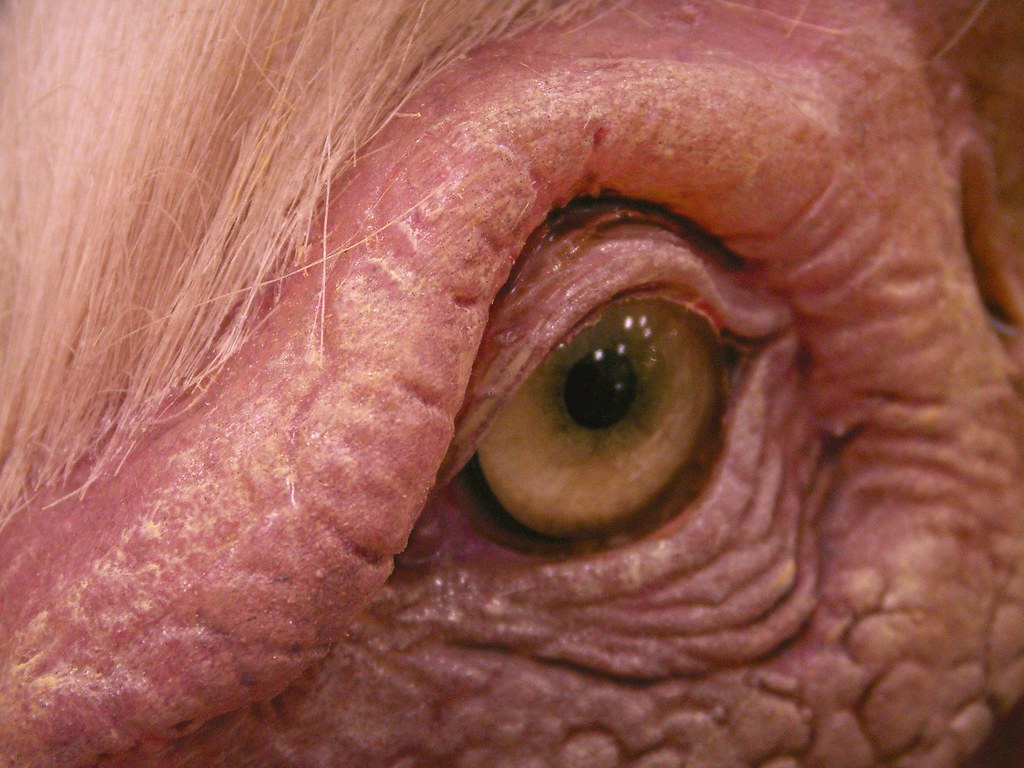
S. deserti’s pupil made up more than half of its eye, very similar to night-vision specialists that live today like geckos and nightjars. Picture a creature with eyes like a barn owl but the body of a small dinosaur – that’s essentially what we’re dealing with here.
How Scientists Crack the Code of Fossil Eyes
First, they used scans of the fossilized skulls of both species, as well as other theropods to examine them in more detail. They were able to digitally reconstruct the eyes, and found that S. deserti and H. sollers had some of the largest pupils ever seen in any theropods. Modern technology allows paleontologists to peer inside these ancient skulls without damaging them.
Since the individual bony ossicles of these rings fell apart after these animals died more than 66 million years ago, our team made scans of the fossils and then digitally reconstructed the eyes. It’s like CSI for dinosaurs – scientists can virtually reassemble these delicate structures to understand exactly how they functioned.
Upending Everything We Thought About Dinosaur Life
This conclusion overturns the conventional wisdom that dinosaurs were active by day while early mammals scurried around at night, said Ryosuke Motani, professor of geology at UC Davis and co-author of the paper. The research has fundamentally challenged our assumptions about who ruled what time of day.
On the basis of an analysis of scleral ring and orbit morphology in 33 archosaurs, including dinosaurs and pterosaurs, we show that the eyes of Mesozoic archosaurs were adapted to all major types of diel activity (that is, nocturnal, diurnal, and cathemeral) and provide concrete evidence of temporal niche partitioning in the Mesozoic. Similar to extant amniotes, flyers were predominantly diurnal; terrestrial predators, at least partially, nocturnal; and large herbivores, cathemeral.
The Great Predator Night Shift
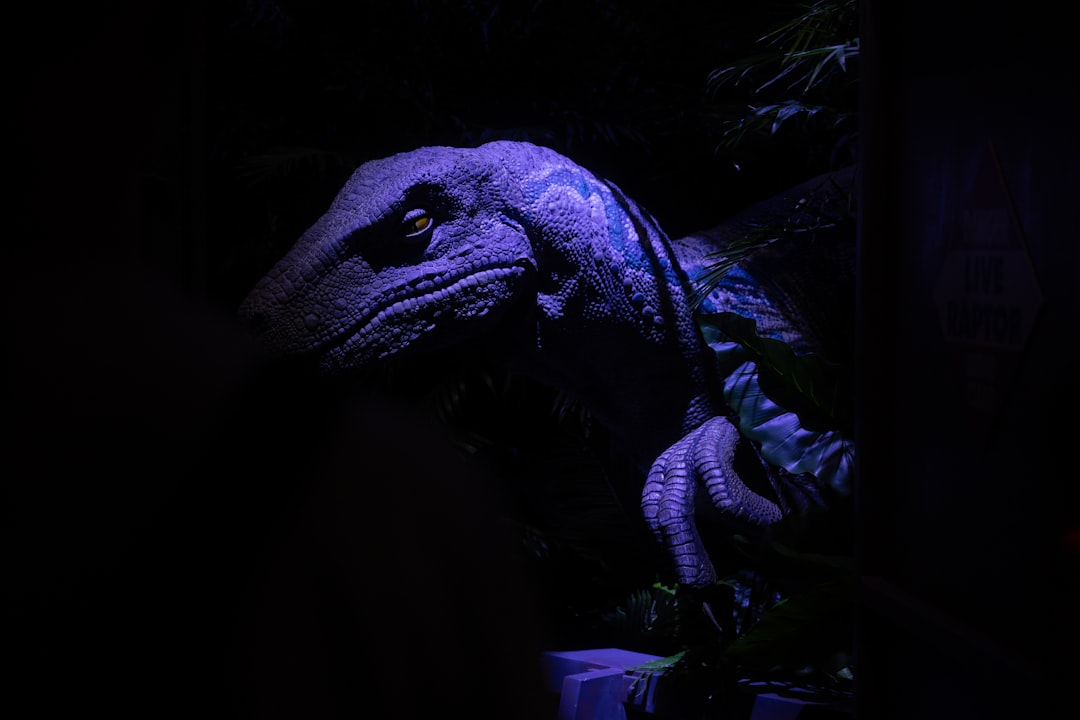
Velociraptors and other small carnivores were night hunters, Schmitz and Motani showed. They were not able to study big carnivores such as Tyrannosaurus rex, because there are no fossils with sufficiently well-preserved scleral rings. This means those movie scenes of raptors stalking through darkness might have been more accurate than we realized.
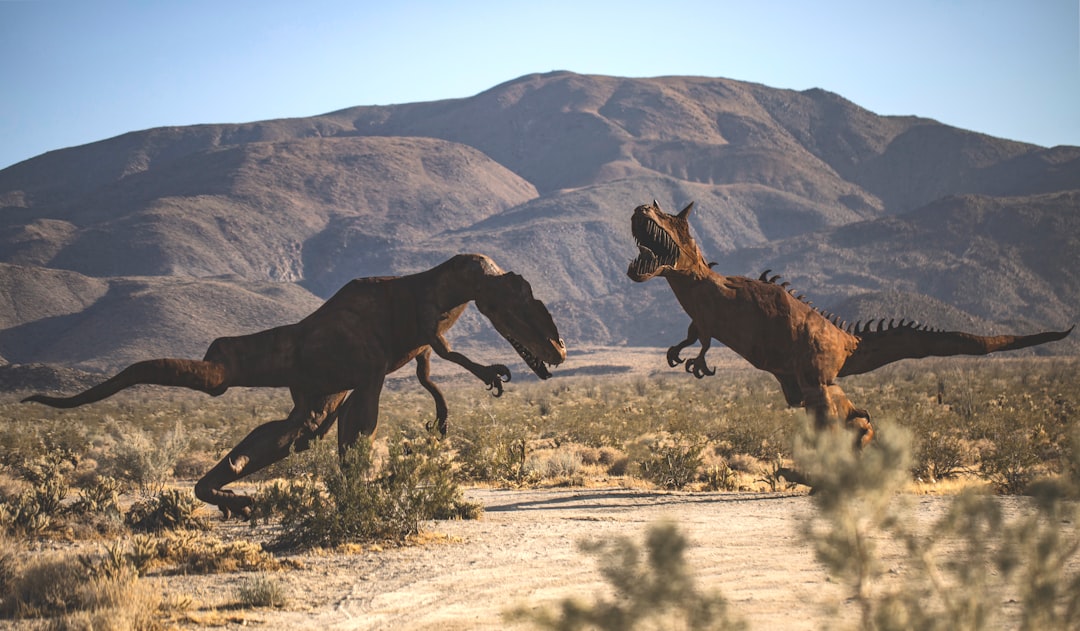
Applied to dinosaurs, the study seemed to show that many predators hunted at night while large herbivores were most active during the mornings and evenings. The ancient ecosystem was essentially running around-the-clock shifts, with different species dominating different time periods to avoid competition and maximize survival opportunities.
The Ongoing Scientific Debate
In a comment published in December last year, however, researchers Margaret Hall, Christopher Kirk, Jason Kamilar and Matthew Carrano pointed out that this correspondence may not be so simple. In addition to questioning the statistical analysis used by Schmitz and Motani, Hall and co-authors noted that there is a considerable degree of overlap in scleral ring anatomy between animals active at night and those active during the day.
However, we find serious flaws in the data, methods, and interpretations of this study. Accordingly, it is not yet possible to reconstruct the activity patterns of most fossil archosaurs with a high degree of confidence. Science is rarely settled with a single study, and this research continues to generate healthy debate among experts in the field.
What This Means for Our Understanding of Ancient Life
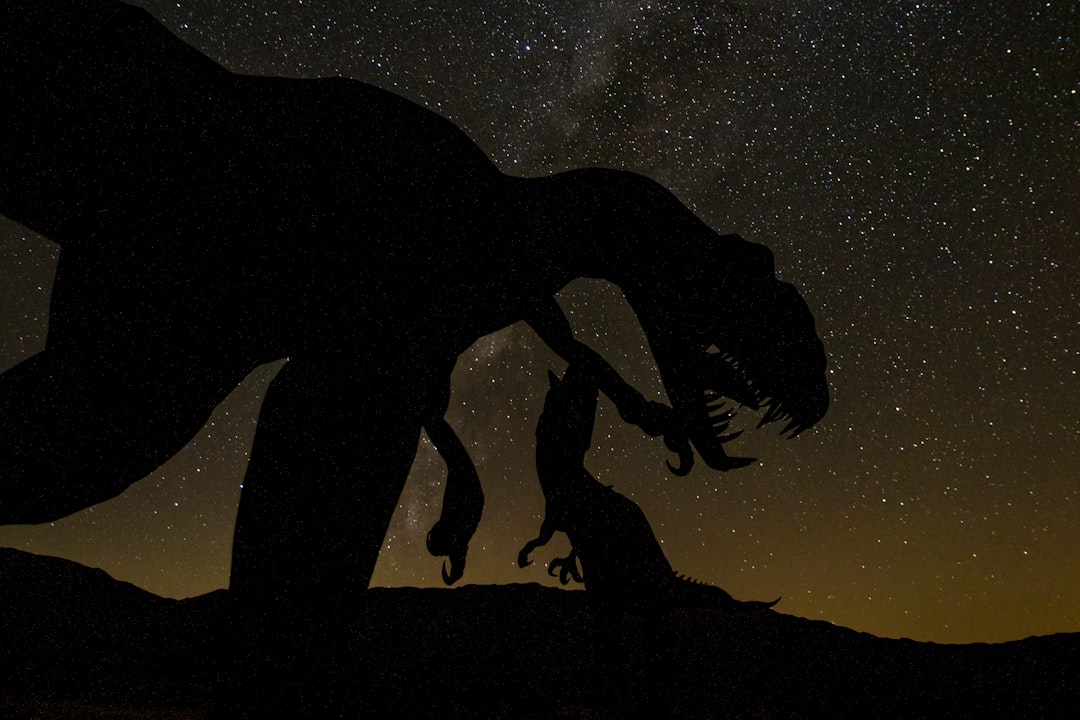
The evidence accumulated so far suggests a complex and nuanced picture of dinosaur vision. Rather than all dinosaurs having similar visual capabilities, different groups likely evolved specialized adaptations suited to their ecological niches and activity patterns. This paints a far more sophisticated picture of dinosaur communities than the simple “big creatures stomping around during the day” narrative.
There is a stereotype of sorts that most dinosaurs were relatively dumb, lumbering beasts, but these new discoveries prove that some were just as efficient at hunting and foraging at night as many contemporary animals. The more we learn about dinosaurs, the more we realize how remarkably adapted and intelligent many species actually were.
The revelations about dinosaur night vision represent just the beginning of what fossilized eyes can tell us about ancient life. Some exceptionally preserved fossils have revealed traces of retinal tissues, opening the possibility of directly examining dinosaur eye structures at the cellular level. These technological advances, combined with an increasingly sophisticated understanding of visual system evolution, promise to further illuminate the visual capabilities of dinosaurs, including their ability to see in low-light conditions.
As we continue to unlock these ancient secrets, one thing becomes clear: the prehistoric world was far more complex and fascinating than we ever imagined. What other surprises might be lurking in those fossilized remains? The dinosaurs certainly had their secrets, and we’re only just beginning to uncover them.