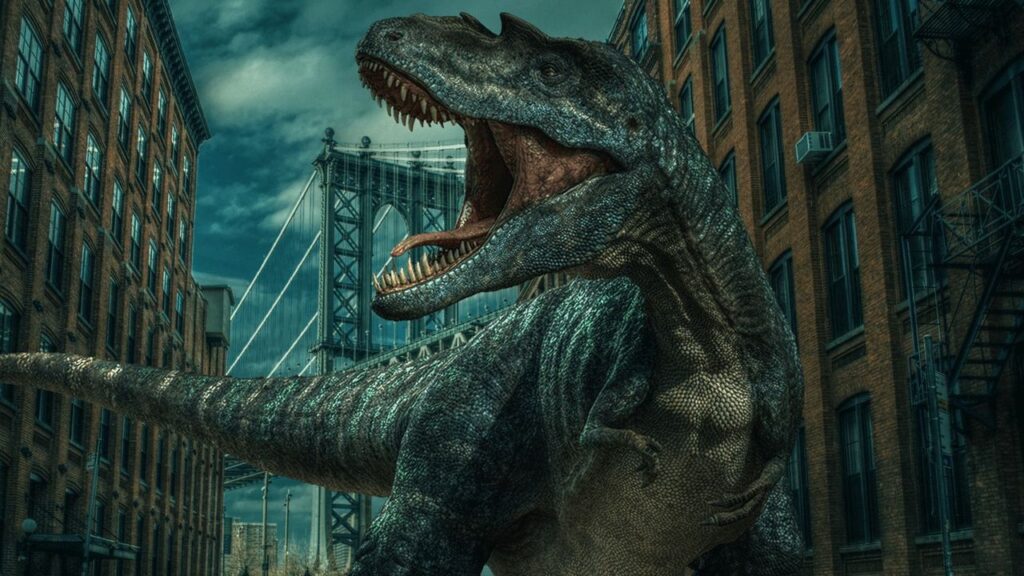
You probably picture Tyrannosaurus rex as a scaly, mud‑brown movie monster: naked skin, lizard face, roaring with every step, always mid‑rampage. That image is burned into our collective brain thanks to decades of films, toys, and game art. The wild part is that almost every detail of that mental picture is off in some important way. The real animal was stranger, subtler, and in many ways far more impressive than the pop‑culture version that stomps around in your head.
In the last few decades, paleontologists have quietly flipped much of the old story on its head. New fossils, better imaging, and comparisons with living animals show that T. rex was not a giant, overgrown lizard but a complex, sensory‑driven predator with a surprisingly nuanced body. From its skin and face to its posture and lifestyle, this dinosaur keeps forcing scientists to say, “wait, that’s not what we thought.” By the time you reach the end of this, you may feel like you need to fire your childhood imagination and hire a new art department.
1. T. Rex Was Not Just a Giant Lizard in Mud‑Brown Scales
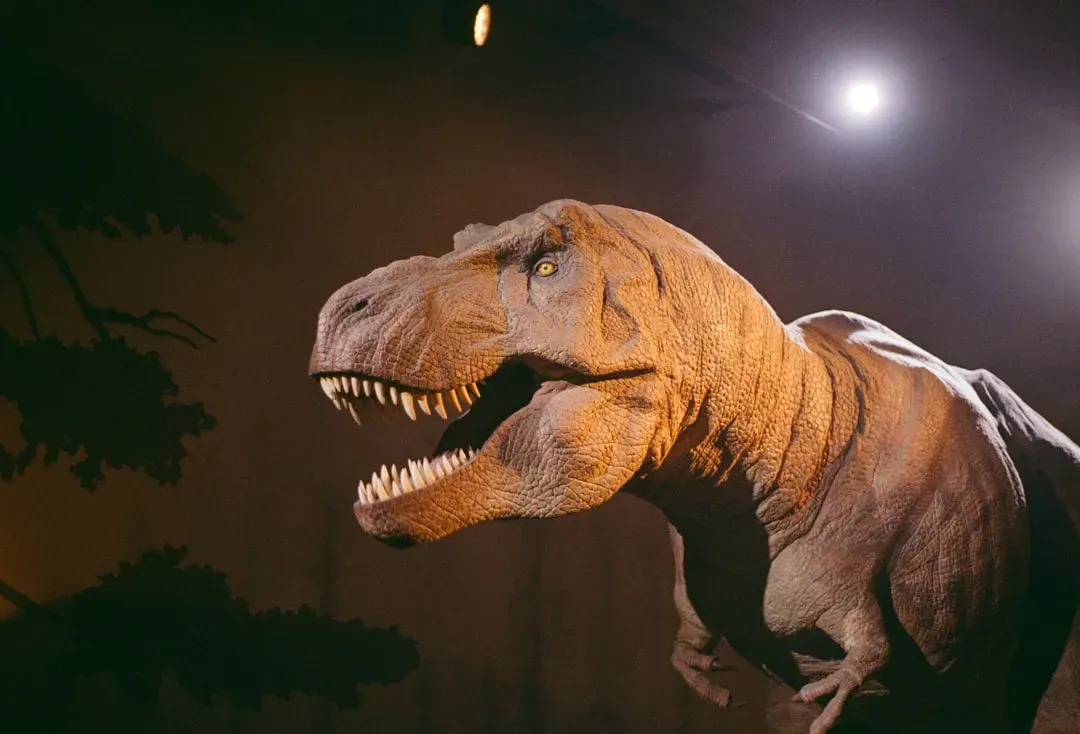
Let’s start with the visual shocker: the classic movie T. rex, all smooth scales and dull color, is almost certainly too simple. Skin impressions from close relatives and from tyrannosaur fossils themselves show a patchwork of small scales, larger textured scales, and maybe even areas of tougher, armor‑like knobs. Instead of looking like a rubber toy, the real animal’s hide would have had fine detail, subtle patterning, and a lot of visual texture if you were unlucky enough to see it up close.
Color is where your mental image really collapses. We do not have direct pigment evidence for T. rex, but looking at modern large animals gives strong hints: big predators and prey are almost never a single flat color. Think of tigers, jaguars, or even crocodiles – their bodies break up light with mottling, striping, or shading. It’s far more realistic that T. rex wore complex patterns: darker backs, lighter bellies, maybe speckling or banding that helped it blend into the dappled light and shadow of Late Cretaceous environments. The “one‑tone brown monster” is basically the beige paint sample of dinosaur art – convenient, but almost certainly wrong.
2. It Might Have Had Subtle Feathers… but Not a Giant Fluffy Coat
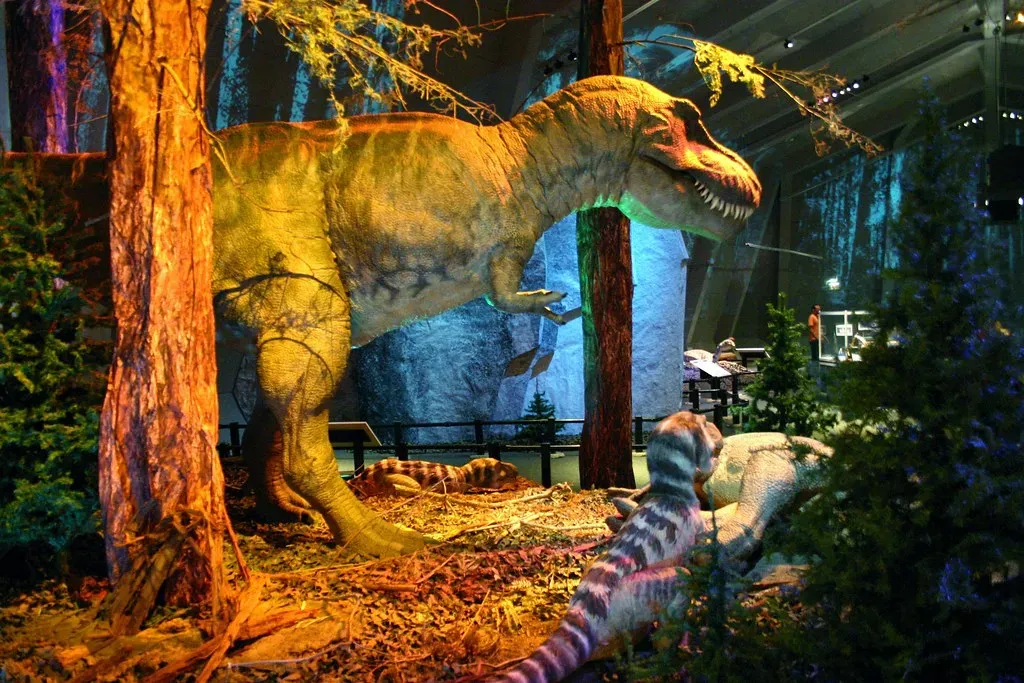
A lot of people swung from one extreme to the other: from naked lizard T. rex to full‑on giant walking feather boa. Reality, as usual, seems to live somewhere in between. Early discoveries of feathered relatives of T. rex lit the internet on fire, and for good reason – they proved that big meat‑eating dinosaurs were part of the same broader group as birds. But size matters for insulation, and a six‑to‑seven‑ton adult living in relatively warm climates would not need a thick parka of fuzz.
The more grounded view is that young T. rexes may have been fluffier, with simple filament‑like feathers for insulation, and that adults may have had at least some feathered or bristled areas, especially along the back, neck, or tail. Think more along the lines of subtle quills, patches of fuzz, or a coarse “mohawk” instead of a giant chicken suit. I sometimes compare it to a big dog that keeps some tufts and whiskers even if most of the coat is short: you notice them when you look closely, but from a distance you see a powerful body shape first, not a ball of fluff.
3. The Famous Roaring Face Was Probably More Crocodile Than Komodo Dragon
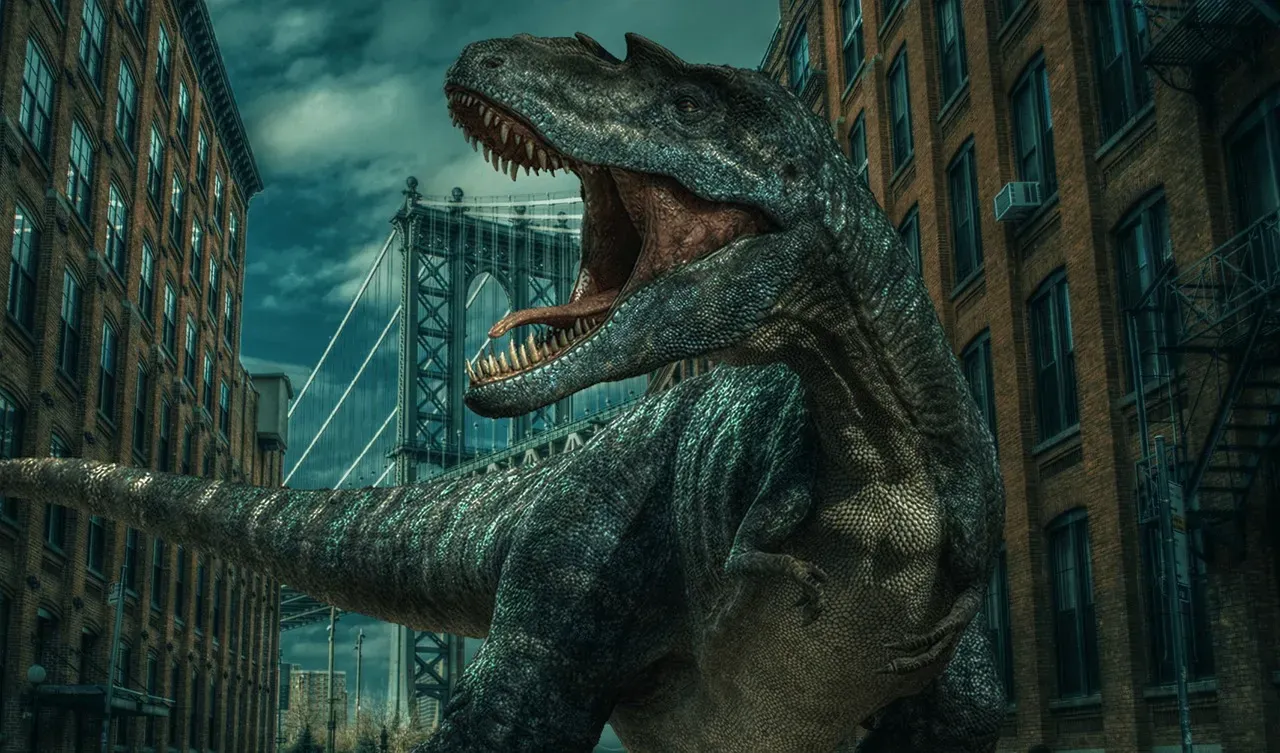
Here’s where the movie monster really takes a hit: that eternally snarling face with giant teeth fully exposed may be more Hollywood than Hell Creek. There is growing evidence that many large theropods, including T. rex, likely had lips or lip‑like tissues covering at least part of their teeth when the mouth was closed. This does not mean soft human‑style lips, but more like the scaly, tooth‑sheathing tissues you see on modern lizards. Exposed teeth dry out quickly; living animals generally protect them unless there’s a good reason not to.
On top of that, the head itself was probably less “angular skull in rubber skin” and more like a powerful, semi‑fleshy crocodile head, with thick soft tissues filling out the face. The iconic ridges and rugosities on the bones suggest robust attachments for skin, keratin, and possibly display structures. If you walked up to a real T. rex (bad idea, obviously), you would likely see a heavy, muscular snout, lips closing over most of the teeth, and a face that looked more alive and predatory than skeletal and bony. The skeleton is just the scaffolding; the living animal would have been wrapped in a lot more biology than we tend to imagine.
4. The Arms Were Tiny… but Not Useless or Ridiculous
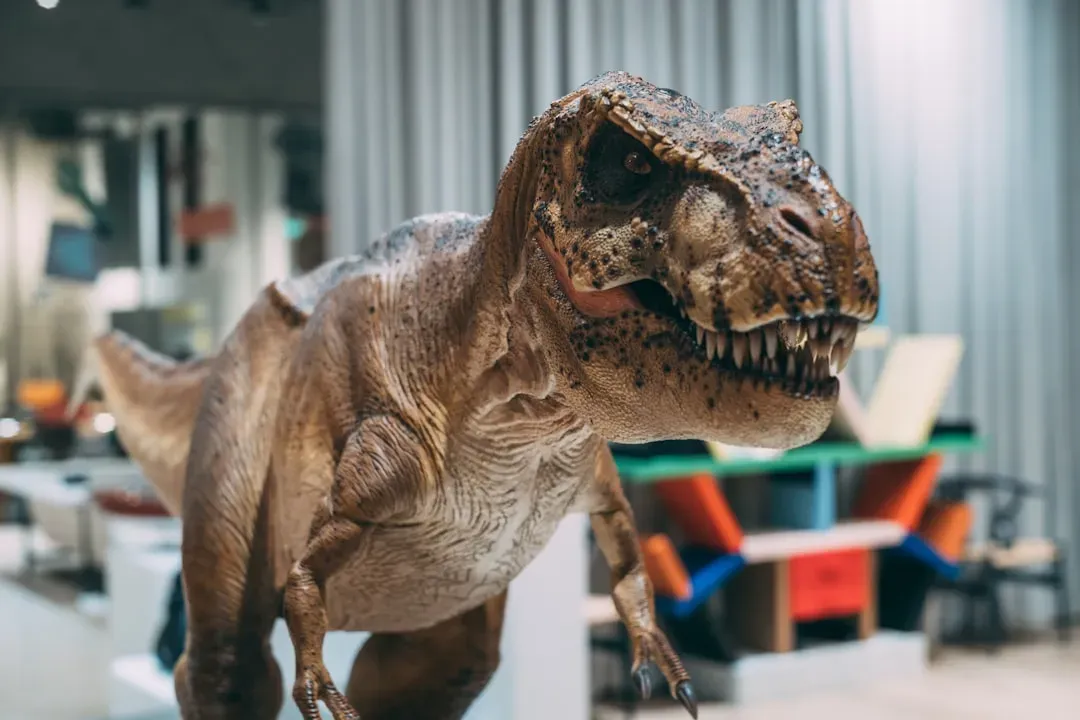
Everyone loves to mock T. rex arms, and honestly, I get it – they are hilariously short compared to that massive head and tail. But the story that they were “useless” is more comedy bit than science. The arms were short, yes, but they were also heavily muscled, with large attachment sites suggesting real strength. Each hand had two big, clawed fingers, and the joints were built to handle serious force rather than delicate work. Imagine more of a close‑quarters grappling hook than a hand made for picking flowers.
There are multiple plausible roles for those strange limbs: helping an animal push itself up from a resting position, anchoring against a struggling prey animal at very close range, or bracing during mating or social interactions. We do not have a single definitive “this is exactly what they did” answer, but we know enough to say they were not decorative throwaways. The whole “T. rex could not use its arms at all” meme is fun, but the real animal had no interest in being the butt of our jokes. Evolution tends not to waste energy on completely pointless structures in a high‑performance predator.
5. Its Body Was Built Like a Balanced, Muscular Athlete, Not a Clumsy Tank
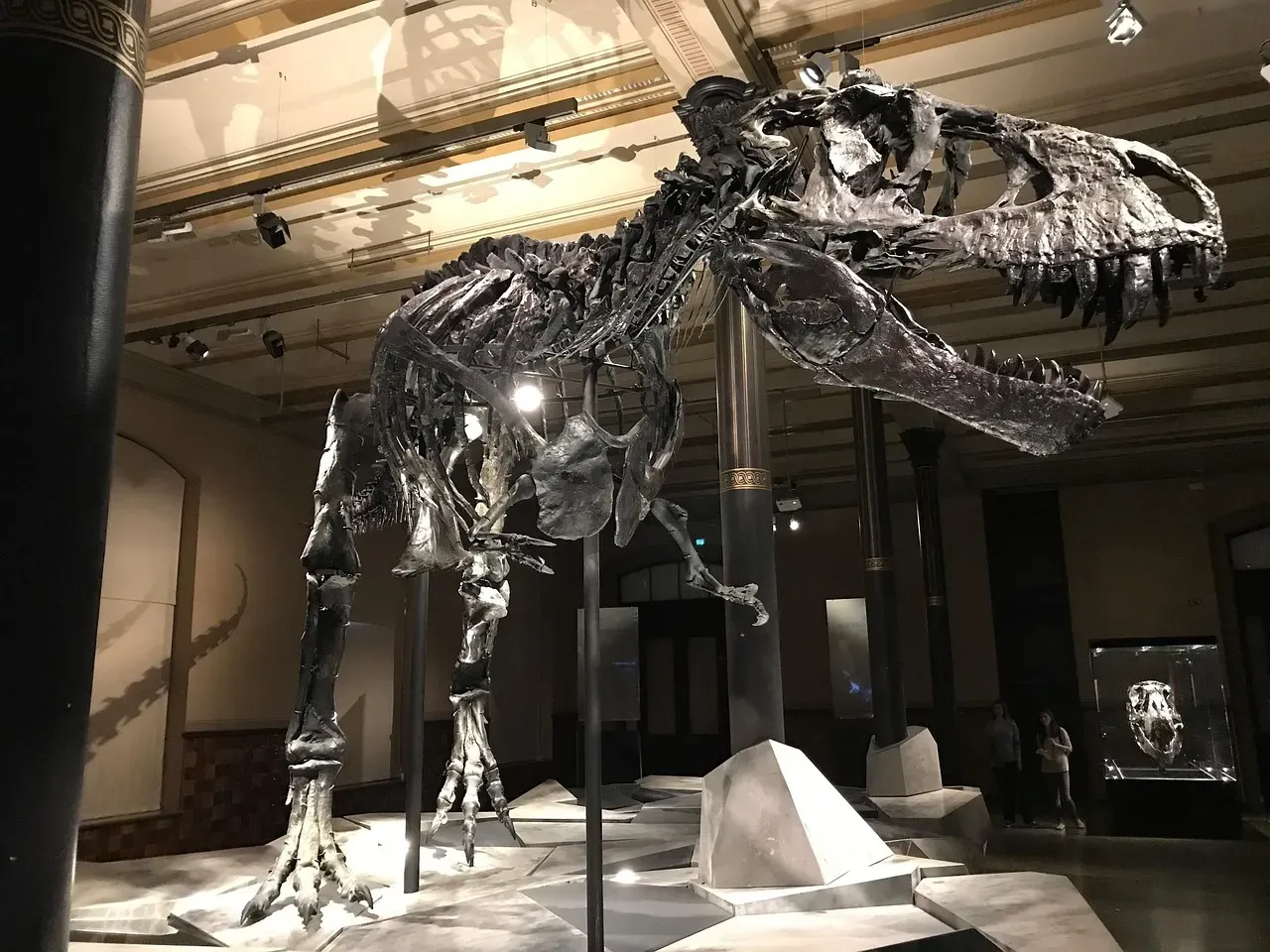
If you grew up with images of T. rex dragging its tail like a tripod, that version has been extinct in science for a long time. Modern reconstructions show a powerful, horizontally balanced animal with the tail stretched out behind as a counterweight, hips under the body, and the head projecting forward. Instead of an upright, stiff giant, think of a massive, low‑slung runner – like a cross between a sprinting ostrich, a crocodile, and a heavyweight boxer. The center of mass sat over the hips, giving it dynamic balance and mobility.
Muscle reconstructions based on bone attachment sites show that the thighs, calves, and tail base were absolutely loaded with muscle. This was not a slow, lumbering beast; it was a top‑tier cursorial predator built to cover ground, pivot, and accelerate when needed. The vibe is less “bulldozer” and more “semi‑truck that can change lanes faster than you’d ever expect.” When you replace that old, upright posture in your head with the modern, athletic one, the whole animal transforms from cartoon monster to terrifyingly optimized hunter.
6. Speed, Movement, and the Myth of the Sprinting Super‑Predator
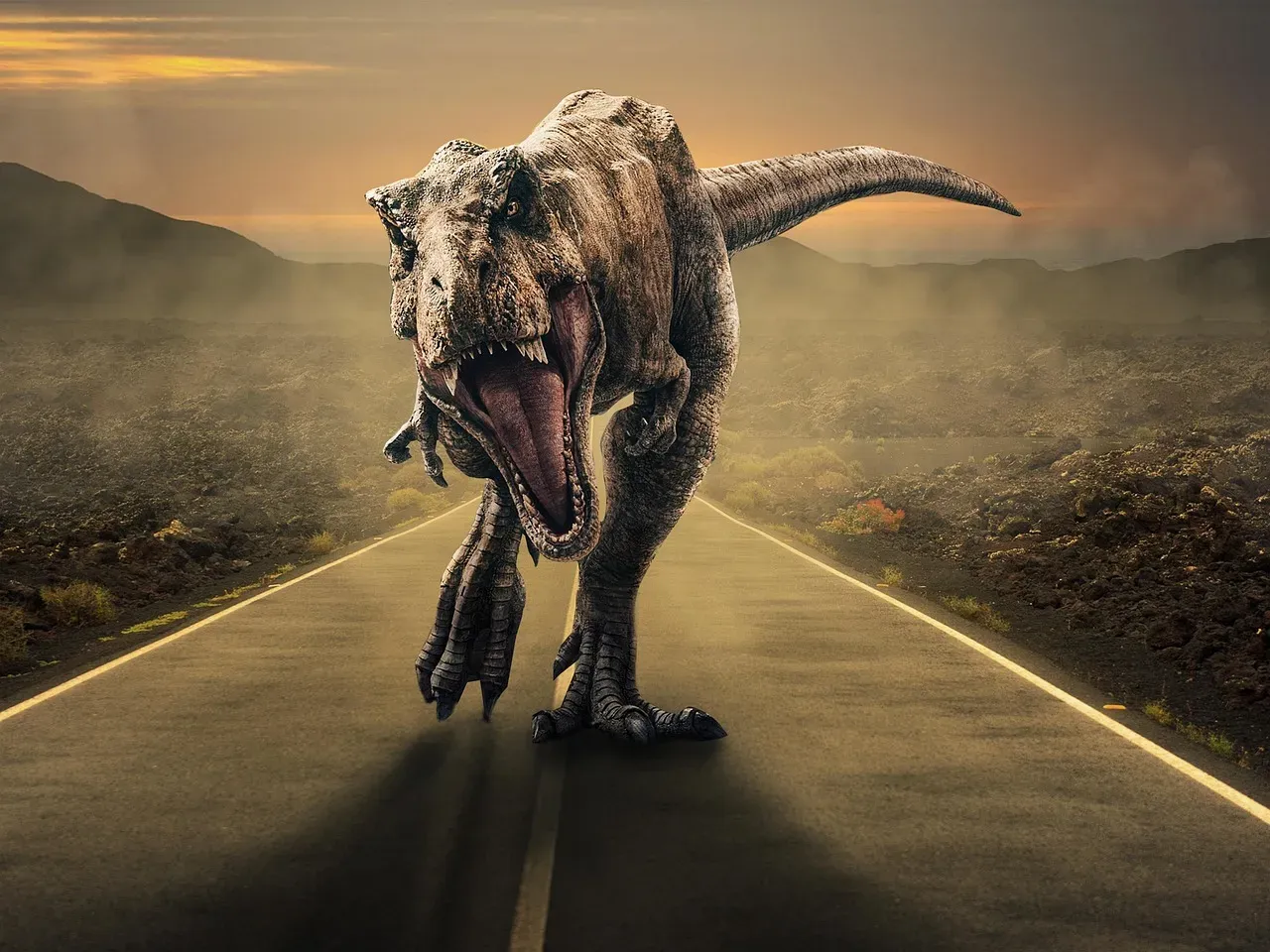
Of course, once we start talking about movement, we run straight into another popular myth: the notion that T. rex could sprint like a racehorse and easily chase down any jeep unfortunate enough to cross its path. Different biomechanical studies have modeled its speed, and while the exact numbers vary, most converge on a picture of a fast walker and decent runner, but not a cheetah. Its massive size put limits on how hard it could slam its feet into the ground without destroying its own skeleton over time. That kind of weight does not come for free.
So, the most realistic view is that T. rex excelled at moderate‑to‑high speeds sustained over useful distances, with bursts of acceleration rather than extreme top speed. It likely relied on ambush, terrain, and the element of surprise, just like many large predators today. Think of it as the apex athlete of its world in its own weight class, not a comic‑book speedster. Personally, I find that more intimidating: an animal that does not need to break the sound barrier because it is smart enough and strong enough to catch you anyway. Power plus strategy is far scarier than speed alone.
7. The Skull Housed a Sensory Powerhouse, Not Just a Bite Machine
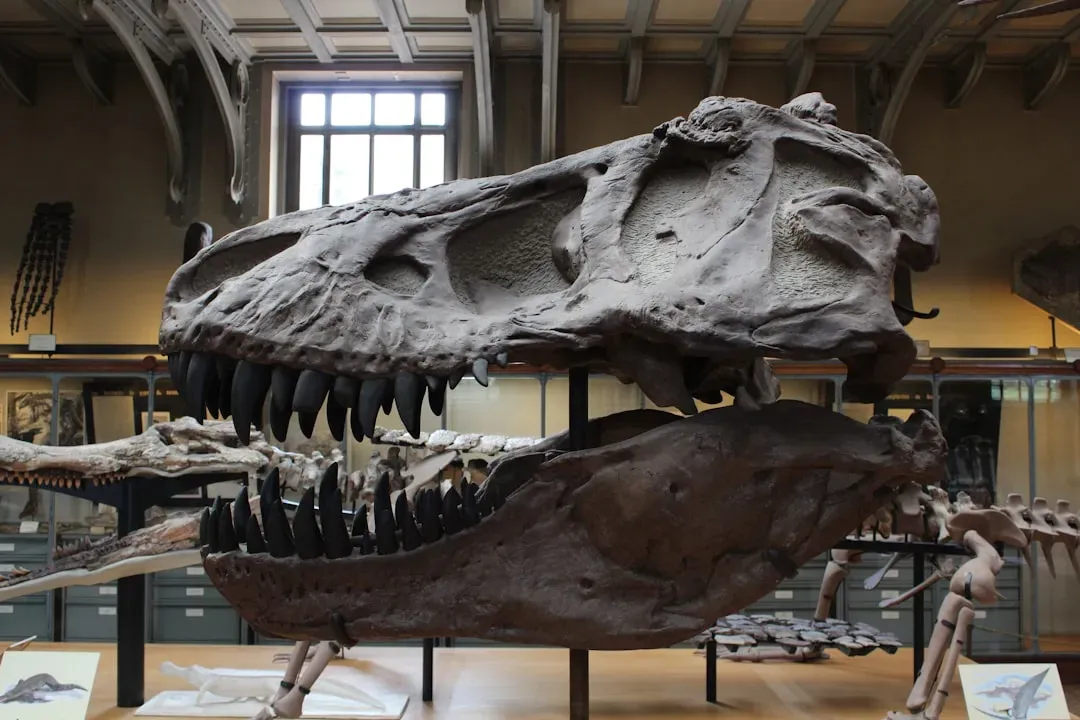
We fixate on the bite for good reason – T. rex had one of the most powerful bites of any land animal known, capable of crushing bone and turning a hadrosaur limb into a very bad day. But focusing only on bite strength hides another, subtler reality: the skull was also a sensory command center. The parts of the brain associated with vision and smell were well developed, and skull anatomy suggests forward‑facing eyes with overlapping fields of view. That means depth perception and binocular vision, a huge advantage for judging distance while hunting or navigating complex terrain.
The inner ear structure and nasal passages hint at fine‑tuned hearing and smell, making T. rex much more of a sensory predator than a blunt instrument. Add to that a fairly sophisticated brain for a reptile of its size, and you get an animal that could process a rich flow of information from its surroundings. Pretending it was a mindless destroyer undersells the real story. This was not just a mouth on legs – it was a walking array of biological sensors, guided by a brain wired to make fast, life‑or‑death decisions.
8. Behavior: Scavenger, Hunter, or Social Giant? The Answer Is Messier Than You Think
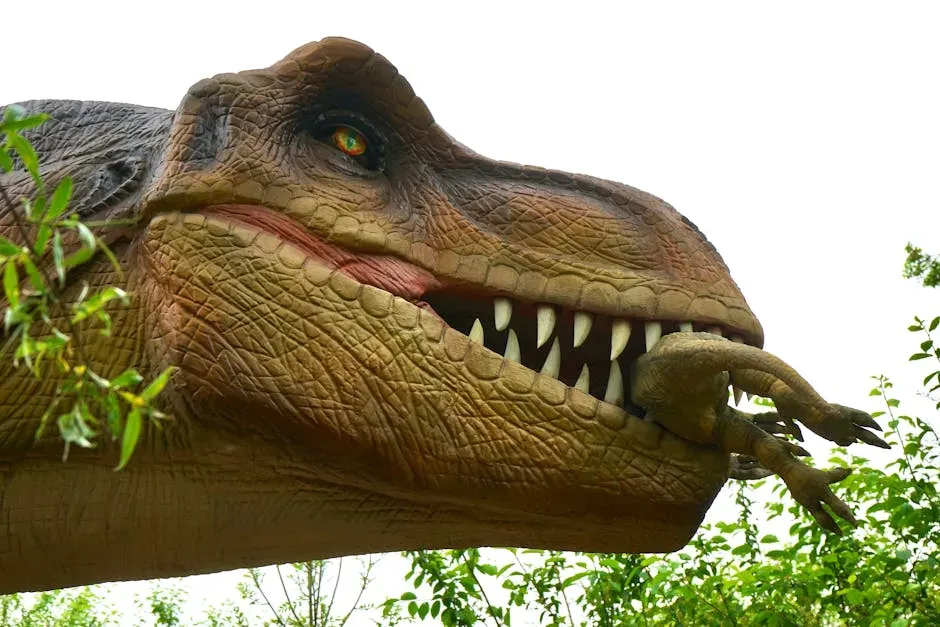
A generation ago, there was a loud debate about whether T. rex was mostly a scavenger or a true apex predator. That either‑or framing makes for punchy headlines but a bad understanding of real animals. Evidence of healed bite marks on other dinosaurs, bite traces on bones that show active chewing and bone‑crushing, and the overall body design all point strongly toward T. rex being a capable, active hunter. At the same time, any large predator that turns its nose up at a free meal does not survive very long, so scavenging was almost surely part of the package as well.
Social behavior is trickier, but there are hints – bonebeds with multiple tyrannosaurs, growth patterns, and comparisons to modern predators – that suggest at least some degree of interaction beyond “everyone alone, all the time.” Maybe they occasionally hunted in loose groups, maybe juveniles and adults used different strategies and habitats, or maybe they gathered at carcasses like today’s big carnivores. We should be honest: we are still piecing this together. But one thing is clear enough for an opinionated take – imagining T. rex only as a solo, roaring movie monster massively underestimates the behavioral complexity that a top Cretaceous predator likely needed to thrive.
9. Why Rewriting Your Mental Image of T. Rex Actually Matters
All of this raises a fair question: why should you care if T. rex had lips, subtle feathers, or a mottled color pattern? It is long gone, after all. For me, the answer is that how we picture extinct animals says a lot about how seriously we take evidence versus habit. If we cling to the old movie version just because it is familiar, we cheat ourselves out of the much stranger, richer story that science is uncovering. Rebuilding your mental T. rex to match the data is a small act of intellectual honesty – and, honestly, of imagination.
There is also something humbling about realizing that our childhood icon was never the static monster on a lunchbox, but a living, breathing, evolving animal with nuance and uncertainty baked into every reconstruction. I think we should embrace that uncertainty instead of running from it. The real T. rex was not a perfect villain or a flawless superhero; it was a complex creature shaped by physics, ecology, and deep time. In my opinion, that makes it far more impressive than any movie could ever capture. When you close your eyes now and picture T. rex, do you still see the rubber‑skinned roar machine – or something wilder, stranger, and a little more real?