If you think dinosaurs are a solved mystery, the next decade is going to feel like whiplash. Every year, quietly tucked into technical journals and dusty museum basements, researchers keep finding things that flip our childhood picture books upside down. Some of the most shocking insights of the last twenty years – feathered raptors, color patterns in fossilized plumage, complex social behavior – were barely even imagined a generation ago.
Looking at the big trends in today’s research, you can already see where the next wave of surprises is coming from. There are new tools scanning fossils down to the molecule, new sites being opened in previously inaccessible parts of the world, and a generation of paleontologists who grew up on Jurassic Park but now have lab gear that would look like science fiction even in the early 2000s. I’m willing to bet that in ten years, a lot of what we casually say about dinosaurs today will sound charmingly outdated. Let’s walk through where the science is clearly heading – and why it’s going to catch almost everyone off guard.
We’ll Finally See Dinosaurs as Ecosystems, Not Just Monsters
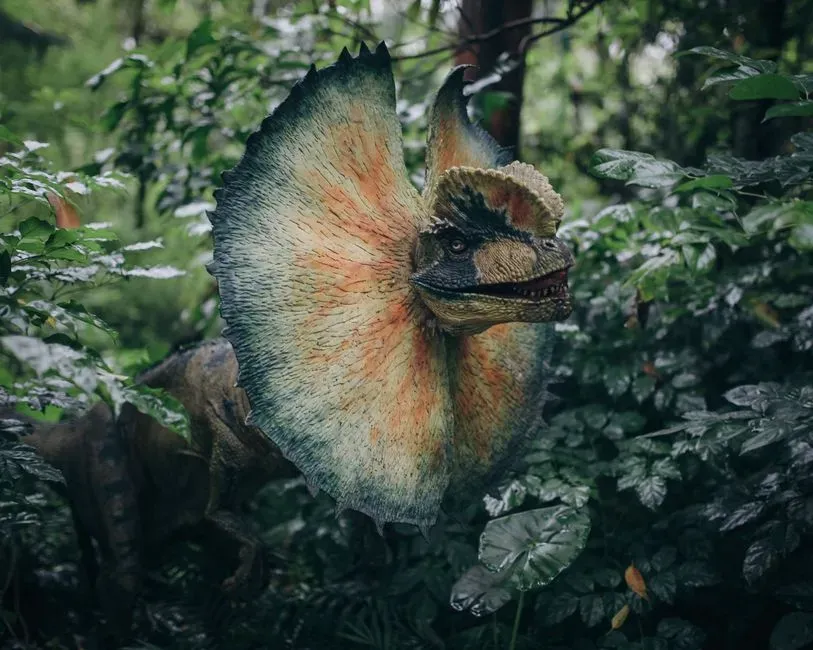
One of the biggest shifts already underway is that dinosaurs are increasingly being studied as parts of intricate ecosystems, not just as stand‑alone celebrities. Over the next decade, more high‑resolution fossil sites – those rare “snapshot” deposits that preserve bones, plants, insects, and even pollen together – will be analyzed in detail. That means fewer vague statements about “T. rex lived in a warm, humid environment” and more concrete reconstructions, like what the exact forest structure looked like, which plants dominated, and what the seasonal cycles were actually like.
This ecosystem view will likely overturn a lot of our mental images. Some species we grew up thinking of as solitary giants may turn out to have been just one part of dense, noisy communities full of small mammals, reptiles, early birds, and insects. We may learn that some iconic dinosaurs were actually rare apex predators living in a world dominated by less glamorous herbivores and scavengers. That shift, from monster‑centric to ecosystem‑centric, feels a bit like stepping back from a movie close‑up to see the entire set – suddenly, the star is just one actor in a surprisingly crowded stage.
Dinosaur Bodies Will Get “Unmasked” Down to Skin, Fat, and Color
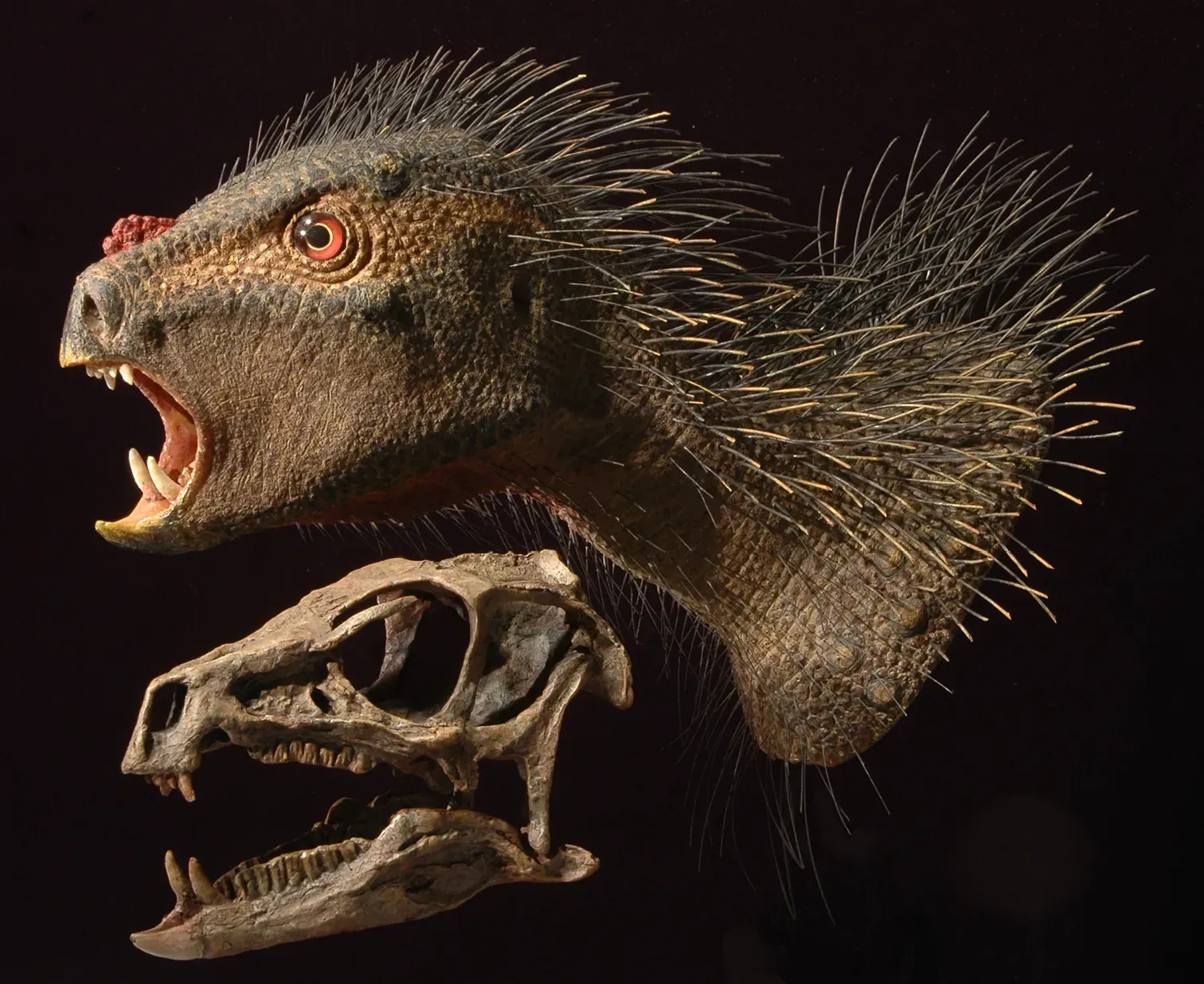
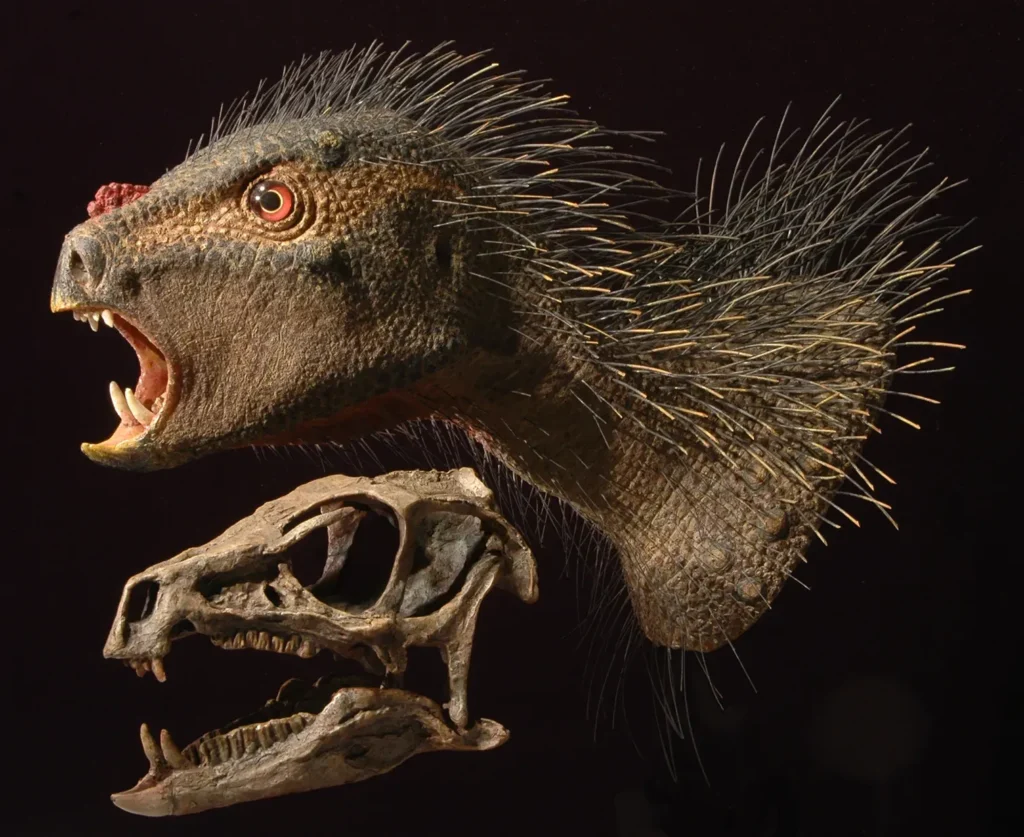
In the last decade, scientists have already pulled off things that sounded impossible, like inferring feather color patterns from microscopic pigment structures and mapping out skin textures from incredible fossil impressions. With better imaging, chemical analysis, and statistical models, the next ten years are likely to turn that trickle into a steady stream. Instead of vague “scaly” or “feathery,” we’ll probably see more specific reconstructions: mottled patterns, countershading, bands on tails, or areas of display color around the head and neck that served for mating, intimidation, or species recognition.
What will surprise people most is how familiar some of these animals may start to look. Once you can estimate soft tissues like fat distribution, muscle bulk, and even the placement of wattles or crests, a lot of dinosaurs may feel less like alien reptiles and more like strange combinations of birds and big mammals we already know. Think of a hadrosaur with coloration strategies similar to a modern deer, or a predatory dinosaur whose face markings echo those of a hawk or big cat. It will not make them less awe‑inspiring – if anything, the realism will make them more unsettling, as if you could almost imagine one stepping out of the forest edge in the late afternoon light.
Brains, Senses, and Behavior Will Turn Out Stranger and Smarter
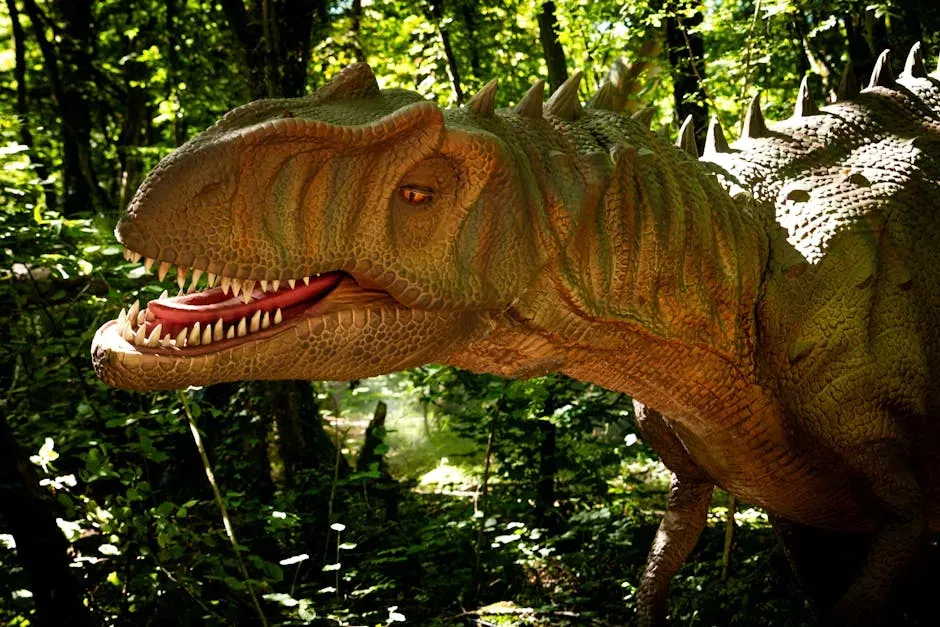
Right now, public images of dinosaur intelligence are stuck somewhere between “mindless lizard” and “clever girl” meme, which is a pretty crude spectrum. With ever‑better CT scanning of skulls and more careful comparisons to living birds and reptiles, researchers are already refining estimates of brain regions involved in smell, vision, balance, and social processing. Over the next decade, expect much sharper insights into what different dinosaurs could likely see, hear, and do – and that will reshape how we imagine their behavior.
It would not be shocking if some groups, especially smaller feathered theropods close to the origin of birds, turn out to have had sensory abilities and problem‑solving skills in the same league as modern corvids or parrots. Even large herbivores may surprise us, with evidence pointing to complex herd behavior, vocal communication, and perhaps sophisticated parental care. I suspect one of the most unsettling realizations for the public will be that some dinosaurs were not just big and scary but perceptive, socially intricate, and capable of behaviors we usually reserve for “higher” animals – which challenges a lot of comfortable, simple predator‑versus‑prey narratives.
The Family Tree Will Keep Getting Torn Up and Redrawn
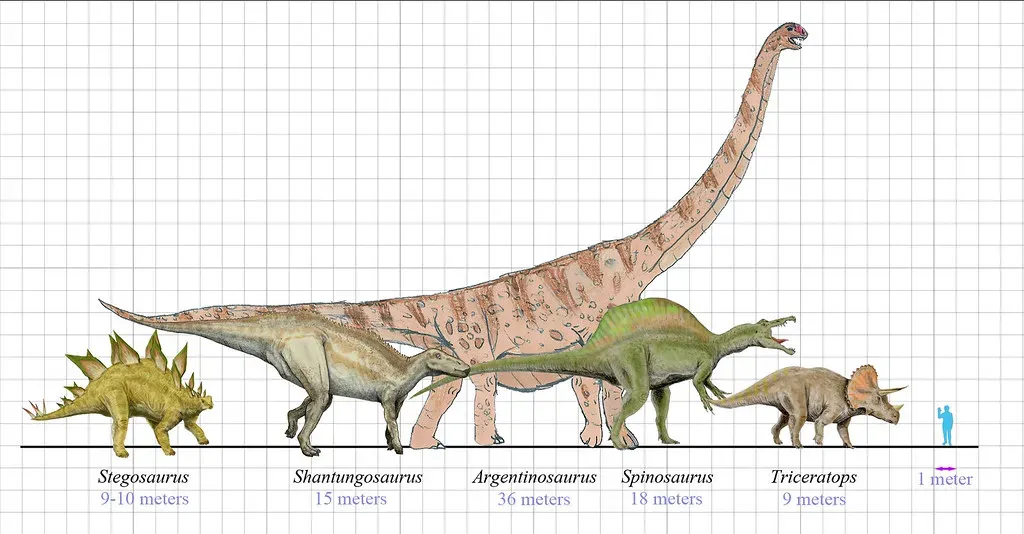
If you have ever tried to keep up with dinosaur family trees, you already know they are a moving target. New finds and new statistical methods keep reshuffling who is related to whom, and even the big branches of the dinosaur tree have been debated intensely in the last decade. Over the next ten years, as more species are described and older collections are re‑examined with fresh eyes and better tools, you can expect some cherished relationships to be broken and new ones to emerge that feel deeply counterintuitive at first.
This constant rearranging may frustrate people who want stable answers, but it is actually a sign of a field maturing, not flailing. As datasets get bigger and analytical methods more transparent, the “best” tree at any moment will be better supported, even if it is different from last year’s version. The surprising part is that many school‑book categories might erode; dinosaurs we mentally lump together because they look similar may be revealed as distant cousins that converged on similar body plans. It is a little like discovering that two people who look like siblings are not even from the same country – a reminder that evolution can copy itself in clever, misleading ways.
Dinosaur Growth, Lifespans, and Life Cycles Will Get Much More Personal
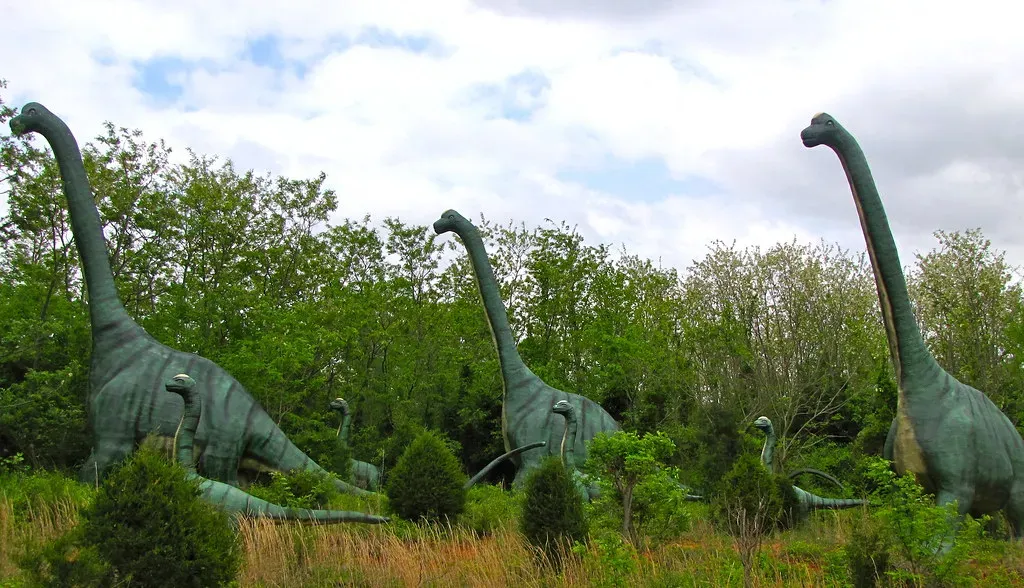
Right now, we tend to talk about dinosaurs in their fully grown, dramatic forms: the towering sauropod, the massive tyrannosaur, the armored ankylosaur. But sliced bone studies, growth rings, and comparisons with living animals are starting to open a window into how dinosaurs actually grew, aged, and died. Over the next decade, with more specimens and better modeling, scientists will probably tighten estimates on growth rates, age at maturity, and lifespans across many major groups.
What will surprise many people is how dynamic these lives likely were. Some species may have grown explosively fast, shifting body proportions dramatically as they moved from juveniles to adults, which means “baby” and “teenage” members of the same species may have occupied entirely different ecological roles. Others may reveal surprisingly long lifespans or extended periods of parental care. Once you can picture a species not as a static adult form but as a series of life stages, each with its own vulnerabilities and strategies, dinosaurs suddenly feel less like museum statues and more like real, breathing populations struggling through seasons, droughts, injuries, and social drama.
The Geographic Story Will Expand Beyond the Usual Hotspots
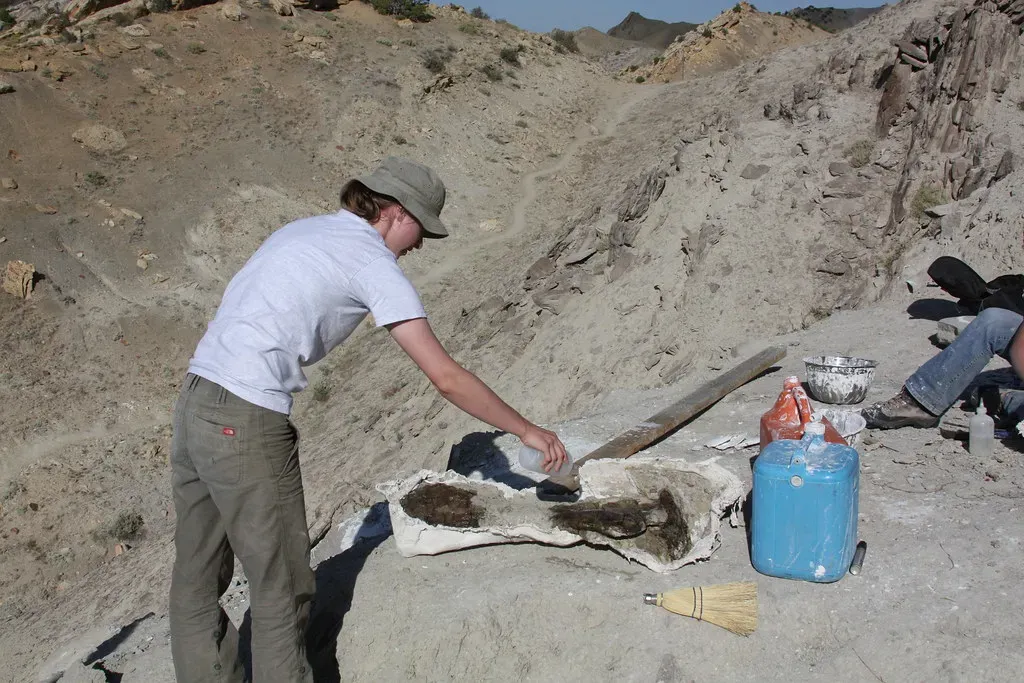
For most people, dinosaur science still feels weirdly centered on a few famous places: North America, parts of Europe, a handful of sites in China and South America. But in the background, new expeditions, collaborations, and political changes are opening up rock formations in regions that have been underexplored for decades, from parts of Africa to Southeast Asia and remote areas of South America. In the next ten years, those efforts are likely to pay off in a wave of species that do not fit neatly into our current picture.
That broader geographic lens will almost certainly undermine the idea that certain iconic dinosaurs represent “global” norms. We may learn that many of our poster‑child species were actually regional oddities, while entire lineages elsewhere followed different evolutionary paths shaped by local climate, plants, and geography. I think the public will be startled to realize how provincial our current fossil record really is – like judging all of Earth’s cultures by a couple of major cities. As more corners of the ancient world come into focus, our mental map of “dinosaur planet” is going to look a lot more diverse, fragmented, and interesting.
Ancient DNA Hopes Will Collide with Harsh Reality – But Chemistry Will Still Amaze
Mention “next ten years” and “dinosaurs” together, and someone will bring up the dream of full‑on dinosaur DNA, Jurassic Park style. The honest scientific expectation is that authentic, intact dinosaur DNA remains extremely unlikely, given what we know about molecule decay over tens of millions of years. That probably will not change in the next decade, and I think that will continue to disappoint people who want a clean, cinematic breakthrough. But this is where the story gets more interesting than the movie script: other molecular traces, like proteins, pigments, and tiny fragments of original tissue chemistry, are already being reported in some fossils.
The next ten years will probably bring more robust, carefully vetted examples of such molecular remnants, and better methods to distinguish genuine ancient signals from contamination. While that may not let anyone resurrect a sauropod, it could allow surprisingly detailed reconstructions of metabolism, blood chemistry, or stress markers in bone. In a way, this is the real sci‑fi outcome: not cloning dinosaurs, but reading ghostly health records and physiological signatures from bones older than any human culture. The biggest surprise for many people might be that the believable future of dinosaur science is quieter, weirder, and more chemically subtle than any blockbuster – and, in its own way, far more profound.
Conclusion: The Next Decade Will Make Dinosaurs Feel More Real – and Less Ours
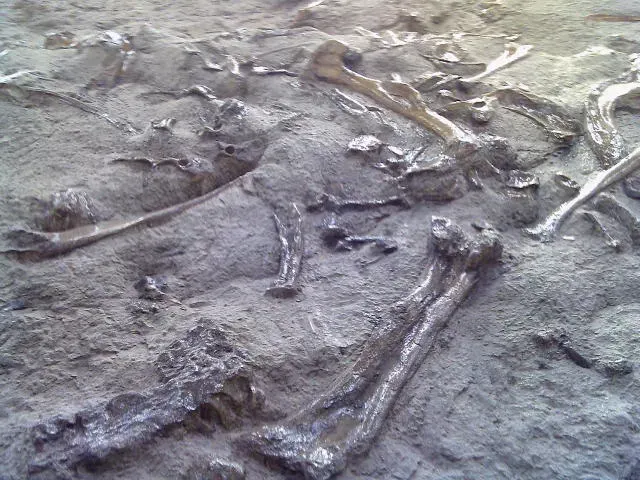
Looking across all these threads, my own opinion is that the next ten years will not just update our dinosaurs; they will dethrone our favorite versions. As ecosystems get fleshed out, bodies get “unmasked,” brains and behavior become more nuanced, and global diversity gets filled in, the tidy, dramatic creatures we grew up with are going to be replaced by animals that are more complicated, sometimes less flattering, and definitely less tailored to human storytelling. That might feel disappointing at first if you are attached to a specific look or narrative, but it is the kind of disappointment that comes with growing up – the world gets messier, but it also gets more interesting.
The real surprise, I think, is that dinosaurs will start to feel less like props in our imaginations and more like independent worlds that never cared whether we existed. They will be social, flawed, adaptive, sometimes shockingly familiar and sometimes utterly alien, shaped by climates and crises we are only just beginning to understand. And when you stand in front of a fossil in a museum ten years from now, you may find that what moves you most is not how cinematic it looks, but how clearly you can now see that this was once a living creature with its own senses, choices, and struggles. In a decade, will we still recognize the dinosaurs we thought we knew – or will they finally, fully, belong to their own lost world rather than to our nostalgia?