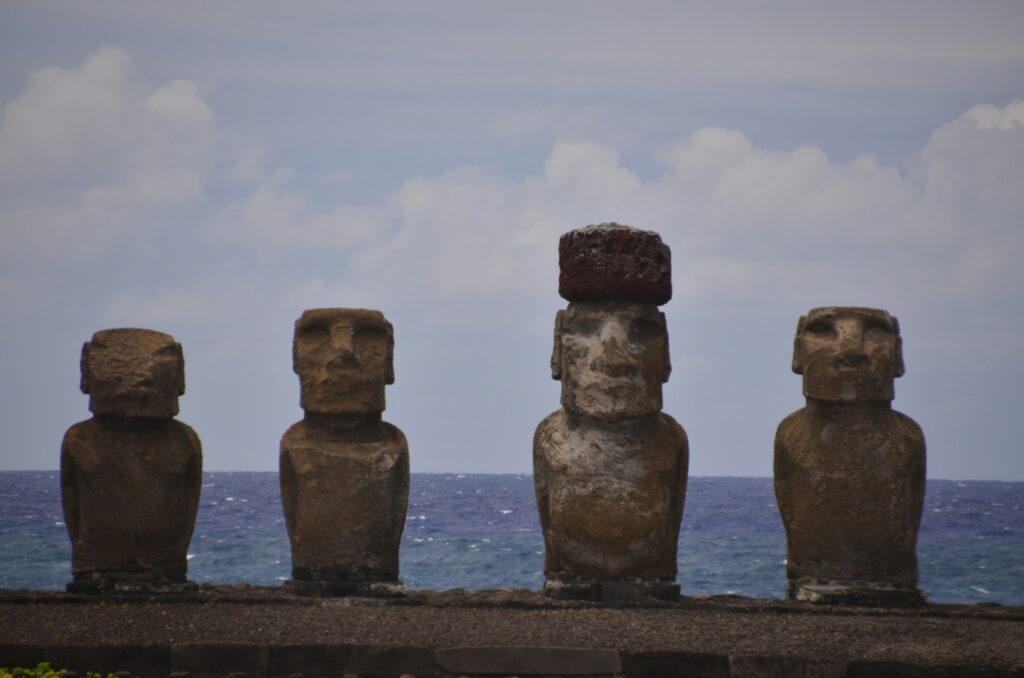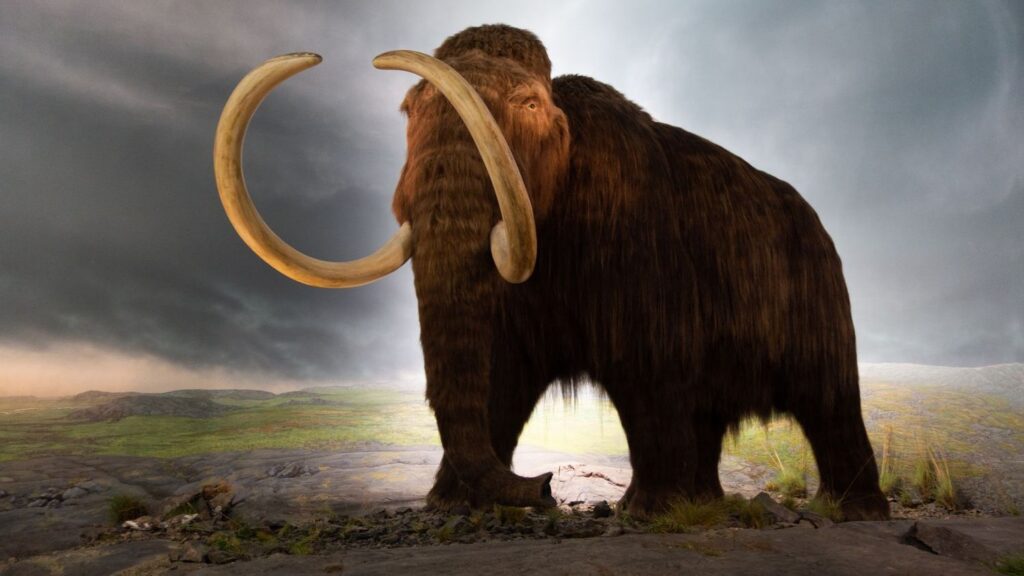
It is a little mind‑bending to realize that when the very last woolly mammoths were trudging across a lonely Arctic island, the pyramids in Egypt were already standing under the desert sun. We tend to file mammoths away in the same mental folder as dinosaurs and other impossibly ancient creatures, but in reality they overlapped with a world that feels shockingly close to our own. For a brief window of time, giant shaggy elephants and organized human civilizations shared the same planet, the same sky, and even the same climate shocks.
Once you see mammoths not as distant fossils but as near‑neighbors in time, everything about our own story looks different. Human cities, early writing, long‑distance trade, even complex religions were all unfolding while the last of these animals clung to survival on isolated islands. The question is not just how mammoths disappeared, but what kind of planet they said goodbye to. Let’s walk through that world, piece by piece, and see alive.
The Surprising Timeline: Mammoths and the Age of Pyramids
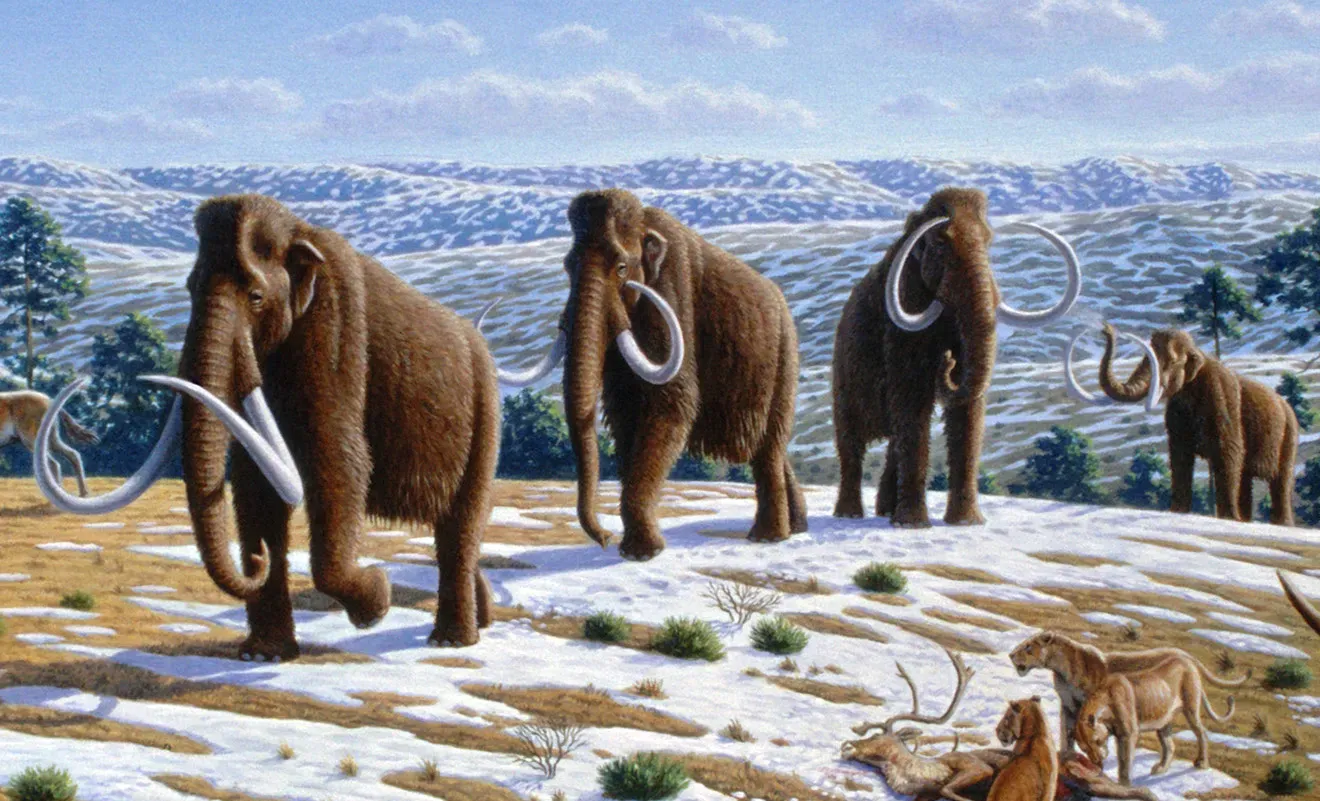
The popular image is that mammoths vanished right after the last Ice Age, swallowed up by melting glaciers and advancing forests. That is only part of the story. On most of the mainland in Eurasia and North America, mammoths did disappear thousands of years ago, as the climate warmed and human hunting pressure grew. But a small, isolated population survived far longer on Wrangel Island in the Arctic Ocean, north of Siberia, hanging on until roughly about 4,000 years ago.
Now put that date next to human history. Around that same time, the great pyramids at Giza had already been standing for centuries, and advanced cultures in Mesopotamia were recording transactions and myths in cuneiform on clay tablets. In China, Neolithic societies were developing sophisticated pottery and agriculture, and in parts of Europe people were raising megalithic monuments. The idea that mammoths outlived some of the earliest civilizations flips the script: they were not just Ice Age relics, they were witnesses (from afar) to humanity’s first attempts at large‑scale, organized society.
A Warming Planet: Climate Change After the Ice Age
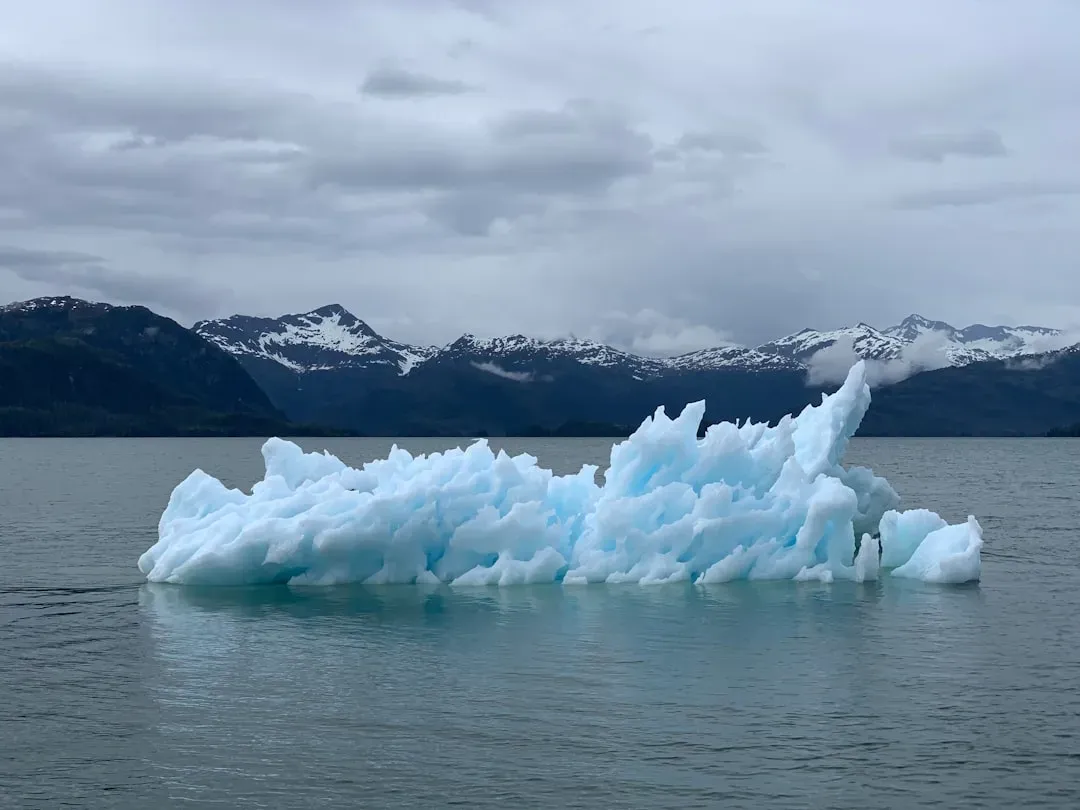
When the last mammoths were alive, the world was already deep into a dramatic climate transition. The last major glacial period ended more than ten thousand years before their final extinction, and the planet had warmed into what scientists call the Holocene epoch. Massive ice sheets that once covered North America and northern Europe had retreated, sea levels had risen significantly, and coastlines had redrawn themselves. Forests crept north, tundra shrank, and the open grasslands that mammoths loved became more patchy and fragmented.
This was not a smooth, gentle shift, either. The Holocene included sudden cooling events, droughts, and regional climate swings that could hammer fragile ecosystems. On small islands like Wrangel, where the remaining mammoths lived, even a modest shift in precipitation or temperature could transform available food or freshwater. At the same time, humans were beginning to respond to these changing conditions in their own way, by experimenting with farming and herding rather than just roaming as hunters and gatherers. In a sense, both mammoths and humans were reacting to the same big planetary changes – but their fates diverged sharply.
Humans on the Rise: From Hunter‑Gatherers to Early Farmers
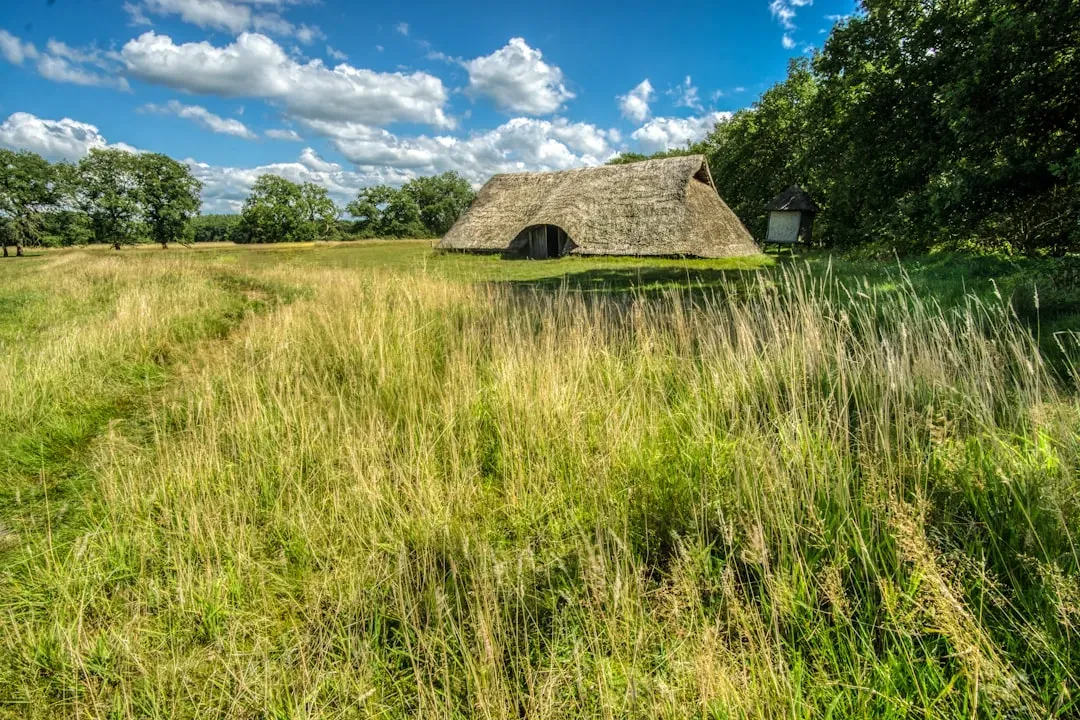
While mammoths dwindled in number, humans were going through one of the most important lifestyle revolutions in our entire history. In several regions of the world, people were shifting from a mobile hunter‑gatherer life to more settled communities based on agriculture. In the Fertile Crescent of the Middle East, crops like wheat and barley were being cultivated, and sheep, goats, and cattle were being domesticated. Similar changes unfolded independently in places like the Yellow River and Yangtze River basins in China, where rice and millet started to become staples, and in the Americas with crops such as maize and squash.
This move toward farming had huge ripple effects. Permanent villages grew into towns, food surpluses supported specialists like craftsmen and priests, and social hierarchies took shape. People cleared forests, irrigated fields, and altered landscapes in ways that older Ice Age ecosystems had never experienced. For mammoths on the mainland, this human expansion had already been bad news, adding hunting and habitat pressure to the stress of a warming climate. By the time the last island mammoths were still alive, humans were no longer just clever hunters; they were becoming landscape engineers, slowly bending entire regions to their needs.
Civilizations Emerging: Pyramids, Temples, and Early Cities
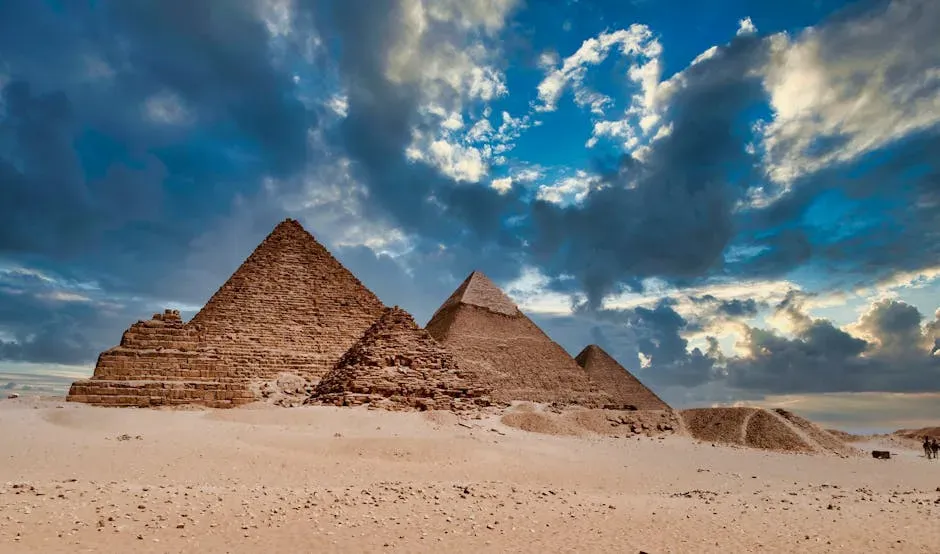
If you zoom in on what humans were actually building while the final mammoths paced the Arctic, the scale is pretty astounding. In Egypt, complex states had formed along the Nile, with pharaohs commanding huge labor forces to construct massive stone monuments and tombs. The Great Pyramid of Giza was already ancient history from the perspective of those last mammoths. In Mesopotamia, cities like Ur and Uruk were important centers of trade, religion, and political power, complete with temples, palaces, and complex bureaucracies.
Elsewhere, in the Indus Valley, highly organized urban societies with planned streets and drainage systems were thriving, even though much about their language and beliefs remains mysterious today. In Europe, people were raising stone circles and long barrows, while in the Americas, sizable settled communities and early ceremonial centers were slowly taking shape. The amazing thing is that all of this human social complexity was unfolding during the same broad era that a tiny, genetically fragile population of mammoths struggled on in isolation, completely unaware that the world was entering a new human‑dominated chapter.
Changing Ecosystems: Forests, Grasslands, and Extinction Pressures
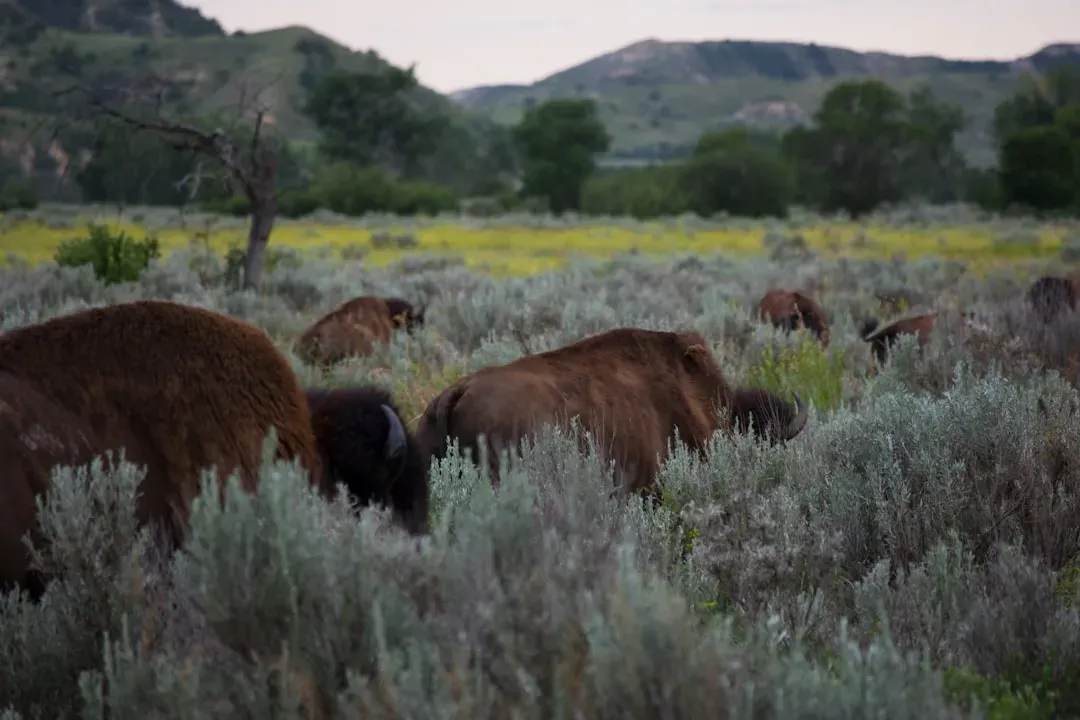
For mammoths, the world they were adapted to was fading fast. These animals were built for cold, open steppe environments – a mix of grassland and low shrubs that once stretched across northern Eurasia and North America like a huge ecological highway. As the climate warmed, many of those expanses morphed into wetter tundra, dense forest, or boggy ground. The food mix changed, the spaces for long‑distance roaming shrank, and competitors as well as predators shifted along with the new vegetation patterns.
On Wrangel Island, the challenges were even more specific. A small, isolated island population is always vulnerable: limited genetic diversity, finite resources, and no easy escape if conditions go wrong. There is evidence that the last mammoths there may have suffered from genetic problems, like harmful mutations piling up over time, which could have weakened their resilience. Add any environmental stress – like storms, unusual freezes, or changes in plant communities – and the balance tips. Compared to rising human civilizations that were learning to store food, dig wells, and cooperate in large groups, mammoths had no way to buffer themselves against bad years. Their ecosystem simply had less room for error.
Human Footprints: Hunting, Expansion, and Our Growing Power
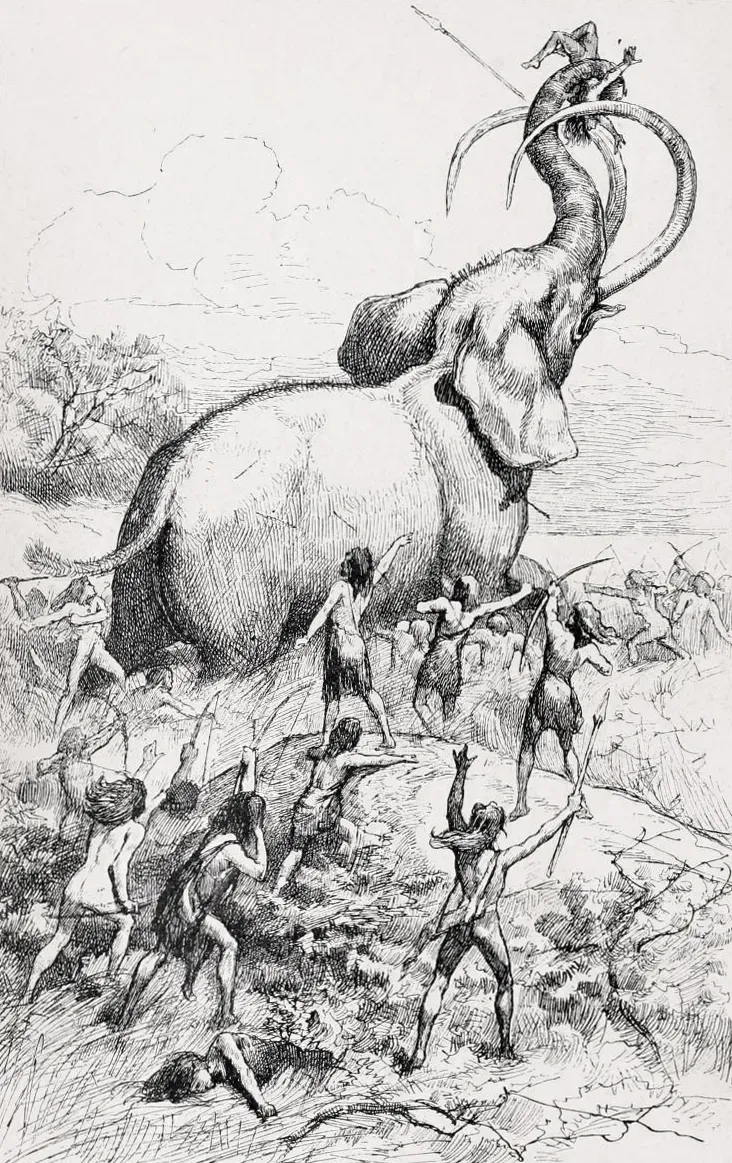
By the time the last mammoths were alive, humans had already left a deep mark across multiple continents. Prehistoric hunters had followed big game for generations, adapting their tools and tactics to different environments. Archaeological sites show that people hunted mammoths in earlier millennia, using coordinated group strategies, projectile weapons, and sometimes driving animals into traps or over cliffs. Even if climate change played a dominant role, sustained hunting could push already stressed populations over the edge, especially in regions where mammoths were slow to reproduce.
But the human impact went beyond direct hunting. People were burning landscapes to manage vegetation, opening up areas for grazing animals or easier travel, and in the process reshaping local ecologies. As farming spread, wild land was carved into fields and pastures, and new species like domestic cattle or goats altered plant communities in their own way. From our vantage point in 2026, it is hard to ignore the pattern: while mammoths marched toward extinction, humans were steadily becoming the planet’s most influential species. That imbalance of power has only grown sharper ever since.
A Planet in Transition: Sea Levels, Islands, and Isolated Survivors
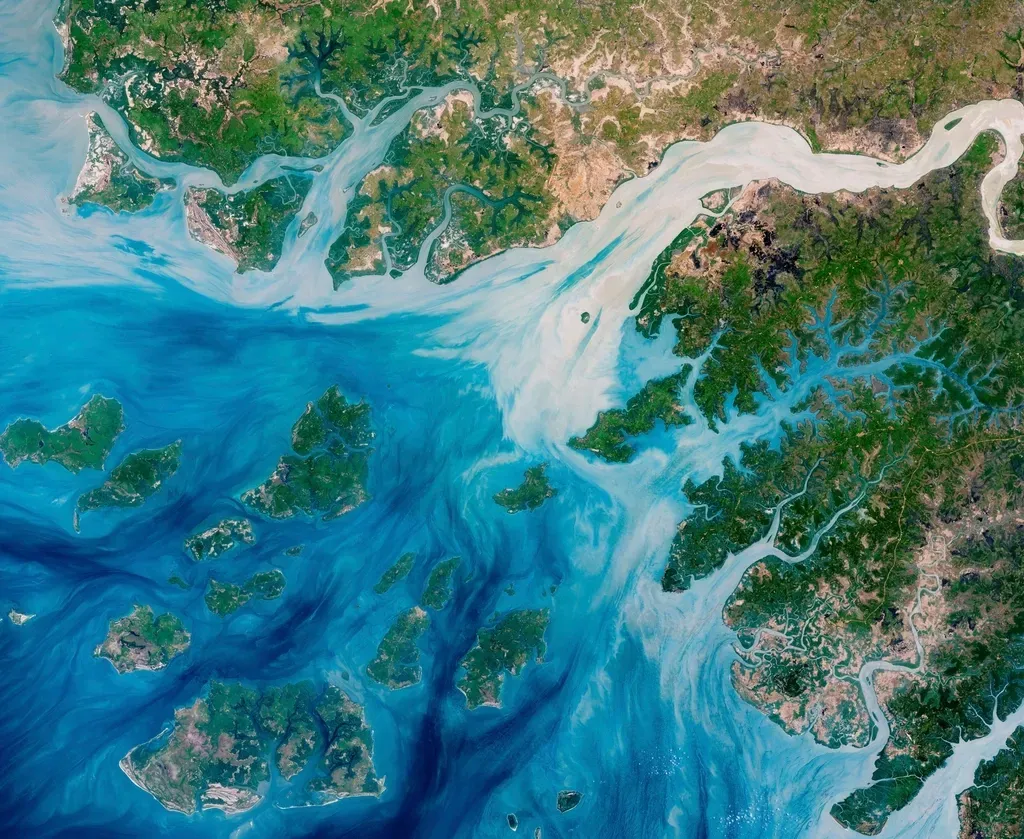
The very fact that the last mammoths survived on an island is tied to another enormous change happening on Earth: rising seas after the Ice Age. When huge ice sheets melted, the water they released raised global sea levels by many tens of meters, flooding coastal plains and separating landmasses that had once been connected. Places that had been part of larger continents became islands. Wrangel Island, for example, went from being accessible to mammoths on foot to being cut off by ocean, effectively trapping the remaining herd in a shrinking sanctuary.
This process created a patchwork planet filled with refuges and dead ends. Some species found safety in remote mountains or islands; others, like mammoths, found themselves stranded with no possibility of recolonizing new areas. While humans were building boats and learning coastal navigation, mammoths had no such options. It is strangely poetic: rising seas that helped link human coastal communities through trade and travel also completed the isolation of one of the Ice Age’s most iconic animals, turning their last home into a biological cul‑de‑sac.
What the Last Mammoths Mean for Us Today
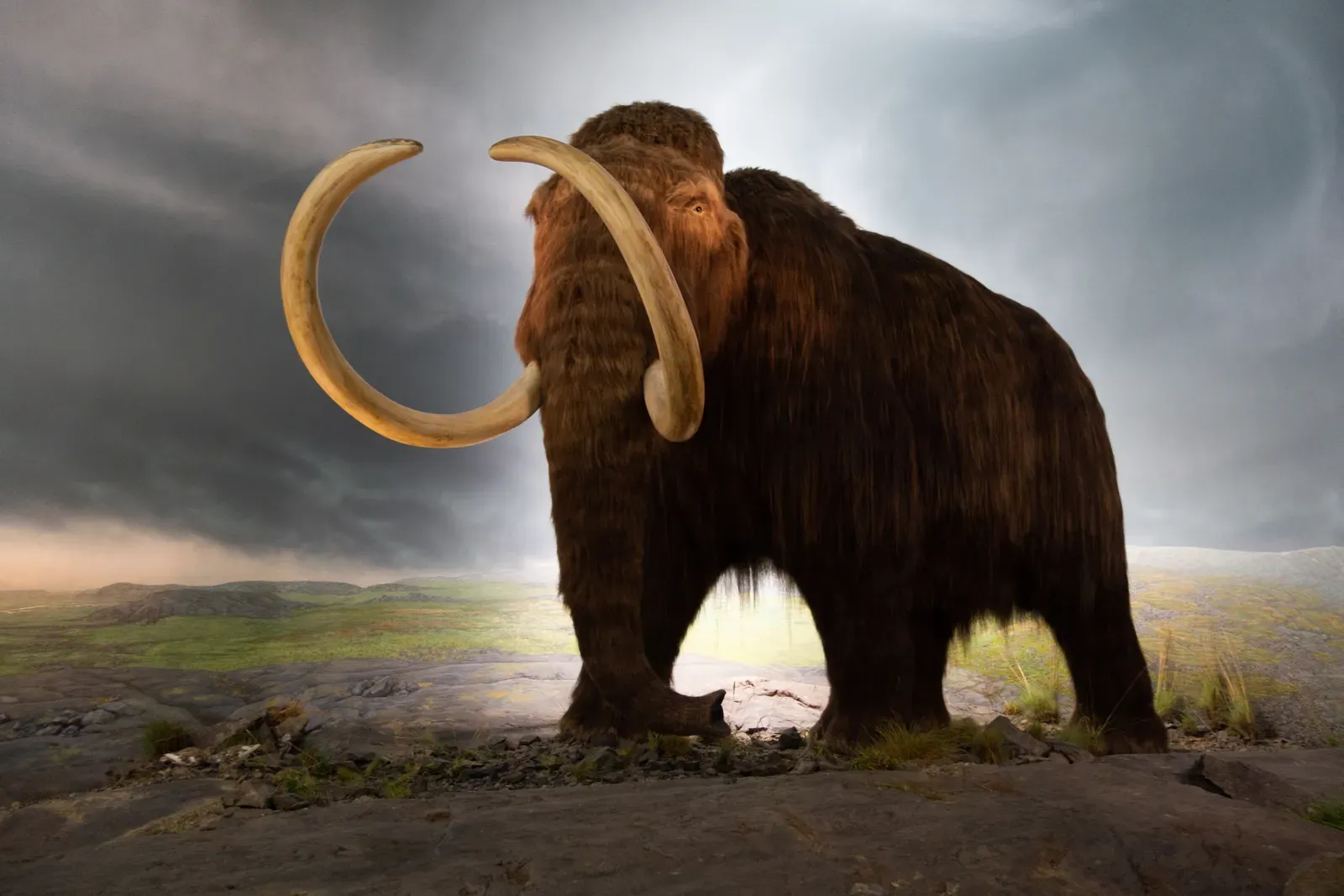
To me, the most powerful part of this story is how recent it really is. We are not talking about an alien world of monsters and endless ice, but about a young version of the same Holocene Earth we still inhabit. The last mammoths were alive when humans were already stacking stones into pyramids, calculating calendars, and passing down myths about the origins of the world. In other words, they shared time with the beginnings of the very cultures that eventually wrote the first chapters of recorded history. Their extinction is not some distant, inevitable background event; it is part of our own timeline.
There is also an uncomfortable lesson here: even in a natural warming phase after the Ice Age, the combination of climate change and human pressure was deadly for a large, slow‑breeding species. Today, we are driving climate and habitat change far faster, with far more people and far more technology. When I think about the last mammoths shuffling around a lonely Arctic island while cities glowed with early human ambition thousands of kilometers away, it feels less like a quaint curiosity and more like a warning. If we could accidentally outlive mammoths while barely organized, what might we erase now that we run the planet with industrial force? And when some future mind looks back at us, will they see our age as the time when we finally learned from stories like the mammoths – or as just another chapter in a long pattern of not noticing what we are losing until it is gone?