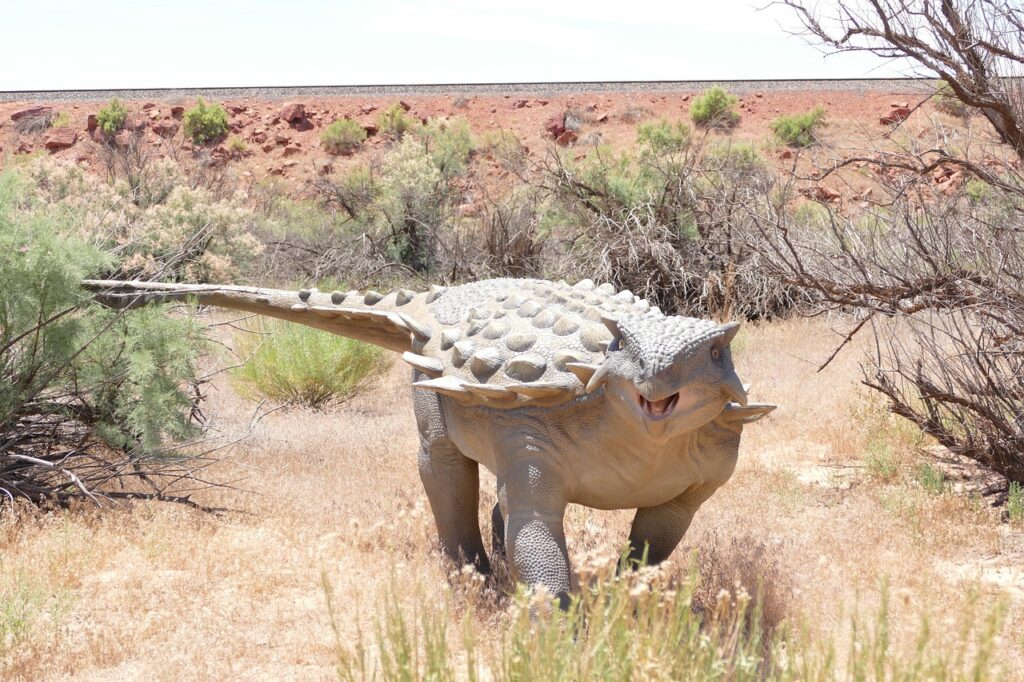
Picture this: massive, tank-like creatures the size of small cars, their backs bristling with bony spikes and plates, lumber through ancient forests where New York City and Washington D.C. now stand. These weren’t mythical beasts from a fantasy novel—they were ankylosaurs, some of the most heavily armored dinosaurs that ever lived. Yet despite their fortress-like defenses and apparent success across much of North America, these prehistoric juggernauts mysteriously disappeared from the eastern half of the continent millions of years before the great extinction that ended the age of dinosaurs.
The Eastern Mystery That Puzzles Paleontologists
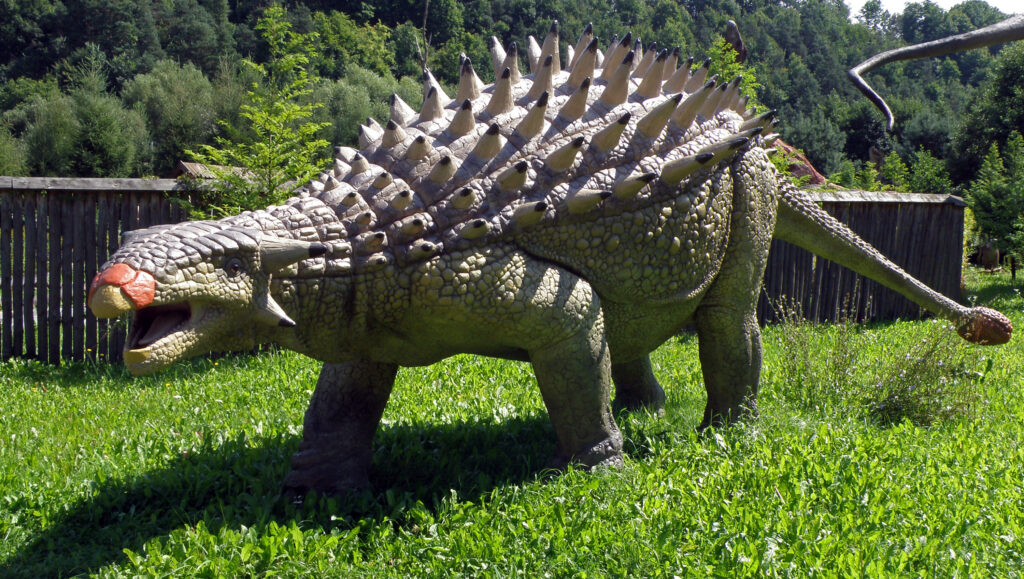
Scientists have been scratching their heads over this enigma for decades. While ankylosaurs thrived in western North America right up until the asteroid impact 66 million years ago, their eastern cousins vanished much earlier—somewhere between 94 and 90 million years ago during the mid-Cretaceous period.
This disappearance wasn’t gradual or subtle. It was like someone flipped a switch, and suddenly these armored giants were nowhere to be found in what would become the eastern United States and Canada. The fossil record shows a clear and dramatic absence that has left researchers scrambling for answers.
When Giants Roamed the Ancient East
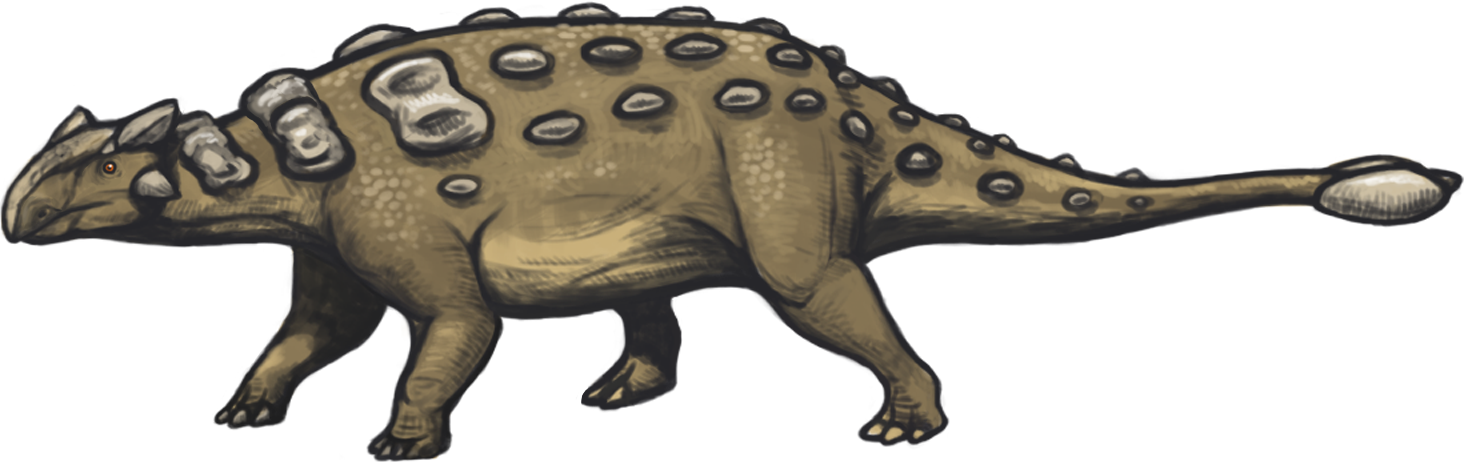
Before their mysterious exit, ankylosaurs were quite the success story in eastern North America. Fossil evidence reveals several species calling the region home, including the well-known Nodosaurus and the more recently discovered Priconodon. These weren’t just stragglers either—they were thriving populations that had established themselves across vast territories.
The eastern ankylosaurs were particularly impressive specimens. Some reached lengths of over 20 feet and weighed as much as modern elephants. Their heavily armored backs served as mobile fortresses, protecting them from the fearsome predators that stalked the Cretaceous landscape.
Archaeological evidence suggests these creatures were well-adapted to their environment, with specialized digestive systems perfect for processing the abundant plant life that flourished in the warm, humid climate of ancient eastern North America.
The Great Seaway Splits a Continent
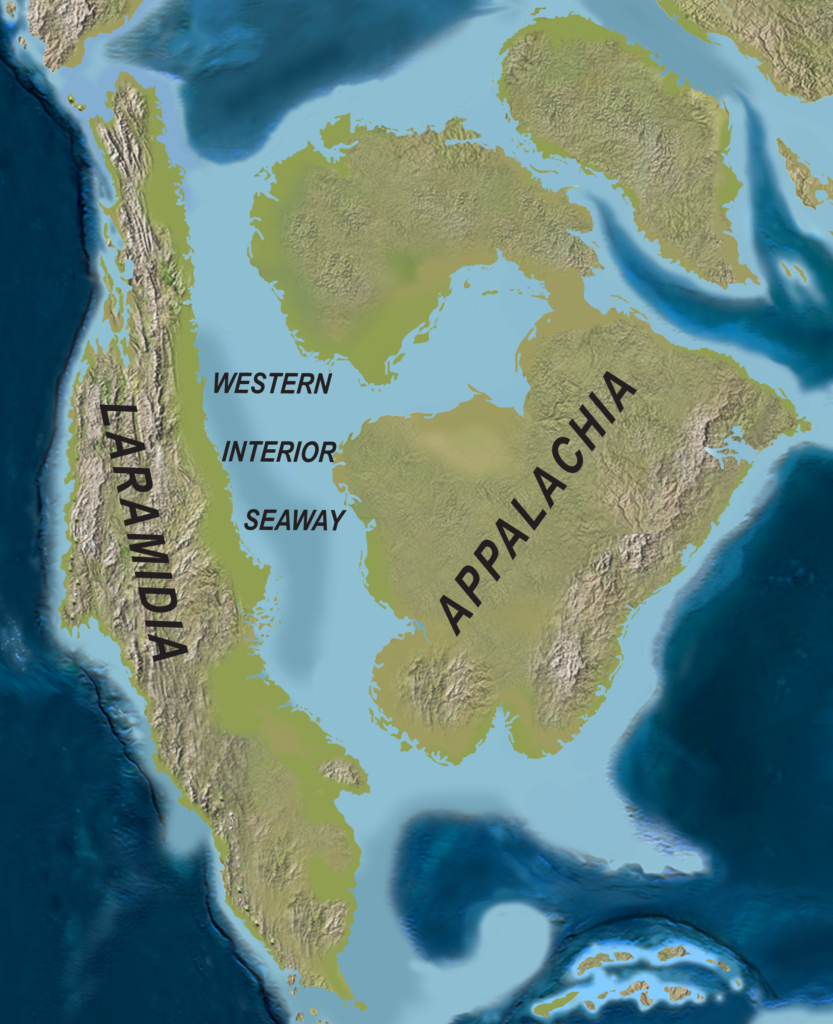
One of the most compelling theories for the ankylosaurs’ disappearance centers on a massive geological event that literally split North America in two. The Western Interior Seaway was an enormous body of water that stretched from the Gulf of Mexico to the Arctic Ocean, effectively creating two separate landmasses.
This ancient sea wasn’t just a minor waterway—it was hundreds of miles wide at its peak, creating an insurmountable barrier for land-dwelling dinosaurs. Imagine trying to swim across an ocean while wearing a suit of armor, and you’ll understand why this seaway posed such a formidable obstacle for ankylosaurs.
The timing of the seaway’s expansion coincides suspiciously with the disappearance of eastern ankylosaurs, suggesting this geographic barrier may have isolated eastern populations from their western relatives.
Climate Chaos in the Mid-Cretaceous
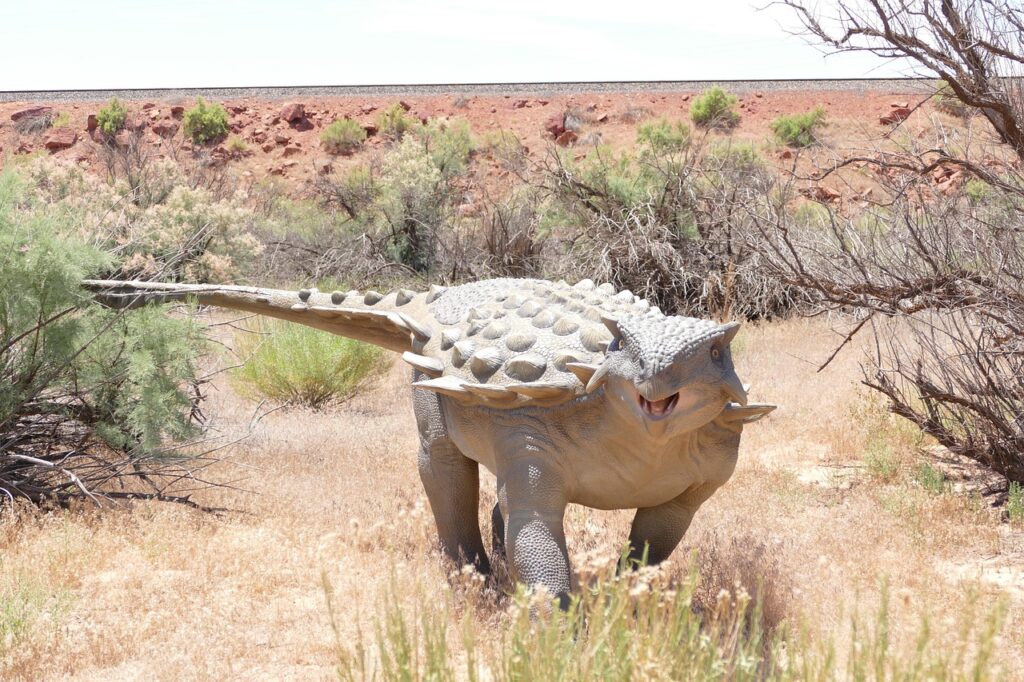
The mid-Cretaceous period was a time of dramatic climate upheaval that would make modern climate change look like a gentle temperature adjustment. Global temperatures were soaring, and the eastern regions of North America were experiencing some of the most extreme changes.
Rising sea levels weren’t just creating new waterways—they were drowning entire ecosystems. The lush, low-lying areas where ankylosaurs had thrived for millions of years were disappearing beneath the waves. These heavily armored dinosaurs, built for terrestrial life, suddenly found their habitat shrinking at an alarming rate.
The temperature increases also triggered massive changes in vegetation patterns. Plants that ankylosaurs had evolved to digest over millions of years were being replaced by new species that may not have provided adequate nutrition for these specialized herbivores.
The Flowering Plant Revolution

While ankylosaurs were struggling with rising seas and changing climates, a botanical revolution was quietly reshaping the entire planet. Flowering plants, or angiosperms, were exploding across the landscape with unprecedented diversity and abundance.
This might sound like good news for plant-eating dinosaurs, but evolution doesn’t work that way. Ankylosaurs had spent millions of years developing highly specialized digestive systems tailored to process specific types of vegetation. Suddenly switching to an entirely new menu isn’t as simple as trying a new restaurant.
Many of these new flowering plants also contained chemical compounds that served as natural pesticides—great for the plants’ survival, but potentially toxic to dinosaurs whose systems weren’t equipped to handle these new biological weapons.
Predator Pressure and the Arms Race
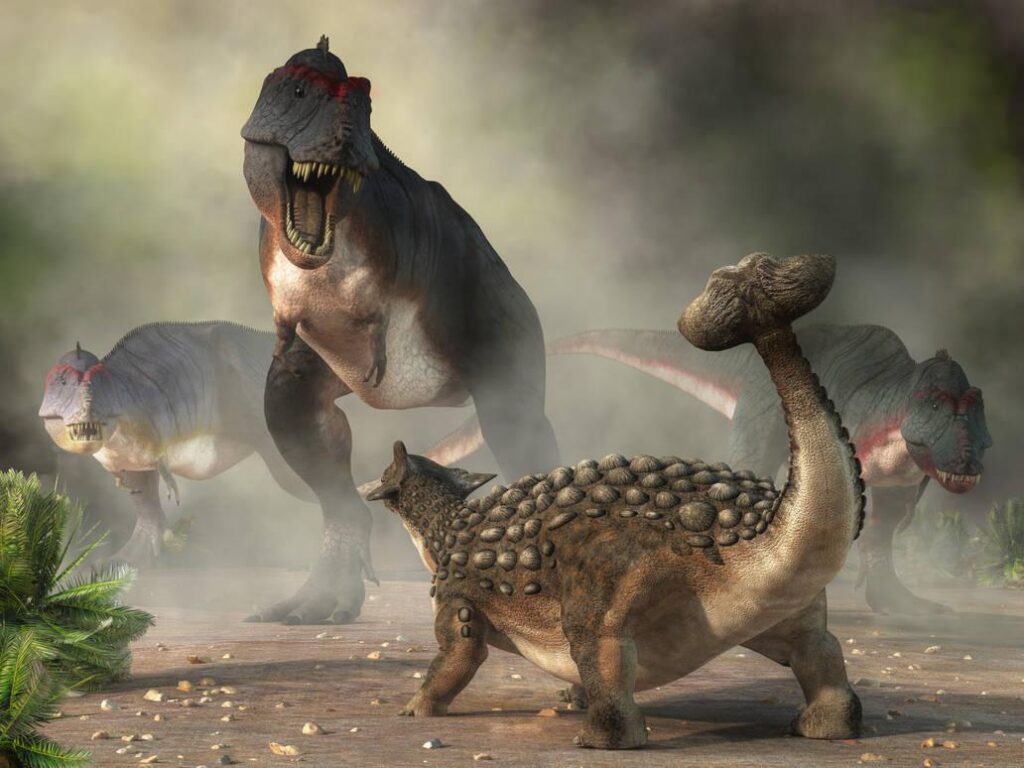
The mid-Cretaceous wasn’t just changing for herbivores—it was also witnessing the rise of some of the most formidable predators in Earth’s history. New species of tyrannosaurs and other carnivorous dinosaurs were evolving increasingly sophisticated hunting strategies and more powerful jaws.
While ankylosaurs’ armor had served them well against earlier predators, these new threats posed challenges that millions of years of evolution hadn’t prepared them for. Some researchers suggest that the energy cost of maintaining such heavy armor became a liability when food sources became scarce.
In the evolutionary arms race between predator and prey, ankylosaurs may have found themselves outgunned for the first time in their long history.
The Fossil Record Speaks
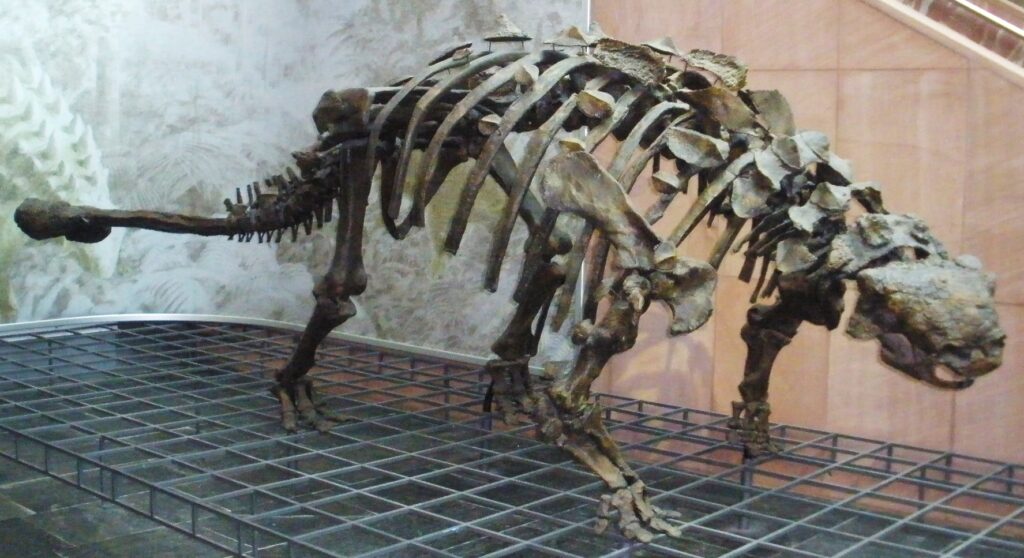
The geological evidence for ankylosaurs’ disappearance from eastern North America is remarkably clear and consistent. Fossil deposits from the early Cretaceous period show abundant ankylosaur remains, but by the mid-Cretaceous, they simply vanish from the record.
This isn’t a case of missing fossils or poor preservation conditions. Other dinosaur species from the same time periods are well-represented in eastern fossil beds, making the absence of ankylosaurs even more conspicuous and puzzling.
Recent advances in dating techniques have allowed scientists to pinpoint the timing of this disappearance with unprecedented accuracy, confirming that it occurred during a relatively brief geological window.
Western Survivors Tell a Different Story
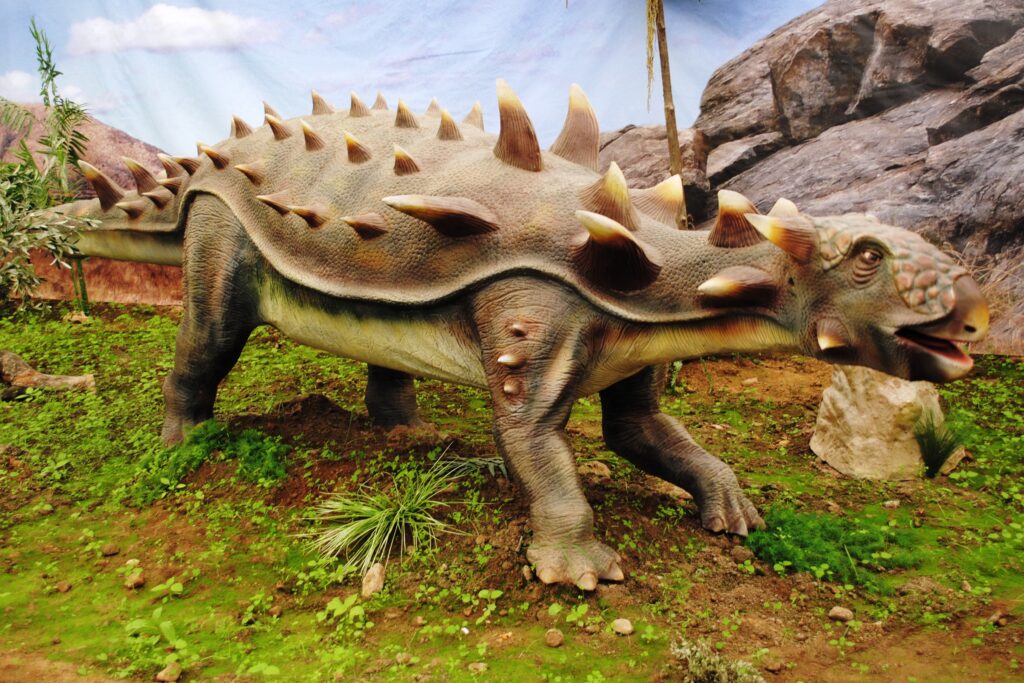
What makes the eastern disappearance so intriguing is that ankylosaurs continued to flourish in western North America for another 25 million years. Species like Ankylosaurus and Euoplocephalus not only survived but thrived right up until the end-Cretaceous extinction event.
The western populations adapted to different environmental pressures and even evolved new defensive strategies. Some developed more sophisticated tail clubs, while others experimented with different armor configurations.
This stark contrast between eastern extinction and western success suggests that whatever caused the eastern disappearance was region-specific rather than a continent-wide phenomenon affecting all ankylosaurs.
Modern Lessons From Ancient Extinctions
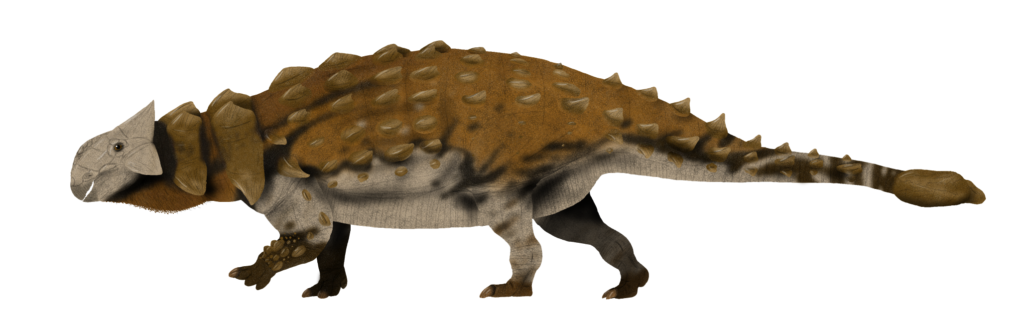
The mystery of eastern North America’s vanished ankylosaurs offers sobering lessons for modern conservation efforts. It demonstrates how quickly and completely large, seemingly successful species can disappear when faced with multiple environmental stressors.
Today’s large herbivores—elephants, rhinos, and hippos—face similar challenges from habitat fragmentation, climate change, and human pressure. The ankylosaur extinction reminds us that size and defensive adaptations aren’t always enough to guarantee survival.
Understanding these ancient extinctions helps scientists predict which modern species might be most vulnerable to current environmental changes and develop more effective conservation strategies.
The vanishing of ankylosaurs from eastern North America remains one of paleontology’s most fascinating unsolved mysteries. While we may never know exactly which factors proved most decisive, the evidence points to a perfect storm of environmental changes that overwhelmed these ancient giants’ remarkable adaptations. Their disappearance serves as a stark reminder that even the most heavily armored creatures on Earth aren’t immune to the forces of environmental change. What other prehistoric mysteries might be hiding in the rocks beneath our feet, waiting to reshape our understanding of life’s long journey on this planet?