Imagine standing in a sun-scorched Texas landscape 110 million years ago, when towering predators ruled the earth with bone-crushing jaws and razor-sharp claws. Among these ancient titans roamed one of North America’s most formidable hunters – a massive carnivore whose distinctive high spine ridge would make even the most fearsome modern predators seem tame by comparison. This wasn’t just another dinosaur; this was Acrocanthosaurus, a beast so perfectly adapted for the kill that it dominated the early Cretaceous landscape like no other predator before or since.
The Discovery That Changed Everything
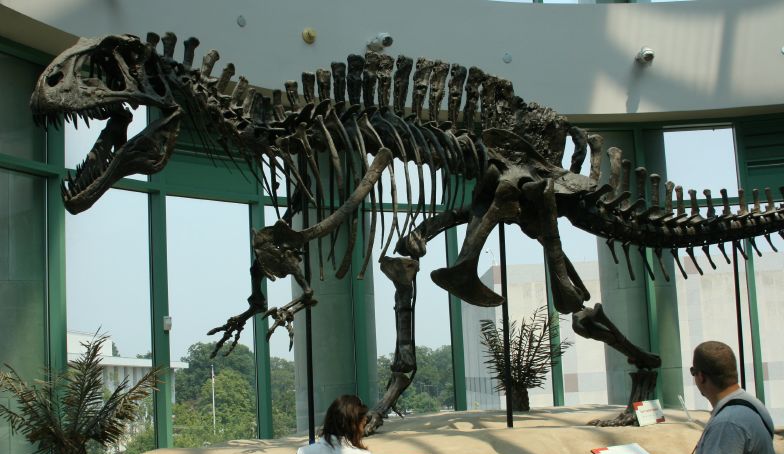
The first glimpse of this prehistoric giant came in 1940 when fossil hunters J. Willis Stovall and Wann Langston Jr. stumbled upon mysterious bone fragments in Oklahoma’s Antlers Formation. What they found would revolutionize our understanding of Cretaceous predators forever.
The initial discovery included partial vertebrae with unusually tall neural spines, immediately setting this dinosaur apart from its contemporaries. These weren’t just any bones – they belonged to something massive, something that had never been documented before in North American fossil records.
By 1950, enough material had been collected to formally name this incredible predator Acrocanthosaurus atokensis, meaning “high-spined lizard from Atoka County.” The scientific community was stunned by the implications of this find, as it represented one of the largest land predators ever discovered in North America.
Anatomy of a Killing Machine
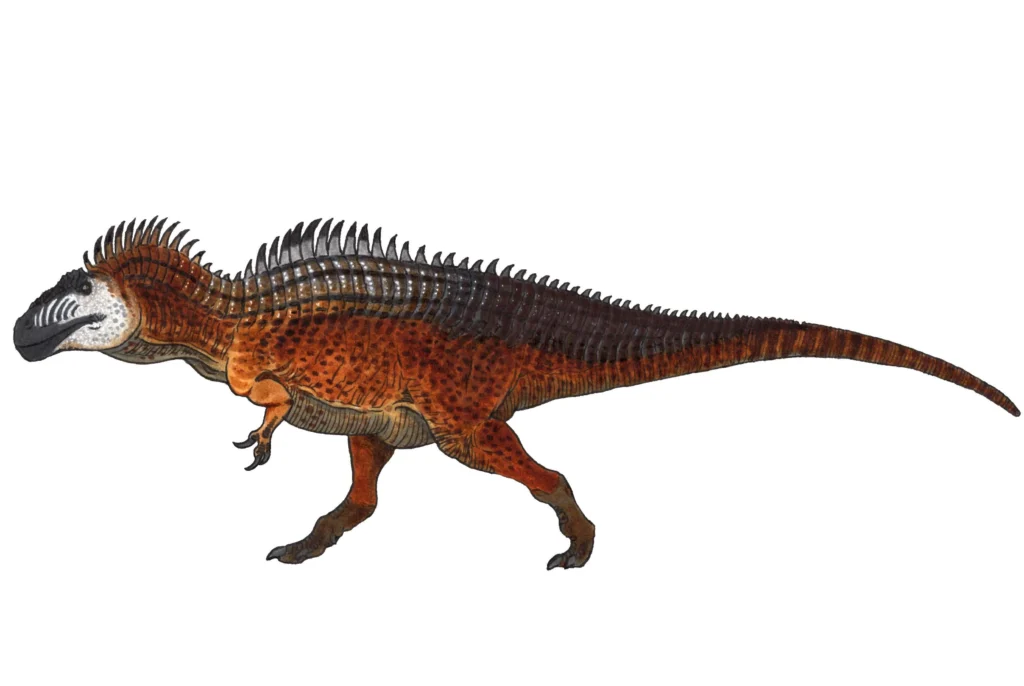
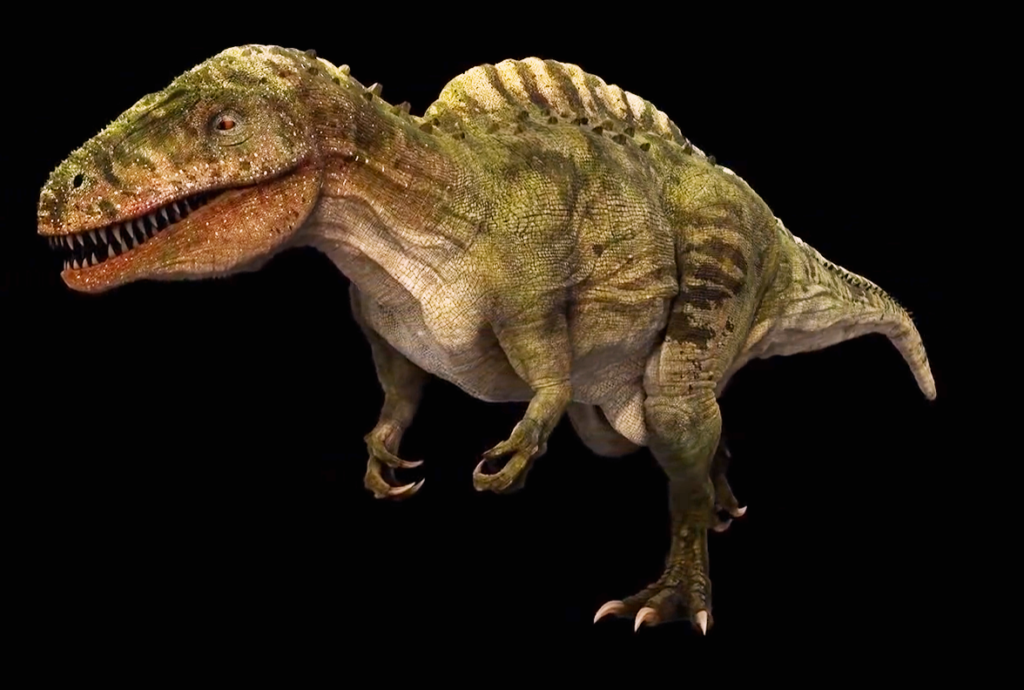
Standing nearly 12 feet tall at the hip and stretching up to 38 feet in length, Acrocanthosaurus was built like nature’s perfect killing machine. Its skull alone measured over 4 feet long, packed with serrated teeth designed to slice through flesh and bone with terrifying efficiency.
The most striking feature was undoubtedly its distinctive sail-like ridge running along its back. This wasn’t just for show – the elongated neural spines supported powerful muscles that gave this predator incredible strength and agility during hunts.
Weighing in at an estimated 4 to 6 tons, Acrocanthosaurus possessed muscular forelimbs equipped with three-fingered hands tipped with curved claws. These weren’t the tiny arms of a T. rex – these were functional weapons capable of grasping and holding struggling prey while the massive jaws delivered the killing bite.
The Mystery of the High Spine
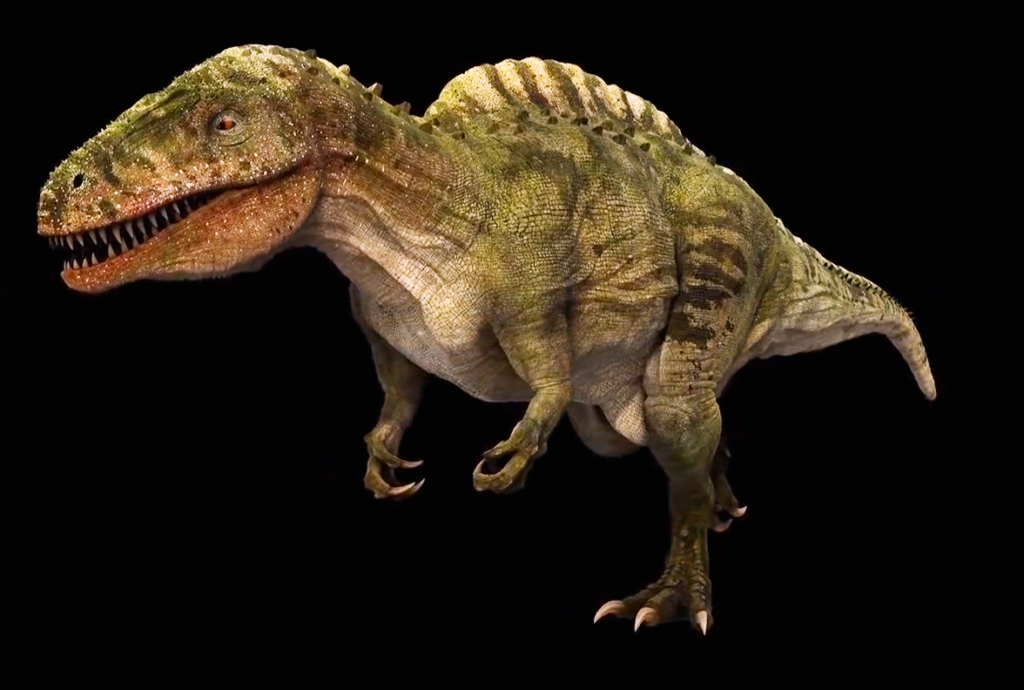
Scientists have debated the purpose of Acrocanthosaurus’s distinctive spinal ridge for decades, and the theories are as fascinating as they are varied. Some researchers believe the ridge supported a muscular hump similar to those found on modern bison, providing incredible power for the predator’s massive neck and jaw muscles.
Another compelling theory suggests the spine served as a display structure, much like the colorful plumage of modern birds. During mating season or territorial disputes, blood flow to the ridge might have created an impressive visual display that communicated dominance and fitness to rivals and potential mates.
The thermoregulation hypothesis proposes that the enlarged surface area helped this massive predator regulate its body temperature in the warm Cretaceous climate. Like a living radiator, increased blood flow through the ridge could have helped dissipate excess heat during intense hunting activities.
Hunting Strategies of an Apex Predator
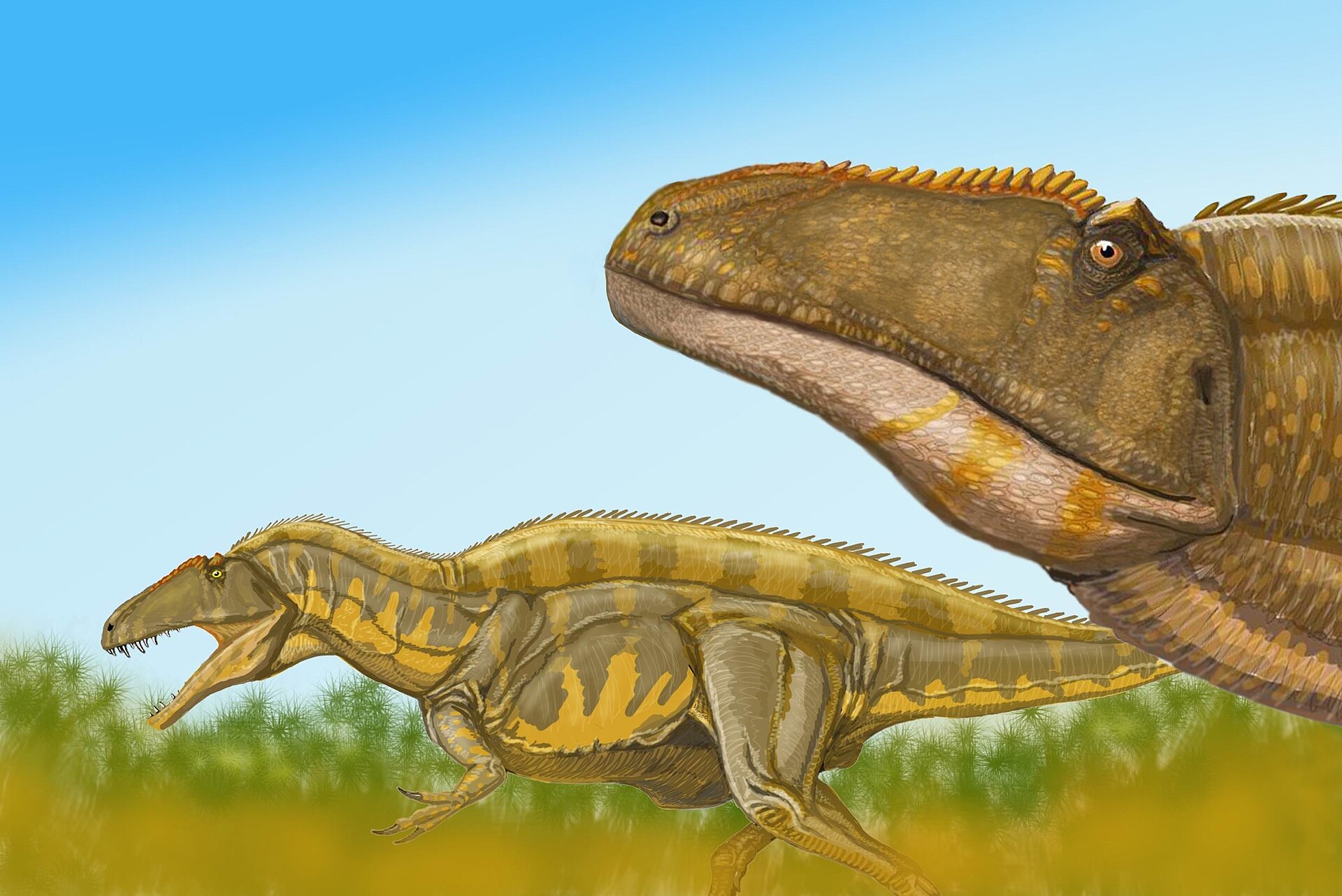
Acrocanthosaurus wasn’t just a massive brute – it was a sophisticated hunter with strategies that would make modern predators envious. Fossil evidence suggests this dinosaur was capable of both ambush hunting and active pursuit, adapting its techniques based on available prey.
The powerful forelimbs and claws indicate that Acrocanthosaurus likely used a grab-and-bite hunting style. Picture this predator lying in wait near a watering hole, then exploding into action to seize an unsuspecting herbivore with its claws before delivering a crushing bite to the neck or skull.
Trackway evidence from Texas reveals that these predators sometimes hunted in loose groups, though they weren’t pack hunters in the traditional sense. Multiple sets of footprints suggest they may have coordinated their efforts when targeting particularly large prey like the massive sauropod Sauroposeidon.
The Cretaceous World of Texas
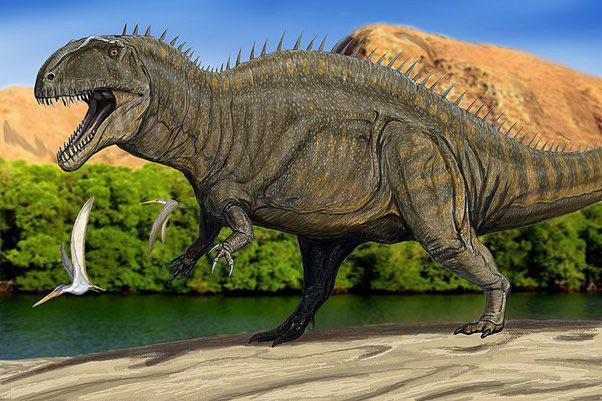
The world that Acrocanthosaurus inhabited was dramatically different from today’s Texas landscape. Instead of desert and grassland, early Cretaceous Texas was a lush, tropical paradise with vast river systems, dense forests, and warm, humid climates that supported an incredible diversity of life.
Massive fern prairies stretched across the landscape, punctuated by towering conifer forests and meandering rivers that created perfect hunting grounds for apex predators. The absence of grass meant that ground cover consisted primarily of ferns, cycads, and other primitive plants that created a alien-looking world.
This prehistoric Eden supported an enormous variety of dinosaurs, from the colossal long-necked Sauroposeidon to heavily armored ankylosaurs like Texasetes. For a predator like Acrocanthosaurus, this abundance of prey species created the perfect environment for evolutionary success.
Size Comparison: Just How Big Was It?
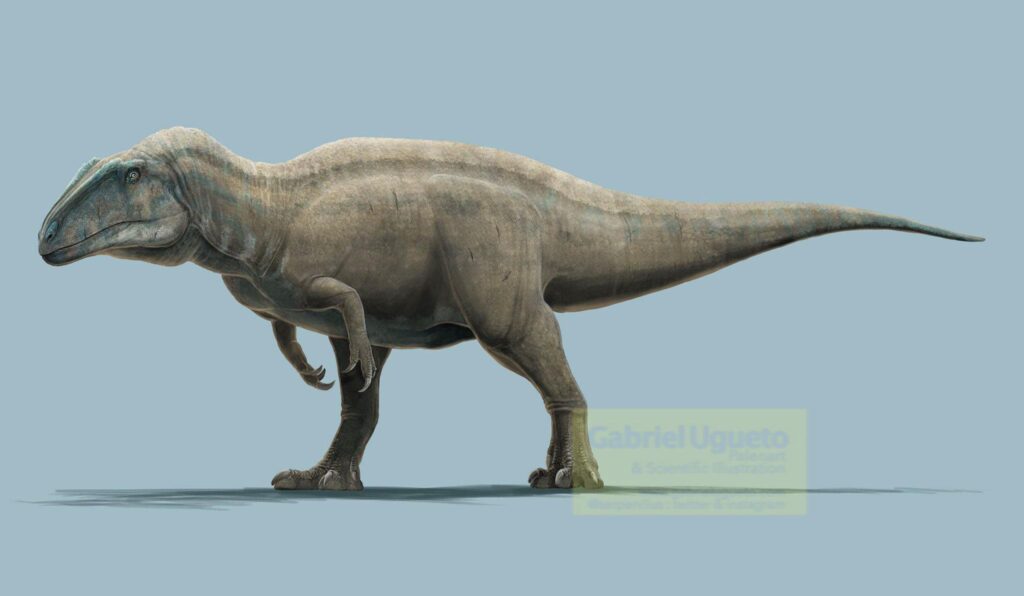
To truly appreciate the massive scale of Acrocanthosaurus, consider that it was longer than a city bus and weighed more than two adult elephants combined. Its skull alone was larger than most modern refrigerators, and those bone-crushing jaws could have easily accommodated a full-grown human.
Standing next to this predator, an adult human would barely reach its knee, while its head towered nearly two stories above the ground. The sheer physical presence of such a creature must have been absolutely terrifying to any animal unlucky enough to encounter it.
Modern great white sharks, often considered nature’s ultimate predators, pale in comparison to Acrocanthosaurus. While a large great white might reach 20 feet in length, it would still be dwarfed by this land-based killing machine that combined size, power, and intelligence in one devastating package.
Fossil Evidence and Preservation
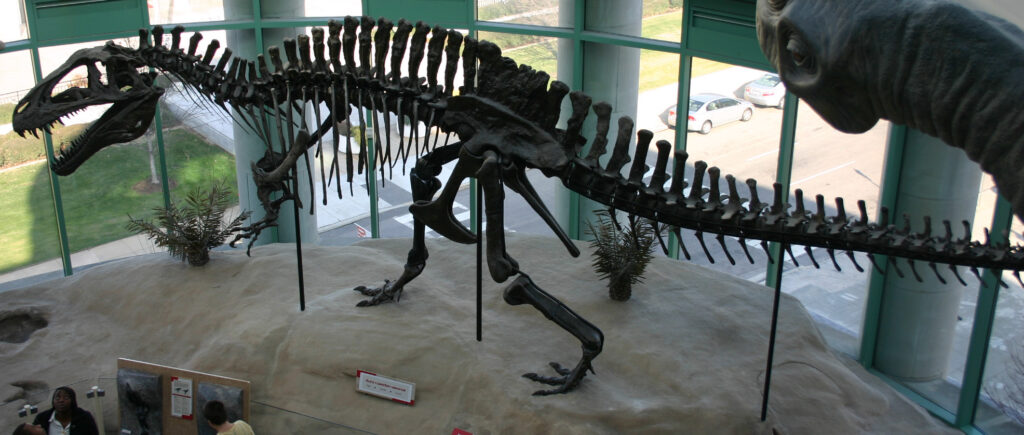
The fossil record of Acrocanthosaurus tells a remarkable story of preservation that spans over 100 million years. Most specimens have been found in the Antlers and Twin Mountains formations of Texas and Oklahoma, where ancient river deposits created perfect conditions for fossilization.
One of the most complete skeletons, discovered in Oklahoma, preserves over 60% of the animal’s bones, including crucial skull elements that have allowed scientists to reconstruct its appearance with remarkable accuracy. The quality of preservation is so exceptional that researchers can even identify bite marks and healed injuries on the bones.
Recent discoveries have included skin impressions and possible feather-like structures, suggesting that Acrocanthosaurus may have had more complex integument than previously thought. These findings are revolutionizing our understanding of how these ancient predators looked and behaved in life.
Evolutionary Relationships and Family Tree
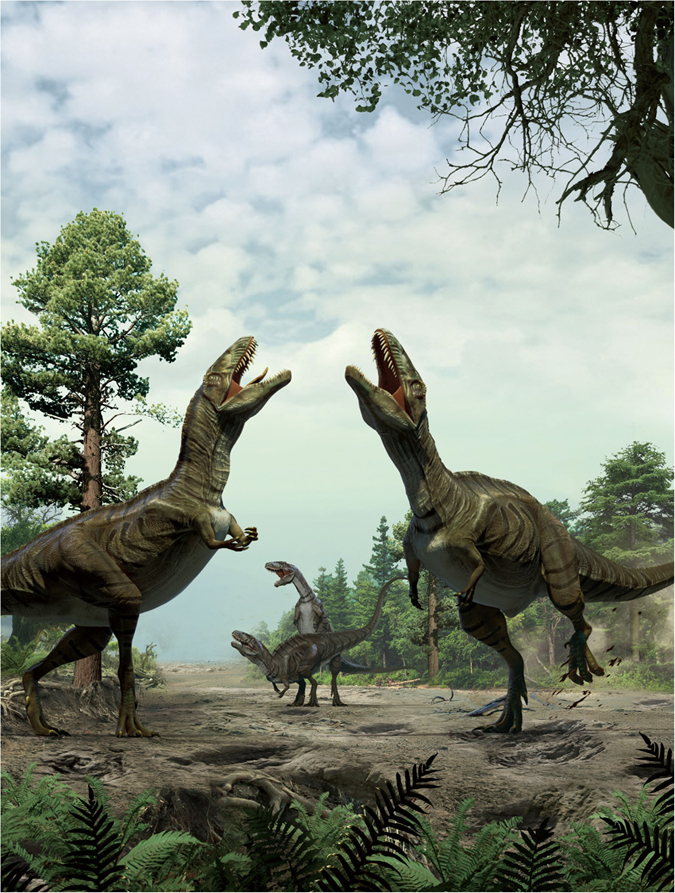
Acrocanthosaurus belongs to a group of predatory dinosaurs called carcharodontosaurids, which were among the largest land predators ever to walk the Earth. This family included famous giants like Giganotosaurus from South America and Carcharodontosaurus from Africa, suggesting that massive predators dominated ecosystems across multiple continents during the Cretaceous period.
The evolutionary relationships within this group reveal fascinating patterns of global dinosaur distribution and evolution. These predators appear to have evolved similar body plans independently, demonstrating how environmental pressures can shape evolution in predictable ways.
Recent phylogenetic studies suggest that Acrocanthosaurus was more closely related to African and South American species than to other North American predators, indicating complex patterns of continental drift and species migration during the Cretaceous period.
Diet and Feeding Behavior
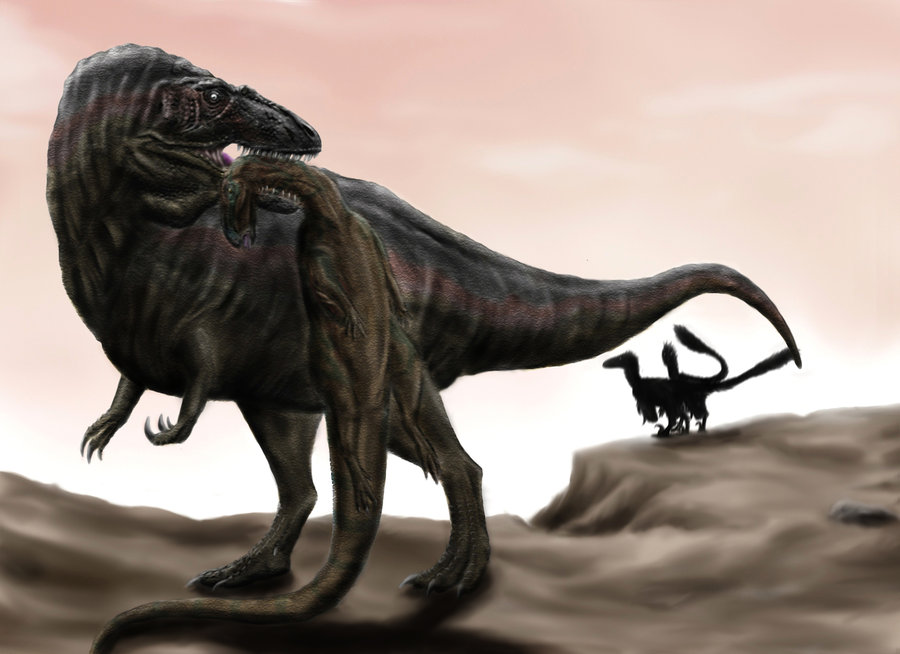
The massive jaws and serrated teeth of Acrocanthosaurus were perfectly designed for a carnivorous lifestyle, but determining exactly what it ate requires careful analysis of both the predator and its potential prey. Fossil evidence suggests this apex predator had a varied diet that included everything from fish to massive sauropods.
Coprolites (fossilized feces) attributed to large carcharodontosaurids contain bone fragments from multiple prey species, indicating these predators were opportunistic feeders that would tackle whatever was available. The size and robustness of their teeth suggest they could crunch through bone as easily as flesh.
Bite mark analysis on herbivore fossils from the same time period reveals attack patterns consistent with Acrocanthosaurus hunting behavior. These marks often appear on the necks and skulls of prey animals, suggesting this predator used precision strikes to quickly disable its victims rather than engaging in prolonged struggles.
The Enduring Fascination
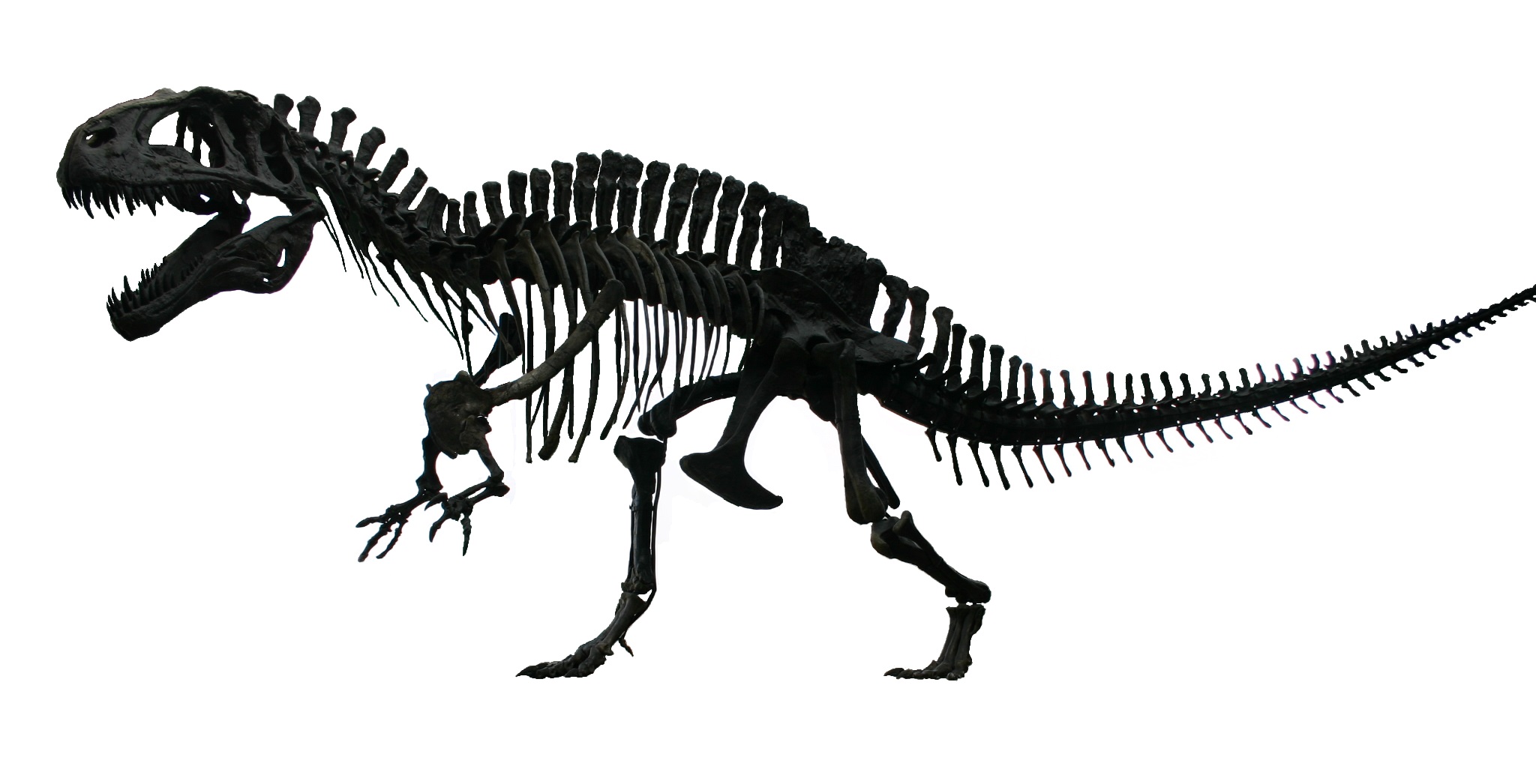
Acrocanthosaurus represents everything that captures our imagination about prehistoric life – massive size, deadly efficiency, and an alien world so different from our own that it seems like science fiction. This high-spined hunter reminds us that Earth’s history is filled with creatures so extraordinary they stretch the limits of belief.
The continued study of these ancient predators reveals not just facts about the past, but insights into evolution, extinction, and the delicate balance of ecosystems that existed millions of years before humans appeared. Their fossilized remains serve as time capsules, preserving moments from a lost world that continues to inspire wonder and scientific discovery.
Every bone fragment, every fossilized footprint, and every new discovery adds another chapter to the incredible story of life on Earth. Acrocanthosaurus stands as a testament to the power of evolution to create beings so perfectly adapted to their environment that they dominated their world for millions of years. What other secrets might these ancient giants still be hiding in the rocks beneath our feet?