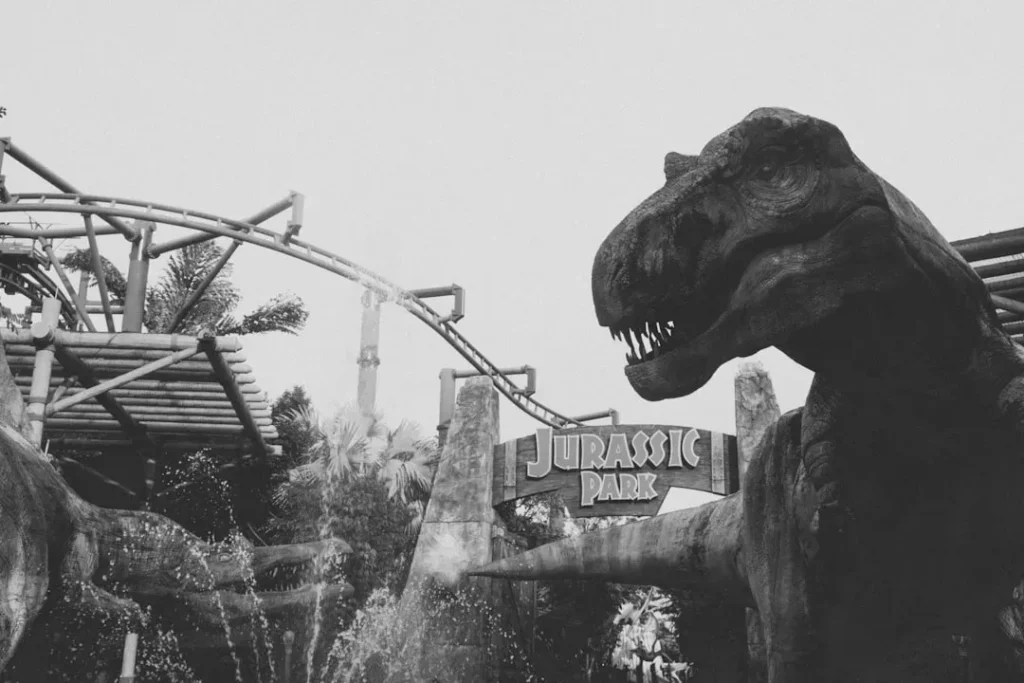
Every time a new dinosaur or prehistoric-creature movie drops, you can almost predict the trailer beats: thunderous footsteps, a roaring close-up, humans sprinting in terror, and some unlucky character getting chomped mid-scream. It works, sure. But if you’ve ever cracked open a paleontology book or fallen down a fossil rabbit hole online, you know the real story of ancient life is far stranger, subtler, and way more interesting than another snarling CGI beast charging a Jeep.
So why does Hollywood keep going back to the same “mindless monster” well instead of embracing what science actually says about these animals? The answer is a messy mix of money, storytelling shortcuts, audience expectations, and decades of habits the industry is weirdly reluctant to break. Let’s dig into why the screen version of prehistory looks so different from the fossil record – and what we’re missing because of it.
The Monster Template: Why Fear Still Sells Better Than Wonder
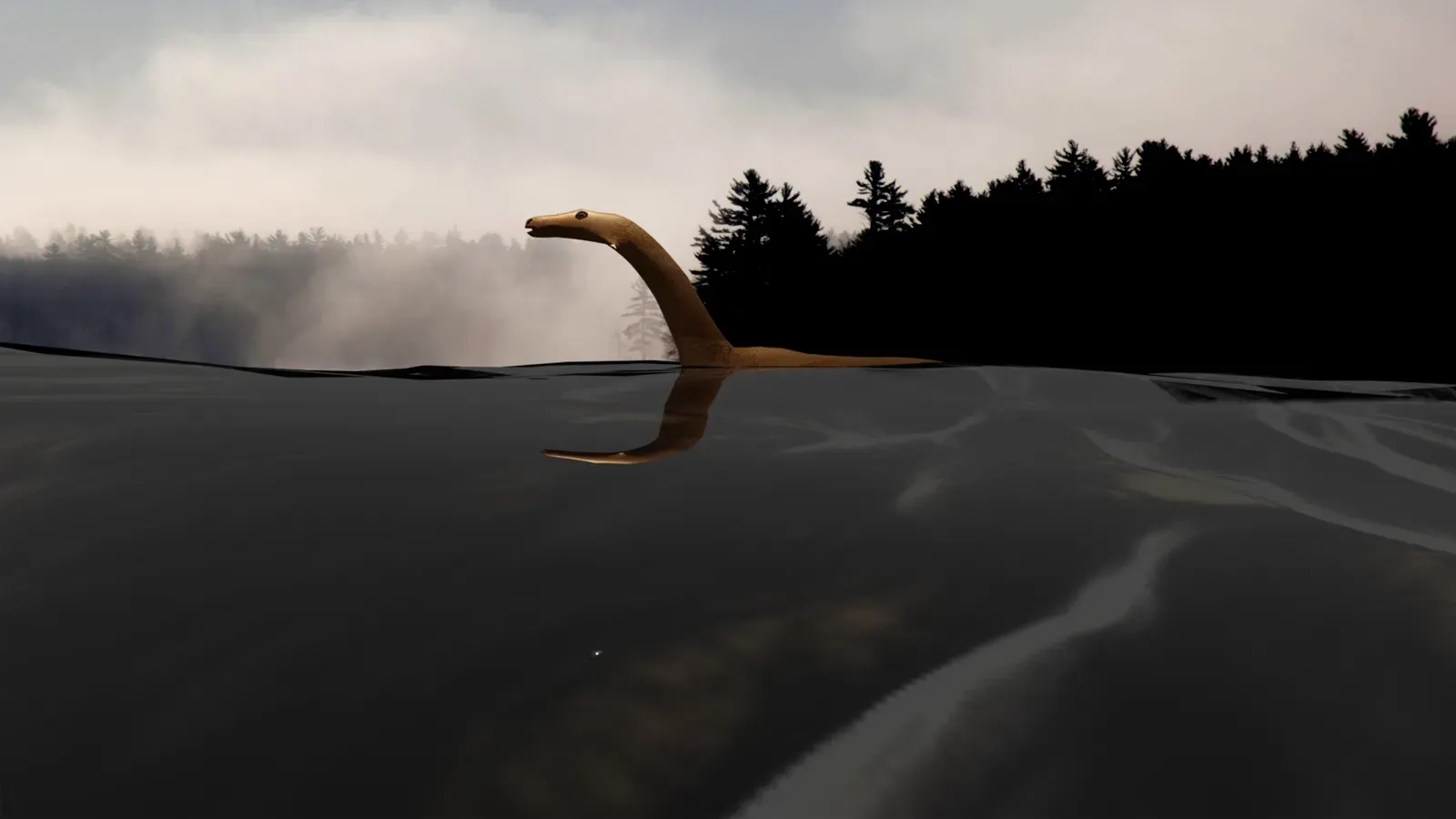
The most boring but honest answer is this: fear is a proven box-office strategy. Studios know that if you show something huge, fast, and lethal chasing people in a trailer, you’ve just sold a lot of tickets. Our brains are wired to snap to attention when we sense danger, and Hollywood leans hard on that deep, ancient response. Turning prehistoric animals into relentless monsters is the easiest way to guarantee tension without having to explain much about them.
There’s also a storytelling shortcut baked in. If the creature is basically a walking disaster with teeth, the script writes itself: it appears, it kills, everyone runs. You do not need to spend screen time building its behavior, ecology, or motivations the way you would for a human villain. That means more space for explosions, quips, and chases, and less pressure on writers and directors to get picky details right. In a business obsessed with minimizing risk, the “monster template” is a comfortable old pair of shoes no one wants to throw away.
Science Moves Fast, Franchises Move Slow
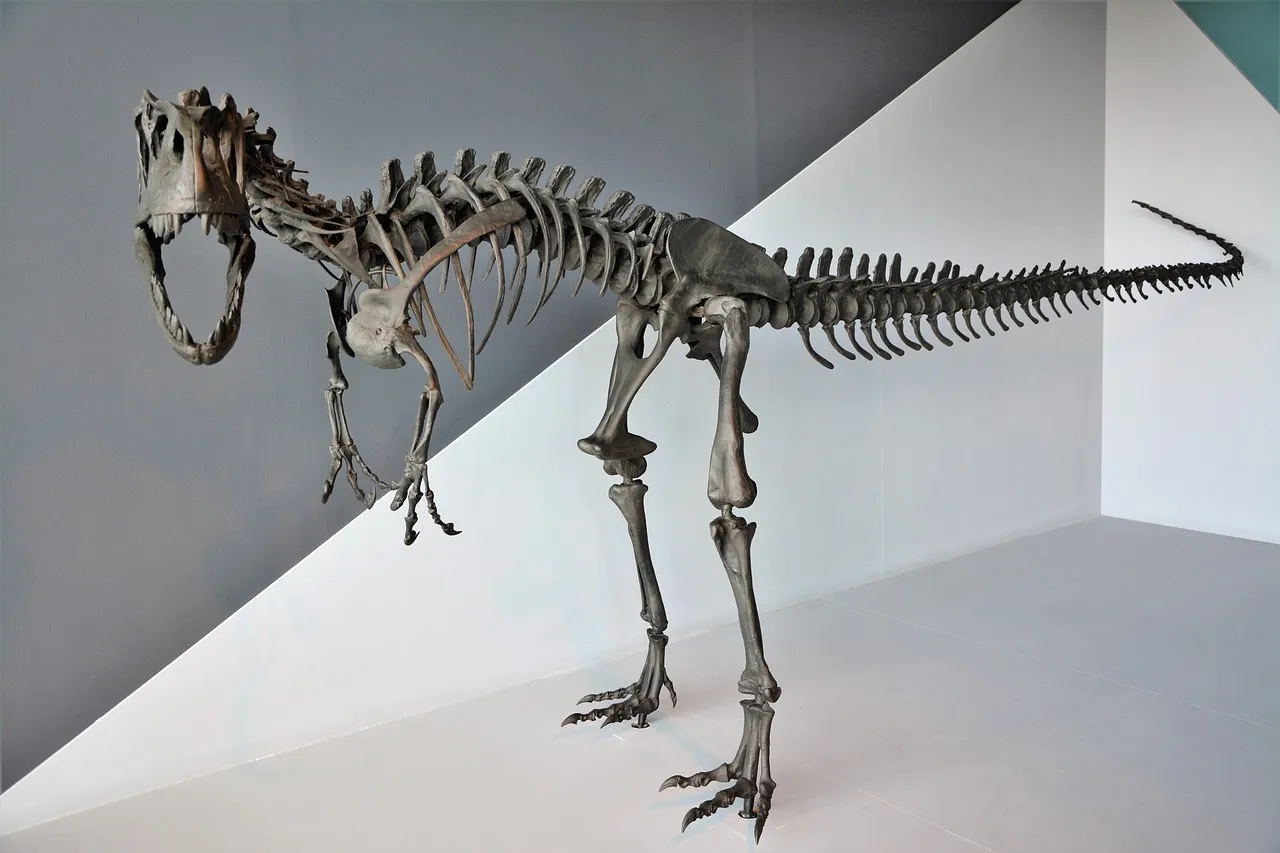
In the last few decades, paleontology has been moving at full sprint: new fossil discoveries, advanced imaging, biomechanical modeling, and better evolutionary trees have reshaped how scientists think about dinosaurs and other prehistoric animals. We now know many theropods likely had feathers, social behavior seems more common than once thought, and some animals that used to be depicted as sluggish brutes were probably agile, active, and surprisingly intelligent. The real creatures were not props; they were complex organisms in even more complex ecosystems.
Franchises, on the other hand, change at a glacial pace. Once a film series locks in a certain “look” for its dinosaurs or Ice Age beasts, millions of dollars in brand recognition and merchandising hinge on keeping that visual continuity. If audiences have been trained to expect a particular terrifying silhouette – say, a scaly, lizard-like predator – it becomes a perceived risk to suddenly reveal that same animal with bright feathers, different posture, and more birdlike behavior. The result is that Hollywood dinosaurs live in a kind of permanent scientific time warp, frozen at whatever the consensus (or misconception) was when the first big movie hit the cultural jackpot.
Real Animals Are Complicated, and Complexity Is Hard to Write
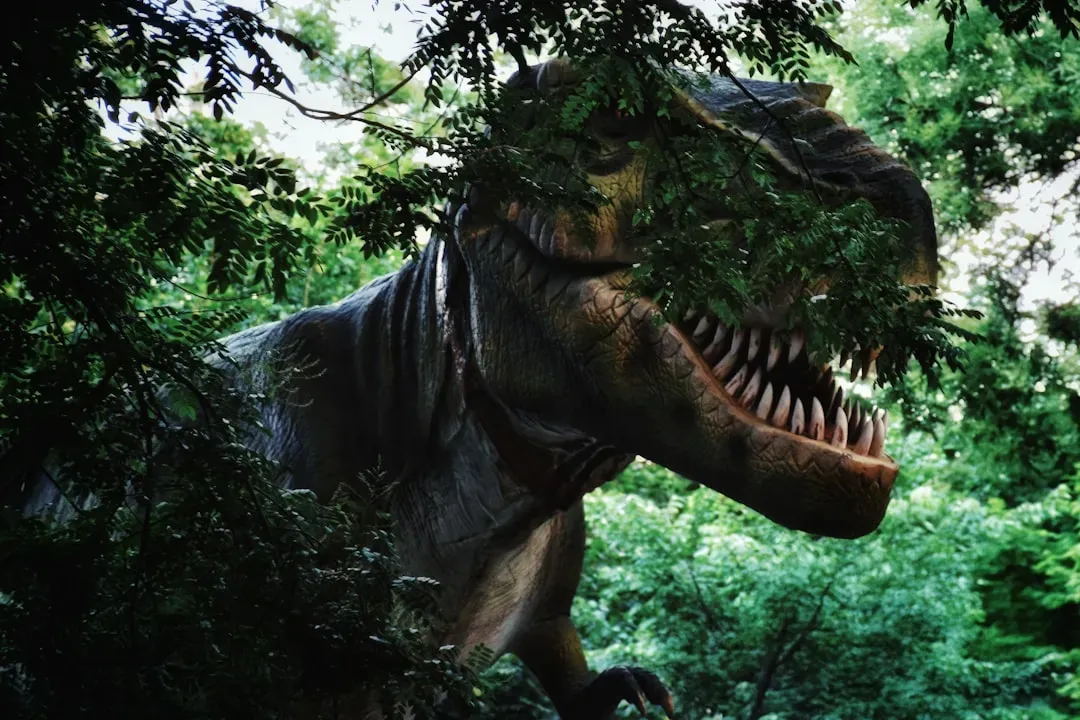
The actual lives of prehistoric animals were messy, nuanced, and often kind of mundane. They hunted, yes, but they also slept, raised offspring, squabbled with rivals, scavenged, got sick, and sometimes lost fights. They reacted differently depending on hunger, territory, and social dynamics. Trying to capture that on screen means embracing ambiguity: the creature might ignore your main characters entirely, or make a half-hearted charge and back off, or be more curious than murderous. That is fascinating from a scientific perspective, but it is trickier to structure into a tight, high-stakes plot.
From a screenwriting point of view, nuance can feel like friction. If your prehistoric predator realistically hesitates, misjudges, or behaves cautiously, it “kills the vibe” of the relentless horror beat. That is why so many movie creatures behave like heat-seeking missiles for whichever human is most dramatically convenient. They crash through glass, ignore easier prey, and defy basic energy economics just to dial up the spectacle. Real animals are strategic and often risk-averse; movie monsters are loud metaphors for chaos, punishment, or human hubris. One is true to biology, the other is simple to dramatize.
The Leftover Shadow of Old-School Creature Features
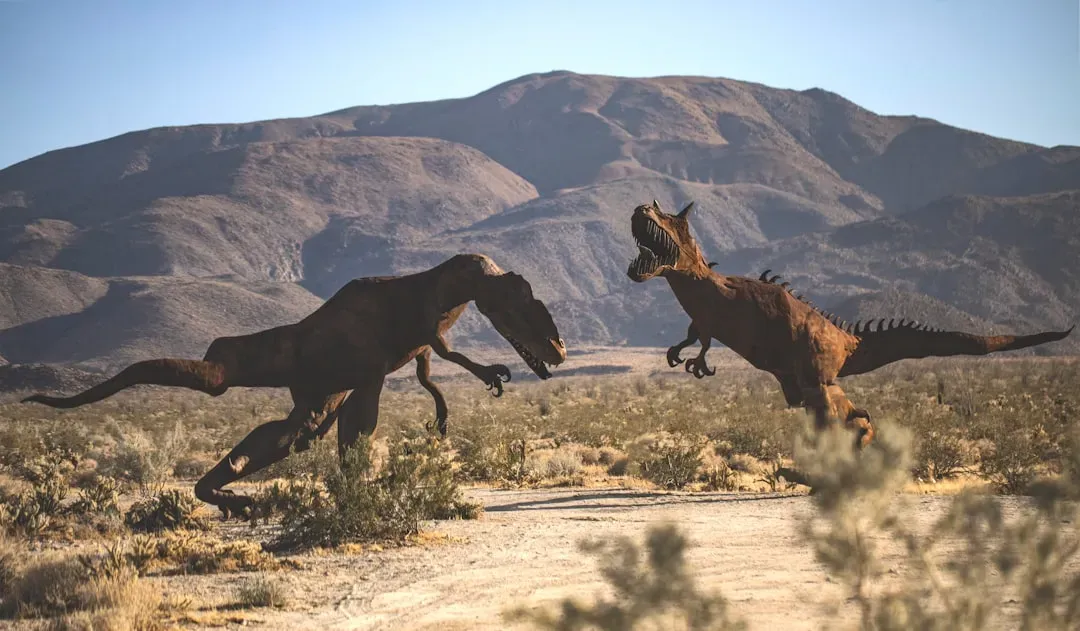
Hollywood’s relationship with prehistoric beasts did not start from a neutral place; it grew out of early monster movies where realism was never the point. Stop-motion dinosaurs and giant reptiles stood in for everything from nuclear fear to colonial anxieties to “man should not meddle” morality tales. Those films trained generations of viewers – and future filmmakers – to see ancient animals primarily as symbols, not subjects. By the time more accurate paleontology began hitting the mainstream, the cinematic language was already deeply entrenched.
Even when modern films try to nod to science, they often do it on top of those old tropes instead of replacing them. You might get a line about pack behavior, or a throwaway comment about feathers, but the core role of the creature remains the same: burst in, ramp up the body count, vanish. The monsters are still treated like forces of nature or walking curses rather than animals operating under basic laws of ecology and survival. Breaking away from that tradition would require not just new visuals, but a new kind of story altogether – and Hollywood rarely volunteers to reinvent a formula that still (mostly) prints money.
Audience Expectations and the Fear of “Boring” Accuracy
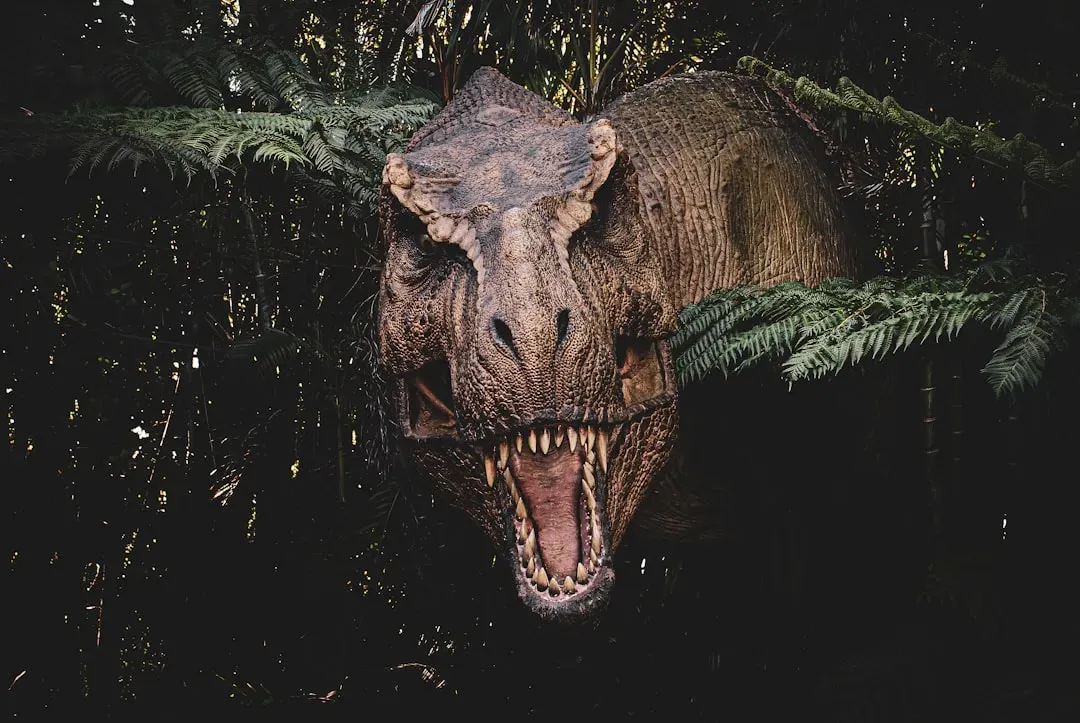
There is also a quiet but real anxiety that if you portray prehistoric animals too realistically, audiences will get restless. A big feathered predator stalking carefully, circling, bluff-charging, or even giving up on a risky hunt because the energy cost is too high is how real predators often behave. But that kind of slow-burn tension demands patience and subtlety from both the filmmakers and viewers. Many studios assume people just want the instant jolt: a roar, a lunge, a narrow escape. It is the cinematic equivalent of fast food – predictable, salty, and easy to sell.
Part of this comes from how most mainstream viewers first meet dinosaurs and prehistoric life: through kids’ books, cartoons, and toy lines that simplify behaviors into “good herbivore” and “evil meat-eater.” By the time those same people become moviegoers, they already carry a mental picture that leans heavily on drama and caricature. When a film dares to subvert that, it risks complaints that the animals are not “dinosaur-y” enough, even if they are closer to what current science suggests. So studios second-guess themselves and keep delivering the same sharpened, heightened version of prehistory, afraid that accuracy might be mistaken for dullness.
Money, Merch, and the Marketable Monster Look
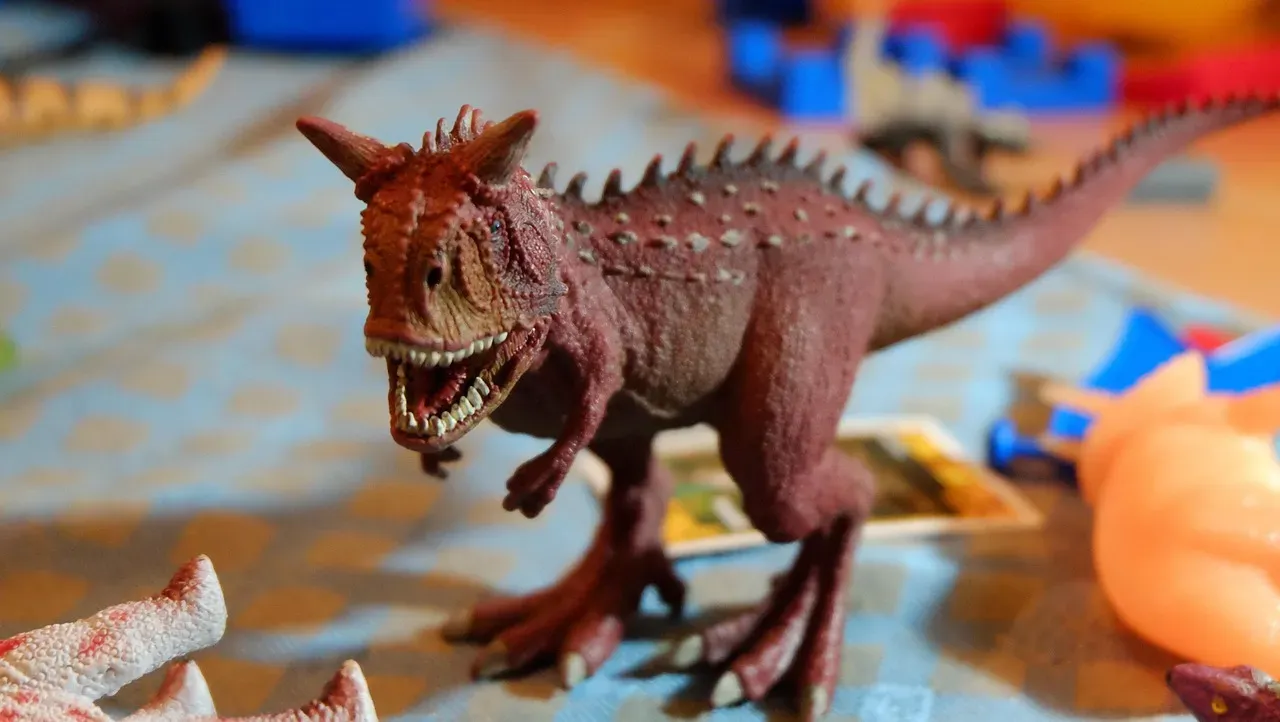
Another unromantic reason we keep getting mindless monsters: merch. A simplified, exaggerated creature silhouette is easier to put on T-shirts, toys, posters, and game tie-ins. Big head, rows of teeth, lots of spikes – this is all incredibly marketable. Real animals, with their varied body plans, subtle color patterns, and sometimes unexpectedly birdlike or mammal-like looks, are harder to boil down into a single striking icon. When design choices can tip the scales on millions of dollars in licensing, “cool and scary” tends to win over “ecologically plausible.”
I have watched kids in toy aisles ignore relatively accurate dinosaur models and grab the spikiest, least realistic creature on the shelf because it “looks meaner.” Studios and manufacturers notice that behavior. It reinforces the idea that realism is a nice bonus but not a priority for revenue. So we get over-muscled, permanently snarling versions of animals that probably had complex social structures and a whole range of facial expressions and vocalizations. The tragedy is that by sanding them down into monsters, we lose the very weirdness and diversity that could make them even more captivating.
When Hollywood Gets It Right (and Why It Matters)
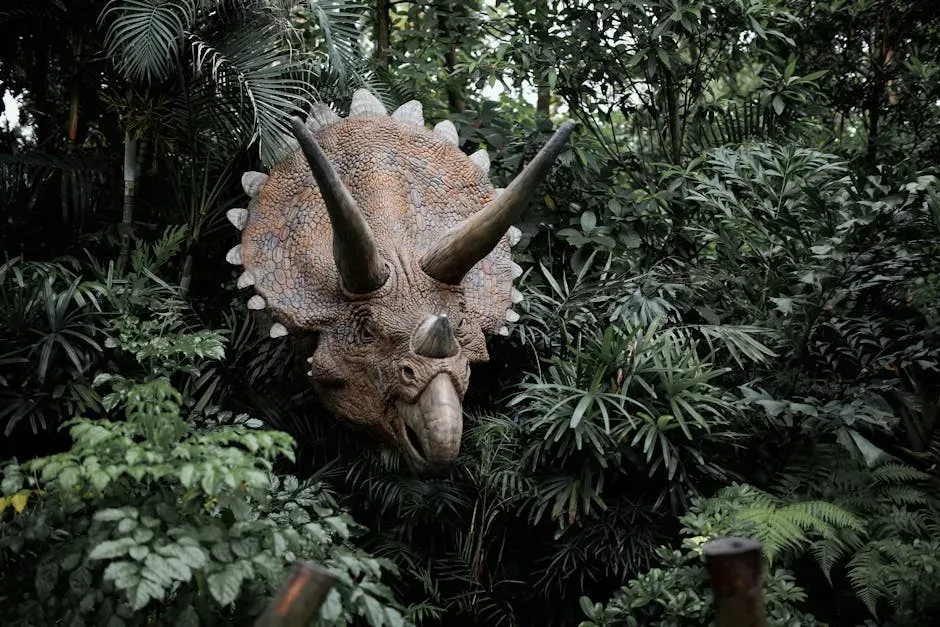
Every now and then, a film, series, or documentary tries to lean into what science actually says, and the result is a glimpse of what prehistoric storytelling could be. You see creatures that display curiosity, fear, play, parental care, and the constant trade-offs of life in a dangerous ecosystem. The drama shifts from “will it eat the humans” to “how does this animal survive at all in this brutally balanced world.” When that happens, it can be oddly moving. The animals stop being vague metaphors and start feeling like distant relatives on the evolutionary family tree.
Those more faithful depictions also do something subtle but important: they change how people think about the natural world right now. Once you realize that a prehistoric predator was not just a roaring demon but a living thing making calculated choices, it is harder to slot modern wildlife into simplistic “good vs. evil” roles. You start to see sharks, wolves, crocodiles, and big cats with more empathy and less knee-jerk fear. If Hollywood chose to embrace that approach more often, it could entertain and educate at the same time, shaping a culture that responds to living animals with curiosity instead of reflexive terror.
Conclusion: Prehistoric Monsters or Prehistoric Neighbors?
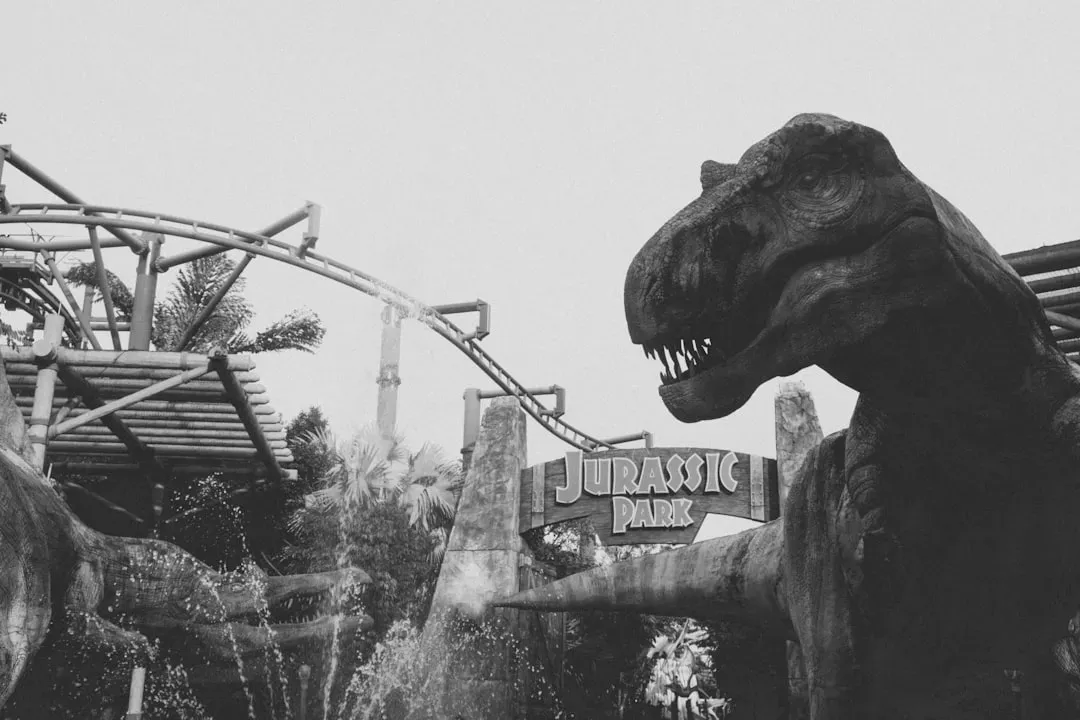
At the end of the day, the gap between real prehistoric animals and their movie counterparts is not just a scientific issue; it is an ethical and cultural one. When we endlessly portray ancient life as mindless, bloodthirsty chaos, we reinforce the idea that nature is basically an enemy to be conquered or escaped, not an intricate system we belong to. I think Hollywood’s obsession with the monster angle says more about our fears and insecurities than it does about dinosaurs or mammoths. We would rather project our worst nightmares onto the past than sit with the humbling truth that we are just one more twig on a massive evolutionary tree.
Personally, I would love to see the tide turn – to watch a big-budget film where the prehistoric animals are not villains or props, but full characters in their own right, unpredictable in the way real life is, not just in the way jump scares are. The irony is that the real story of ancient Earth, with all its extinctions, adaptations, and weird experiments in body design, is already more dramatic than any script. The question is whether studios will trust audiences enough to move beyond the roar-and-chase routine and let us meet these creatures as neighbors from deep time instead of nightmares. If you had the choice, would you rather be scared by them for two hours, or actually get to know them?