Imagine the entire history of Earth squeezed into a single calendar year. Dinosaurs stomp around in December, the first forests grow in late November, and oceans form way back in January. Now here’s the wild part: everything we call “human civilization” – cities, writing, the internet, spaceflight, TikTok, all of it – shows up in the final few seconds before midnight on December 31. That’s how late we arrived to the party.
This idea is more than just a neat mental trick. It completely changes how we see ourselves. Instead of being the main event, we’re more like a surprise cameo at the end of a very, very long movie. Once you feel that scale in your gut, questions start bubbling up: How fragile is this last-minute experiment we call civilization? How long can it last? And what if we’re not the end of the story at all, but just the awkward opening credits for whatever comes next?
Turning 4.5 Billion Years Into One Year
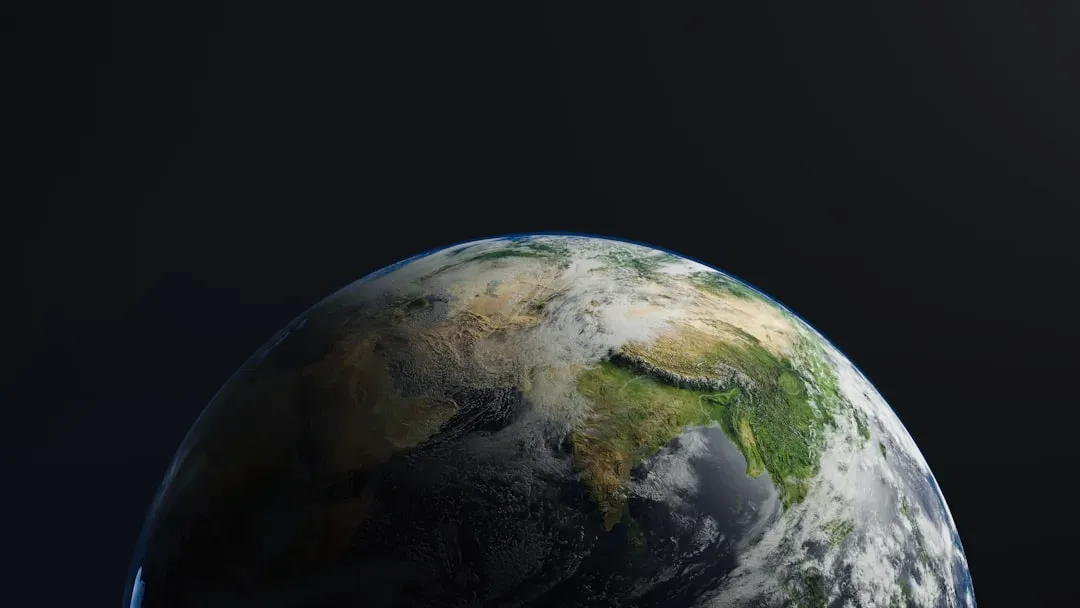
To really see how tiny our slice of time is, you’ve got to compress the whole age of Earth into something our brains can handle. Scientists estimate that Earth formed around four and a half billion years ago. That number is so big it might as well be magic nonsense unless we scale it down. So picture this: January 1 at 00:00 is the birth of the planet, and December 31 at 23:59:59 is right now. Every second on this imaginary calendar equals tens of thousands of real years. Every day covers more than ten million years. Suddenly, things start to feel a little more tangible.
On this scale, the familiar units of history basically disintegrate. Your entire life is not even a visible sliver on the clock. The span of written history – a few thousand years – is less than a blink. Even huge natural events like ice ages start looking like quick changes in the background rather than slow epics. This calendar year trick isn’t just a cute analogy; it’s a psychological sledgehammer that smashes our everyday sense of time and forces us to see how absurdly recent humanity really is.
January to November: A World With No Humans
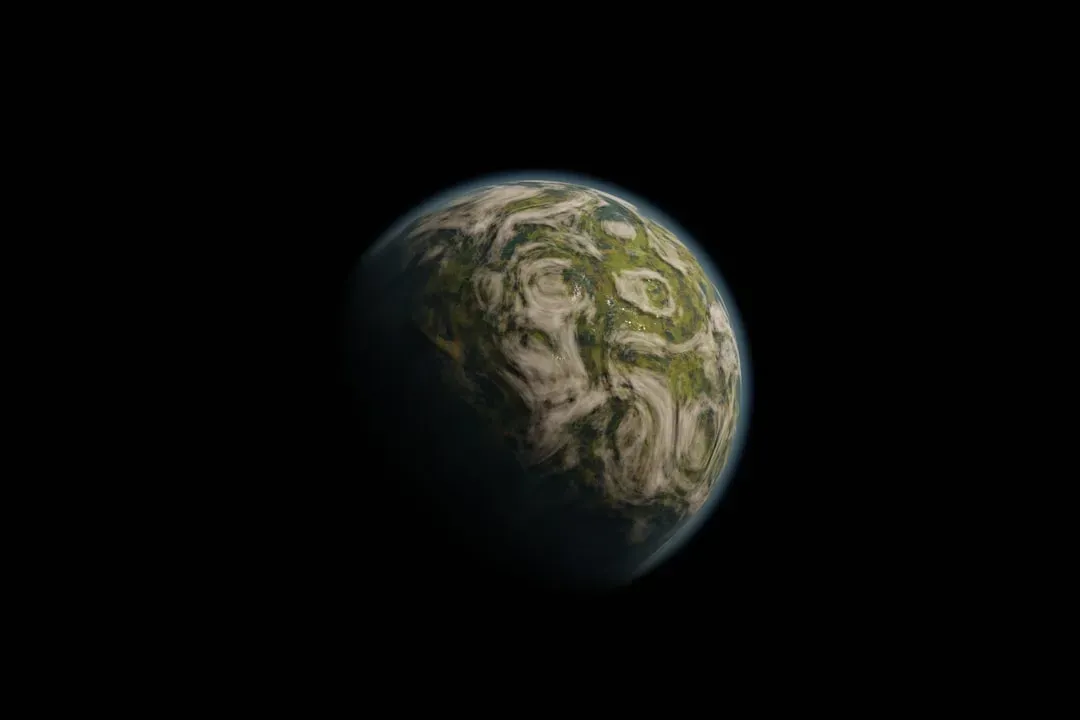
For most of this calendar year, Earth existed without anything even close to us. In January, after the planet forms, it’s mostly a violent mess of rock, lava, and space debris, with the early atmosphere nothing like the air we breathe today. As the months roll on, oceans form, the crust stabilizes, and life eventually appears – but only as tiny, single-celled organisms. If you were to visit Earth during, say, March or April on this timeline, you wouldn’t see forests, animals, or even plants on land. You’d see a harsh alien world with microscopic life quietly figuring out chemistry.
Through the long slog of spring and most of summer on this calendar, life stays simple. Over hundreds of millions of real years – which translate into weeks on our imaginary Earth year – bacteria and other basic organisms transform the planet, building up oxygen in the atmosphere and laying the groundwork for everything that will come later. But still, no animals, no trees, no eyes to see any of this happening. It’s like a rehearsal phase that drags on and on, with evolution slowly writing the rules before it dares to put on a show.
December: Dinosaurs, Forests, and Still No Us
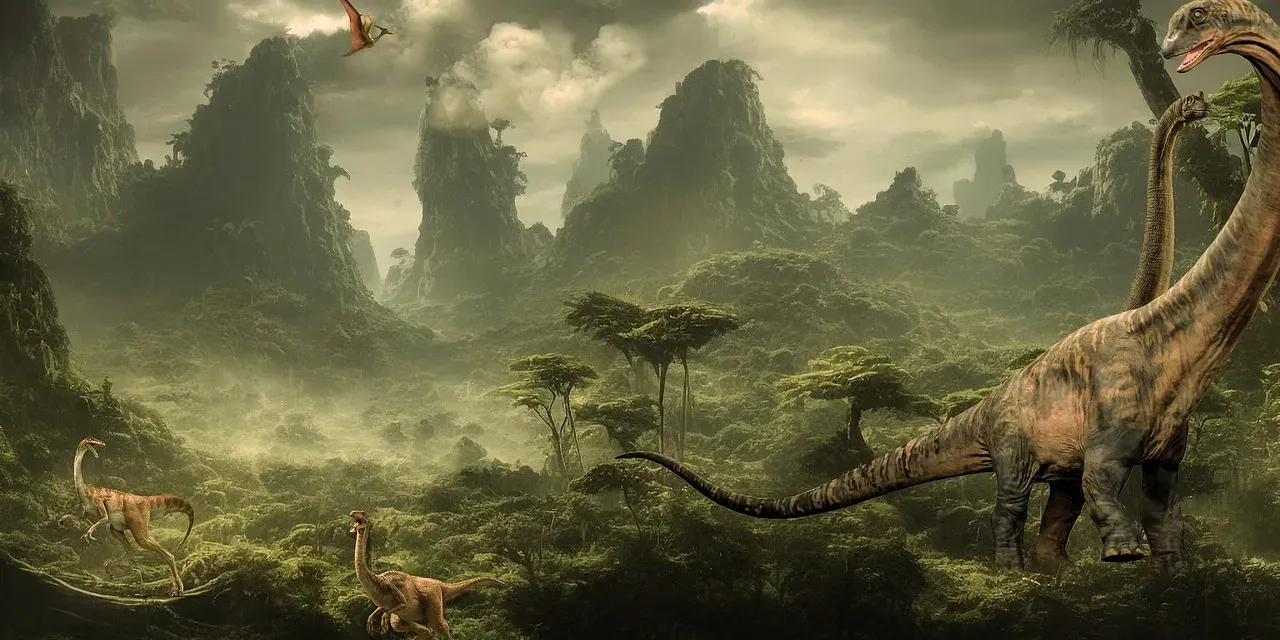
Complex life, the kind we recognize from documentaries and kids’ books, does not appear until very late in the game. On this calendar, animals with real bodies and nervous systems show up roughly in early December. Suddenly the oceans are full of strange creatures, shells, teeth, and bones appear in the geological record, and ecosystems become dramatically more diverse and interconnected. Forests spread across continents. Insects, fish, amphibians, reptiles, and eventually dinosaurs emerge, thrive, and dominate the planet for what feels like forever – but even their entire saga is squeezed into a few late days in December.
By mid to late December, dinosaurs rule the land, giant reptiles glide through the air, and massive predators stomp along swampy plains. Mammals are there too, but they’re mostly small, night-dwelling, and not in charge of anything. Then, late on December 30 or so, an asteroid impact slams into the planet, shaping the final day and a bit of this calendar. The dinosaurs are wiped out, most large species vanish, and only then do mammals get their real chance. Even here, humanity is still nowhere to be found. For nearly the entire last month of the Earth year, the world is wildly alive, but definitively non-human.
Even Our Species Is a Late-Night Arrival
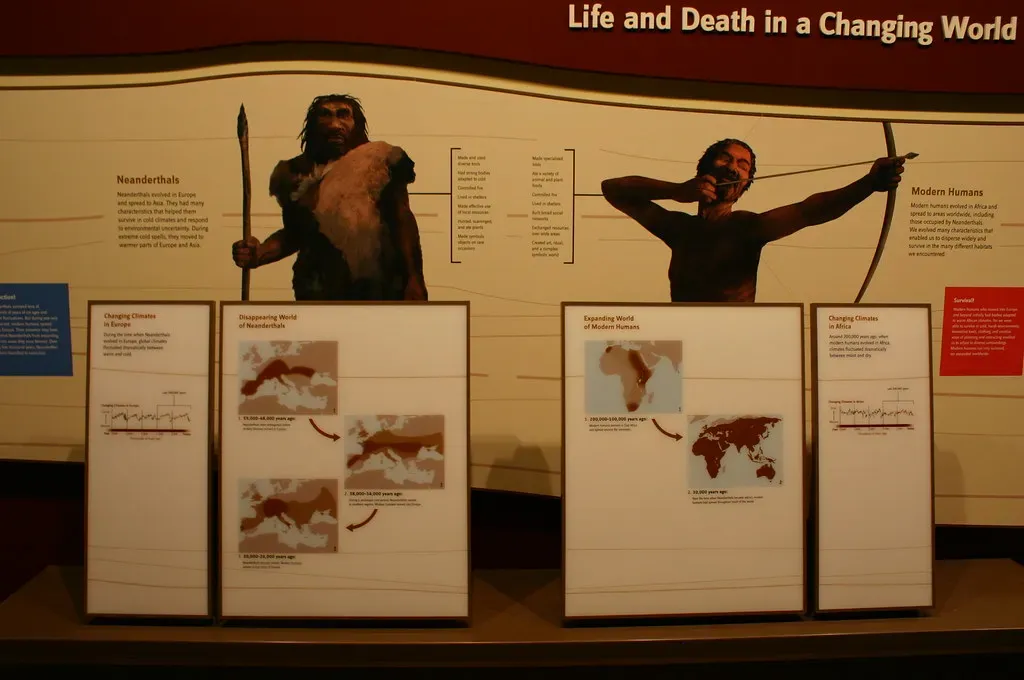
Now we zoom in on December 31, the very last day of the year. This single day has to contain the rise of mammals, the evolution of primates, and the appearance of our own species, Homo sapiens. On this scale, early human ancestors – upright walkers with small brains – appear sometime in the evening. Anatomically modern humans like us show up only in the last couple of minutes before midnight. Almost all of the art, language, and culture we care about is crammed into a microscopic slice of that already tiny timeframe.
Think about it this way: if midnight is “right now,” people who look like you and me start walking around perhaps at 23:58 or later. That means all of our fears, hopes, myths, and arguments about politics, religion, and identity are bunched into a closing scene tacked onto a movie that has already been playing all day. We are not just late; we’re basically post-credits content. If the Earth could tell its own story, humans would be a shocking twist tossed in just as the lights were about to come up in the theater.
Human Civilization: The Last Few Seconds Before Midnight
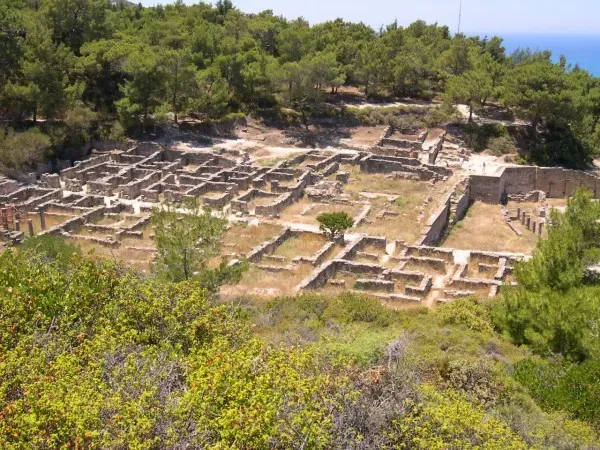
Here’s where it gets really humbling: human civilization – not just humans, but farming, cities, writing, and technology – fits into only the tiniest sliver of time. Agriculture begins maybe ten or so thousand years ago, which on this calendar is just the last few seconds before midnight on December 31. That’s when we stop mostly wandering and start settling into villages, planting crops, domesticating animals, and slowly building permanent communities. Every city you have ever heard of, from ancient Mesopotamia to modern New York, exists within those final flickering instants of the year.
All written history is even more compressed, basically the last second or so before the new year. The rise and fall of empires, the birth of major religions, the invention of democracy, printing presses, steam engines, electricity, nuclear power, and smartphones all unfold in a time window so narrow it barely registers on this planetary clock. The industrial revolution, which completely transformed the atmosphere and the way we live, would fit into a literal fraction of a second. When people say we’re living in “unprecedented times,” they’re accidentally right on a cosmic level: this fast, intense burst of human activity is something brand-new in Earth’s story.
What Our Final-Seconds Status Really Means
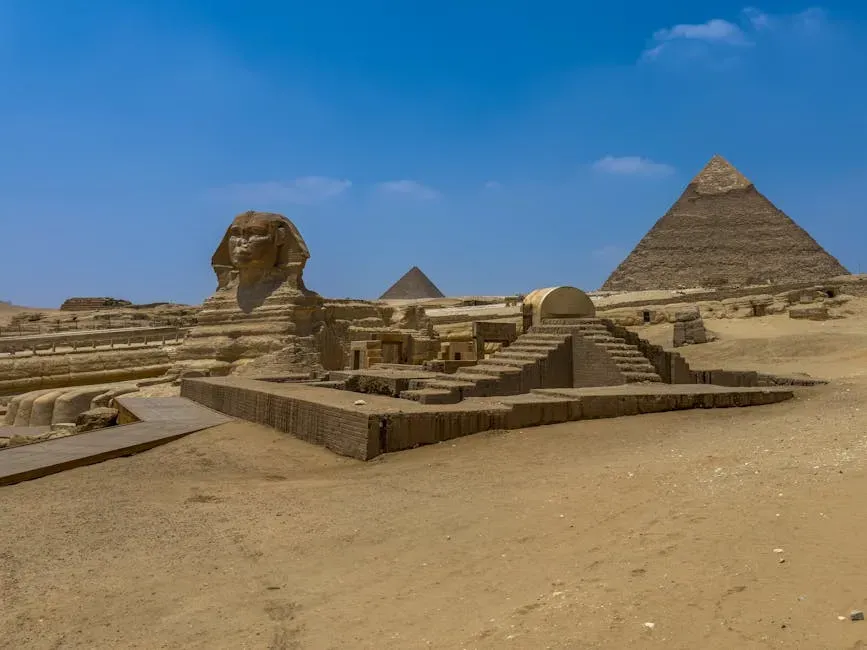
Seeing civilization as the last few seconds of the year can feel depressing at first, like we barely matter in the grand scheme of things. But there’s another way to look at it. Being this recent means we are experimenting in real time with tools and powers that no life form before us has wielded. In the blink of an eye, we’ve moved from basic stone tools to machines that can edit genes and probes that leave the solar system. Earth spent billions of years setting the stage, and we showed up right at the end with fireworks, drama, and way too much noise.
It also highlights just how precarious all this is. Civilizations have risen and collapsed within mere fractions of that final second. Environmental damage, nuclear weapons, engineered pandemics, and now artificial intelligence are all part of a story that’s still unfolding in those last heartbeats of the year. From the planet’s perspective, if we self-destruct, the Earth will keep spinning into a new year without us. This is not our planet in any permanent sense; we are guests crashing at the very end of a very long party. Whether we leave the place trashed or slightly better than we found it is still an open question.
The Future: Extinction, Transformation, or a New Year?
Here’s the uncomfortable truth: there is no guarantee that our civilization will last anywhere close to another “year” on this scale, or even another second. In geological terms, species come and go, climates shift, continents move, and nothing stays stable for long. We might be a short, bright flash that burns out quickly. At the same time, this final-seconds status doesn’t automatically doom us. It simply means we are at the beginning of our story, not the end. If we manage our technologies and our planet wisely, there is room for many more chapters – or calendar years – to come.
Maybe this wild, compressed moment is what the start of an entirely new era looks like: one where intelligent life learns to consciously shape its own destiny instead of just adapting to whatever nature throws at it. If we avoid wiping ourselves out, future humans – or whatever we evolve into – might look back on this era the way we look at the Cambrian explosion: a chaotic burst of experimentation that set the tone for everything that followed. In that sense, the clock hitting midnight does not have to mean “the end.” It can be a reset, a continuation, or even the first true beginning of a long, strange story that finally knows it is being written.
Conclusion: A Final Opinion From the Last Seconds
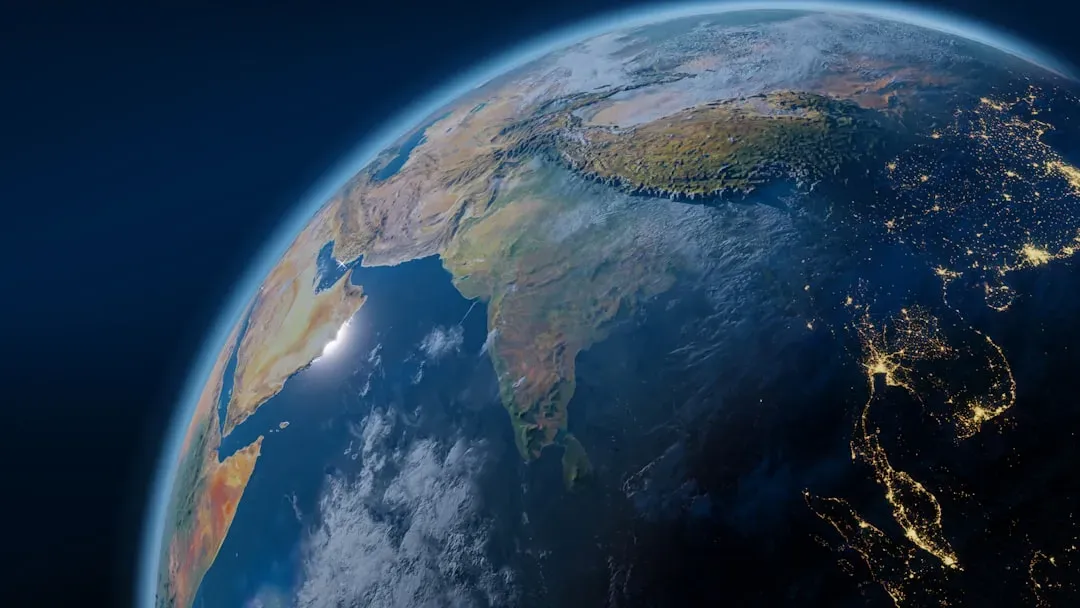
Seeing human civilization as the final few seconds of Earth’s calendar year is not just a fun thought experiment; it is a blunt reality check. My own view is that we have taken this tiny, fragile sliver of time and filled it with both breathtaking brilliance and reckless carelessness. We have built art, science, and meaning at a speed no previous life form could match, while also gambling with climate systems and technologies we barely understand. The contrast is almost absurd: we are capable of landing robots on distant planets and yet still argue about whether we should protect the only world we can breathe on.
To me, this perspective is not an invitation to despair but a demand to grow up fast. If we are truly living in the last seconds before midnight, then everything we do now carries an outsized weight in the grand story of the planet. We can choose to be a brief, tragic footnote or the scrappy, chaotic start of something wiser and more enduring. Earth has already survived fire, ice, and asteroid impacts; it does not particularly need us. The real question is whether we decide to be worthy of our place in those last few seconds – or leave the planet relieved to see us go. Which side of that line do you think we’re on right now?