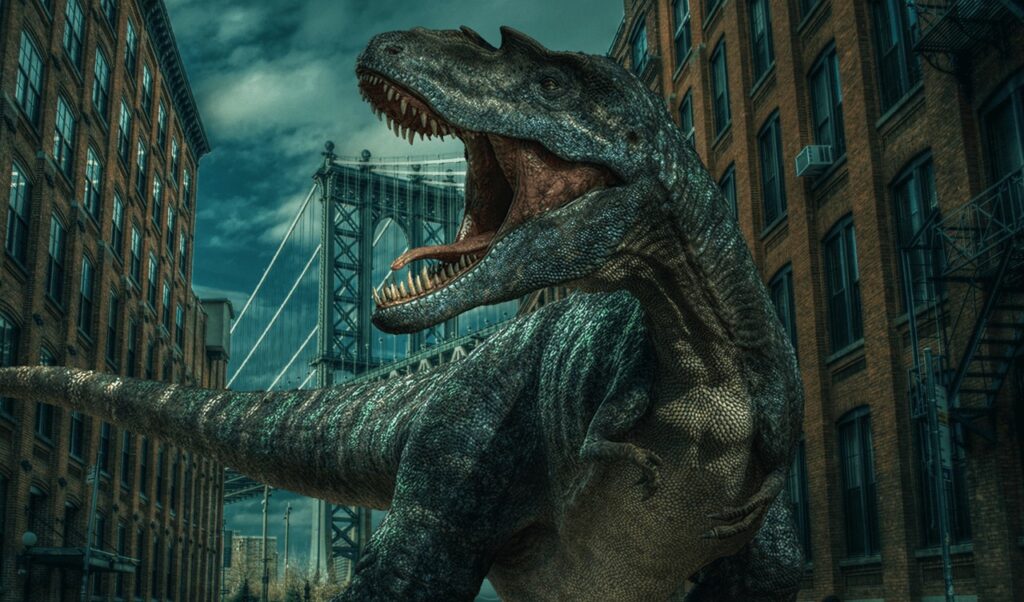
Think about the very first dinosaur that ever scared you. Maybe it was a roaring Tyrannosaurus on a movie screen, teeth bigger than your hand, or some clawed creature bursting through a jungle in a video game. For most of us, dinosaurs first arrive in our lives not as real animals, but as nightmares in HD. Yet when you look at what paleontologists actually know, a strange contrast appears: the science paints dinosaurs as complex, often bird‑like, sometimes social animals, while our culture keeps dragging them back into the role of unstoppable monsters.
This tension is more than a nerdy detail about accuracy. It reveals something uncomfortable about us. We seem to need dinosaurs to be terrifying, uncontrollable forces of nature, even when the fossils are quietly telling a different story. The real question is not what dinosaurs were, but why we keep insisting they be something else. That gap between bones and imagination is where things get really interesting.
The Monster Myth: How Pop Culture Hijacked the Dinosaurs
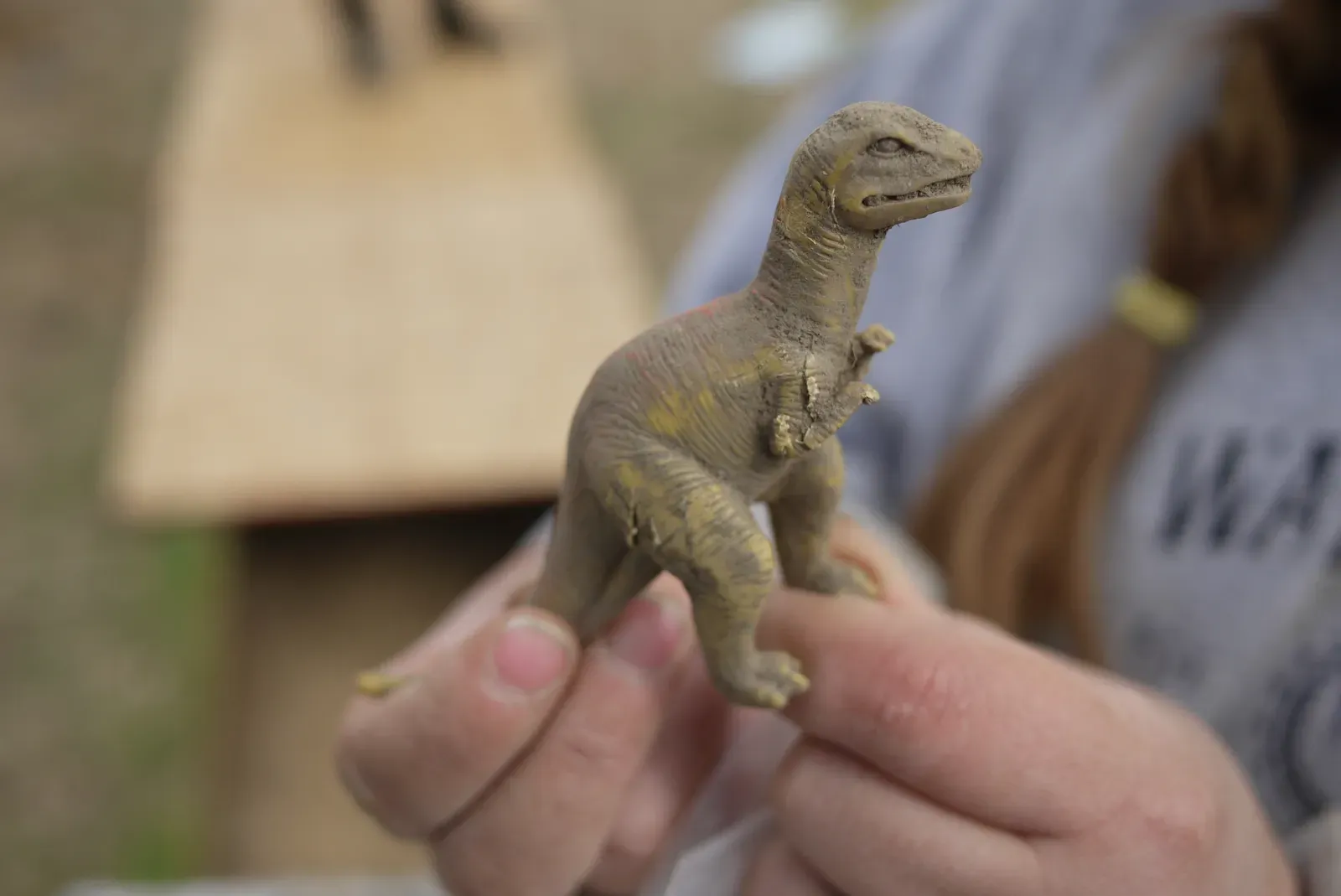
Walk through almost any toy aisle or scroll through movie trailers, and dinosaurs are nearly always framed the same way: jaws wide, claws out, eyes blazing with some human-like fury. They are almost never resting, nesting, or doing anything remotely ordinary, even though in real life most of their day was probably as boring as that of modern animals: eating, looking for mates, avoiding danger, digesting food. Just like we do with sharks and wolves, we exaggerate the scary parts and delete the downtime.
This monster framing did not happen by accident. Early dinosaur discoveries exploded into public awareness at the same time as gothic horror stories and industrial-age anxieties, and storytellers quickly realized that giant extinct reptiles made perfect symbols for chaos, fear, and the unknown. Over time, this version of dinosaurs hardened into a formula: bigger, louder, more violent. Once that template took hold, it became very hard for more grounded, animal-like portrayals to compete for attention.
Real Dinosaurs: Animals With Feathers, Nests, and Everyday Problems
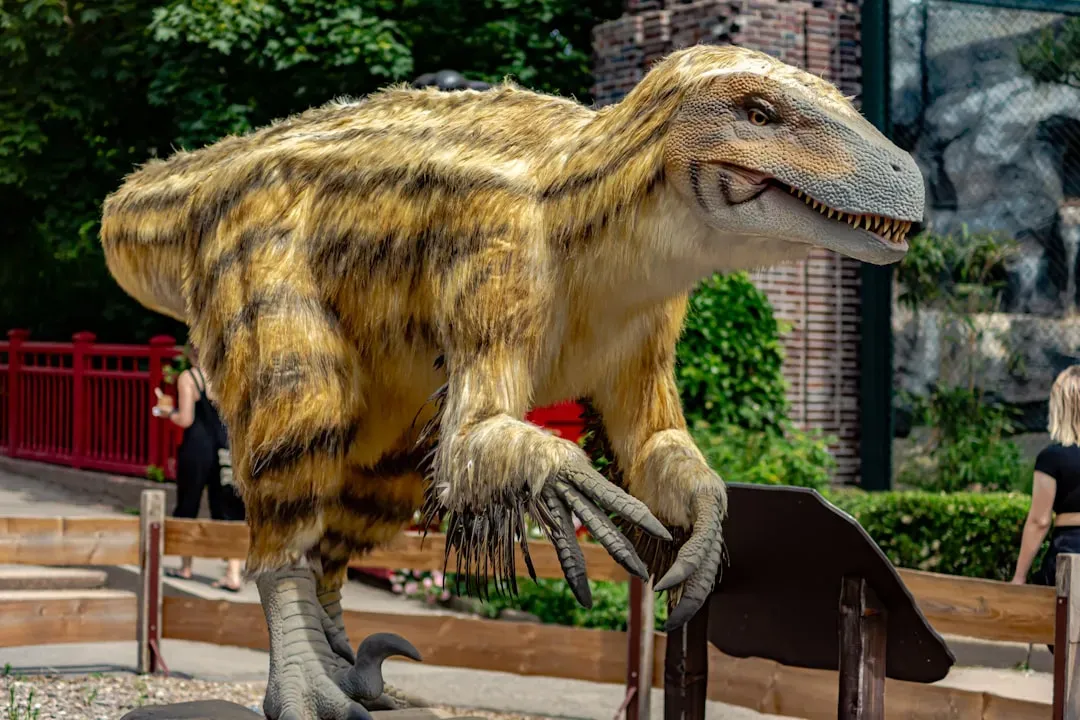
Strip away the roaring soundtracks and dramatic lighting, and the fossil record suggests something surprisingly down-to-earth: dinosaurs were animals dealing with the same basic pressures you see in nature today. We have fossilized nests and eggs that show some species returned to the same breeding grounds year after year, just like many birds. There are skeletons preserved in death poses that suggest pack behavior, parental care, or at least repeated social contact instead of lonely, roaming monsters.
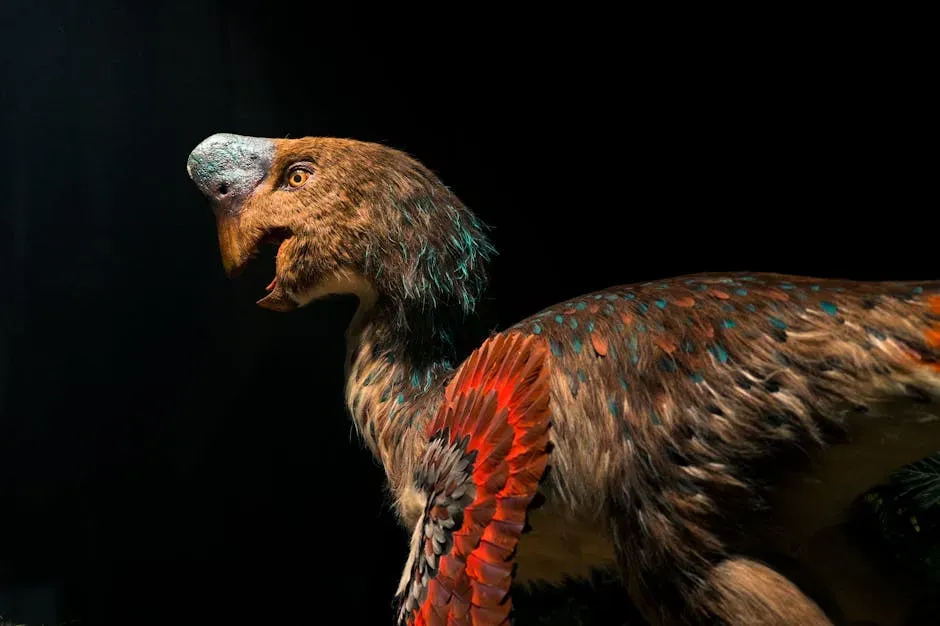
Even their bodies tell a more nuanced story. Evidence of feathers or feather-like coverings is now solid for a range of species, especially among theropods, which completely shifts how we imagine them. Instead of scaly movie dragons, many would have looked more like giant, lethal birds. That doesn’t make them harmless, any more than a tiger or eagle is harmless, but it anchors them in the real world of ecosystems, evolution, and survival, not in the fantasy realm of demons and beasts.
Fear Sells: Why We Prefer Dinosaurs That Can Eat Us
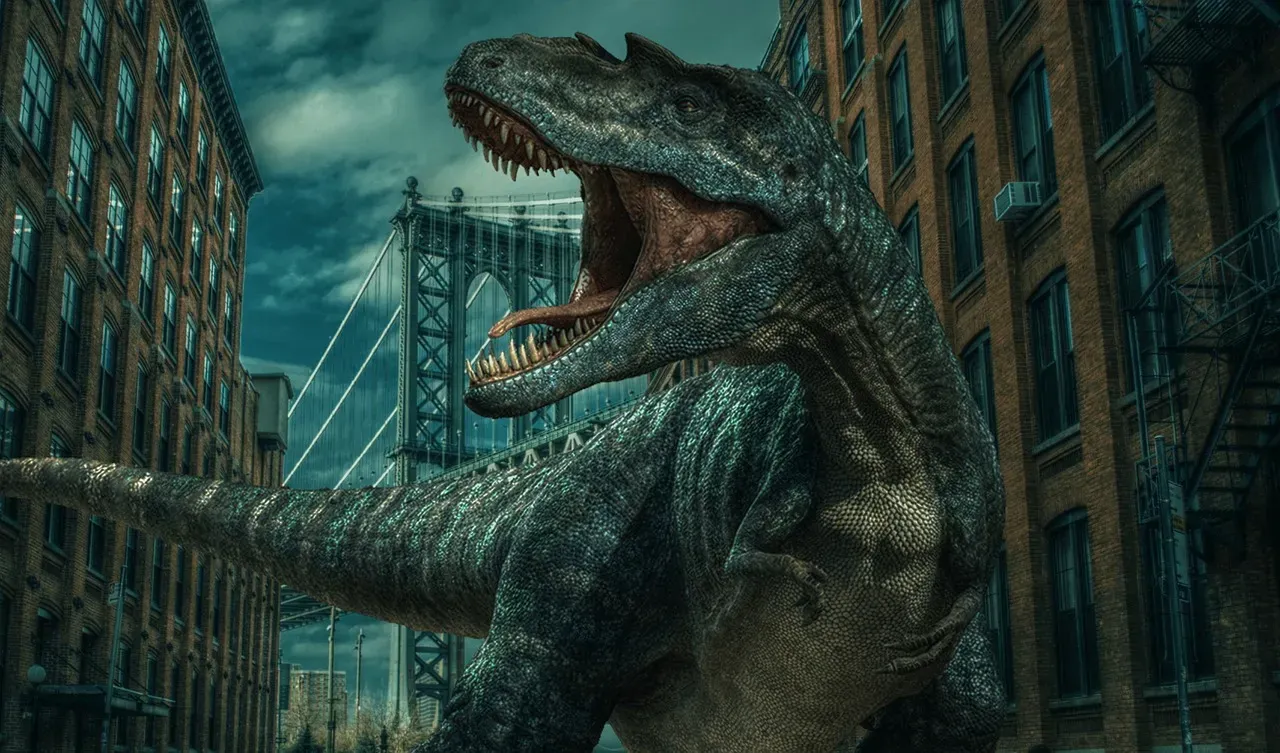
As much as we like to blame Hollywood, we also reward it. A peaceful, plant‑eating hadrosaur quietly grinding ferns probably won’t break box office records, but a predator crashing through glass definitely might. Humans are wired to pay attention to threats; a rustle in the grass that might be danger has always mattered more to our brains than a calm sunset. So when studios and game designers crank up the terror, they are tapping directly into those ancient survival circuits.
There is also a kind of guilty pleasure in imagining something powerful enough to ignore all the rules of our modern lives. In a world of traffic lights, passwords, and endless forms to fill out, a ten‑ton predator that answers to nothing feels weirdly liberating, even if it is fictional. We may not consciously think of it this way, but the monstrous dinosaur is a fantasy about pure, unfiltered power, and we keep buying tickets to watch it run wild.
The Science Marches On, But Our Imagination Lags Behind
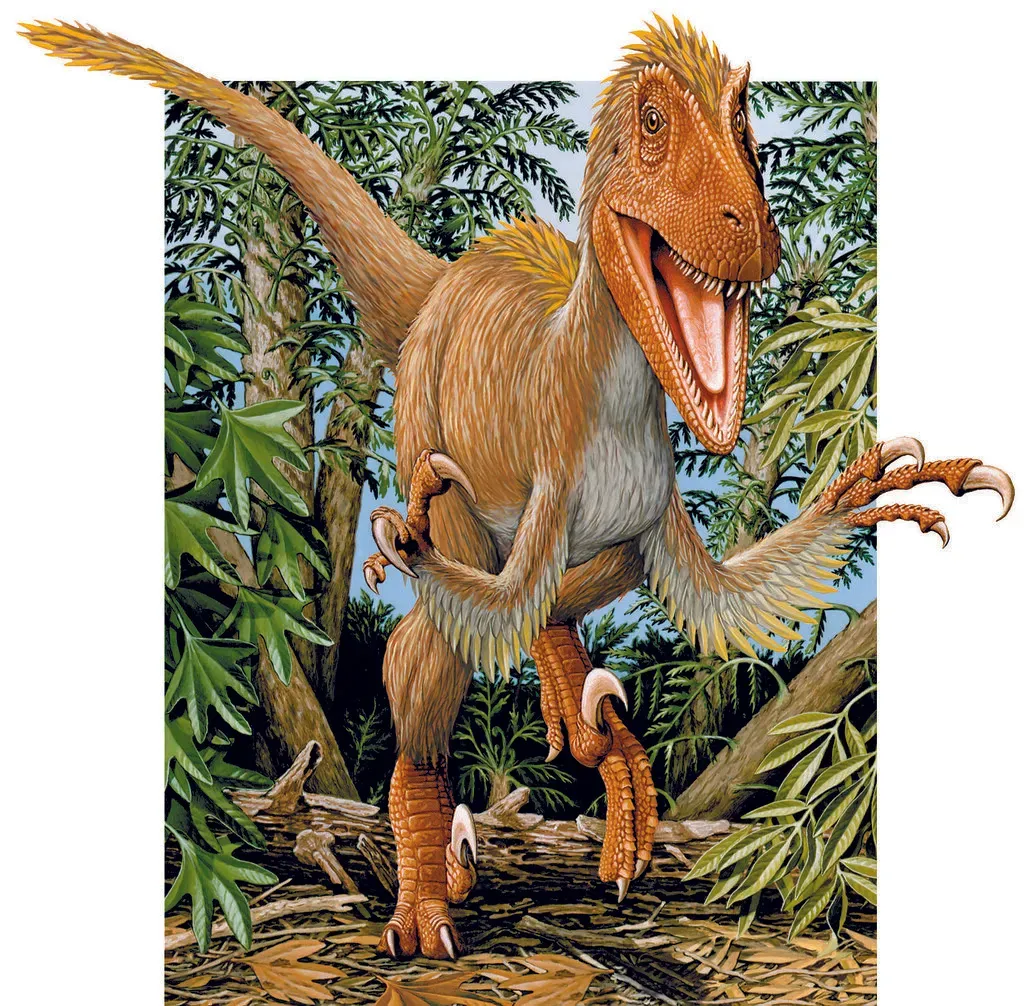
In paleontology, the dinosaurs of the twenty‑first century look very different from the ones drawn in old textbooks. Scientists constantly re‑evaluate their posture, metabolism, and appearance based on new fossil finds, better imaging, and comparisons with living animals. The shift from sluggish, tail‑dragging reptiles to active, agile, often warm‑blooded creatures was already huge. The move toward feathered, bird‑like dinosaurs was another dramatic leap, and it is still unfolding as new evidence emerges.
But while the science updates, public imagery moves much more slowly. By the time a new dinosaur design reaches a blockbuster film or popular game, the research behind it may already be several years old, and some choices get quietly dialed back because they are considered too “weird” for audiences. Brightly colored feathers, subtler facial expressions, or complex social behaviors often get trimmed away in favor of a familiar silhouette: the same towering, scaly killer we have seen for decades. So we end up stuck with a mash‑up of half‑updated science and long‑lived monster tropes.
Projection and Power: What Our Dinosaurs Reveal About Us
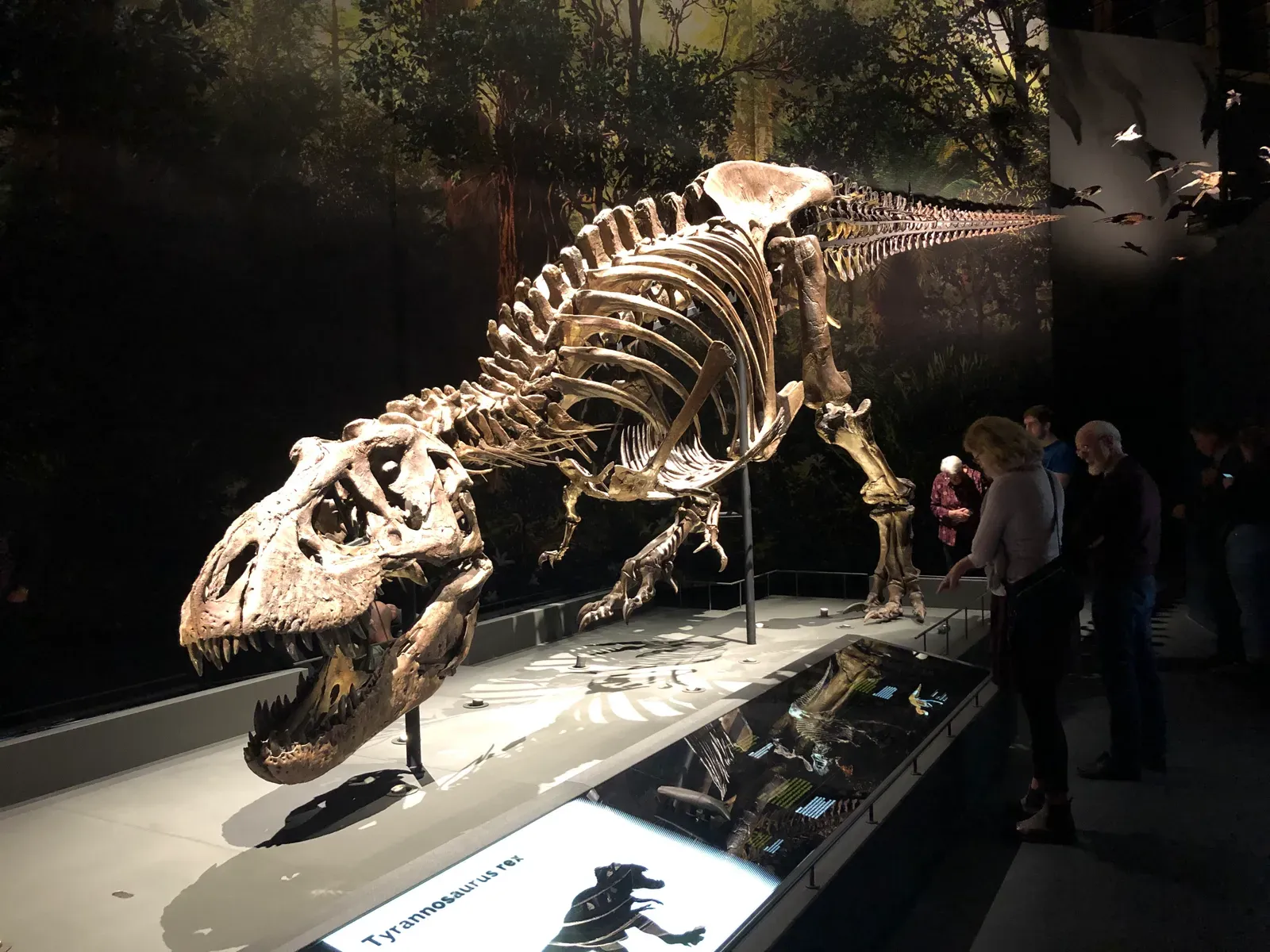
Whenever we keep reshaping an animal into something it was not, there is usually a psychological story underneath. Dinosaurs are the perfect projection screen for human fears and fantasies because no one has ever seen a living one. That blank space invites us to pour in whatever we are worried about: unstoppable technology, climate disaster, loss of control, or just the chaos of nature itself. The dinosaur becomes a stand‑in for everything that might suddenly break out of our cages – literal or metaphorical.
There is also a darker side. When we imagine nature as a monstrous enemy, it becomes easier to see ourselves as separate from it, even superior to it. Turning dinosaurs into pure killing machines reinforces a comforting narrative where we are the only creatures that are truly rational or moral. The reality – that dinosaurs were navigating their world with their own forms of intelligence, senses, and strategies – forces us to admit we are just one branch on a very old tree, not the inevitable rulers at the top.
The Quiet Moments: Dinosaurs as Parents, Prey, and Social Creatures
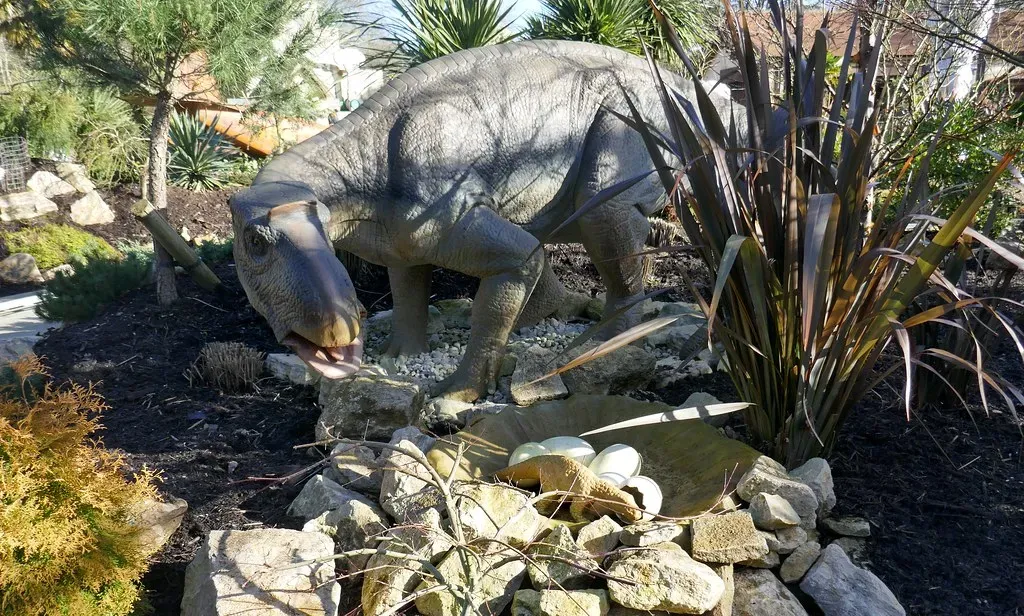
One of the most quietly radical ideas in modern dinosaur science is simple: they had ordinary lives. Fossilized trackways show multiple individuals moving together, suggesting herds or family groups instead of lone monsters patrolling a territory. Bonebeds with many individuals from the same species hint at complex social behavior, or at least repeated gatherings around food, water, or breeding grounds. It is not hard to imagine vocalizations, displays, and interactions that would feel strangely familiar if we could record them.
There is also evidence of nesting sites and possible parental care in some species, with adults associated with eggs and juveniles. That image alone cuts straight through the monster myth. A dinosaur guarding its nest from predators is not a villain; it is a parent doing exactly what countless animals do today. When we picture those quieter moments – resting in the shade, grooming feathers, watching for danger – the line between “prehistoric terror” and “just another animal doing its best” starts to blur very fast.
Updating the Story: How Media, Museums, and Fans Can Do Better
None of this means we need to ban scary dinosaur scenes or turn every movie into a slow documentary about nesting habits. But we can push for stories that treat dinosaurs as animals first and monsters second. Films and shows can still have tension and danger while also showing behaviors like flocking, caring for young, or complex communication. Imagine a thriller where the most haunting scene is not an attack, but a herd’s coordinated migration through a dying landscape – still dramatic, but deeply grounded in biology.
Museums, books, and even fan art are already nudging things in that direction. Updated exhibits use feathers, vivid colors, and more natural poses, not just open‑mouthed lunges. Young fans sketch dinosaurs with patterned plumage and bird‑like movements because that is what they are starting to be shown. The more we normalize this scientifically informed version, the harder it becomes for the old rubber‑monster stereotype to feel satisfying. It starts to look shallow compared with the far more interesting reality.
Why It Matters: Respecting the Past Instead of Haunting It
On the surface, arguing about how we depict dinosaurs can sound like a trivial fight over movie designs or toy aesthetics. But underneath, it is really a debate about whether we are willing to let evidence change our stories. If we cling to the monster version even when the fossils tell a different tale, we are basically admitting that we prefer our fears to the truth. That habit does not stop with dinosaurs; it spills over into how we think about living animals, ecosystems, and even other human cultures.
Personally, I think we owe dinosaurs better than that. They dominated the planet for an almost unimaginable stretch of time, evolving into a staggering range of shapes and lifestyles, and they did it without ever needing to become the villains in our scripts. Seeing them as animals rather than monsters does not make them less awe‑inspiring; it makes them more so, because it roots their power and beauty in real biology instead of cheap jump scares. Maybe the bravest thing we can do is let them step down from the horror‑movie pedestal and take their place where they belong: as some of evolution’s most fascinating, ordinary, extraordinary creatures. If the fossils could talk back, do you think they would even recognize the monsters we turned them into?