
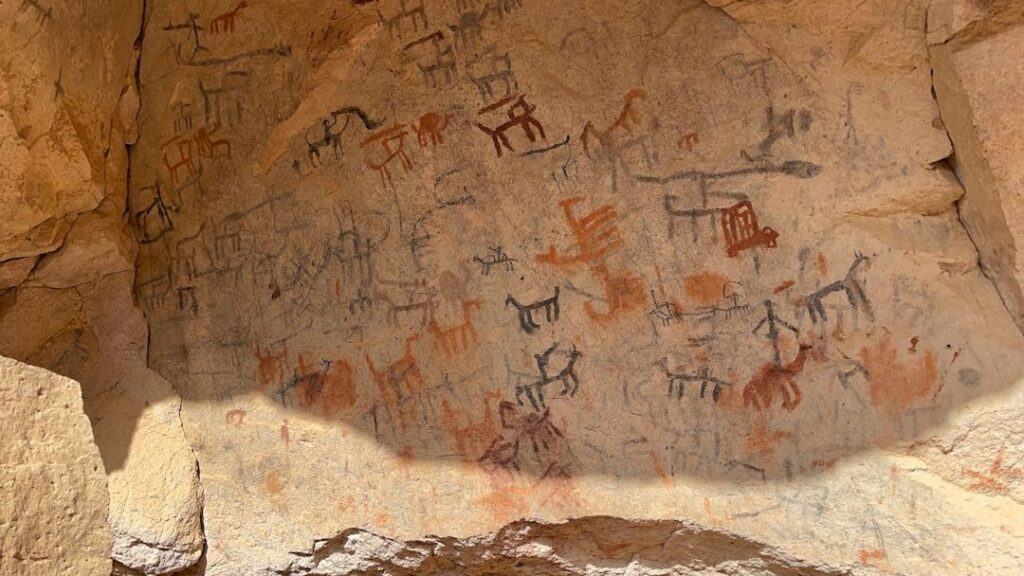
If you imagine the first artists in history, you might picture a bored cave-dweller doodling on a wall to pass the time. That mental image is catchy, but it almost certainly misses the point. The deeper archaeologists go into prehistoric caves, the clearer it becomes that these places were not casual hangout spots or prehistoric living rooms waiting to be decorated. They were remote, dangerous, and difficult to reach – the last place you’d waste precious energy on meaningless wall art.
When I first saw photos of deep cave paintings, I expected something like an ancient gallery. Instead, what jumped out was how intentional everything looked: animals placed in specific spots, strange symbols repeated across regions, narrow passages covered in fingerprints and hand stencils. It feels less like home décor and more like walking into someone’s ritual, halfway through. So if it wasn’t decorative, what was all this art actually for? Let’s go point by point through what scientists increasingly suspect.
Caves Were Inconvenient, Dangerous, and Definitely Not “Living Rooms”
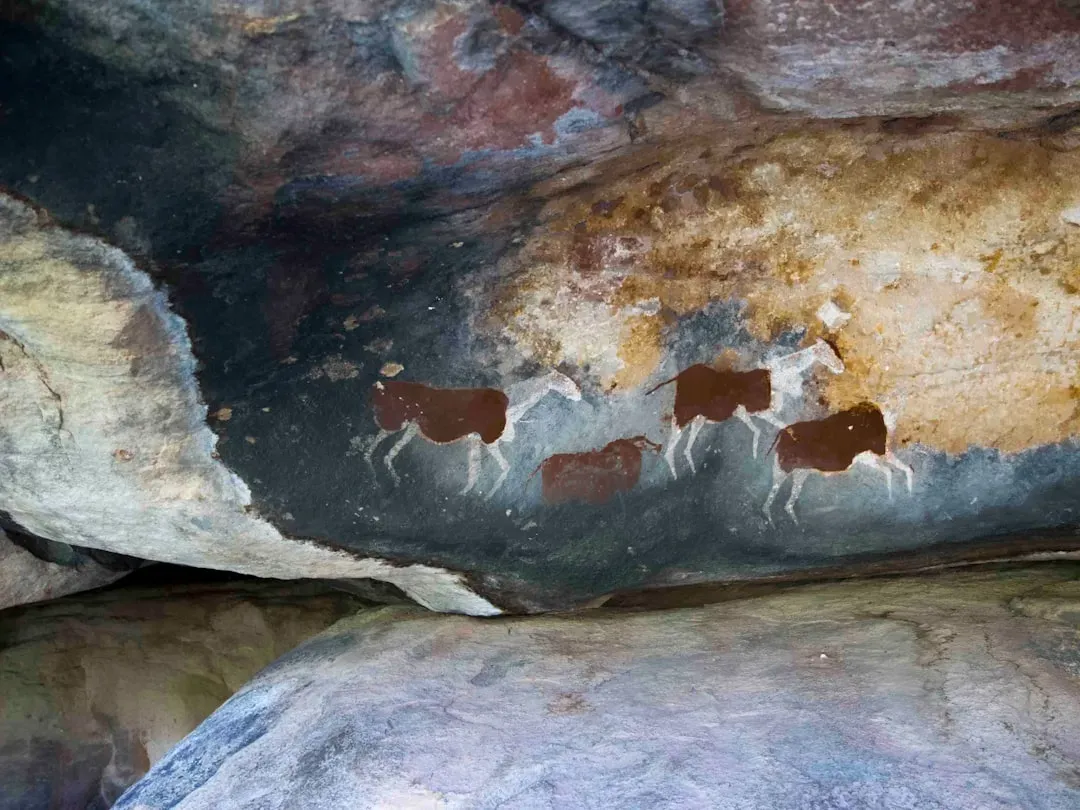
One of the simplest arguments against the “decoration” idea is brutally practical: these caves were hard to get into. Many famous painted caves, like the ones in France or Spain, are tucked far underground, through twists, squeezes, and tight, pitch-black corridors. People had to carry torches, navigate uneven floors, and risk getting lost or injured just to reach the walls they painted. That’s a lot of effort for something you would supposedly just glance at while eating dinner.
On top of that, most evidence suggests people did not routinely live deep inside these painted chambers. Their hearths, trash, sleeping areas, and everyday tools tend to show up near cave mouths or in open-air sites, not kilometers inside. It’s like the difference between the front porch and a locked basement you only visit for special reasons. If prehistoric people wanted decoration, they could have easily adorned the places where they actually spent most of their time. The fact that the most spectacular art is buried in the darkest, least practical corners screams purpose, not casual prettiness.
Ritual, Ceremony, and Trying to Influence the Animal World
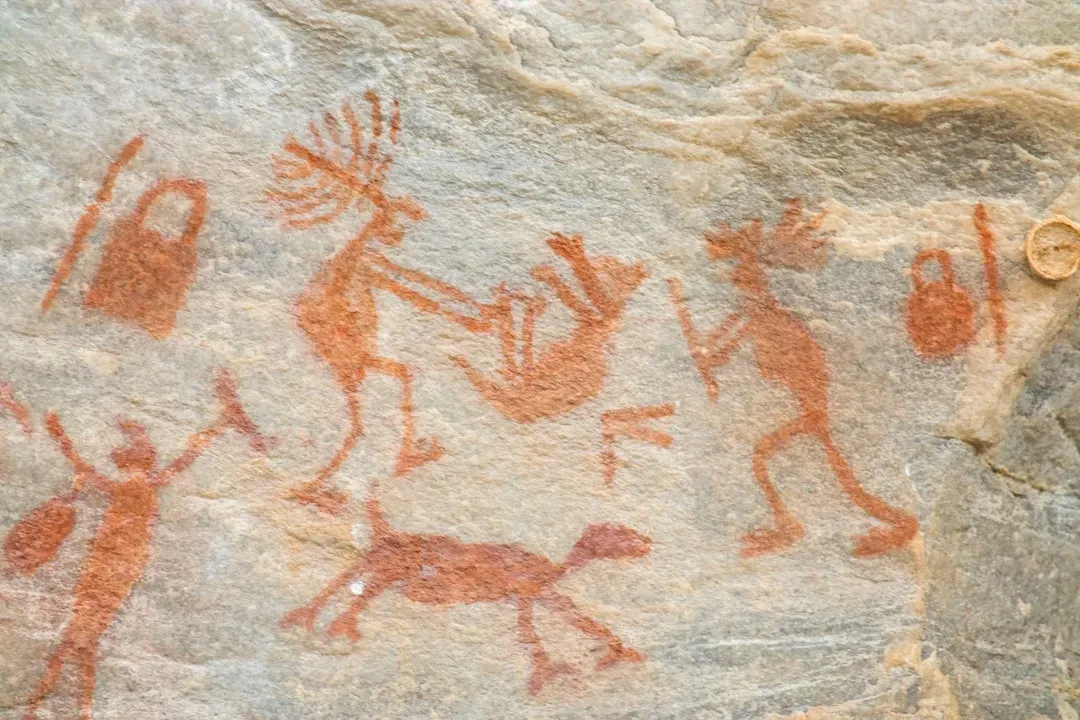
One of the strongest scientific hunches is that cave art was tied to ritual and attempts to influence the animals people depended on. Prehistoric hunters lived and died by the herds of bison, horses, deer, and other large mammals they painted. It’s not a wild stretch to imagine that painting these animals might have felt like a way to call them, control them, or show respect to the forces that governed their lives. Many scenes show animals in exaggerated numbers, dynamic poses, or unusual combinations that feel like symbolic actions, not quiet observation.
Some researchers think certain images may have been connected to hunting magic – the idea that representing an animal in a particular way could affect real hunts in the outside world. Others argue the paintings may have been part of initiation rites or seasonal ceremonies, with specific groups descending into the caves to perform structured rituals. Even if we never know the exact chants or stories, the sheer effort, repetition, and consistency across thousands of years point to activities that were sacred or socially crucial, not random self-expression.
Cave Walls as Prehistoric Storyboards and Shared Memory
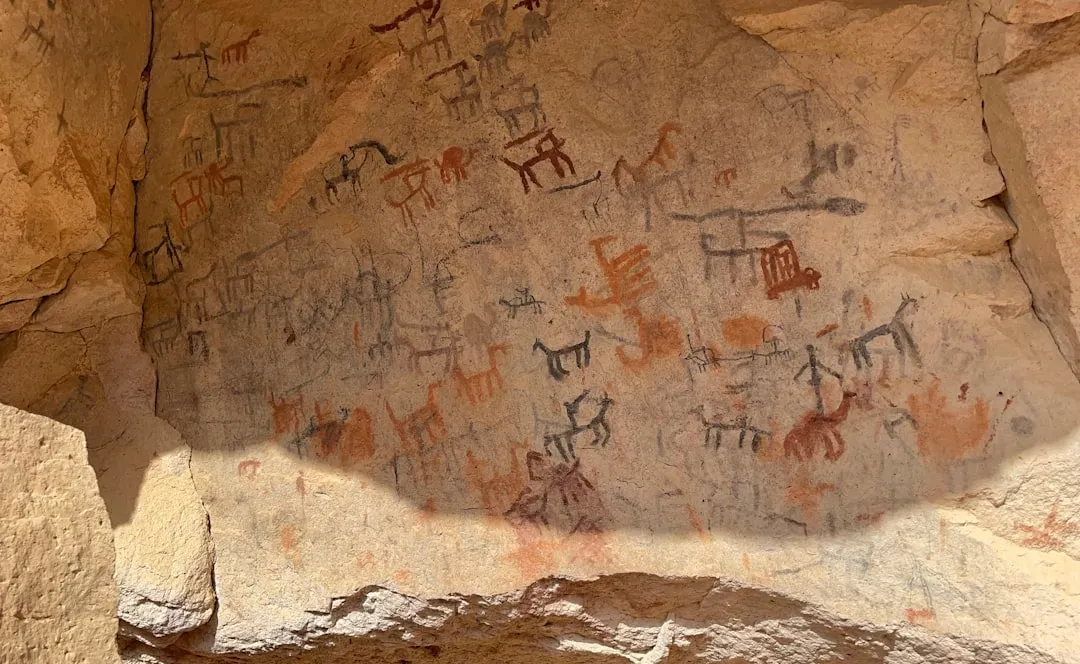
Another compelling theory sees cave art as a kind of shared memory system – a place to store, retell, and transmit stories. In small communities with no writing, remembering who you are and where you come from is a collective project. Powerful images of animals, hunting scenes, or mysterious signs could anchor myths, recount past events, or encode knowledge about landscapes, migrations, and dangers. The cave, in that sense, becomes a communal hard drive, not a private painting studio.
When you stand back and look at how scenes cluster and repeat, it’s easy to imagine people gathering in front of a wall as someone used the images as prompts: this herd, that dangerous winter, this legendary hunt. The art might not be a literal comic strip, but it could function in a similar way, giving structure to remembered narratives. In that view, the purpose is social and educational: strengthening group identity, teaching the young, and making sure crucial knowledge never dies with one storyteller.
Teaching, Training, and Practicing Vital Skills
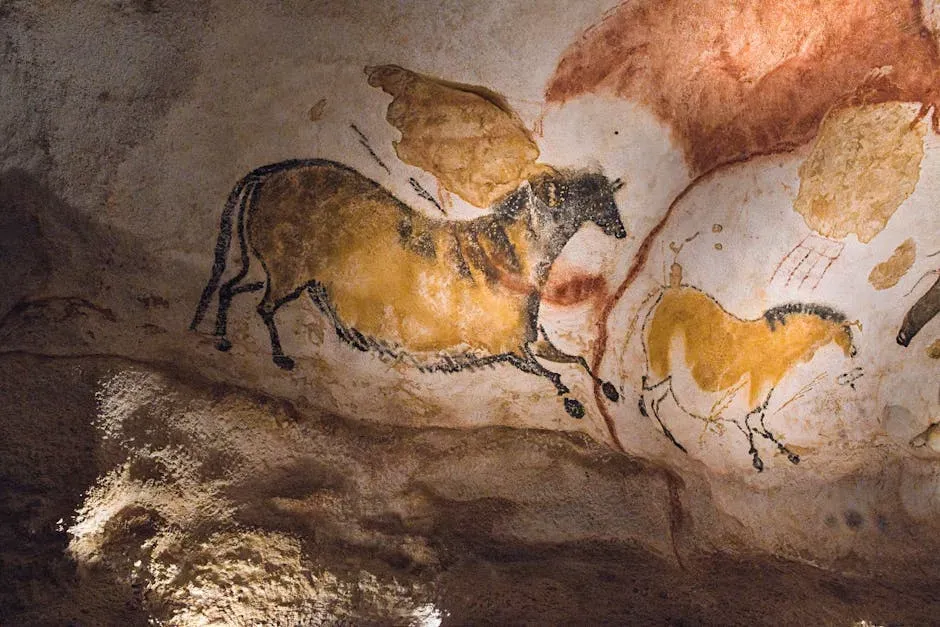
Cave art may also have been used as a teaching and training tool, especially for hunters and trackers. The animals are often painted in impressively accurate detail: the curve of a horn, the thickness of a neck, the way legs move mid-stride. That kind of attention to anatomy is not just aesthetic; it’s practical. Knowing where muscles, bones, and vital organs lie inside an animal matters if your survival depends on a well-placed spear or arrow.
It’s possible that elders or skilled hunters used the walls like a 3D classroom, explaining to younger members where to strike, how to read tracks, or how animals behave in different seasons. Even if some drawings were “practice pieces” by less experienced hands, the act of drawing itself could help internalize critical information, the way sketching a map helps you remember it. In that sense, cave art may sit right at the intersection of education and ritual – a place where learning and meaning blurred together.
Recording Patterns: Seasons, Stars, and Animal Movements
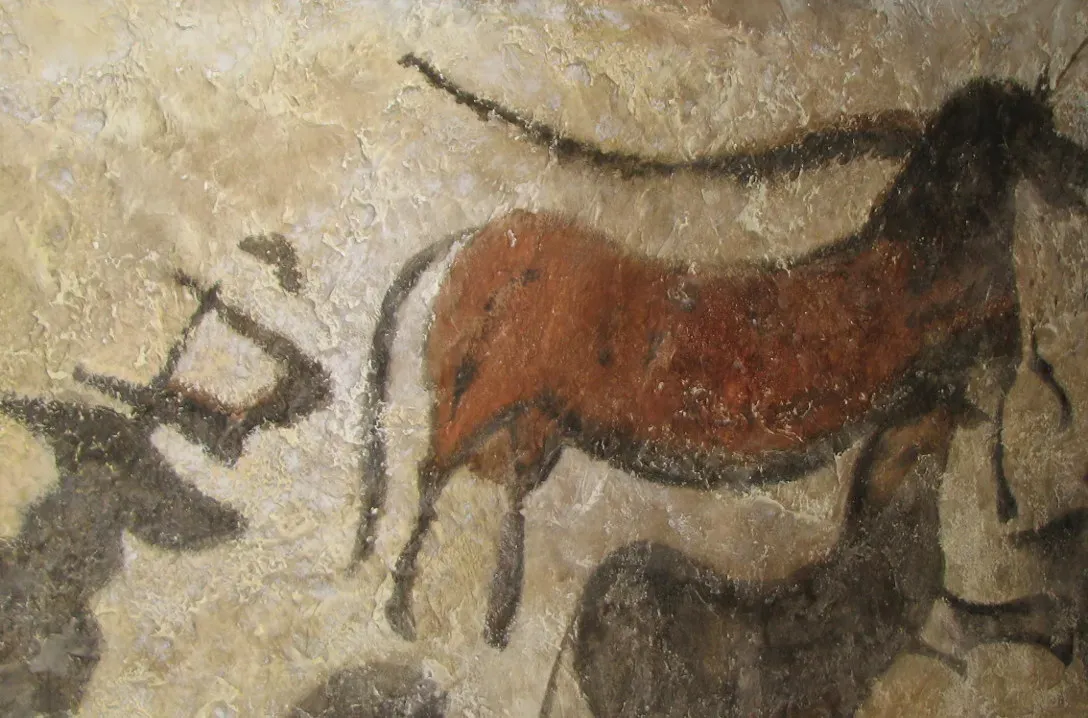
Some of the most intriguing recent work focuses on the idea that certain marks, dots, or patterns near animal figures could represent time – like a prehistoric calendar keyed to the behavior of animals. A number of caves show repeated use of symbols near particular species, which might correspond to mating seasons, migrations, or other recurring natural cycles. If you depend on knowing when herds move or when certain animals are easiest to find, encoding those patterns in stable images would be a powerful advantage.
There are also theories (still debated) that some cave art reflects an early interest in the night sky, with clusters of spots possibly echoing bright stars or constellations. Even if that’s only partly true, the broader idea is important: the art may not just show “this animal exists” but “this animal matters at this time, in this pattern, in this place.” That pushes cave paintings closer to a primitive scientific record – a blend of observation, symbolism, and memory – rather than a purely aesthetic impulse.
Altered States, Darkness, and the Inner Landscape of the Mind
Anyone who’s walked into a deep, silent cave with just a flickering light knows how quickly the setting messes with your senses. For prehistoric people, that combination of darkness, echoing sound, smoke, and small firelight might have encouraged altered states of consciousness, whether through breathing patterns, chanting, or substances we can only guess at. Some scientists suspect that certain abstract signs, tangled lines, or hybrid creatures in cave art reflect visions or internal experiences rather than simple “real world” scenes.
In this view, the cave becomes a literal underworld – a symbolic belly of the earth where the boundary between everyday life and the spirit world thins. Painting on the walls while in such a state could have felt like inscribing messages on the skin of a living being, communicating with forces beyond the visible world. Even if we never fully decode these images, the psychological intensity of the setting makes it hard to see them as casual décor. They feel more like the residue of deeply emotional, maybe even overwhelming, experiences.
Identity, Belonging, and the Power of Marking a Place
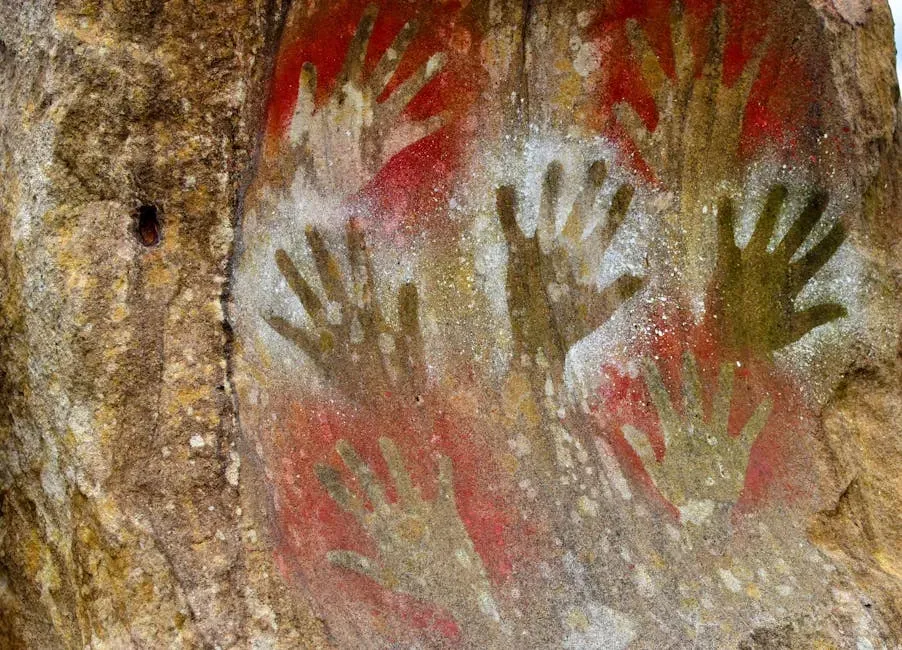
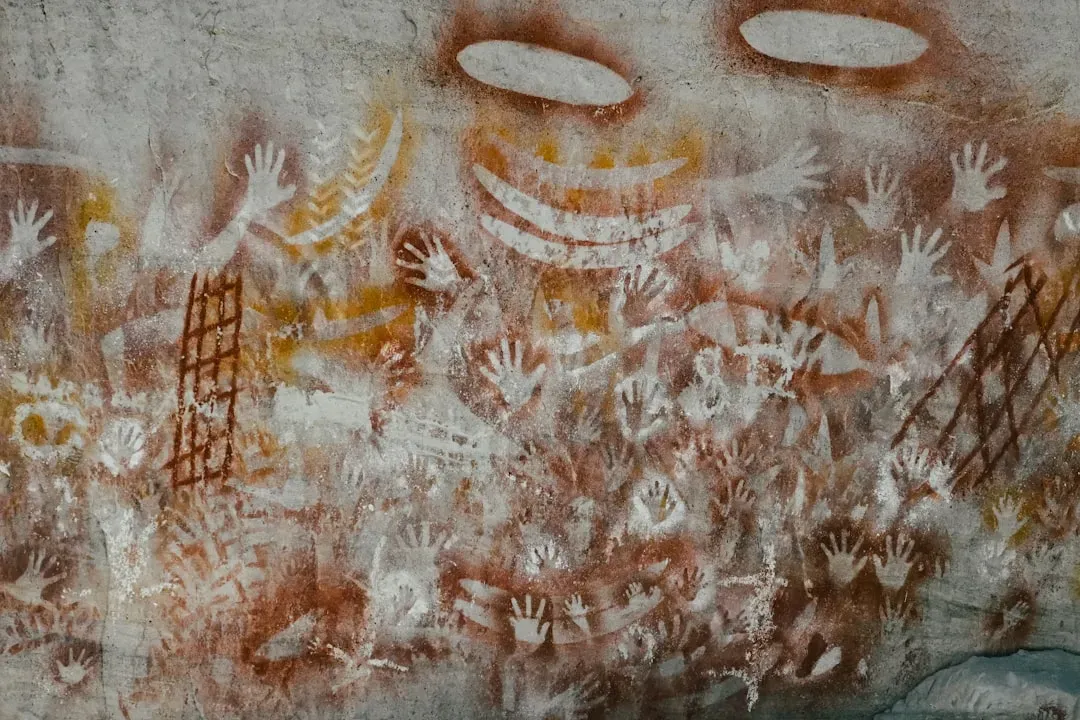
There’s also a quieter, but no less powerful, idea: cave art as a statement of “we were here, we are this people.” Handprints, stencils, repeated motifs, and stylistic quirks can act like signatures, linking groups across regions and generations. When different bands or families returned to the same caves over centuries, adding new layers without erasing old ones, they were participating in a long, slow conversation with their ancestors. The paintings tie bodies, memories, and landscapes together in a very physical way.
From that angle, decorating is almost the wrong word; it undersells the social weight of marking a place. Putting your hand on the wall and tracing it, or painting an animal in the same style as those before you, is a claim: this is part of our world, and we belong to it, and it belongs to us. To me, that sounds much closer to a spiritual or political act than to hanging a nice picture over the couch. The art helped create a sense of continuity over lifetimes in a world where everything else – weather, herds, survival – was frighteningly unstable.
So If It Wasn’t Decorative… What Should We Call It?
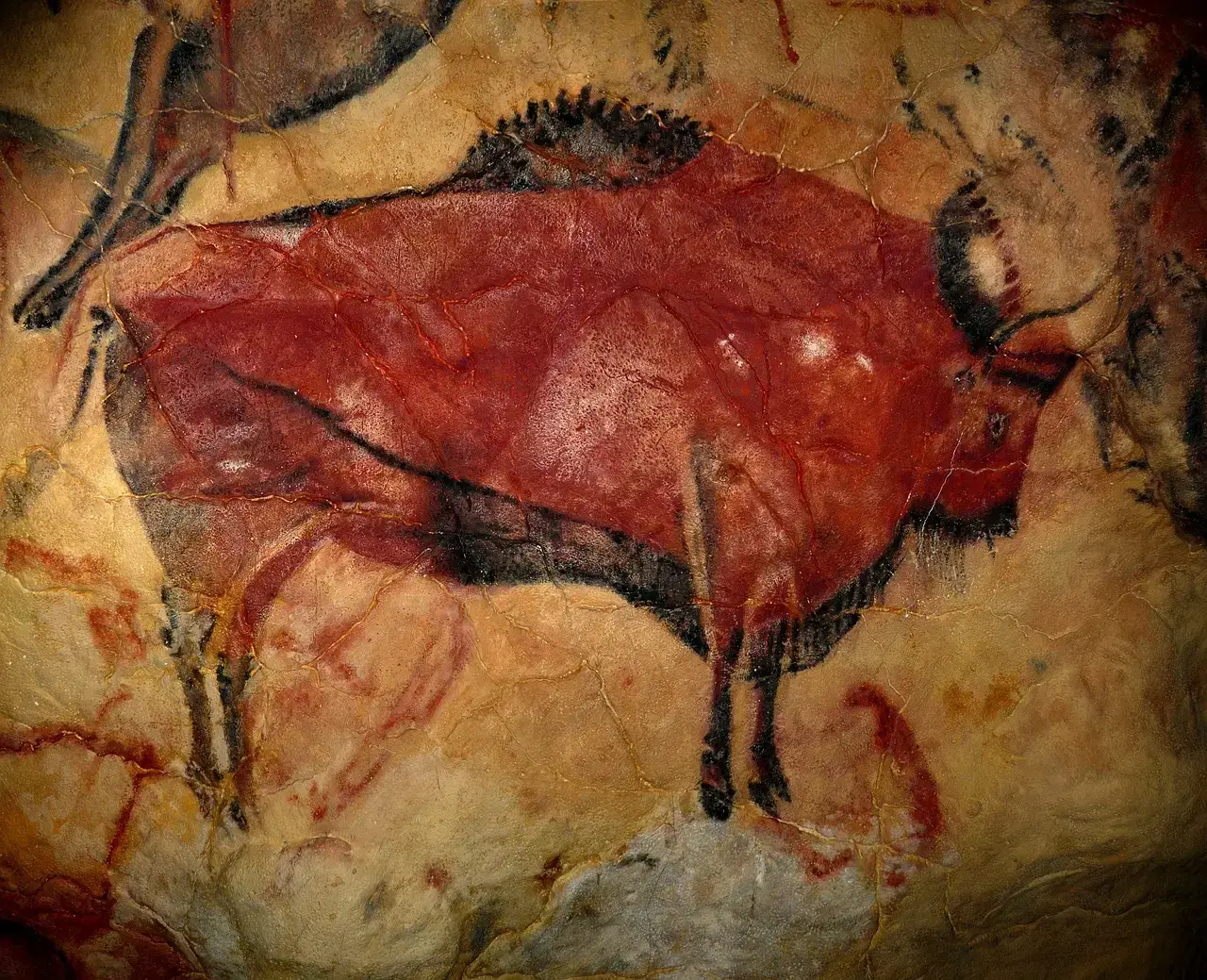
When you put all these strands together – dangerous locations, ritual hints, teaching potential, possible calendars, psychological intensity, and markers of identity – the old idea of cave art as primitive decoration starts to feel almost insulting. It was probably closer to a multi-purpose system that blended religion, science, politics, and education into one messy, powerful package. The same wall could have helped people track animals, rehearse myths, train hunters, and step into contact with whatever they believed lived beyond ordinary sight.
My own opinion, after following this research for years, is that we’re the ones obsessed with separating art from function, not them. For prehistoric people, painting animals three chambers deep into the earth might have felt as necessary as brewing medicine, planning a hunt, or telling a child who they are. If anything, the mistake is ours for assuming that beauty must be useless to be real art. Maybe the more honest question is this: in ten thousand years, if someone found the places where you leave your marks today – your playlists, your photos, your online posts – would they think it was just decoration, or would they guess how desperately you were trying to make sense of your world too?