
In the gleaming halls of modern paleontology labs, surrounded by 3D printers and digital reconstruction software, something remarkable happens. A paleontologist carefully rolls clay between their fingers, shapes it around ancient bones, and suddenly a 65-million-year-old creature begins to take form. While technology has revolutionized fossil study, clay remains an irreplaceable tool that connects scientists directly to the mysteries of prehistoric life.
The Tactile Connection That Digital Tools Can’t Replicate
There’s something profoundly different about working with clay that even the most sophisticated computer program can’t match. When paleontologists press clay around fossilized bones, they feel every ridge, every surface texture, every subtle curve that tells a story about how muscles once attached to bone. This physical connection creates an understanding that goes beyond visual observation.
Dr. Sarah Chen, a vertebrate paleontologist at the Natural History Museum, describes it as “having a conversation with the fossil through your fingertips.” The clay becomes a medium for translation, helping scientists understand how soft tissues would have wrapped around the hard skeletal remains. Digital models can show us angles and measurements, but clay shows us the weight and balance of ancient life.
Filling the Gaps Where Fossils Fragment
Fossil skeletons rarely come complete, and this is where clay truly shines. When paleontologists discover a skeleton missing its skull, several vertebrae, or limbs, clay becomes their detective tool. By studying related species and understanding evolutionary patterns, they can sculpt educated guesses about missing pieces.
This process isn’t just artistic interpretation – it’s scientific reconstruction based on anatomical principles. Clay allows researchers to test different possibilities, reshape sections, and experiment with various anatomical arrangements until they find the most plausible configuration. Unlike permanent digital models, clay can be adjusted, refined, and completely reimagined as new evidence emerges.
Understanding Muscle Attachment and Movement
Bones tell only half the story of how ancient creatures moved and lived. The real magic happens when paleontologists use clay to reconstruct muscle attachments, visualizing how powerful theropod legs propelled massive predators or how delicate pterosaur wings achieved flight. Clay makes these invisible soft tissues visible and tangible.
By building up clay layers that represent different muscle groups, scientists can better understand biomechanics. They can see how weight was distributed, where stress points occurred, and how different anatomical features worked together. This three-dimensional understanding often reveals insights that flat diagrams or even digital models might miss.
The Speed Factor in Hypothesis Testing
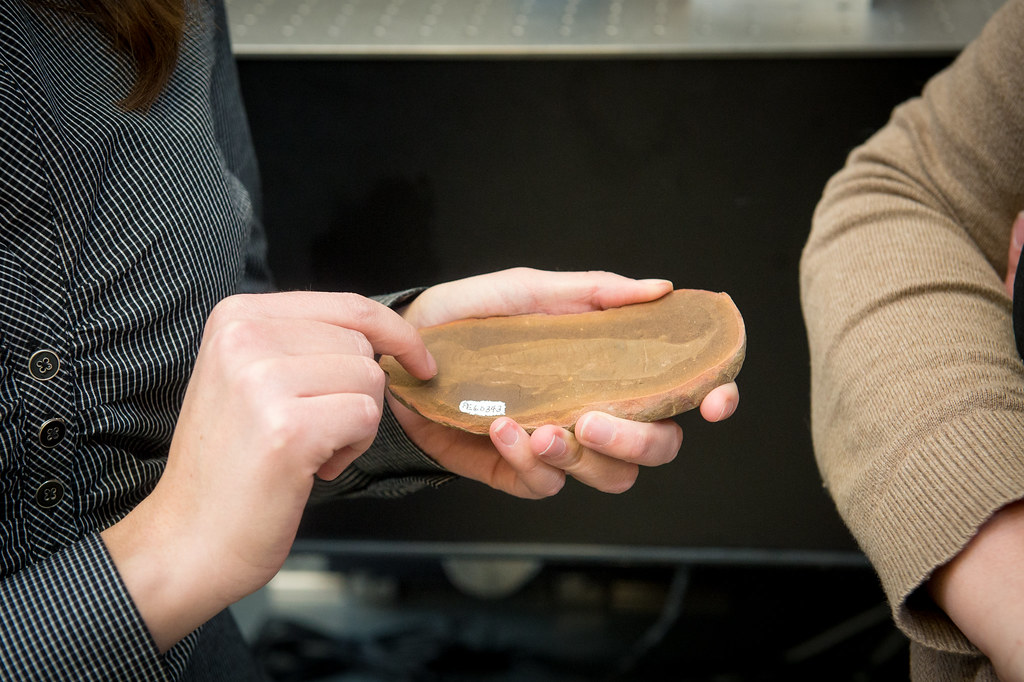
While creating detailed digital reconstructions can take weeks or months, clay models can be shaped and reshaped in hours. This speed advantage becomes crucial when paleontologists are testing multiple hypotheses about skeletal arrangement or posture. Clay allows for rapid prototyping of ideas.
When a team discovers a new species or questions an existing reconstruction, they can quickly mold clay around the bones to test different theories. If one arrangement doesn’t feel right or seems biomechanically impossible, they can immediately try another approach. This iterative process helps scientists eliminate unlikely possibilities and focus on the most promising interpretations.
Training the Next Generation of Fossil Detectives
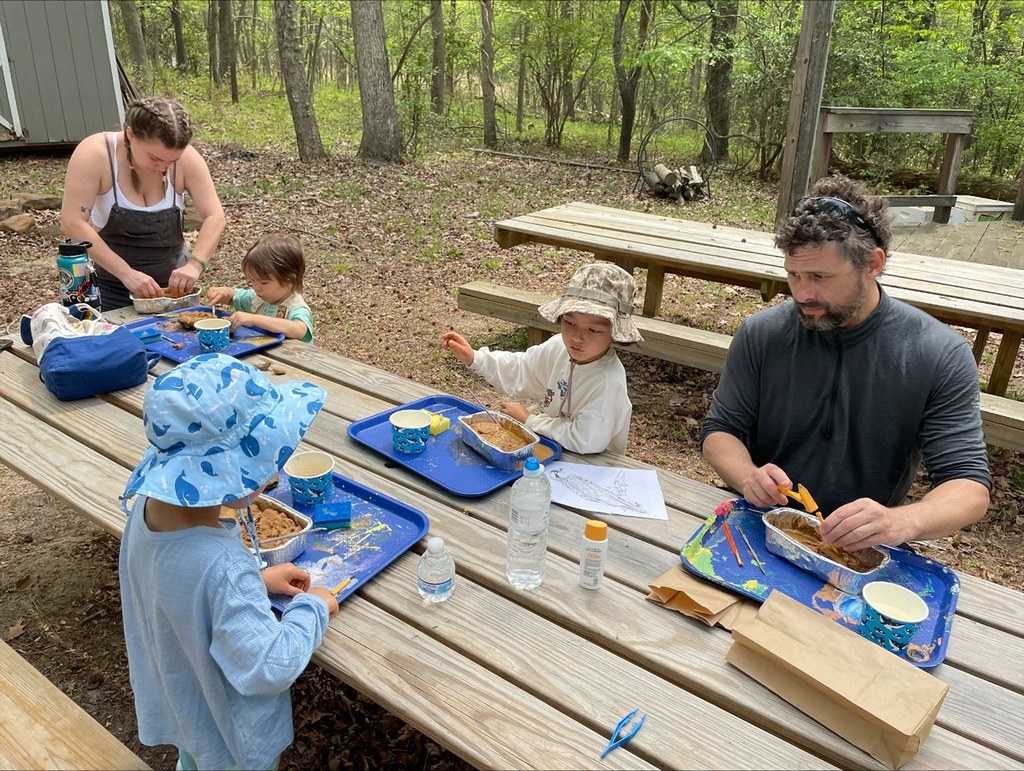
In paleontology programs worldwide, students still learn to work with clay before they touch advanced software. This hands-on training develops crucial skills that purely digital education cannot provide. Students learn to think three-dimensionally, to understand bone structure intimately, and to appreciate the physical constraints that governed ancient life.
Working with clay teaches patience, attention to detail, and the importance of anatomical accuracy. Students who start with clay often become better at using digital tools later because they understand the underlying principles of form and function. The tactile experience creates a foundation that purely theoretical or digital learning cannot match.
Cost-Effective Solutions for Smaller Institutions
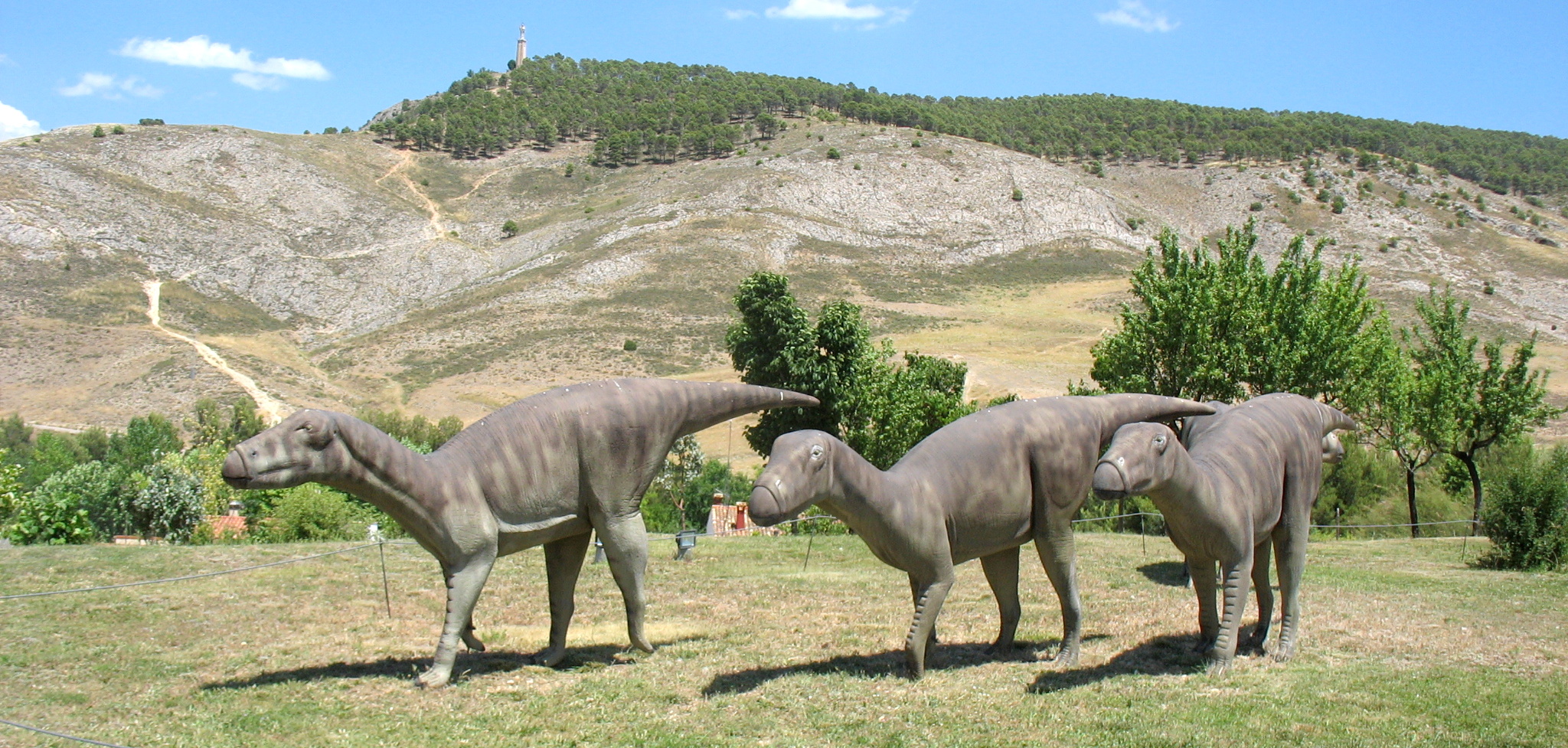
Not every museum or research institution can afford state-of-the-art 3D scanning equipment and high-end reconstruction software. Clay remains affordable, accessible, and doesn’t require expensive maintenance or software updates. A paleontologist can create detailed reconstructions with basic tools that cost less than a single software license.
This accessibility is particularly important for institutions in developing countries or smaller museums with limited budgets. Clay democratizes paleontological reconstruction, allowing scientists worldwide to participate in visualization work regardless of their institution’s technological resources. Some of the most significant insights in paleontology have come from simple clay reconstructions rather than expensive digital models.
Collaborating Across Disciplines Through Physical Models
Clay models serve as powerful communication tools when paleontologists work with artists, museum designers, and the public. A physical model can be touched, examined from all angles, and understood intuitively by people who might struggle with digital interfaces or complex scientific diagrams.
When working with scientific illustrators or museum exhibit designers, clay models provide a common reference point that everyone can understand. Artists can see exactly how paleontologists envision the creature’s proportions, while museum visitors can connect with physical reconstructions in ways that digital displays sometimes cannot achieve. The clay model becomes a bridge between scientific understanding and public engagement.
Preserving Scientific Intuition in a Digital Age
There’s a growing concern among some paleontologists that relying too heavily on digital tools might diminish the intuitive understanding that comes from physical manipulation of materials. Clay work preserves and develops this intuition, helping scientists maintain a connection to the physical reality of ancient life.
Veterans in the field often speak about the “feel” of a correct reconstruction – something that emerges from years of working with clay and bones. This intuitive knowledge, passed down through generations of paleontologists, represents accumulated wisdom that algorithms and software cannot easily replicate. Clay work helps preserve this knowledge for future generations.
Revealing Hidden Details Through Touch
Human fingers can detect surface variations and textures that even high-resolution scanners might miss or misinterpret. When paleontologists work clay around original fossils, they often discover subtle features that weren’t visible in photographs or digital scans. These discoveries sometimes lead to significant reinterpretations of ancient anatomy.
The process of carefully pressing clay against bone surfaces reveals information about muscle attachment sites, blood vessel channels, and nerve pathways that might be invisible to other observation methods. This tactile exploration continues to yield new insights about creatures that lived millions of years ago, proving that sometimes the oldest tools remain the most revealing.
Flexibility for Ongoing Research
Scientific understanding evolves, and clay models can evolve with it. Unlike published papers or permanent digital files, clay reconstructions can be continuously modified as new evidence emerges or theoretical understanding advances. This flexibility makes clay an ideal medium for ongoing research projects.
When new fossil discoveries shed light on previously reconstructed species, clay models can be updated immediately. This adaptability has proven invaluable in fast-moving fields of paleontological research, where new findings regularly challenge established interpretations. Clay keeps pace with the dynamic nature of scientific discovery.
Emotional Connection to Ancient Life
Working with clay creates an emotional connection to prehistoric creatures that digital tools often cannot match. When paleontologists shape clay around ancient bones, they’re participating in a deeply human creative process that connects them directly to the life forms they study. This emotional engagement often leads to deeper insights and more passionate scientific work.
Many paleontologists describe clay work as meditative, allowing them to focus intensely on the creature they’re reconstructing. This focused attention often reveals subtle details or connections that might be missed during more clinical digital analysis. The emotional investment in the work translates into more thorough and thoughtful scientific investigation.
Quality Control Through Physical Constraints
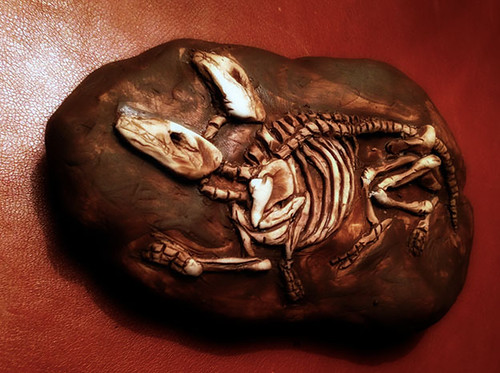
Clay obeys the laws of physics in ways that digital models don’t always have to. When paleontologists build clay reconstructions, they must consider balance, weight distribution, and structural integrity. These physical constraints serve as a natural quality control system, preventing reconstructions that might be technically possible in digital space but biomechanically impossible in reality.
If a clay reconstruction won’t stand up or feels unstable, it provides immediate feedback about potential problems with the interpretation. This physical testing helps ensure that reconstructions are not just visually appealing but also biomechanically sound. The clay model becomes a three-dimensional hypothesis test that either supports or challenges the paleontologist’s theories.
Bridging Art and Science
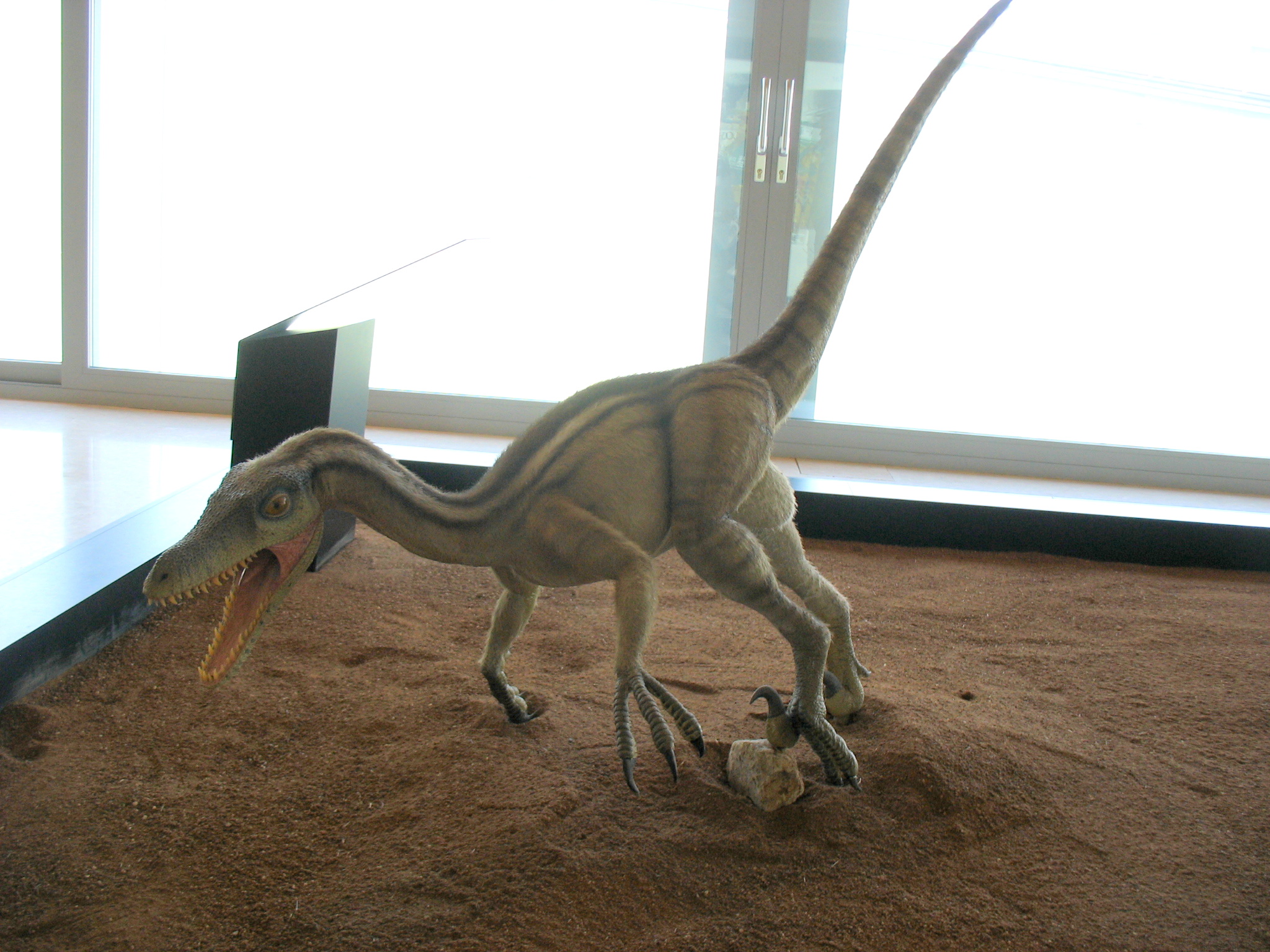
Clay work in paleontology represents a unique intersection of scientific rigor and artistic creativity. While the reconstruction must be scientifically accurate, the process of shaping and refining the clay requires artistic skill and aesthetic judgment. This combination produces results that are both scientifically valid and visually compelling.
Many paleontologists find that their clay work improves both their scientific understanding and their ability to communicate their findings to broader audiences. The artistic skills developed through clay modeling help scientists create more engaging presentations, publications, and museum exhibits. This dual benefit makes clay work valuable far beyond its immediate research applications.
The Future of Clay in Paleontology
Rather than being replaced by digital technology, clay work is evolving alongside it. Modern paleontologists often use clay models as starting points for digital reconstructions, or they use 3D printing to create reference models that guide their clay work. This hybrid approach combines the best of both traditional and modern methods.
Some researchers are experimenting with smart clays that can record and replay the shaping process, or with clay-digital interfaces that allow real-time conversion between physical and digital models. These innovations suggest that clay will continue to play an important role in paleontological research, adapted for new technologies while preserving its essential benefits.
The persistence of clay in paleontology laboratories around the world testifies to its irreplaceable value in understanding ancient life. While digital tools have revolutionized many aspects of fossil research, clay continues to offer unique advantages that no software can replicate. The tactile connection, flexibility, accessibility, and intuitive understanding that clay provides remain as valuable today as they were when the first paleontologists began pressing clay around dinosaur bones over a century ago. In a world increasingly dominated by digital interfaces, clay keeps paleontologists connected to the physical reality of the ancient creatures they study, ensuring that the human touch remains central to our understanding of life’s deep history. What mysteries might your own hands discover if you pressed clay around a fossil bone?