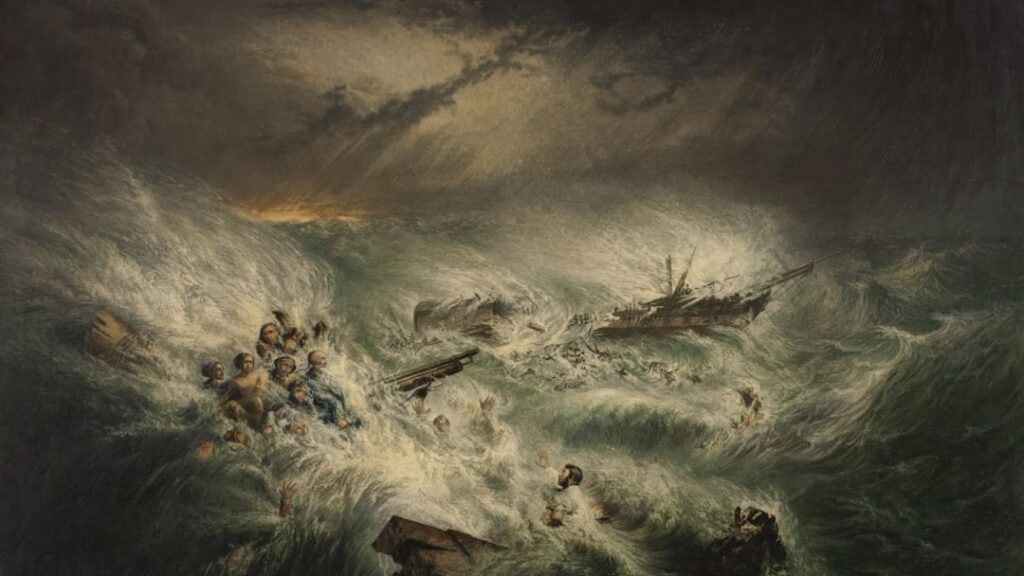
Everywhere you look in the ancient world, the same shiver-inducing story pops up: the waters rise, the world drowns, a handful of survivors cling to life, and everything begins again. Mesopotamia had it, ancient India had it, China had it, the Greeks had it, and of course the Bible has it too. It almost feels like humanity is trying to tell itself something important, as if the memory of a terrifying deluge is baked into our collective bones. When I first realized how many cultures share this theme, I remember thinking, either something huge really happened, or we just cannot stop imagining ourselves underwater.
But why this story, and why so often? Are these myths dim memories of real disasters, dramatized over time? Are they metaphors we keep returning to because they capture some deep truth about loss, guilt, and second chances? Or is it more about the practical reality that floods were the most frightening thing early city-dwellers could imagine? Let’s dive into the science, archaeology, and psychology behind these tales, and see how much of the ancient flood myth is rooted in rising water, and how much comes from the flood inside the human mind.
The Mesopotamian Roots: Before Noah, There Was Utnapishtim
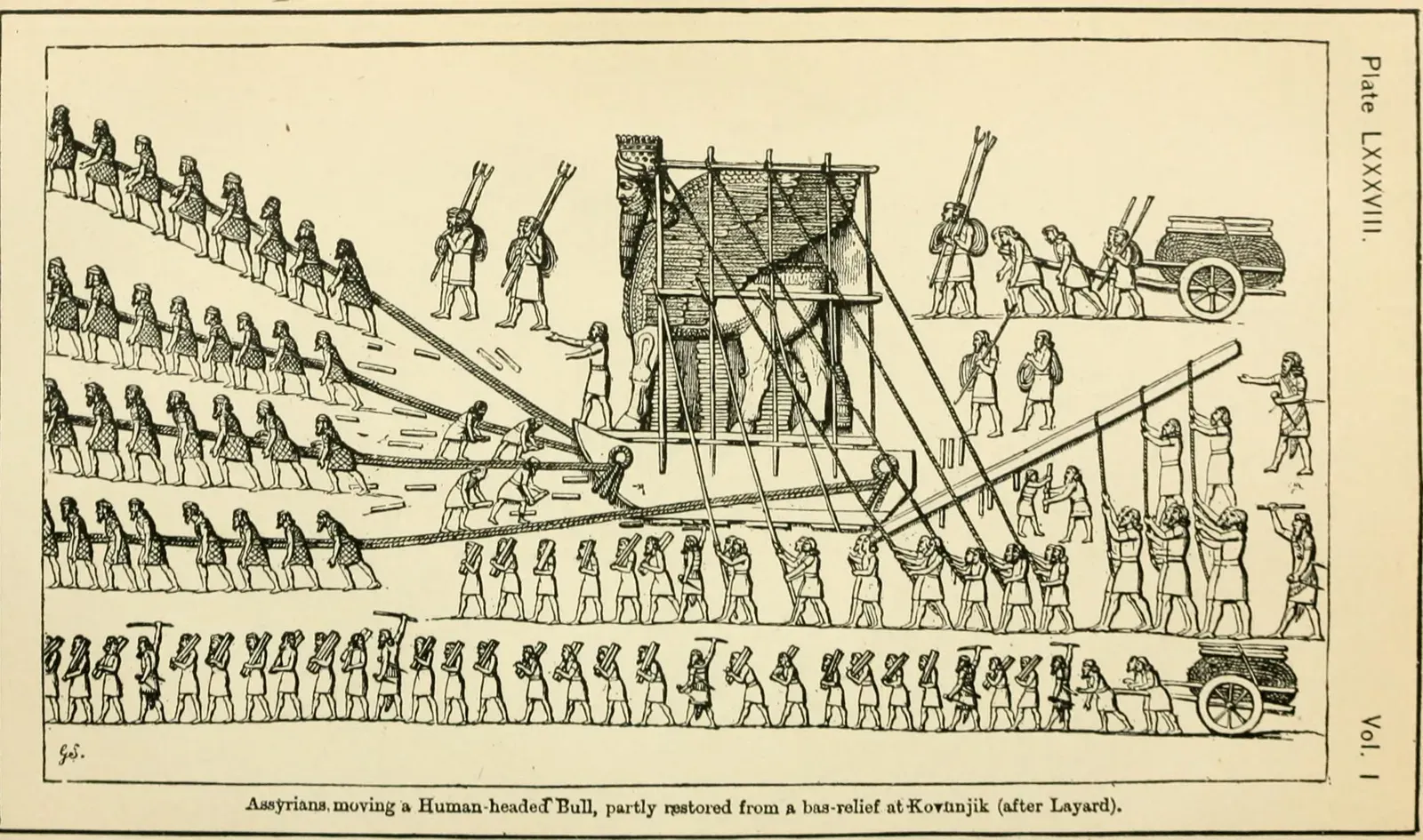
Long before the biblical Noah set foot on an ark, storytellers in ancient Mesopotamia were already talking about a man who survived a world-ending flood. In the Epic of Gilgamesh, a character named Utnapishtim is warned by a god to build a huge boat, load it with animals and his family, and ride out a cataclysmic deluge that wipes out humanity. The parallels to the later Genesis story are so close that many scholars see the Mesopotamian versions as a kind of narrative ancestor. Clay tablets from Sumerian, Akkadian, and Babylonian traditions show a clear pattern: angry gods, a flood meant to reset creation, and one chosen survivor.
Archaeologically, this region is a perfect breeding ground for flood stories. The cities of Mesopotamia sat between the Tigris and Euphrates, rivers that could be incredibly generous but also violently unpredictable. Ancient layers of silt and mud in some sites suggest serious flooding episodes that would have felt, to a city-state of mud-brick houses, like the end of the world. If your entire worldview is centered on a few fragile river valleys, it would not take a truly global flood to convince you that creation itself had been washed away. To people living there, a mega-flood hitting multiple city-states could absolutely feel like the final judgment.
The Biblical Flood and Its Theological Punch
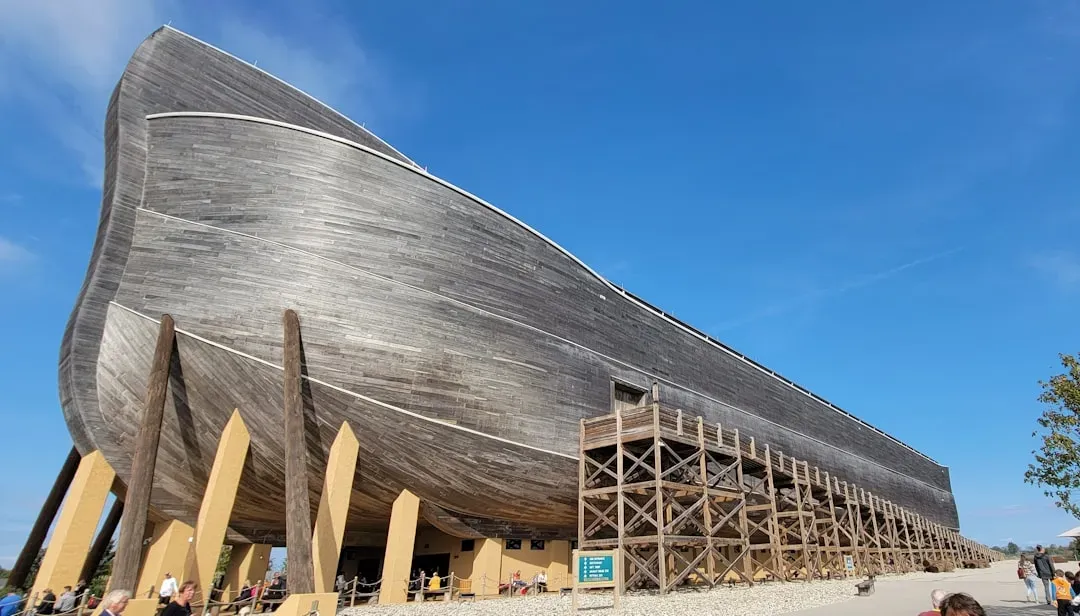
The story of Noah’s flood in Genesis is probably the most famous deluge myth in the modern West, but it is not unique in structure. What makes it stand out is its heavy moral and theological framing. Humanity is described as corrupt and violent, and the flood becomes a kind of cosmic restart button: destroy almost everything, salvage a righteous remnant, and promise never to do it quite that way again. The rainbow, in this telling, is not just pretty weather; it is a divine sign that the chaos of water has been somewhat tamed. This adds a powerful emotional layer, turning a natural disaster into a moral drama.
Many scholars see the biblical version as both borrowing from older Near Eastern traditions and reshaping them with a distinct worldview. Instead of multiple squabbling gods annoyed by noisy humans, there is one deity making an explicit judgment call. In that sense, the biblical flood crystallizes a recurring ancient theme: catastrophe as a response to human behavior. Whether or not you read it as literal history, the story functions as a sharp warning about what happens when a society becomes unjust, and as a reassurance that out of total loss, a new covenant and a fresh start are still possible. That mix of fear, guilt, and hope is a big reason the story still hits a nerve today.
Flood Myths from India, China, and Beyond
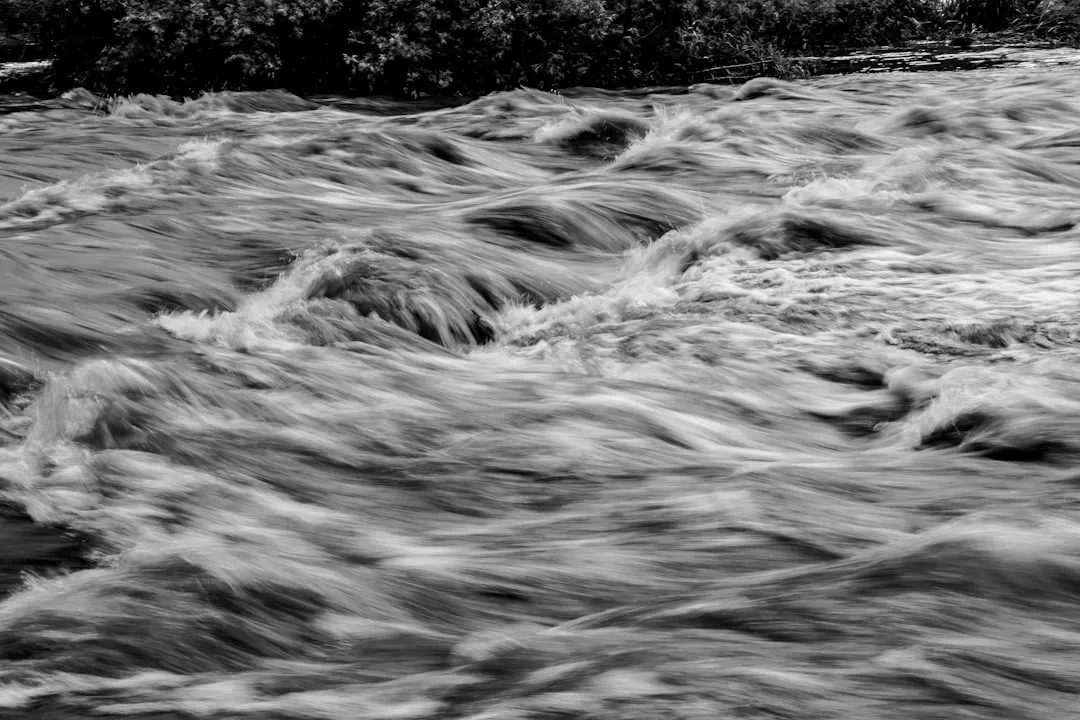
What really gets interesting is that flood stories pop up far from the ancient Near East, often with strikingly similar beats. In parts of India, there are old traditions about a great flood in which a tiny fish warns a man of the coming catastrophe, telling him to build a boat and tie it to the fish so he can be towed to safety. In some Chinese legends, a hero battles or manages chaotic waters that threaten to overwhelm the land, reshaping rivers and taming the flood to make the world livable. These stories do not copy the Mesopotamian script word for word, but the core pattern is surprisingly familiar: overwhelming water, near-total destruction, a clever or favored survivor, and a reordered world.
Outside Eurasia, you see similar patterns in Indigenous traditions across the Americas and the Pacific. Many Native American groups have stories of a great flood from which only a small group survives, often on a mountaintop, a floating log, or some improvised raft. In Oceania, some island cultures tell of lands that sank beneath the sea and ancestors who sought higher ground. While details and religious meanings differ, the pattern is hard to ignore. When you step back, it looks less like one story that spread everywhere and more like different cultures inventing similar answers to the same terrifying question: what happens when the waters just don’t stop rising?
Geology and Sea-Level Rise: Memory of Real Catastrophes
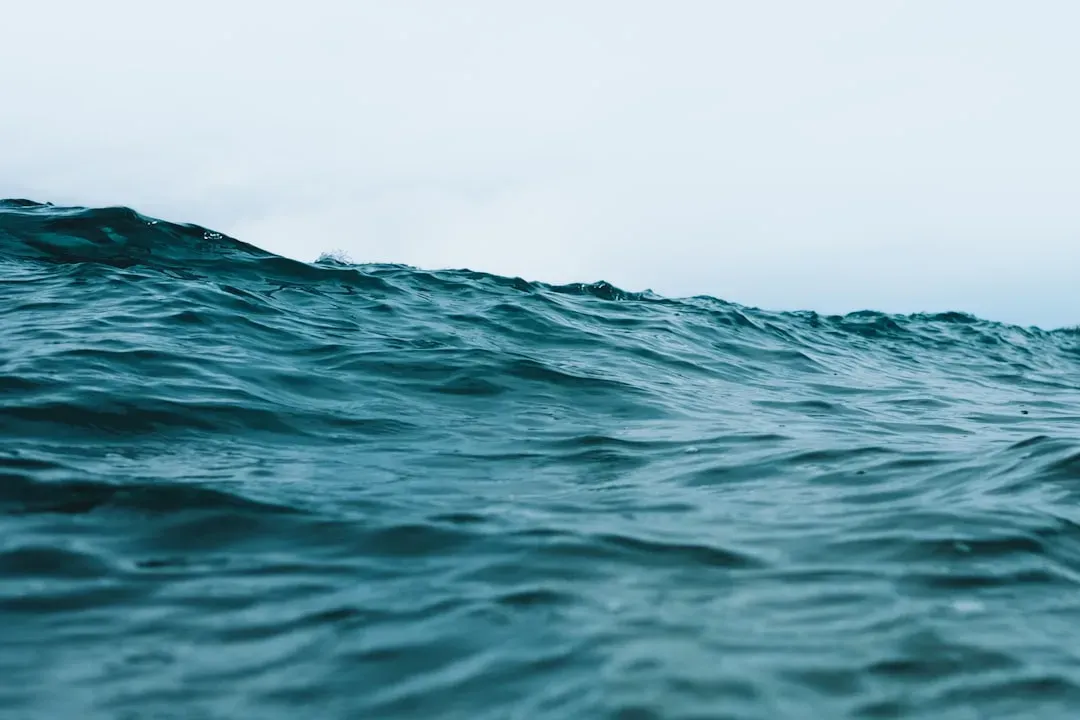
From a scientific point of view, it would almost be surprising if early humans did not preserve memories of dramatic floods. At the end of the last Ice Age, sea levels rose dramatically over thousands of years, sometimes with rapid pulses when huge glacial lakes drained. Coasts shifted, low-lying plains vanished under water, and communities would have seen once-inhabited land swallowed by the sea within a few human lifetimes. In places like the Black Sea region, some researchers have argued for sudden flooding events that might have inspired tales of land being abruptly drowned, though the timing and scale of those events are still debated.
Even in more recent prehistory and early history, rivers and coastal zones have always been volatile. Tsunamis triggered by earthquakes or volcanic eruptions can devastate entire shorelines in hours. Major river floods can erase villages and farmland that took generations to build up. When your survival hinges on a specific strip of fertile soil, a single catastrophic flood can feel like the end of the world, and that feeling is exactly what myths tend to amplify. You do not need a literally global flood to produce a story that imagines the whole world underwater; you just need a disaster large enough to destroy everything in the world as your community knows it.
Psychology and Symbolism: Why Water Makes Such Powerful Stories
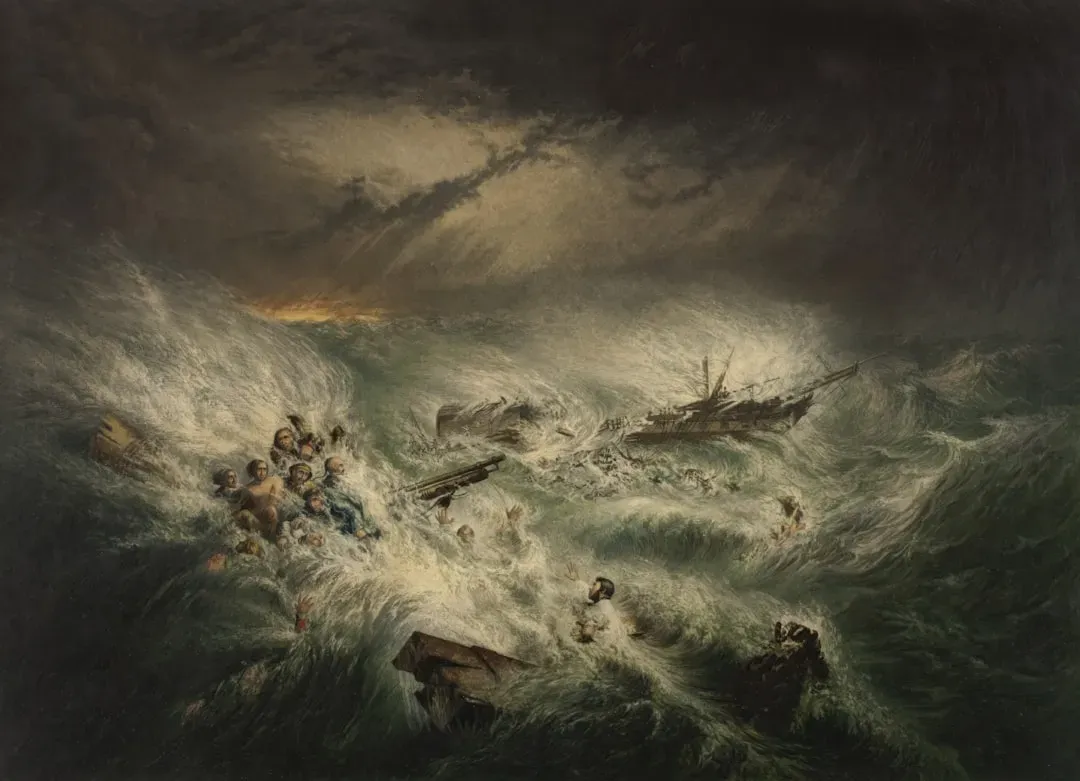
There is also a deep psychological reason these stories keep surfacing. Water is life-giving and life-destroying at the same time, which makes it a perfect symbol for chaos and renewal. Our earliest agricultural societies depended on regular floods to bring rich silt to their fields, but they also feared the year the river would not stop rising. That emotional tension shows up everywhere: water cleanses, but it can also erase; it nurtures, but it can drown. A flood myth takes that tension and pushes it to the extreme, turning an everyday risk into a cosmic drama about destruction and rebirth.
On a symbolic level, flood stories work as powerful metaphors for personal and social upheaval. Think about how we casually say we are “drowning in work” or “washed away by emotions.” Ancient storytellers, without modern psychology, were still very aware of what it feels like when life collapses. A myth where the world is submerged and then remade gives listeners a narrative template: even when everything is lost, there is a chance to build again on higher ground. In a way, these stories are early forms of resilience training, using water as the ultimate reset button for both the outer world and the inner one.
Shared Human Fears or Shared Historical Event? The Debate
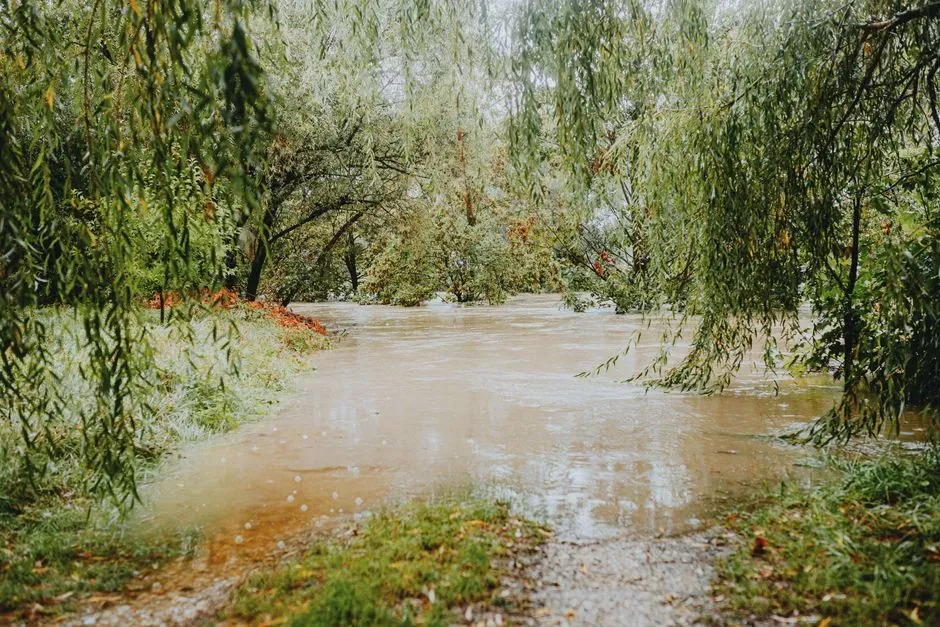
So are all these flood myths echoing one real, massive event, or are they separate responses to a shared human experience of living with water? Scholars are divided, and honestly, I think the most reasonable answer is somewhere in the messy middle. There is good geological evidence for serious local and regional floods in many parts of the world, some of which would have looked apocalyptic to those who lived through them. It makes sense that people would tell stories about these disasters, exaggerate them over generations, and tie them into their religious beliefs. But the idea of one single, global flood neatly explaining every myth everywhere is harder to defend with present evidence.
What is much more convincing is that humans everywhere have faced similar problems: unstable rivers, rising seas, violent storms, and the constant need to explain random catastrophe. When a culture builds its most important cities in fertile floodplains, the line between prosperity and ruin depends on how well they can predict and manage water, and that is never guaranteed. So even without a single source event, you would expect a lot of cultures to come up with stories where water wipes the slate clean. In that sense, the great flood is less a historical report and more a recurring pattern, like a dream that different people keep having for similar reasons.
Modern Climate Change and Our New Flood Stories
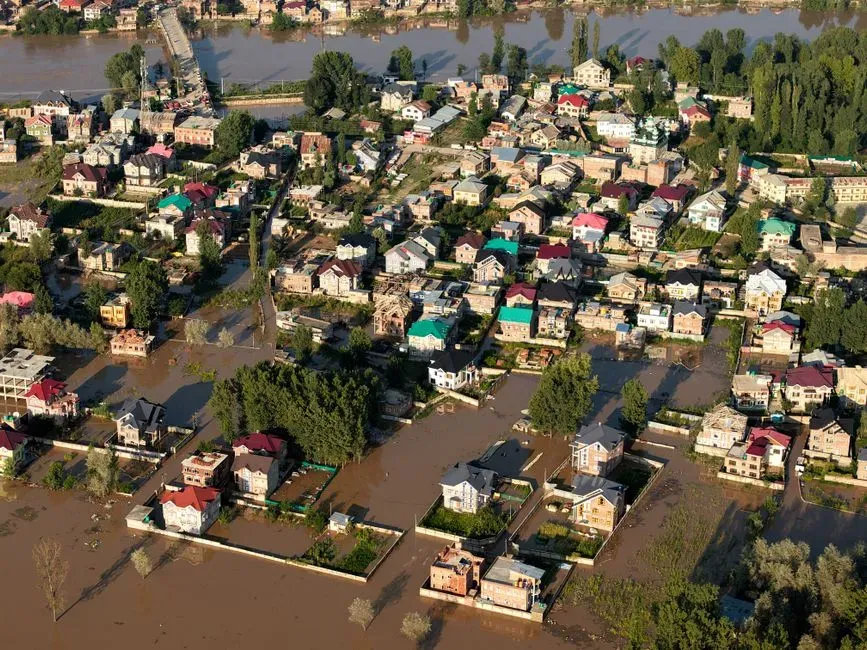
Reading ancient flood myths in the age of climate change feels uncomfortably on the nose. We are watching seas rise again, coasts erode, and extreme rainfall events get more destructive in many regions. Entire towns have already had to relocate because of repeated flooding, and low-lying island nations are openly discussing what happens when their land is no longer habitable. That slow-motion crisis reshapes how we read old stories about a world swallowed by water. Instead of distant, almost fairy-tale warnings, they start to sound like early case studies in what happens when societies underestimate the water at their doorstep.
At the same time, modern technology gives us something ancient storytellers did not have: data, models, and the ability to see the problem coming decades in advance. That knowledge is a gift, but it is also heavy. In a strange twist, we are now writing our own flood narratives in the form of climate reports, urban planning debates, and photographs of submerged cities after major storms. Future generations may well look back on our era’s documentaries, news footage, and social media posts as a new kind of flood mythology, except this time there will be timestamps and satellite images to go with the fear and the lessons.
Conclusion: What Flood Myths Are Really Trying to Tell Us
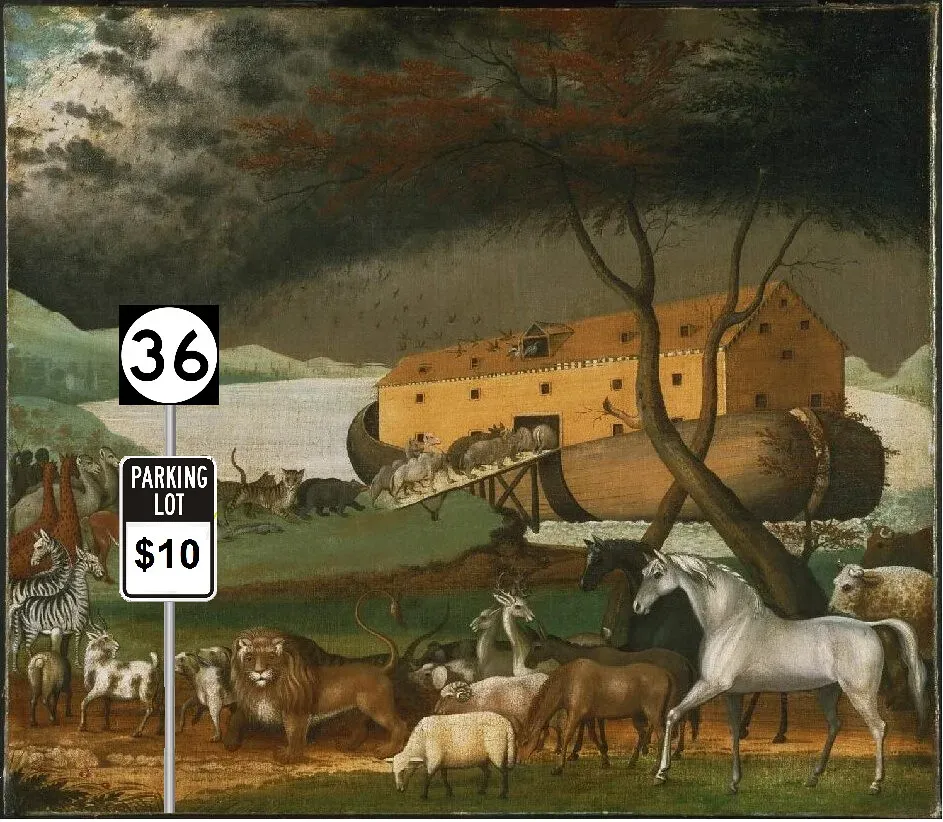
If you look past the animals marching two by two and the dramatic boat-building scenes, flood myths start to feel less like wild fantasy and more like brutally honest reflections on how fragile our world has always been. I do not think every story points back to one single prehistoric mega-flood, but I do think they point to a shared truth: water has always been the quiet power capable of resetting everything we care about in a matter of days. Cultures took that fact and wrapped it in stories about justice, guilt, survival, and fresh starts, because turning terror into narrative is one of the most human things we do. To me, the persistence of these myths is a reminder that nature does not negotiate, and that stability is always more temporary than we want to believe.
At the same time, I have a personal soft spot for these stories because they insist that even when the worst happens, someone survives, remembers, and rebuilds. That might be the most important message hiding underneath all the water: not that disaster is inevitable, but that renewal is possible if we face it honestly. In a century where rising seas are no longer just a metaphor, we would be foolish to treat these tales as childish relics. They are, in their own dramatic way, a mirror held up to our current moment, asking whether we have learned anything from the last time the waters came. When the next big flood story is told about our age, will it sound like a tragedy we walked into blindly, or a turning point where we finally decided to build wisely on higher ground?