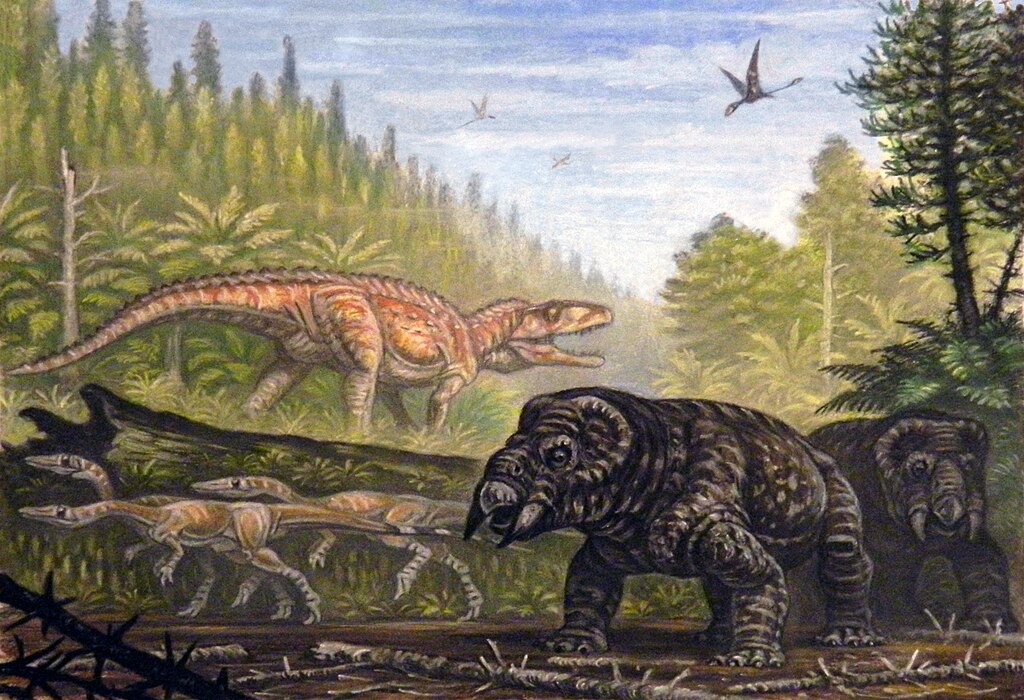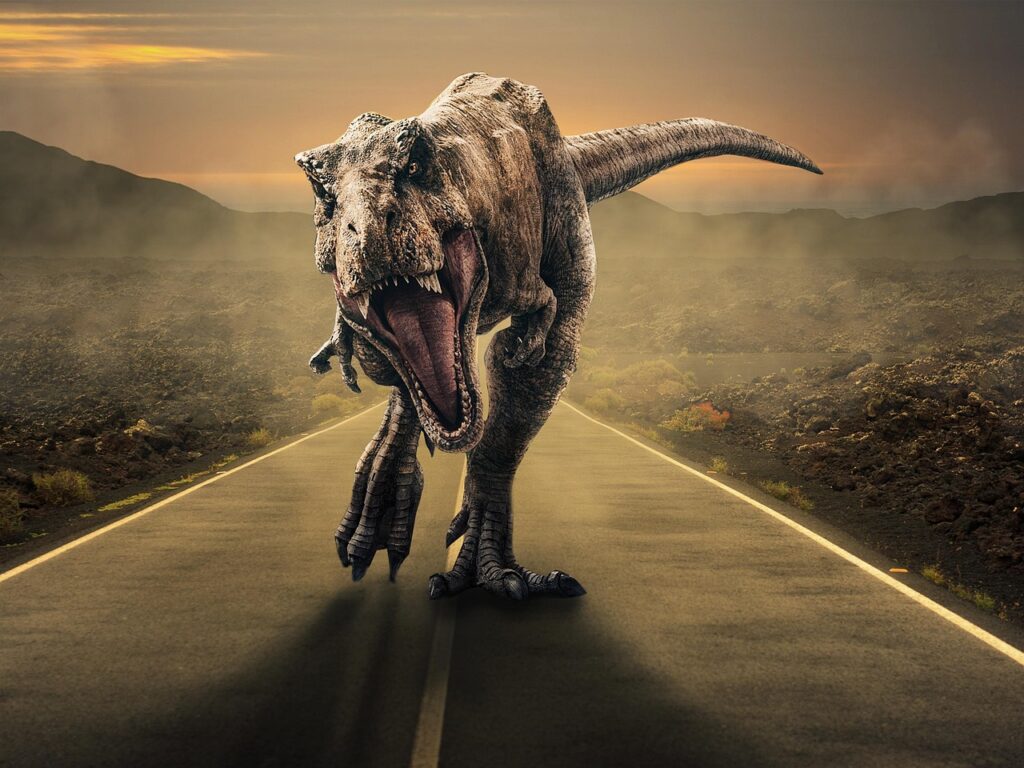
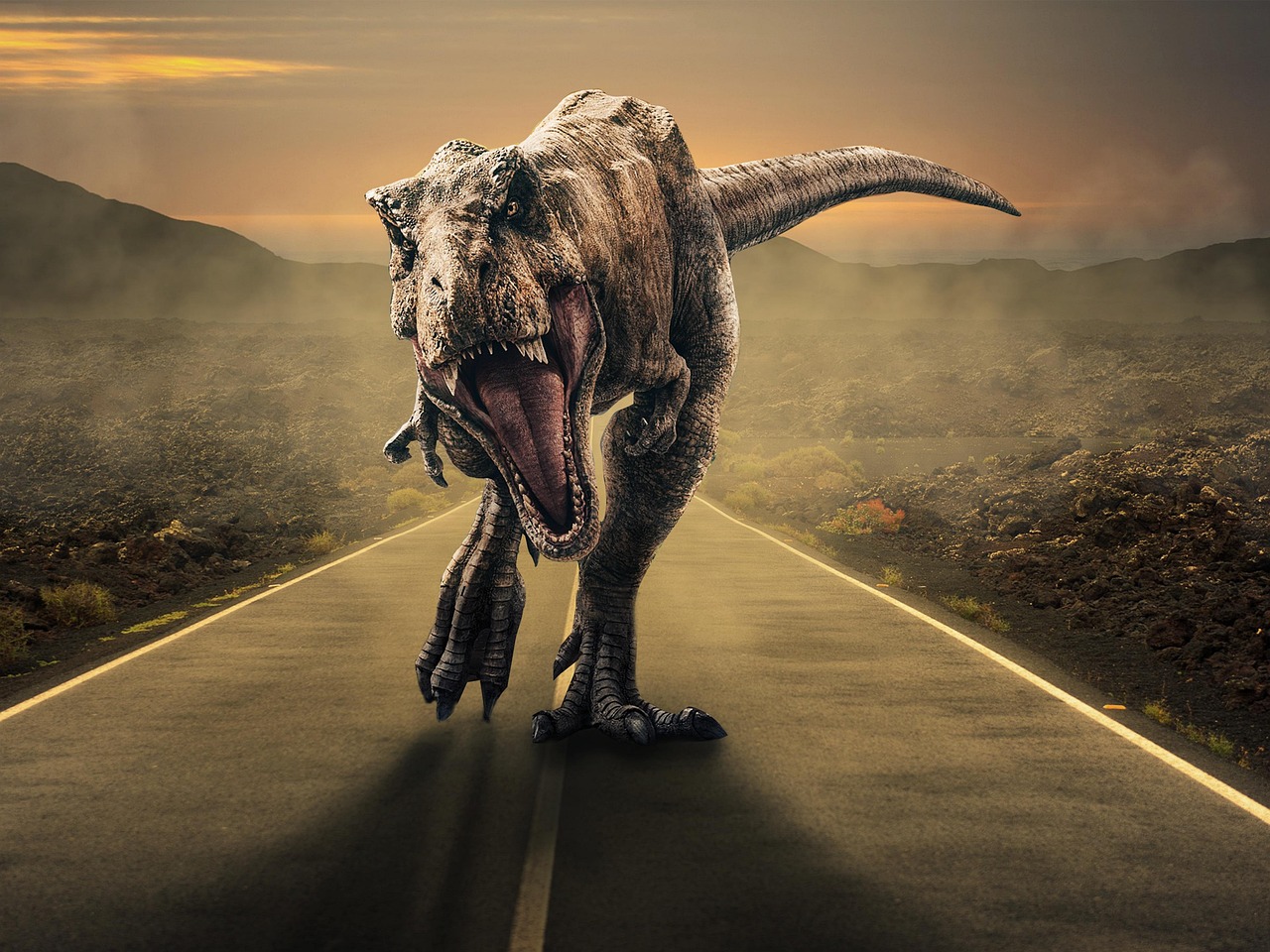
Picture this: a forty-foot-long predator stalking through the ancient forests of North America. Its massive jaws could crush bone with the force of nearly six tons. Its head alone was longer than most cars today. Yet somehow, evolution decided to give this apex predator arms no bigger than yours. The Tyrannosaurus rex remains one of paleontology’s greatest mysteries, not for its fearsome reputation, but for what seems like nature’s cruelest joke.
For over a century, scientists have puzzled over these comically small appendages. Why would evolution produce such a bizarre mismatch? Recent discoveries are finally shedding light on this ancient riddle, revealing that those might have been far more important than anyone imagined.
The Anatomy of Tiny Terror
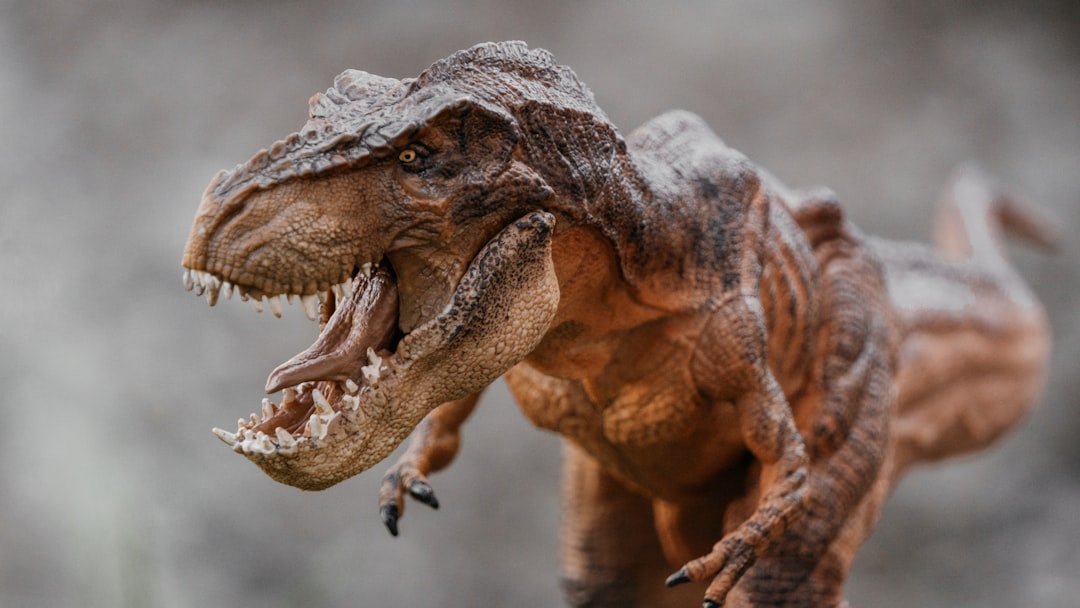
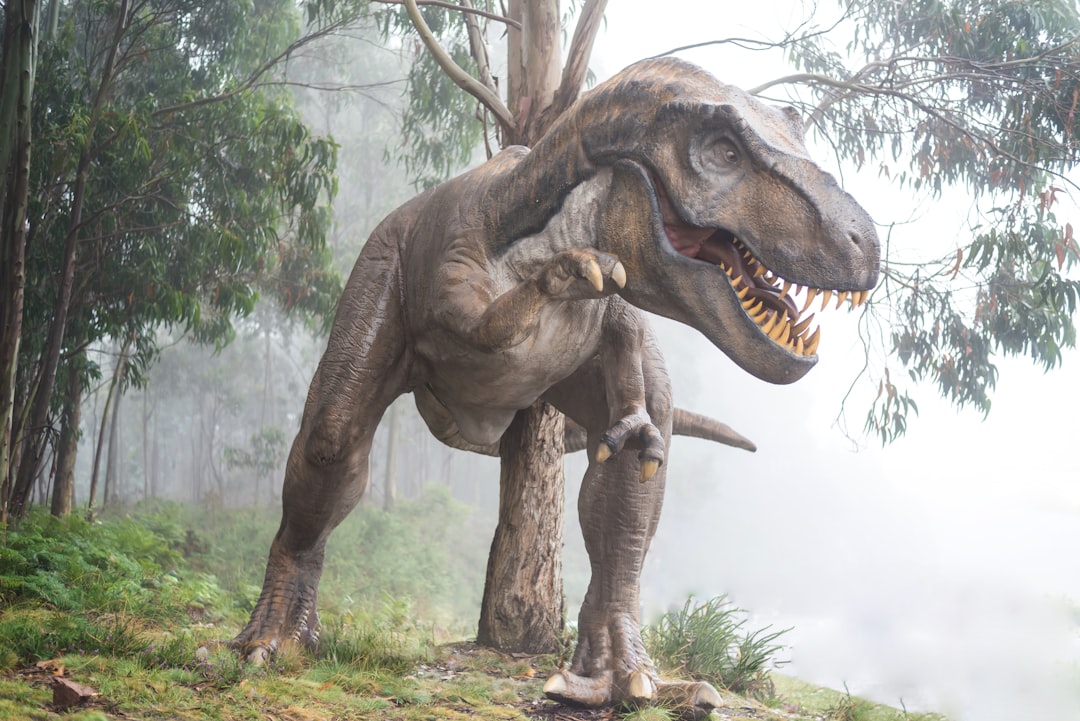
T. rex arms are very small relative to overall body size, measuring only 1 meter (3.3 ft) long, and some scholars have labelled them as vestigial. However, the bones show large areas for muscle attachment, indicating considerable strength. These weren’t the weak, dangling appendages many people picture from movies and cartoons.
The arm bones have very distinct muscle scars – sometimes smooth surfaces, other times indentations in the bone made by the attachment of large muscles, or projections to which tendons attached. When researchers examined these muscle attachment points, they discovered something remarkable. The sheer size of these attachment areas suggested the arms were incredibly muscular for their size.
A few studies have argued that, judging by the muscle scars left behind on T. rex limb bones, a full-grown dinosaur could curl around 200 pounds (90 kilograms) with each bicep. That’s impressive until you consider the full picture. Yet, that figure only translates to about 1.25 percent of the dinosaur’s total body weight – which may have been in the ballpark of around 6-7 tons (6,000-7,000 kilograms). “That’s like a 200-pound (90-kilogram) man being proud of the ability to curl 2.5 pounds (1 kilogram),” he says.
Not Just Decorative Attachments
Evidence suggests these weren’t sitting idle during T. rex’s lifetime. And yet, three of the five wishbones that Carpenter and Lipkin studied show telltale signs of injury. Among these were stress-fractures which must’ve re-healed in life. The wishbone, or furcula, sits between the shoulder blades and helps stabilize arm movement.
By the way, the arm-related maladies of Tyrannosaurus weren’t limited to its furculars. One specimen had a humerus (“upper arm bone”) whose scars imply that, at some point, a muscle tendon was probably torn loose. This pattern of injuries tells a compelling story. These arms were being used heavily enough to sustain significant damage.
According to Carpenter, the forelimbs “were subjected to a great deal of repetitive stress, which was not uniform or steady. Instead, there were moments of extraordinarily great force applied to the arms,” he says. Something was putting tremendous strain on these supposedly useless appendages.
The Slashing Weapon Theory
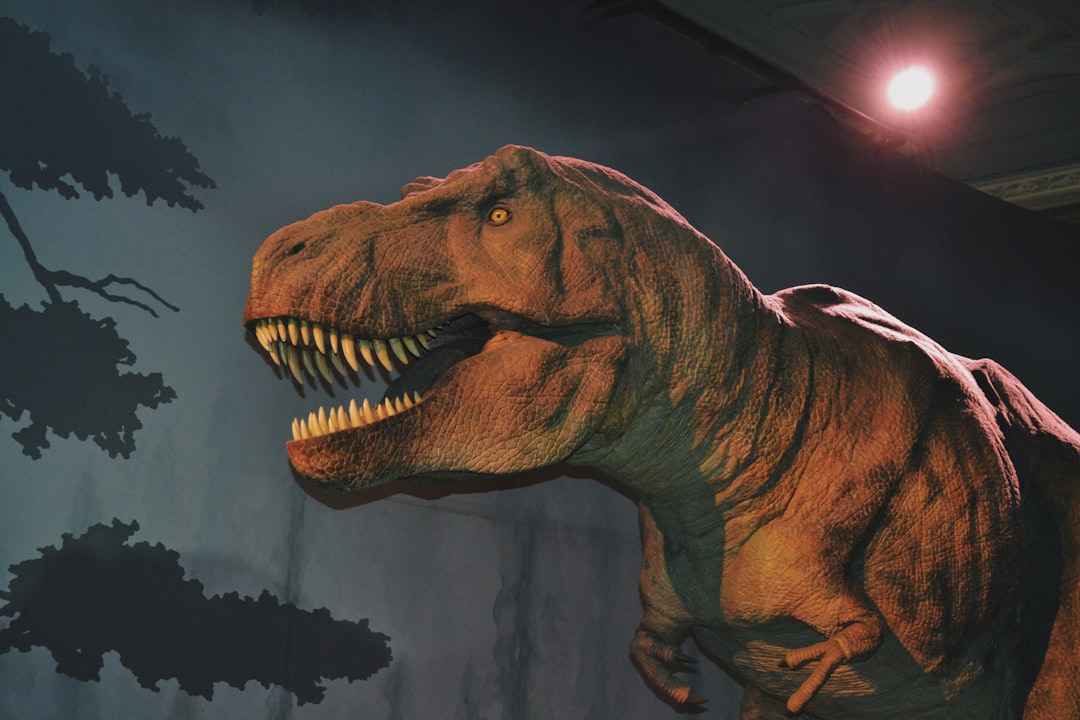
Some scientists propose that T. rex used its diminutive arms as close-range weapons. Steven Stanley, a paleontologist at the University of Hawaii in Manoa, believes Tyrannosaurus’ arms were well-adapted for “vicious slashing” at close quarters, making use of four-inch-long claws to inflict deep wounds on unfortunate prey. This theory paints a very different picture from the helpless arms we often imagine.
To make his case, the scientist points to T. rex’s strong arm bones, which would have made effective slashing tools, while an “unusual quasi-ball-and-socket joint” would have allowed the arms to move in several directions, ideal for slashing, he says. What’s more, tyrannosaurs lost one of their three claws during the course of evolution, resulting in 50 percent more pressure being able to be applied by each of the two remaining claws – all the better for a powerful slash.
The anatomical evidence supports this slashing hypothesis. The T. rex’s large coracoid indicates its arms were very strong. The coracoid is part of the the bone (scapula) that stabilizes the shoulder joint and is the attachment site for muscles such as the biceps and pectorals. A T. rex’s coracoid is not only slightly longer than the leg of a six-foot man, but also of similar girth.
The Pack Feeding Safety Theory

Perhaps the most intriguing recent theory suggests that small arms were actually a survival adaptation. T. rex’s short arms may have lowered risk of bites during feeding frenzies, scientist proposes. This idea emerged from new evidence that tyrannosaurs might have hunted and fed in groups rather than as solitary predators.
The answer came to him after other paleontologists unearthed evidence that some tyrannosaurids hunted in packs, not singly, as depicted in many paintings and dioramas. “Several important quarry sites unearthed in the past 20 years preserve adult and juvenile tyrannosaurs together,” he said. Imagine multiple massive T. rex heads, each with bone-crushing jaws, fighting over the same carcass.
“What if several adult tyrannosaurs converged on a carcass? You have a bunch of massive skulls, with incredibly powerful jaws and teeth, ripping and chomping down flesh and bone right next to you. What if your friend there thinks you’re getting a little too close? They might warn you away by severing your arm,” he says in a statement. In this scenario, smaller arms would be less likely targets for accidental amputation during chaotic feeding sessions.
The Evolutionary Trade-Off
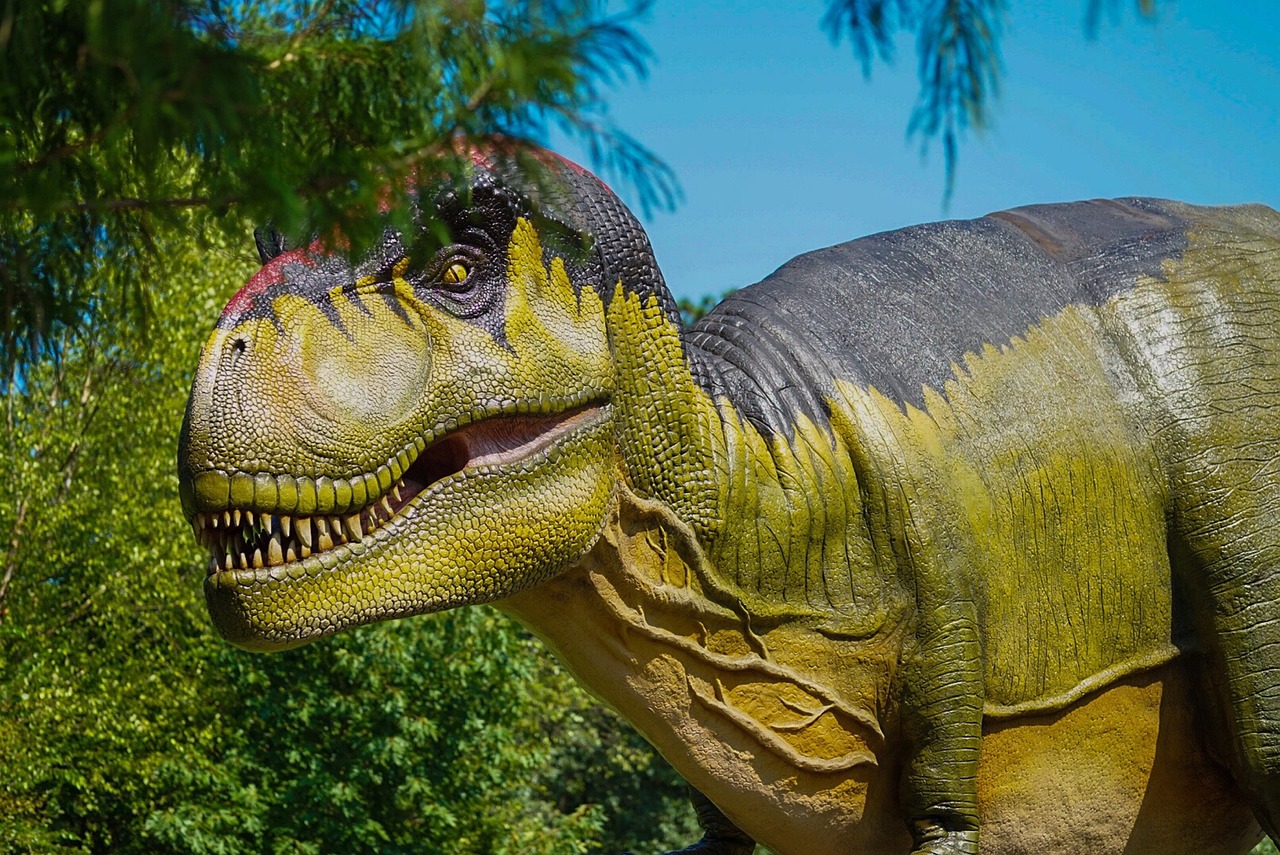
Evolution rarely creates perfect designs. Instead, it produces compromises that maximize survival advantages while minimizing costs. Hutchinson, who studies the biomechanics of movement in large terrestrial animals – both living and extinct – looks at dinosaur forelimb evolution a different way: In the evolution of theropods, “the arms didn’t really get shorter, but the legs got longer,” he said.
Other T. rex body parts grew to colossal sizes to help them survive in their ecological niche. There might not have been a need for the arms to grow with the rest of T. rex’s body, making them look comically small in comparison. This perspective suggests that weren’t necessarily a design flaw, but rather a case of other body parts outgrowing them.
Whatever their limited use, the consensus in recent years seemed to be that they were vestigial, hanging around as an evolutionary remnant from T. rex’s ancestors, a little like the wings of flightless birds. Perhaps, some scientists even suggested, small arms were a necessary trade-off in order to support such huge and powerful head and neck muscles.
Modern Technology Reveals Ancient Secrets
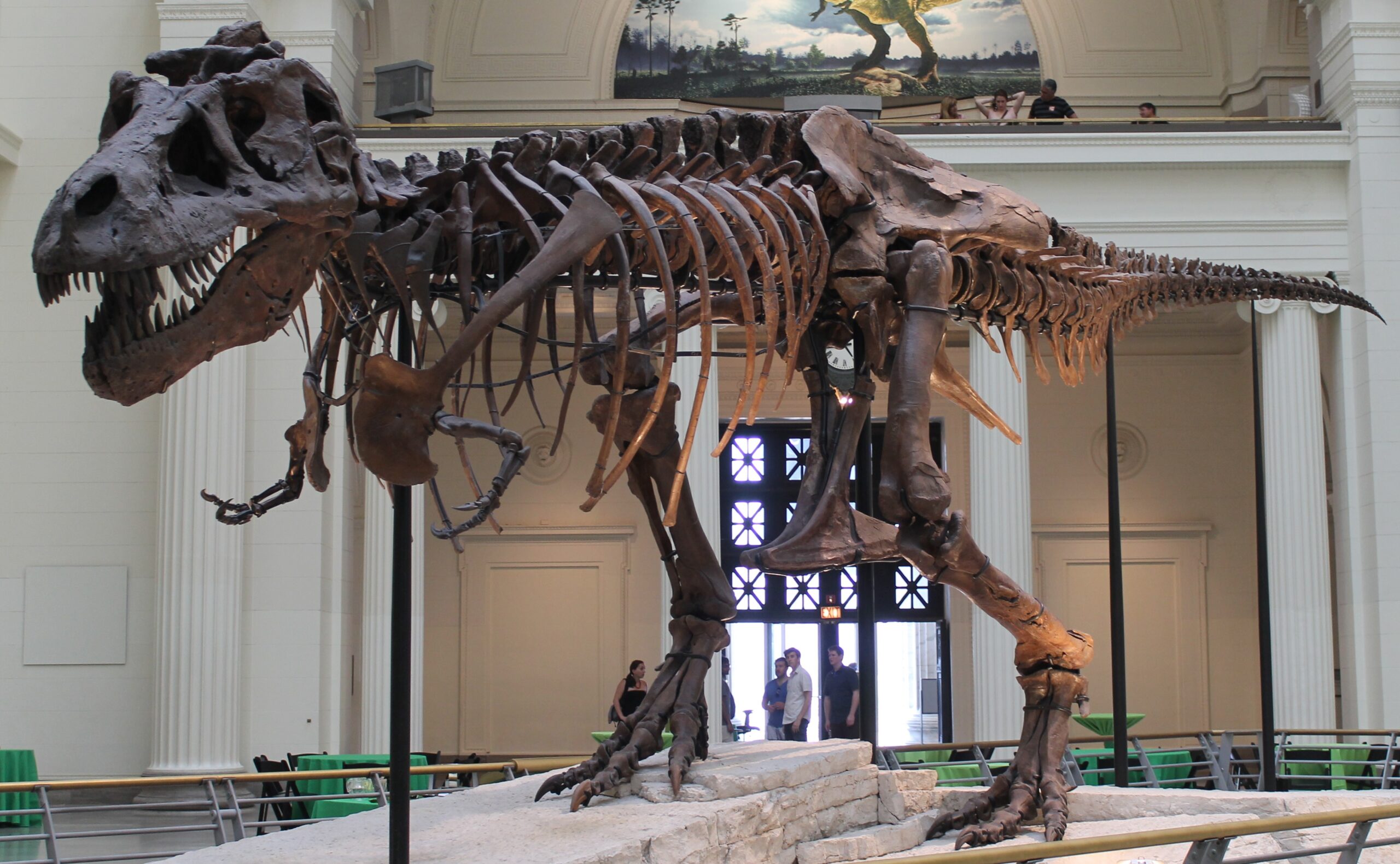
Cutting-edge technology is helping scientists peer inside fossilized bones like never before. The extremely bright X-rays from the Advanced Photon Source, a giant synchrotron light source nearly a mile around, will give scientists an unprecedented look inside the arm bones of SUE, which is the largest and best-preserved T. rex skeleton ever found. “These X-rays will give us a map of the blood vessels and muscle attachments in the bone, which have never been seen before,” said Carmen Soriano, a paleontologist and beamline scientist with the Advanced Photon Source.
Based on the ways the beams scatter from the rock, researchers can reconstruct the locations of different anatomical elements in the bones and the tiny holes deep inside that were once blood vessels and cells. “Understanding the fine internal morphology of the skeleton will give us clues about how the arm could move and what it was used for,” Soriano said. These advanced scanning techniques are revealing details about T. rex anatomy that would have been impossible to discover just decades ago.
Even bare bones contain hints at what they were used for in life. For example, the bones of birds are hollow and less calcified for flying, while heavier, denser bones might indicate bones were used for tasks of strength. Patterns revealed by these intense scans will give scientists more information to decode what SUE might have used her arms for.
Conclusion: , Big Mysteries
The of Tyrannosaurus rex represent one of evolution’s most fascinating puzzles. Far from being useless appendages, these miniature limbs show clear evidence of powerful muscles, stress injuries, and specialized joint structures. Whether they served as slashing weapons, helped prevent injury during group feeding, or fulfilled some other unknown function, one thing is certain: they weren’t just evolutionary afterthoughts.
Longrich said, “It’s amazing to think how much we still don’t know about the most famous of all the dinosaurs. It makes you wonder what else we’ve gotten wrong.” As technology advances and new fossils emerge, we continue discovering that nature’s designs often make more sense than they first appear.
The T. rex’s remind us that evolution doesn’t always create what we expect. Sometimes the most puzzling features hold the most interesting secrets. What do you think those arms were really for? Tell us in the comments.