Photographers around the world captured striking moments of animal life this week, from minuscule mammals striking bold poses to massive rhinos navigating human spaces. These images reveal the persistence of wildlife amid growing human presence and environmental pressures. They offer a glimpse into behaviors that range from endearing to cautionary, underscoring nature’s adaptability.
Standing Tall and Strolling Boldly
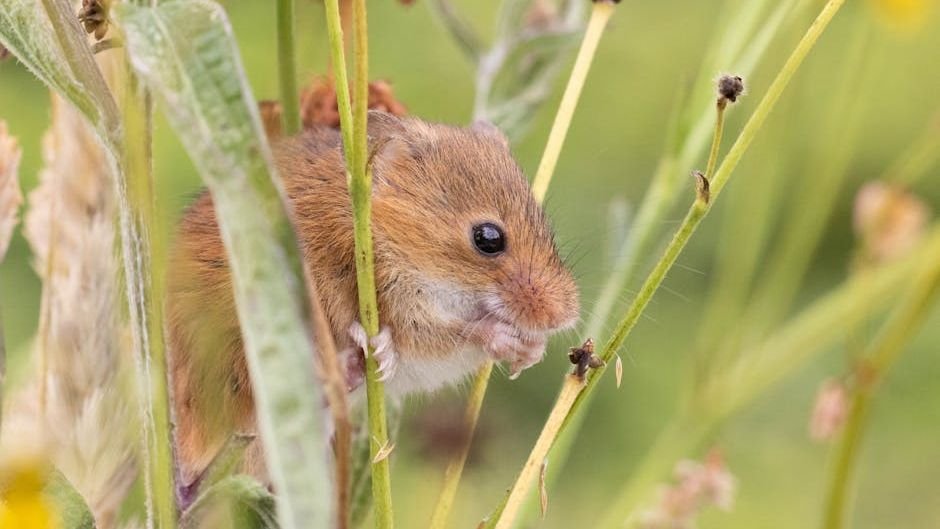
Standing Tall and Strolling Boldly (Image Credits: Pexels)
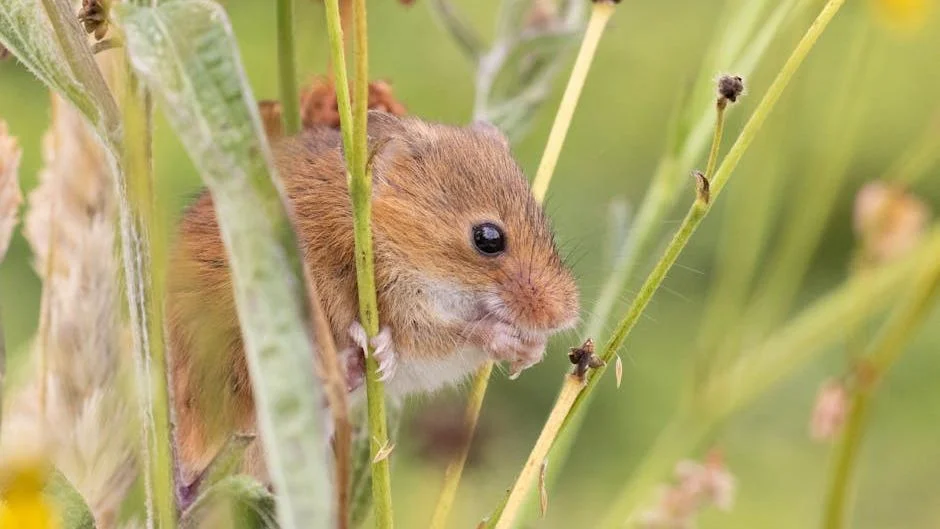
A harvest mouse in York, UK, stretched upward in a display of agility, balancing precariously to reach higher ground. Captured by Tony Nellis, the tiny creature highlighted the charm of small wildlife in everyday settings. Such sightings remind observers of the hidden lives thriving in familiar landscapes.
Meanwhile, a wild Indian rhino lumbered along Sauraha’s main street in southern Nepal. The animal had wandered from Chitwan national park, prompting concerns over human-wildlife encounters. Nepal’s rhino population grew more than sevenfold due to successful conservation, though officials now focus on safety education for residents to mitigate conflicts that occasionally prove fatal.
Feline Comfort and Avian Returns
Stray cats in Istanbul, Turkey, sought warmth inside an abandoned simit cart, a former vendor of bagel-like snacks. The scene, photographed by Anadolu/Getty Images, illustrated how urban animals repurpose human discards for shelter. These adaptable felines demonstrated resilience in city environments.
In Scotland’s Loch Arkaig pine forest, osprey Louis returned for breeding season, later than anticipated. Fans of the live nest camera, popularized during the 2020 lockdown, welcomed his arrival as he fended off a rival eyeing his mate Dorcha. The event marked a timely triumph for birdwatchers tracking migration patterns.
Rescues, Restorations, and Rebounds
A baby fox received round-the-clock care at a wildlife hospital near Paris, France, after discovery alone in a garden. Volunteers ensured the cub gained weight, addressing early vulnerabilities. Similarly, two baby rabbits rescued from a North Sea drilling rig container found safety, having stowed away from Dundee.
Wildlife showed recovery in challenging areas. A deer passed a camera trap in Ukraine’s Chornobyl exclusion zone, where populations of wolves, lynx, moose, and others thrived despite radiation. Researchers noted effects like higher cataract rates in birds but no mass die-offs. Przewalski’s horses flourished in China’s Kalamaili reserve through reintroduction efforts, once extinct in the wild there.
Coastal Scenes and Clever Adaptations
Grey seals rested on a Baltic Sea islet near Poland’s Mikoszewo at sunset, embodying serene marine life. A walrus recuperated in northeast Scotland’s harbor, likely the same injured individual from Orkney, with warnings issued for public distance. In Gibraltar, a Barbary macaque chewed soil to soothe a junk-food-induced stomach upset, per Cambridge research on geophagy benefits against tourist treats.
Other captures included a roseate spoonbill chick with parents in Florida’s St Augustine rookery, an alligator basking in Louisiana, capybaras cooling in Brazil’s Pinheiros River, and a sportive lemur in Madagascar’s Spiny Forest. Wild boars roamed Shenzhen’s trails, baya weavers built nests in India, a wild yak traversed China’s Changtang reserve, zebras grazed in Kenya’s Hells Gate, and a grasshopper’s view framed Oregon raindrops.
These photographs collectively affirm wildlife’s enduring presence across continents and contexts. As habitats shift, such documentation highlights both vulnerabilities and victories, urging continued stewardship.