Wyoming – Mule deer that cover longer distances in their seasonal journeys accumulate more body fat, boost their reproductive success, and extend their lifespans compared to their more stationary counterparts.
Decade of Tracking Reveals Migration Payoffs
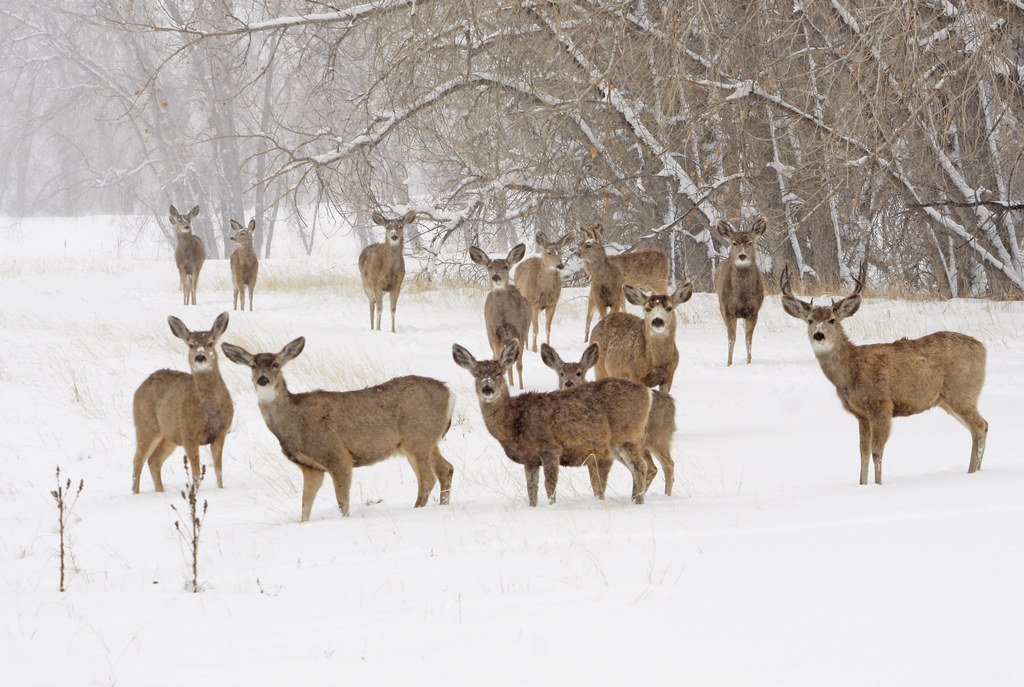
Decade of Tracking Reveals Migration Payoffs (Image Credits: Unsplash)
Researchers from the University of Wyoming and the Wyoming Game and Fish Department spent nearly a decade monitoring the Sublette herd of mule deer. They captured animals via helicopter, assessed body conditions, and tracked movements to link migration patterns with health outcomes.
Female deer served as the primary focus. Long-distance travelers consistently showed superior fat reserves and pregnancy rates. This pattern held across multiple migration cycles, underscoring a clear survival advantage.
Mountain Forage Fuels Fat Reserves
Deer venturing farther reach diverse, nutrient-rich food sources in high-elevation mountains. These areas provide the calories needed for substantial fat buildup during summer and fall. Resident deer, staying closer to lower elevations, miss out on such bounty. Their leaner bodies correlate with fewer successful pregnancies. The contrast highlights how migration unlocks superior nutrition.
Balancing Perils with Proven Benefits
Migration carries hazards including fences, highways, and concentrated predators. Yet data suggests the trade-offs favor the travelers. Hall Sawyer, who helps manage the Sublette herd, noted the stakes: “Long-distance migrants have a lot of risk associated with them, with fences, vehicles and predator assemblages… But is the risk worth it? It seems like it is.”
- Access to premium mountain grazing
- Higher fat accumulation for winter survival
- Improved fawn production rates
- Overall longevity boost
- Outpacing non-migratory peers
Family Legacy Guides the Way
Unlike many species that rely on innate seasonal triggers, mule deer inherit their routes from family members. Offspring follow established paths learned from mothers and kin. This cultural transmission ensures reliable access to proven resources. It also amplifies the need to preserve intact corridors amid growing human development.
Urgent Call for Corridor Protection
Barriers like roads and fences disrupt these vital pathways. Conservation efforts must prioritize their removal to sustain migration benefits. The findings, detailed by The Wildlife Society, urge action to safeguard mule deer populations. These revelations reshape views on wildlife mobility. Protecting long-distance travelers could secure healthier herds for generations.
Key Takeaways
- Longer migrations yield fatter deer with better reproduction.
- Risks exist, but rewards dominate for Wyoming mule deer.
- Preserve family-guided paths to ensure survival.
Migration proves a high-stakes investment worth every step. What steps should conservationists take next? Share your thoughts in the comments.