You grow up hearing that the last Ice Age giants vanished long before recorded history, as if a wall separates your world from theirs. Then you stumble across an engraved bone, a rock painting, or a carved tusk that seems to show a creature you’ve only ever seen in museum dioramas, and that wall suddenly looks a lot thinner. Around the world, ancient artists left behind images that some researchers argue are direct memories of mammoths, mastodons, giant sloths, or mysterious beasts that no longer walk the Earth.
When you look closer, though, you find a more complicated story. Some artifacts are strongly backed by archaeology; others are controversial, possibly misinterpreted, or still hotly debated. If you expect a neat list of “secret proof” of living dinosaurs and hidden mammoths, you’ll be disappointed. But if you’re willing to live in the grey zone – where stone, bone, and paint hint at encounters between humans and massive animals – you’re in for something far more fascinating.
1. Rock Painters of the Colombian Amazon and Their Ice Age Bestiary
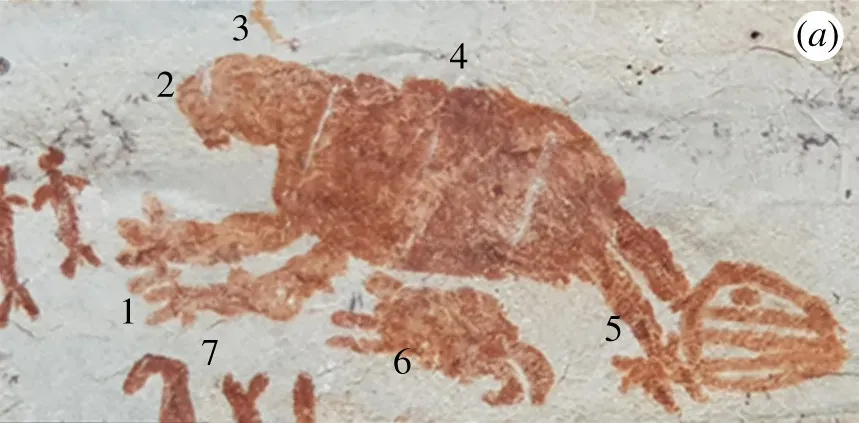
If you want one of the clearest cases where ancient people seem to show you Ice Age giants, you head into the Colombian Amazon. At sites like Serranía La Lindosa, you find kilometer-long cliffs covered in red ocher paintings: humans, geometric signs, and, crucially, animals that look a lot like mastodons, giant ground sloths, prehistoric ungulates, and large camelids. Archaeologists working there have dated the earliest phases of occupation and painting to roughly the late Pleistocene and early Holocene – around twelve and a half to ten thousand years ago – right when these megafauna still roamed parts of South America.
When you stand in front of those walls, you are not just looking at art; you’re staring at what might be a hunting memory, a teaching tool, or a spiritual story built around enormous creatures your own species helped drive to extinction. The paintings do not come with labels, so you have to compare outlines, tusks, body shapes, and context with the fossil record. The exciting part is that these images line up reasonably well with what paleontology already tells you was there, making this one of the most persuasive lines of evidence that early Amazonians saw – and painted – some of the last Ice Age giants.
2. Upper Paleolithic Cave Artists of Europe and Their Mammoth Galleries
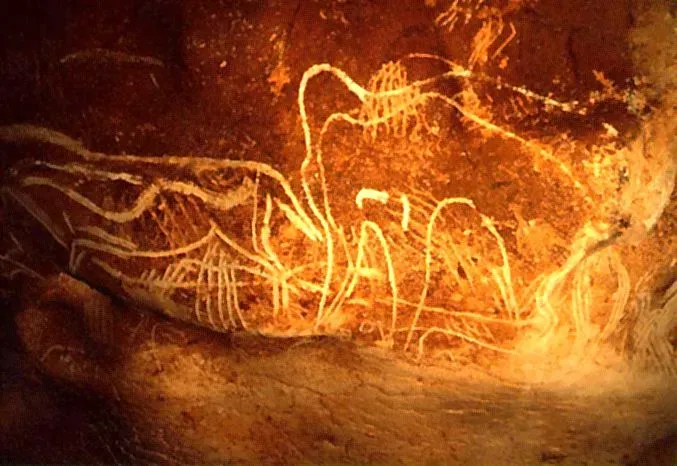
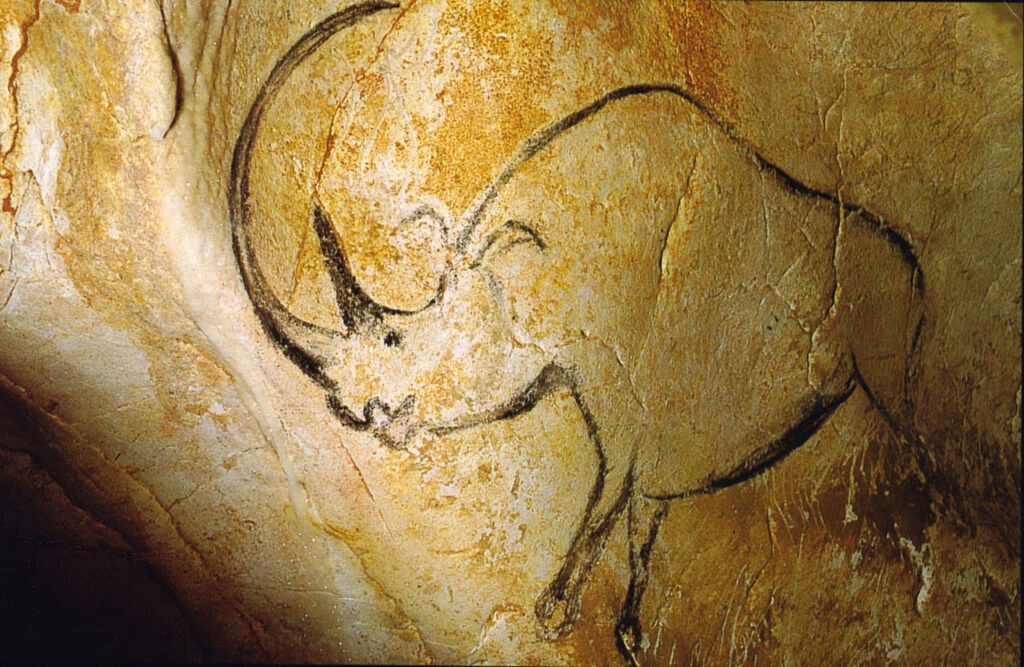
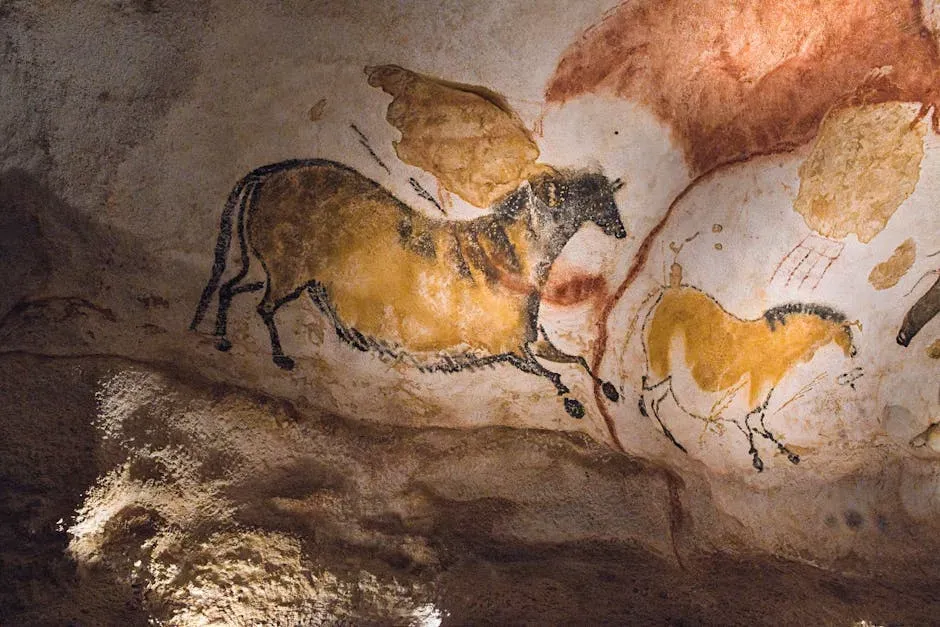
When you think of Ice Age art, your mind probably jumps to European caves lit by flickering torchlight. In places like Rouffignac, Chauvet, and other Upper Paleolithic sites across France and beyond, you see mammoths drawn with surprising skill and realism. These are not vague blobs that you can project anything onto; they show trunks, tusks, domed heads, and shaggy outlines that match what paleontologists reconstruct from skeletons and frozen carcasses found in Siberia. Radiocarbon dates place much of this cave art between about thirty-five thousand and eleven and a half thousand years ago, right within the known range of woolly mammoths.
For you, these caves are as close as you’ll ever get to standing beside a living mammoth. The artists were not guessing from fossils; they were drawing neighbors, prey, and perhaps even rivals in their mythic imagination. You can see mammoths appearing again and again, sometimes more often than many smaller animals that would have been common in their environment. That repeated presence hints that, in the minds of these Ice Age Europeans, the mammoth was not just another animal, but a central character in their mental world, one they wanted to remember long after the tracks in the snow had melted.
3. Paleoindian Peoples of North America and the Mammoth Bone Engravers
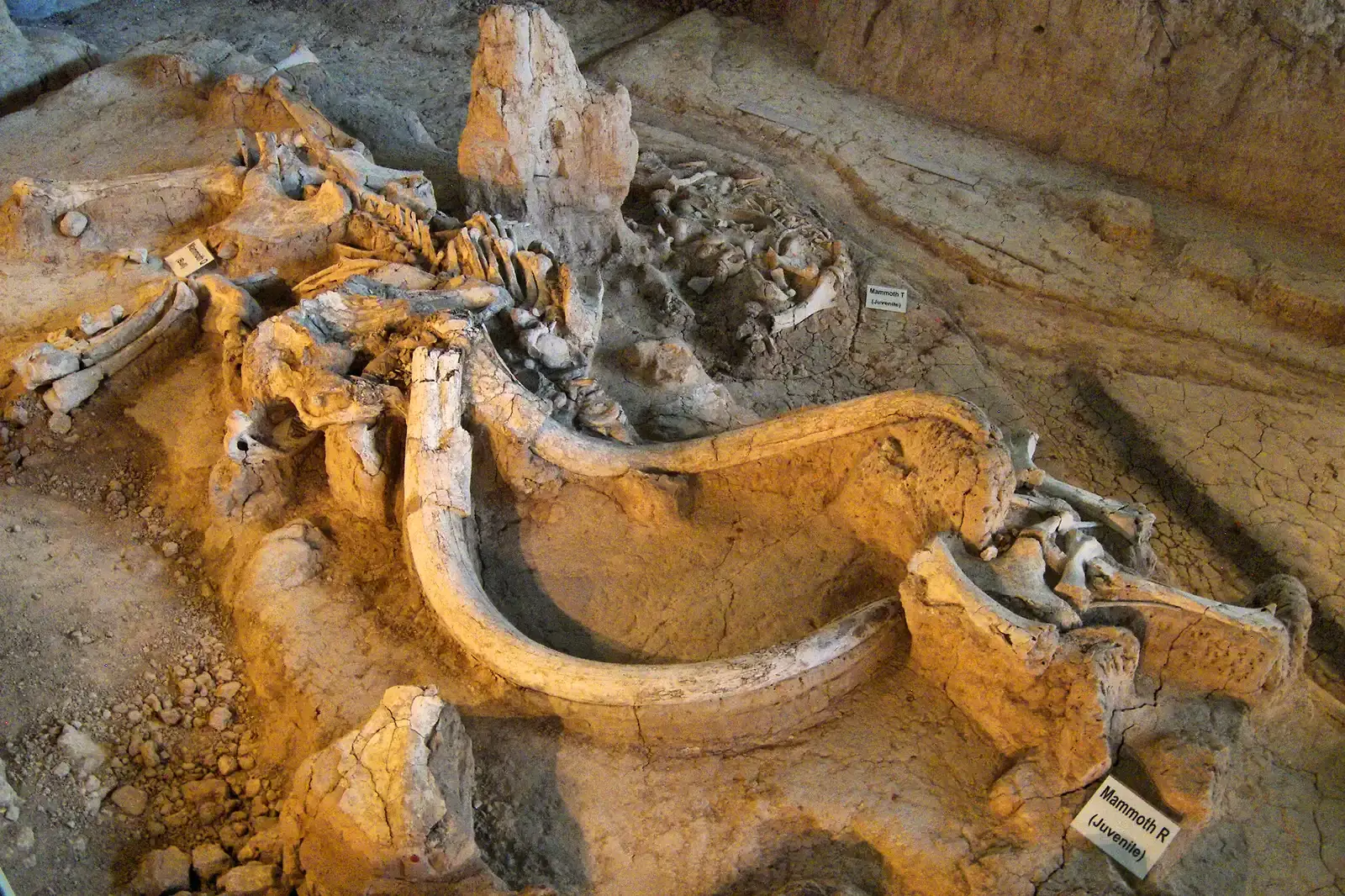
In North America, the evidence that early Indigenous peoples saw and interacted with mammoths and mastodons comes first from butchered bones and stone tools found side by side. But you also get a more intimate clue: an engraved proboscidean on an ancient bone fragment from Florida, interpreted by many researchers as showing a mammoth or mastodon. The bone itself dates to roughly the same late Pleistocene window as known human–megafauna overlap, giving you a rare moment where art, bones, and archaeology line up.
When you look at that engraving, you are peering into the mindset of someone living at the edge of a changing world. The outline is simple but recognizable, with a raised trunk and sloping back, echoing similar shapes you see in Old World Ice Age art. Some specialists remain cautious and argue over details, but the piece is widely talked about as one of the earliest clear depictions of an extinct animal in the Americas. If you imagine holding that bone in your hand, you are holding not just a fossil but a memory – someone’s decision to fix an enormous, dangerous, useful animal into a line drawing that might outlast their entire culture.
4. Early Amazonian Settlers and Their Giant Sloth Mysteries
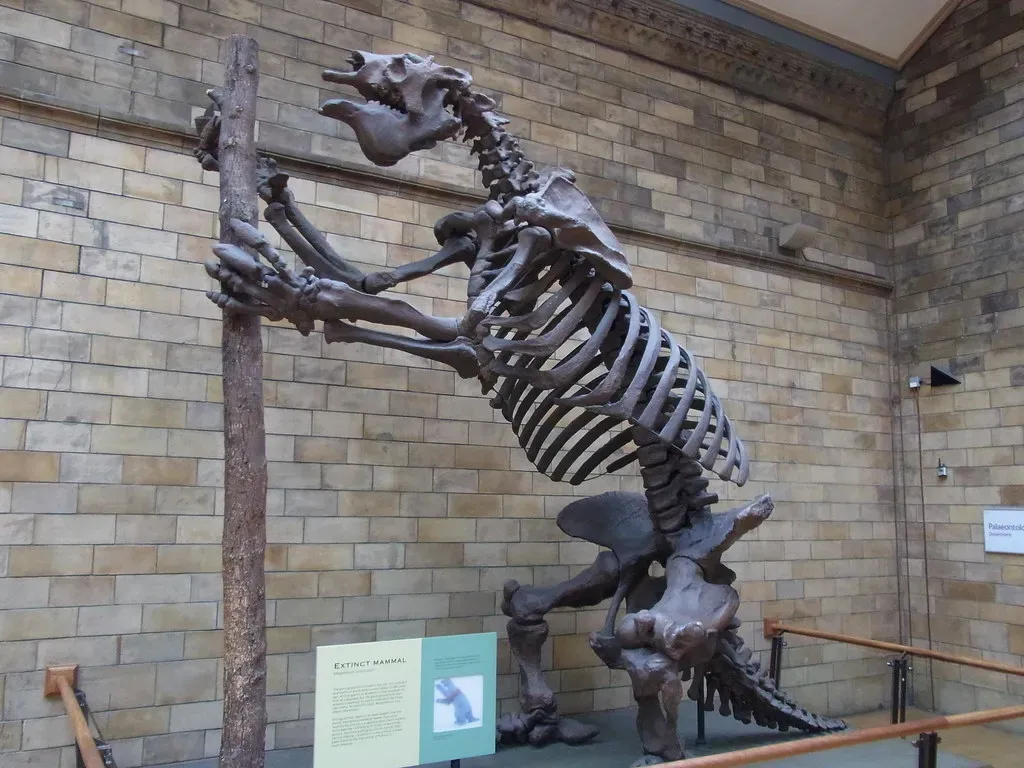
Back in the tropics, the Colombian Amazon sites offer you more than possible mastodons; they tease you with what look like giant sloths, huge and odd-bodied, distinct from any living species. Paleontology already tells you that massive ground sloths, some as big as small cars, once browsed in South America and survived there until roughly the end of the last Ice Age. When rock art from human-occupied shelters shows big, humped shapes with long forelimbs and distinctive profiles, you cannot help wondering if you are seeing those animals through ancient eyes.
Here you see the core tension of this entire topic. On one side, you have dates, fossils, and reasonably matching silhouettes that support the idea that these Amazonian artists watched giant sloths lumber past. On the other, you have the warning from rock art specialists that you might be seeing what you expect to see, a human tendency called pareidolia. As you weigh both, the safest conclusion is that these paintings strongly hint at megafauna encounters, but you still treat them as clues, not courtroom proof, and you stay open to new digs and better dating nudging your interpretation one way or the other.
5. Aboriginal Artists of Arnhem Land and Australia’s Vanished Giants
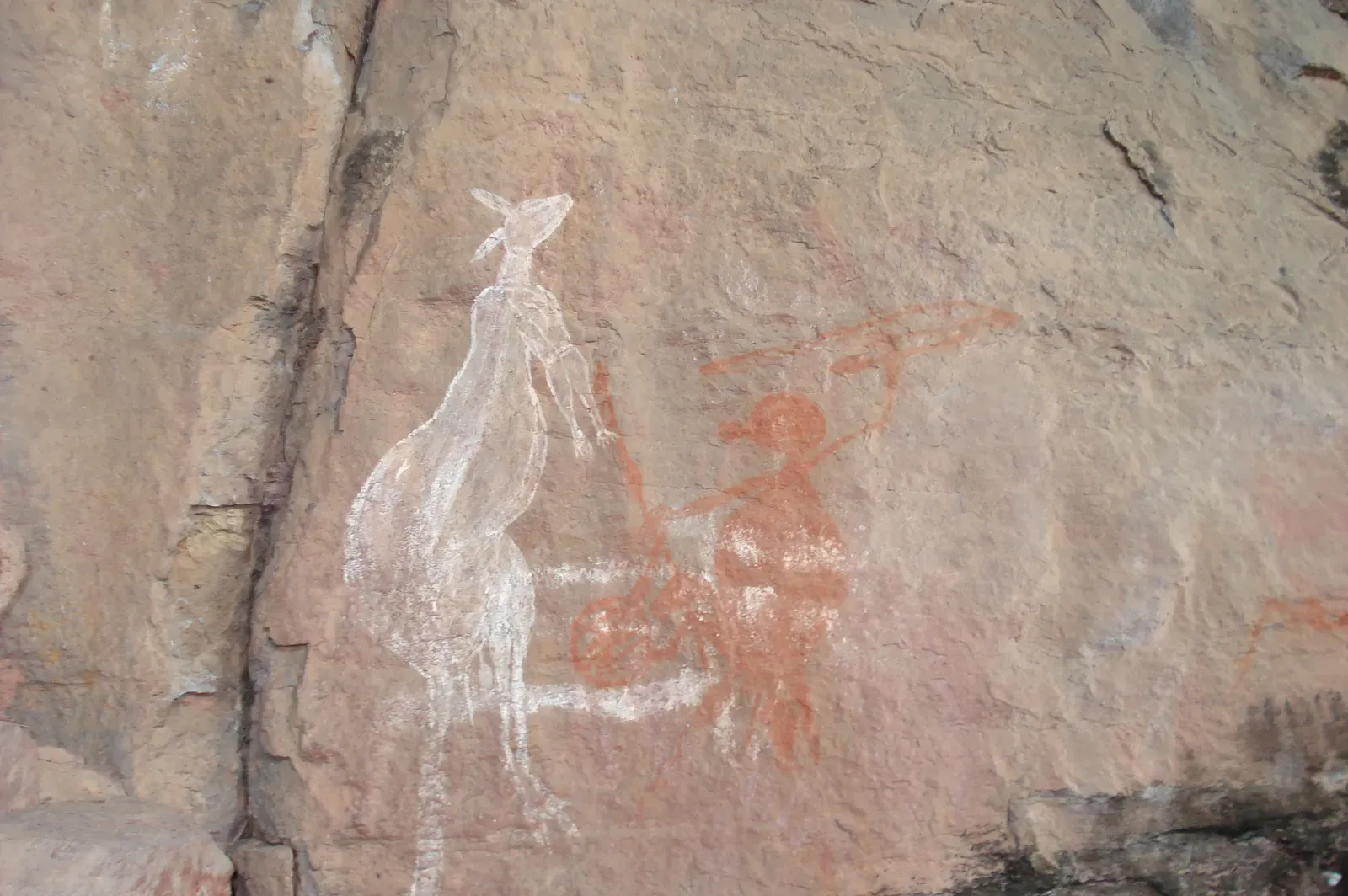
When you walk the sandstone escarpments of Arnhem Land in northern Australia, you move through galleries layered with thousands of years of Aboriginal painting. Some images are clearly recent, showing fish, turtles, and familiar animals. Others are stranger: bulky, almost reptilian quadrupeds or large, muscular kangaroo-like figures that some researchers have suggested might represent extinct megafauna such as the marsupial lion Thylacoleo or giant kangaroos. A few of these images do seem to share traits with fossil reconstructions that would have been hard to imagine without firsthand observation.
You also have to accept that this field is controversial. Several rock art specialists argue that most claimed megafauna identifications in Australia are misreadings, that many of the paintings are younger than the extinctions, and that Indigenous meanings may not line up with modern zoological categories at all. There are a handful of cases, especially in Arnhem Land, where scholars cautiously entertain the megafauna link, but they do so while stressing uncertainty. If you want to be honest with yourself, you treat these Australian images as tantalizing, not decisive: powerful reminders that Aboriginal artists were recording a deep, layered world, some of which may have once included animals you no longer see.
6. Gwion Gwion Painters of the Kimberley and the Shadow of a Lost Beast
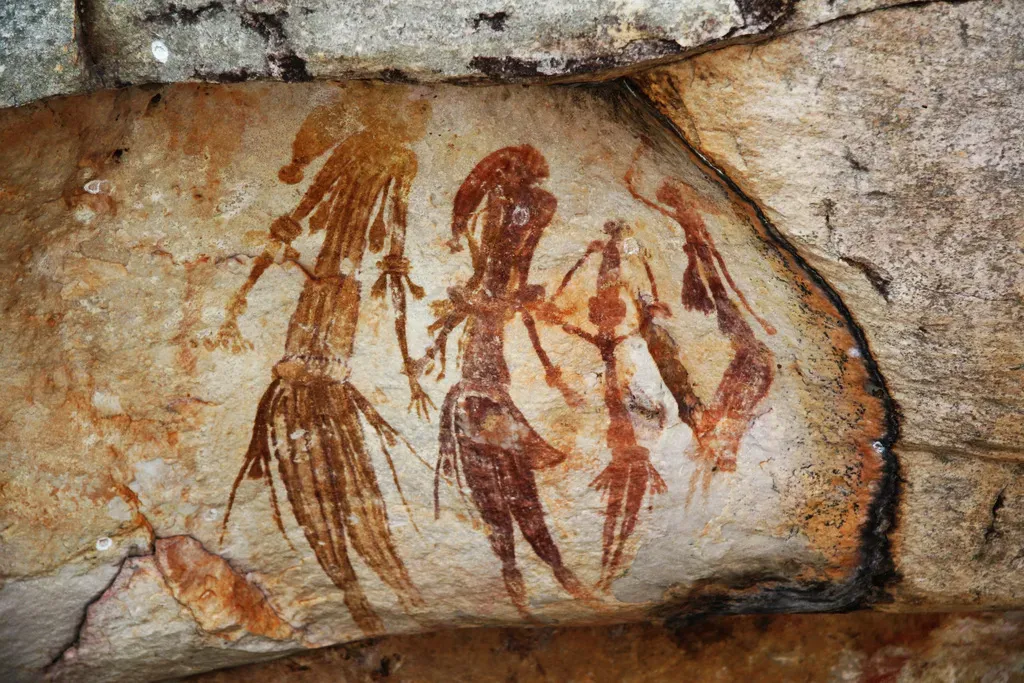
Far to the west of Arnhem Land lies the Kimberley region, home to the famous Gwion Gwion rock paintings. These slender, elegant figures are often later than the true Ice Age, but in some shelters you also find earlier, more animal-focused art beneath or around them. At least one large quadruped image in this region has been argued to depict an extinct Australian megafaunal species, and dating of overlying wasp nests suggests a Pleistocene age for part of this artistic sequence, planting you firmly in a world where now-vanished beasts were still part of the landscape.
Here, interpretations are even more delicate than in Arnhem Land. Researchers point out that, beyond the thylacine, extremely few Australian rock art figures can be tied convincingly to extinct species, and that Western audiences often push megafauna readings where local traditions do not. From your perspective, what matters is not winning an argument but understanding the stakes. The Gwion Gwion region teaches you that when you see a strange, bulky animal in old art, the temptation to call it a lost giant is strong, but the responsible move is to combine rock art, sediment dating, and careful comparison with known fossils before you let your imagination run too far.
7. Steppe Hunters of the Mongolian Altai and Their Rhinoceros and Ostrich Carvings
On the high, wind-scoured plateaus of the Mongolian Altai, you find petroglyph sites that push you back to the tail end of the Pleistocene. Among the many animal carvings there are images interpreted as woolly rhinoceroses and ostriches, creatures that no longer live in that environment. Geological and stylistic studies suggest that some of these engravings date to before about twelve thousand years ago, making them likely products of groups who hunted, tracked, or at least observed Ice Age fauna as they clung to shrinking steppe habitats.
When you picture yourself as one of these steppe hunters, a rhinoceros is not an exotic museum animal but a dangerous, armored neighbor that might be both a threat and a treasure trove of meat and materials. The fact that artists took the time to carve these shapes into rock hints at how important such animals were in their world. At the same time, the Altai sites remind you that not all megafauna were monstrous oddities; some, like the ostrich, were simply parts of a broader, now altered ecosystem. The engravings become a kind of time capsule, letting you glimpse a climate and community that vanished as grasslands gave way to different vegetation and the big beasts lost their footing.
8. Desert Dwellers of Ancient Arabia and Monumental Aurochs and Camel Engravings
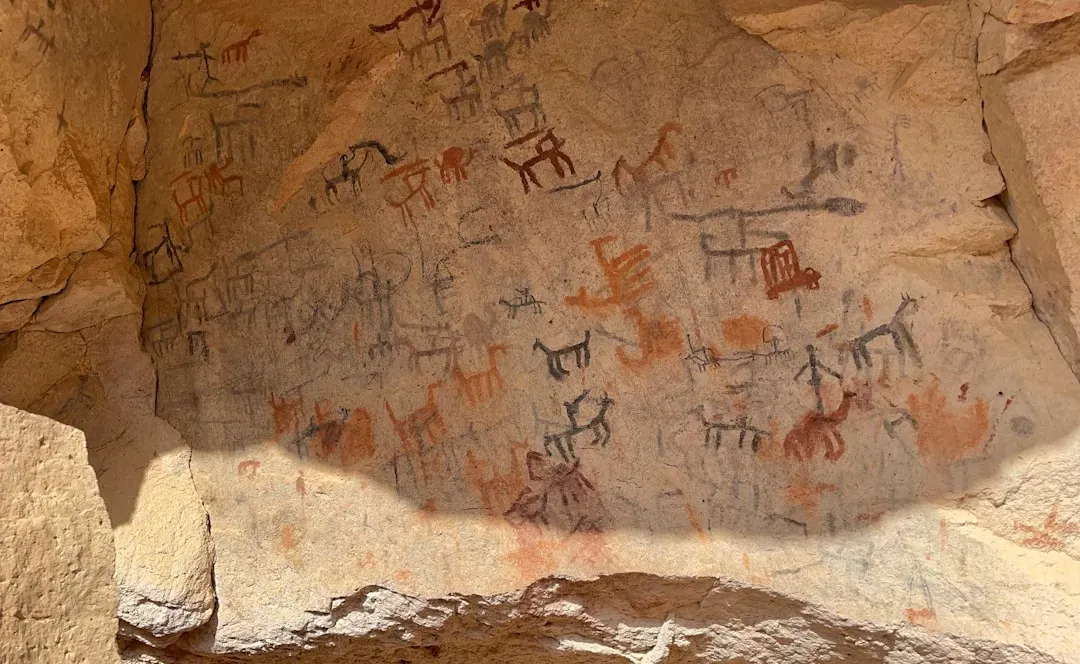
If you imagine Arabia only as a barren, unchanging desert, the rock art of the peninsula will surprise you. Recent research has revealed monumental engravings of camels, ibex, wild equids, gazelles, and especially huge aurochs – the wild ancestors of cattle – dating to the Pleistocene–Holocene transition. These were not casual doodles: some panels show animals as large as life-size, carved along routes near ancient lakes and water bodies. You are essentially looking at waymarks and symbolic signposts created by people moving through a greener, more hospitable Arabia where big game clustered around seasonal water.
While aurochs and camels are not extinct in the deep-time sense of mammoths, they count as megafauna in their own right and bridge you into the same theme: humans marking their coexistence with large, powerful animals as climates shifted. By following these engravings, you can trace how communities navigated the desert, hunted, herded, and maybe even developed early forms of pastoralism. For you, the key insight is that “forgotten encounters” are not always about creatures that look like monsters; sometimes they are about familiar-looking animals in unfamiliar abundance and size, inhabiting a landscape utterly different from the one you see now.
9. Early Indian Ocean Islanders and the Ghost of the Giant Lemur
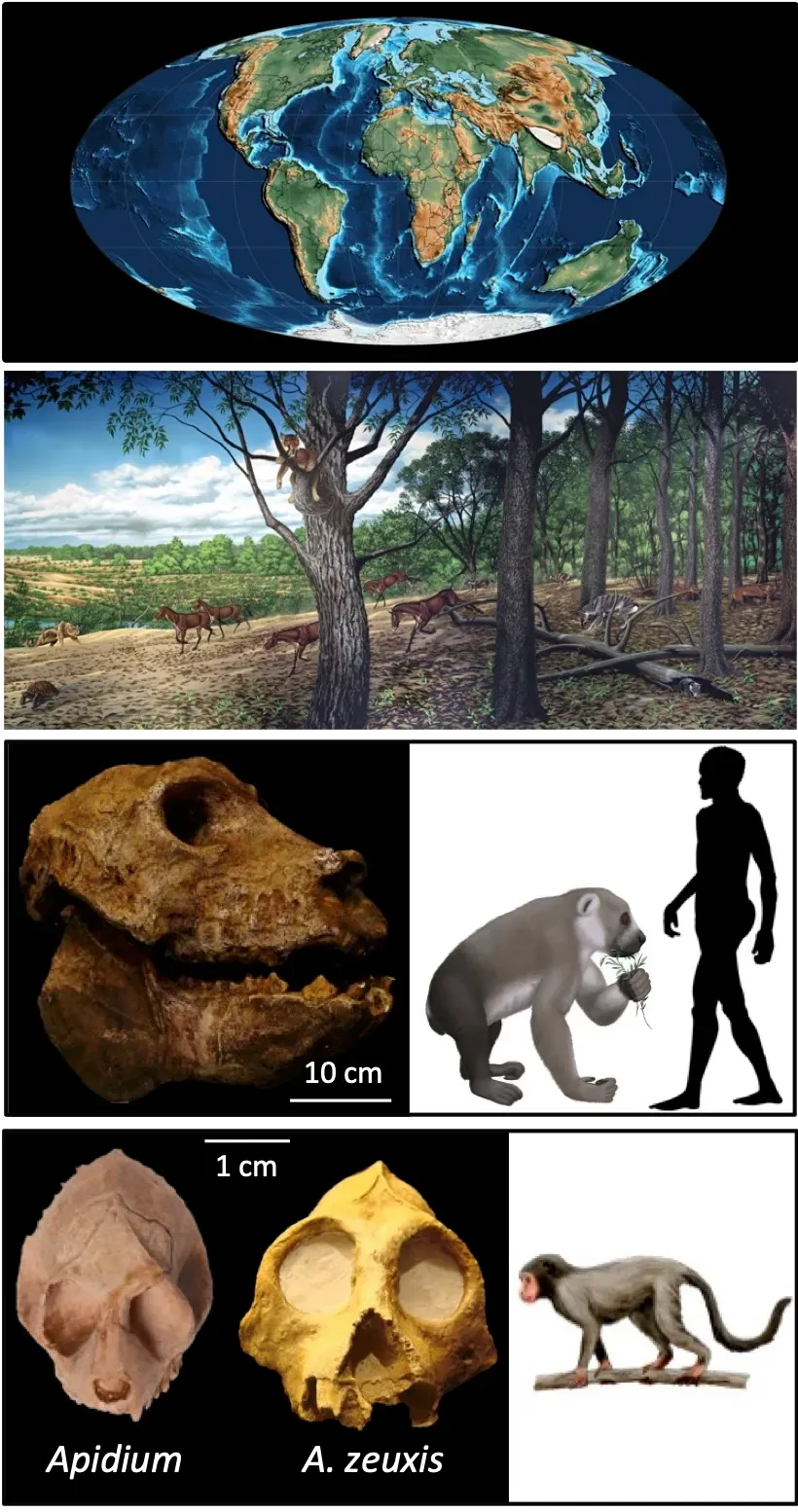
On islands in the Indian Ocean, especially Madagascar and nearby regions, fossil evidence tells you that outsized lemurs once leapt through forests – some of them much larger than any primate alive there today. A handful of cave paintings and other depictions have been suggested to represent these extinct lemurs, based on unusual body proportions and features unlike any living species. One such painting has drawn particular attention from researchers who specialize in the region’s natural history, because its outline appears to capture a big-bodied primate that simply does not exist in the modern fauna.
The dating and attribution of these images are still being worked through, so you should treat them as promising rather than definitive. But they hint at a sobering reality: some island megafauna may have survived into time periods when people were already well established, and human activities likely played a role in their disappearances. When you think about these possible giant-lemur depictions, you are forced to drop the comfortable idea that such extinctions were purely “prehistoric.” Instead, you see a world where your own species may have watched the last of these strange primates die out, and a few of your distant cousins might have tried to keep their memory alive in pigment on stone.
10. Your Own Ancestors and the Temptation to See Dinosaurs Everywhere
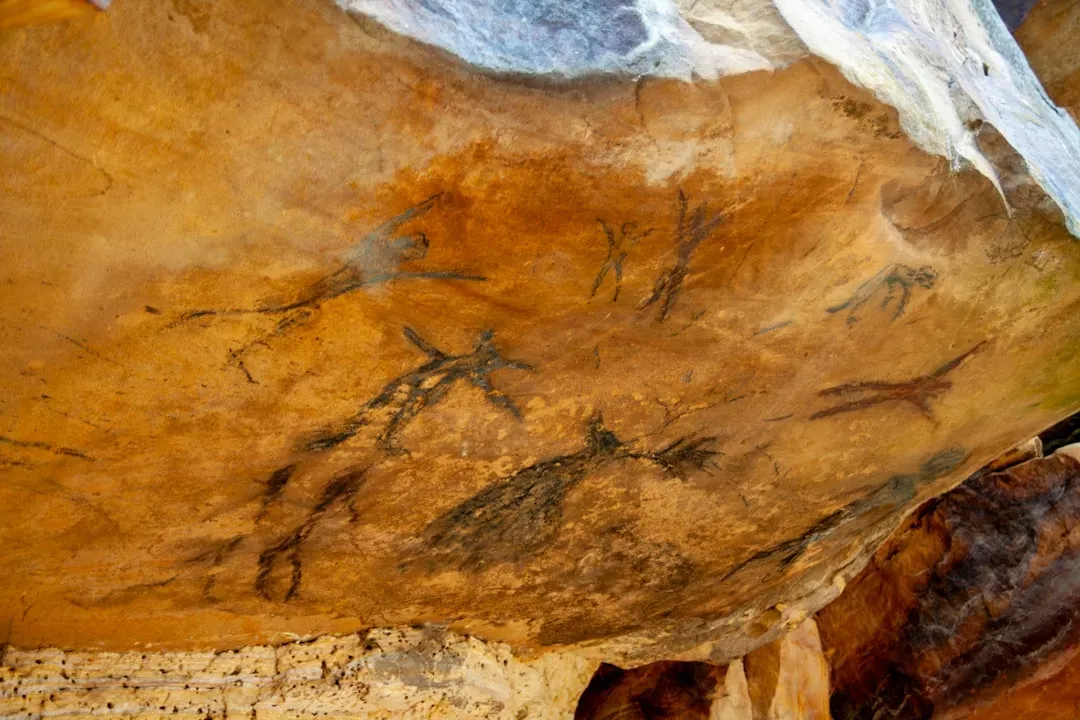
By now, you have probably seen internet claims that some ancient tribe carved or painted dinosaurs, pterosaurs, or dragons that must be literal memories of prehistoric reptiles. Rock art from places like North America and Central Asia is often dragged into these arguments, with long-necked or winged shapes presented as “proof” that humans and dinosaurs coexisted. When you dig into the actual scientific literature, though, you find that these interpretations fall apart. Specialists show that many of these figures are much younger than dinosaur fossils, or that they clearly depict familiar animals, spirits, or composite beings once you understand the local traditions.
This last point may be the most important one you take away. Your brain is wired to match patterns, and when you already want to see a dinosaur, a stretched-out lizard or stylized bird can easily become one in your mind. The same is true with megafauna: a bear with a fish, a ceremonial figure, or an abstract symbol can morph into a mammoth if you are not careful. So when you confront ancient artifacts that hint at forgotten encounters, you have to walk a tightrope. You stay open to genuine evidence – engraved mammoth bones, carefully dated rock art that matches known Ice Age fauna – while resisting the urge to turn every ambiguous figure into proof of a lost world.
Conclusion: Reading Giants in Stone Without Fooling Yourself
When you pull all these threads together – from Amazonian cliff paintings and European cave galleries to Australian escarpments, Altai plateaus, Arabian deserts, and far-off islands – you start to see a shared pattern. Again and again, your species encountered very large animals at the edge of climatic and ecological change, and sometimes you chose to record those meetings in art. Some of those records are strong enough that you can reasonably say, yes, that is very likely a mammoth, a mastodon, a rhinoceros, or a giant sloth. Others hover in a twilight zone of possibility, reminding you that ancient art is not a photograph but a blend of observation, symbolism, and memory.
What you do with that knowledge says a lot about how you approach the past. You can chase sensational claims and see dinosaurs behind every crack in the rock, or you can let the real story – humans living through the last days of Ice Age giants – be powerful enough on its own. If you choose the second path, you end up with something richer: a sense that when you stand before a faint engraving or ocher figure, you are standing next to someone who once watched a massive animal move across a very different world and decided it was worth carving into stone so that you might still feel its presence today. When you picture those moments, do the giants seem as distant as you once thought?