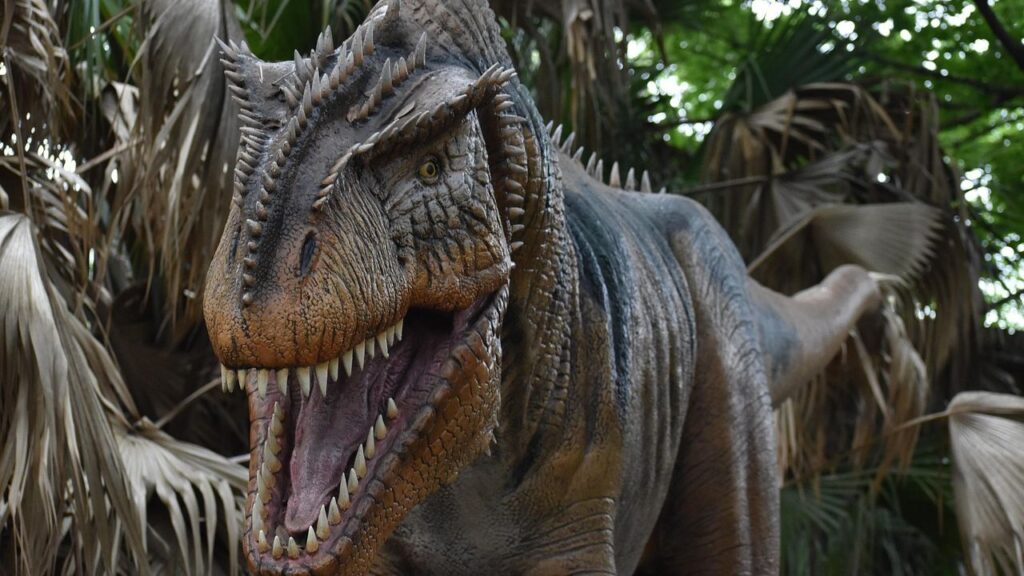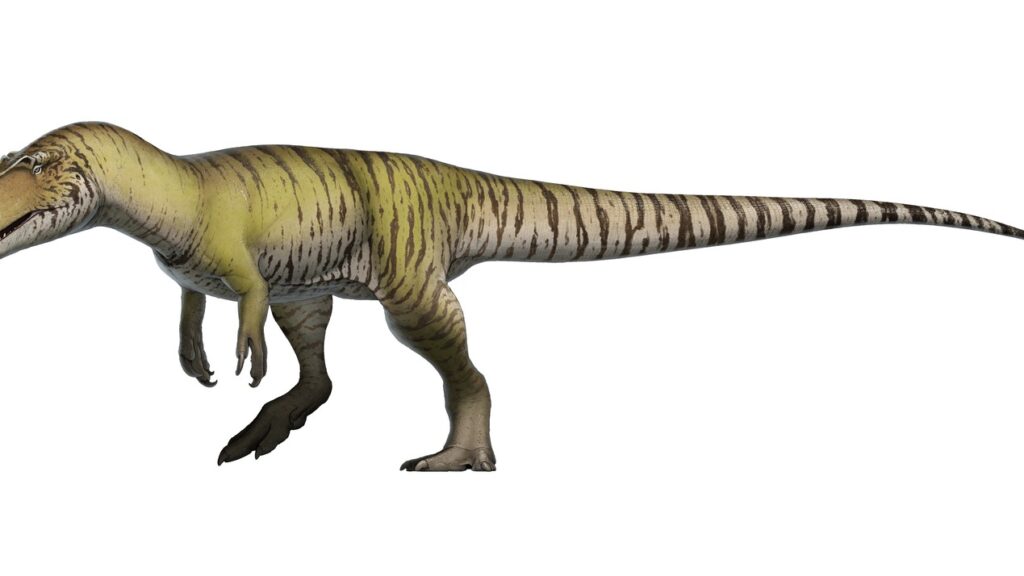
Everyone knows Tyrannosaurus rex as the king of the dinosaurs, the movie star, the teeth in all the posters. But the more paleontologists dig, the more it starts to look like T. rex might have just been one terrifying face in a whole crowd of even more nightmarish creatures. Some were bigger, some were faster, some were walking blenders built almost entirely out of teeth. A few were so strange that if you saw them in a sci‑fi movie, you’d probably complain they looked unrealistic.
What makes this fun is that many of these animals are barely known outside scientific circles. They don’t get starring roles, they rarely show up on kids’ lunchboxes, yet they would have turned the Cretaceous landscape into a living horror film. Let’s walk through ten dinosaurs that, in my opinion, make T. rex look almost… reasonable. And as we go, picture yourself in their world and ask: which one would you least want to meet in the dark?
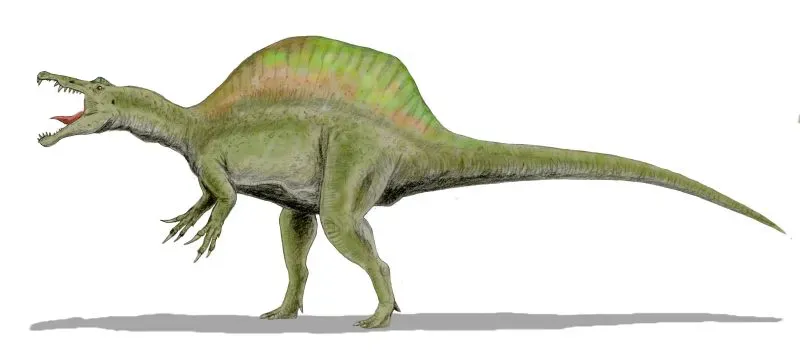
1. Spinosaurus aegyptiacus: The River Monster Bigger Than T. Rex
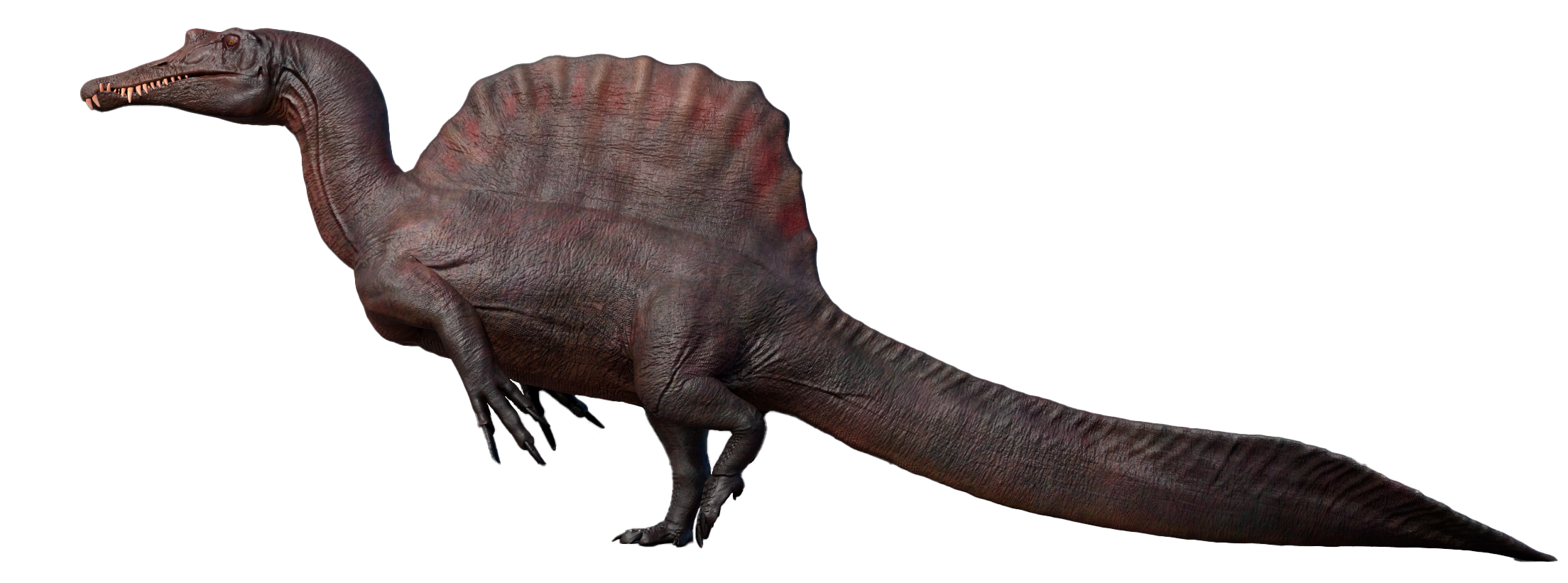
Imagine a predator longer than a city bus, with a crocodile-like skull full of conical teeth, hauling itself through a river system like some nightmarish mix of heron and shark. That’s Spinosaurus, and modern research suggests it was actually longer than T. rex, possibly stretching well over fifty feet from snout to tail. Its elongated jaws were packed with teeth ideal for gripping slippery prey, and its nostrils were set back on the skull, hinting at a semi-aquatic lifestyle where it could lurk just beneath the surface.
What makes Spinosaurus especially chilling is that it rewrites the rules of what we thought big theropods could do. Instead of stomping around on land chasing big herbivores, this animal seems to have invaded the rivers, hunting giant fish and anything foolish enough to get too close to the water’s edge. Picture a world where the shoreline is not a safe boundary but the start of another predator’s territory. Compared to that, the land-bound terror of T. rex almost feels limited; at least with T. rex, you could hope to escape by getting out of its path, not by learning to swim.
2. Giganotosaurus carolinii: The Southern Giant Built To Run You Down
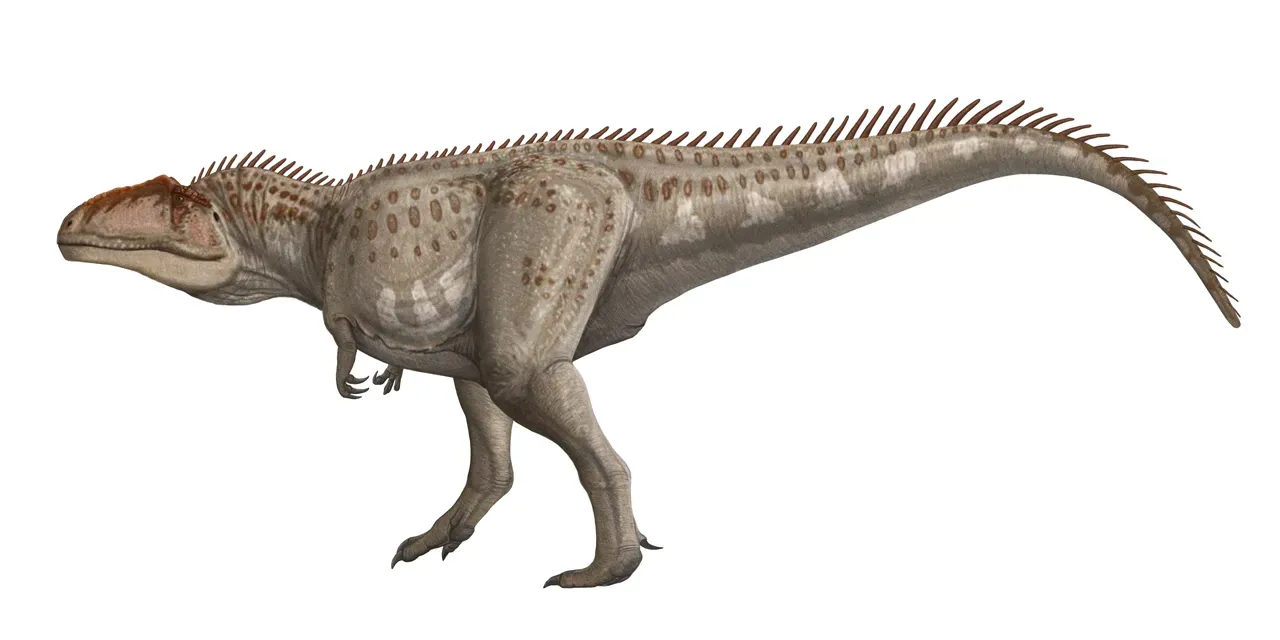
Giganotosaurus often gets tossed into T. rex comparisons like some kind of “regional rival,” but that does not do it justice. This predator from what is now Argentina was at least as long as T. rex and may have been slightly heavier in some reconstructions, with a long, narrow skull and blade-like teeth built to slice through flesh. Its body proportions suggest an animal tuned for covering ground, with relatively long legs for such a massive creature.
What really pushes Giganotosaurus into nightmare territory is the idea that it might have hunted large sauropods, the giant long-necked dinosaurs that towered over everything else. Taking down prey that big would have required immense power, aggressive tactics, and probably repeated attack runs that turned the landscape into a stampede of crushing feet and flying debris. Unlike T. rex, which lived near the end of the Cretaceous in North America, Giganotosaurus represents a whole different engineering solution to “how do you build a super-predator?” In some ways, it feels less like a tyrant king and more like a relentless long-distance killer that simply did not know how to quit.
3. Carcharodontosaurus saharicus: The “Shark-Toothed” Slayer Of The Sahara
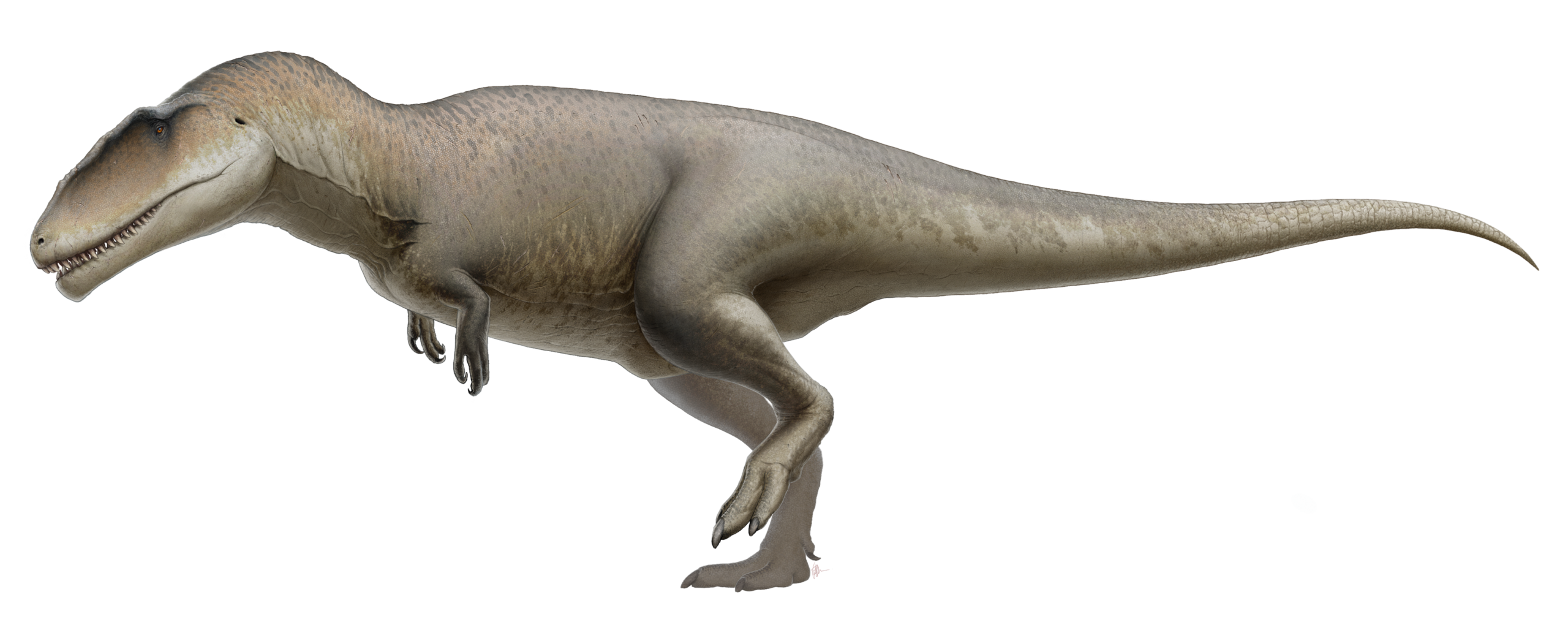
Carcharodontosaurus is the dinosaur you get if you ask nature to build a land shark on two legs. Its name refers to its teeth, which resembled those of a great white shark: long, flat, and serrated like steak knives. This giant roamed what was once a lush, river-dotted Sahara, a place that was less desert and more prehistoric wildlife congestion, with huge herbivores everywhere and a food web that seems almost overstuffed with killers.
In that environment, Carcharodontosaurus would have been a top-tier predator, capable of inflicting massive, bleeding wounds with each bite, designed more for slicing than for the bone-crunching power that made T. rex famous. There is something almost more horrifying about that slicing approach: instead of crushing you in one go, it could have ripped through muscle and organ tissue, letting blood loss and shock do the work. Standing tall with a skull longer than many adults are tall, it embodies a different flavor of terror, one that feels less like a hammer blow and more like death by a thousand horrific cuts.
4. Mapusaurus roseae: The Pack-Hunting Giant You Could Not Outnumber
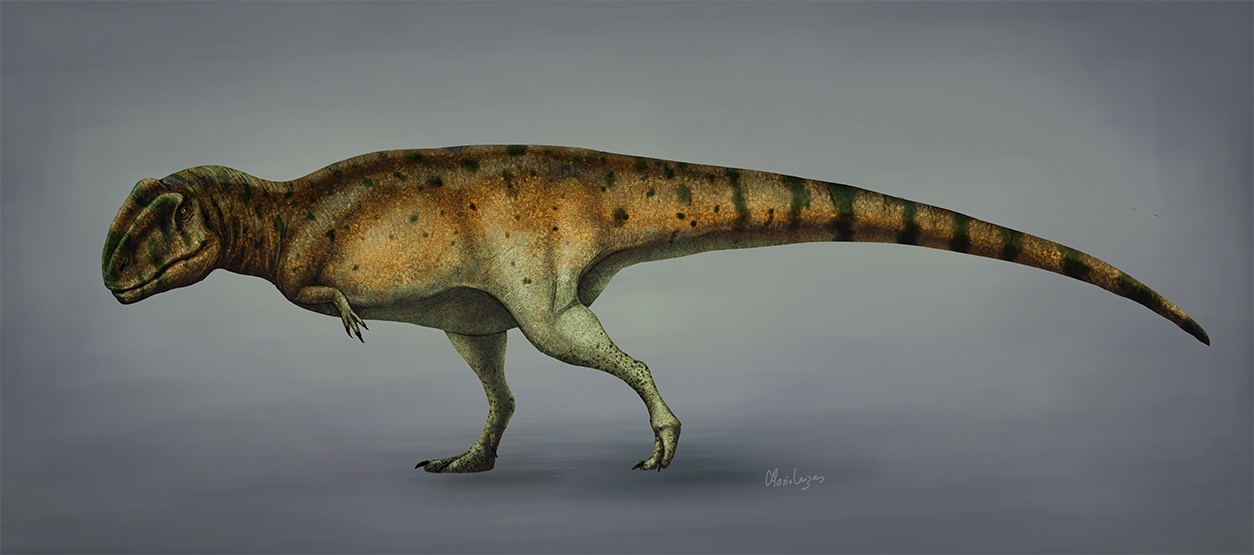
If the idea of one giant predator is bad, the idea of a group of them hunting together is absolutely brutal. Mapusaurus, another massive carcharodontosaur from South America, is often discussed alongside Giganotosaurus, but what really sets it apart is the fossil evidence suggesting groups of individuals found together. Some paleontologists interpret this as a sign of at least occasional pack or group behavior, which, if true, makes it one of the most terrifying dinosaurs imaginable.
Picture a group of multi-ton predators coordinating attacks on the largest sauropods around, harassing them from different angles, wearing them down the way a pride of lions might work on a buffalo, just scaled up to nightmarish proportions. Even if we stay cautious about behavior guesses, the simple possibility that these giants sometimes moved in groups is enough to make T. rex’s solo dominance feel almost quaint. A single T. rex is bad; a squad of Mapusaurus carving into a thirty-ton herbivore is horror on a geologic scale, and it reminds us that the ancient world was not ruled by lone kings but sometimes by entire dynasties of killers.
5. Utahraptor ostrommaysi: The “Real” Raptor That Was Nothing Like The Movies
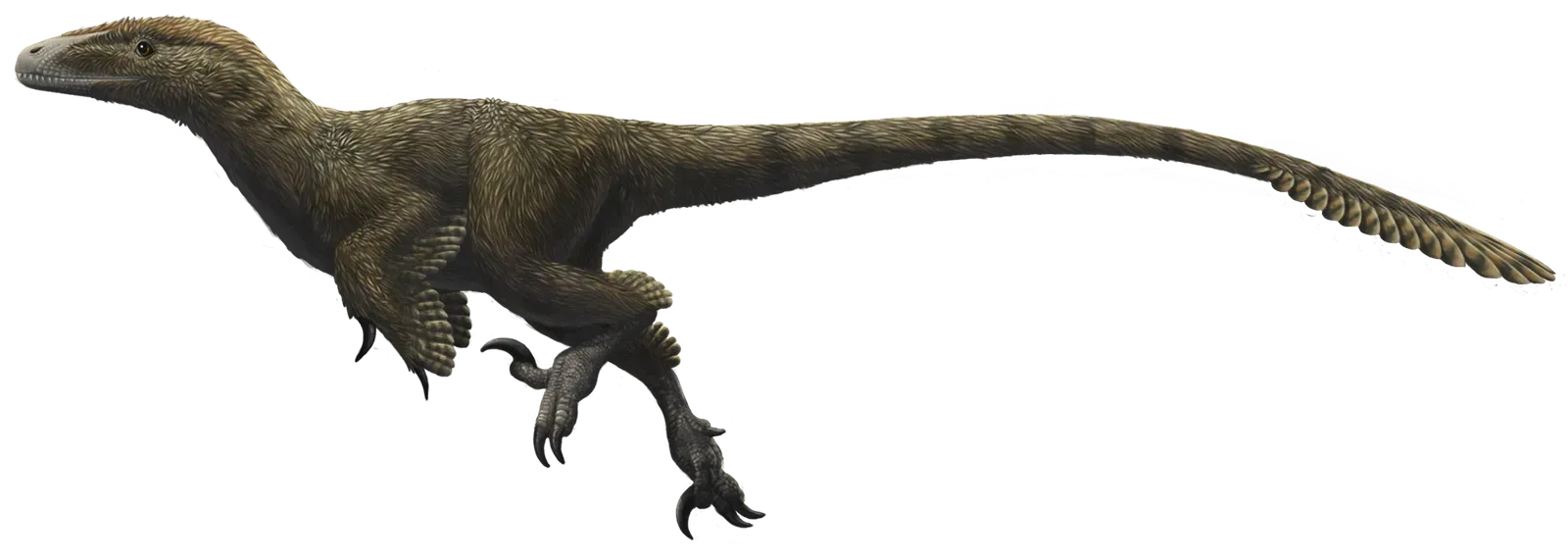
Most people’s mental image of a raptor comes from pop culture: human-sized, hyper-smart, jumping on kitchen counters. Utahraptor takes that idea and turns the dial far past what feels comfortable. This dromaeosaur from what is now Utah was massive for its group, likely weighing several hundred kilograms, with the famous enlarged sickle claw on each second toe, a weapon that could have been used for slashing, stabbing, or pinning struggling prey.
Unlike the slender, almost graceful look of smaller raptors, Utahraptor was more like a compact, heavily armed brawler, with strong hindlimbs, powerful forelimbs, and a stiffened tail acting like a dynamic balancing pole. Add in the likelihood of feathers, and you get this wild mental image: a giant, heavily feathered predator charging or leaping at its victim, claws first, like some lethal cross between an eagle and a grizzly bear. While T. rex terrified with sheer bulk and bite force, Utahraptor represents intimate, up-close horror, the kind where you can practically feel the claws before you even see the teeth.
6. Therizinosaurus cheloniformis: The Nightmare With Scythe-Claws
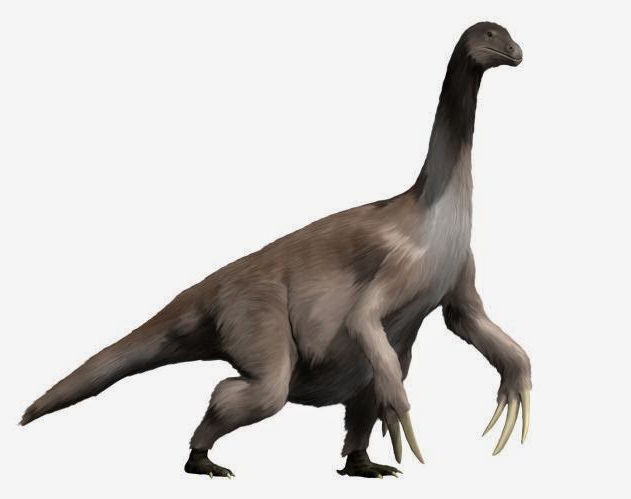
At first glance, Therizinosaurus might not seem “more terrifying” than T. rex, because it probably was not a classic meat-eating predator. But terror is not just about diet; it is also about sheer unsettling design. This towering, pot-bellied dinosaur from Late Cretaceous Asia walked on two legs, had a long neck and a small head, and then – most memorably – wore some of the longest claws ever seen on a land animal. Each hand bore gigantic, curved claws that could be as long as an adult’s arm.
Even if it primarily used those claws to pull down branches or defend itself, it is not hard to imagine the damage they could inflict on anything that got too close. A swipe from Therizinosaurus could have opened flesh like a can opener, whether the target was a predator or an unlucky rival. In a strange way, it feels more alien than T. rex: part ground sloth, part bird, part walking hedge-trimmer. If you turned a corner in its Cretaceous forest and suddenly saw that silhouette rising above the ferns, you would not stop to ask its dietary preferences – you would just run.
7. Deinocheirus mirificus: The Bizarre Giant You Would Never See Coming
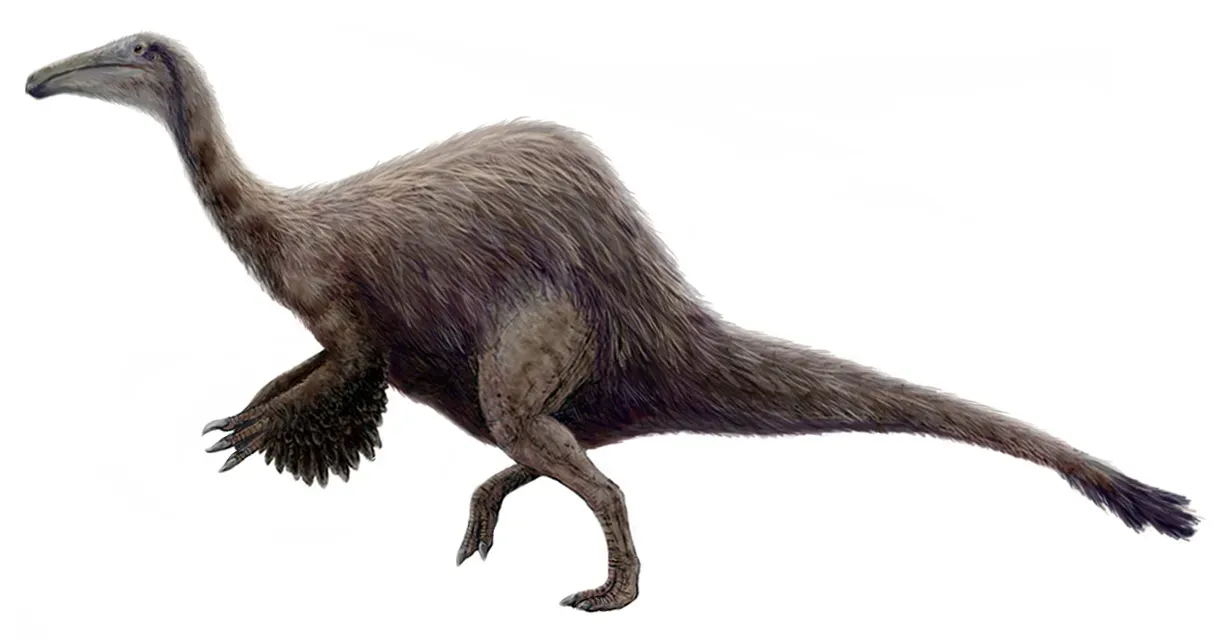
Deinocheirus is one of those dinosaurs that makes you rethink what “terrifying” really means. For decades, paleontologists had only its enormous arms and claws, leading to all sorts of monstrous reconstructions. When a more complete skeleton was finally found, the full picture turned out to be… weird: a massive, hump-backed, duck-billed, probably omnivorous dinosaur with long arms ending in big, blunt claws. It likely spent much of its time wading and foraging, not stalking like T. rex, but that almost makes it creepier.
This was a dinosaur that could grow to the length of a tractor-trailer, with a towering back and a presence that would dominate its landscape. Even if it was not a specialized predator, sharing a riverbank with something that large, armed, and unpredictable would not have been comforting. Think of it like sharing the woods with a moose the size of a house that occasionally decides to swing those arms if annoyed. T. rex was a focused killing machine; Deinocheirus feels more like a chaotic force of nature that did whatever it wanted, and that unpredictability is its own kind of terror.
8. Torvosaurus tanneri: The Early Super-Predator That Set The Standard
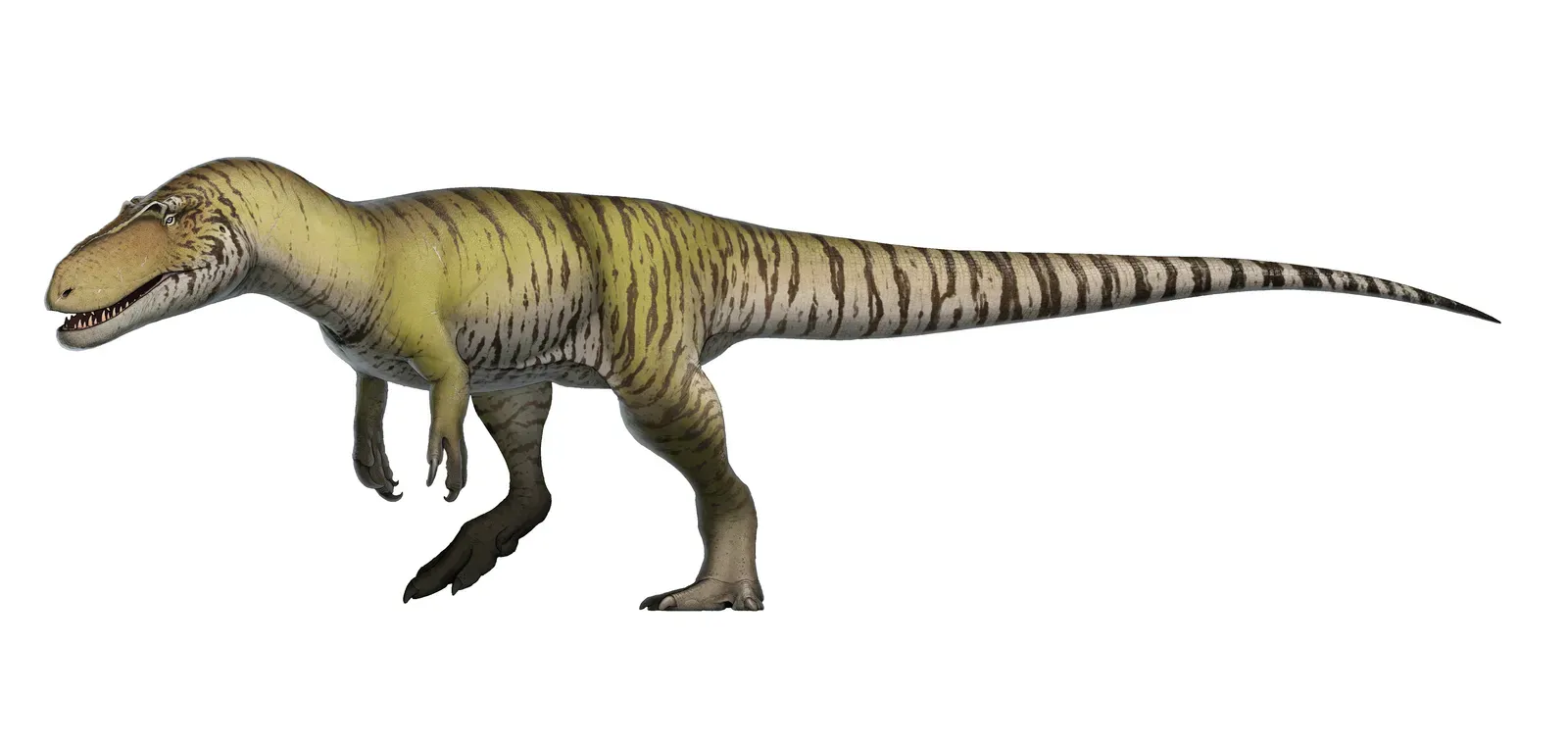
Long before T. rex stomped across North America, Torvosaurus was already showing the world what a serious theropod could look like. This Jurassic predator, found in both North America and Europe, was among the largest meat-eaters of its time, with a big, heavy skull full of robust teeth and a stocky, muscular body. It did not yet have the extreme bite-force adaptations of T. rex, but in the ecosystems it ruled, it simply did not need them to be the undisputed apex hunter.
Part of what makes Torvosaurus so impressive is the context: it lived alongside huge sauropods and armored dinosaurs, taking on heavily built prey with the tools of an earlier era. You can almost think of it as a prototype for later, even bigger killers, a sign that evolution had already figured out how to build giant land predators long before the Late Cretaceous. If you dropped a human into that Jurassic setting, Torvosaurus would be every bit as horrifying as any tyrannosaur, with the added dread of knowing this style of monster had already been perfecting its craft for millions of years.
9. Allosaurus fragilis: The Pack-Terror Of The Jurassic
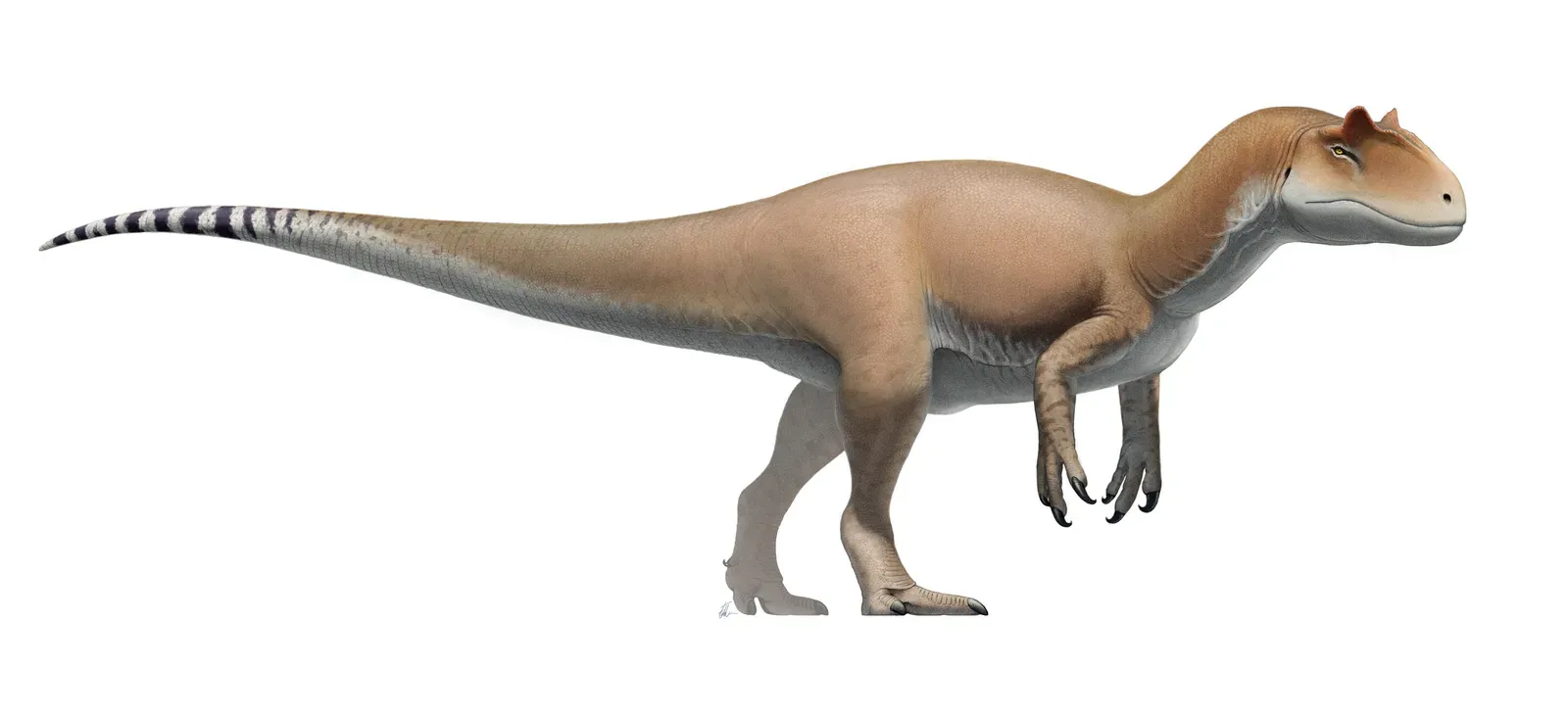
Allosaurus might be one of the better-known names on this list, but it still gets overshadowed by T. rex in most public conversations, and that is a shame. This mid-sized giant of the Late Jurassic was incredibly common in some fossil beds, suggesting it played a crucial role as top predator. Its skull and neck anatomy hint at a powerful “hatchet” biting style, where it may have driven its upper jaw downward into prey, using its neck muscles like a swinging axe.
Some bonebeds show multiple Allosaurus individuals alongside the carcasses of large herbivores, leading some researchers to speculate about group feeding or even cooperative behavior, though that part is still debated. Even without pack tactics, a landscape full of agile, multi-ton hunters with slashing teeth and flexible jaws would have been terrifying enough. I still remember seeing an Allosaurus skeleton in a museum as a kid and being struck by how “alive” it looked – less like a lumbering giant and more like a fast, efficient killer that could change direction quickly, the way a big cat might, just scaled up to dinosaur size.
10. Dakotaraptor steini: The Ghost In The Cretaceous Grasslands
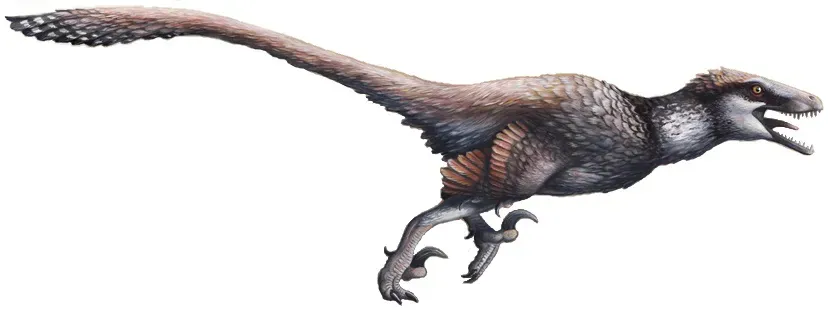
Dakotaraptor is one of those relatively recent discoveries that feels like a missing puzzle piece in the story of raptors. Found in rocks from the same general time and place as T. rex, this was a large dromaeosaur, big enough that a grown human would not look down on it for long. It had the signature sickle claws on its feet, long arms likely bearing feathers, and a body built for agility and speed in more open environments, perhaps like Cretaceous plains or river valleys.
What makes Dakotaraptor particularly eerie is the idea that it might have lived in the shadow of T. rex yet carved out its own deadly niche. Instead of competing head-on with the tyrant, it may have targeted different prey, used different tactics, or struck from angles and habitats where big tyrannosaurs were less effective. In a sense, it was the ghost in the grass while everyone was staring at the giant stomping by. If you imagine yourself in that world, you might spend so much energy watching the horizon for T. rex that you never notice the feathered hunter closing in from the side until its claws are already sinking in.
Conclusion: Maybe T. Rex Was Never Truly The Scariest
The more we learn about the dinosaur world, the more T. rex starts to look like just one star in a crowded horror lineup rather than the undisputed champion of fear. Spinosaurus patrolled the rivers like a living monster movie, carcharodontosaurs and their kin turned continents into arenas for giant slicing machines, and raptors like Utahraptor and Dakotaraptor brought close-quarters terror that makes the movie versions look tame. Even the weird, possibly omnivorous giants like Therizinosaurus and Deinocheirus remind us that being terrifying is not only about meat eating; sometimes it is about sheer size, weaponry, and the uneasy feeling that you simply would not understand what they might do next.
Personally, if you gave me a time machine and told me I had to pick an era to visit, the Late Cretaceous with T. rex would not be my last choice – but I would be much more nervous about stumbling into a Spinosaurus-infested river system or a forest where something with scythe claws lurked in the shadows. That is the real twist: once you step back from the pop culture poster child, you realize the age of dinosaurs was full of creatures that could out-creep, out-size, or out-weird the famous tyrant. So maybe the better question is not whether T. rex was the scariest, but which of its forgotten rivals you would gamble on surviving – if you had to pick one, which prehistoric nightmare would you take your chances with?