Dinosaurs have captured the human imagination for well over a century. You’ve seen them in movies, museums, and countless documentaries. Yet, for all the attention they get, one of the most gripping mysteries about these ancient creatures has quietly been unfolding in research labs around the world: how, exactly, did their bodies work from the inside out?
Metabolism is the engine behind every living animal’s behavior, energy, and survival. Whether a dinosaur spent its days lazily soaking up sun like a modern lizard or tirelessly charging across Mesozoic landscapes like a warm-blooded powerhouse, the answer comes down to biology at its most primal. So buckle up, because what science has uncovered about dinosaur metabolism is genuinely surprising – and in some cases, it flips everything you thought you knew completely upside down. Let’s dive in.
1. Most Dinosaurs Were Probably Warm-Blooded – Not Cold-Blooded Reptiles
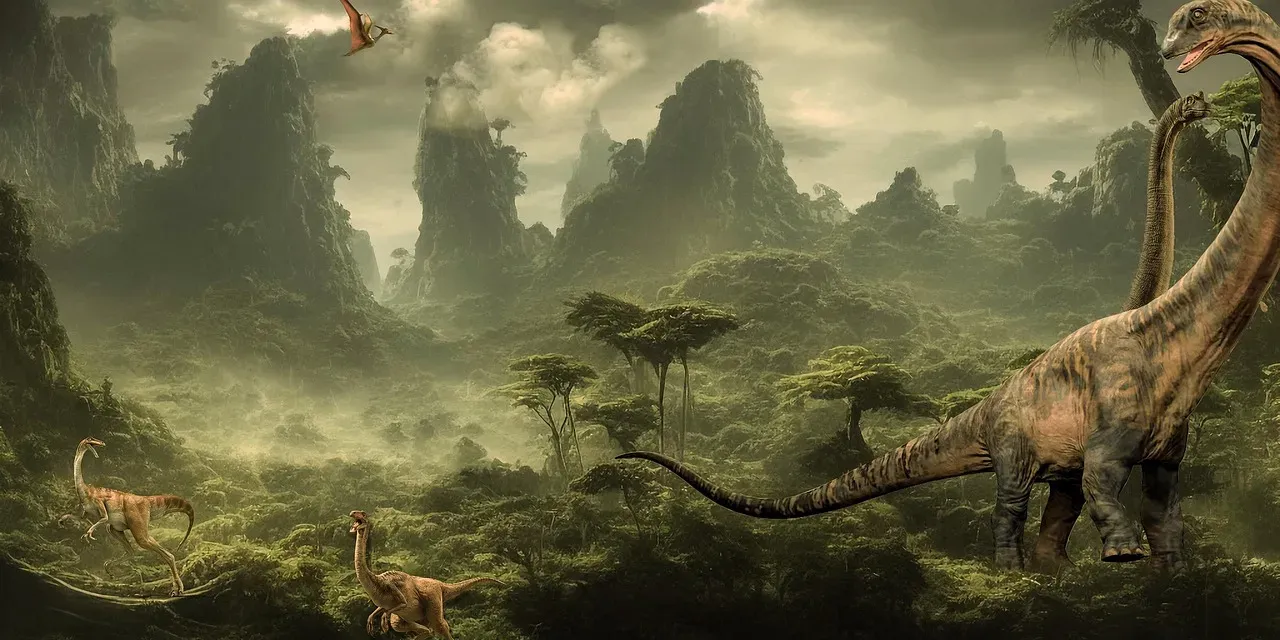
Here’s the thing: for decades, your schoolbooks and Hollywood blockbusters likely painted dinosaurs as giant, slow-moving reptiles that relied on external heat to get moving. That picture has been shattered. For many years, scientists had assumed that dinosaurs, which evolved from reptiles, were also cold-blooded, with a slow metabolism that required the sun’s heat to thermoregulate. Turns out, that assumption aged about as well as a fossil in a rainstorm.
The results of more recent studies show that most dinosaurs were warm-blooded, providing evidence that could begin to close the book on decades of research into the matter. Think of it this way – you wouldn’t expect a cheetah to bask in the sun before running down its prey. For most dinosaurs, it seems the same logic applies.
2. Scientists Can Now Read Metabolism Directly from Fossilized Bones
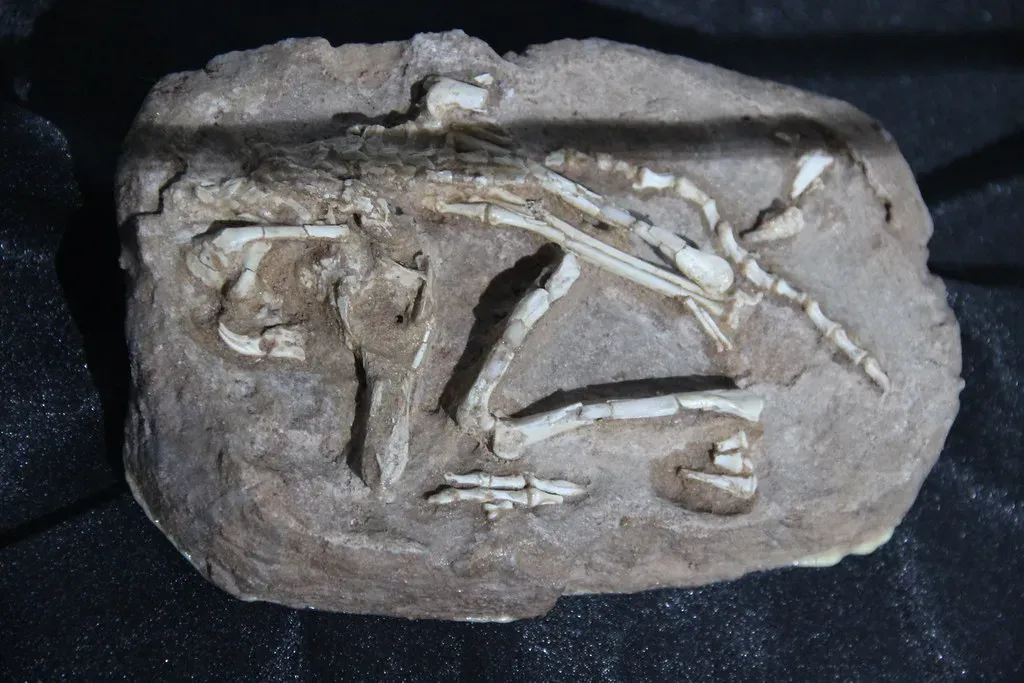
You might wonder: how on Earth can a scientist figure out a dinosaur’s metabolism from a rock-hard fossil millions of years old? The answer lies in what you leave behind when you breathe. When animals breathe, side products form that react with proteins, sugars, and lipids, leaving behind molecular “waste.” This waste is extremely stable and water-insoluble, so it’s preserved during the fossilization process – leaving behind a record of how much oxygen a dinosaur was breathing in, and thus, its metabolic rate.
The research team analyzed the femurs of 55 different groups of animals, including dinosaurs, their flying cousins the pterosaurs, their more distant marine relatives the plesiosaurs, and modern birds, mammals, and lizards. They compared the amount of breathing-related molecular byproducts with the known metabolic rates of the living animals and used those data to infer the metabolic rates of the extinct ones. Honestly, it’s like reading a creature’s biography through its chemistry. Remarkable doesn’t even begin to cover it.
3. T. rex Was Warm-Blooded, But Stegosaurus Was Not
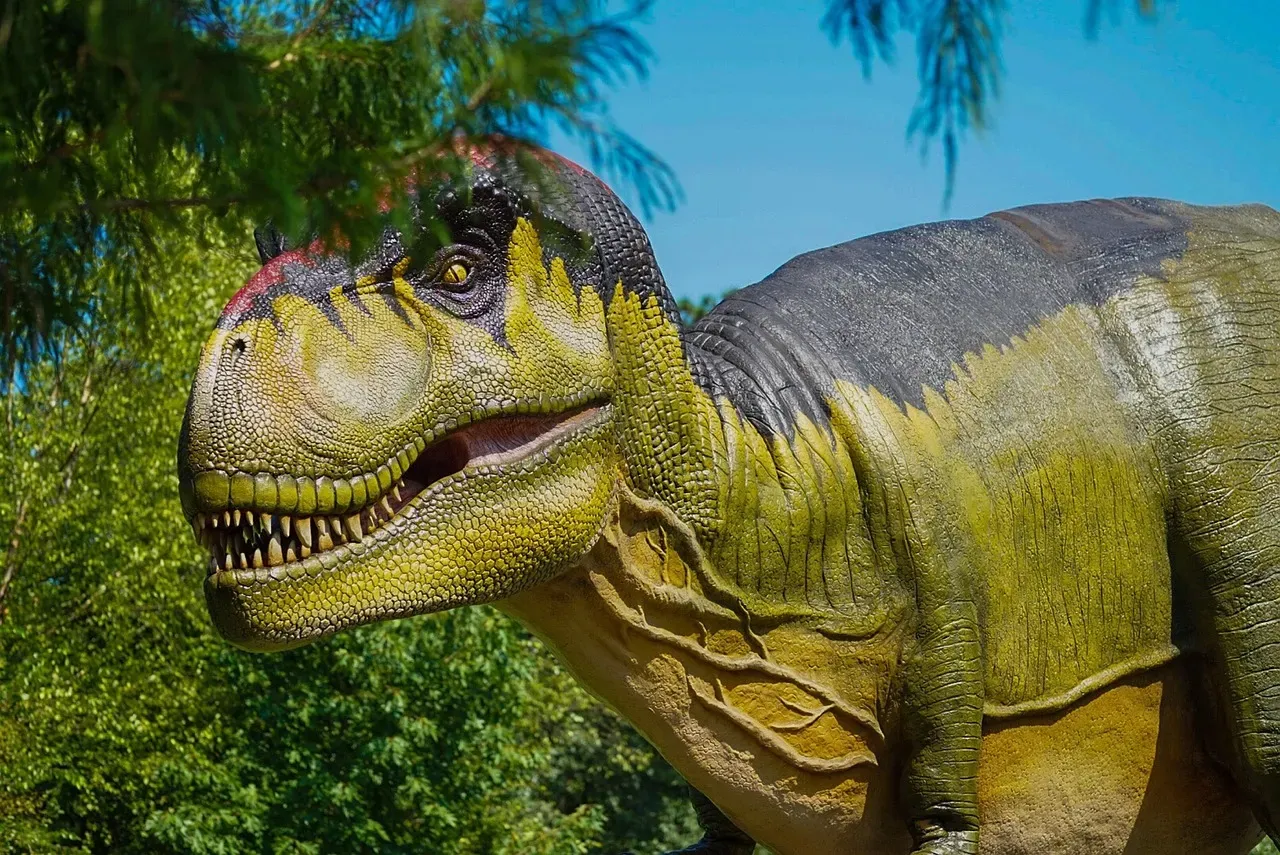
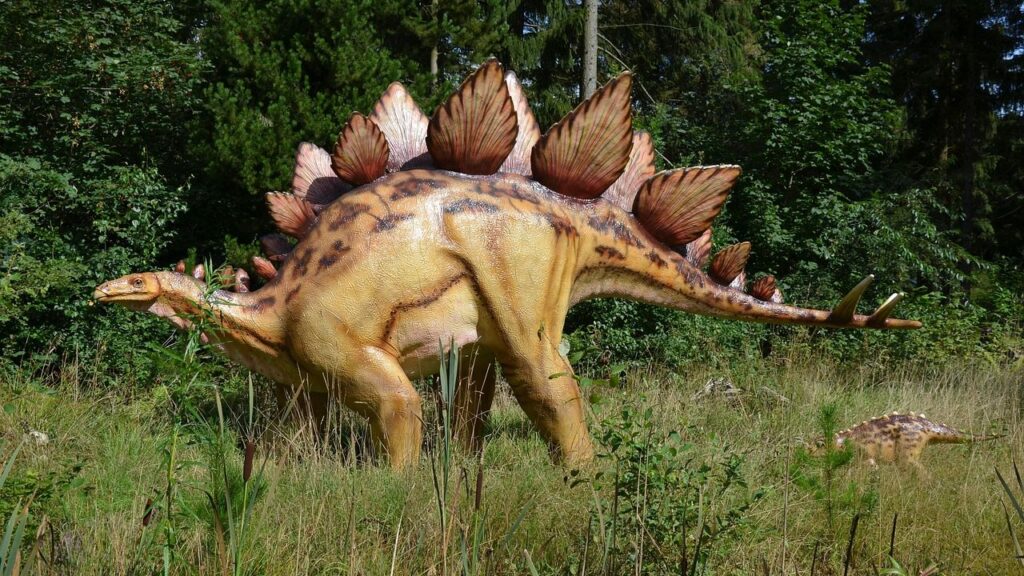
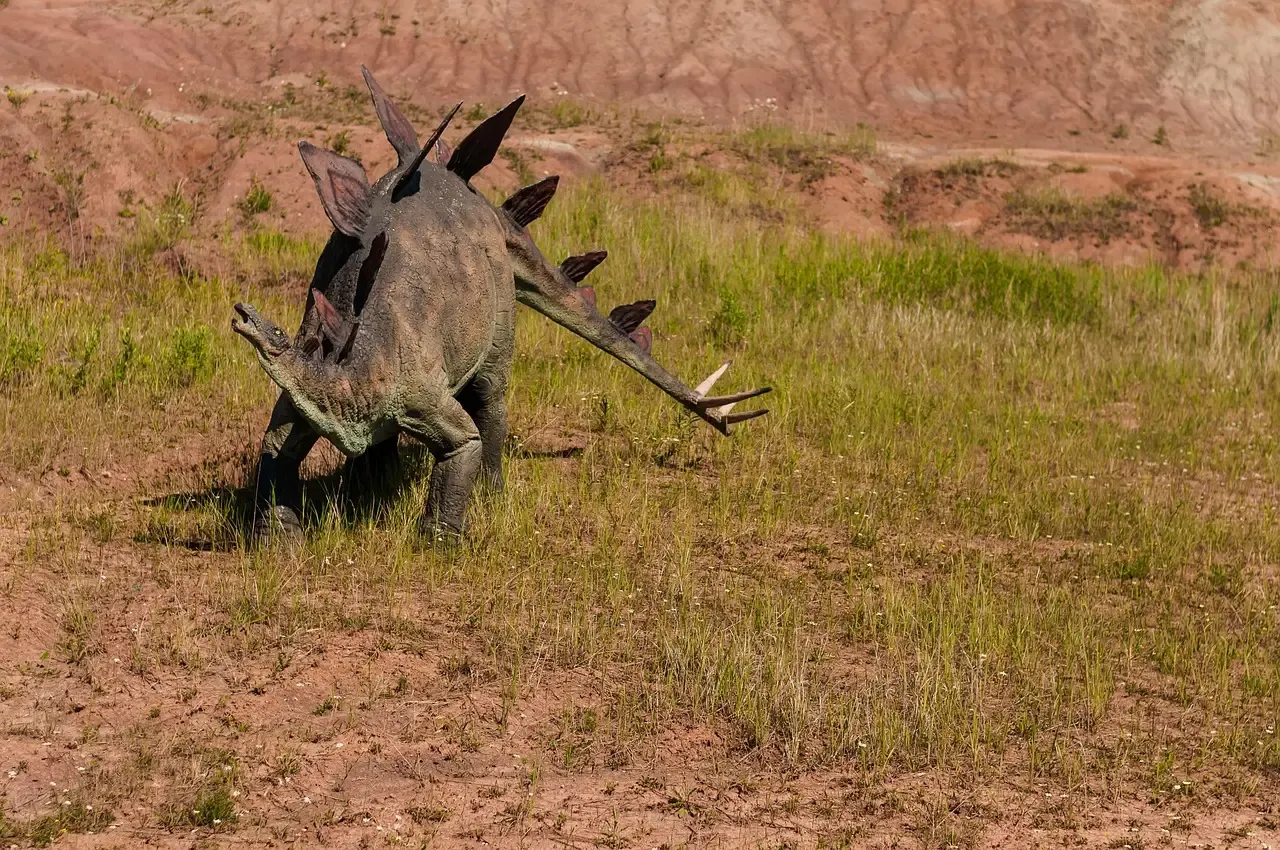
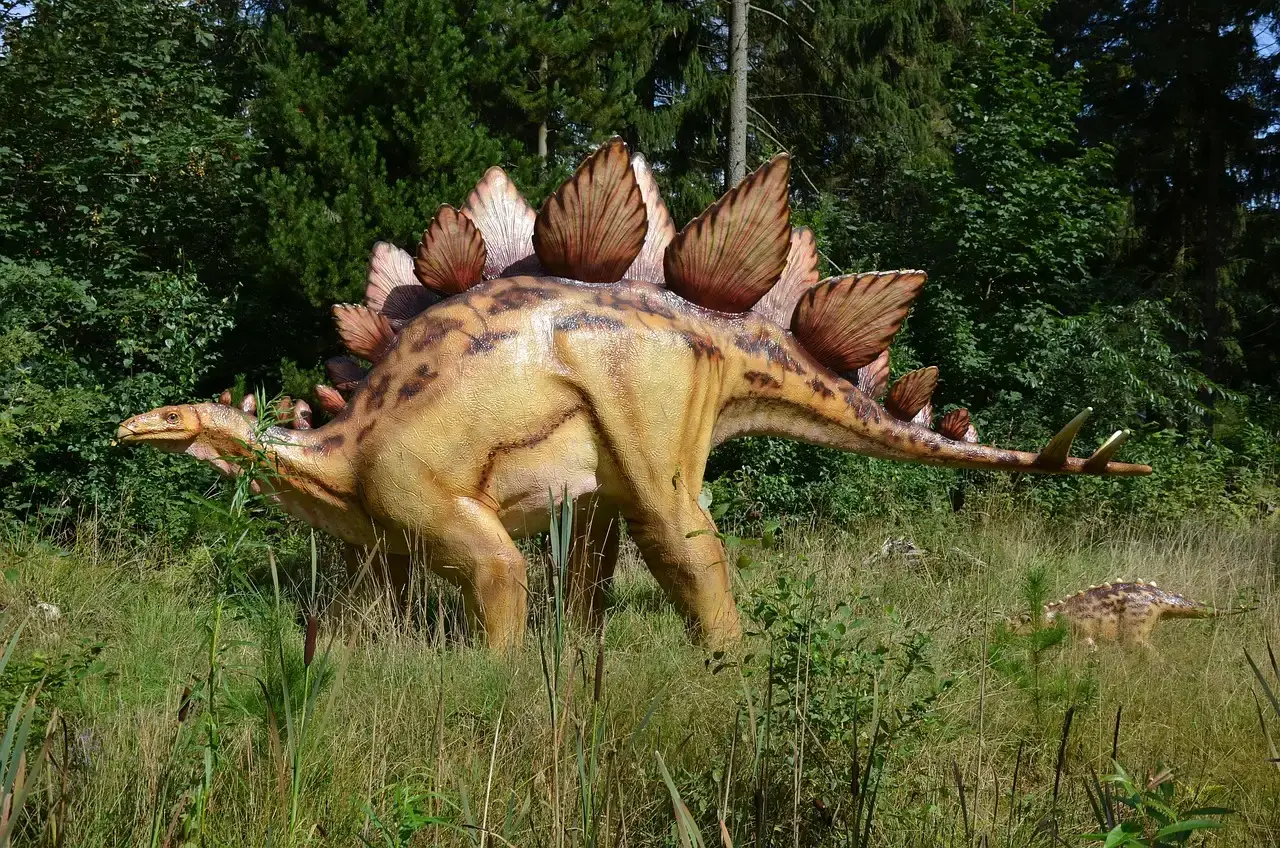
Not every dinosaur ran the same metabolic playbook. This is where things get genuinely surprising. Many iconic dinosaurs such as Tyrannosaurus rex and the giant sauropods were warm-blooded, but cold-bloodedness later emerged in some dinosaurs such as Stegosaurus. So the Jurassic Park villain and the spiky-plated herbivore you loved as a kid operated on completely different biological engines.
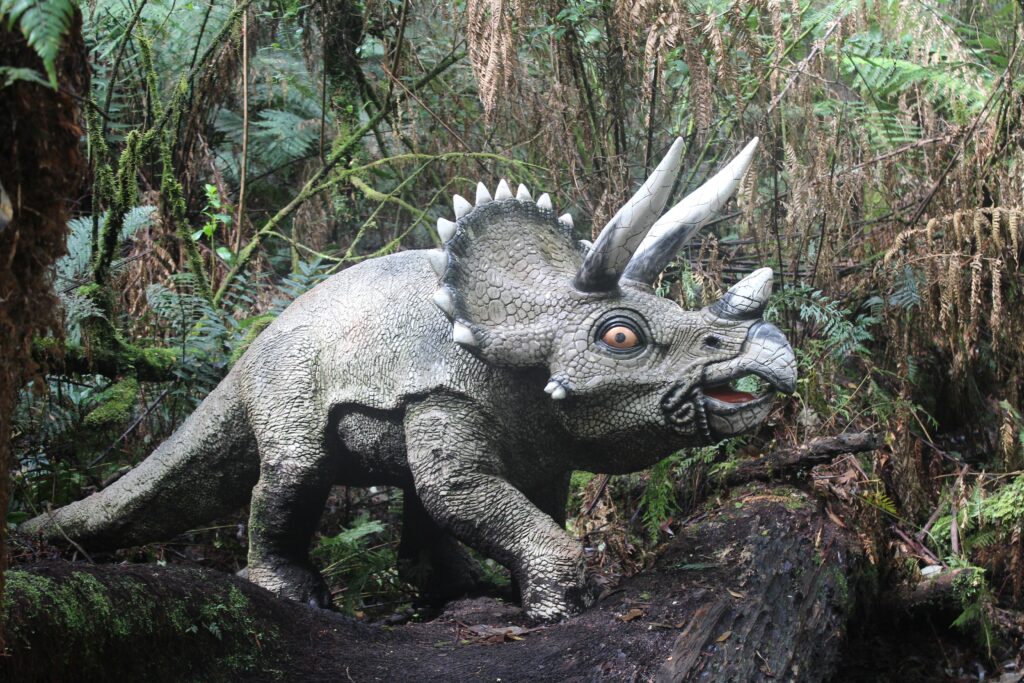
The bird-hipped dinosaurs, like Triceratops and Stegosaurus, had low metabolic rates comparable to those of cold-blooded modern animals. The lizard-hipped dinosaurs, including theropods and the sauropods – the two-legged, more bird-like predatory dinosaurs like Velociraptor and T. rex – showed evidence of warmer metabolisms. It’s a bit like discovering that two siblings raised in the same house evolved completely different energy strategies. Same family, radically different internal economies.
4. Dinosaur Metabolism Was Once Classified as Something Entirely New – “Mesothermy”

Some dinosaurs simply didn’t fit neatly into warm-blooded or cold-blooded categories, and that sent scientists scrambling to create a brand-new label. A landmark study concluded that dinosaur blood ran neither cold nor hot but something in between. Examining growth and metabolic rates of nearly 400 living and extinct animals, researchers concluded that dinosaurs belonged to an intermediate group that can raise their body temperature but don’t keep it at a specific level – christened “mesotherms.”
This in-between state – mesothermy – is also seen in fast-swimming sharks, tuna, large sea turtles, and a few odd mammals like the echidna. These animals use their metabolism to raise their body temperatures, but do not “defend” a set temperature. Think of it like a car with a heating system that warms up but doesn’t maintain a precise thermostat setting. Weird? Yes. But also kind of brilliant.
5. Body Size Directly Shaped a Dinosaur’s Body Temperature
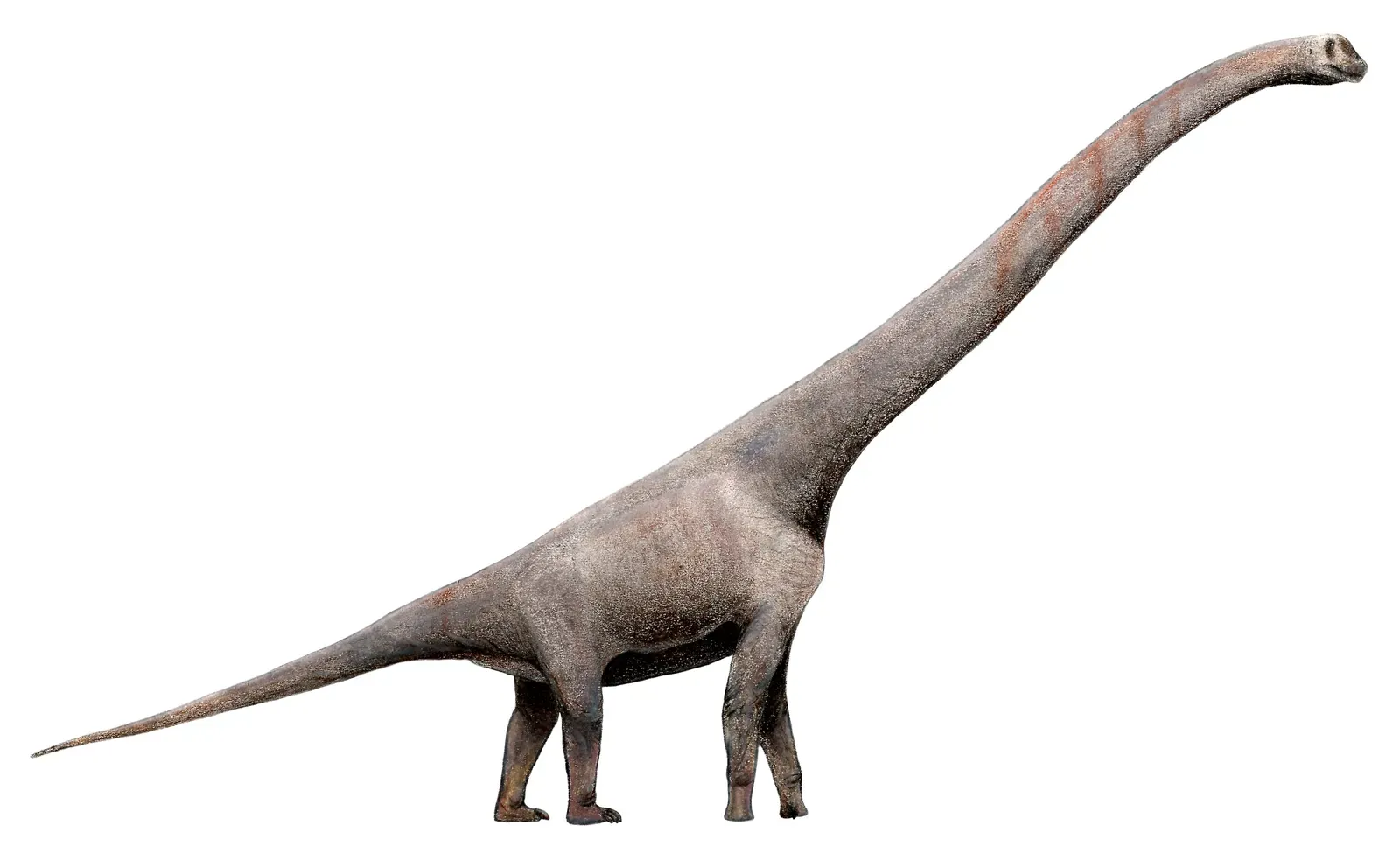
You might not expect size and temperature to be so tightly linked, but for dinosaurs they absolutely were. Research shows that dinosaur body temperature increased with body size, from roughly 77°F at 26 pounds to 105.8°F at 14 tons. The body temperatures of the smaller dinosaurs were close to the environmental temperature – just as occurs for modern smaller reptiles – which meant they acquired heat from external sources in addition to the internal heat generated by metabolism.
The predicted body temperature for the largest dinosaur, Sauroposeidon proteles, at about 60 tons, was approximately 118°F – just past the limit for most animals, suggesting that body temperature may have prevented dinosaurs from becoming even bigger. In other words, sheer gigantic size may have been its own metabolic ceiling. Physics, quite literally, put a cap on how monstrous these creatures could grow.
6. Dinosaurs Likely Had a Warm-Blooded Ancestor Long Before Any of Them Evolved
Here’s a jaw-dropper. You don’t need to ask whether individual dinosaur species were warm-blooded – the more electrifying question is where warm-bloodedness came from in the first place. Inferred ancestral states reveal that metabolic rates consistent with endothermy evolved independently in mammals and plesiosaurs, and were ancestral to ornithodirans – meaning exceptional metabolic rates are ancestral to dinosaurs and pterosaurs and were acquired before energetically costly adaptations, such as flight.
Research suggests that the ancestor of all birds, dinosaurs, and pterosaurs was warm-blooded, but that some such as Triceratops and Stegosaurus later lost this ability. This may have influenced how these dinosaurs behaved as they tried to maintain their body temperature. It’s like inheriting a high-performance engine from your grandparents, then some of your cousins deciding to downgrade. Evolution, as always, is full of surprises.
7. Dinosaur Bones Tell a Story of Rapid Growth – And High Metabolic Demand
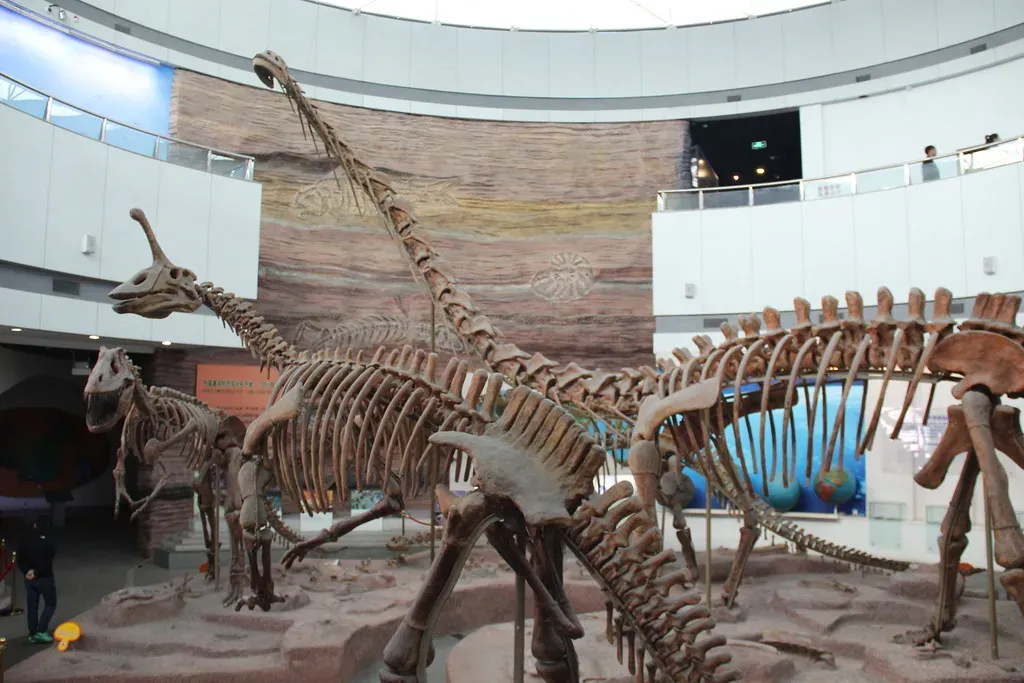
Growth rate and metabolism are inseparable. An animal that grows fast burns energy fast – end of story. The type of bone tissue seen in between dinosaur lines of arrested growth indicates the animals grew rapidly and sustained high metabolic rates. Dinosaur bone tissue is indistinguishable from that of today’s endothermic ruminants, meaning that dinosaurs were endothermic too.
Haversian canals were discovered in dinosaur bones, and researchers argued that there was evidence of endothermy in dinosaurs. These canals are common in warm-blooded animals and are associated with fast growth and an active lifestyle, because they help to recycle bone to facilitate rapid growth and repair damage caused by stress or injuries. It’s a bit like reading tire tracks to figure out how fast a car was going – the bones don’t lie.
8. Sauropods Had Bird-Like Respiratory Systems That Fueled Their Massive Metabolisms
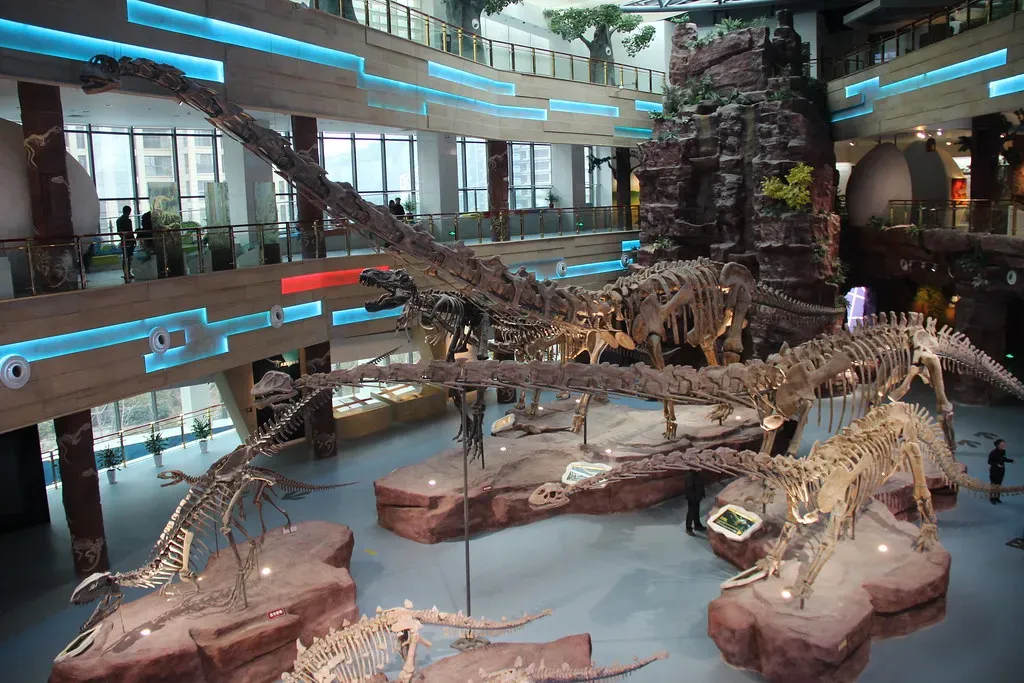
Let’s be real – when you see an animal the size of a small building, you have to wonder how it even kept all those cells alive. The answer, fascinatingly, involved engineering that mirrors modern birds. Significant anatomical evidence shows that the respiratory system of sauropods was very similar to that of extant birds, with many air sacs (including some in the vertebrae of their backbone) and most likely the same highly efficient one-way breathing, which would have been able to handle the required transfer rates of both oxygen and carbon dioxide for a sauropod easily.
By evolving vertebrae consisting of roughly 60% air, the sauropods were able to minimize the amount of dense, heavy bone without sacrificing the ability to take sufficiently large breaths to fuel the entire body with oxygen. That’s extraordinary evolutionary design – hollow bones acting like a biological ventilation network. It also explains why some sauropod bones were initially mistaken for pterosaur fossils when first discovered in the 19th century.
9. Some Dinosaurs Could Rapidly Ramp Their Metabolism Up for Bursts of Activity
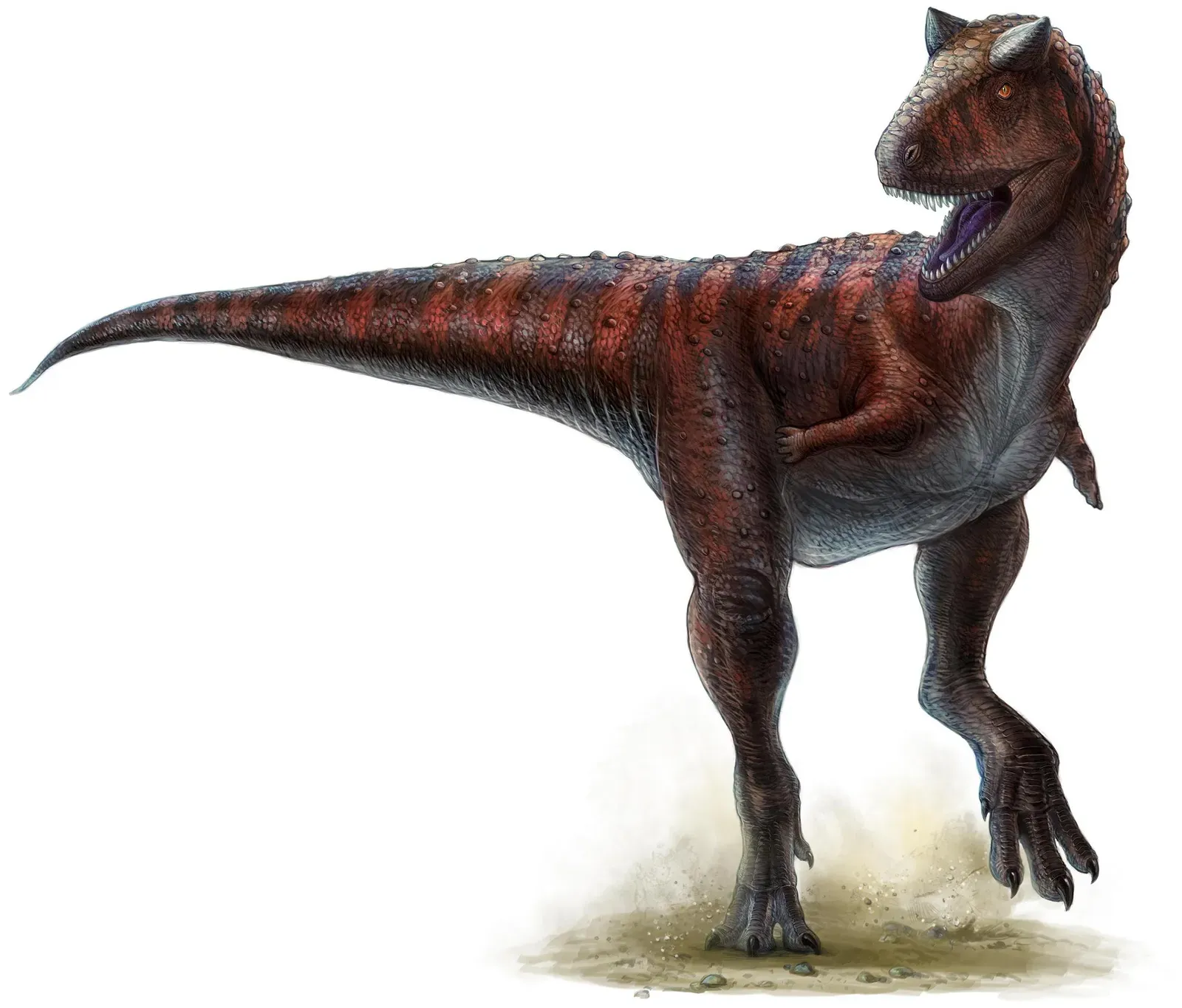
I know it sounds crazy, but some dinosaurs may have operated like a hybrid car – low energy burn at rest, with the ability to spike dramatically when needed. Research has proposed that many dinosaurs had low metabolic levels during resting or low-activity periods but could rapidly expand their lung ventilation levels for bursts of activity associated with running, attacking, and defensive maneuvers.
This type of adaptation would also have allowed large dinosaurs to sustain life within a reasonable level of caloric intake. Indeed, research showed that if large dinosaurs were entirely warm-blooded, they wouldn’t have been able to ingest enough food to maintain their metabolism. Think of a Komodo dragon suddenly sprinting with near-mammalian speed, then returning to sluggish calm – that metabolic flexibility may have been more common in the dinosaur world than we ever imagined.
10. Birds Inherited Their Exceptional Metabolic Rates Directly from Dinosaur Ancestors

Every single bird you’ve ever seen – from the humble sparrow to the thundering ostrich – carries a metabolic inheritance from dinosaurs. That connection is no longer just a theoretical link; it’s supported by molecular chemistry preserved across deep time. Evidence suggests that the saurischians, including meat-eating theropods like Tyrannosaurus and Allosaurus, were warm-blooded creatures like their ancestors. Birds are descended from this lineage and have retained a warm-blooded metabolism.
The theropod dinosaurs – the group that contains birds – developed high metabolisms even before some of their members evolved flight. This means the metabolic engine that powers a hummingbird’s wings at dozens of beats per second is not some recent innovation. It is ancient. Prehistoric. Passed down from creatures that once dominated the Earth. In fact, birds boast the highest measured metabolic rates of any extant organism – a living legacy of the dinosaur age, still burning hot today.
Conclusion: The Metabolic Mystery That Keeps Getting Bigger
Dinosaur metabolism is not a closed chapter. If anything, the more you learn about it, the more you realize how layered and complex the story truly is. From warm-blooded predators to cold-blooded armored giants, from mesothermic in-betweeners to creatures with bird-like lungs built into their very spines, dinosaurs were metabolically diverse in ways that still astonish researchers today.
What’s especially striking is how much of this science has emerged only recently. Methods like reading molecular waste from fossilized bone are reshaping everything – and there are almost certainly more revelations waiting inside fossils that have yet to be properly analyzed. The more tools scientists develop, the more secrets these ancient bones are willing to give up.
It’s humbling, honestly. Creatures that lived over 66 million years ago are still teaching us things about life itself. Next time you look at a bird outside your window, remember: you’re looking at a dinosaur – and one with a metabolic rate its ancient ancestors would be proud of. What do you think? Does it change how you picture these ancient giants? Drop your thoughts in the comments below.