If you grew up staring at dinosaur skeletons in museums and wondering what it would feel like to uncover one yourself, you’re not alone. The wild part is, you do not have to be a professional paleontologist or join a big-budget expedition to get your hands in the same dirt that once held T. rex teeth, sauropod bones, or ancient raptor claws. In a few corners of the United States, you can still walk into the field, pick up a rock, and realize you’re holding a tiny piece of the deep past.
In this article, you’ll explore six real places where you can actually look for dinosaur fossils with your own two hands, sometimes even keep what you find, and always learn a ton from people who do this every day. You’ll see what you can realistically expect, what you should bring, and how to do it responsibly so you’re not just chasing a childhood dream, but also respecting the science and the land. By the end, you might already be planning your next vacation around digging in the dirt instead of lying by a pool.
1. Badlands National Park, South Dakota – Walking Through a Real-Life Bone Yard
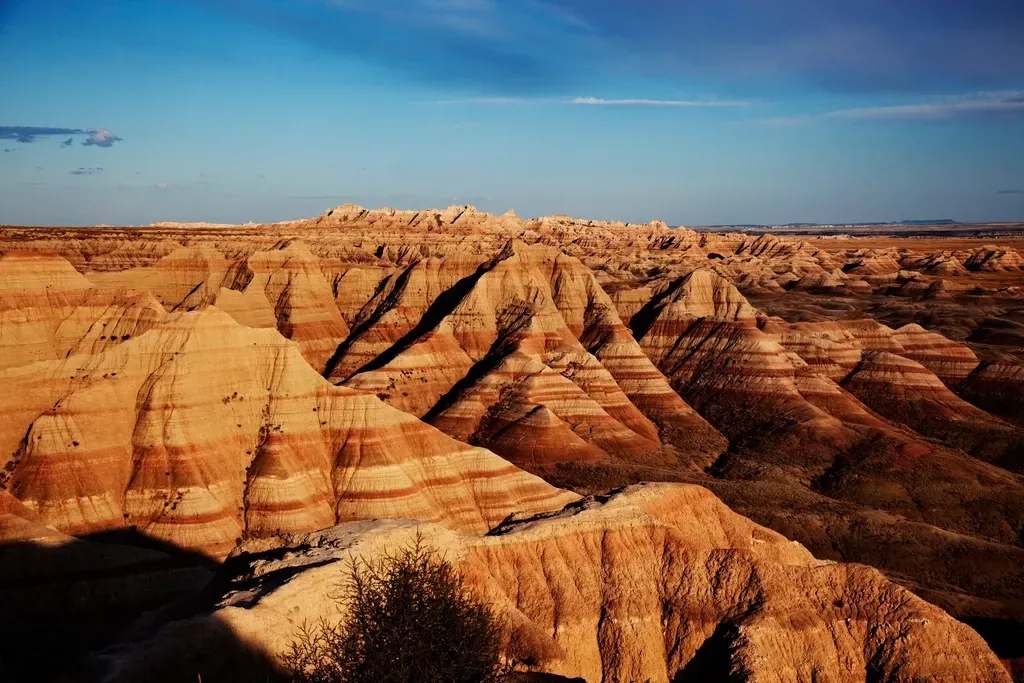
When you step into Badlands National Park, the landscape feels almost alien, like you’ve walked onto the set of a prehistoric movie. You’re surrounded by towering layered cliffs, striped with colors that reveal millions of years of Earth’s history, and you’re literally standing in a region that has produced some of the most famous fossils in the world. While most of what you’ll see today are fossils from just after the age of dinosaurs, the rock record here overlaps with the late Cretaceous, and you’re in a place where ancient ecosystems stacked right on top of one another are still eroding out in front of you.
As a visitor, you’re not allowed to pick up and keep vertebrate fossils inside the park, but you can absolutely hunt with your eyes and learn how scientists spot bones in the chaotic layers. Rangers sometimes lead fossil-focused programs where you’re shown real fossil sites and learn to tell the difference between a pebble and a piece of ancient bone. You’ll see areas where big skeletons have been removed for study, along with exhibits that display what came out of the ground only a short walk away. Think of Badlands as the perfect training ground: you sharpen your fossil-spotting skills in the wild, then later apply them at sites where you’re allowed to collect.
2. Dinosaur National Monument, Colorado & Utah – Classic Beds of the Jurassic Giants
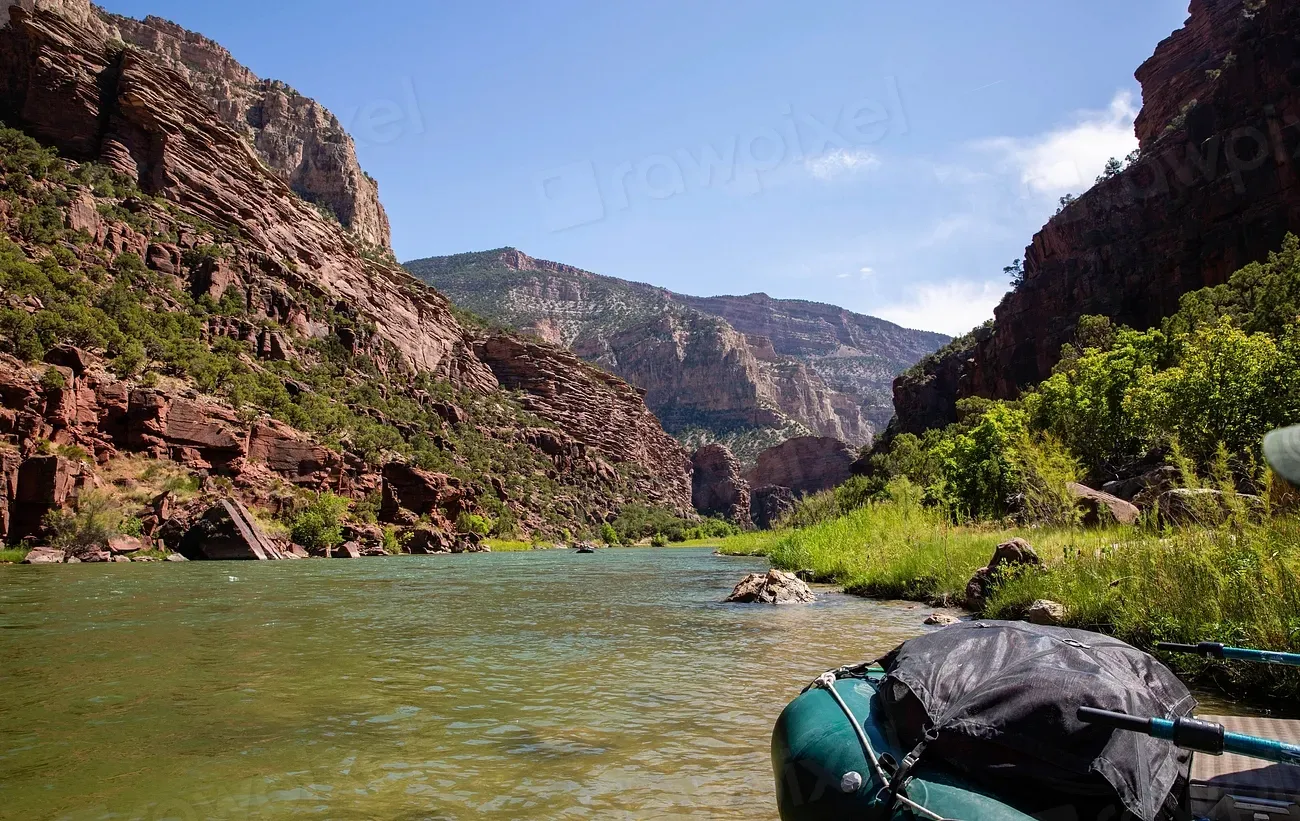
If you want to stand face to face with dinosaur bones still stuck in the rock, Dinosaur National Monument is where you go first. The famous quarry wall is crammed with exposed bones from long-necked sauropods, predators, and other Jurassic beasts, all lying in a chaotic pile that was once a river channel filled with carcasses. You are not just looking at skeletons carefully rebuilt in a museum; you are seeing them exactly where they fell, with bite marks, broken limbs, and all the messy details that make these animals feel real.
While you cannot keep fossils from this site, you can explore hiking trails that pass through fossil-bearing layers and learn how paleontologists map and excavate bones. Rangers and interpretive programs walk you through how fossils are discovered, stabilized, and eventually removed for research. You get to look closely at real, unpolished evidence of dinosaurs in the field and understand why proper excavation takes patience, planning, and a lot of careful handwork. Even though you leave empty-handed, you walk away with a trained eye and a stronger sense of what a true dinosaur bone bed looks like out in nature.
3. Judith River and Hell Creek Region, Montana – Prime Country for Guided Dinosaur Digs
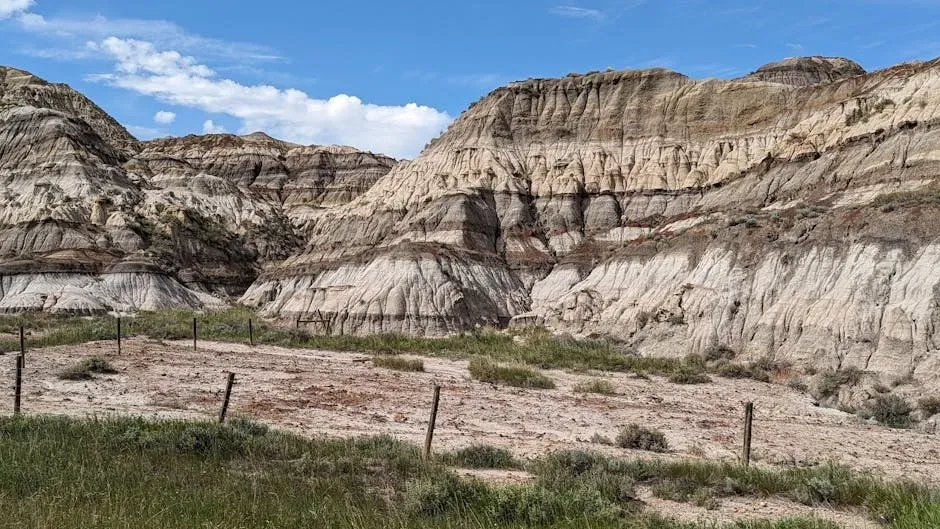
In parts of Montana, especially formations like the Judith River and Hell Creek, you’re in what many paleontologists consider some of the richest dinosaur ground on Earth. This is the age of the classic late Cretaceous dinosaurs: Tyrannosaurus, Triceratops, duck-billed hadrosaurs, and a whole cast of smaller creatures that never make it into children’s books but shaped real ancient ecosystems. When you stand on these rolling, scrubby hills, you might not see obvious bones at first, but just under the surface, the rock is loaded with fragments, teeth, and sometimes nearly complete skeletons.
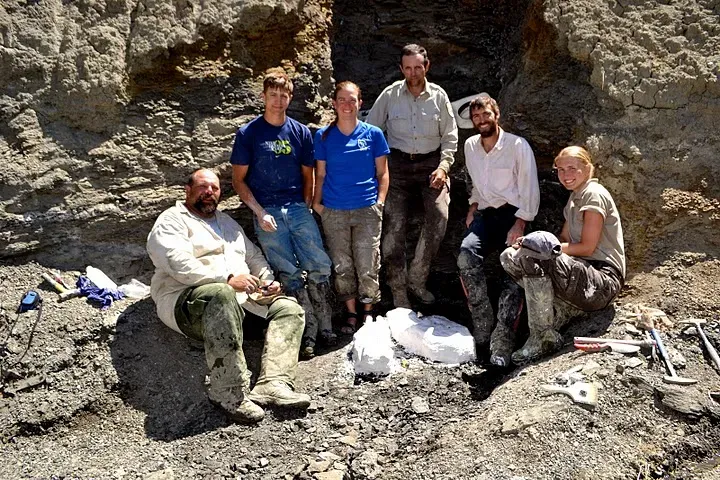
If you want to actually collect fossils here, you typically join a permitted commercial quarry, research program, or dinosaur “dig experience” that operates on private land. In those settings, you might help uncover isolated teeth, bits of bone, or even larger pieces that your group documents and collects with guidance from experienced staff. Often, there are clear rules on what you can keep and what must stay for scientific study, and you’re walked through how each find is recorded, labeled, and stored. You end up feeling less like a tourist and more like a temporary field hand, with the satisfaction of knowing you contributed to real work in one of the most legendary dinosaur hunting grounds on the planet.
4. Morrison Formation Hotspots, Colorado and Wyoming – Chasing Jurassic Bones in the West
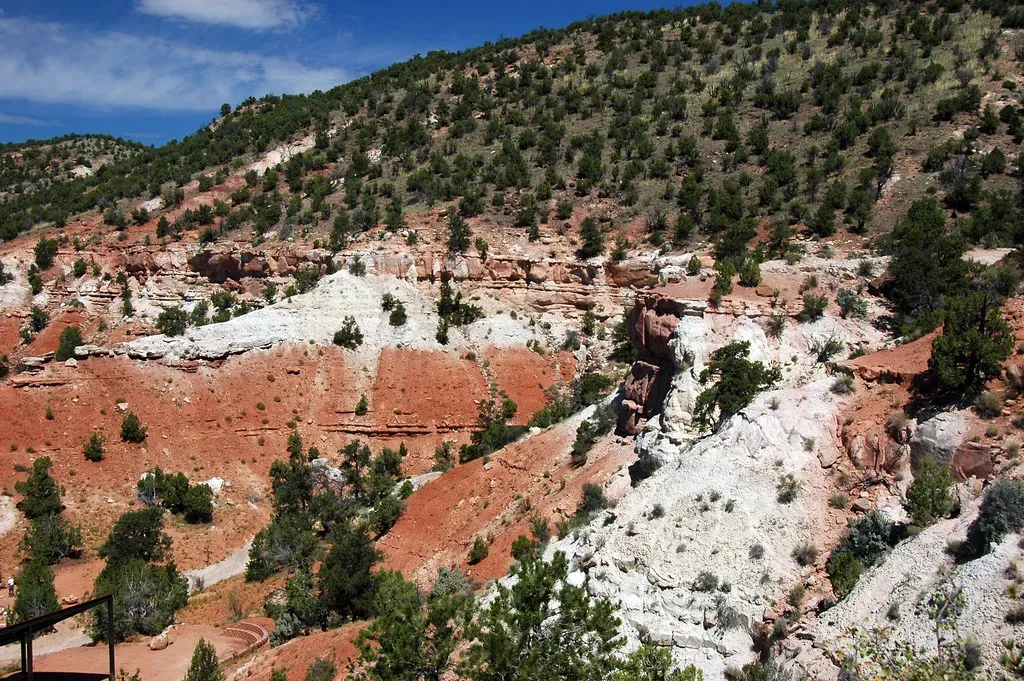
The Morrison Formation stretches across several western states, but in Colorado and Wyoming you can get especially close to the same rock layers that have produced iconic dinosaurs for more than a century. This is Jurassic territory again: huge sauropods, plated stegosaurs, and powerful predators whose bones show up in quarries, road cuts, and eroding hillsides. When you hike in areas where access is allowed, you can often spot fossil fragments weathering out of slopes, especially where paleontologists or local guides already know the rock is productive.
To hunt here as a visitor, your best bet is to join organized digs or private land excursions that have legal permission to excavate and, in some cases, let you keep small and non-critical finds. You might spend your day carefully brushing sediment off a vertebra or learning how to recognize the texture of fossil bone compared with regular rock. Many programs will walk you through basic field mapping, showing you how a simple grid system helps keep track of where every piece comes from. You leave with both muddy boots and a deeper respect for why so many famous museum skeletons have little labels pointing back to quiet hills in this part of the country.
5. Cleveland-Lloyd Dinosaur Quarry Area, Utah – Piecing Together a Jurassic Mystery
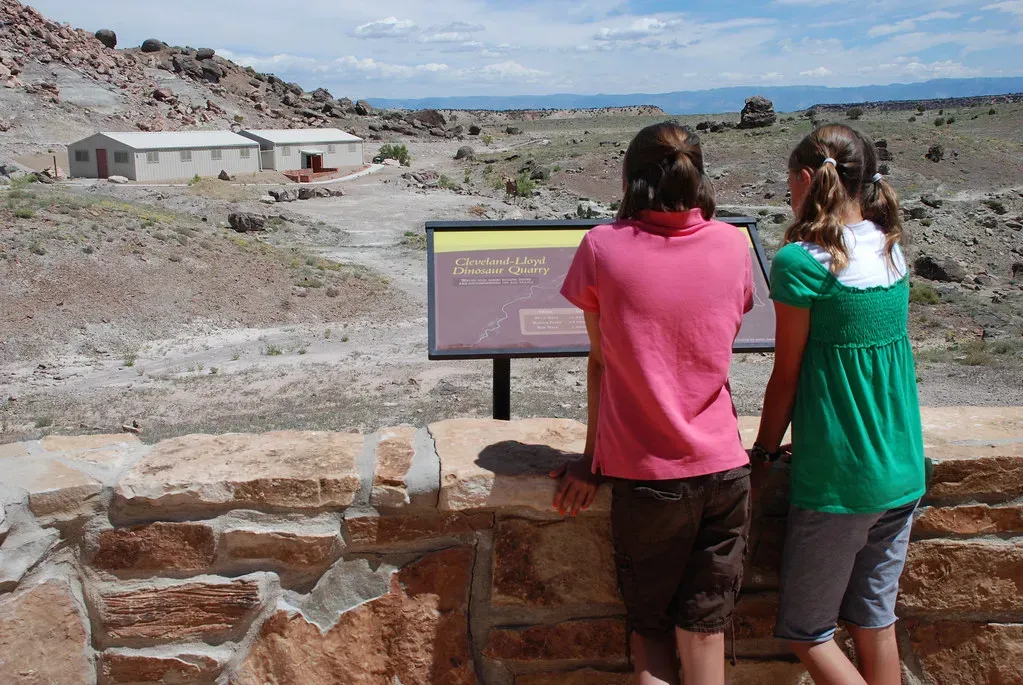
In central Utah, around the Cleveland-Lloyd Dinosaur Quarry (now part of a larger monument), you encounter one of the strangest dinosaur bone assemblages ever studied. The site is packed with the bones of meat-eating dinosaurs, especially a predator related to Allosaurus, and scientists still debate exactly why so many predators died in one place. When you visit, you step into that mystery, surrounded by exhibits and outcrops that let you imagine what it was like when this place was an active excavation site filled with plaster jackets and field crews.
Direct collecting of dinosaur bones by casual visitors is not allowed here, but the surrounding region includes other fossil-bearing layers where supervised programs sometimes operate. By taking part in a guided activity or ranger-led experience, you learn how paleontologists distinguish bone from surrounding rock, document mass-death events, and test competing explanations for weird fossil sites like this. The landscape itself is quiet and a bit stark, which makes the idea of so many giant predators dying here even more striking. You walk away not only with a better eye for fossils, but also with an appreciation for how much we still do not fully understand about dinosaur behavior and ecosystems.
6. Private Ranch Digs in the Western Great Plains – Where You Might Actually Take a Fossil Home
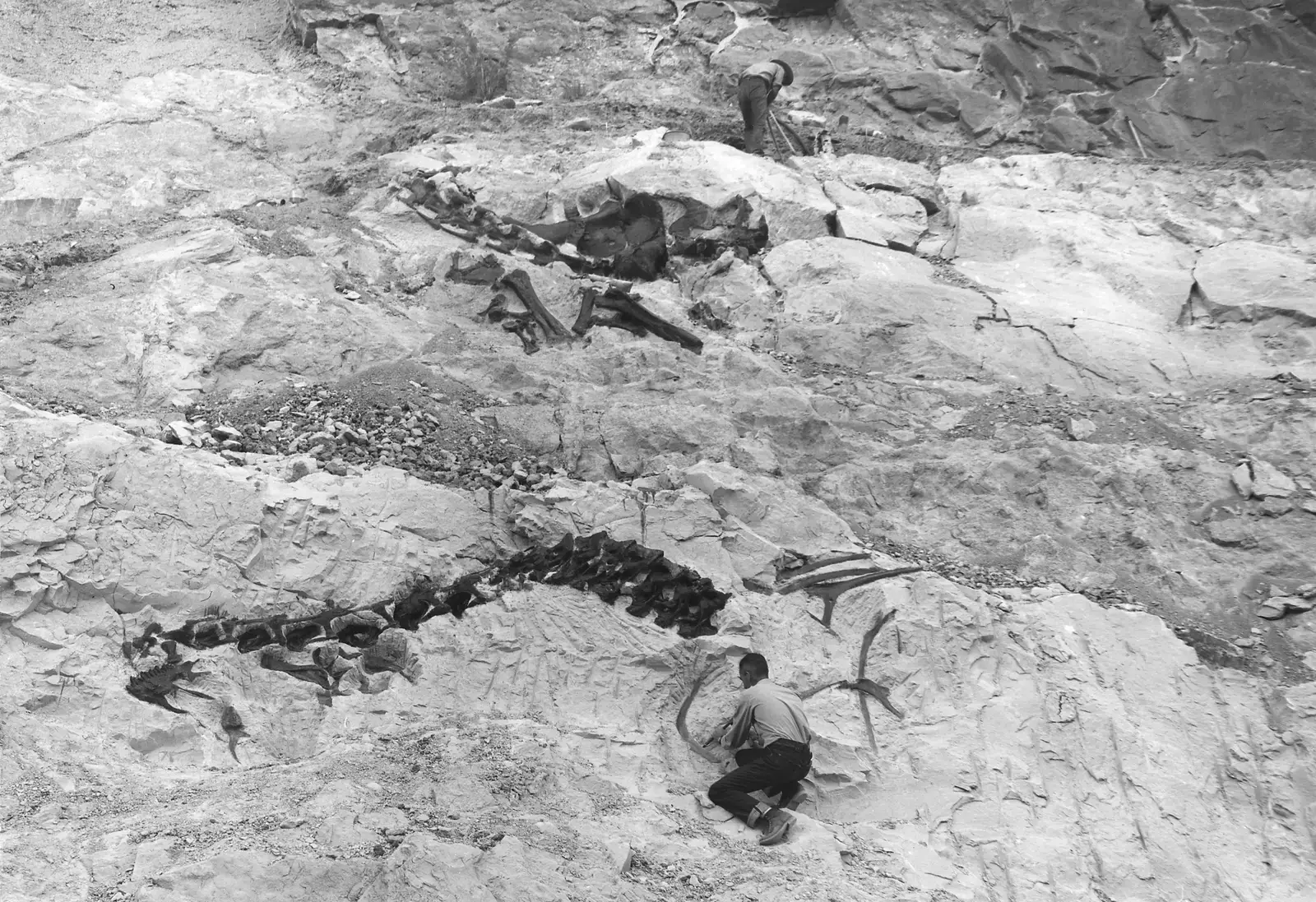
Scattered across states like South Dakota, Wyoming, and Montana, some ranch owners sit on land rich with dinosaur-bearing rock and partner with tour operators or fossil companies to host paying visitors. When you sign up for one of these experiences, you often spend a full day or more on active dig sites, working alongside staff who know exactly which rock layers are most promising. In some places, you might be searching for microfossil material like teeth, small bones, or fragments, while in others you could be helping uncover larger pieces that require careful excavation and field jackets.
On private land, the rules are different than on federal property, and in many cases you’re allowed to keep common or less scientifically important finds, especially small, isolated pieces. You’re still shown how to dig responsibly: using hand tools, keeping notes or simple labels, and avoiding unnecessary damage to more complete specimens. The best operators make sure you understand the legal and ethical boundaries, so you are not accidentally walking off with something that should really go into a research collection. The big draw here is the genuine chance that you leave with a real dinosaur fossil in your pocket or pack, along with the story of exactly where and how you found it.
How to Prepare, What to Expect, and How to Respect the Science
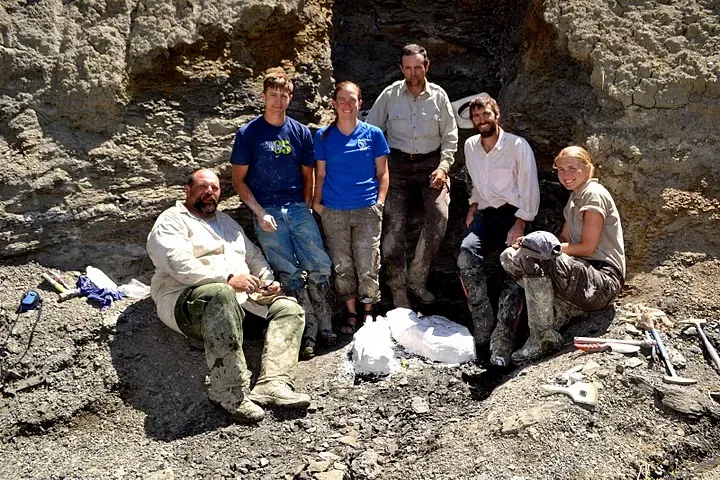
Before you head out to any of these places, you need to be honest about what kind of experience you really want: a guided, hands-on dig where you might keep a small fossil, or a more educational trip where you mostly observe and learn. Either way, you should be ready for sun, dust, and long hours outdoors, so basic gear like sturdy boots, a wide-brimmed hat, water, and sunscreen is not optional. Many dig programs provide tools like brushes and chisels, but asking ahead of time about what to bring can save you from unnecessary purchases or, worse, showing up unprepared. You should also plan around the season, because some areas get dangerously hot in mid-summer or are hard to reach after heavy rain.
Just as important, you need to know the rules about what you can and cannot collect, because fossil laws in the US are strict and vary depending on whether you are on federal, state, tribal, or private land. On most public lands, you’re not allowed to take vertebrate fossils at all, even if you just spot a tiny bone fragment on the trail, while some invertebrate or plant fossils might be fair game in small amounts. On private land, it all depends on the landowner and any agreements with research groups or companies. If you treat every site as a shared archive of Earth’s history, not just a treasure hunt, you’ll enjoy the search more and help protect the very thing that drew you there in the first place.
Conclusion: Chasing Bones Without Losing the Magic
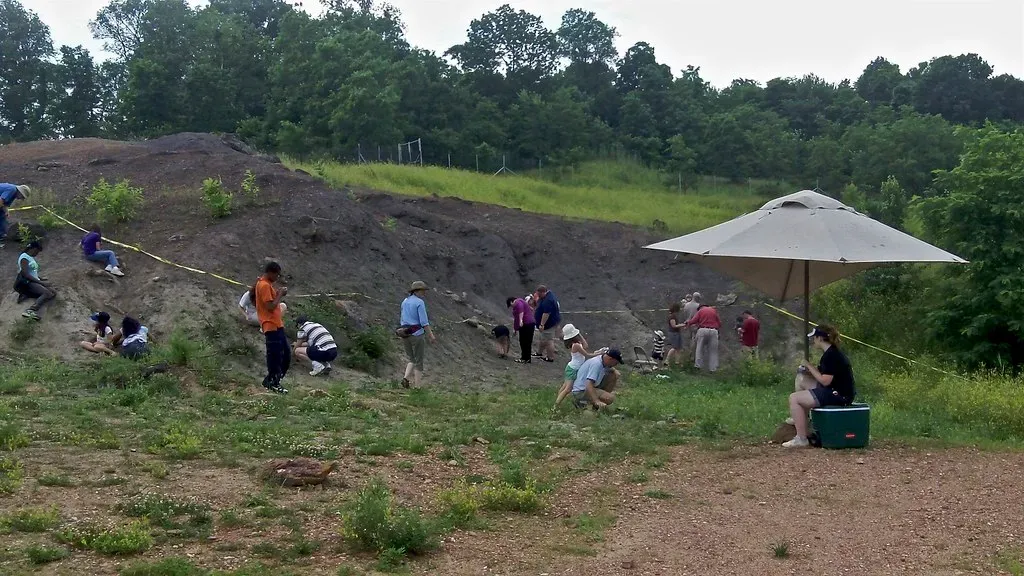
When you realize you can still walk into the field and take part in real dinosaur fossil hunting, the distance between you and the age of dinosaurs suddenly shrinks. Whether you are scanning the striped hills of Badlands, peering at bones in a quarry wall in Utah, or prying tiny teeth from the mud of a private ranch, you are connecting directly with deep time in a way a glass case in a museum can never fully match. You might not end up discovering the next world-famous skeleton, but you will gain something quieter and just as powerful: a sense that Earth’s long story is still being written by ordinary people willing to get dirty and pay attention.
If you approach these places with curiosity, patience, and respect for the laws and the science, you can absolutely live out that childhood dream in a realistic, responsible way. You learn to recognize bone from stone, understand why some fossils are too important to leave private, and feel the thrill of knowing that a fragment in your hand has not seen the light in tens of millions of years. So the real question is not whether there are still places in the US where you can hunt for dinosaur fossils, but which one you are going to visit first. If you had to choose right now, where would you want to sink your shovel into ancient ground?