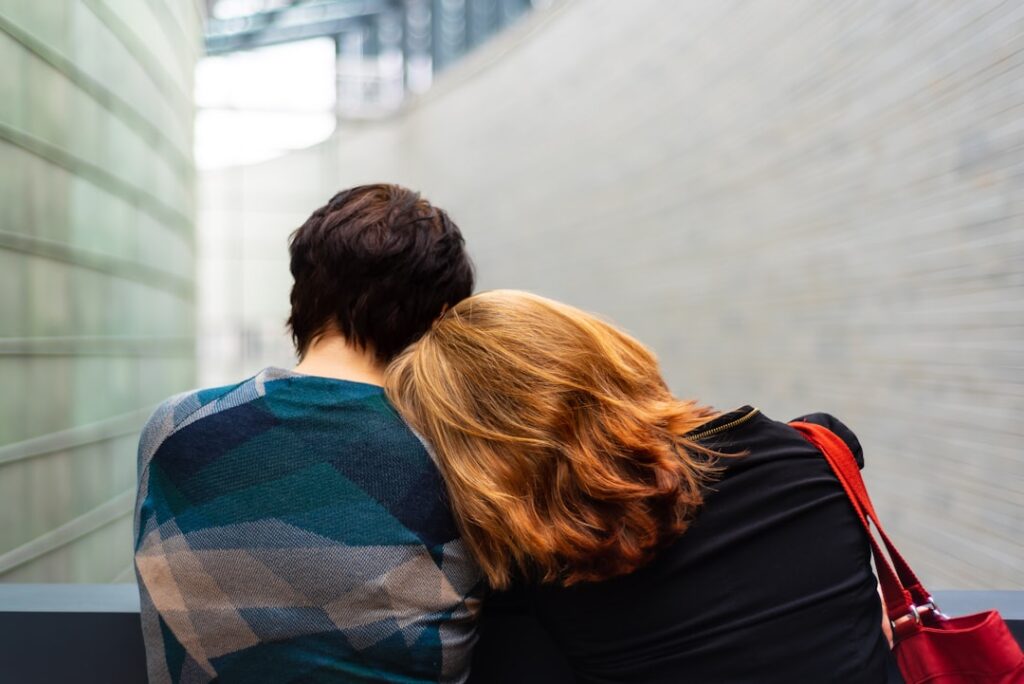
Have you ever met someone who just “gets it”? Those rare individuals who seem to understand your feelings before you’ve even fully processed them yourself? In our increasingly disconnected world, truly empathetic people stand out like beacons of genuine human connection. They possess an almost magical ability to tune into the emotional frequencies of others, creating bonds that feel both profound and effortless.
While some studies have raised concerns about declining empathy in recent decades, emerging research suggests that certain empathetic behaviors may be evolving among younger generations in response to our increasingly connected world. This gives us hope that humanity is evolving toward greater emotional intelligence and compassion. Yet recognizing these empathetic souls isn’t always obvious. Their most powerful traits often manifest in the quietest, most subtle ways.
Ready to discover the hidden signs that reveal someone possesses an exceptionally empathetic heart? Let’s dive into the fascinating world of emotional intelligence and uncover the behaviors that mark truly compassionate individuals.
They Notice What Others Miss in Facial Expressions

While most people catch the obvious emotions, truly empathetic individuals are masters at reading the subtle language written across human faces. They can pick up on subtle cues that provide insight into the thoughts of others, and their intuition often tells them whether someone is being truthful or not. These emotional detectives notice the micro-expressions that flash across someone’s face for mere fractions of a second.
Paying attention to microexpressions actually creates empathy, as mirror neurons in our brain are devoted to telling us what someone else is feeling. When you see someone with this gift, watch how their eyes linger on faces during conversations. They’re not just looking, they’re reading the emotional story being told through tiny muscle movements, fleeting expressions, and the spaces between words.
Their Body Language Mirrors Yours Without Conscious Effort

One of the most telling signs of an empathetic soul is their unconscious tendency to mirror the body language of people around them. Subtly mimicking another person’s body language can show empathy and understanding. You might notice them leaning forward when you do, crossing their legs in the same direction, or even adopting similar breathing patterns during deep conversations.
This isn’t calculated manipulation; it’s their nervous system naturally synchronizing with yours. We are programmed to observe each other’s states so we can more appropriately interact, empathize, or assert our boundaries, whatever the situation may require. When someone’s body instinctively harmonizes with your emotional energy, you’re witnessing empathy in its purest form. It creates an immediate sense of connection and understanding that goes beyond words.
They Ask Follow-Up Questions That Hit the Heart

Most people ask surface-level questions and move on. Empathetic individuals dig deeper with questions that seem to come from nowhere yet land exactly where they need to. They remember details from conversations weeks ago and check in about things that mattered to you. Their questions often begin with “How did that make you feel?” or “What was that like for you?”
These aren’t interrogations; they’re invitations for emotional exploration. Highly empathic people have a natural ability to listen with all their senses acutely attuned, which allows the person talking to feel as though they are being heard and understood. They create space for you to process your own emotions while feeling completely supported.
They Remember Your Emotional Details Long After You’ve Shared Them

While others might forget the facts of your story, empathetic people remember how you felt about it. They’ll ask about your job interview from three weeks ago, not just whether you got the position, but how the stress affected your sleep that night. They remember that you were nervous about your mother’s doctor’s appointment, that you felt conflicted about a friendship, or that you were excited about a creative project.
This isn’t just good memory; it’s emotional intelligence in action. They’re able to understand someone else’s feelings, and people tend to tell them their problems. Their brain naturally files away the emotional significance of your experiences because they understand that feelings are often more important than facts. They create a mental map of your emotional landscape and navigate it with incredible precision.
They Physically Feel Discomfort When Others Are in Pain
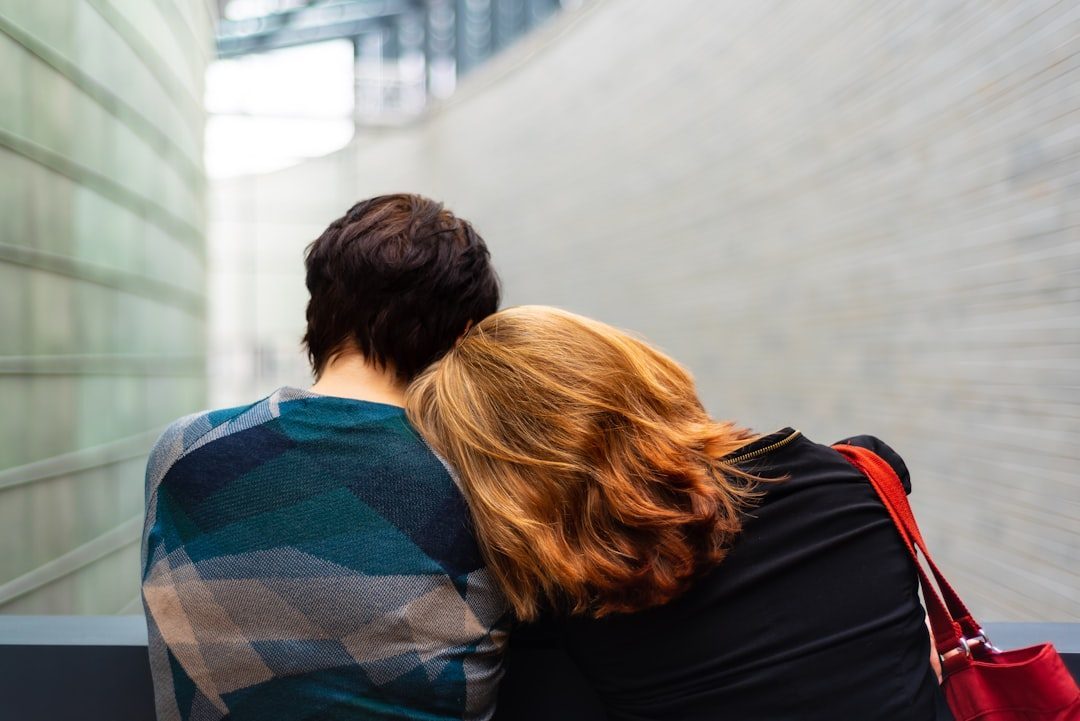
Research shows that the expression “I feel your pain” is much more than just a figure of speech, as neuroimaging studies demonstrate that we actually do feel the pain of others in an attenuated form. Empathetic people often experience this phenomenon intensely. You might notice them wincing when someone gets injured in a movie, or seeming genuinely distressed when hearing about another person’s suffering.
Some empathetic individuals report physical sensations when witnessing others in pain. Empaths are said to feel what others are feeling so deeply that they “absorb” or “take on” the emotions themselves, often at the expense of their own emotional well-being. They might feel tension in their chest when you’re anxious, or experience a heavy feeling when you’re depressed. This isn’t weakness; it’s their mirror neurons working overtime to understand and connect with human experience.
They Adjust Their Communication Style to Match Your Needs

Empathetic souls are emotional chameleons, not to deceive, but to connect. They instinctively know when you need gentle encouragement versus direct honesty, when you need space versus comfort, when you need solutions versus someone to simply listen. They read your emotional temperature and adjust their approach accordingly.
Watch how they communicate with different people in the same room. With the anxious person, they speak more slowly and reassuringly. With someone who’s grieving, their voice becomes softer. With an excited child, they match that energy appropriately. They often intuitively understand the feelings of others, sometimes even before the person has communicated them. This adaptability isn’t fake; it’s their genuine desire to meet you exactly where you are emotionally.
They Create Safe Spaces for Vulnerable Conversations

There’s something about empathetic people that makes others want to open up to them. Empaths are naturally giving, spiritually open, and good listeners. If you want heart, empaths have got it. Through thick and thin, they’re there for you, world-class nurturers. They have a gift for making people feel safe enough to share their deepest thoughts and fears.
Notice how conversations with them naturally drift toward more meaningful topics. They don’t pry or push, but somehow create an atmosphere where authenticity feels not only welcome but necessary. They tend to want to make the other person feel valued and important; they’ll almost always actively listen, without interrupting. People often find themselves saying things like “I’ve never told anyone this before” in their presence.
They Become Natural Mediators in Group Conflicts

They become the mediator, the go-between in a family, friendship group or at work, explaining the feelings of others in a situation to help heal a rift or keep the peace. Empathetic individuals can see all sides of an emotional situation because they can genuinely understand each person’s perspective. They don’t take sides; they build bridges.
During conflicts, they’re the ones asking clarifying questions, reflecting back what they hear, and helping each party understand the other’s emotional experience. It’s easy for them to understand another person’s point of view or experience, as they can sense their feelings. They become emotional translators, helping people communicate across the barriers that misunderstanding creates. Their presence often de-escalates tension simply because everyone feels heard and understood.
They Need Solitude to Recharge After Social Interactions

Here’s a paradox of empathetic souls: the very quality that makes them exceptional at connecting with others also exhausts them. Even extroverted empaths reach a point where being around groups of people depletes them, feeling physically drained, suddenly having physical pains, headaches, brain fog, or becoming overwhelmed.
Empaths may feel even more drawn to nature and remote areas, since natural environments provide a calming space to rest from overwhelming sensations, sounds, and emotions. They might feel completely at peace when hiking alone in a sunlit forest or watching waves crash against the shore. This isn’t antisocial behavior; it’s emotional self-care. They need quiet time to process all the emotions they’ve absorbed and to reconnect with their own inner emotional landscape.
They Trust Their Gut Feelings About People and Situations

As empaths, they might put a lot of faith in their instincts when making decisions. Although others might consider them impulsive, they’re actually trusting their intuition to guide them to the choice that feels right. Their emotional radar is so finely tuned that they often know things about people or situations that haven’t been explicitly stated.
This is helpful when it comes to trusting people, as they tend to pick up on subtle cues that help them determine if someone is being untruthful. They might feel uneasy around someone who seems charming to everyone else, or feel immediately comfortable with a person others find off-putting. Their intuition isn’t mystical; it’s the result of their brain processing thousands of subtle emotional and behavioral cues that others miss. Over time, they learn to trust this inner compass because it rarely steers them wrong.
Conclusion

Recognizing these subtle behaviors helps us appreciate the empathetic souls in our lives and perhaps identify these qualities within ourselves. Recent research shows that empathy can be socially transmitted, meaning not only children but also adults can adopt empathic responses from close caregivers and learn to be more or less compassionate through observing others.
In a world that sometimes seems to reward self-interest over compassion, these individuals remind us of our fundamental human capacity for connection and understanding. They carry the emotional wisdom that binds us together as a species, one subtle gesture, one knowing glance, one perfectly timed question at a time. What behaviors have you noticed in the most empathetic people you know? Share your observations in the comments below.