If you grew up in the United States, you were probably taught a simple, neat story about the first people on this continent: they crossed a land bridge from Asia, wandered south, and waited around for Europeans to show up. That version is so stripped down that it’s almost like describing a whole movie franchise by only mentioning the final scene. The real story of the origins of Native American peoples is deeper, older, and far more surprising than most of us were ever told in school.
Over the last few decades, archaeologists, geneticists, and Indigenous knowledge keepers have pushed our understanding far beyond that one-sentence summary. We now know there were multiple migration waves, enormous cultural diversity long before contact, and a timeline that stretches back tens of thousands of years. Once you see how rich and complex this history really is, it changes how you think about the Americas, about “discovery,” and frankly, about what it means to be American at all.
1. Native American Origins Go Back Far Earlier Than Many Textbooks Admit
For years, schoolbooks insisted that humans only arrived in the Americas around twelve or thirteen thousand years ago, tied to what’s called the Clovis culture. That neat number was convenient, but it is now badly outdated. Over the past few decades, researchers have found stone tools, butchered animal bones, and other evidence at sites across both North and South America that point to a much older human presence, likely stretching back more than twenty thousand years or even earlier in some interpretations.
This might sound like a small adjustment, but it completely reshapes the story. Instead of a late, quick dash into an “empty” landscape, it suggests long, complicated histories of settlement, migration, and adaptation, all playing out while ice sheets advanced and retreated. Imagine entire civilizations rising and falling before the pyramids of Egypt were even an idea. The people we call Native Americans today are heirs to lineages that go that far back, meaning their roots on this land are older than almost anything else we commonly talk about in world history.
2. It Wasn’t Just One Migration – There Were Multiple Ancient Waves
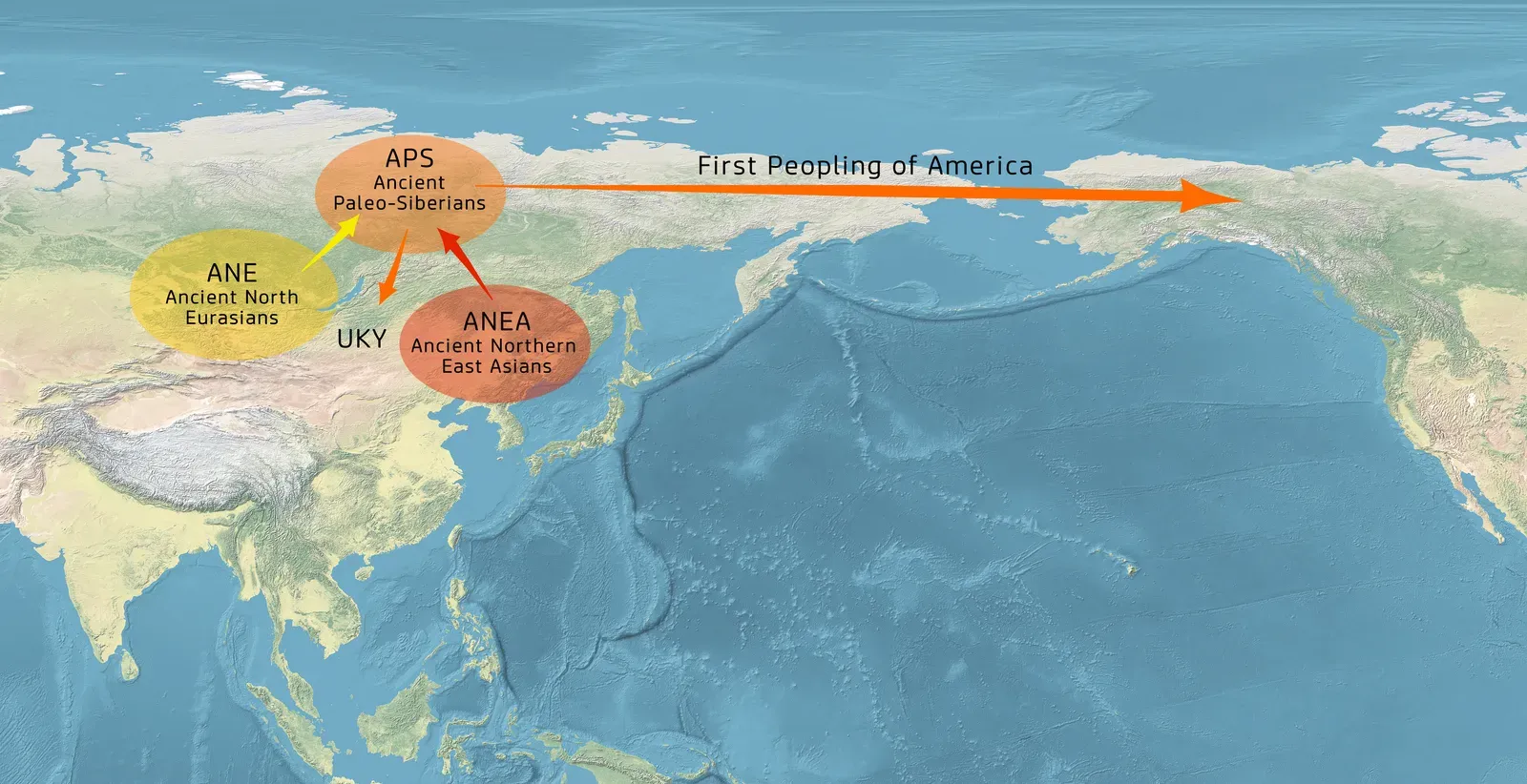
The old narrative suggests a single wave of people marching from Siberia into Alaska and then fanning out across the continents. Modern genetic research tells a much more layered story. Evidence points to a primary ancestral population that formed in northeastern Asia and then became isolated for a long time, possibly in Beringia, the region that once connected Asia and North America when sea levels were lower. From that base, different groups moved into the Americas in separate waves and spread in different directions.
Some ancient DNA studies show hints of distinct ancestries in certain South American and Arctic populations that do not match a simple one-wave model. This suggests that the peopling of the Americas was more like a series of journeys and branches than a single one-way road trip. If you picture tree roots weaving through soil, crossing, splitting, and reconnecting, you get something closer to how people actually moved and mixed over thousands of years. That messy, dynamic picture is far more realistic than the tidy diagrams we were once shown in class.
3. The Bering Land Bridge Story Is Only Part Of The Picture
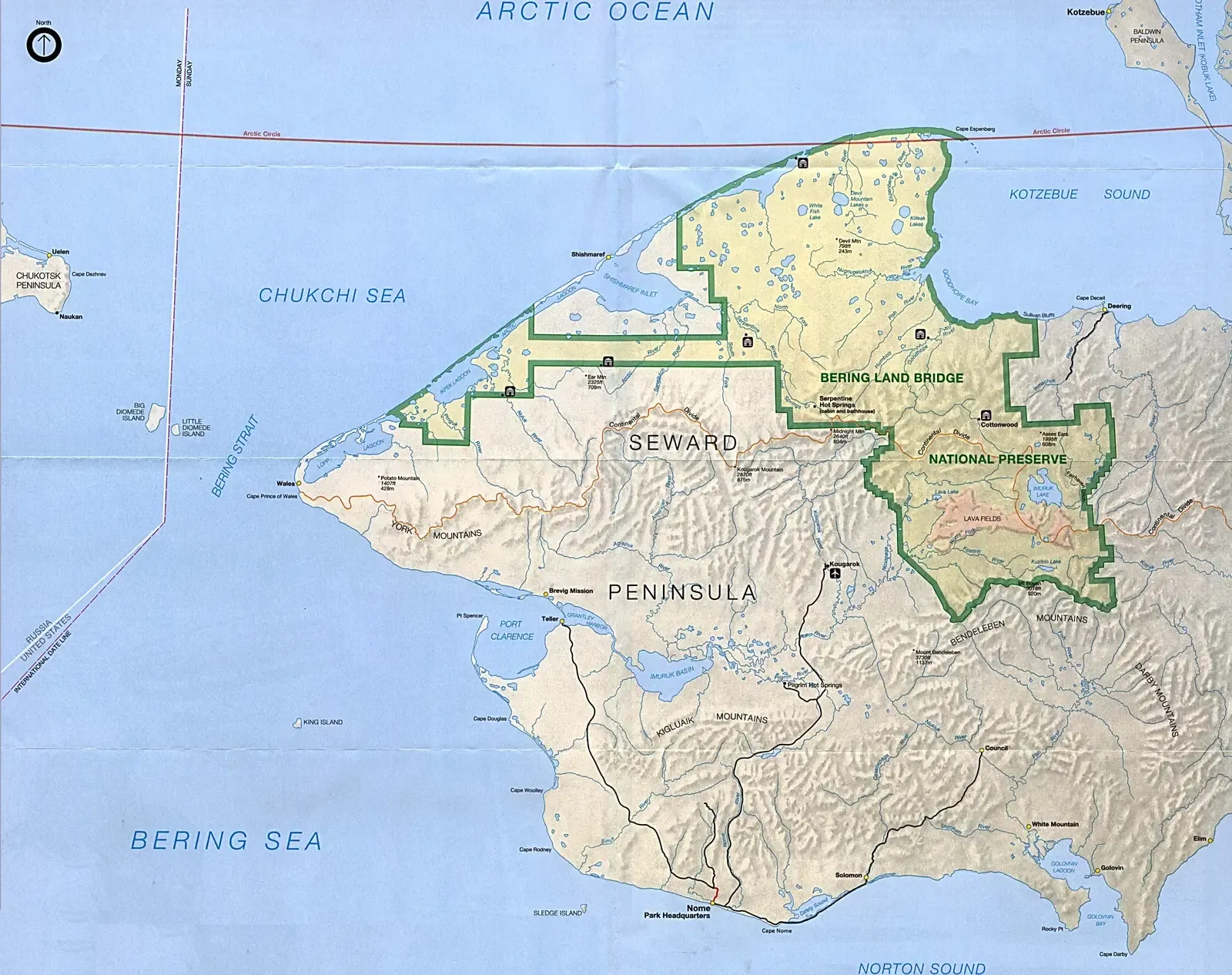
Yes, the Bering land bridge was real. During the Ice Age, sea levels were lower, exposing a broad stretch of land that linked Siberia and Alaska. For a long time, the story stopped there: humans walked across, glaciers melted, end of chapter. Now we know that what happened both before and after that crossing is just as important. People likely lived in Beringia, not just passed through it, for thousands of years, forming a distinct population with its own adaptations to harsh northern environments.
There is also growing support for the idea that some groups moved along coastal routes, traveling by boat and living along shorelines rather than solely trudging inland through glacial corridors. That coastal corridor may have opened earlier than interior passages and could explain how people spread relatively quickly down the Pacific coast. In other words, the famous land bridge is like the prologue to a much larger saga involving sea travel, different paths, and deep time spent in places most of us never think about when we say “origin stories.”
4. Indigenous Origin Stories Offer Deep-Time Knowledge, Not Just “Myths”
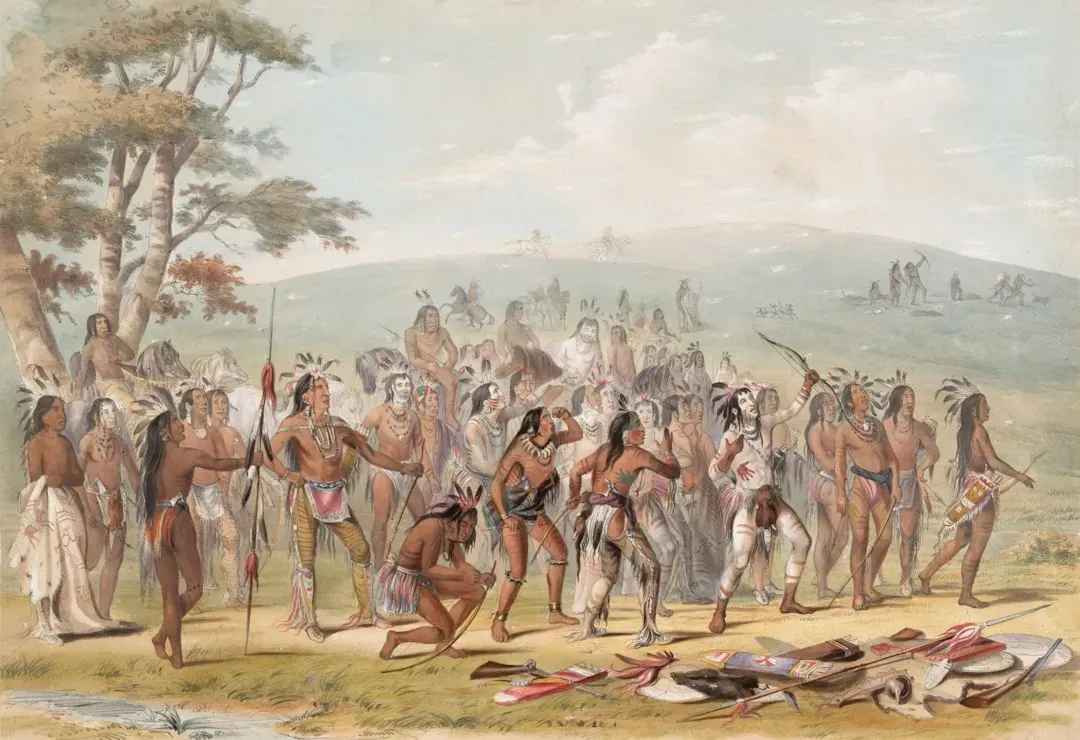
Many Native nations have their own accounts of where they came from and how their people came to live in particular homelands. These are often dismissed in school as “legends” or “myths,” while scientific models are treated as the only serious version of events. That attitude misses something crucial. Oral histories, passed down for many generations, sometimes preserve memories of ancient environmental changes, migrations, or encounters that line up in surprising ways with geological or archaeological evidence.
I remember talking with a Native friend who said their elders described their people as having always been in their homeland, through floods, ice, and fire. At first, I thought that meant “since the beginning of everything,” but it struck me later that if your community has been in a region for tens of thousands of years, that phrase is not so far from literal. When scientists and Indigenous knowledge keepers actually sit down and compare notes, they often find that origin stories and data-driven reconstructions can inform one another, rather than compete like rival explanations.
5. The Americas Were Incredibly Diverse Long Before Europeans Arrived
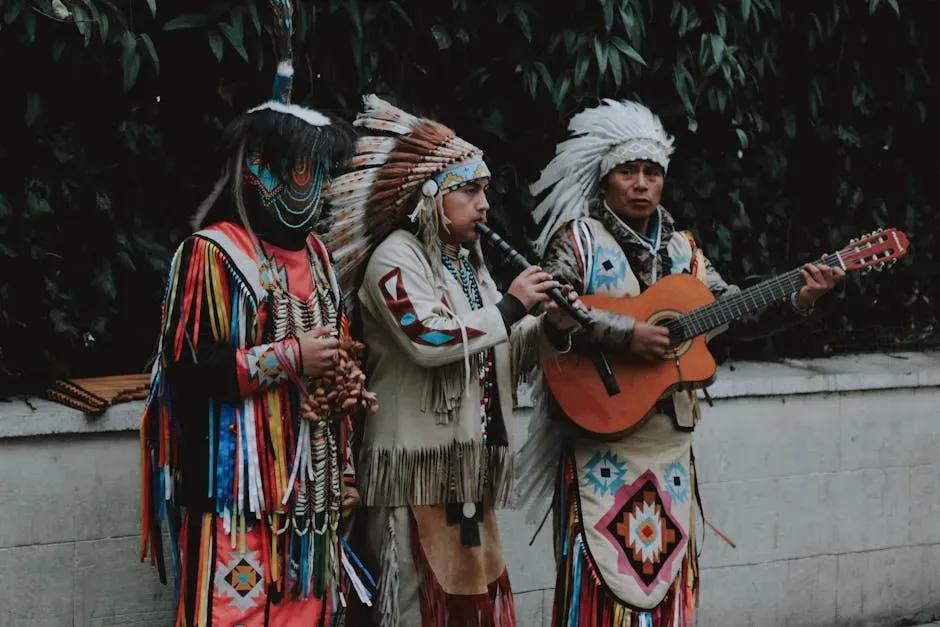
Growing up, a lot of Americans get the vague impression that there were a handful of tribes scattered across a “wilderness.” That image is wildly misleading. Before European contact, the Americas held hundreds of distinct nations, languages, and cultures, from complex city-building societies in Mesoamerica and the Andes to powerful agricultural confederacies and mobile hunting communities in North America. Linguists have cataloged a huge number of language families, many of which have no known relatives anywhere else on Earth.
This diversity did not appear overnight. It developed over uncounted generations of people adapting to deserts, prairies, mountains, tundra, swamps, and dense forests, shaping their lifeways to specific environments. Think about how different New England is from the Sonoran Desert or the Pacific Northwest coast. Each of those regions supported distinct technologies, foods, spiritual practices, and political systems long before the first European ship came into view. Once you realize this, the idea of Native Americans as a single, flat category stops making sense; origin stories, in reality, unfolded in plural, not singular.
6. Ancient Native Societies Were Urban, Scientific, And Highly Organized
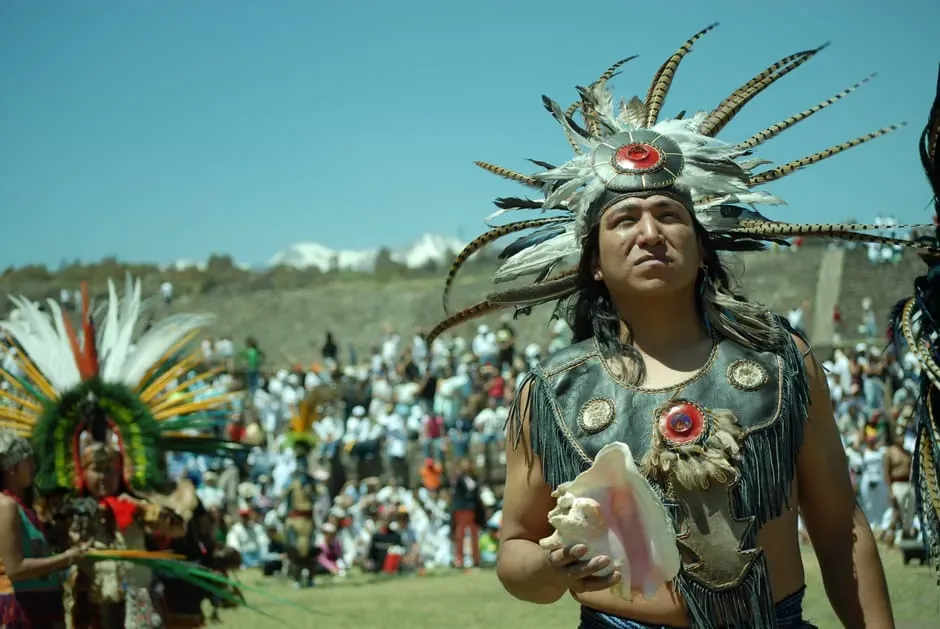
Another surprise to many people is just how complex some Indigenous societies had become by the time Europeans arrived, and how long those developments had been underway. Massive cities with monumental architecture, engineered roads, terraced agriculture, and sophisticated calendars and record systems all existed in different parts of the Americas. These systems were built on centuries or millennia of experimentation, observation, and social organization by Native peoples themselves, not borrowed from somewhere else.
Even north of present-day Mexico, where many Americans assume only small, scattered groups lived, there were large towns, earthwork complexes, irrigation networks, and intricate trade routes linking distant regions. If you picture the continent as threaded by invisible highways of commerce and communication, you are closer to reality than the old image of isolated bands. The origins of Native American peoples are not just about where bodies came from genetically; they are also about how those communities built knowledge systems, governance structures, and technologies that rivaled any in the so-called Old World.
7. Disease And Colonization Erased Enormous Parts Of The Early Story
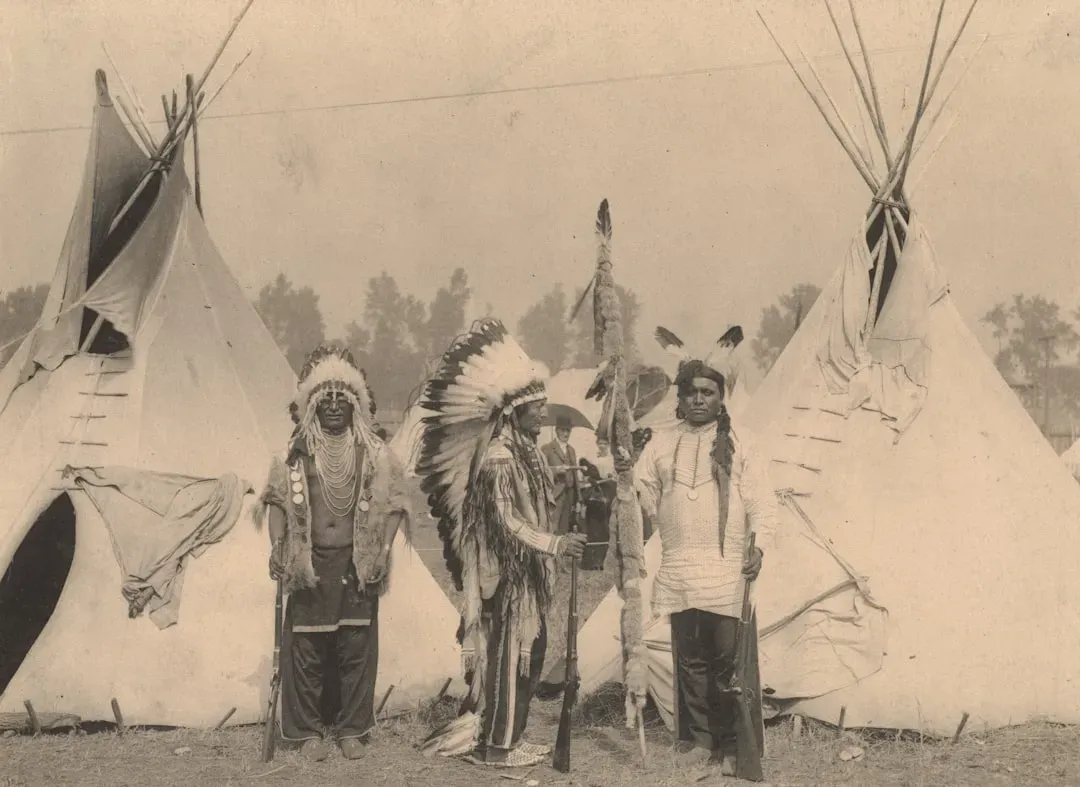
One brutal reason we know less than we should about Native origins is that colonization erased so much. After Europeans arrived, waves of introduced diseases tore through Indigenous communities that had no prior exposure or immunity. Many historians argue that in some areas, populations fell by well over half within a relatively short span of time. Whole villages and even nations vanished so quickly that their stories, languages, and records disappeared before they could be documented in written form.
Imagine walking into a vast library and setting half the shelves on fire; that is roughly what happened to the living archive of Native American knowledge. When we talk about the “mysteries” of early origins, we are partly confronting the damage of those losses. But that does not mean Indigenous histories are gone. In songs, ceremonial practices, archeological remains, land-based teachings, and the survival of Native languages, fragments of those early chapters remain. The fact that we can still reconstruct as much as we do is a testament to how resilient these communities have been in the face of catastrophic disruption.
8. DNA Research Confirms Deep Connections – But It Doesn’t Tell The Whole Story
Genetic studies have dramatically improved our understanding of how ancient peoples are related across vast distances. Modern DNA evidence supports the broad picture that the ancestors of most Native Americans share roots with ancient populations in northeastern Asia, with lineages that diverged and adapted over tens of thousands of years in the Americas. Ancient DNA from human remains has helped clarify when certain groups arrived in particular regions and how different populations are connected or distinct.
At the same time, genetics has limits. DNA cannot tell you what a people called themselves, how they understood their relationship to their land, or what stories they told around the fire at night. It also cannot capture the full complexity of cultural exchanges, adoptions, intermarriages, and the kinds of identity shifts that happen over generations. Some Native communities are understandably cautious about genetic studies, given a long history of exploitation and disrespect from outside researchers. Respecting Indigenous sovereignty over their own biological and cultural heritage is just as important as any scientific curiosity about ancient migrations.
9. The Idea That Europeans “Discovered” An Empty Land Is Deeply Misleading
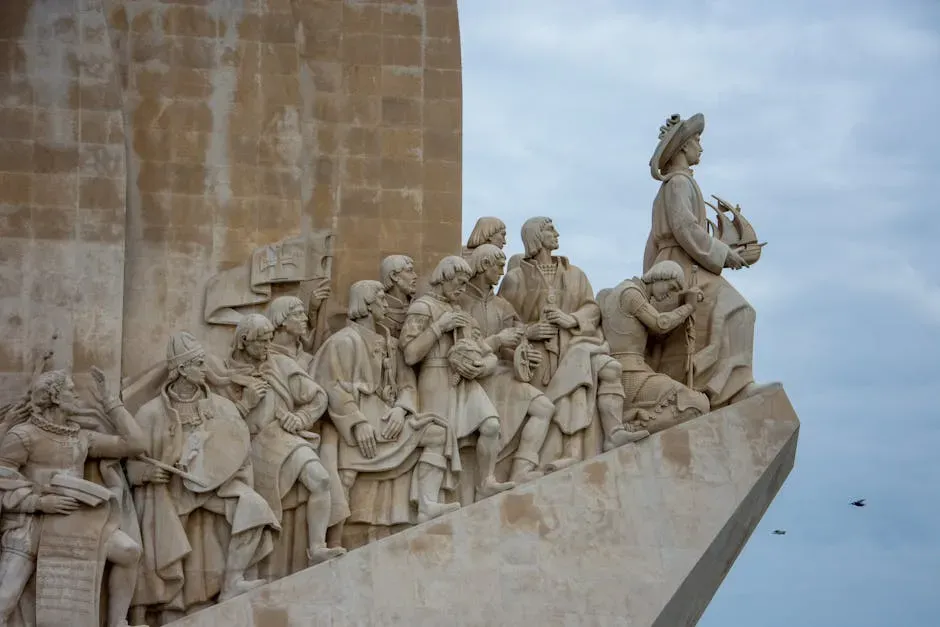
When school lessons start the American story with European explorers planting flags, they subtly frame the continents as if they were basically empty stages waiting for new actors. From what we now know, that view is not just morally wrong, it is historically absurd. The Americas were already full of people with their own deep pasts, complex societies, and nuanced understandings of their worlds. Native nations had origin stories, territorial agreements, rivalries, and diplomatic alliances long before Europeans inserted themselves into those networks.
When a European mapmaker drew a line on a chart and called it a “discovery,” it ignored the fact that Native travelers had been moving along those same coasts, rivers, and mountain passes for generations, if not much longer. Thinking honestly about Native origins forces a shift: instead of seeing Europeans as the starting point, we recognize them as late arrivals who crashed into a story that was already ancient. That perspective can be uncomfortable for people who were raised on heroic tales of explorers, but it is much closer to the truth.
As someone who first learned history from glossy textbooks, I remember the jolt of realizing that the “first chapter” I was taught was really somewhere in the middle of the book. It felt a bit like realizing your favorite series actually has several prequels no one bothered to tell you existed. Once you see those earlier volumes, the character of the later story changes completely.
10. Recognizing These Origins Changes What It Means To Be American
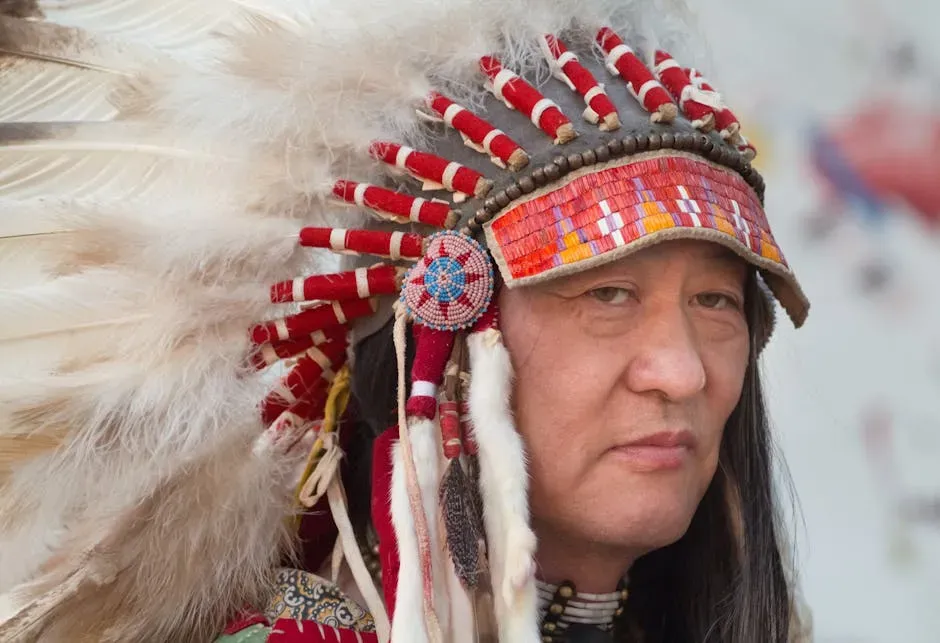
Understanding the deep, complex origins of Native American peoples is not just an academic hobby; it has real implications for how we think about citizenship, identity, and responsibility today. When you recognize that Indigenous nations have roots going back tens of thousands of years, it becomes harder to treat their sovereignty and treaty rights as optional or negotiable. These are not “special interests”; they are original polities that were already here when every later government arrived.
On a more personal level, taking Native origins seriously can shift how any of us relate to the land beneath our feet. Instead of imagining the United States as a blank canvas that started in the late eighteenth century, we can see it as a layered place, with each region holding stories that long predate our current borders and institutions. That perspective can be humbling, even unsettling, but in a good way. It invites each of us to ask harder questions about whose history we center, whose knowledge we respect, and what it means to live on land with such a long, human past.
Conclusion: Why These Origin Stories Should Reshape Our National Story
When you pull all of these facts together, a simple pattern emerges: the usual American origin story is far too short, far too narrow, and far too centered on the last few centuries. Native American peoples did not just step onto the stage when Europeans showed up; their roots stretch back into deep time, through multiple migrations, climatic upheavals, and waves of cultural innovation. To keep telling the story of this country as if it starts with colonists is, frankly, a choice to overlook most of what actually happened on this land.
My own opinion is that we cannot take ourselves seriously as a country if we refuse to take this deeper history seriously too. That means listening to Indigenous nations about their own origins, supporting their efforts to protect sacred sites and languages, and being willing to revise our textbooks, museum exhibits, and casual assumptions. It is not about guilt; it is about accuracy, respect, and maturity. If the real story of America is far older and richer than we were told, the real question is simple: are we brave enough to learn it and let it change us, or would we rather cling to a comforting half-truth?